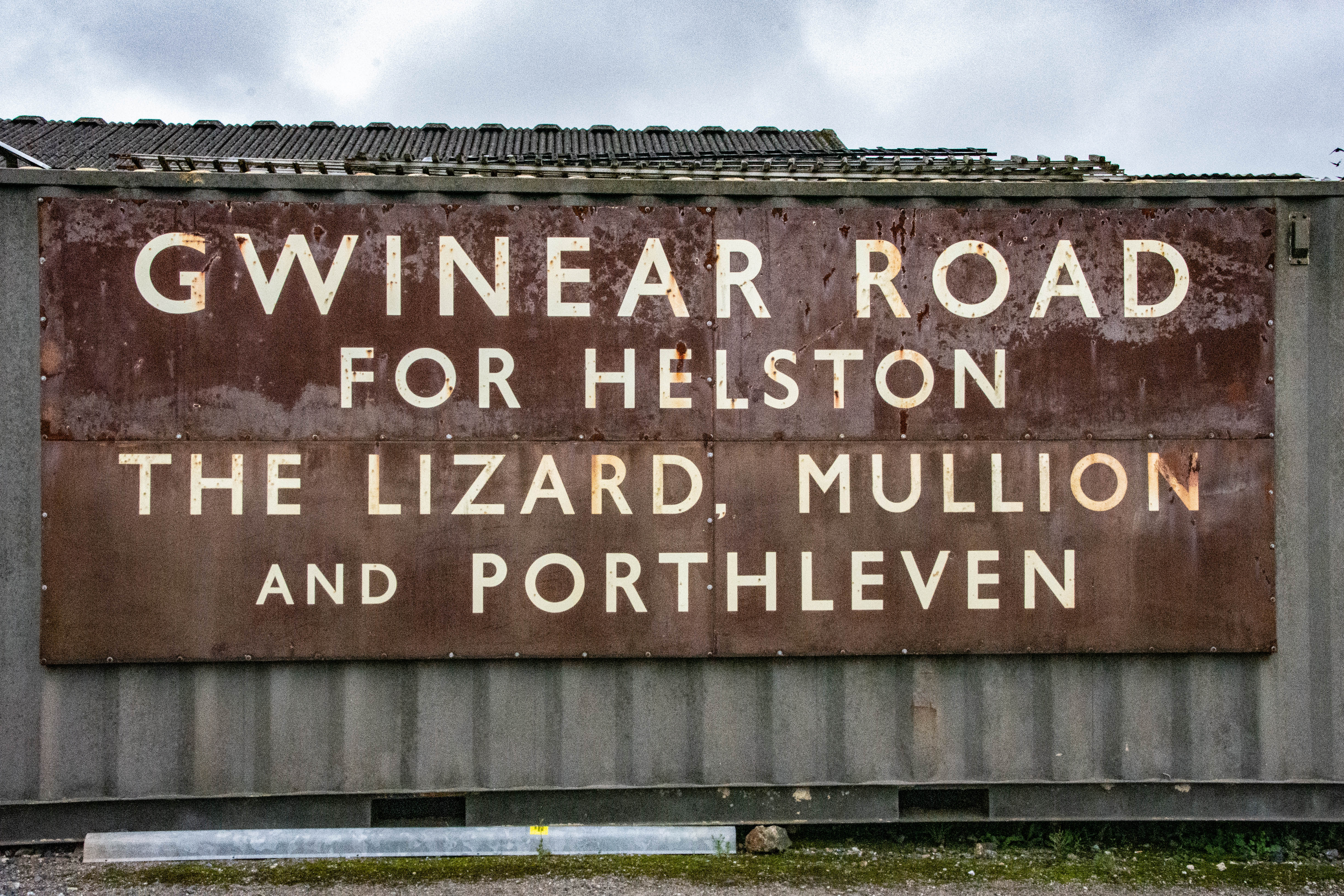
First off, an apology. I cocked up my camera settings and it’s only in reviewing these images for this blog have I realised my problem. The images are rather grainy and as much as I would like to blame the Cornish weather for this, I must confess my sins. Nevertheless, we move on. Originally opened in 1887, the Helston Railway in Cornwall is a branch line which connected the Cornish town of Helston with the main GWR line at Gwinear Road with onward travel to Penzance and Plymouth. The line enjoyed great financial success and was eventually sold to the GWR in 1898. After WWII, the line continued to serve Helston carrying both freight and passengers however the railways in general were in a poor state. After nationalisation, the rise of transportation of freight by road was increasing, resulting in declining traffic on the railway. The last passenger train ran on 3rd November 1962, with freight traffic ending two years after that. The line was officially closed on 4th October 1964.
1965 saw the track removed by British Railways with the track bed and stations sold off in the years that followed. In 2002, the Helston Railway Preservation Company was formed and work commenced in 2005 at Trevarno on the restoration of the railway. The original terminus at Helston has long since been demolished and built over by a housing estate but the HRPC is slowly acquiring more track bed as it becomes available in order to extend the line further. Although Trevarno is an original halt along the line, the current termini are purpose built and are not original to the line. The Helston Railway is currently the most south westerly preserved railway in Britain.
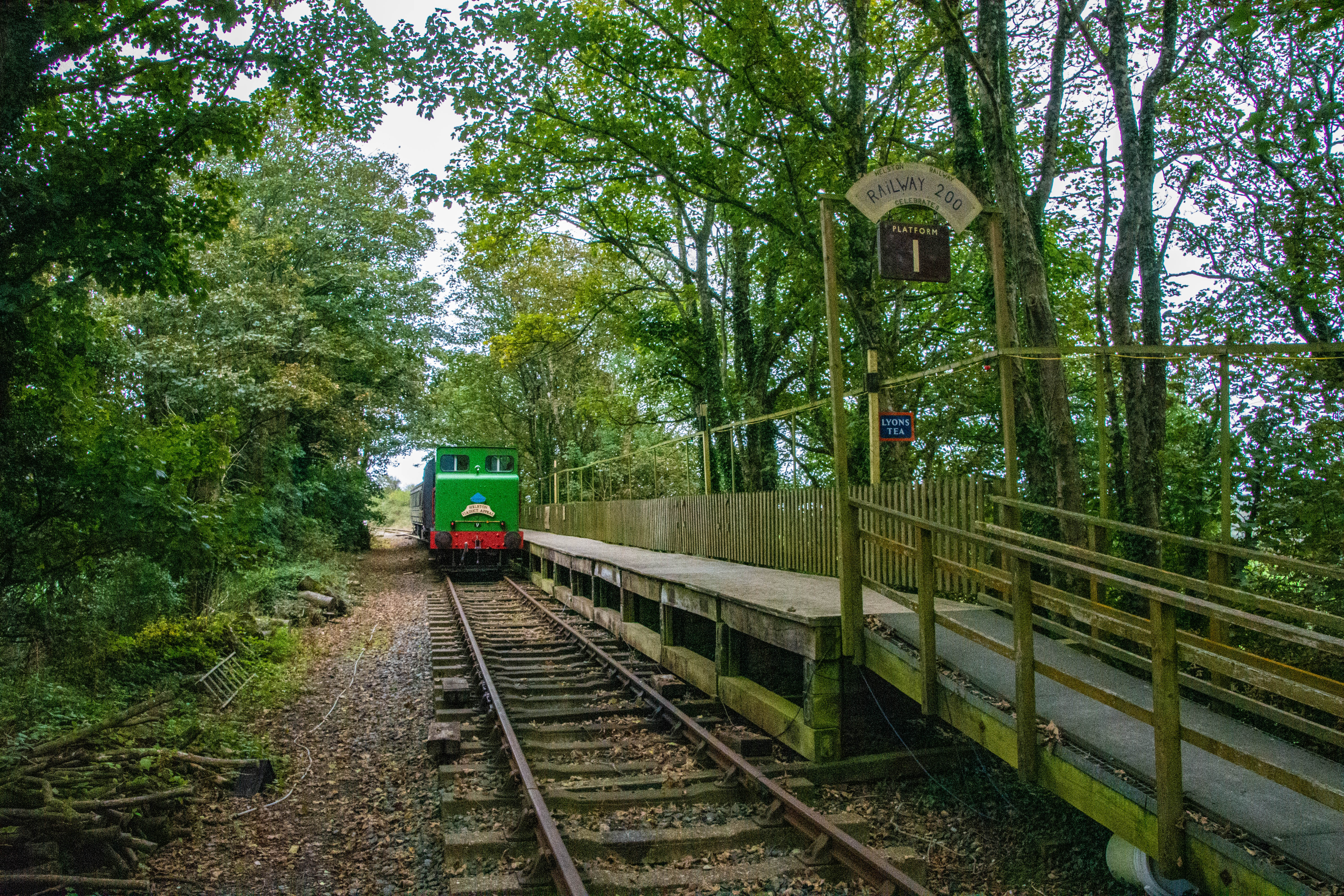
Prospidnick Halt
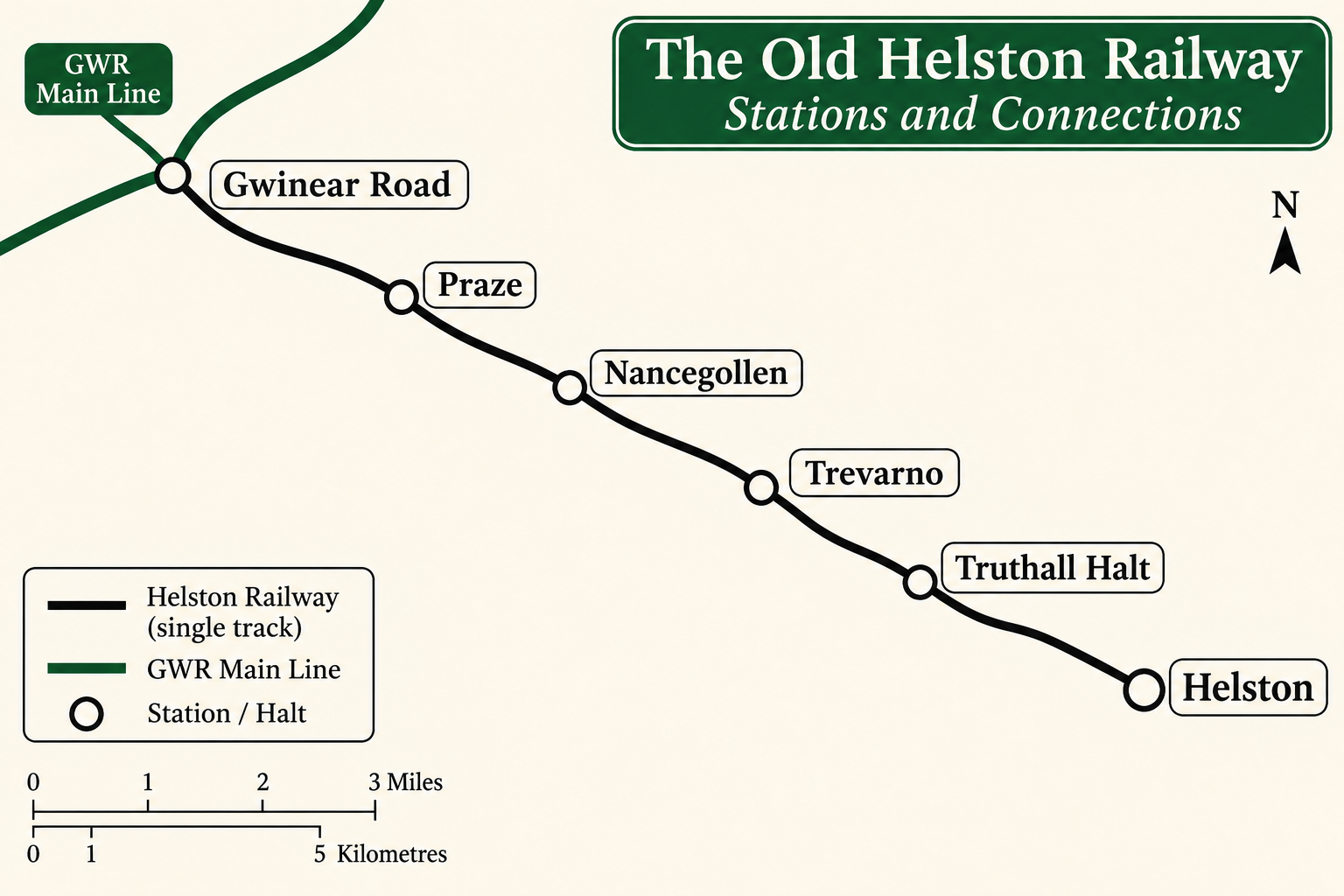
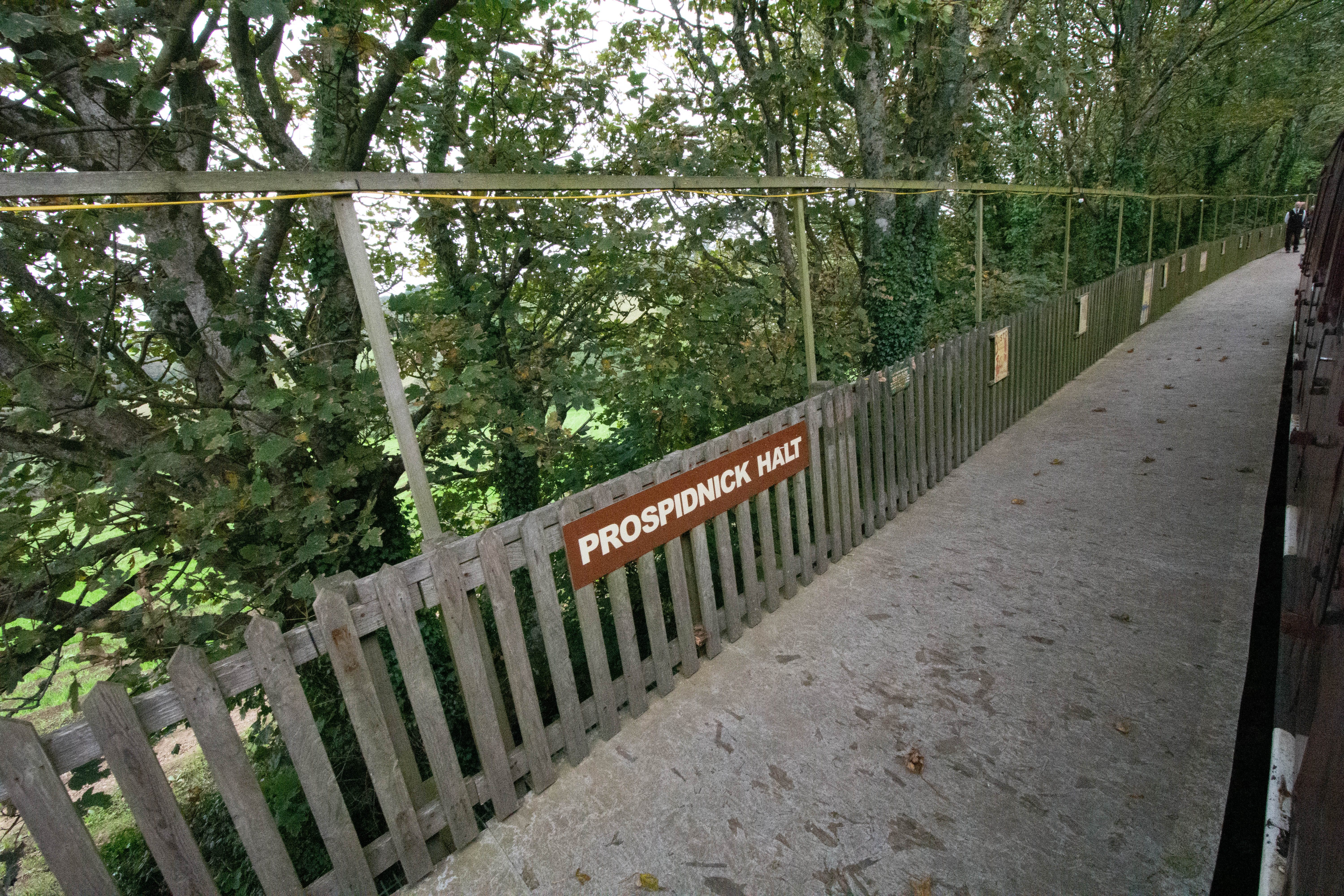
Trains start their journey today from Prospidnick Halt; a purpose built raised wooden platform for the trains in the town of Prospidnick. The original branch of stations can be seen below and Prospidnick Halt sits south, between Nancegollen and Trevarno.
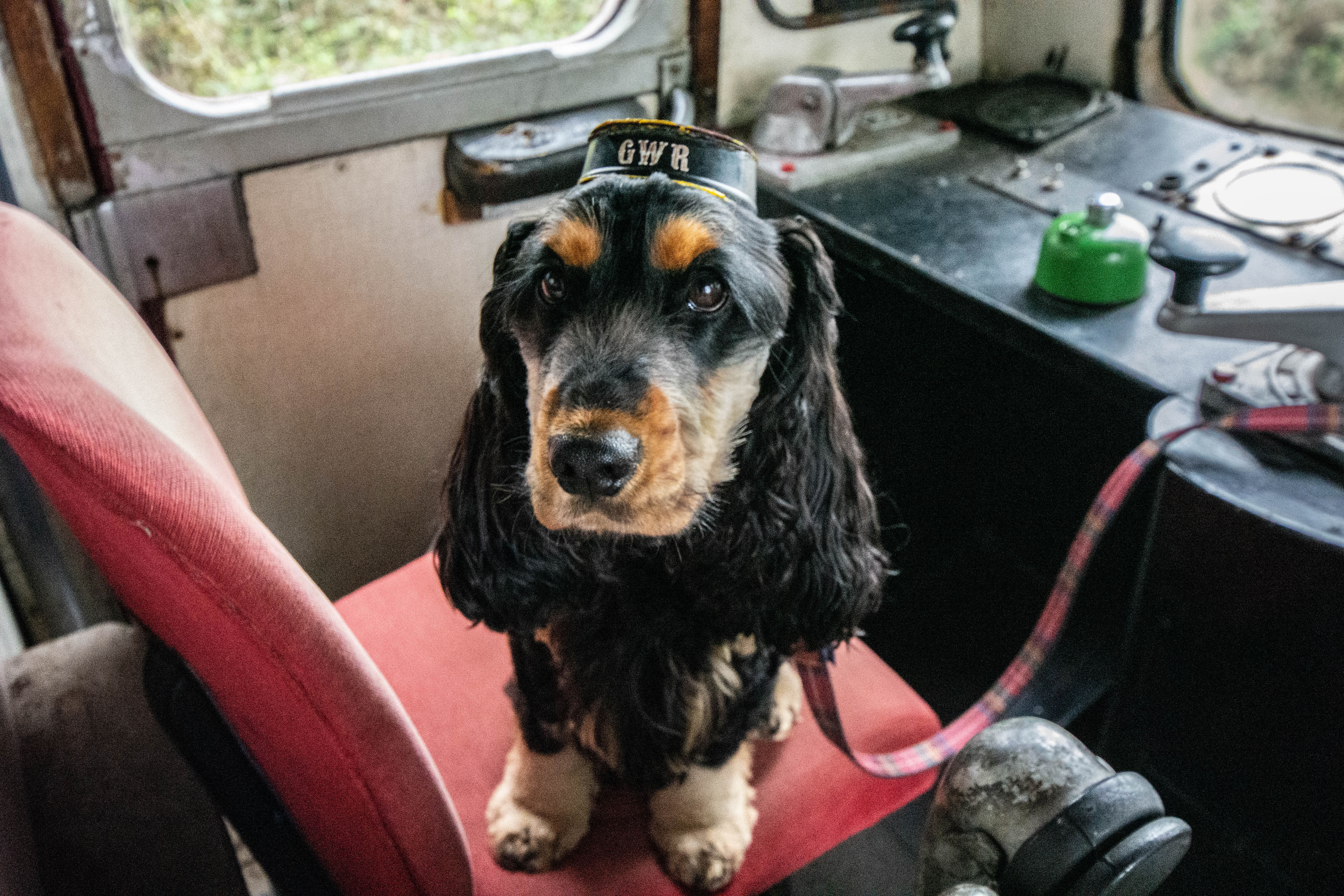
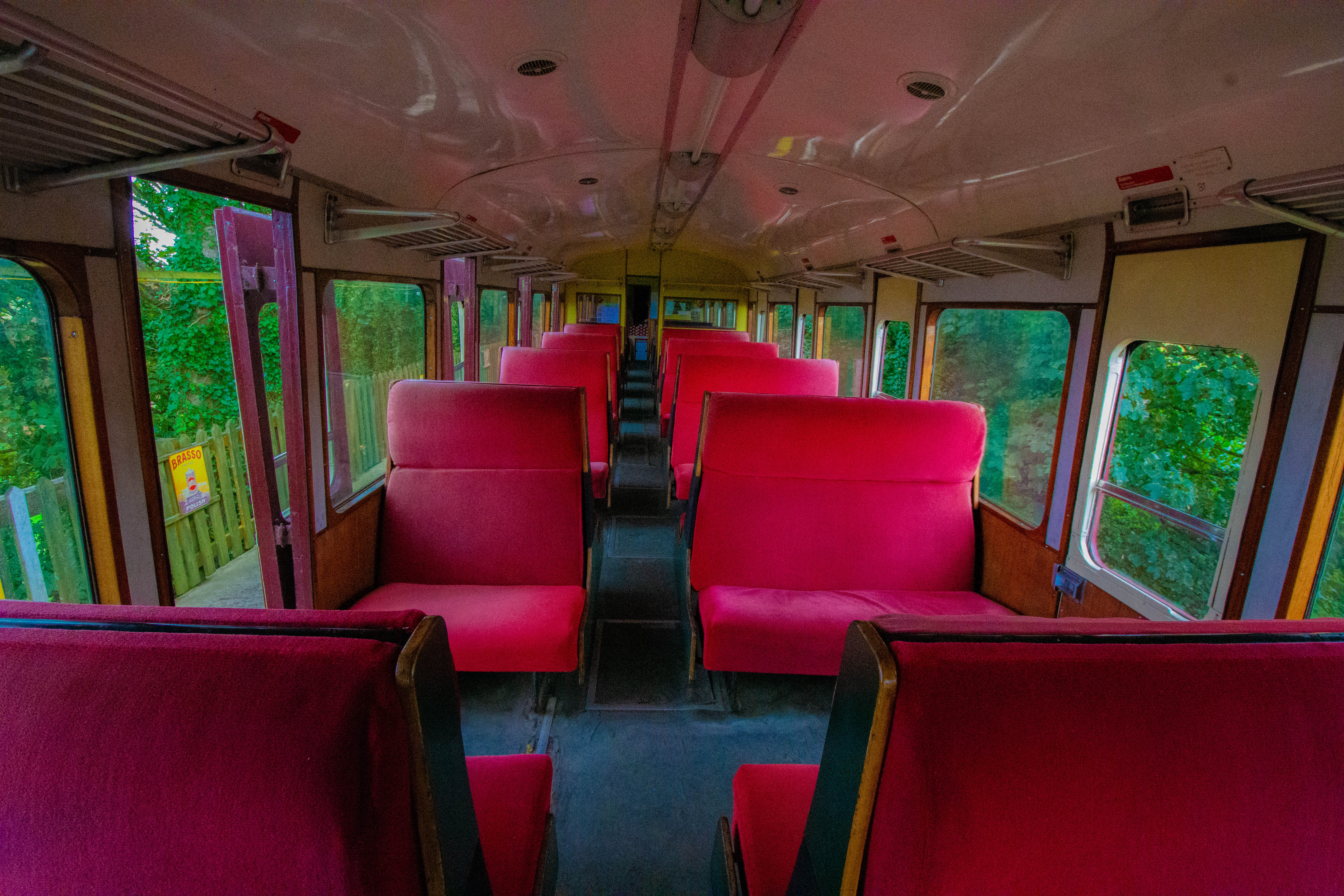
Stepping aboard our BR Class 127 DMU driving motor car you are immediately transported back in time. The original slam doors and the 3+2 seating configuration would have once been a common sight on heavy traffic suburban lines. What those trains lacked through was a cute dog complete with a GWR hat. This was the drivers dog and she was incredibly well behaved. I think she was enjoying the train ride more than the visitors today judging by how rapidly she wagged her tail.
Trevarno
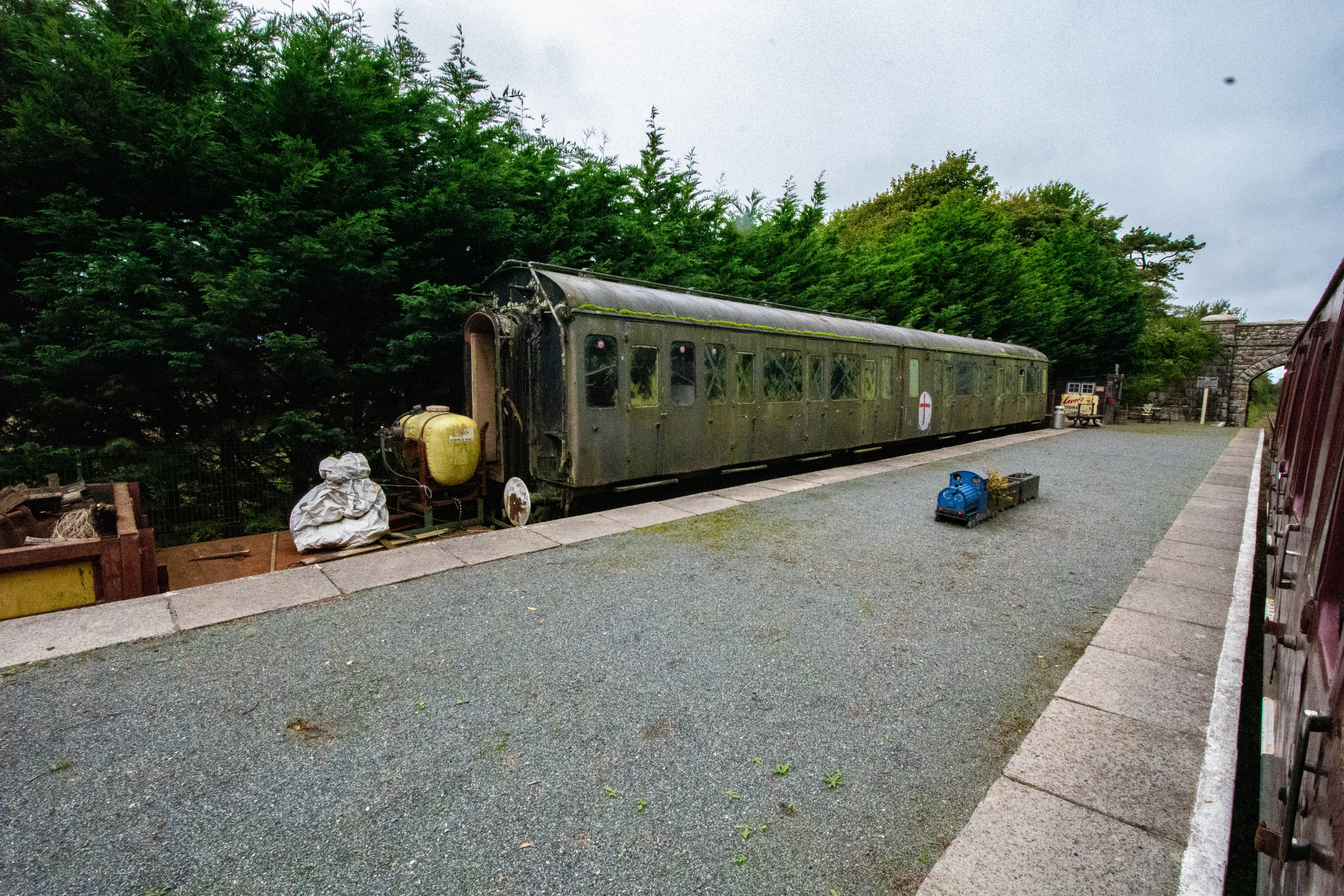
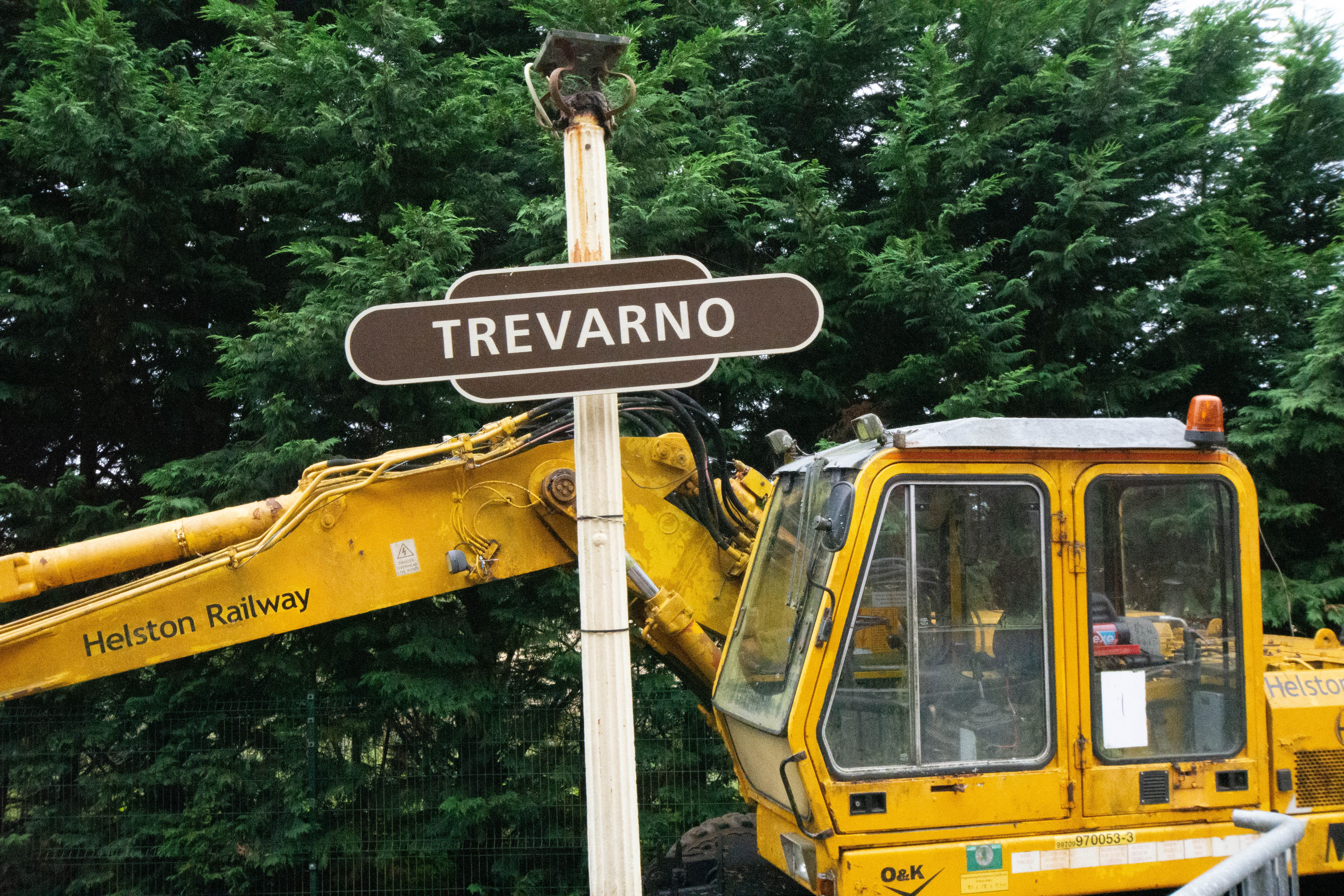
It is a non-stop journey today to Truthall Halt, so we can only see Trevarno from the windows of the train as we make a sedate journey down the line. There are no station buildings at Trevarno except a very small wooden shelter at the end of the platform.
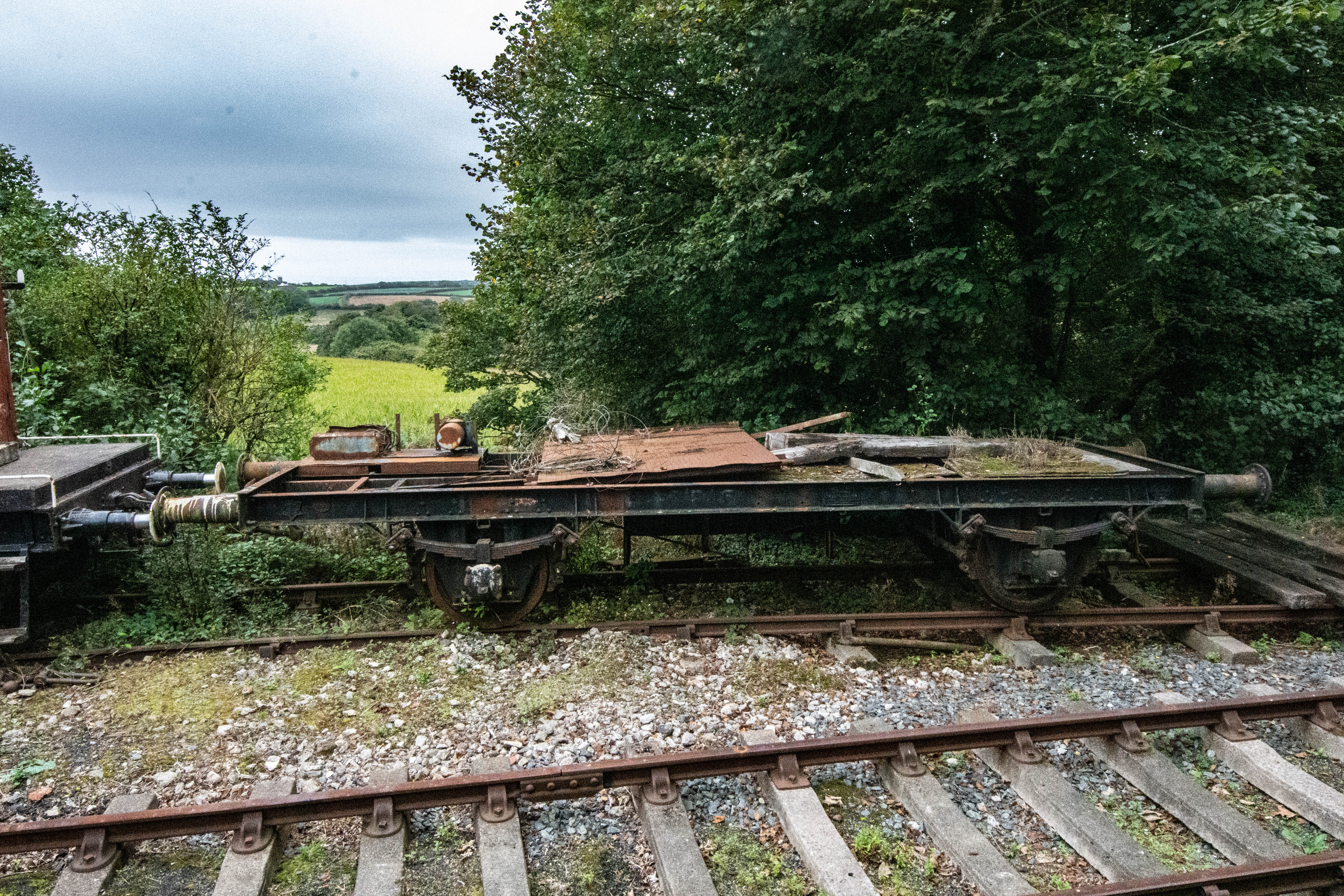
This is an island platform with a relief line on the other side which is used for shunting and storage purposes. Something of interest is the old flat bed wagon which is nothing more than a skeleton right now and unexceptional to look at. This was built specifically for McAlpine civil engineering. You may remember that name as we visited Sir McAlpines vast railway collection a couple of years ago and this wagon was eventually moved to that site. Following one of the open days to his site, someone enquired about obtaining this flat bed with the aim of restoring it. Sir William agreed to this but died shortly after and never got to see the restoration. It is one of many projects which the railway has in the pipeline but like so many heritage railways, the limiting factor is volunteer numbers and money.
Truthall Halt
We pull into Truthall Halt which is an original halt along the line. This is the end of the line as the next station along would be the former terminus of Helston which has long since gone. We get off here and can go for a wander over the road bridge which spans the line.
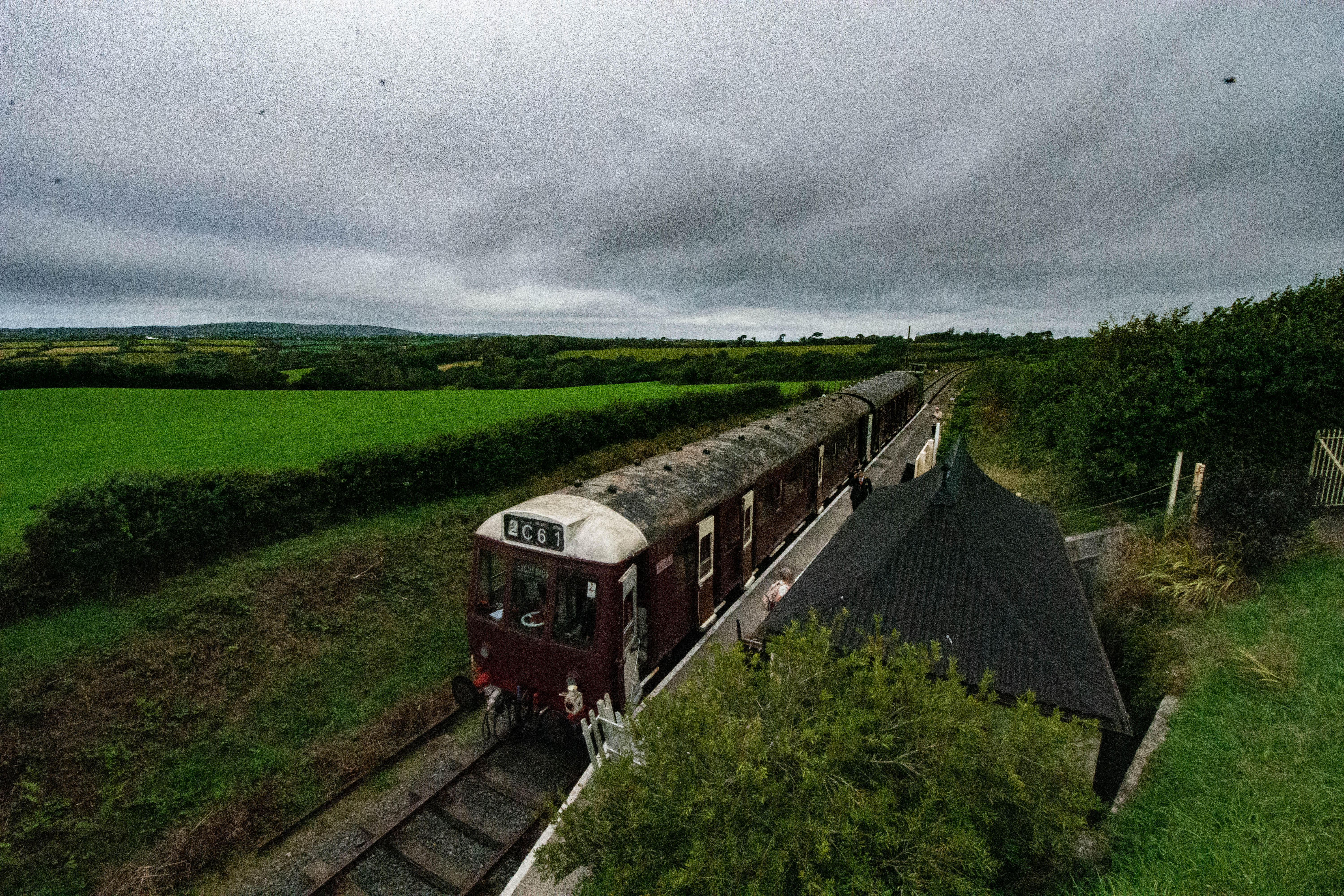
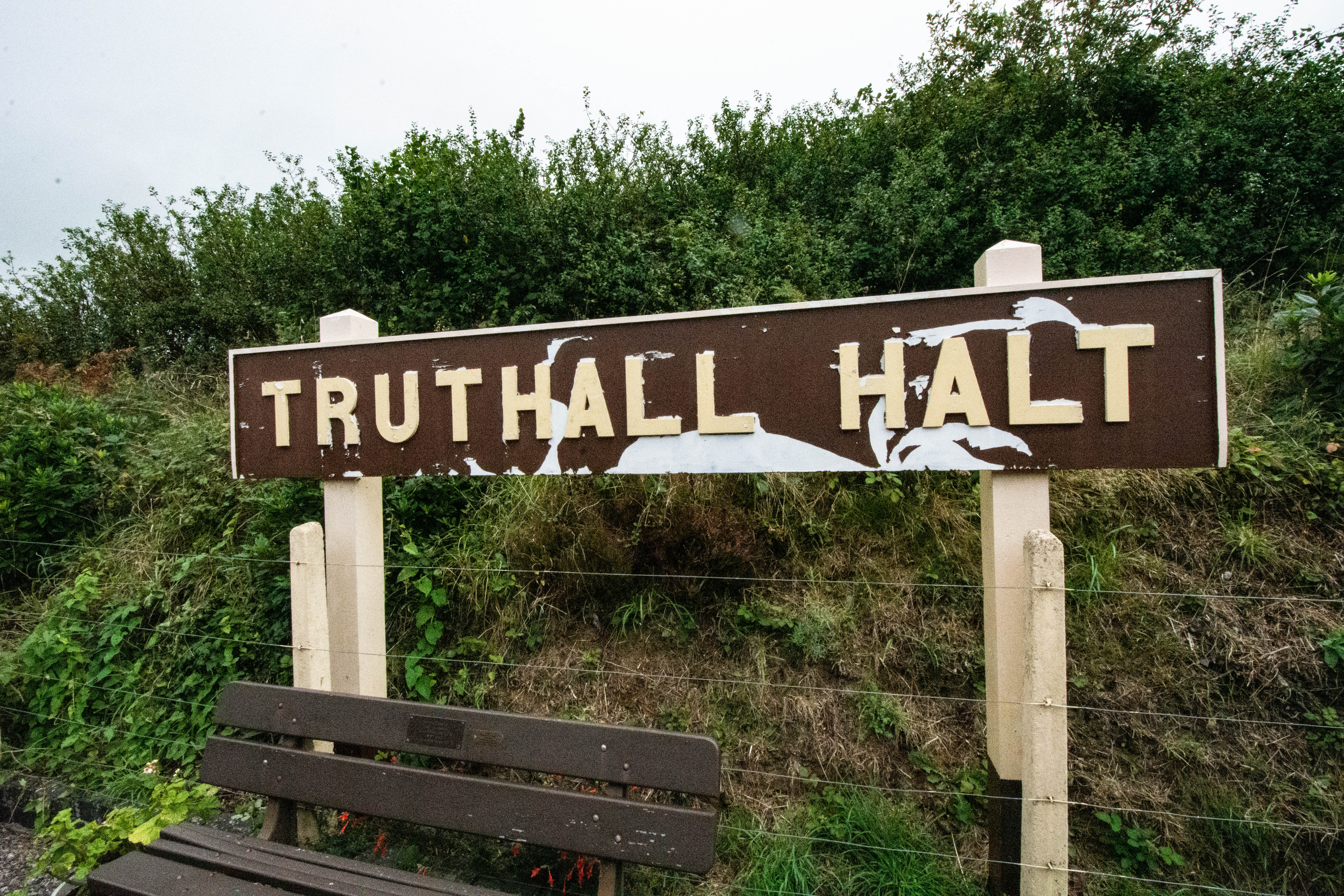
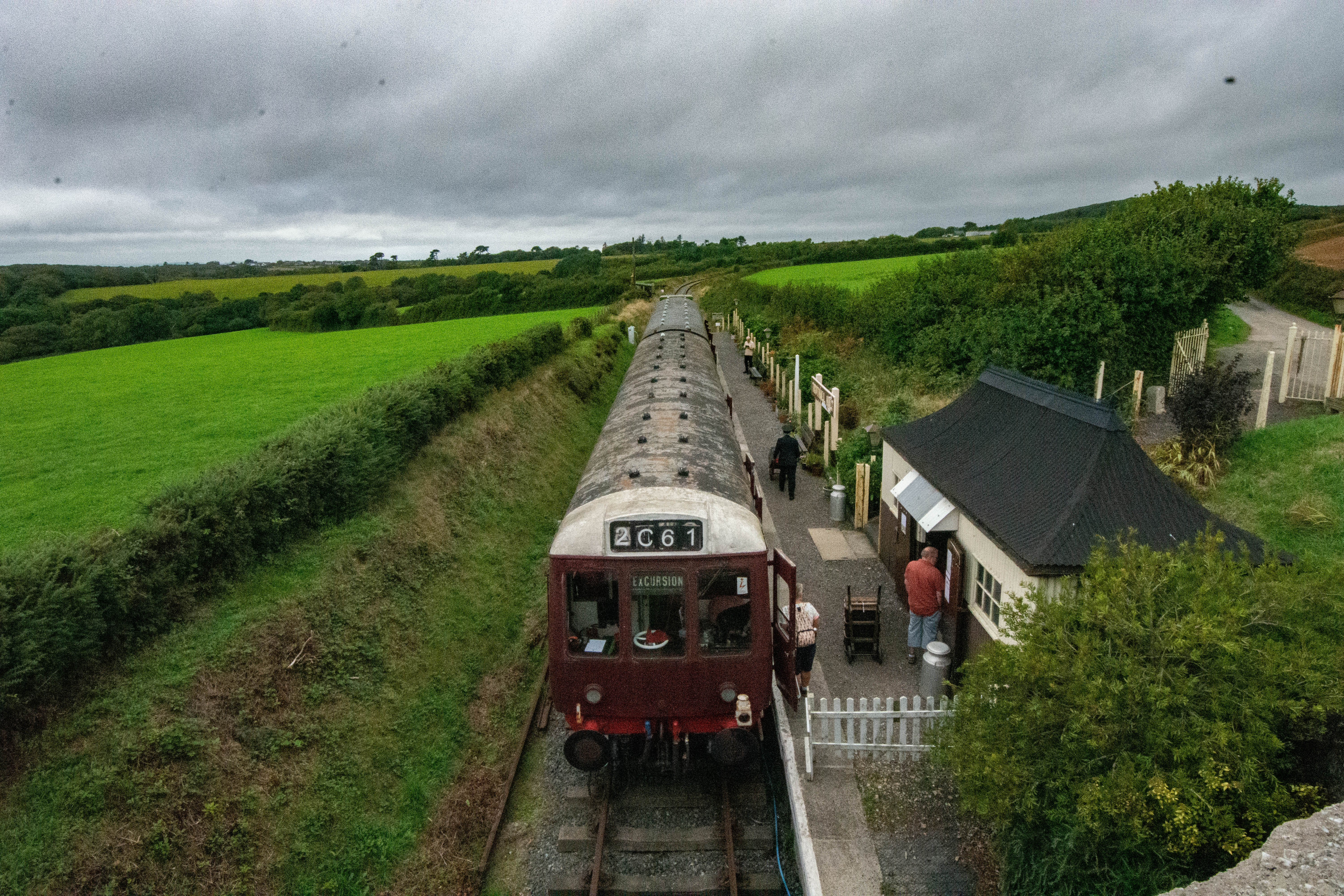
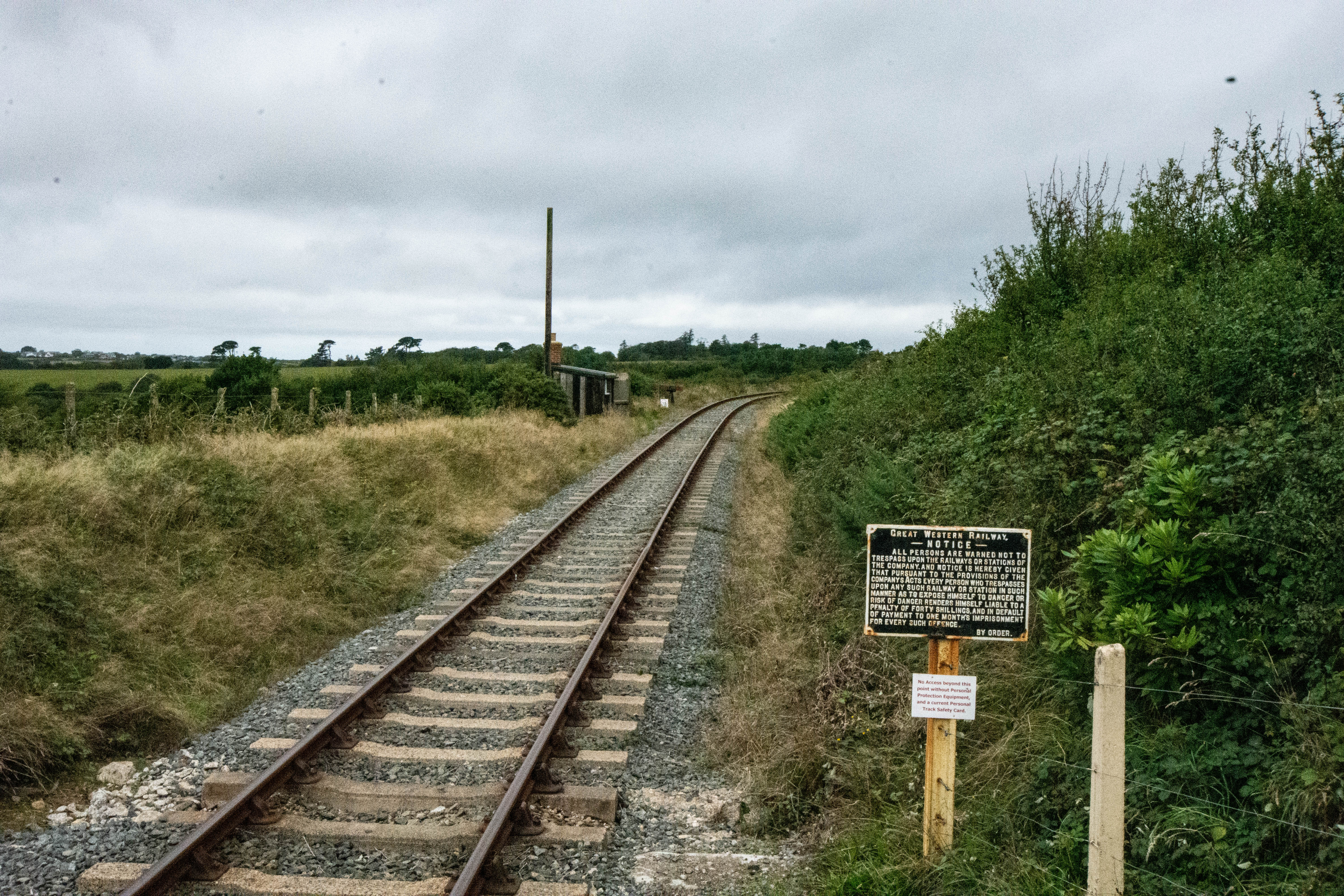
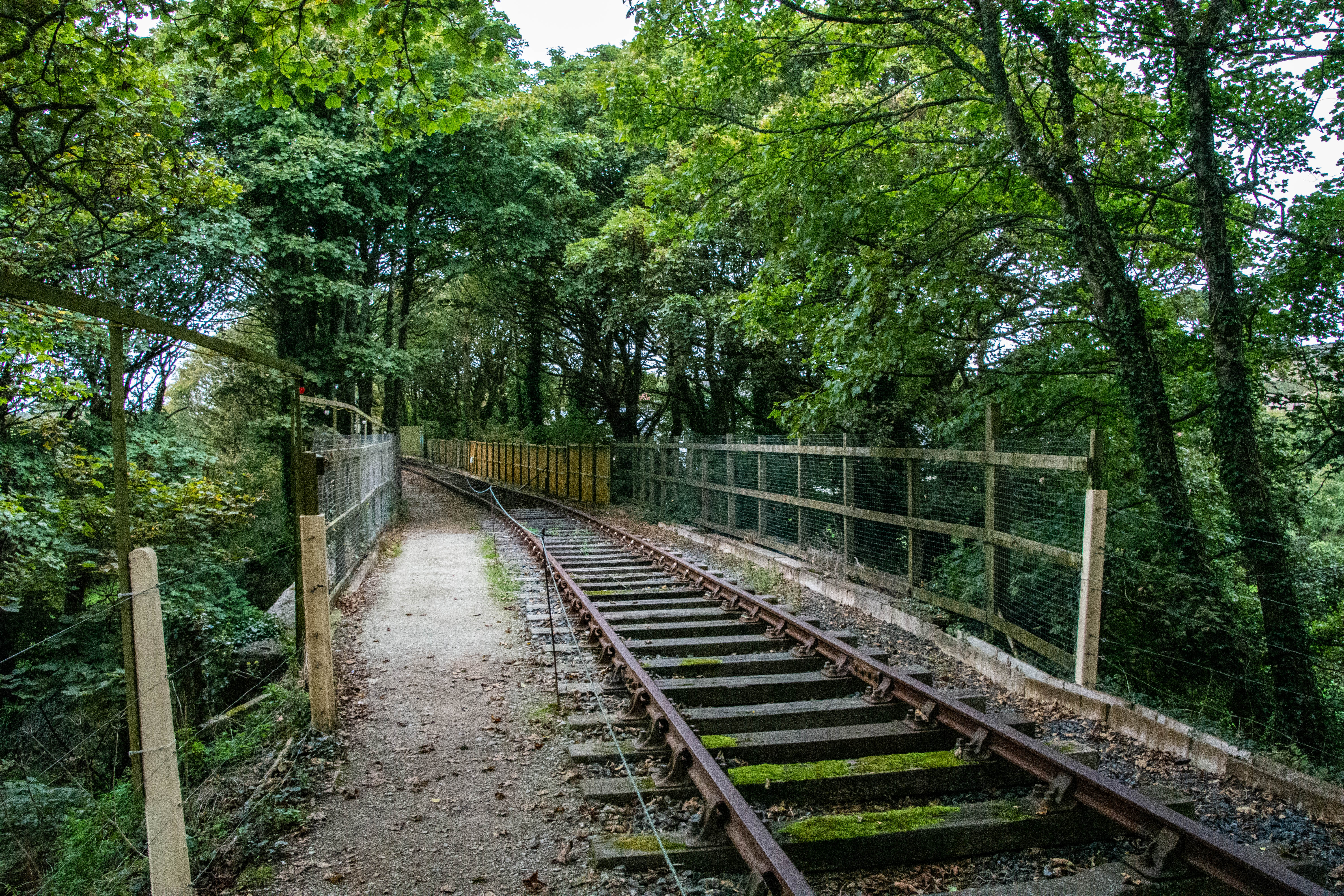
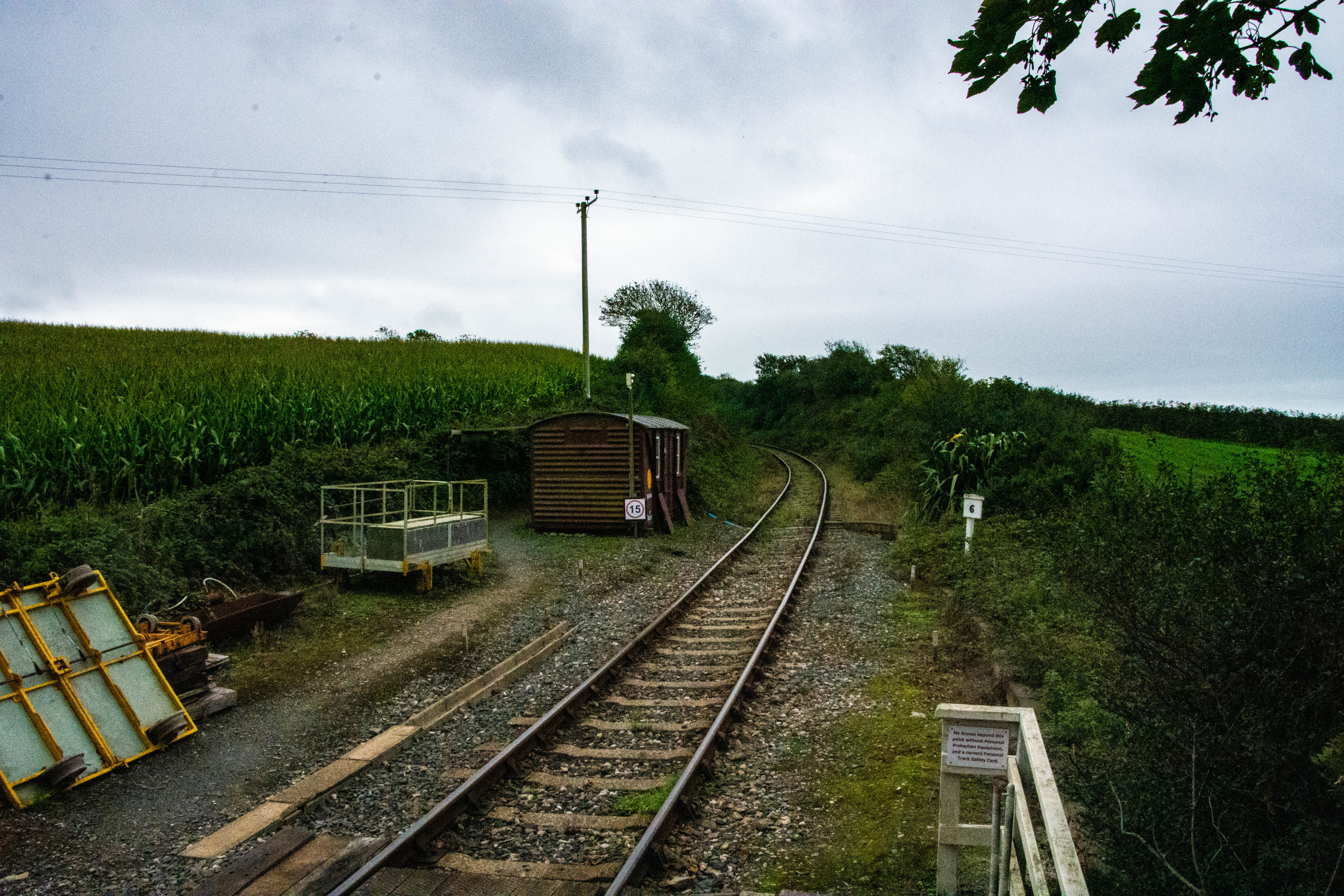
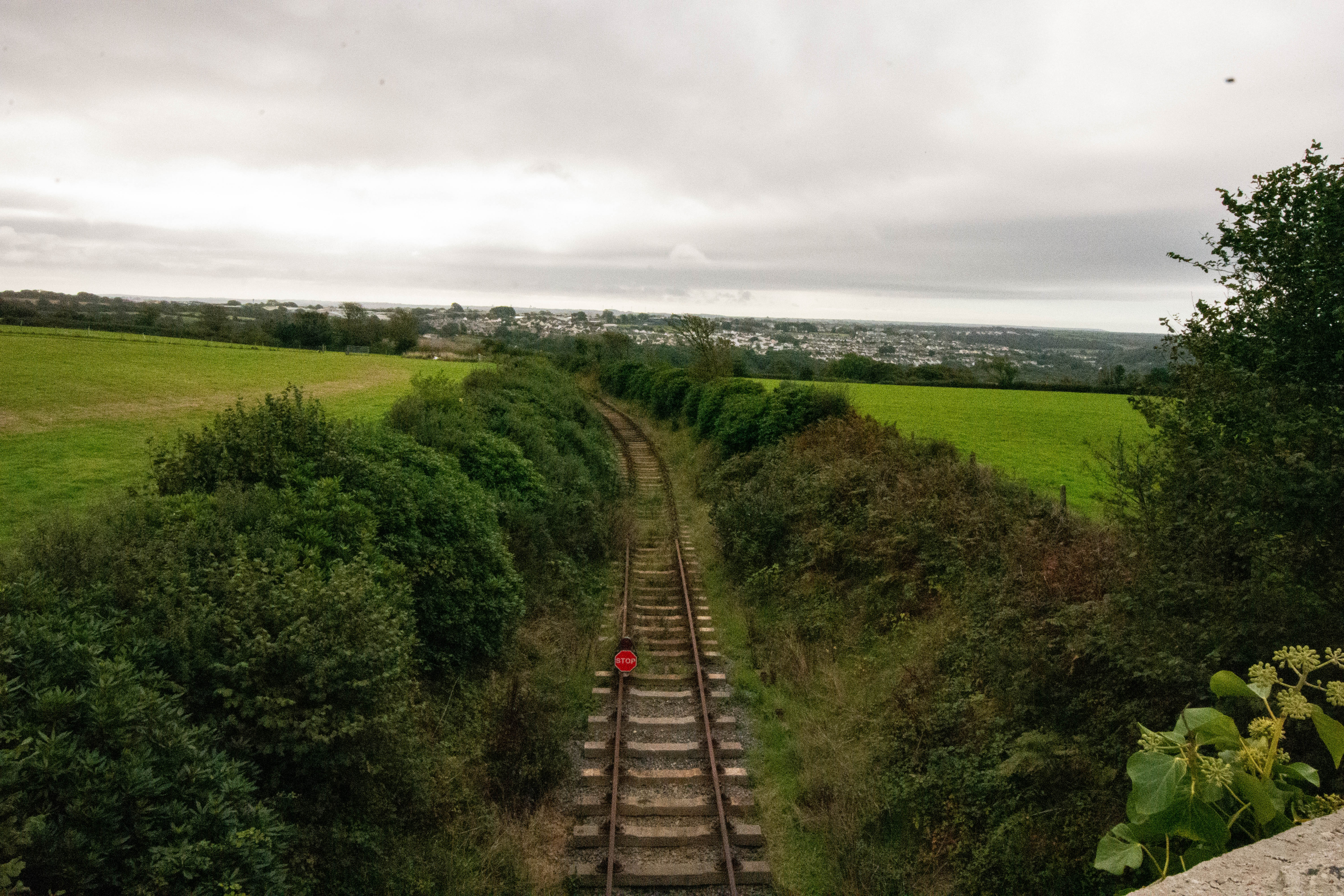
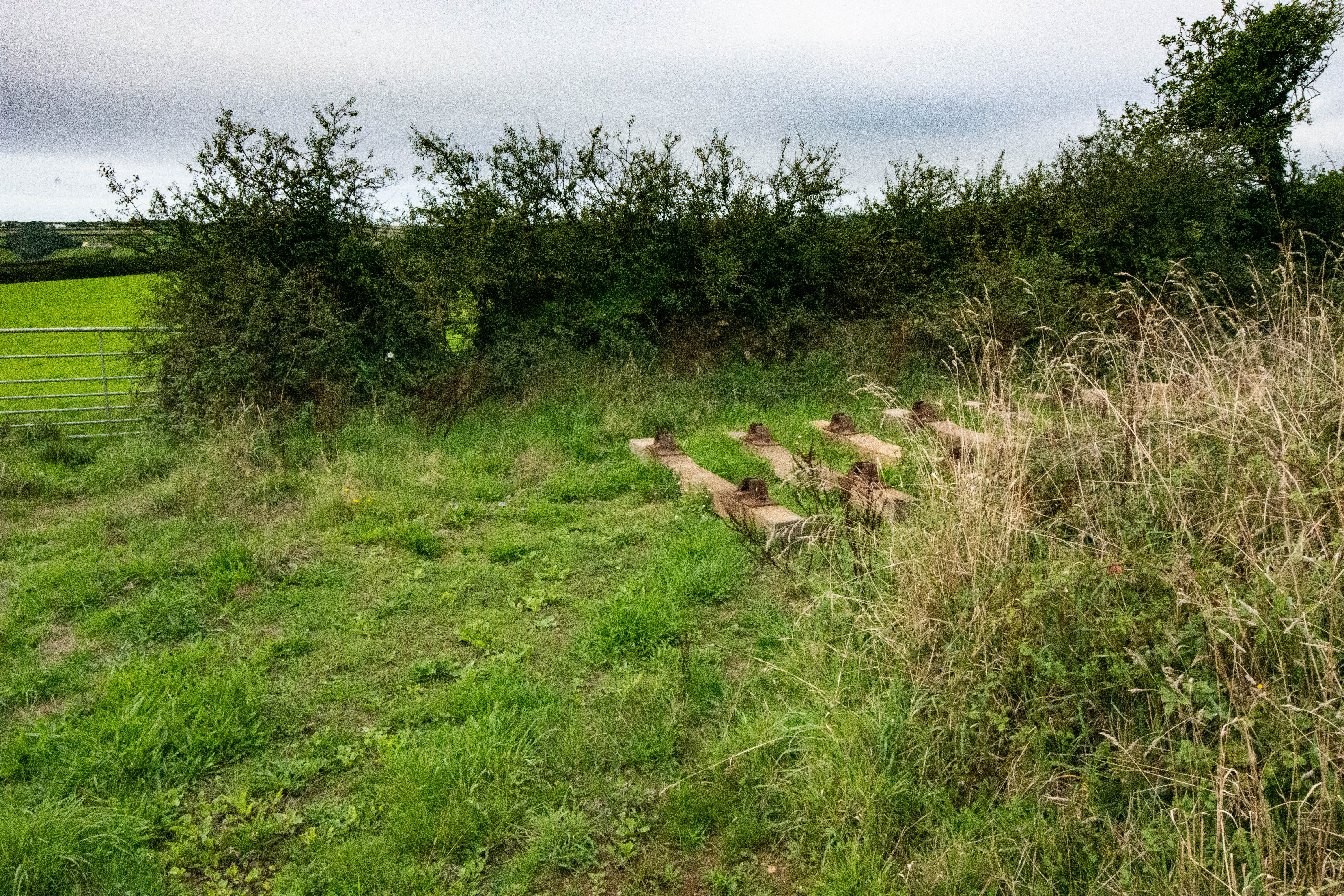
From the bridge you can see where the line currently runs to. I took a walk just up around the corner of the bottom left picture and you can see where new sleepers have been laid in anticipation of more track in the future, but after that, vegetation has taken over the track bed and would need efforts to clear it before they can progress and further south.
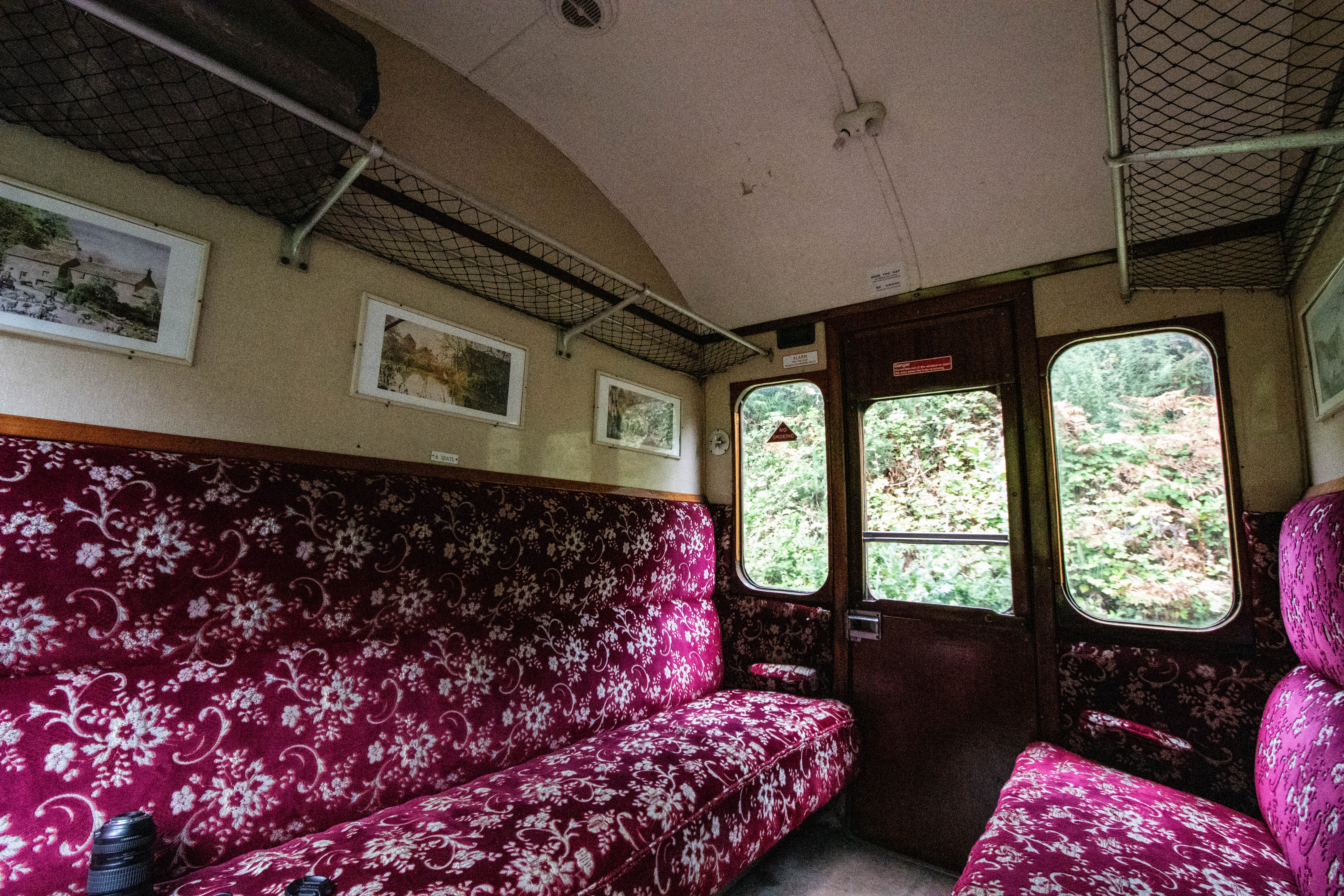
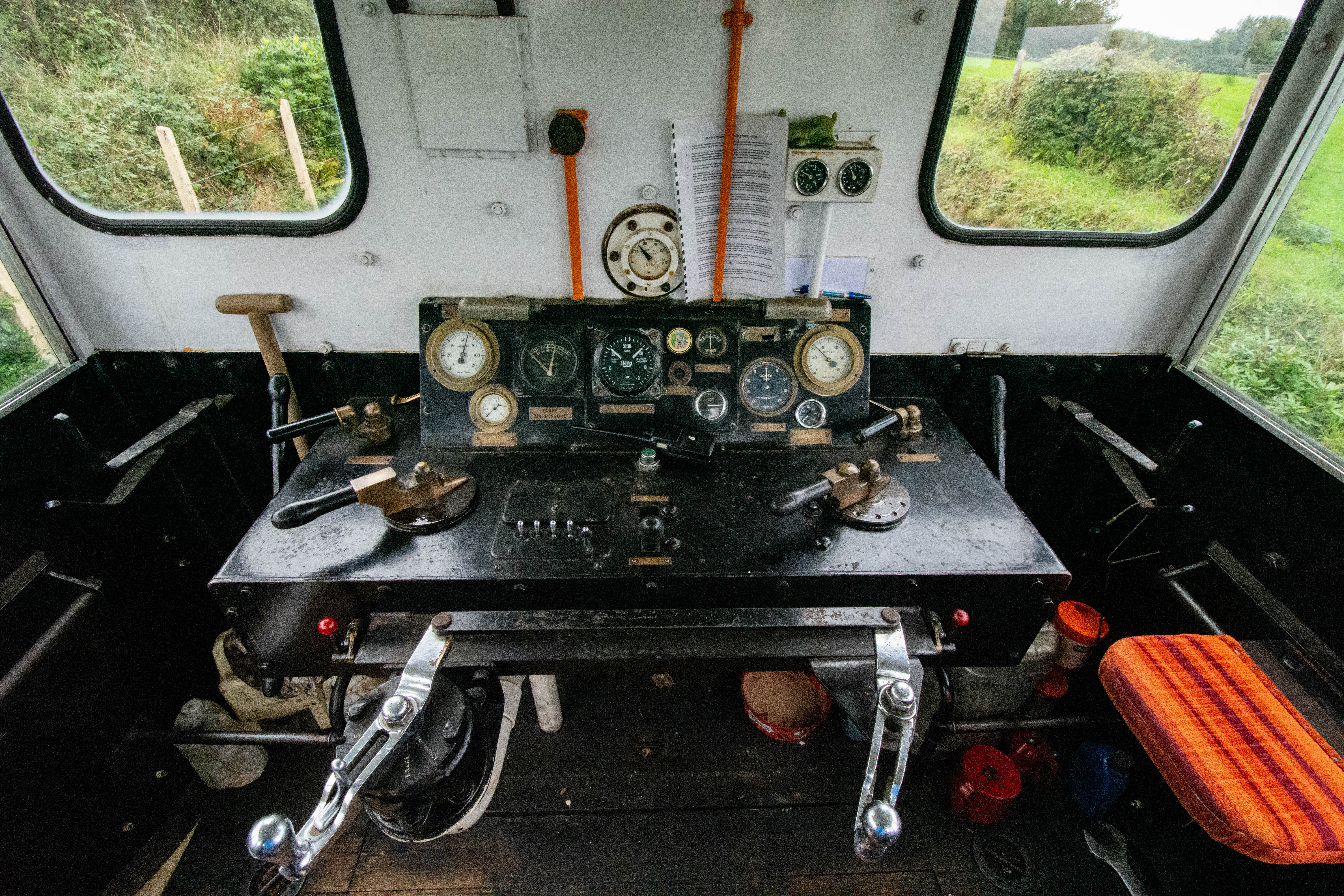
Back at the platform, the driver very kindly allowed me to jump into the cab of the shunter diesel attached at the back of the train which was providing our motive power today. I decided to jump into one of the Mark 1 carriages towards the back of the train for our return journey. The seats are incredibly plump and springy which is typical of carriages of this era.
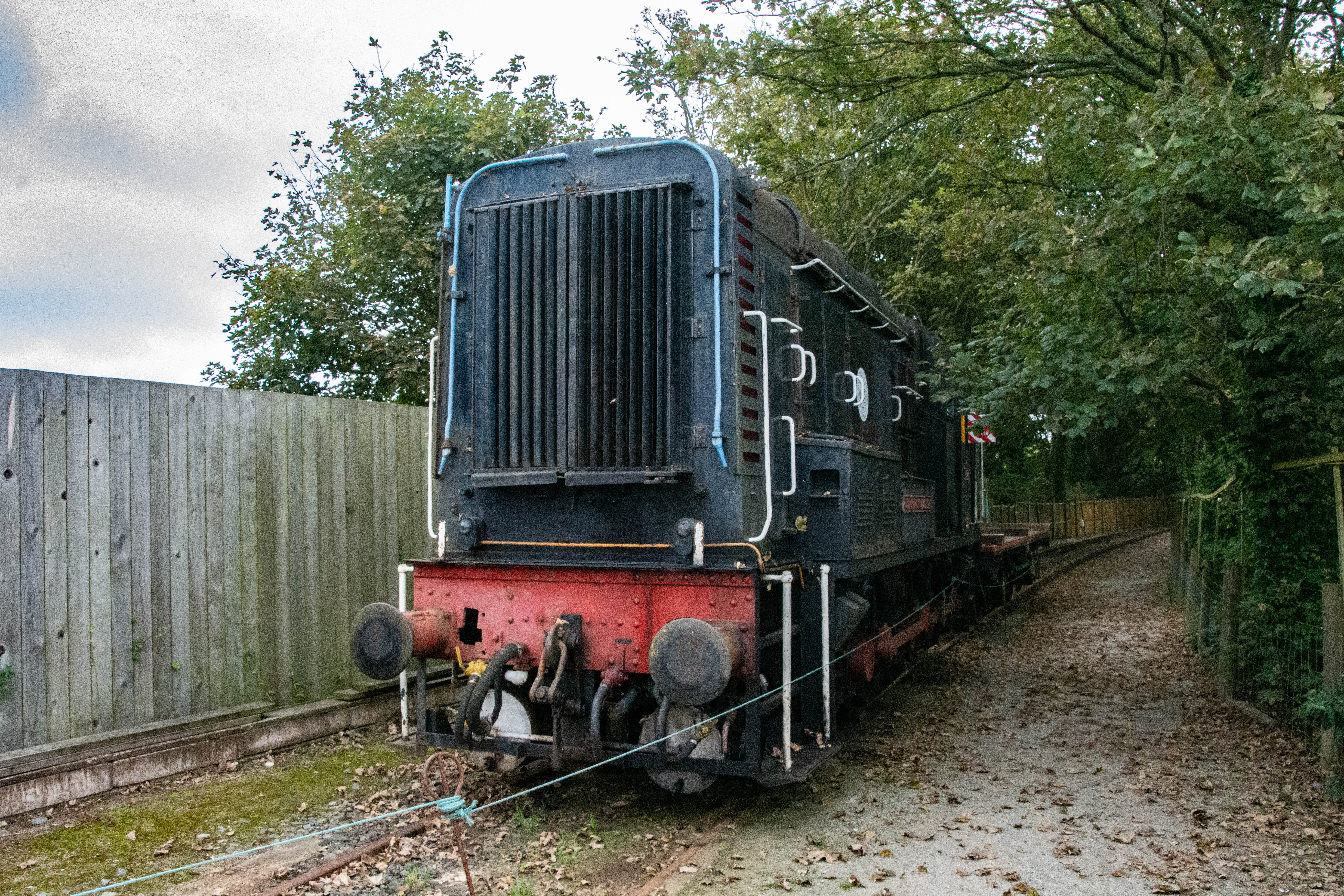
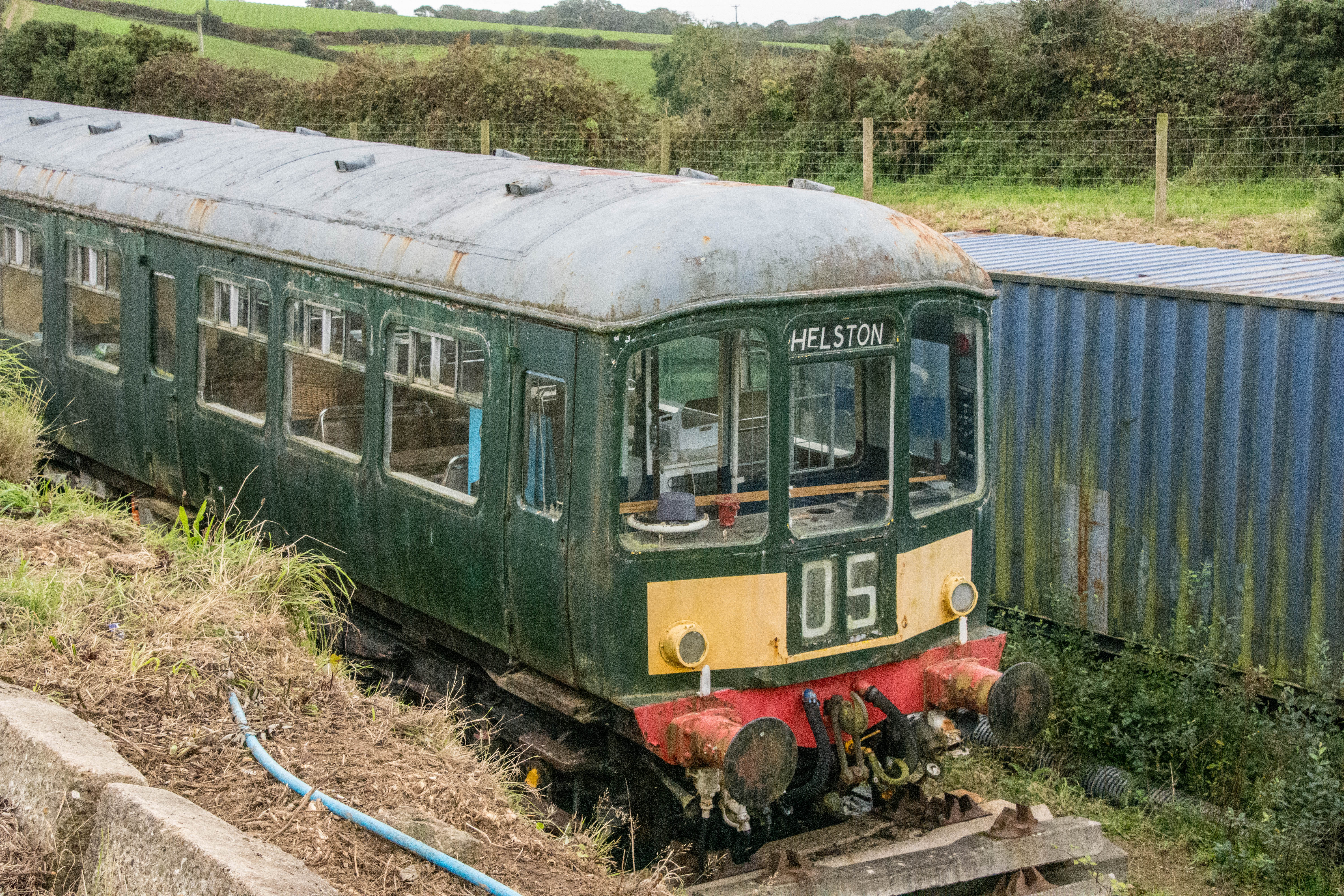
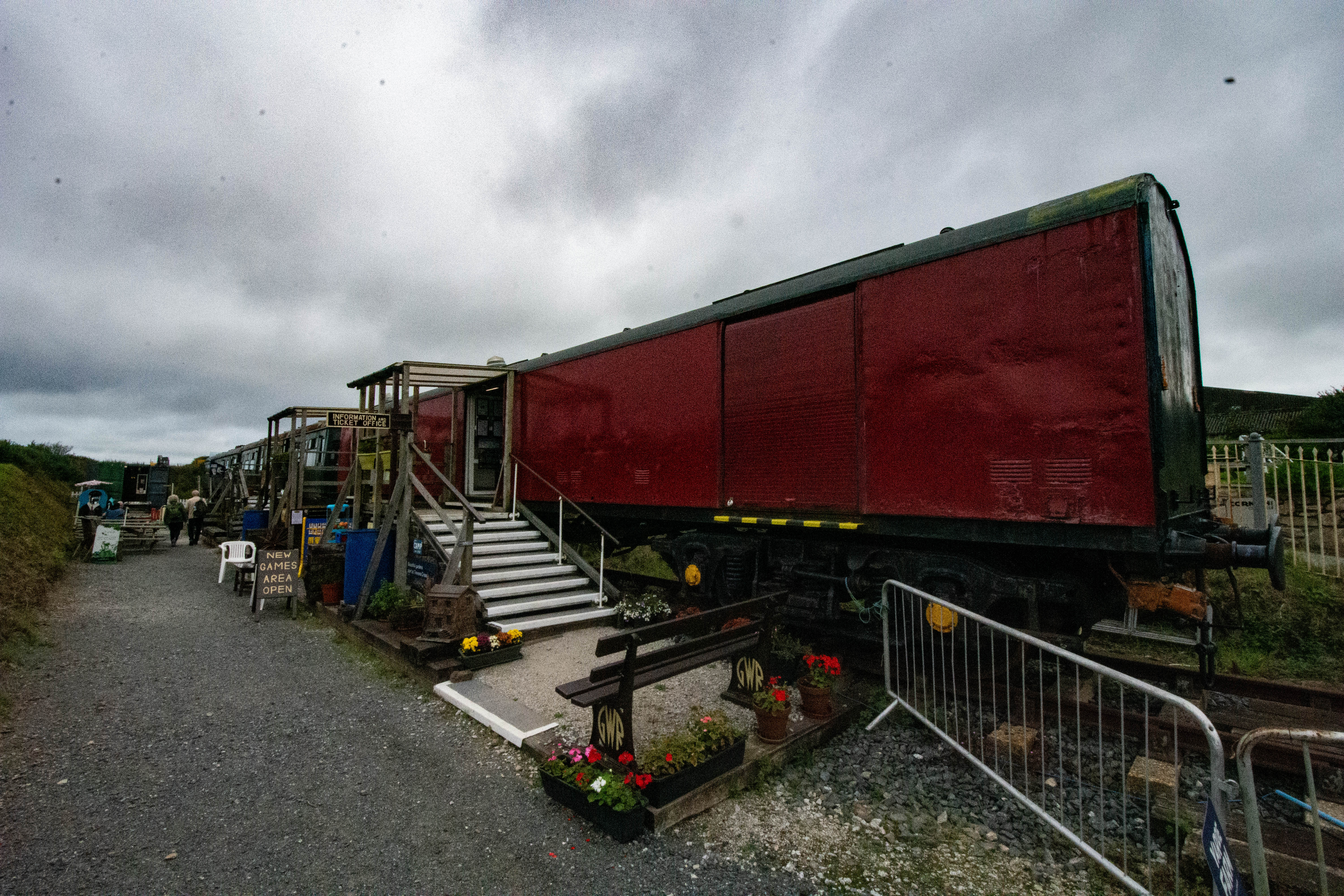
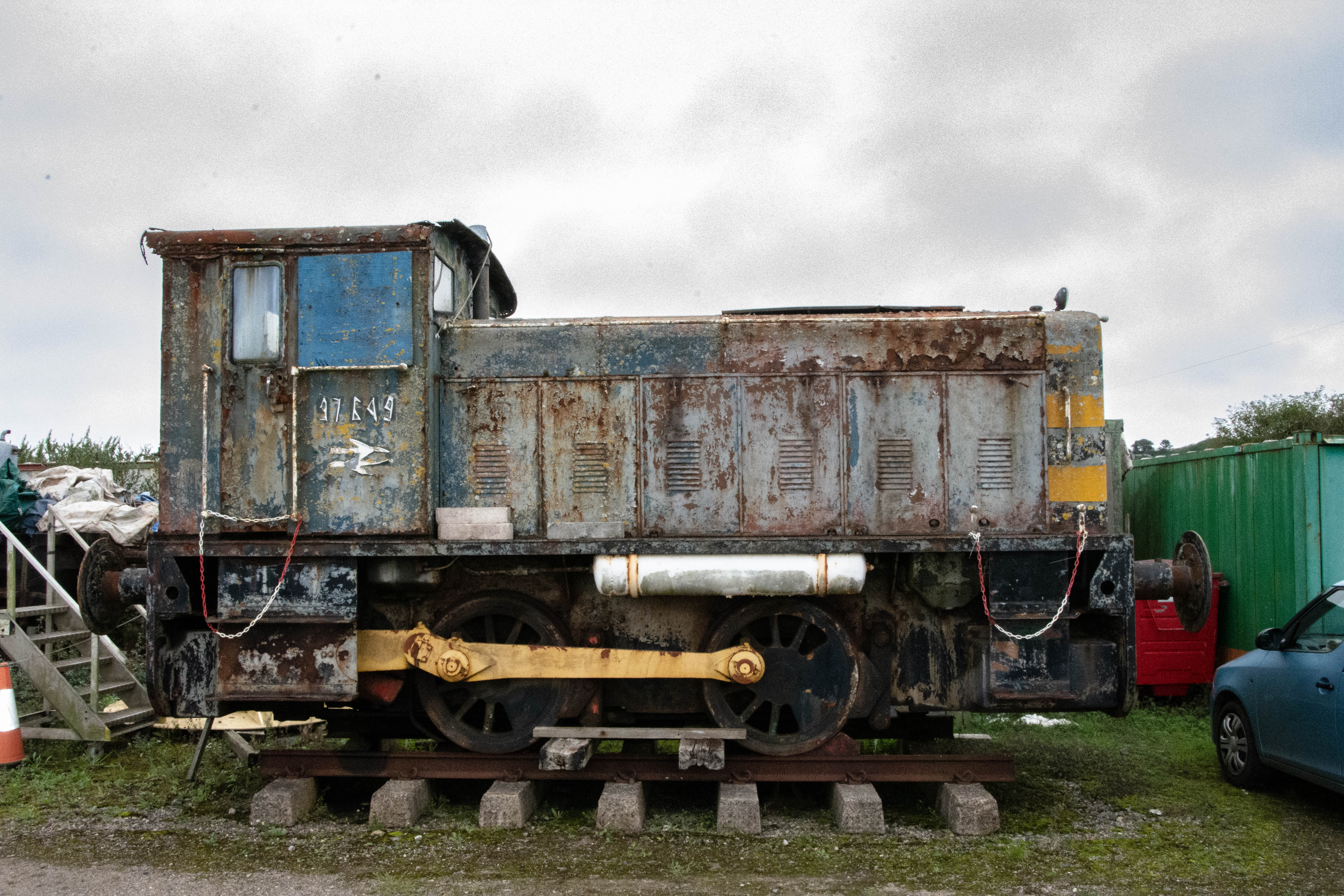
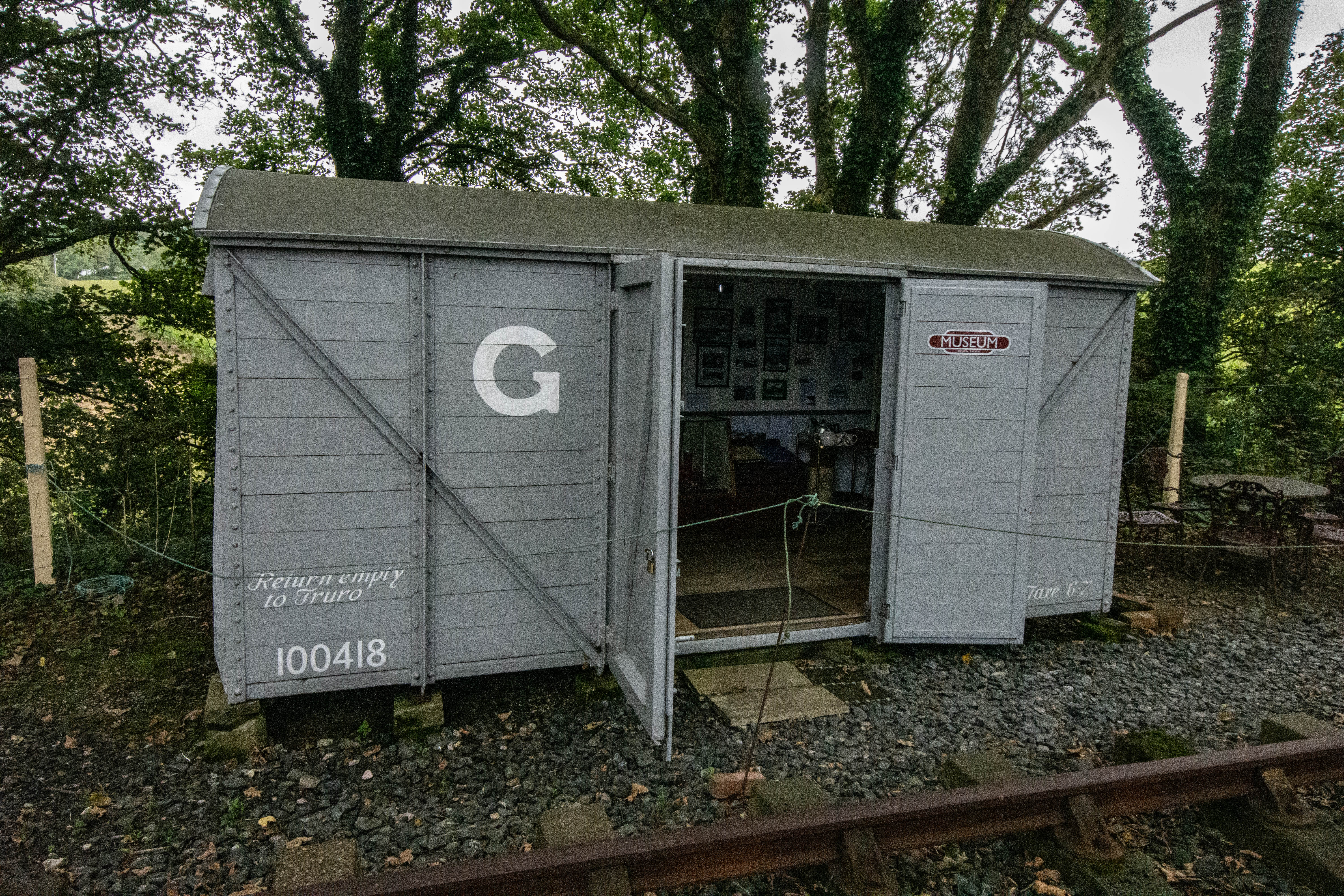
We return to our starting point of Prospednick Halt and the car park is a short walk from the platform along the lineside. There are a variety of items littered around the place. A Class 101 appears to be a static feature now and has been turned into a resturant car now for the onsite cafe. A Class 10 D3489 ‘Colonel Tomline‘ is also present on the main running line and looks to be in serviceable condition. Back at the car park itself there is a small shunter which has seen better days. Whether this would ever be restored remains to be seen as it is isolated on its own dedicated bed of track with no way of being shunted off. This may not be touched for a decade yet so the railway may have decided to move it out of the way for now as space is quite finite on the operational parts of the railway as it is. We can just about make out the running number from the faded paintwork and it appears to be 97649. To round out the list of artifacts, we have a GWR mink van in grey which has been taken off of its frame and now serves as the lines petit museum, complete with a history of the line.