It’s another day in sometimes sunny, sometimes overcast North Yorkshire and today we’re on the Wensleydale Railway. My visit took place on a Saturday however the morning services I caught were absolutely dead as you will see. Things did however pick up around lunch time as the incredibly popular Wensleydale Fryer was running (a service which hauls you the length of the line while serving up Fish and Chips en-route).
Opened in 1848, the line originally ran between Northallerton and Lemming Lane (Later renamed to Lemming Bar in 1902). The line was extended in 1855 to run to Leyburn from Lemming Lane, with further extensions built in 1877 from Leyburn to Askrigg and from Askrigg to Hawes in 1878.
Only a handful of the stations along the original line survive and even fewer which see traffic when services are in use. The service today runs from Lemming Bar up to Leyburn. Along the way you can catch a glimpse of old disused stations on the line, active construction projects and of course the gorgeous surrounding scenery. I did however travel around the area after my trip and managed to get to some of the stations which are no longer in use. The stations, both active and disused can be seen below in order.
Scruton
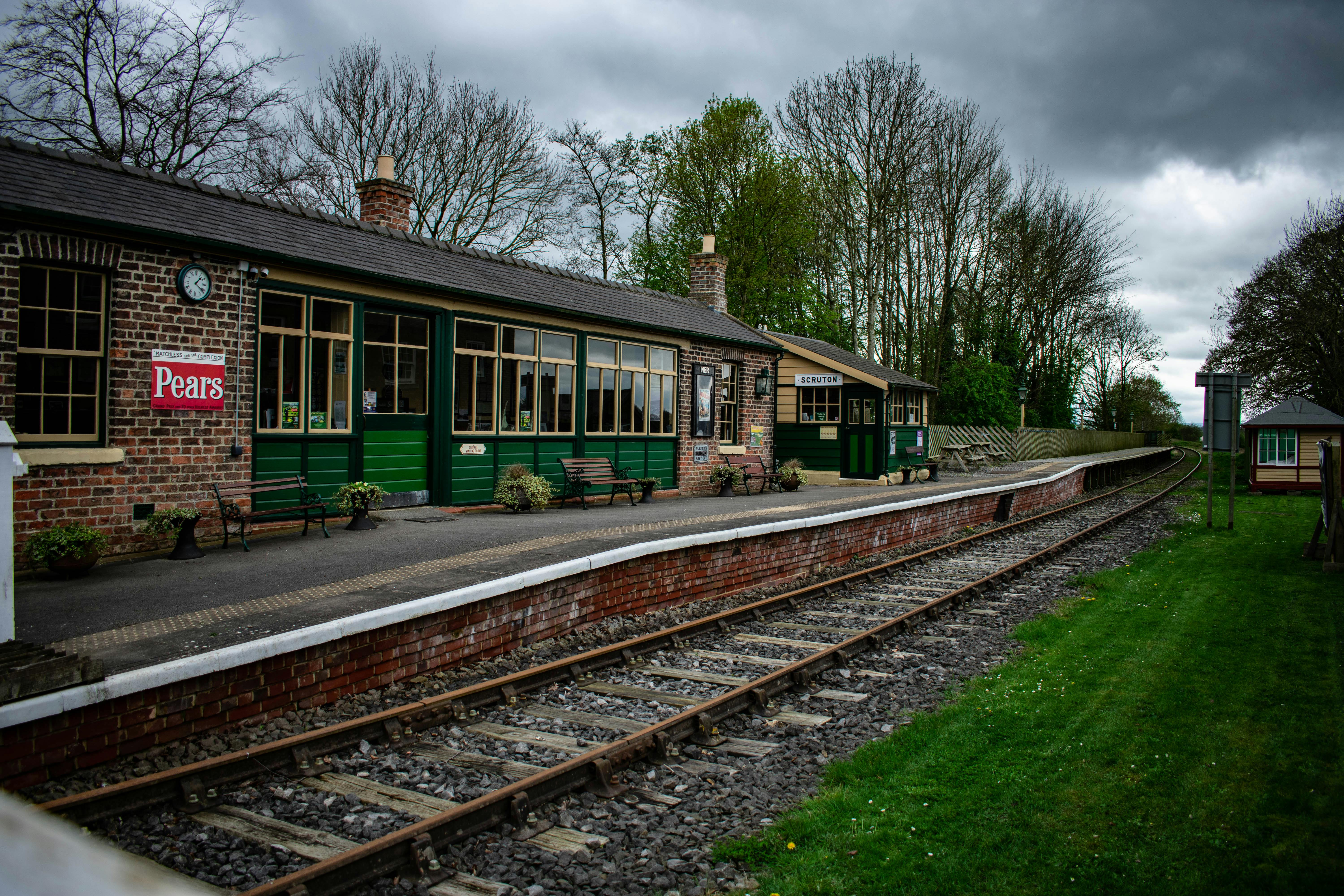
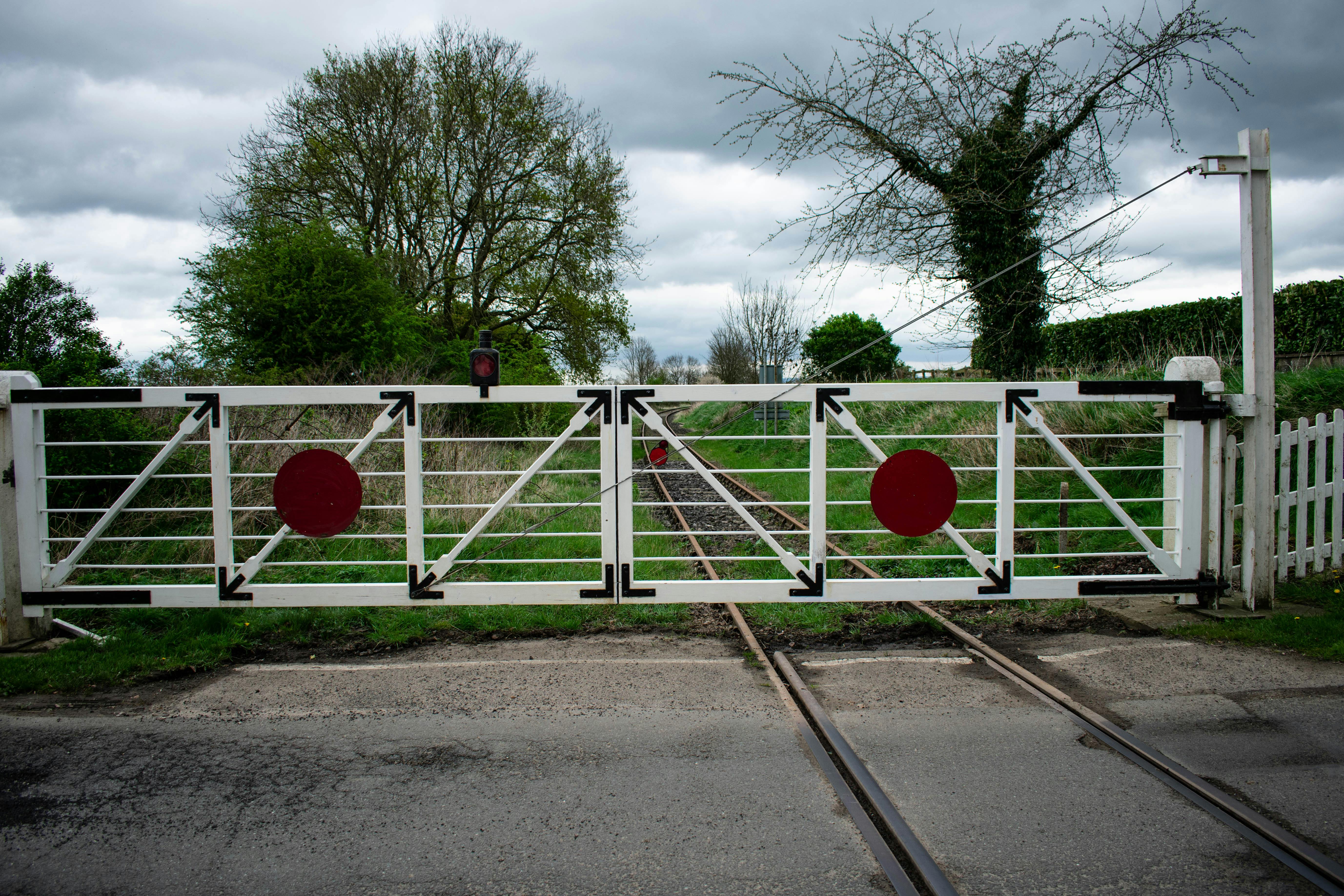
The furthest station which trains can currently run to are Scruton station, however the station itself tends to only be used on services which run in the peak of summer. My service today was not calling here but as you can see, the station is kept in excellent condition and a good state of repair. Beyond the crossing gates, the tracks continue to run up towards Northallerton where a temporary station has been built. The ultimate aim is to return services back to Northallerton however this requires negotiation with Network Rail so it may be a while until we see this happen.
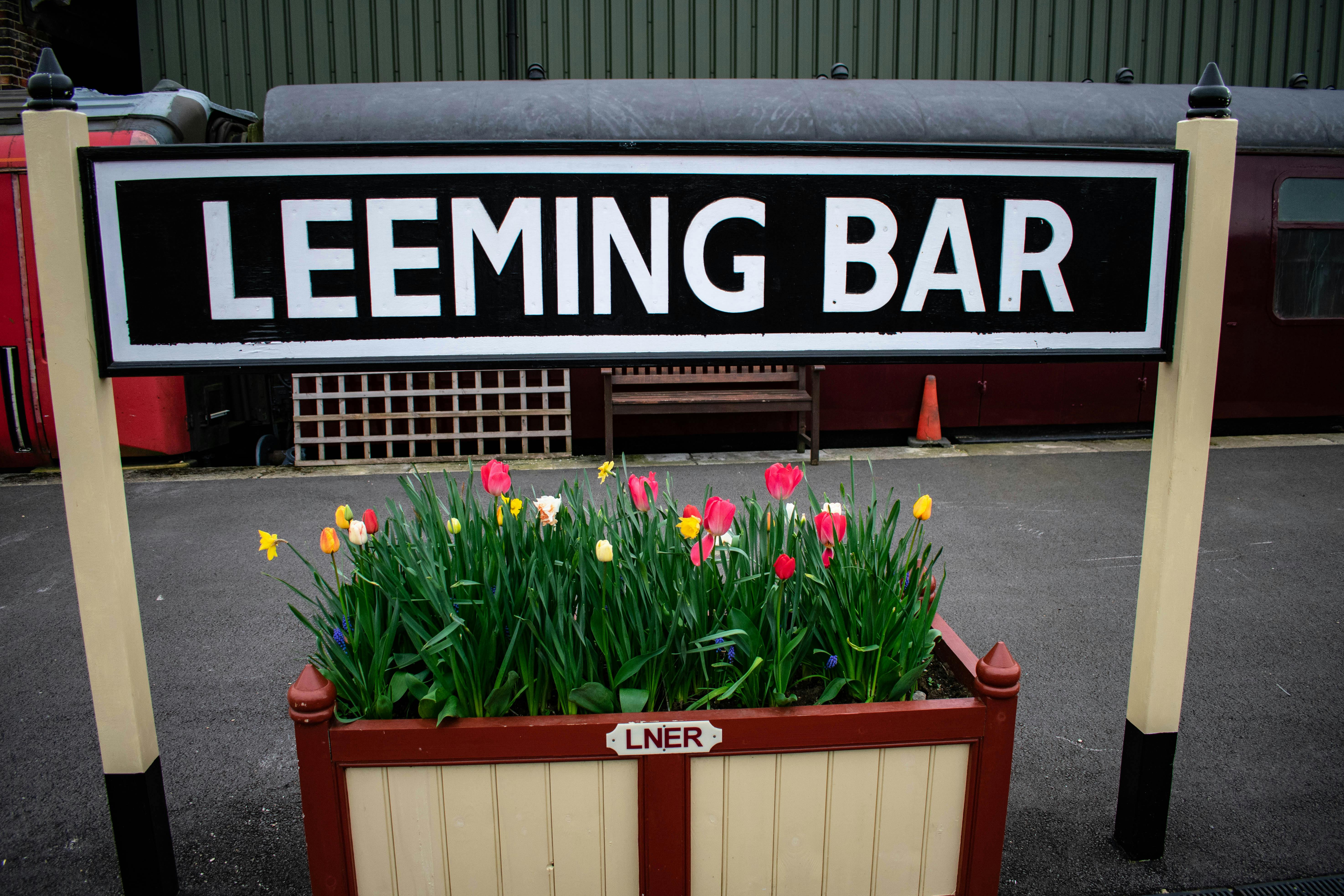
Leeming Bar
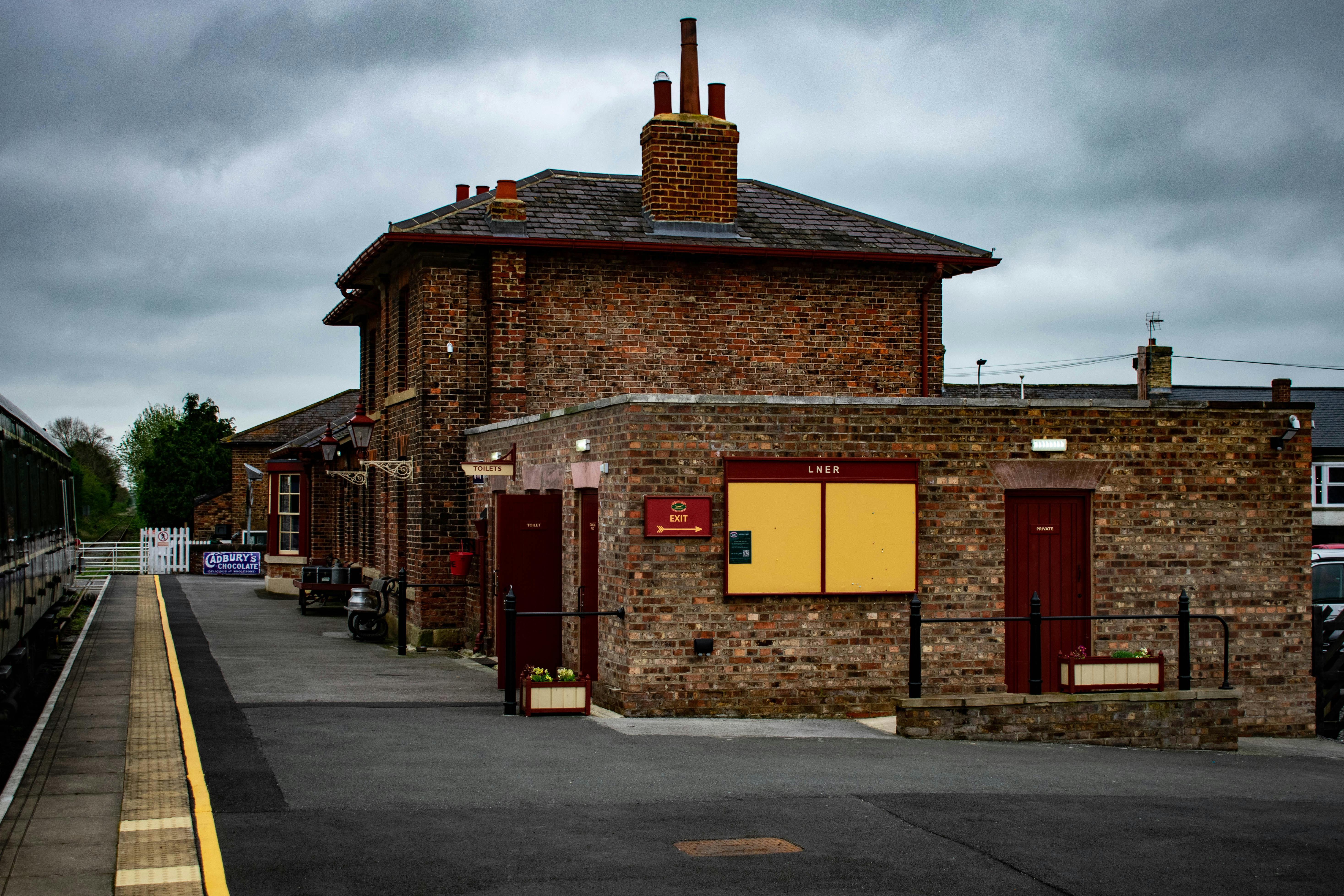
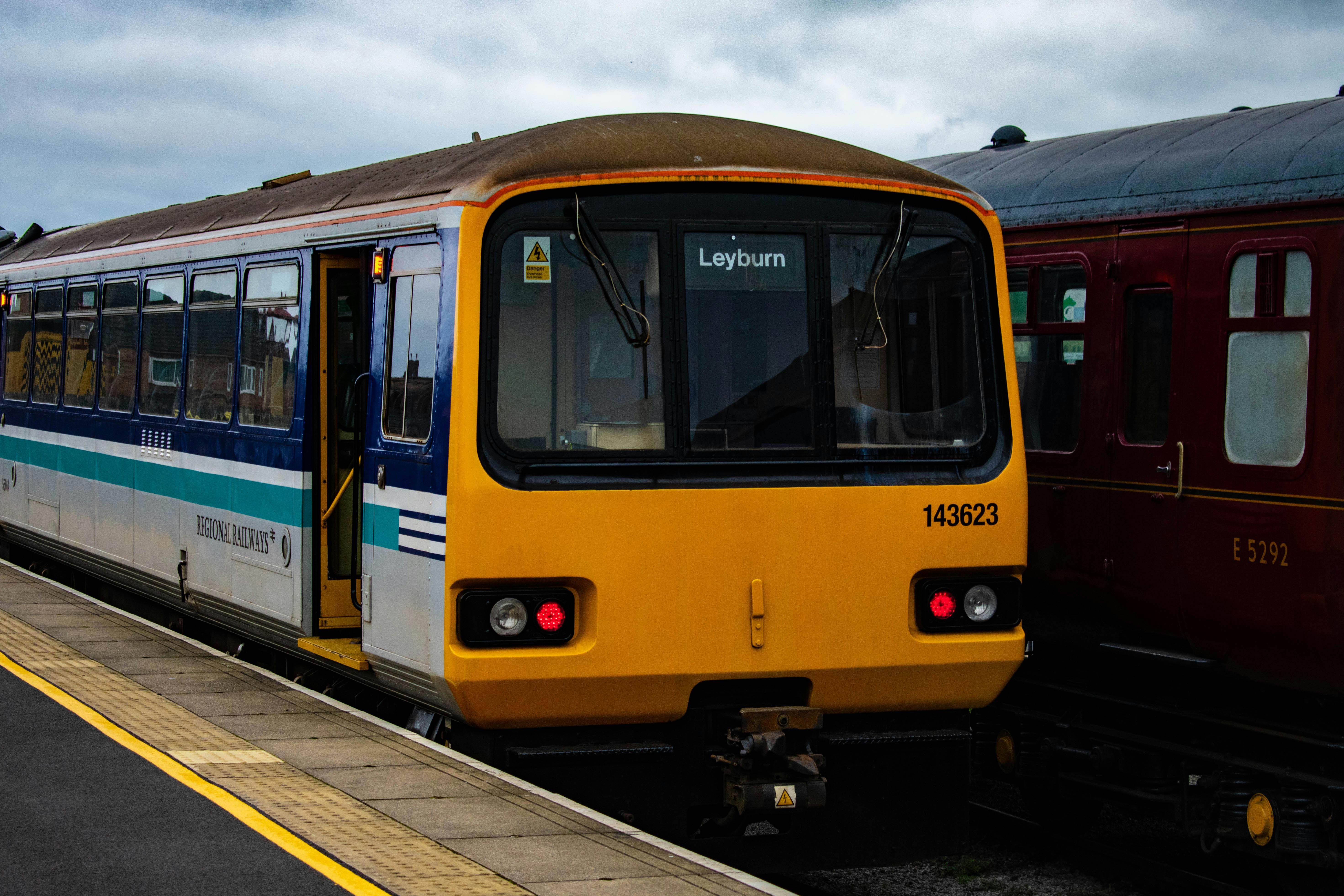

The next station on from Scruton is the main HQ for the railway which is Leeming Bar and where todays service departs from. The railway runs and owns mostly diesels and does not often run steam services. I didn’t get to ride the Pacers when they were in service since they were most commonly found in the North of England, however I’m glad of the opportunity to ride the bus/train hybrid today. The service departs with very few passengers and trundles along the line to the next stop, Bedale.
Bedale
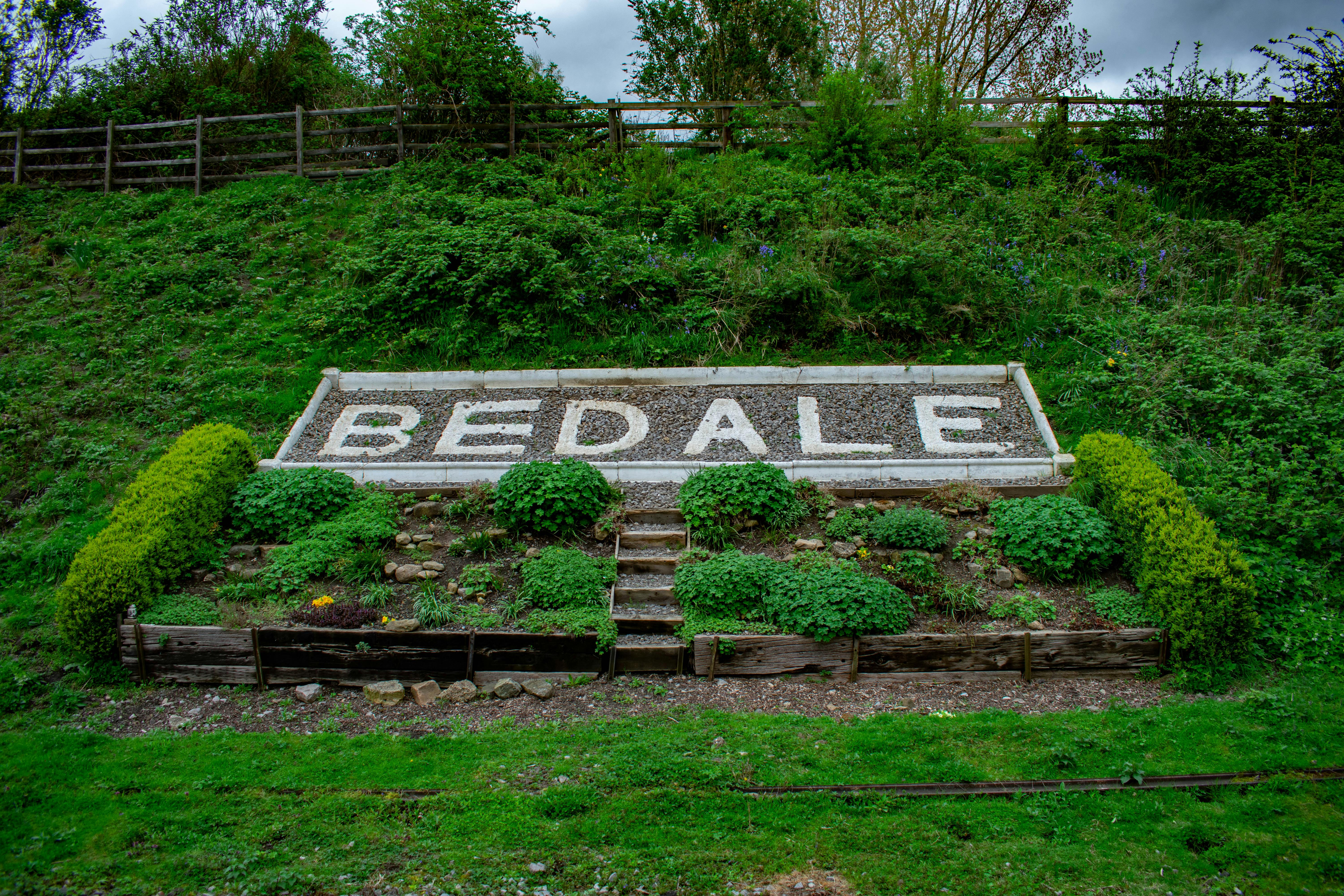
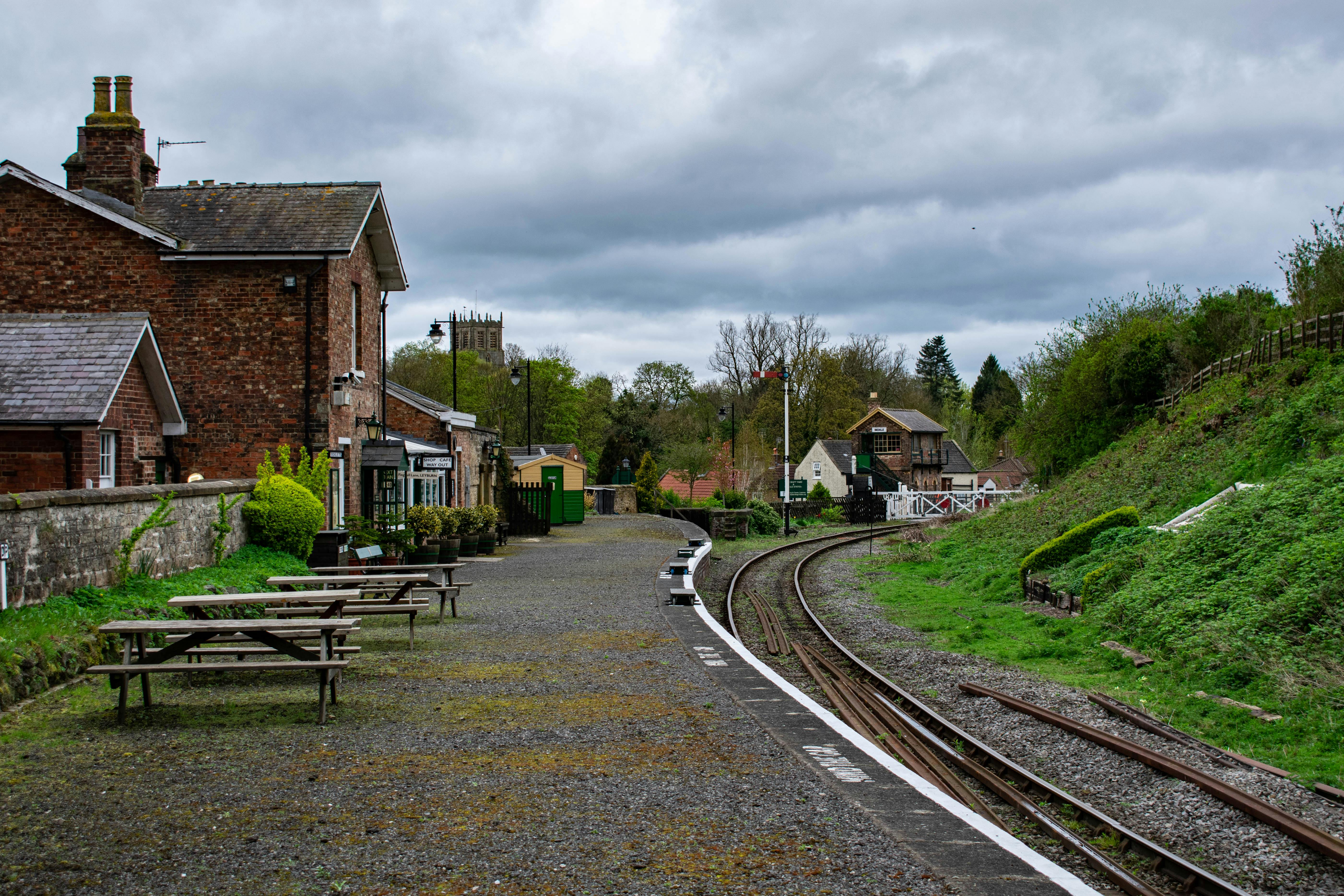
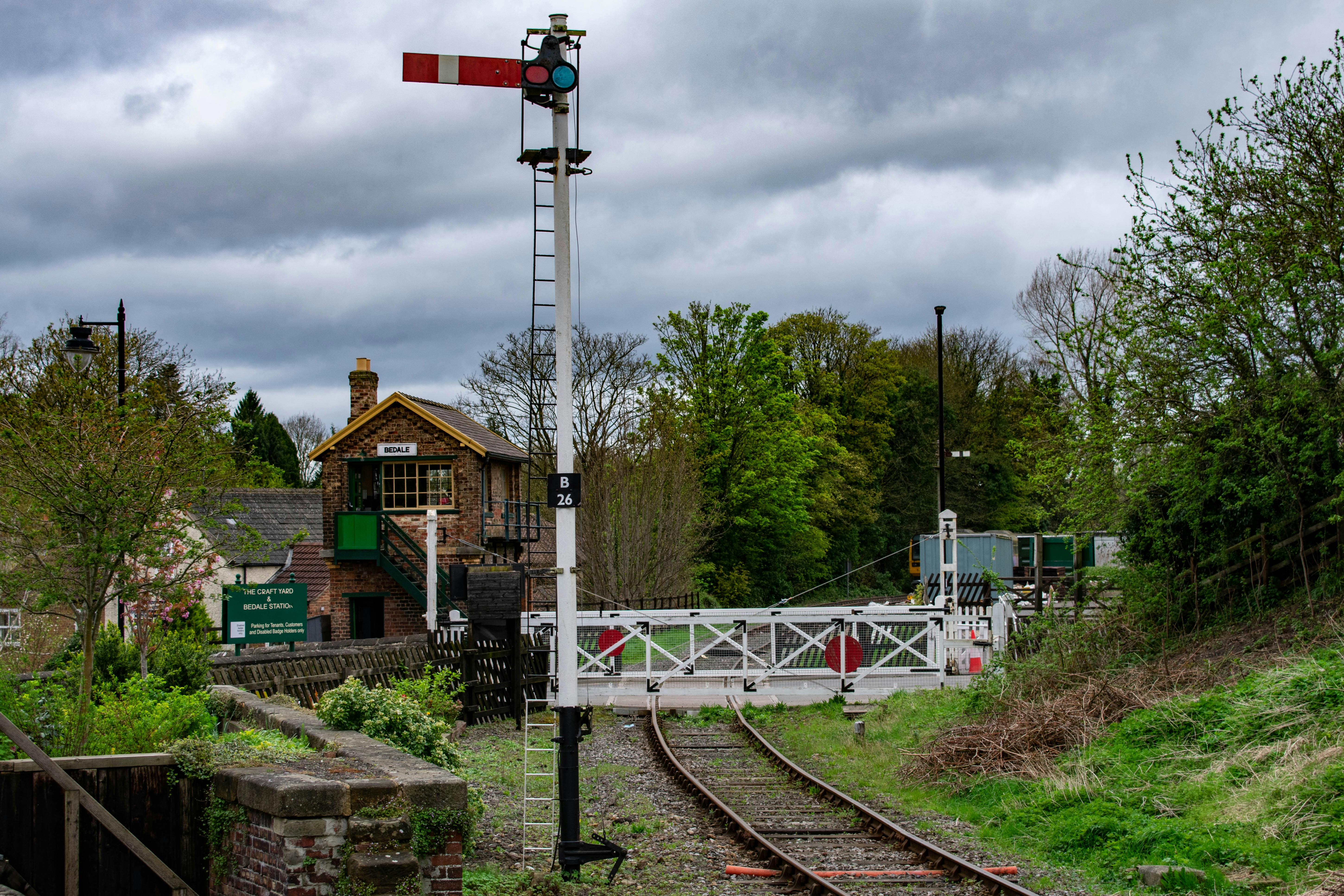
Bedale is a single platform station with no passing loop. It does however have a carefully restored signal box which can be seen below beyond the level crossing. Like the other stations on this line, it is kept in excellent condition. This is a great time of year to visit as the newly planted flowers are starting to bloom which really elevates the appearance of the stations.
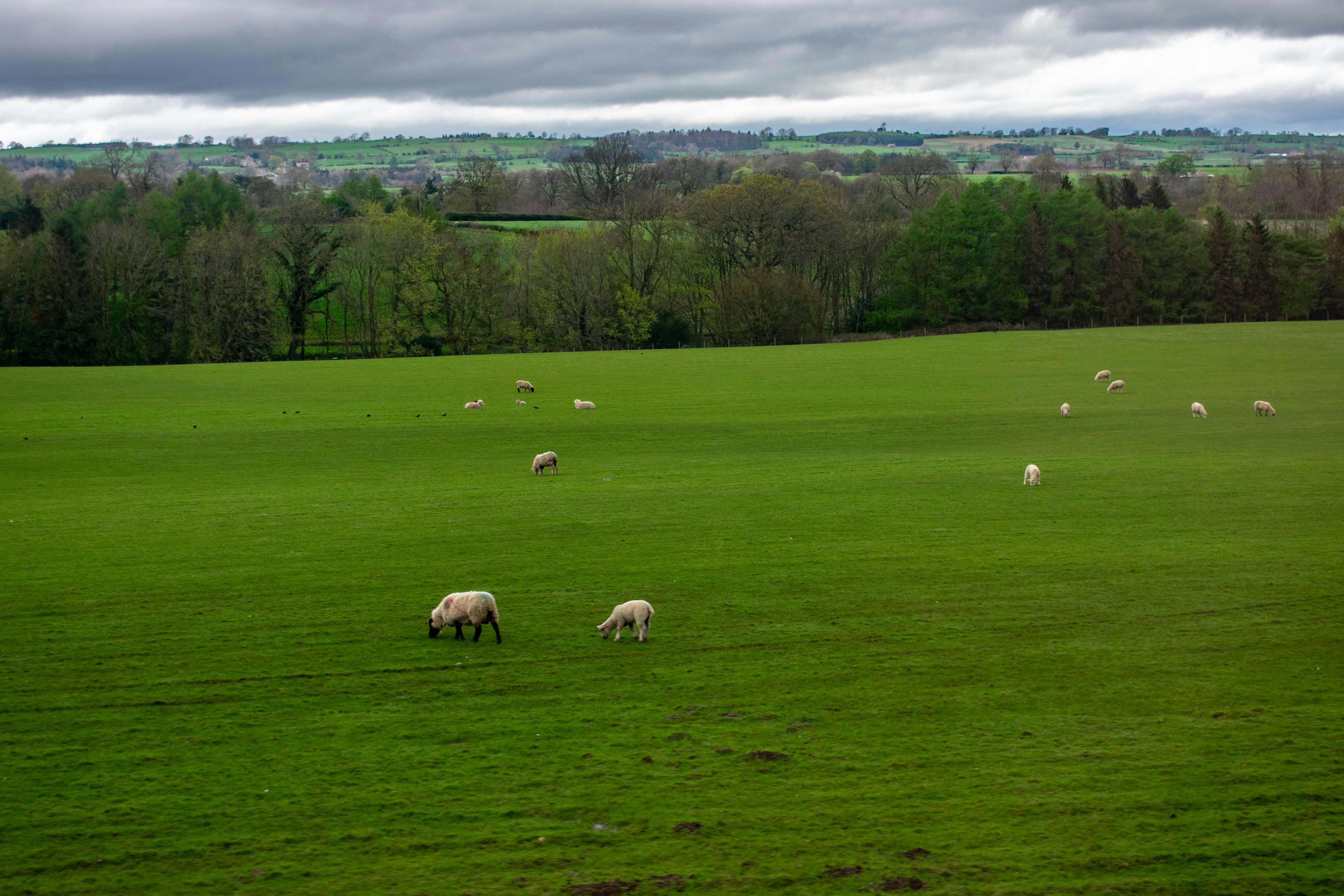
The train departs from Bedale and continues up the line. The scenery is stunning and makes for an incredibly relaxing journey.
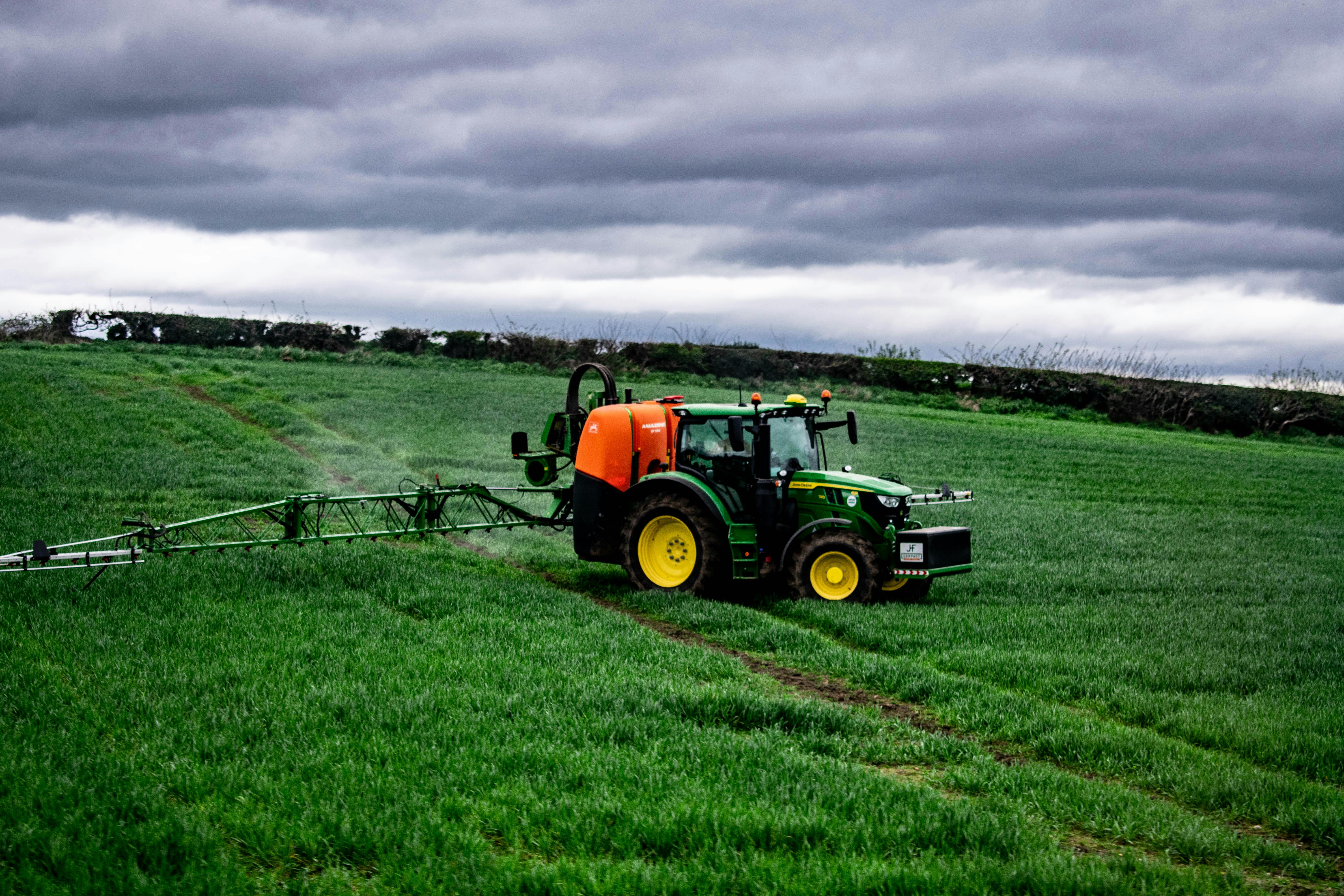

As we continue up the line, there are flashes of other disused stations along with active construction projects. One of these is the rebuilding of a Victorian signal box near what would have been the old Constable Burton station. The signal box used to be located at Hertford East Station but had to be removed during the platform extension project but was gifted to the railway. Once this has finished reconstruction and restoration, it will control the passing loop at Constable Burton but there are no plans to reinstate the station that used to be here.

Spennithorne
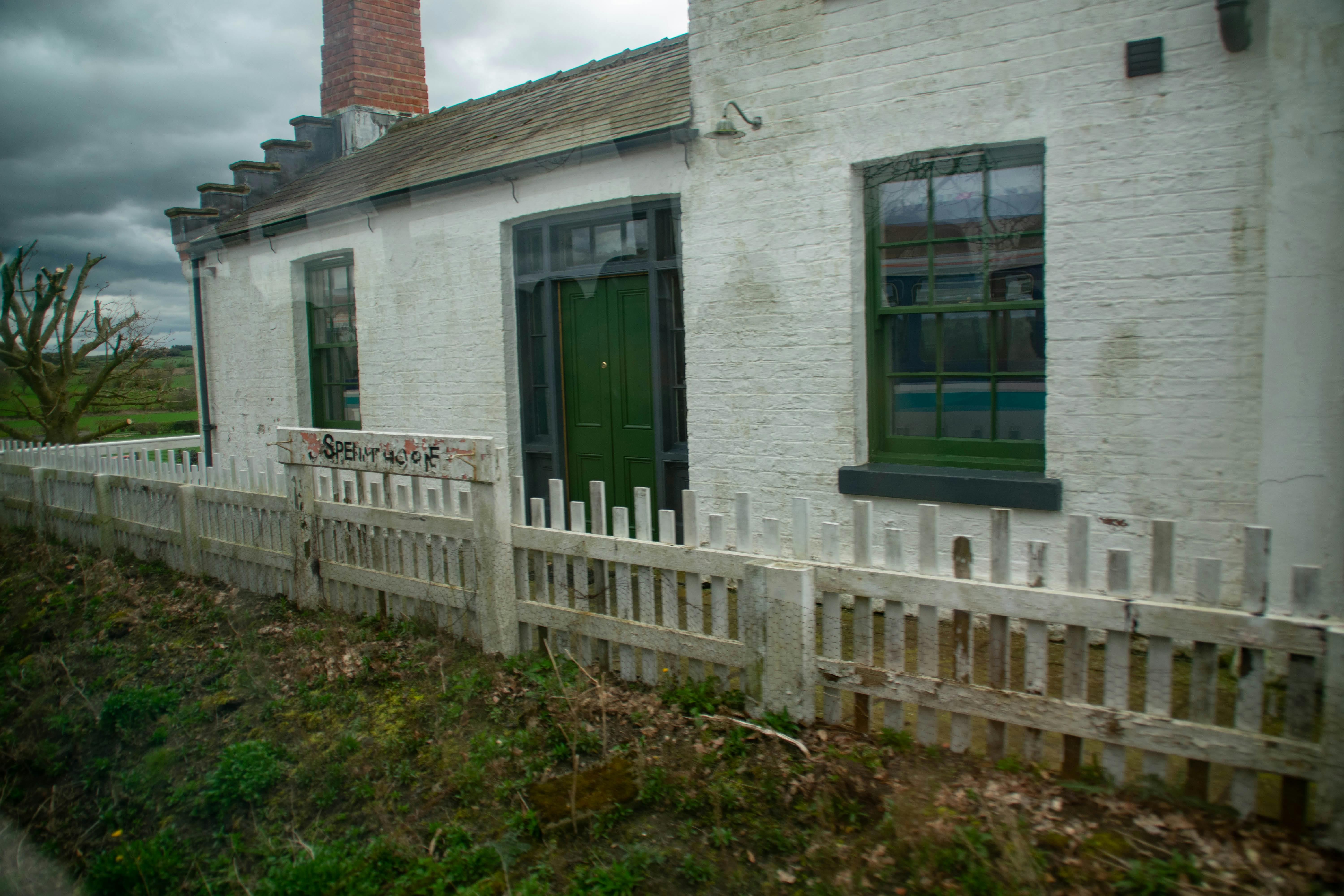
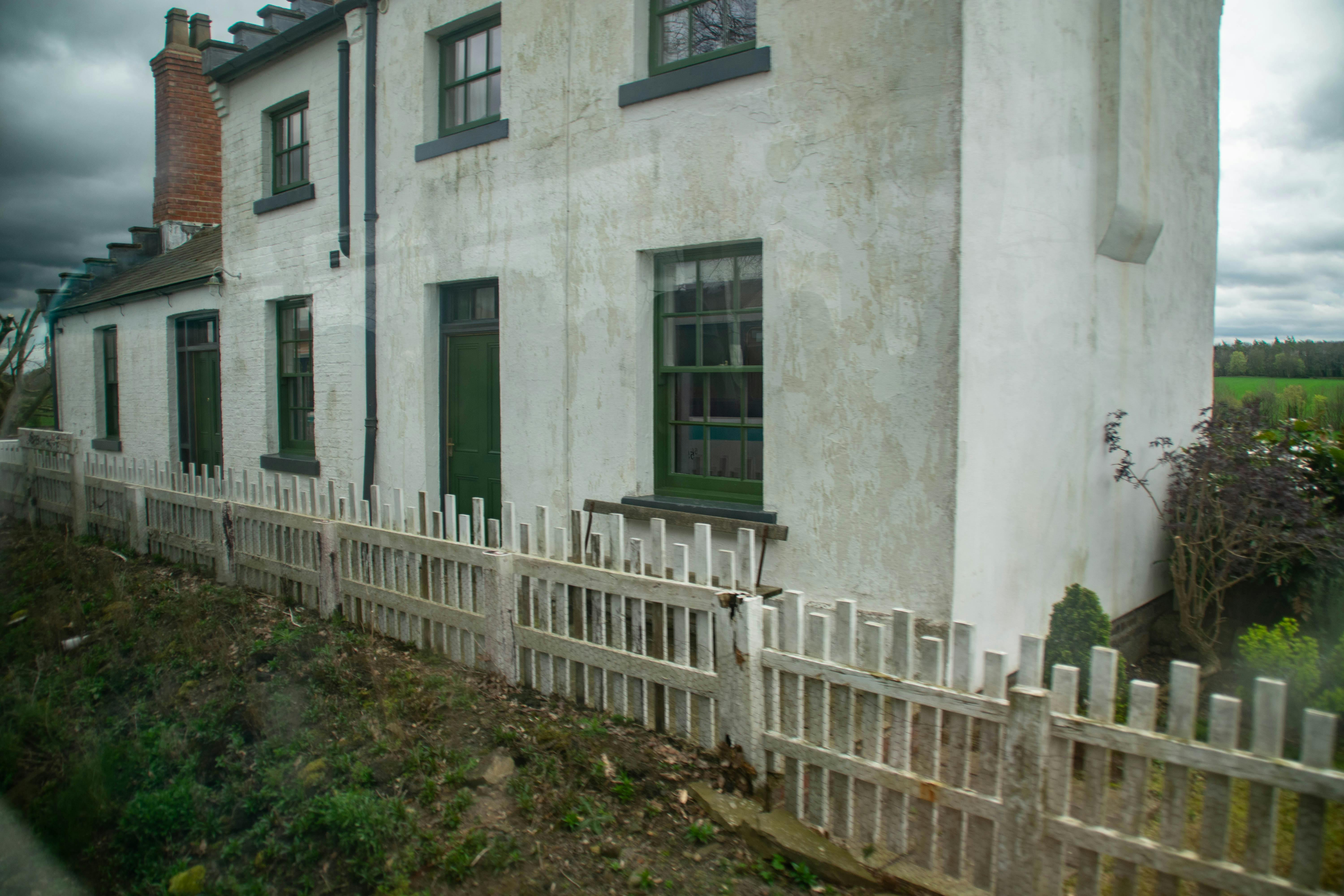
Past the Constable Burton signal box, there is the remnants of the disused platform and station buildings at Spennithorne. Services do not stop here anymore, but the station was in use between 1856 and 1954. As you will see, the platform is not in a good state but the station buildings are. These are comprised of a two-storey Station Masters house and a single-storey building for the station office and waiting room. This is now a private residence and access is not possible.
Leyburn
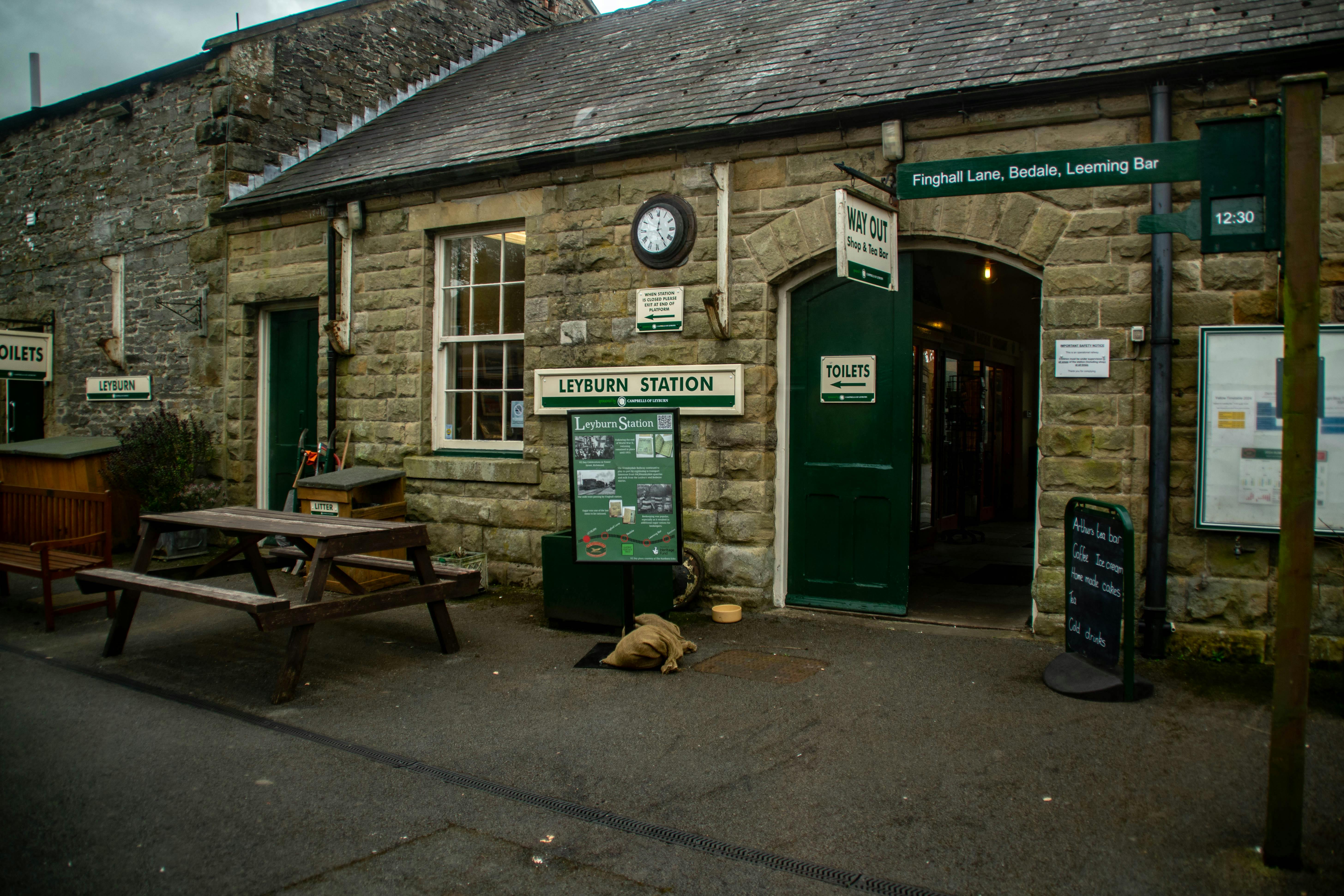
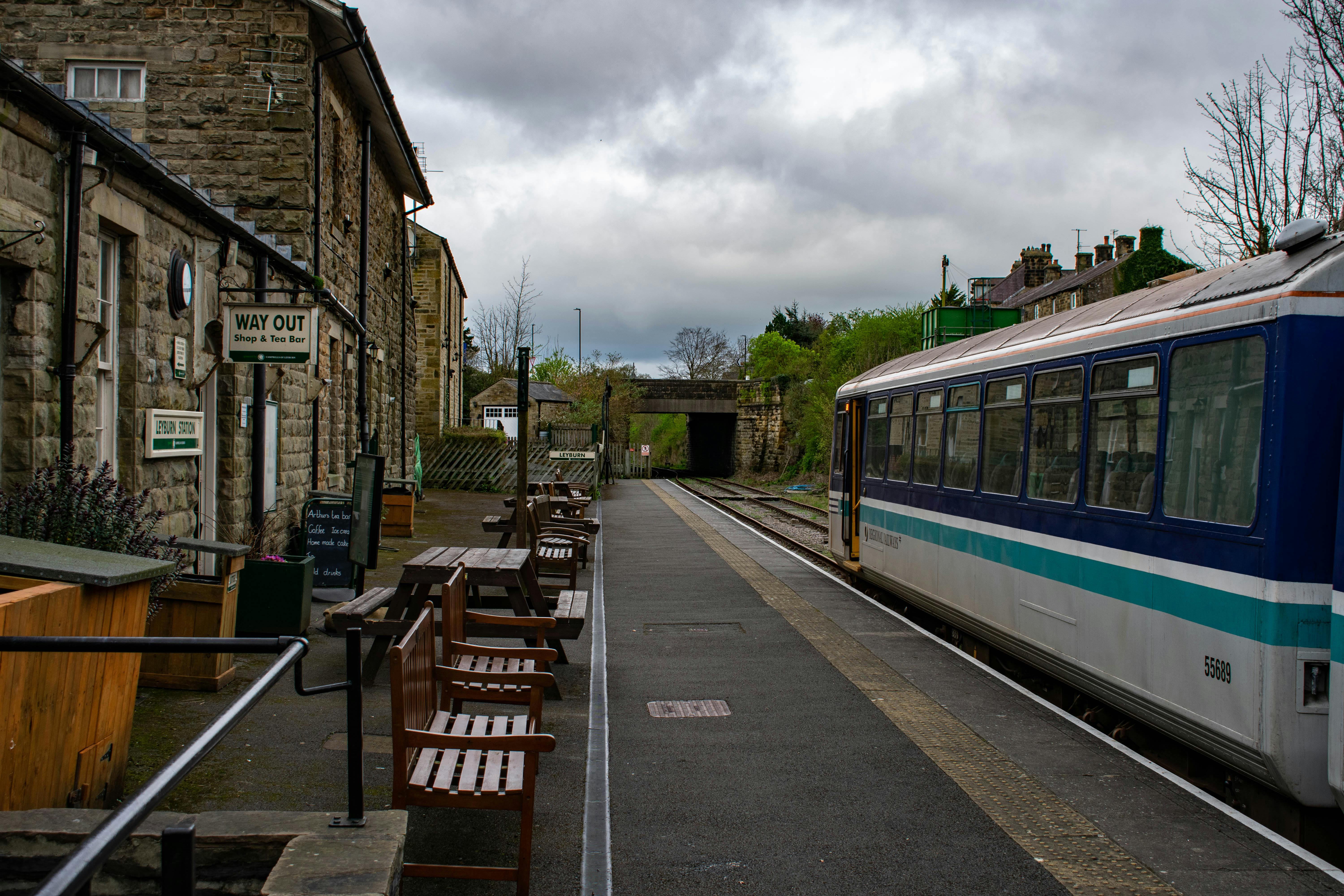
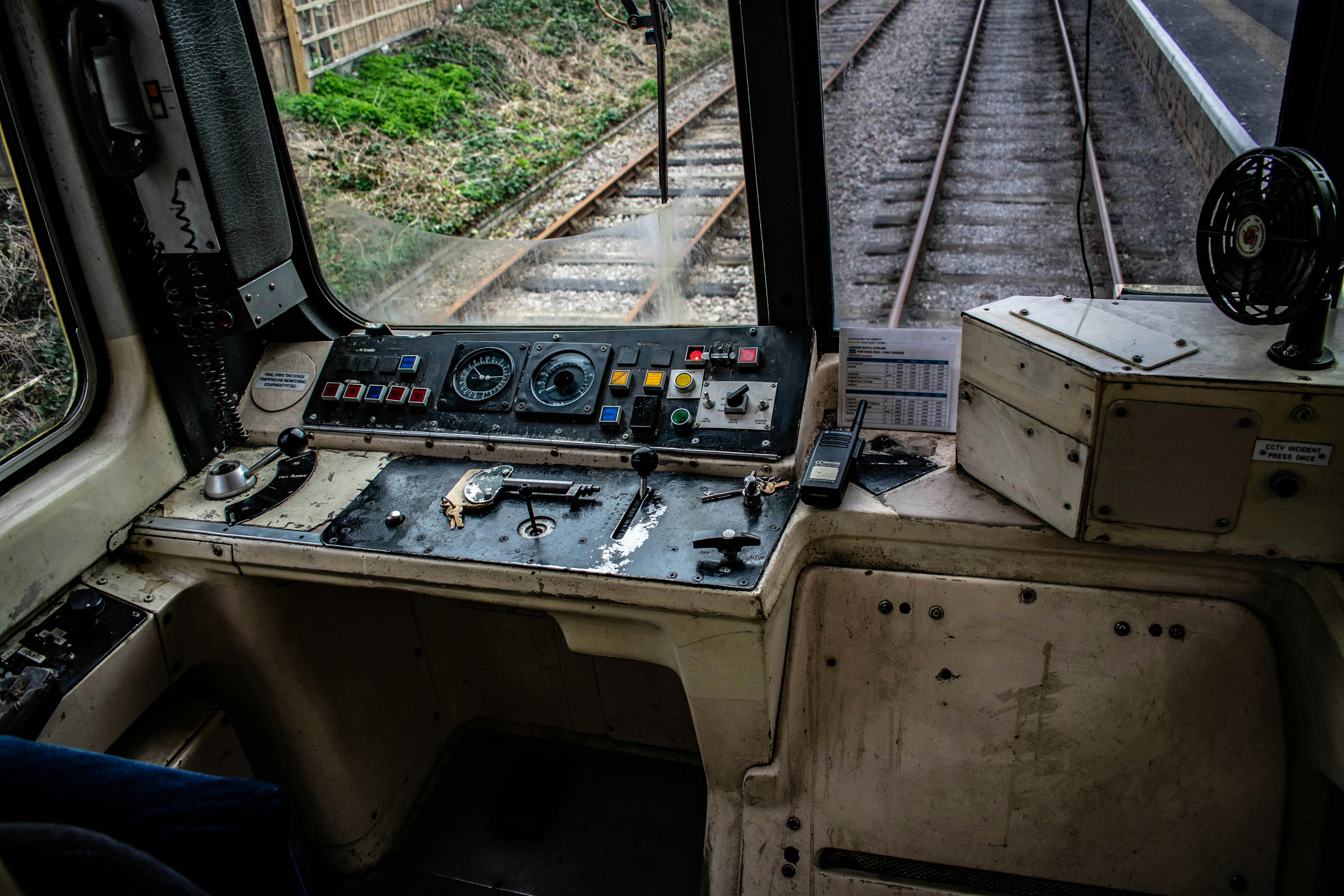
Leyburn is the current terminus of services today but this is not the end of the line. The station itself is a lovely stone building which is typical of stations of the period and is original from when the line originally closed. Thanks to recent grant money, a passing loop, water tower and footbridge have been successfully installed. While waiting for the train to set off again, the driver kindly let me into the cab to get a closer view of the controls.
Redmire
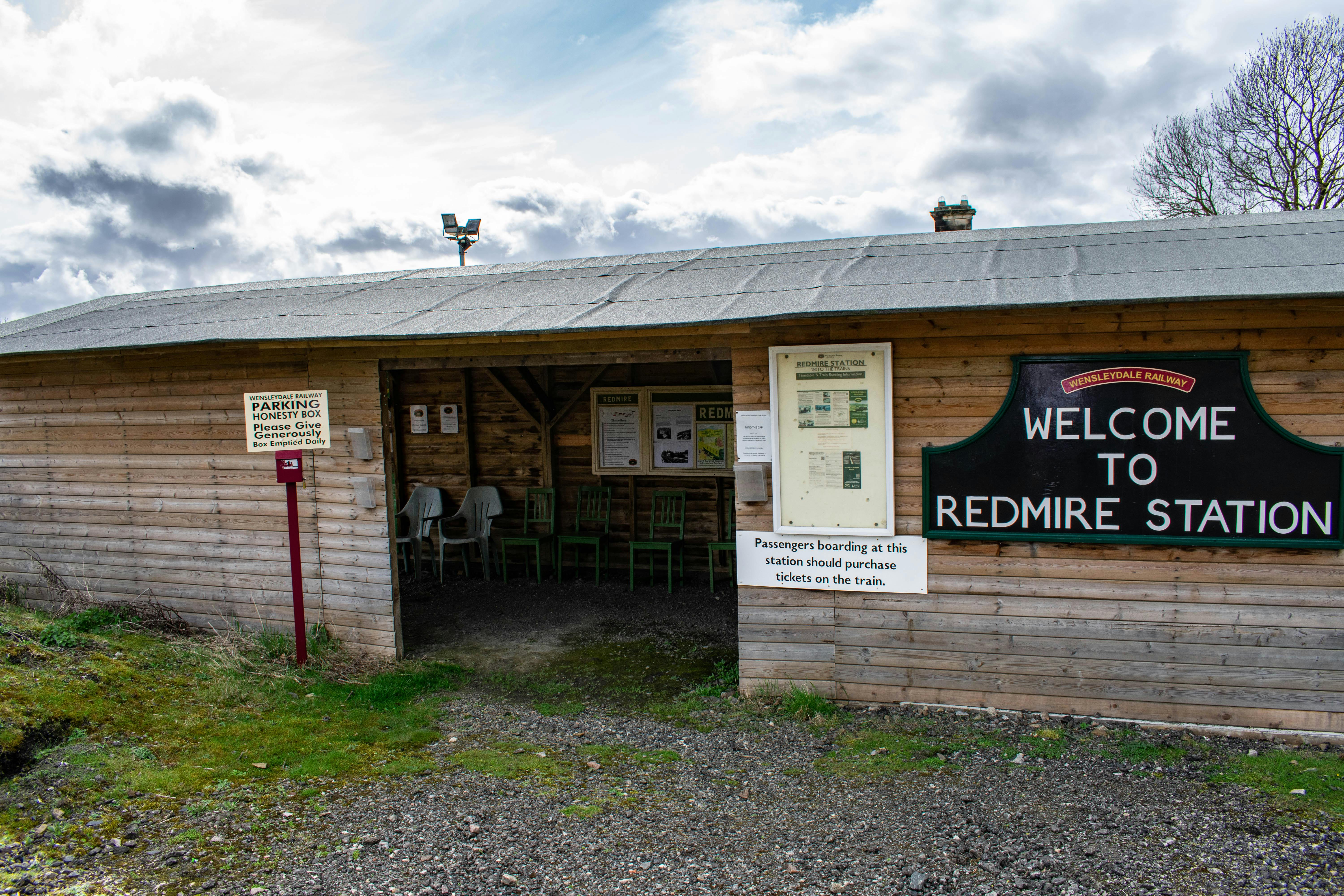
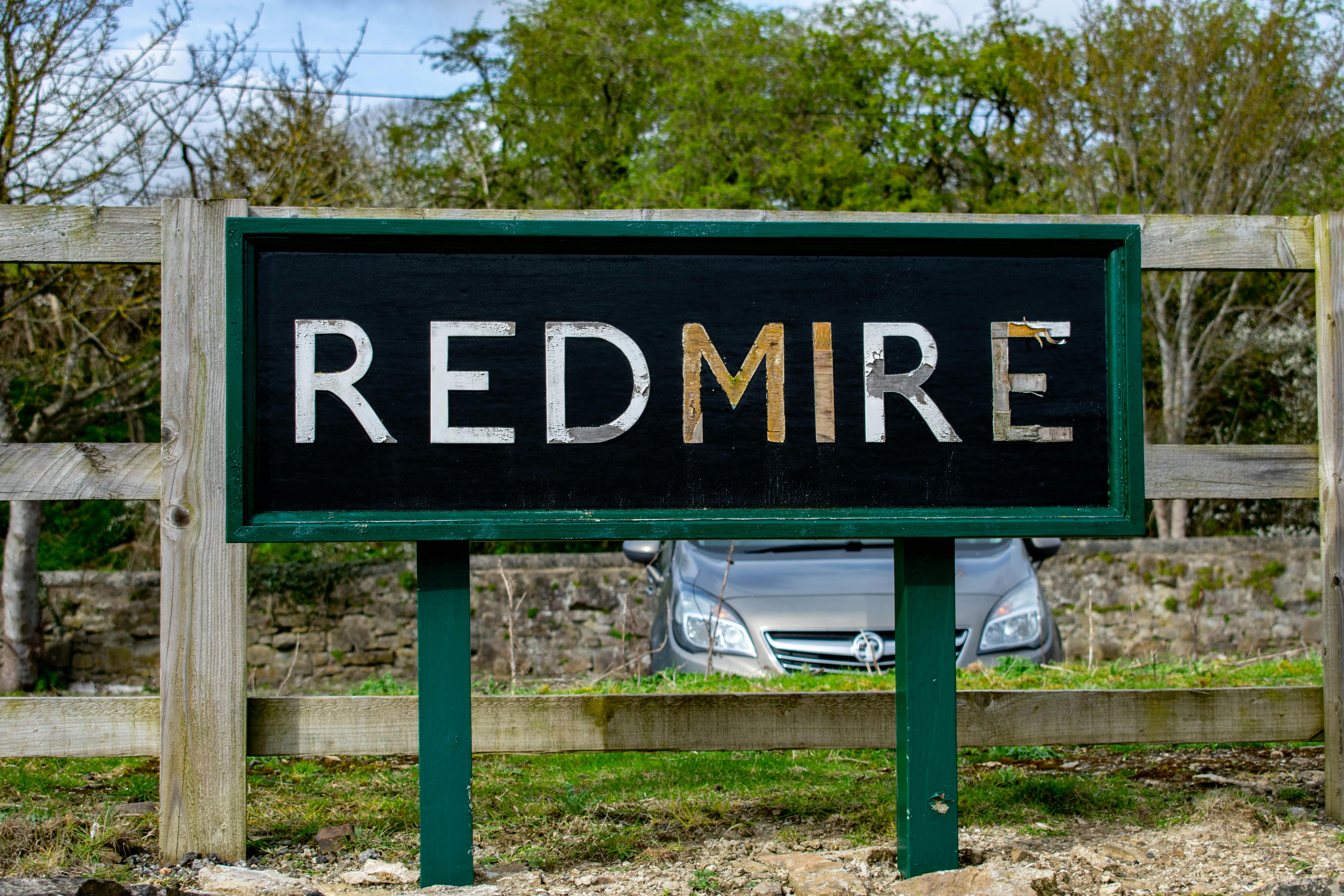
Currently, there is track which connects Leyburn to Redmire however some of these sections pre-date the First World War. Services were restored to Redmire in 2004 however were halted again in 2019 due to the above. There is an active fundraiser by the railway to replace the track and allow services to once again return to Redmire. Today however, I had to drive to the station which was freely open to the public.


Hawes
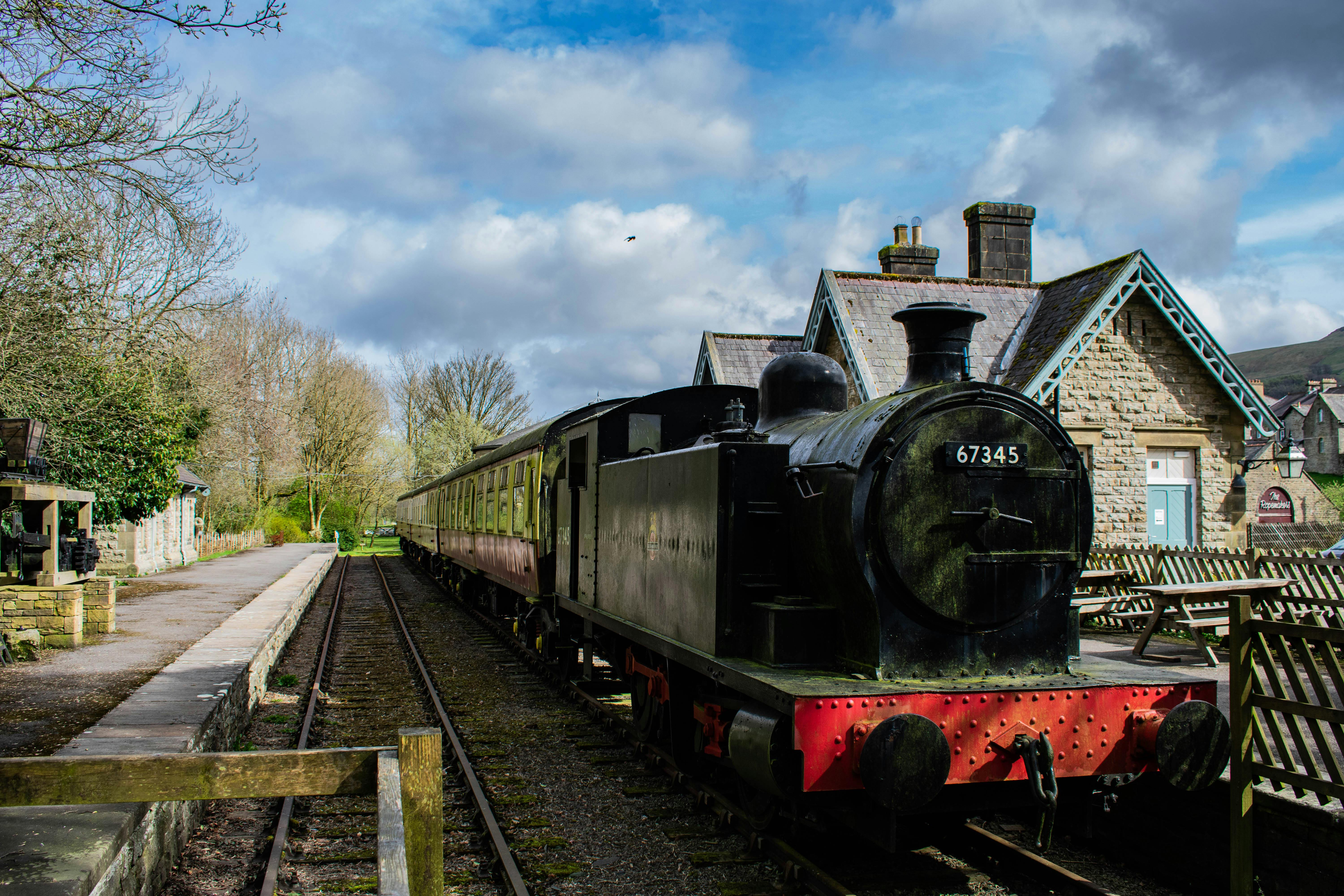
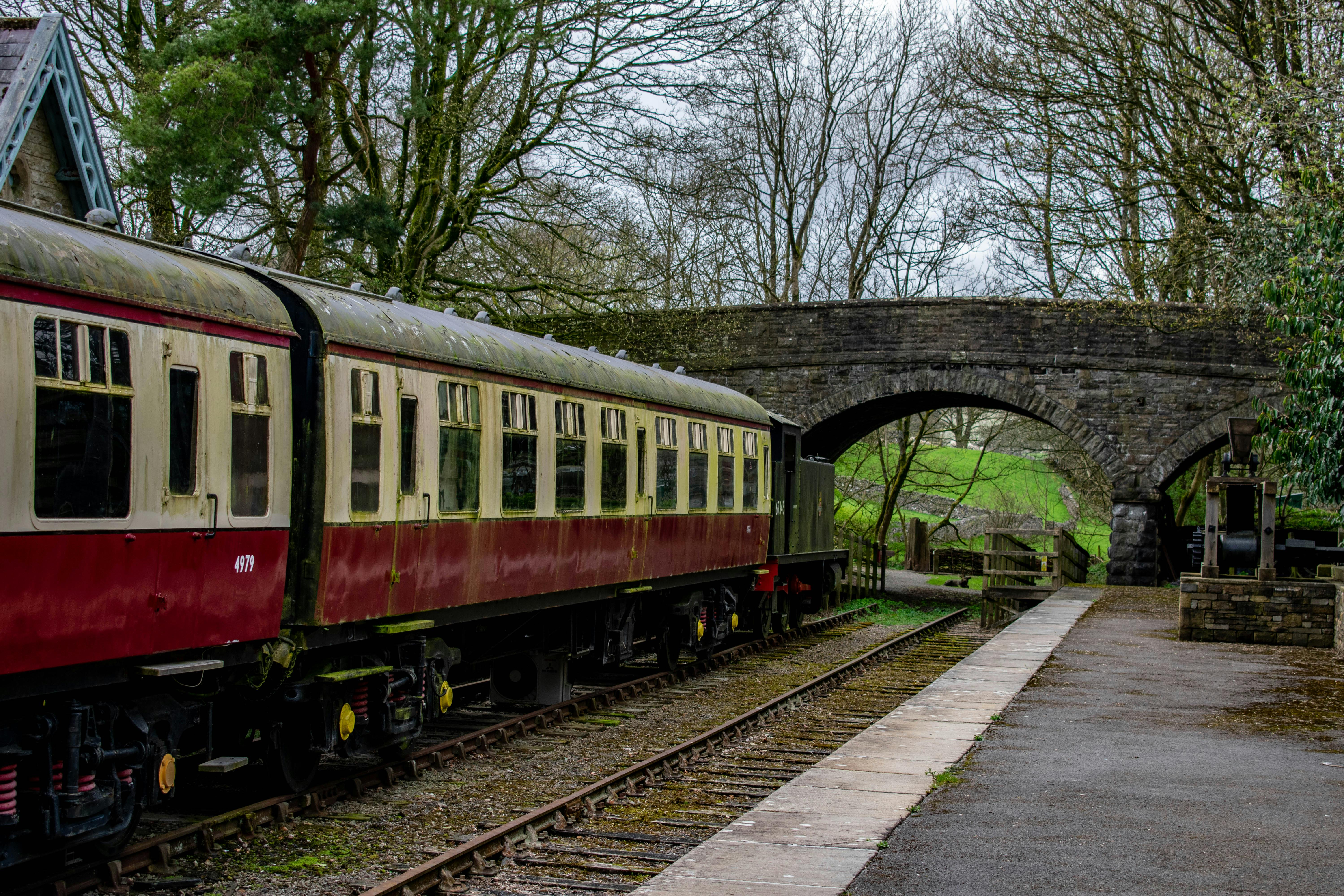
There is a train in the station ready to depart and a station building…but this train isn’t going anywhere anytime soon. Hawes station is perhaps unique in this regard, in that all the essential constituent components are there to make this a functional station but the line simply runs the length of the station and no further and is isolated. The station closed in 1959 to passengers and then completely to all other traffic in 1964 with the track lifted and buildings left to nature. The site was purchased by the Yorkshire Dales National Park Authority and then converted into a museum and tourist information centre in the 1990’s. As part of the agreement, a small section of track was laid, the buildings and platforms refurbished and a preserved industrial tank locomotive along with BR Mark 1 coaches was installed as a static display. The Wensleydale Railway hope that one day, they can connect Redmire back to Hawes and re-instate services along the length of the line. This would be quite an achievement and would make the railway the longest heritage railway in the country. For now, we can only hope, so enjoy these last few pictures of Hawes station.