
It’s day 2 of my trip up North and we’re at the Stephenson Steam Railway. This 2 mile industrial railway used to serve factories and businesses in the area when coal was king but now offers visitors a chance to step back to the past and learn about the pioneers of the railways; George and Robert Stephenson.
The line itself does not have much to see now since much of it runs behind industrial estates with a smattering of graffiti along the bridges and the terminus at Percy Main is unexceptional. That being said, the museum at Middle Engine Lane houses many important artifacts relating to the area, some of which are the last in existence. Our journey today is sadly not pulled by a steam engine, but infact a BR Class 08.


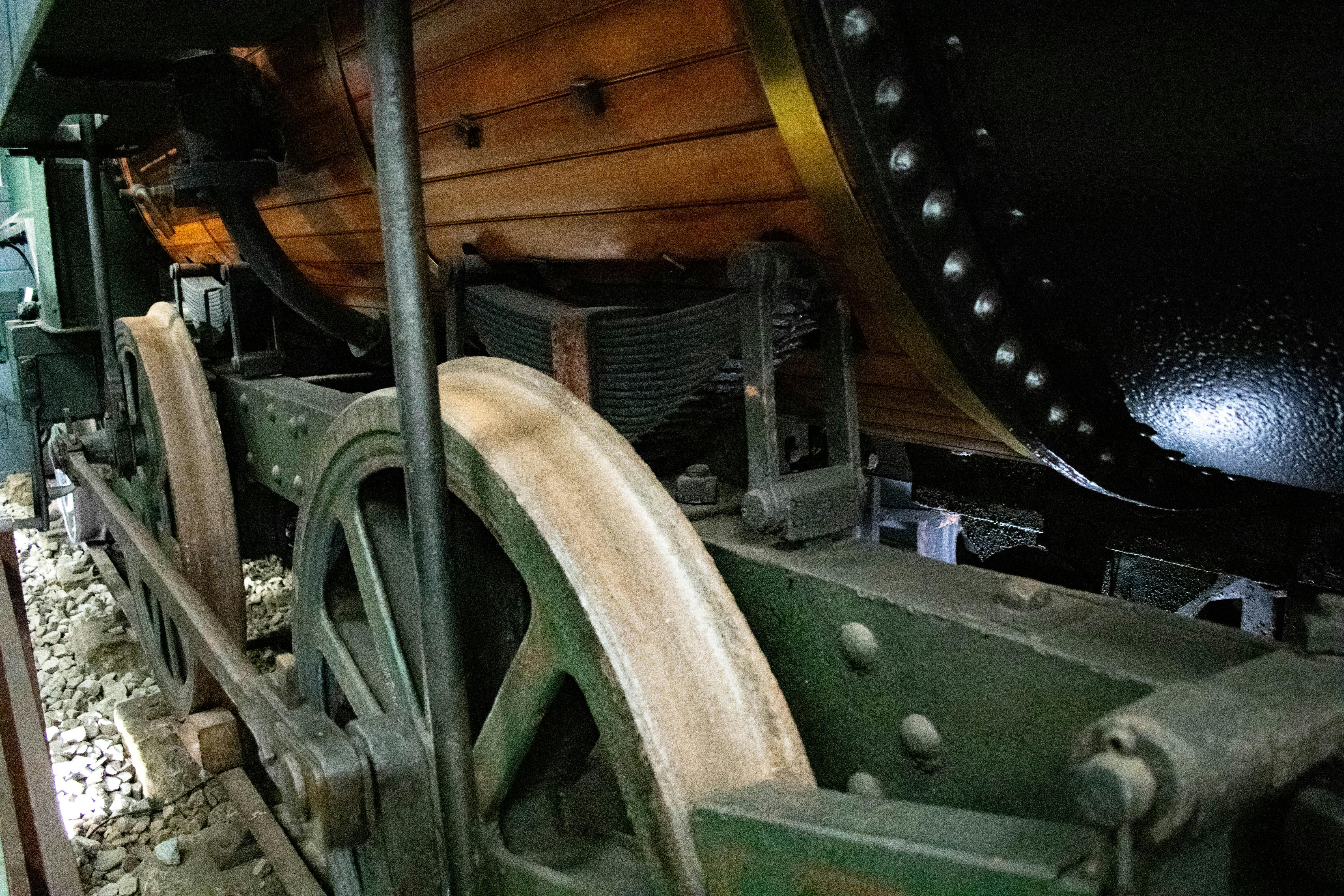
After a ride up and down the line, the museum is well worth a visit. There are many interesting artifacts, some which are static exhibits and the last of their kind now. Below you will see some shots of ‘Billy’ – The third oldest surviving locomotive in the world, built in 1816, this was 13 years before the iconic ‘Rocket’ yet still under the supervision of George Stephenson. Billy was in use for around 50 years, working on the Springwell & Jarrow line to bring coal to the Tyne from collieries south of Gateshead. What’s also interesting is that the rails and sleeper blocks which the engine sits ontop of are originals from the Stockton & Darlington Railway. The rails are made of wrought iron and the sleeper blocks are made of stone. The stone blocks are not the traditional sleeper style we recognise today, as due to the need to work along side horse-drawn trains, only small blocks could be used to prevent horses from tripping. You can see the sleepers and rails more clearly in the top image on this article.

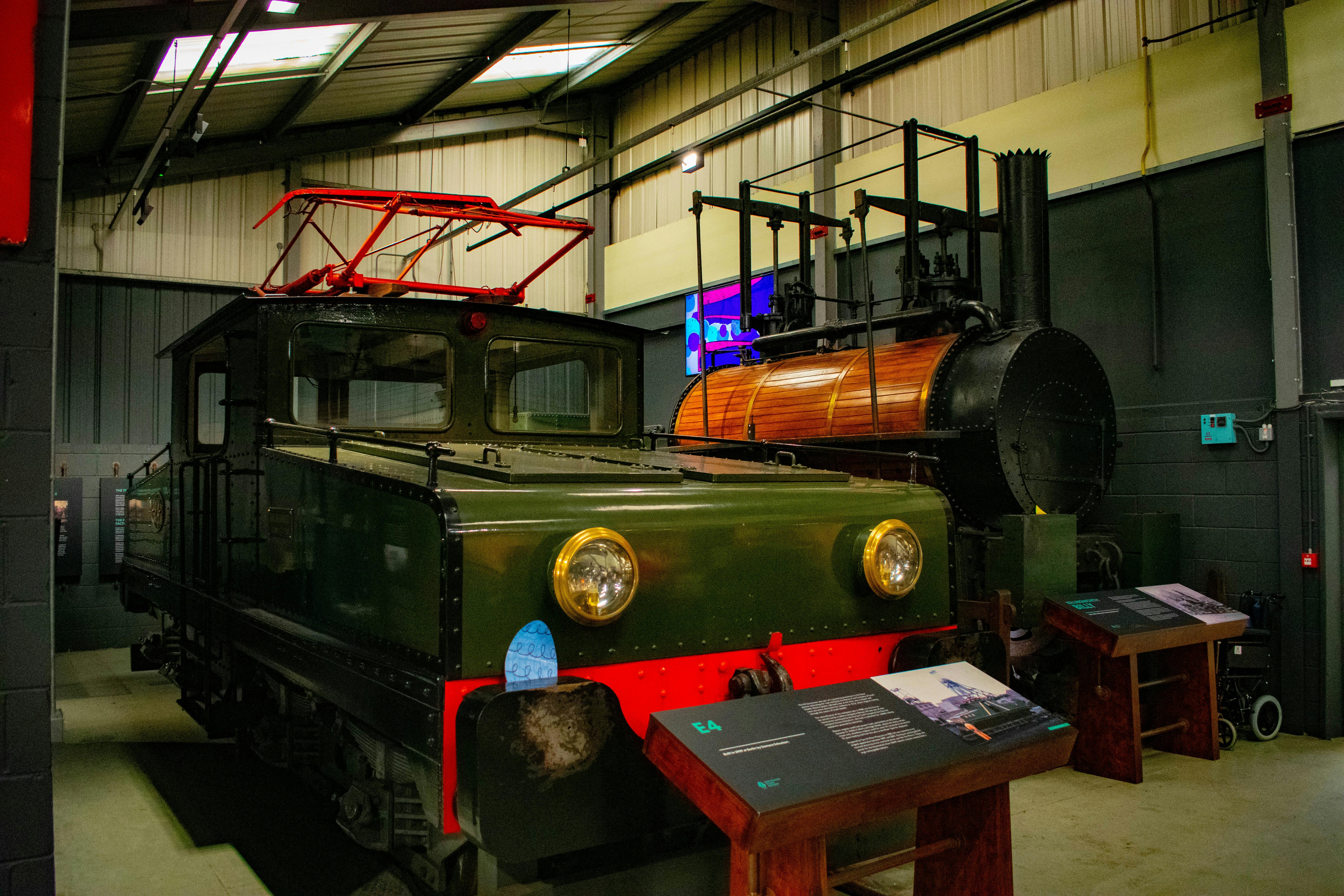
Next to the third oldest locomotive in the world, we have something slightly more modern; the E4 locomotive built in 1904, Berlin. Just as George Stephenson was a pioneer for engines in the steam era, the E4 was the result of pioneering investment in electric technology. Electric engines could generally haul greater loads than steam engines of the day, particularly on demanding gradients. The E4 remained in operation for 73 years, hauling coal from the pits to the River Tyne for shipment but is preserved well in it’s new home here at the museum.
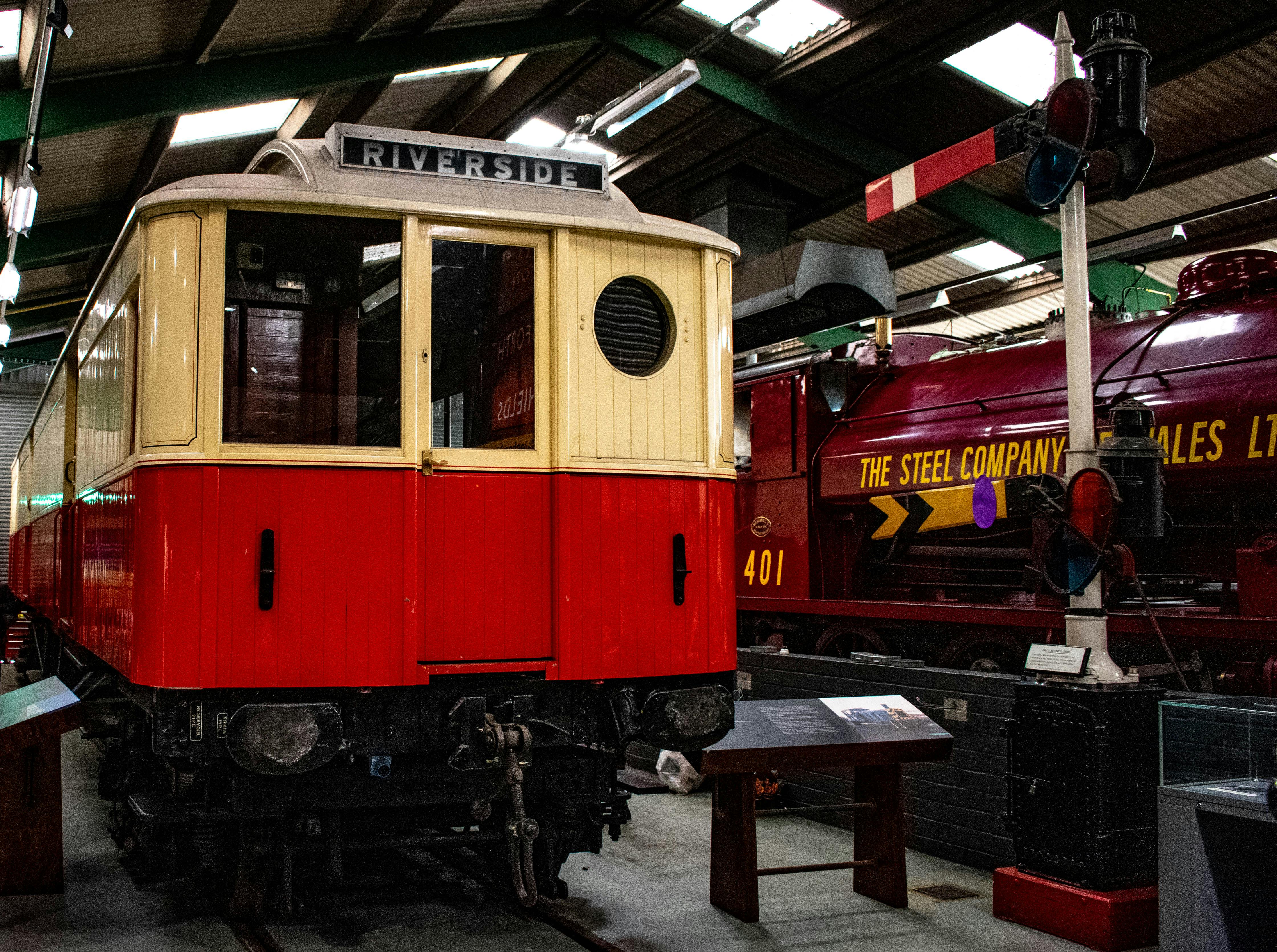
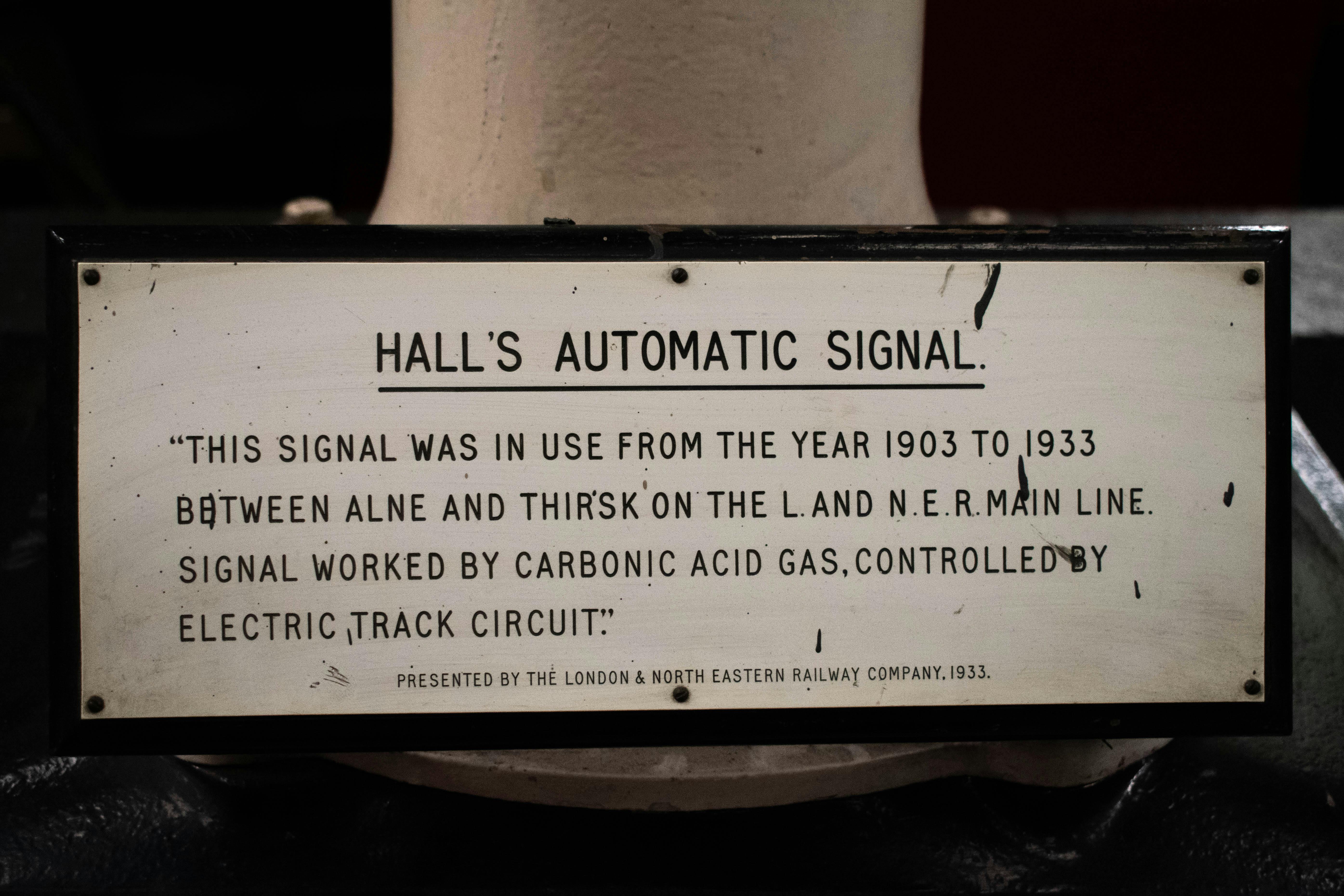
Another thing which caught my eye the beautiful electric luggage van. These were typically for traffic other than passengers and freight, so in this case luggage, parcels and other goods which would perish on the slower goods trains. These vans ran at passenger line speeds and remained in service until 1937. This is now the only survivor of this type of luggage van. Situated next to this is an example of Hall’s Automatic Signal.
Although the line itself may not be much to write home about, the historical importance of the area and artifacts in the museum is undeniably important. This is a wonderful sendup for the Stephenson’s and let’s hope the legacy continues to live on.
