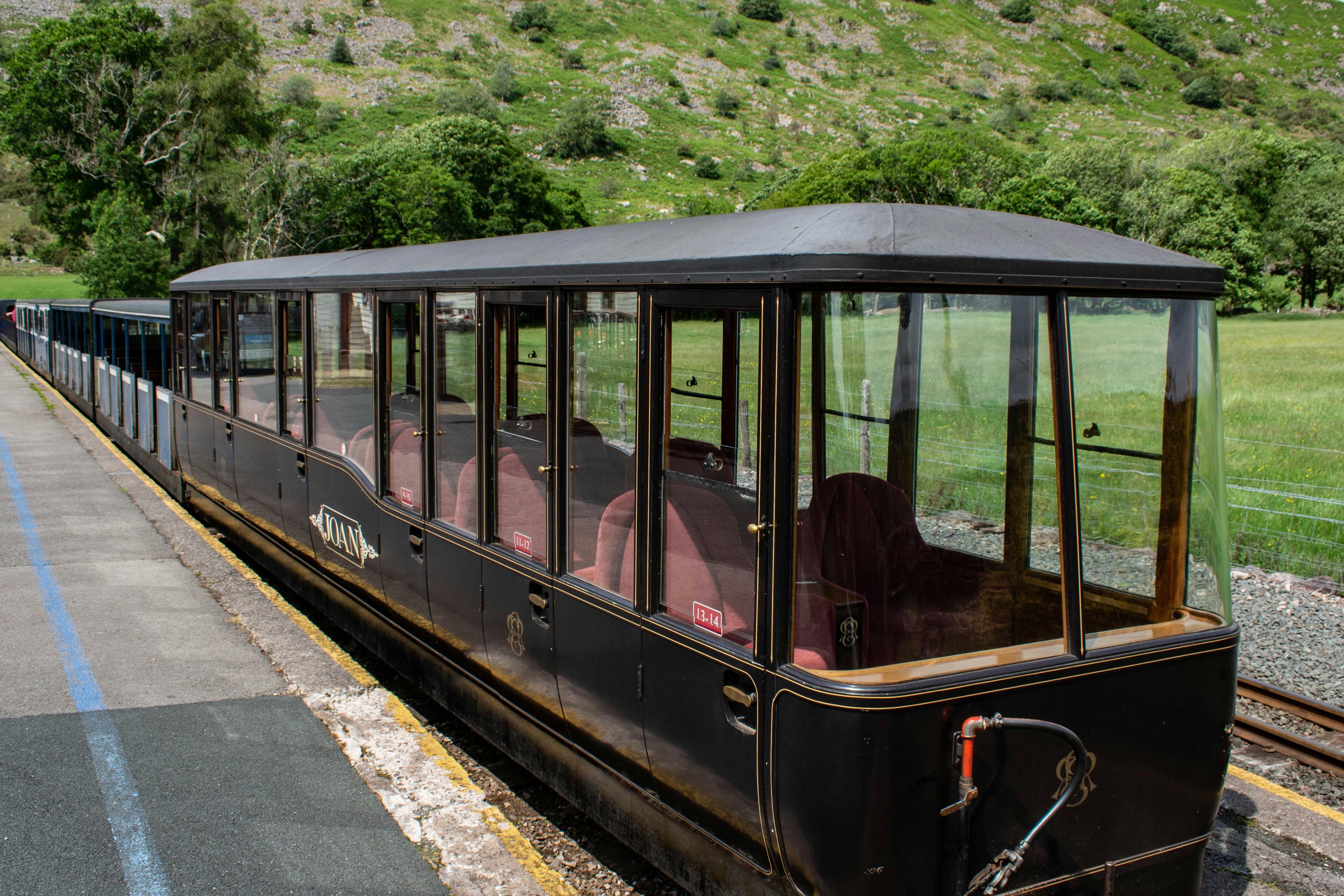
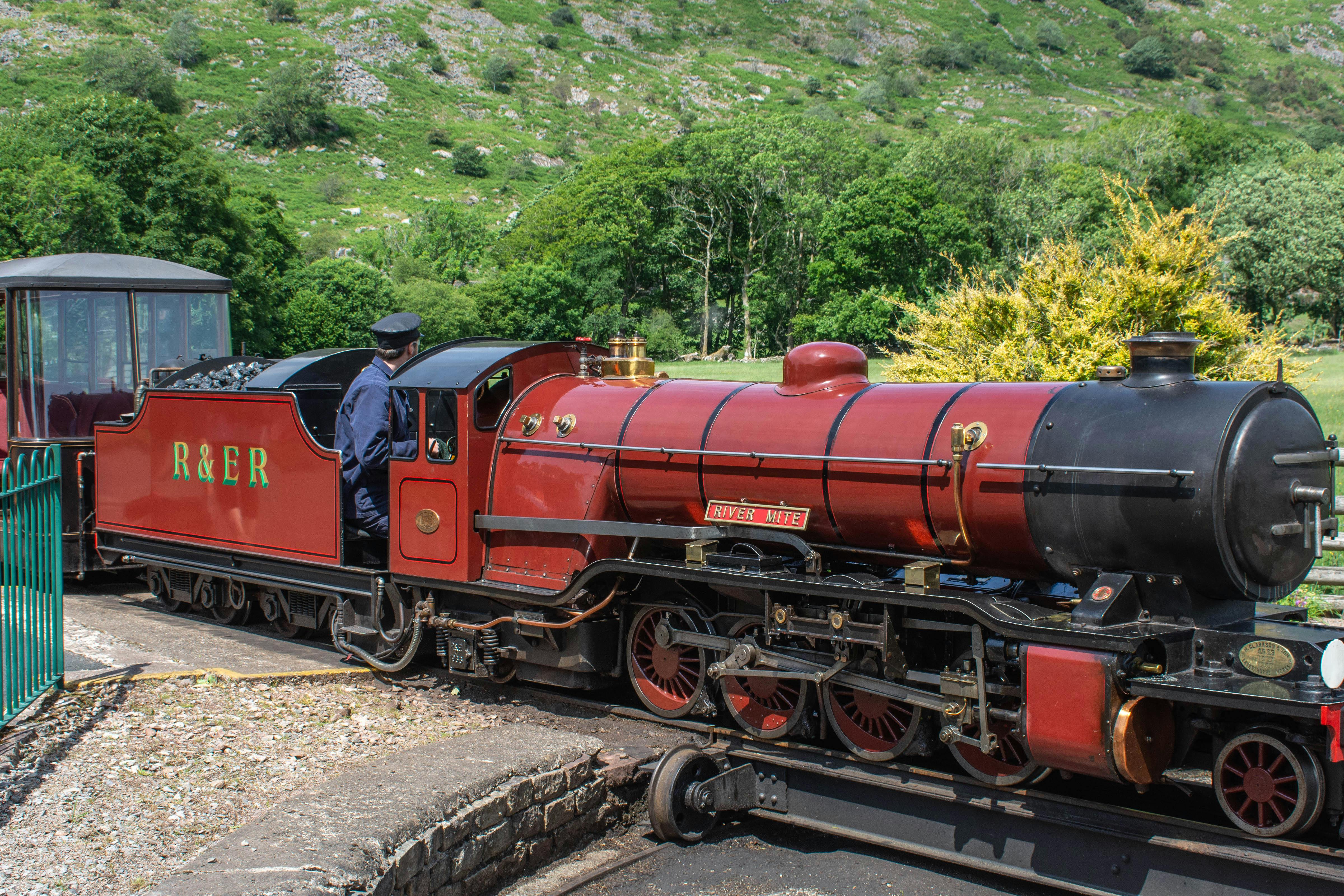
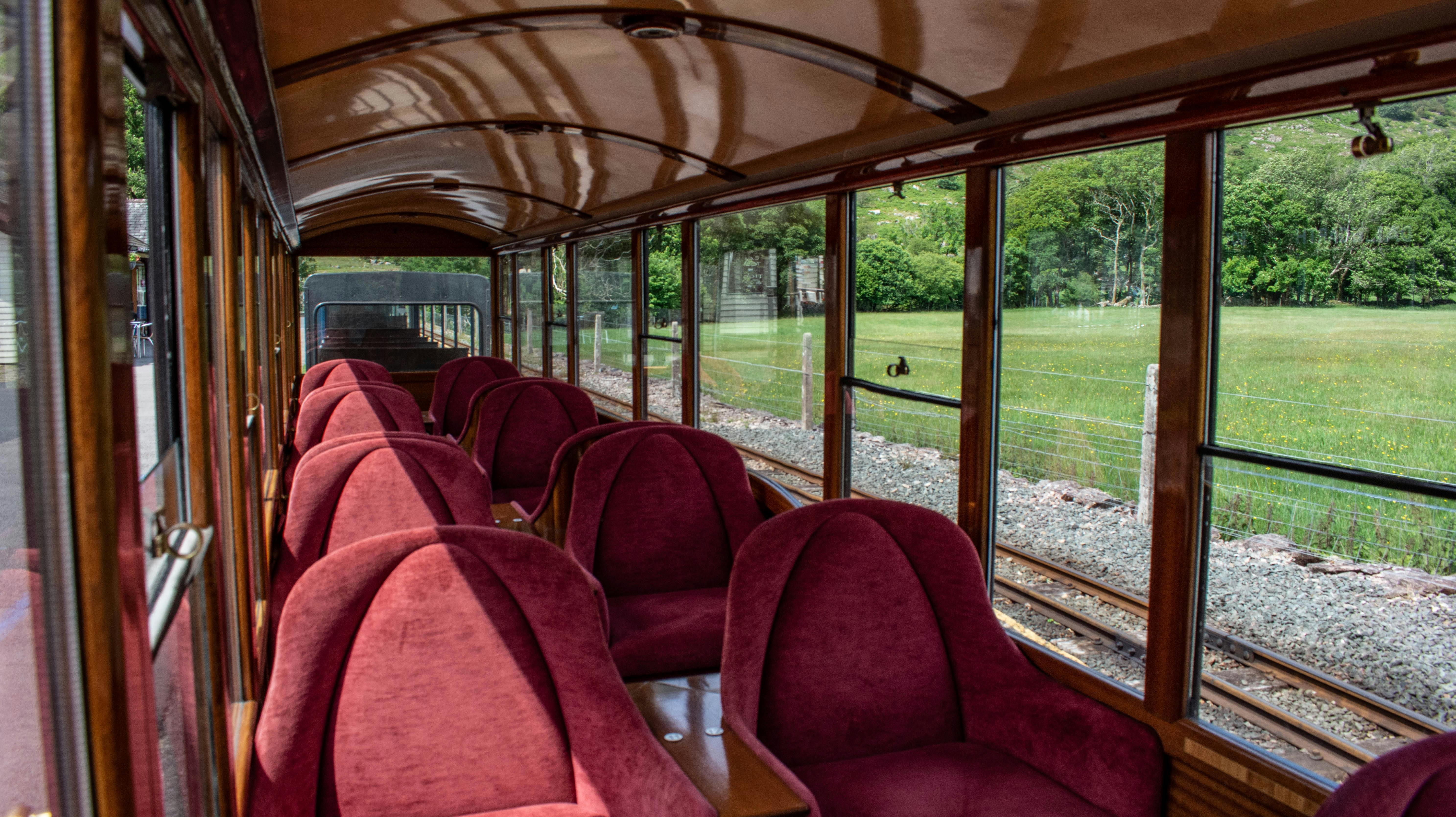
The Ravenglass and Eskdale Railway is celebrating its 150th anniversary this year and is a gorgeous line that runs through the heart of the Lake District in Cumbria, but it’s not one that hasn’t had it troubles over the years. The railway has a nickname which has evolved over the years, but is affectionately referred to as ‘La’al Ratty’ which is the Cumbrian dialect for ‘Little Railway’. We’ll explore how it got this moniker later on. We’re starting off in the terminus of Ravenglass station and we’ve opted to travel in style today. Today’s train hauls us the length of the line and we’re lucky enough to have front row seats on the Pullman observation carriage ‘Joan’. The carriage provides stunning panoramic views of the Western Lake District mountains over the 7 miles of track, hauled today by the 1966 built ‘River Mite’.
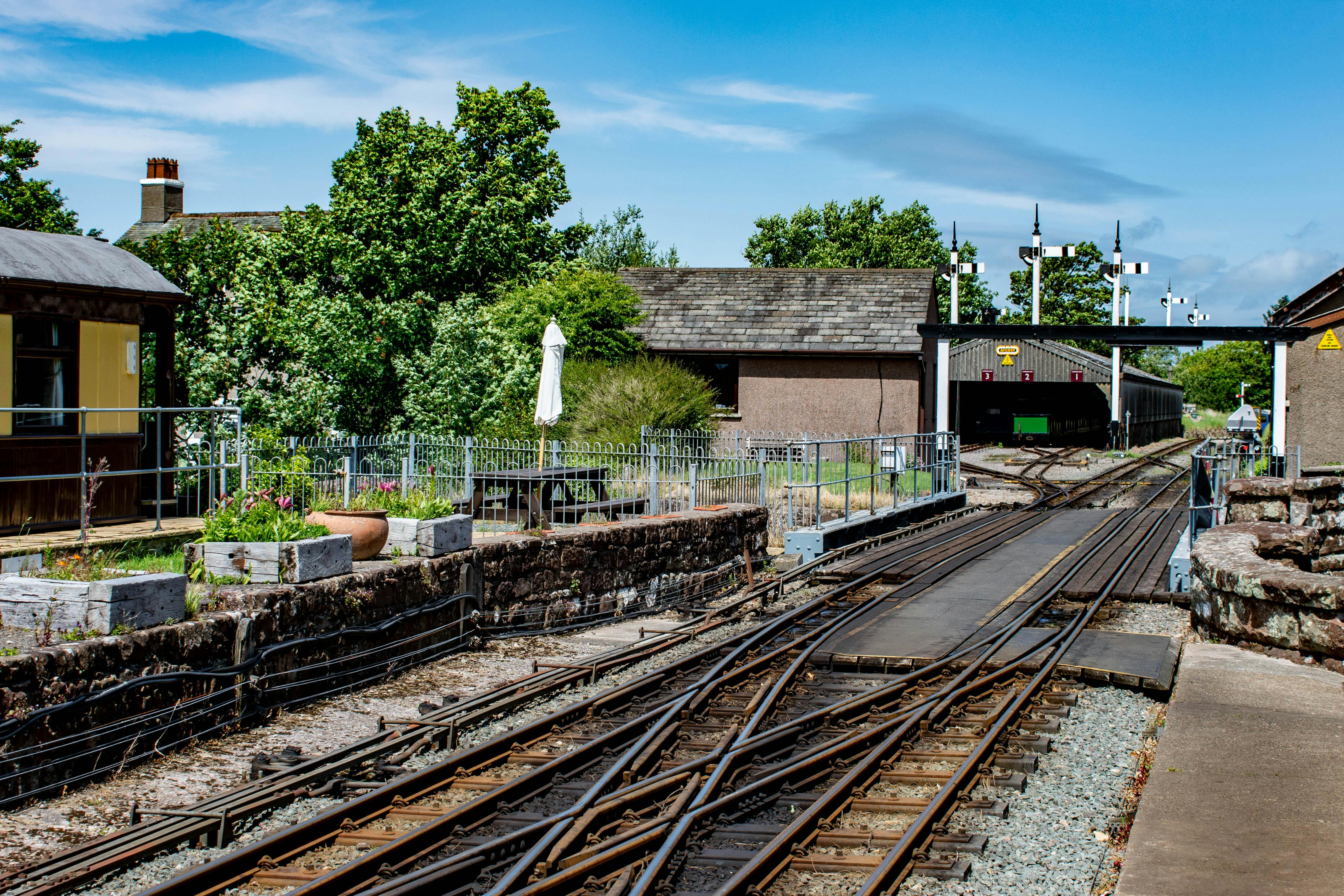
Stepping back in time, why is this line here? The line that opened in 1875 originally transported iron ore from the mines above the village of Boot in Eskdale to the main line which ran from Whitehaven to the iron and steel works in Barrow-in-Furness. After the first year of transporting iron ore, locals pushed for a passenger service and after a little persuasion, passenger train services began running on 20th November the following year. At this time, the railway was a three-foot guage railway, and the Cumbrian dialect for narrow track is ‘ratoun trod’, so the line affectionately became known as ‘Ratty’ at that point. In 1877, financial difficulties and mine closure saw a pivot in the primary use of the railway towards more of a tourist line, however failure to invest in the railway and infrastructure saw the decline and deterioration of the railway until it eventually closed in April 1913.
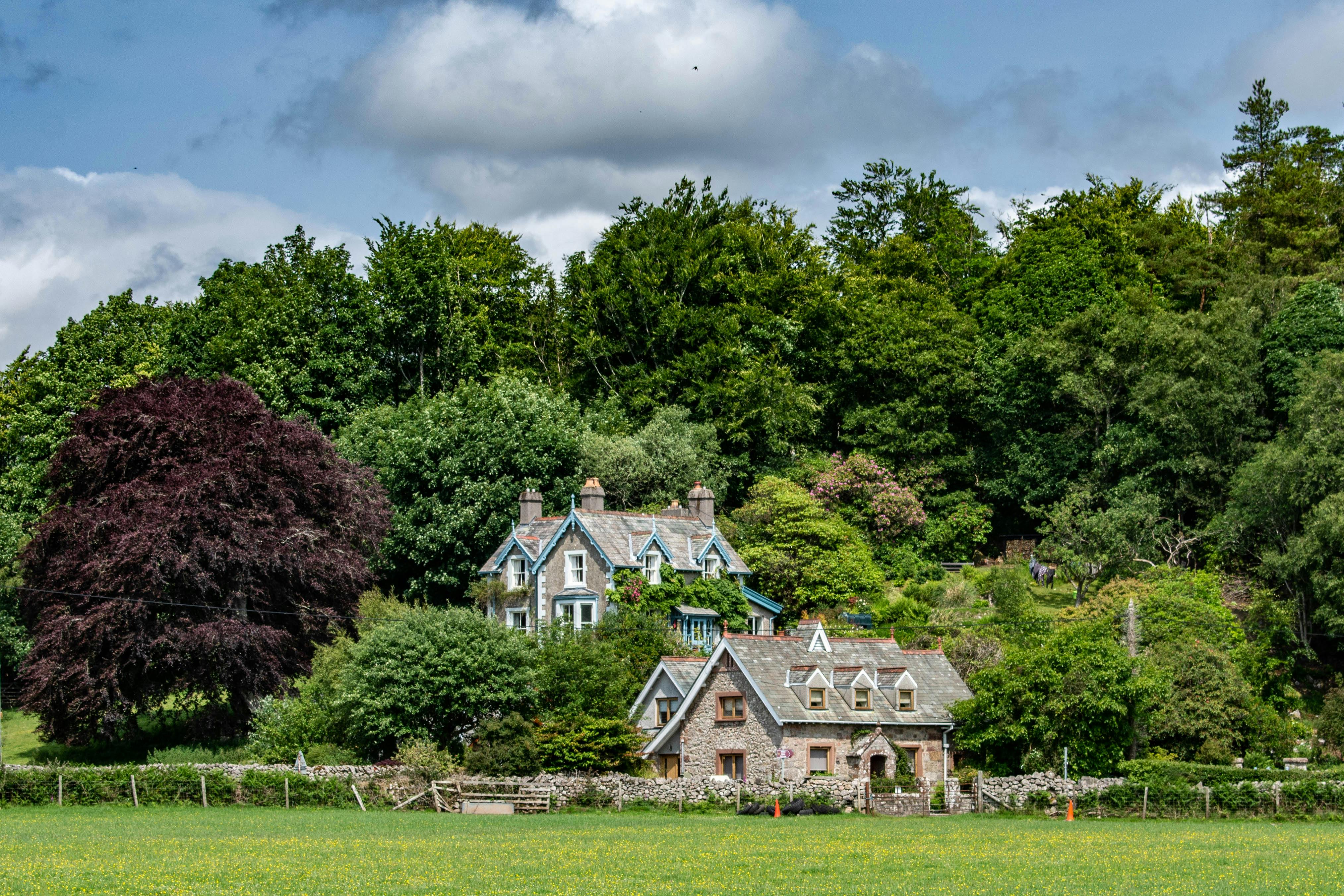
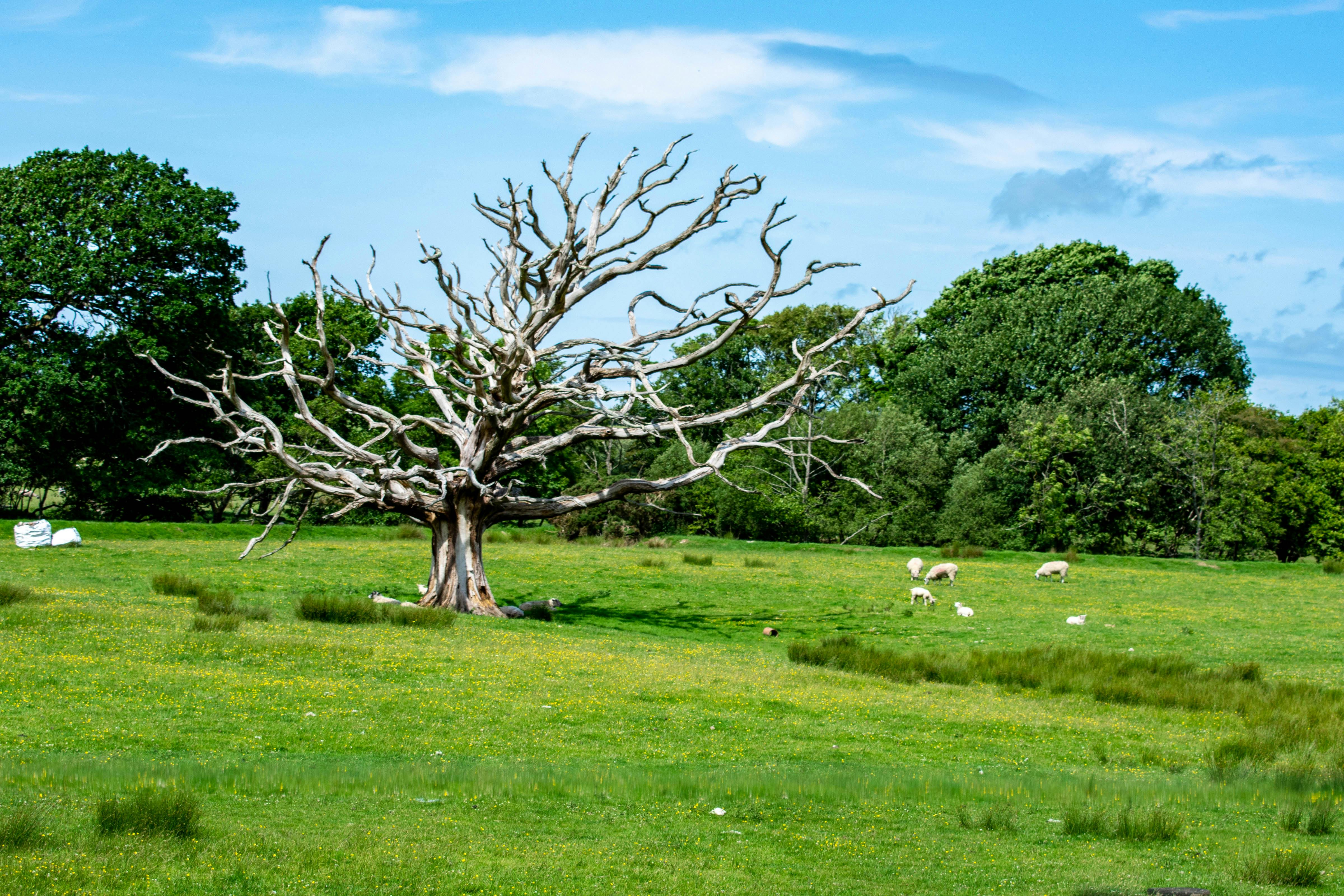
In 1915, the railway was revitalised. Business associates Wenman Bassett-Lowke and Robert Proctor Mitchell were looking for a suitable test track for their 15 inch gauge steam locos and rolling stock. The line gauge was changed from 3 foot to 15 inch and passenger services began again in August 1915 and ran as far as Muncaster from Ravenglass, and further extended to Eskdale the following year. The change in track gauge led to a change in name as well. To distinguish between the old railway and the smaller, newer gauge, Old Railway (Owd Ratty) became Little Railway or La’al Ratty in the local dialect, a name which it still retains to this day. To bolster income, the railway looked for a new year-round source of income now that the mines were closed and this came in the form of granite. Granite was plentiful in Eskdale and a quarry was opened at Beckfoot along with a gantry at Ravenglass to transfer the crushed stone onto the main line. The railway continued to supply granite through WW2 but the granite quarry was eventually taken over by a rival which once again forced the railway to close in 1960.
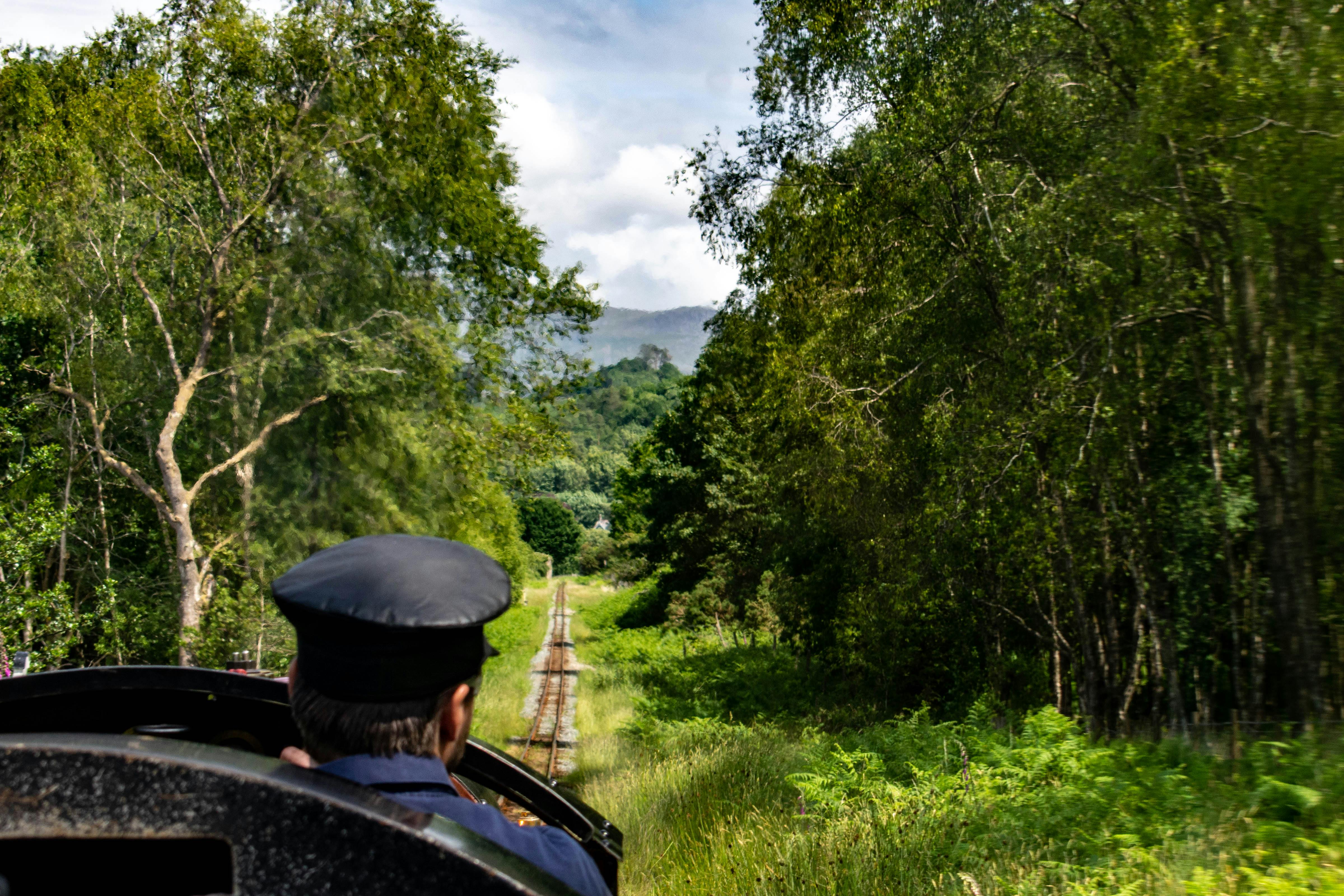
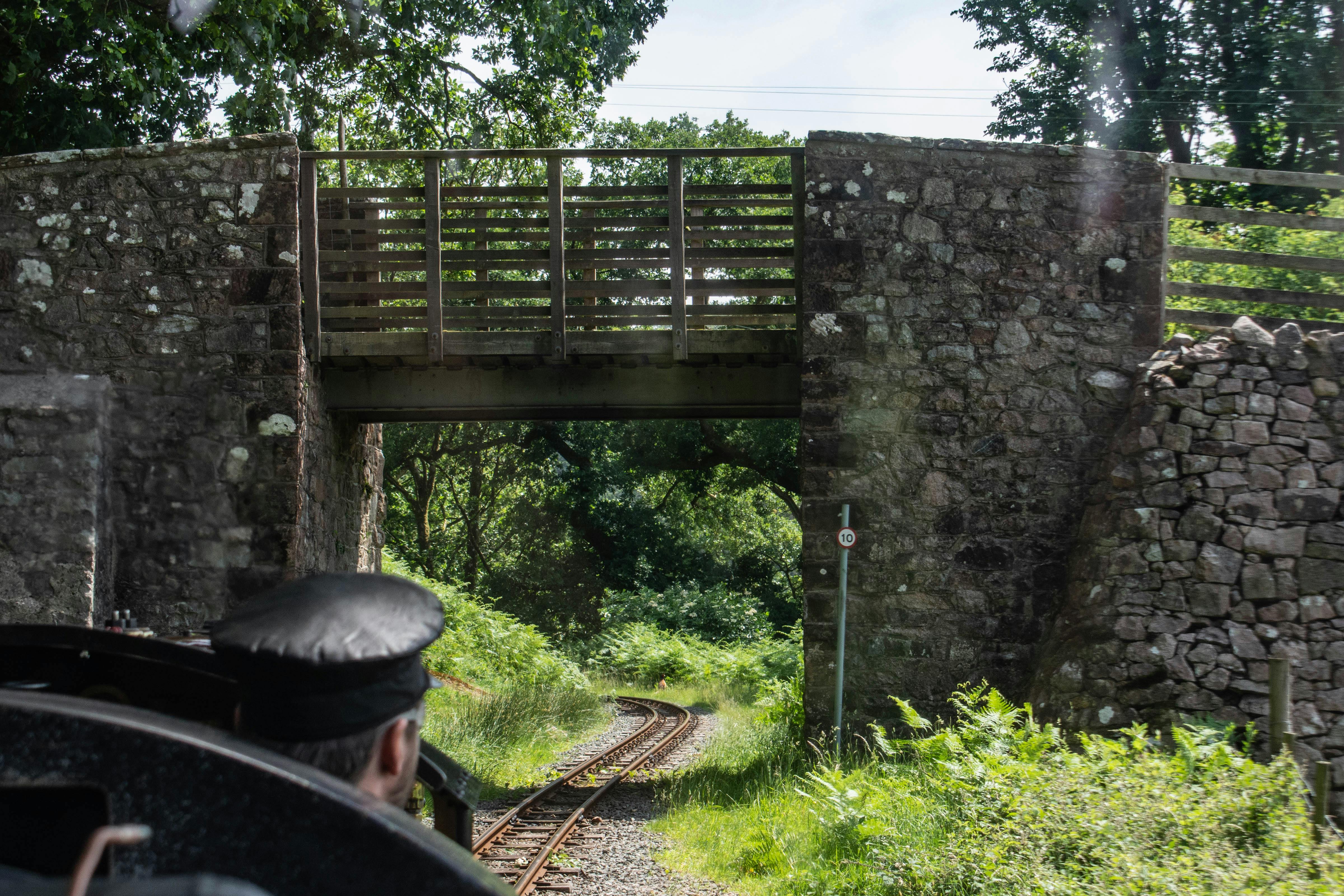
As is the story with many heritage railways, a preservation society was formed on the same year of closure to save and preserve the line. The result is still here today for all to see and what a gorgeous line it is. You can already see from the shots above the scenery is stunning and the views we had from our Pullman carriage were sensational. Below you can see a selection of the small stations and halts which we passed through along the way.
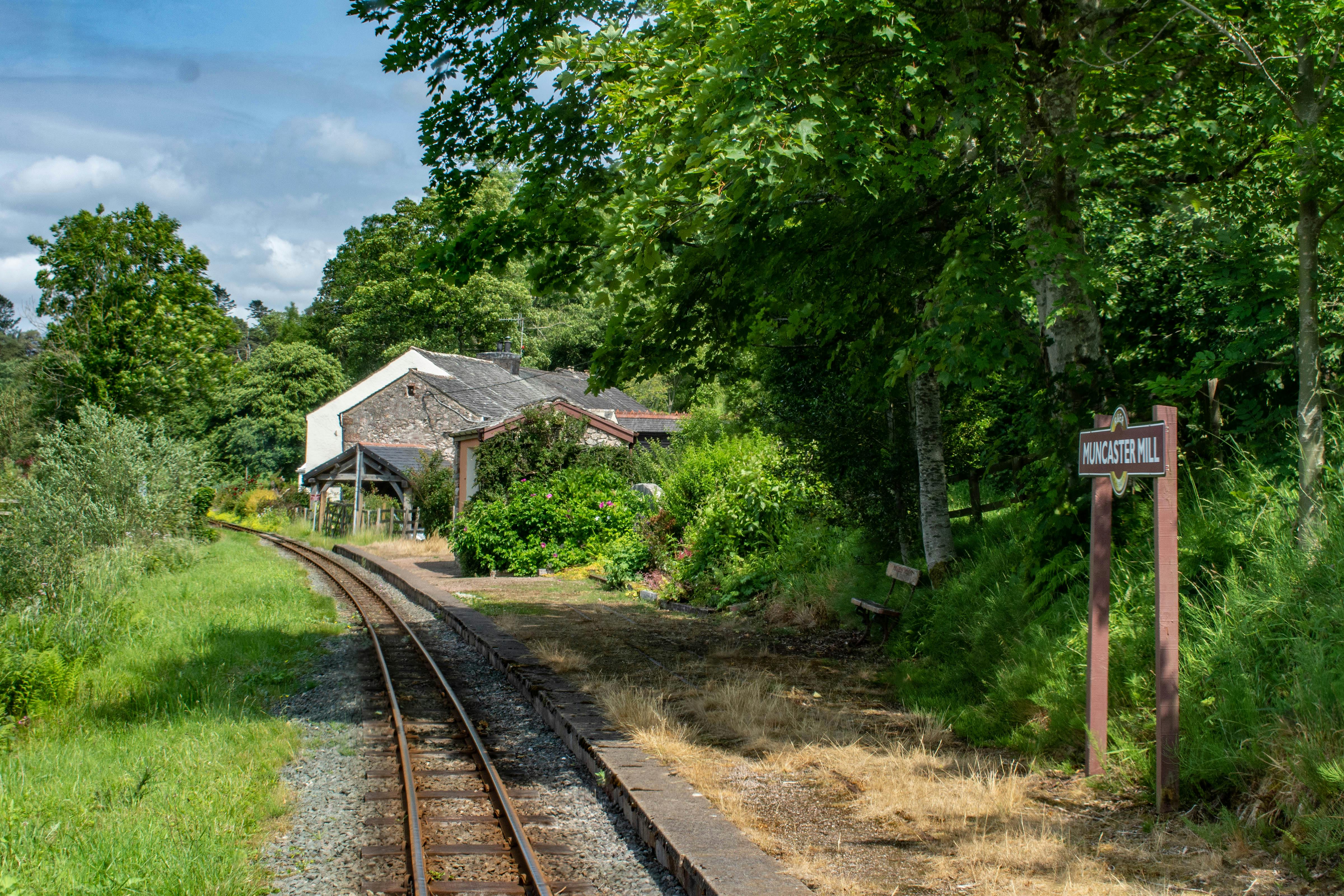
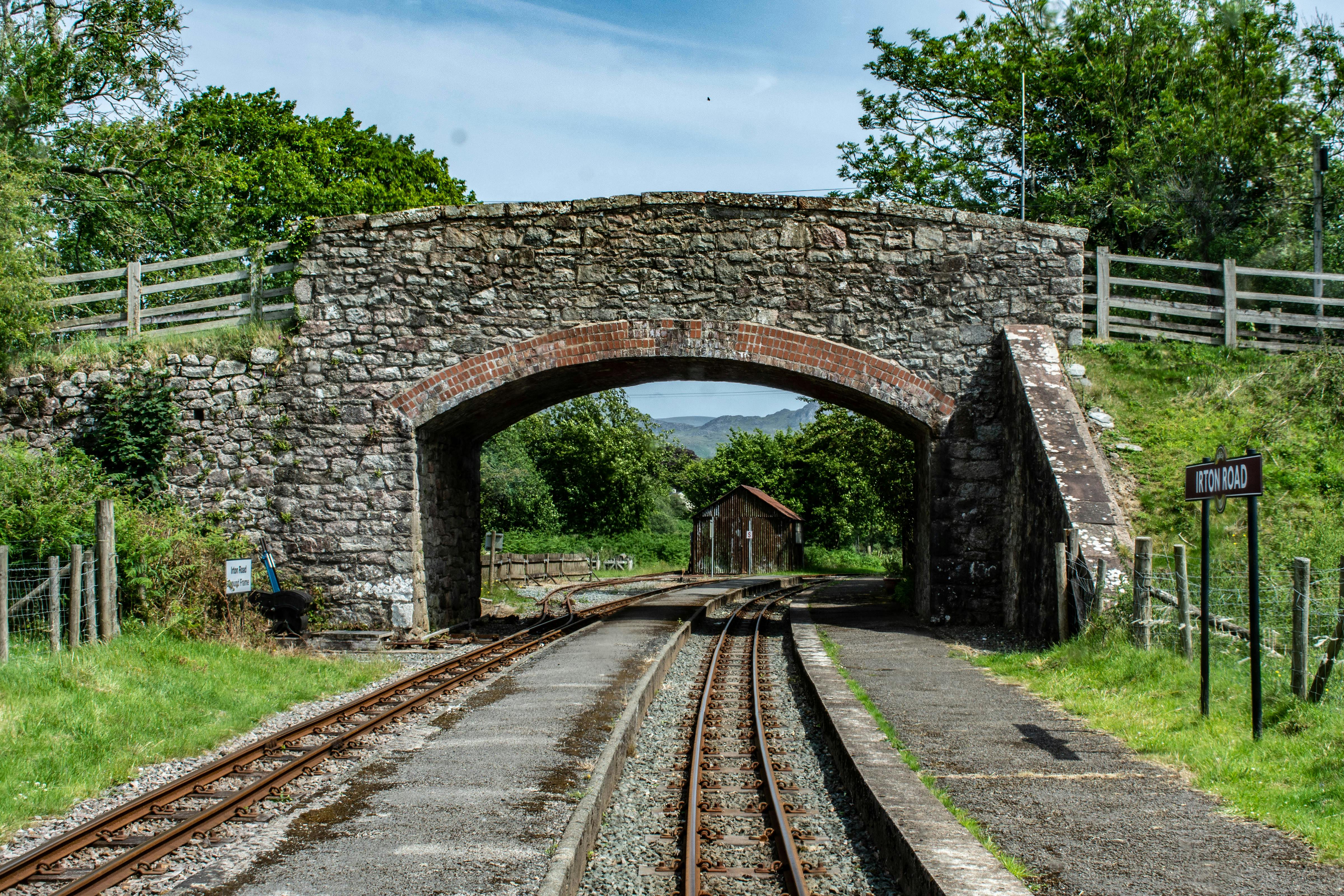
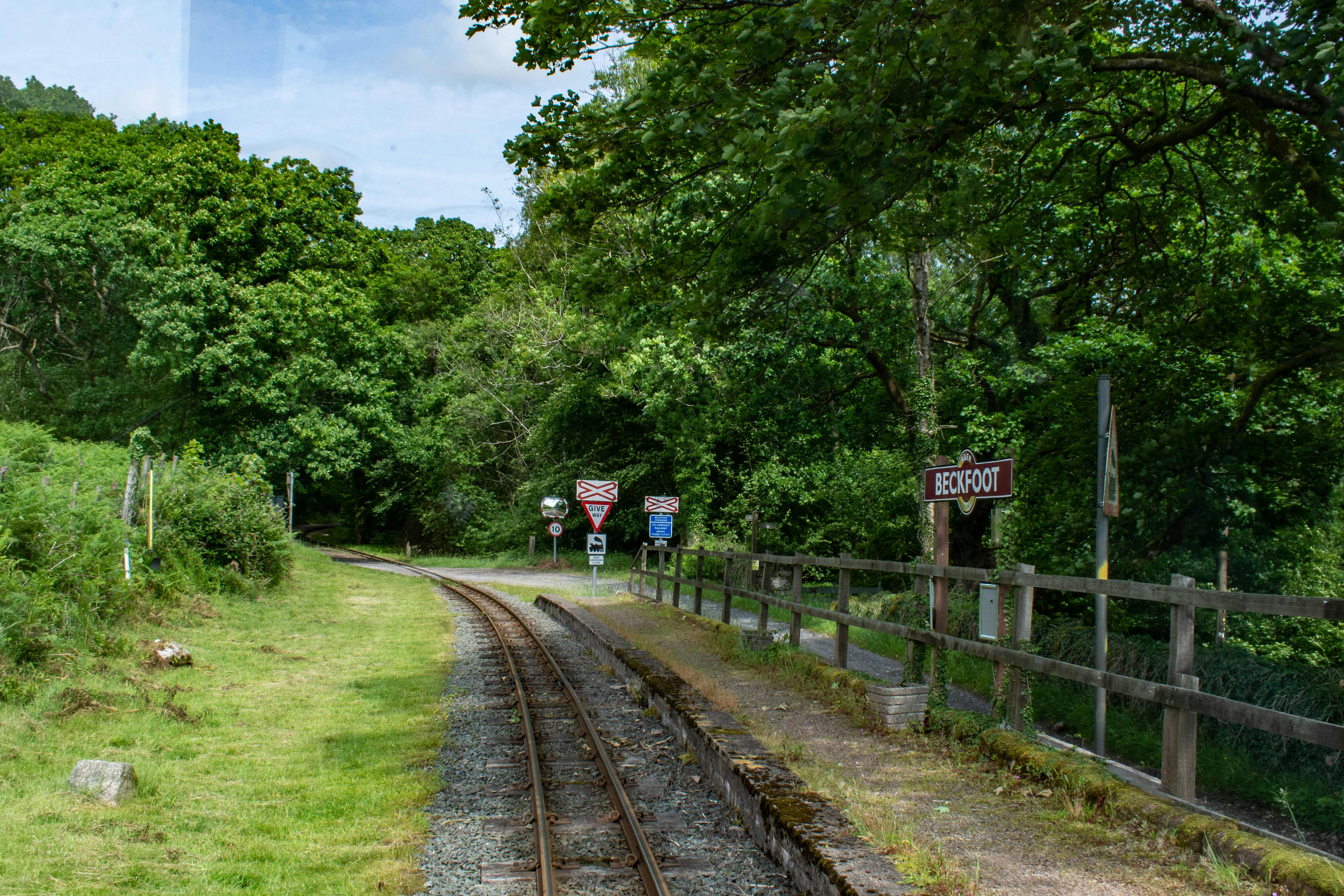
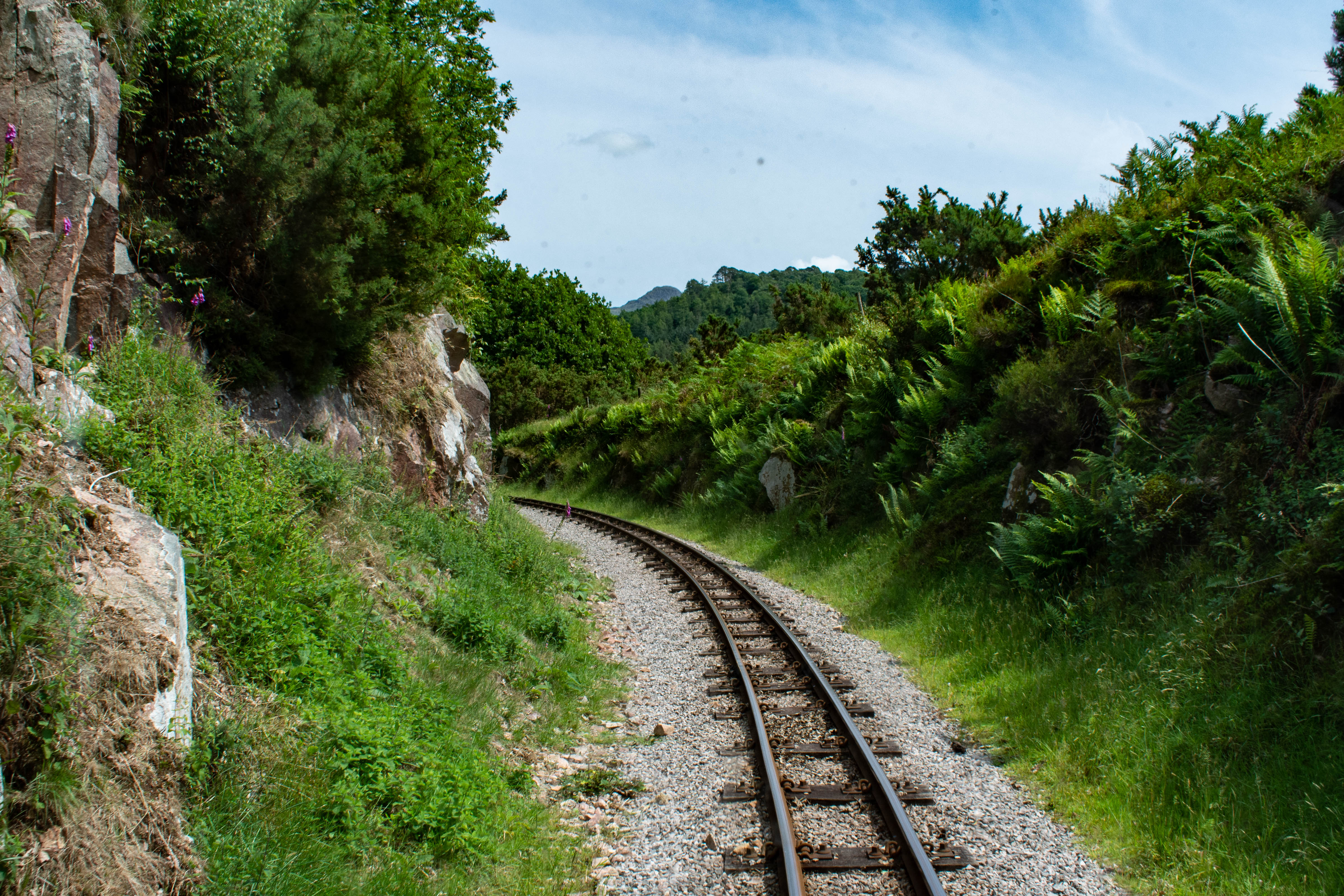
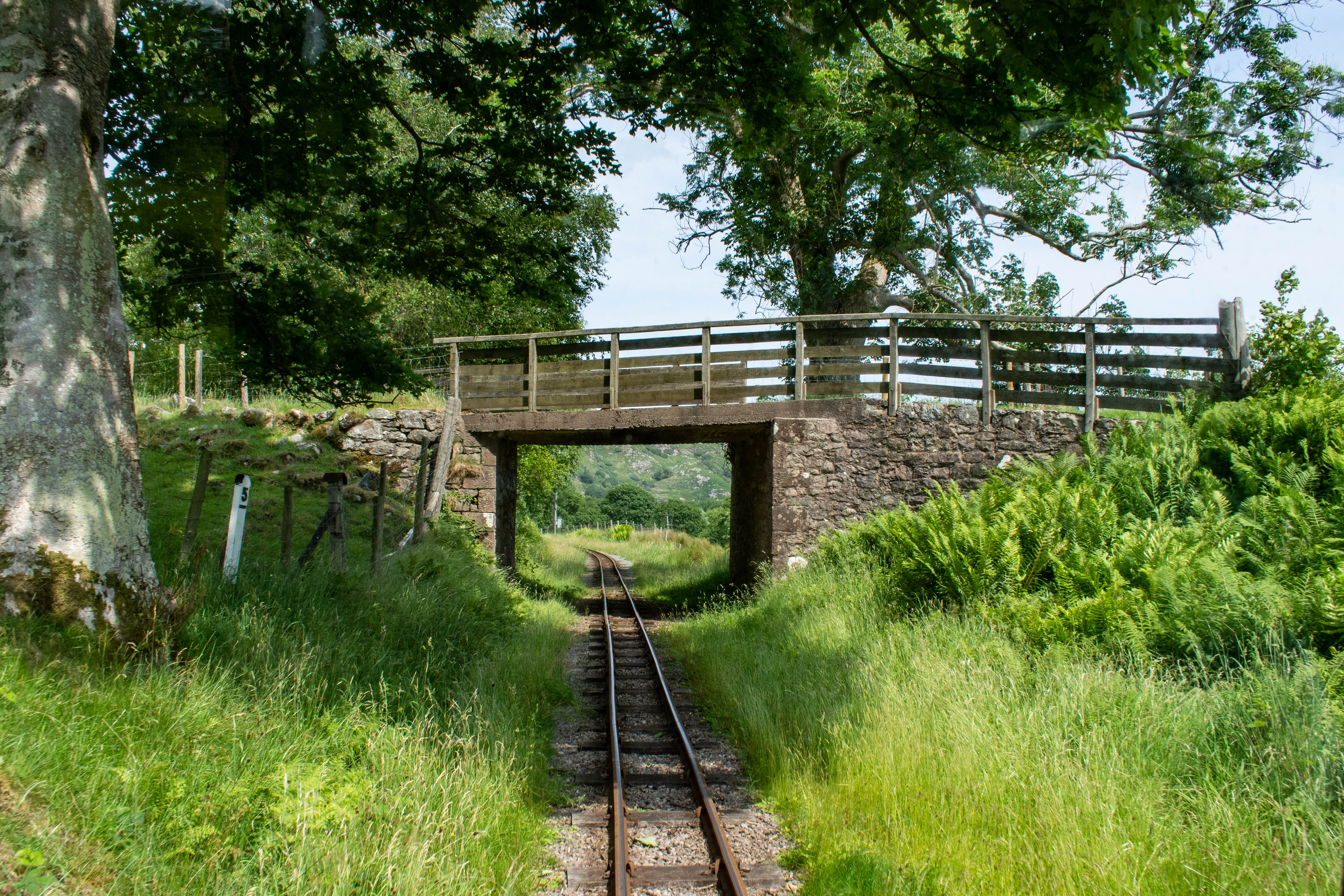
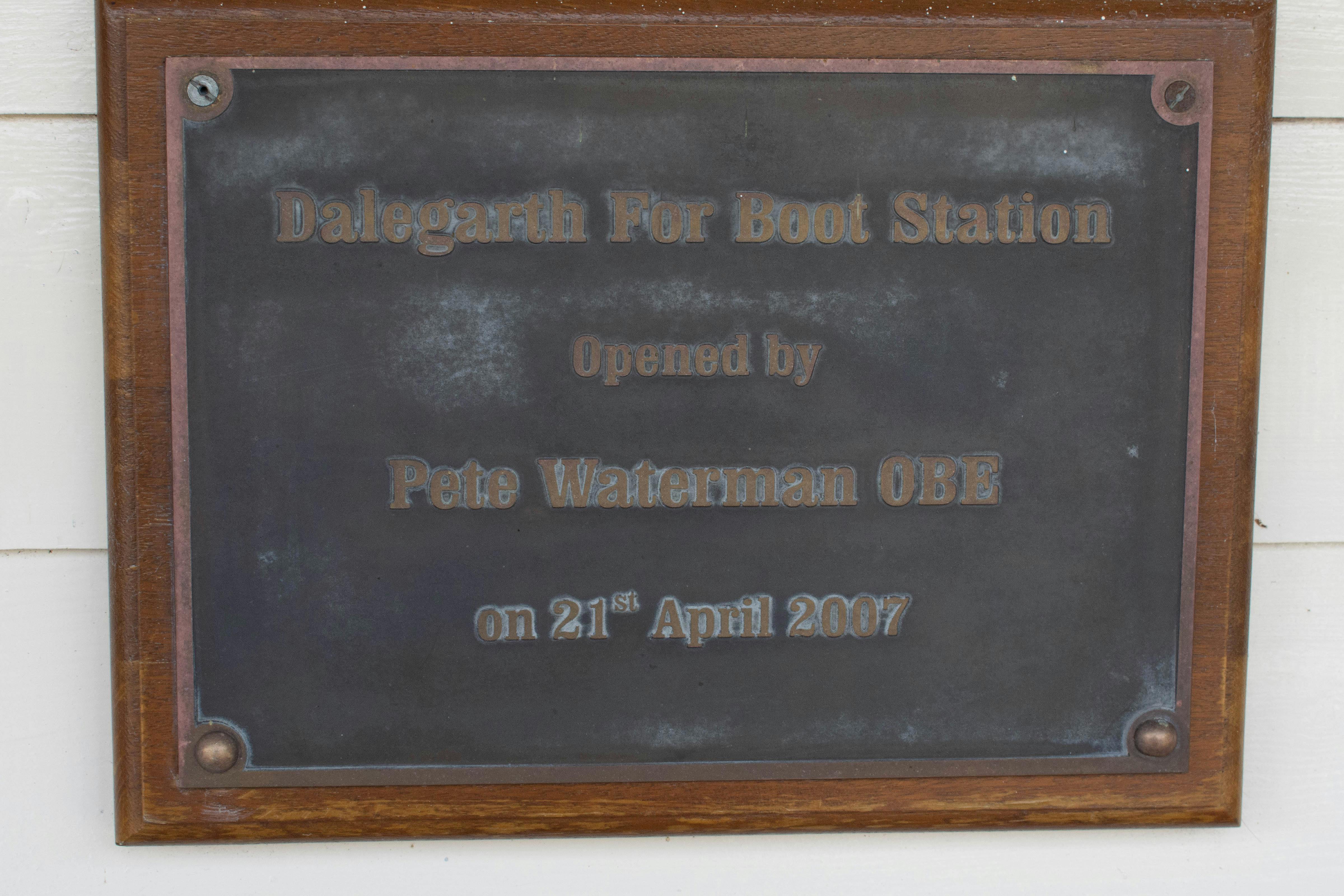
The terminus of the line is Dalegarth for Boot station, which sits just over 50m above sea level, compared with Ravenglass which is ~15m above sea level. The line has some steep gradients to navigate but the journey is very smooth. Interestingly, Dalegarth for Boot station was opened by none other than Pete Waterman in 2007.
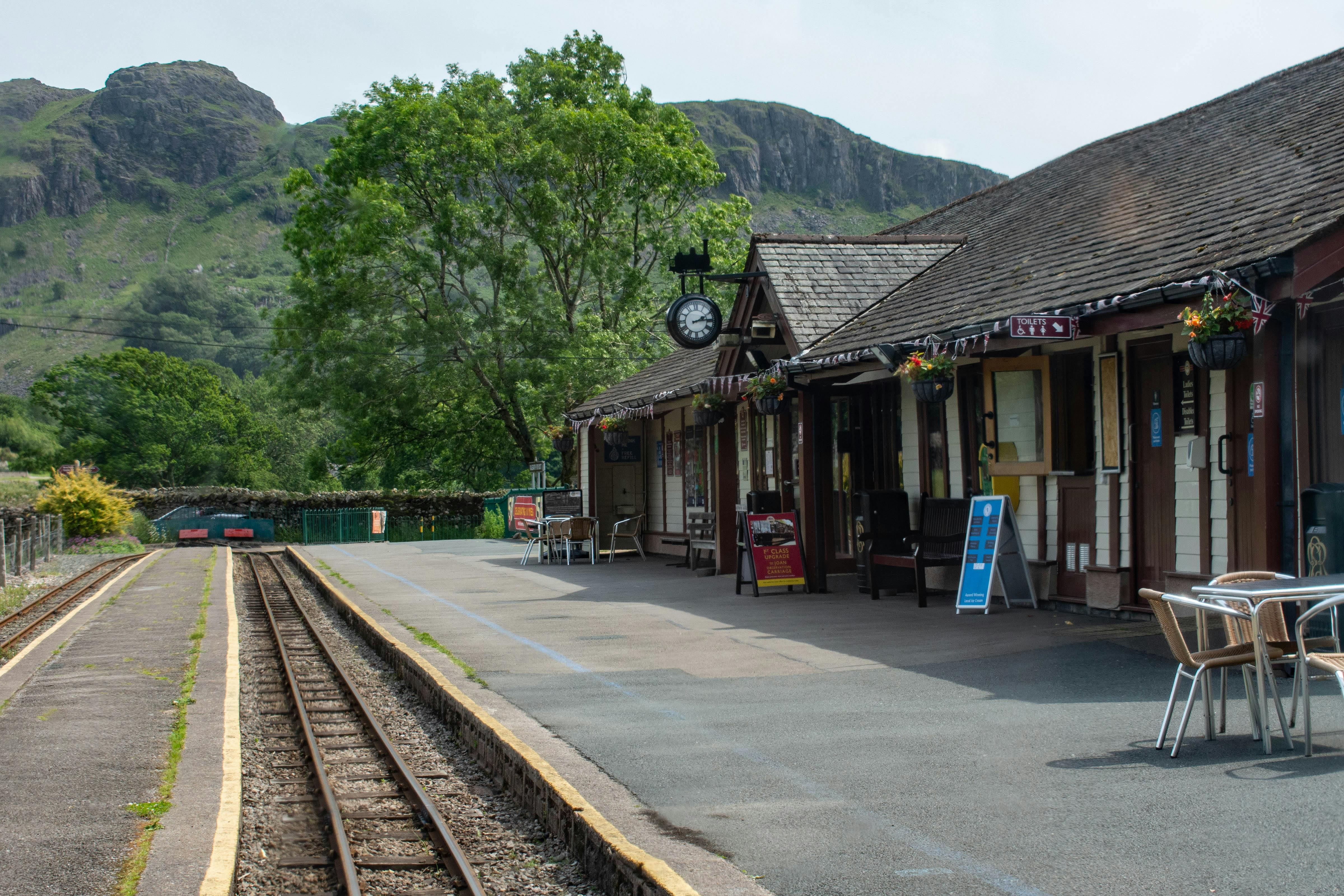
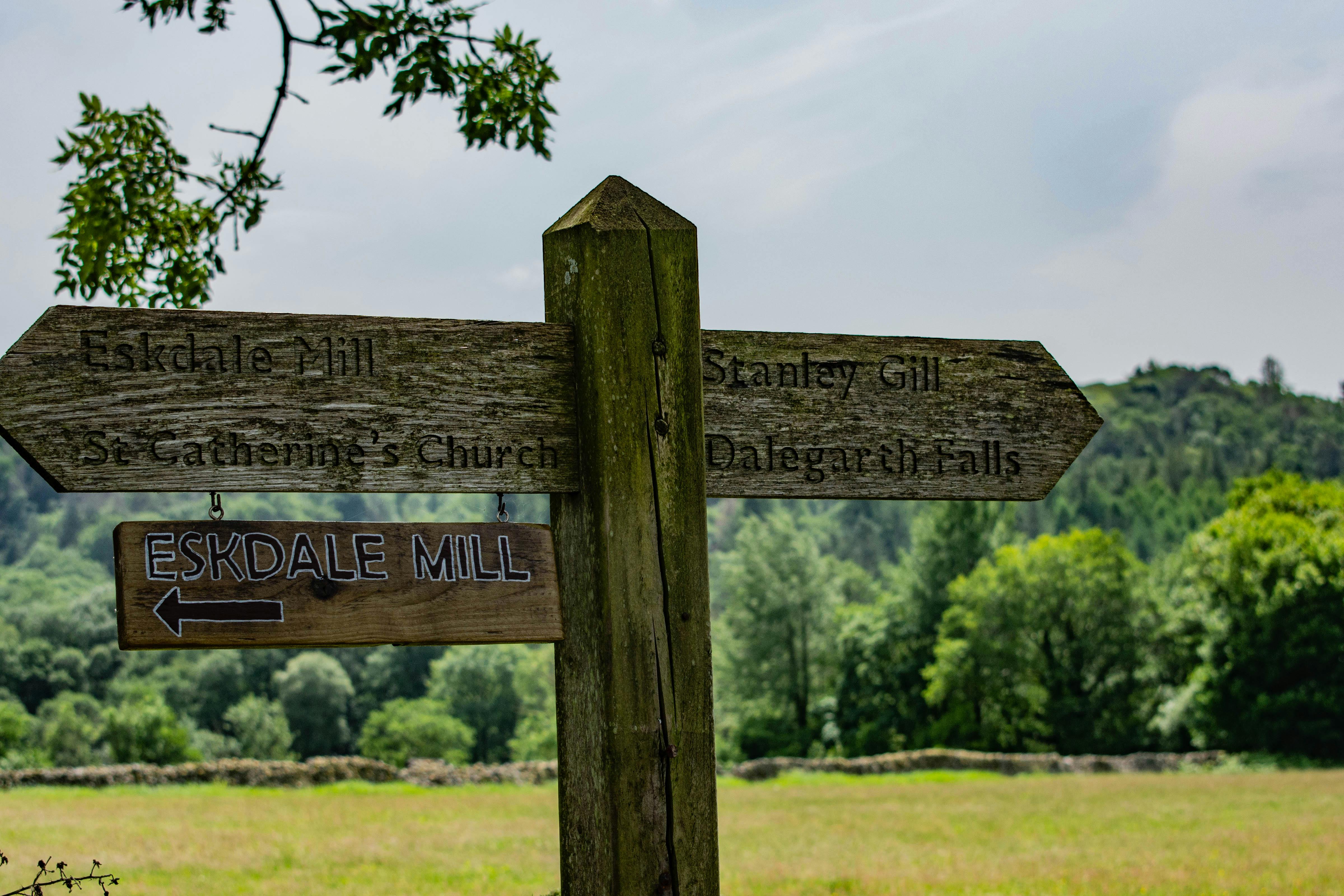
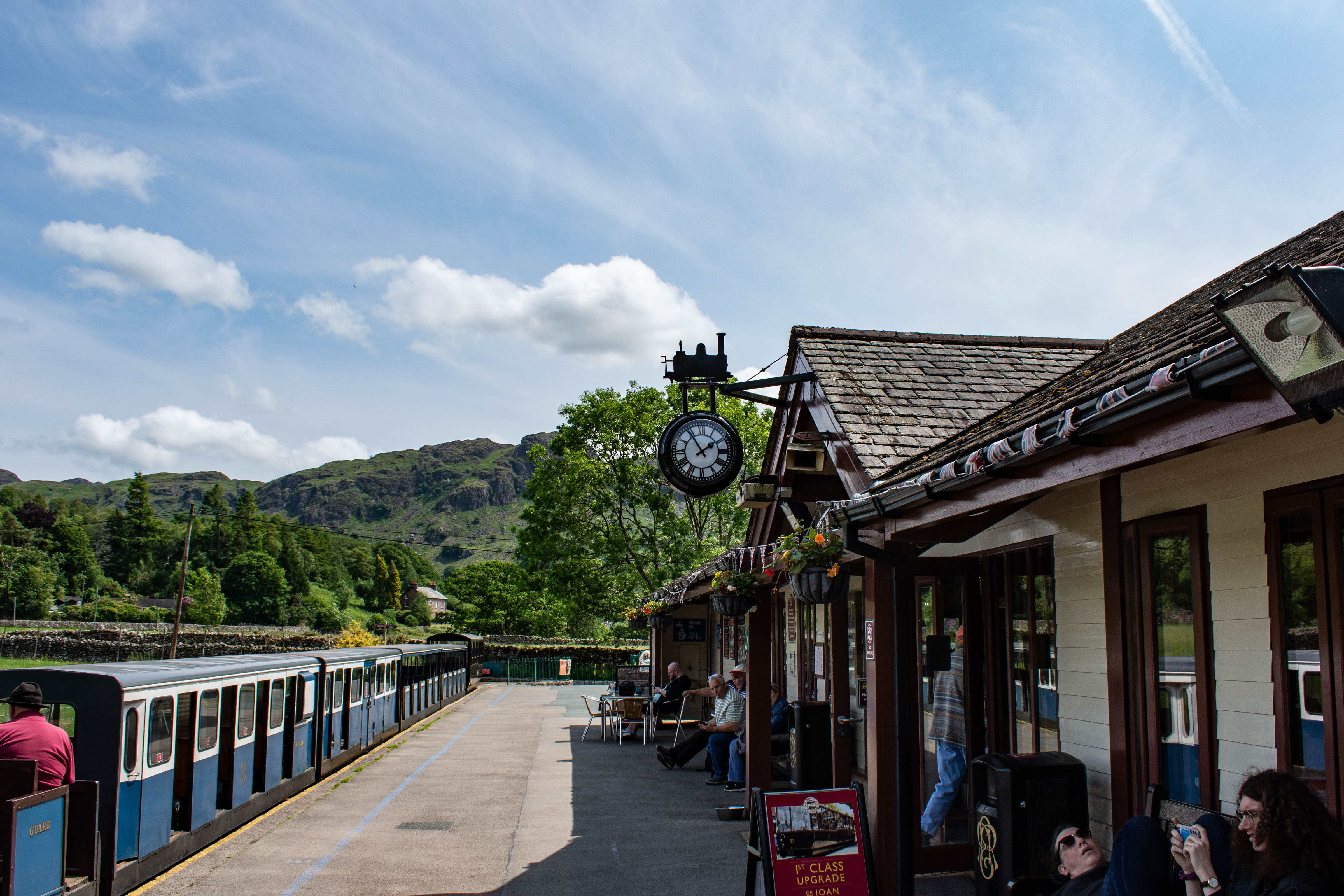
It was a gorgeous summers day with sumptious seats and envious views, it’s clear to see why this is a very popular tourist destination in the Lake District. Arriving back at Ravenglass, the main line is right next door to the railway and it’s around this area that the gantries would have been built to transfer the granite but it’s all gone now. Nothing survives of the 3 foot days but it plays an important part in the history and story of the line. How thrilled would the various owners of the railway over the years be if they knew the railway was now celebrating its 150th anniversary.
