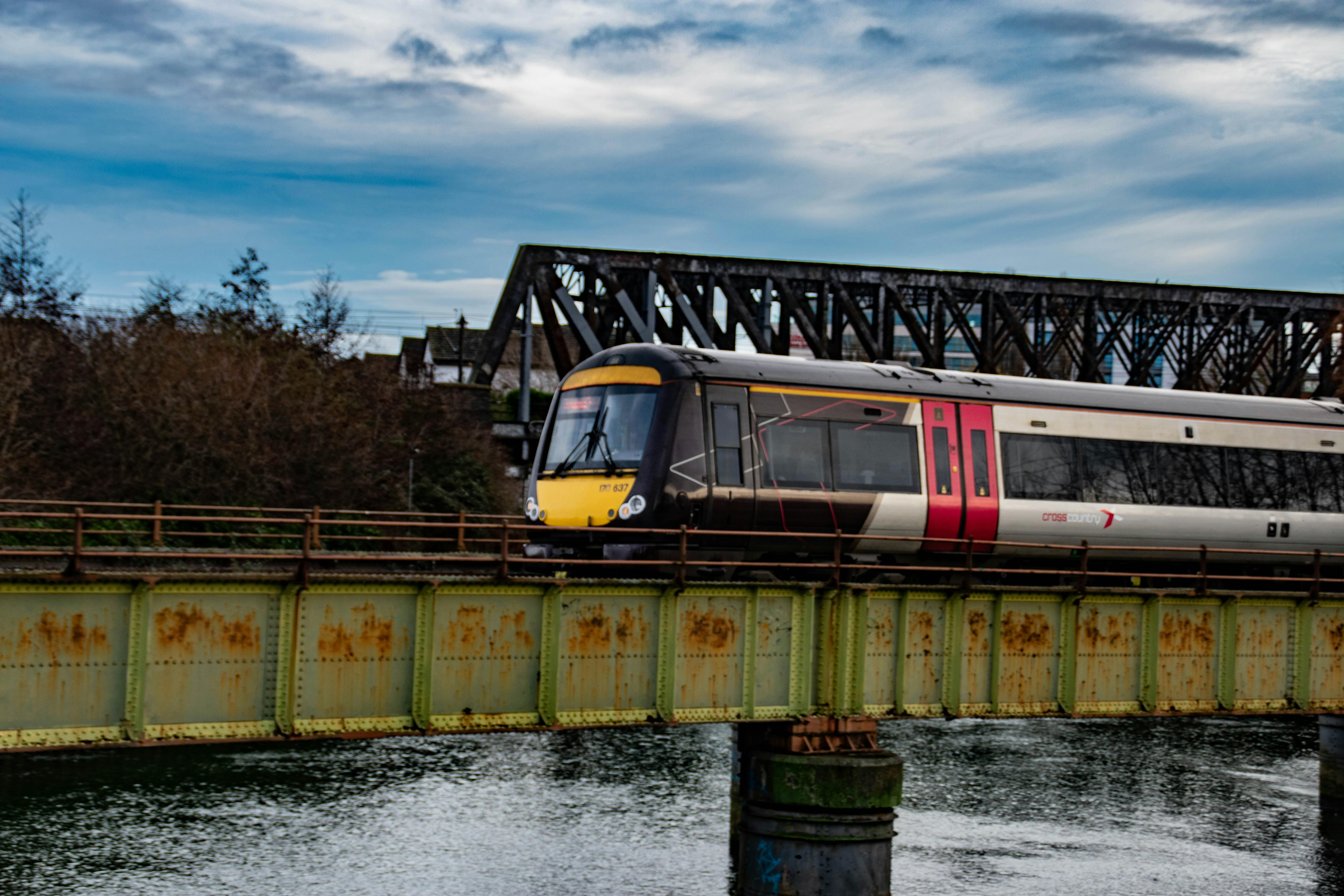
I know, a wildlife haven doesn’t exactly scream railways or museum, so what is this all about? The site where Railworld currently sits was originally intended to be the home of the Museum of World Railways to compliment the National Railway Museum in York. Due to funding issues, the site had to change direction and pivoted towards a focus on a landscaped nature area. The site itself is directly opposite the Nene Valley Railway Peterborough station and has great views of the mainline trains into Peterborough station itself thanks to various observation platforms in the reserve. As well as its indoor and outdoor model railways, it also has a small collection of locomotives and other railway memorabilia from days gone by. The most interesting of these is the prototype Tracked Hovercraft RTV 31 which we will explore shortly. Since this was a winter visit, there wasn’t much in bloom but the site is still kept in excellent condition thanks to the hard work of the volunteers.
The Tracked Hovercraft Research Test Vehicle (RTV) 31
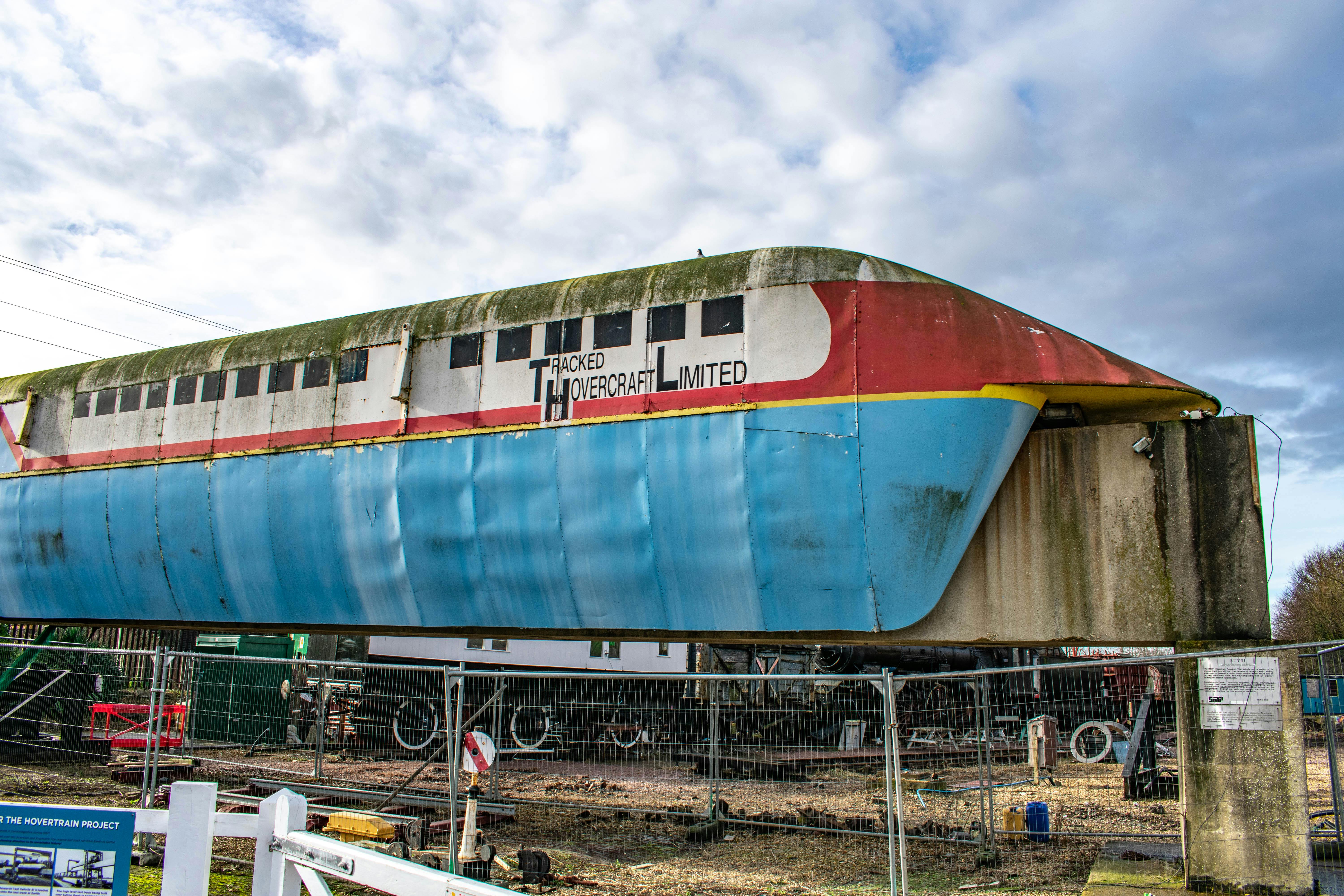
Scrapped transport projects…it’s something we as a country seem to excel at and this is another example. The Tracked Hovercraft was conceived in 1967 and was intended to be a futuristic vision of transport for the United Kingdom, transporting passengers between London Kings Cross to Edinburgh in just 90 minutes. A test track was constructed which ran between Earith to Sutton Gault in Cambridgeshire and the RTV achieved a speed of 107mph on its last test run. The idea was to combine hovercraft technology with a train, essentially to allow the train to hover on a small cushion of air and be propelled forward with a linear motor. The government had sunk £5 million into the project before deciding it was too costly and withdrew further funding. The only remains of this project are the test vehicle itself along with the concrete supports of the original test track near Earith.
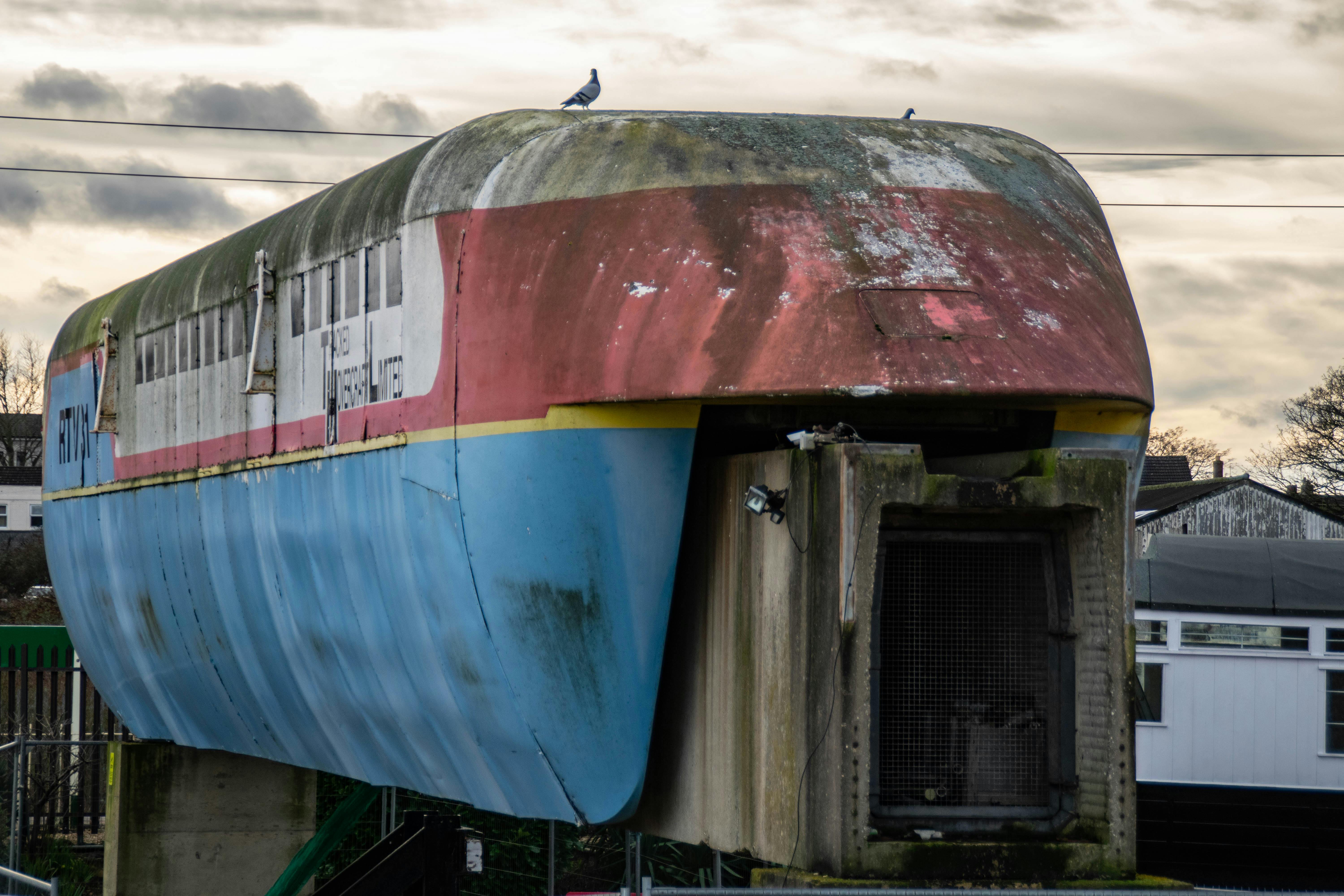
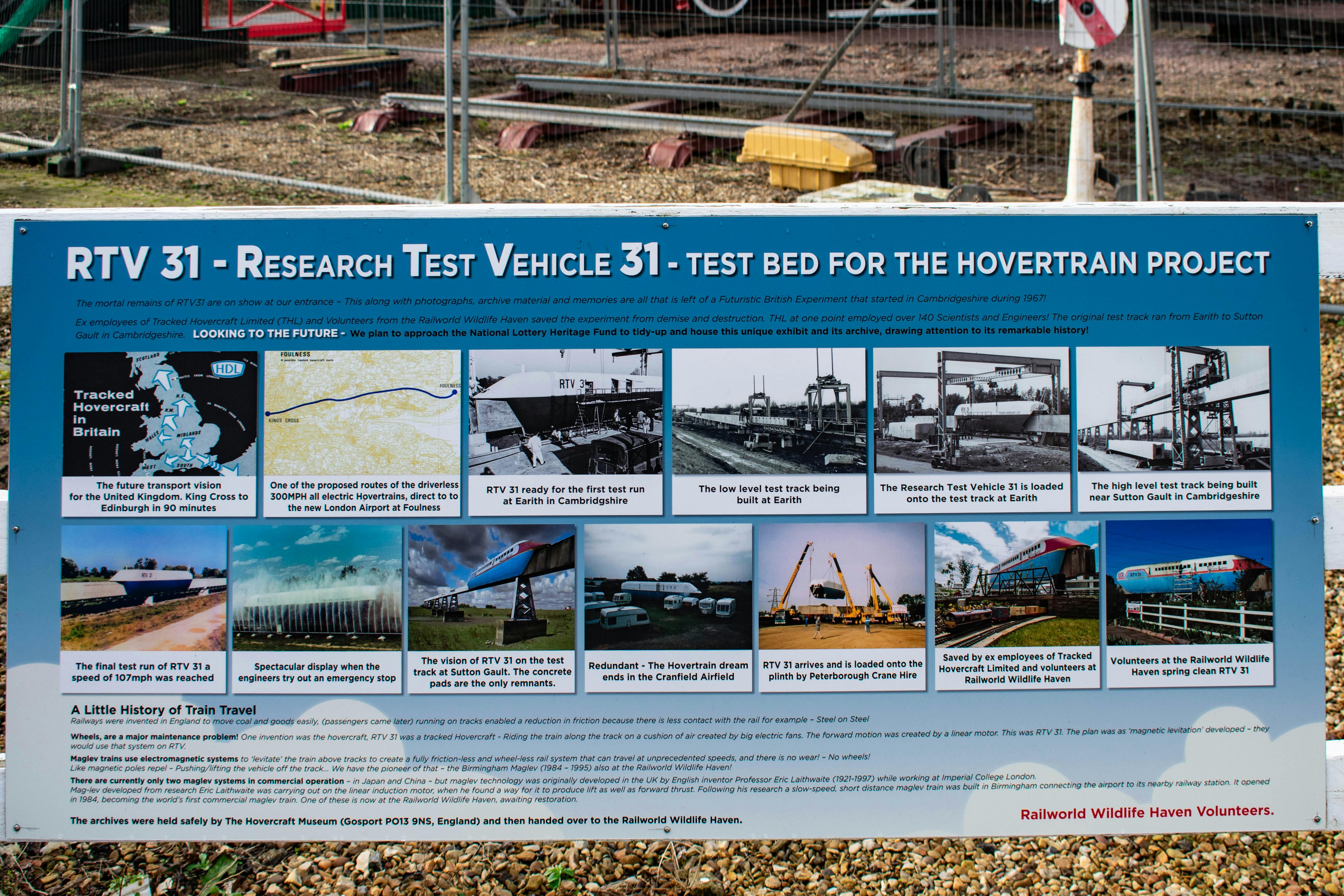
The RTV cannot be missed from the entrance of Railworld, however as can be seen above, it is in dire need of some restoration, which the volunteers are hoping to gain funding for in the future. This was really fascinating to learn about and I’m keen that this slice of history should be preserved for others to learn about. Perhaps I’m a bit sad, but I found it amusing to realise the windows were only painted on the vehicle and not real! Moving into the nature reserve now, enjoy the following pictures from the visit.
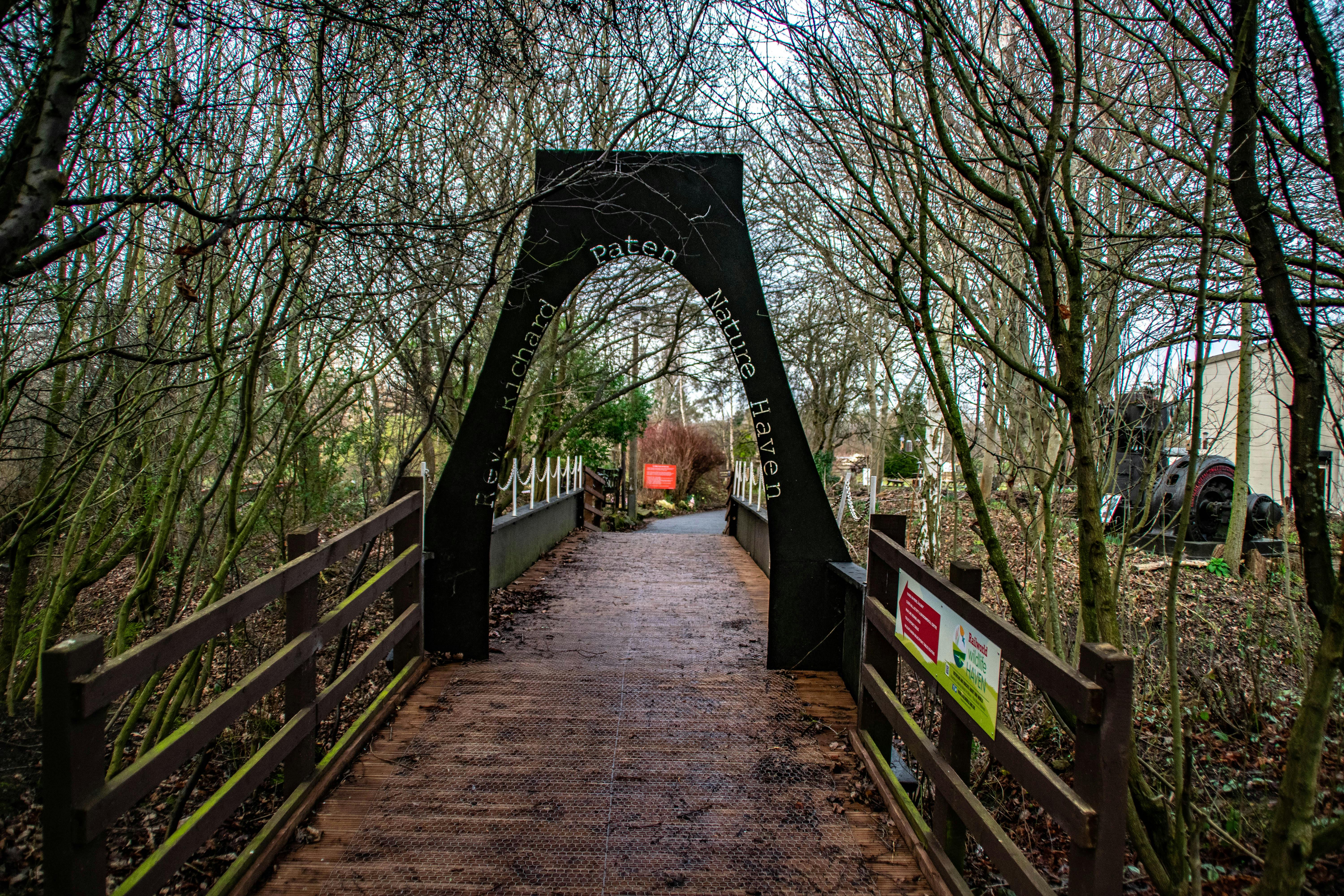
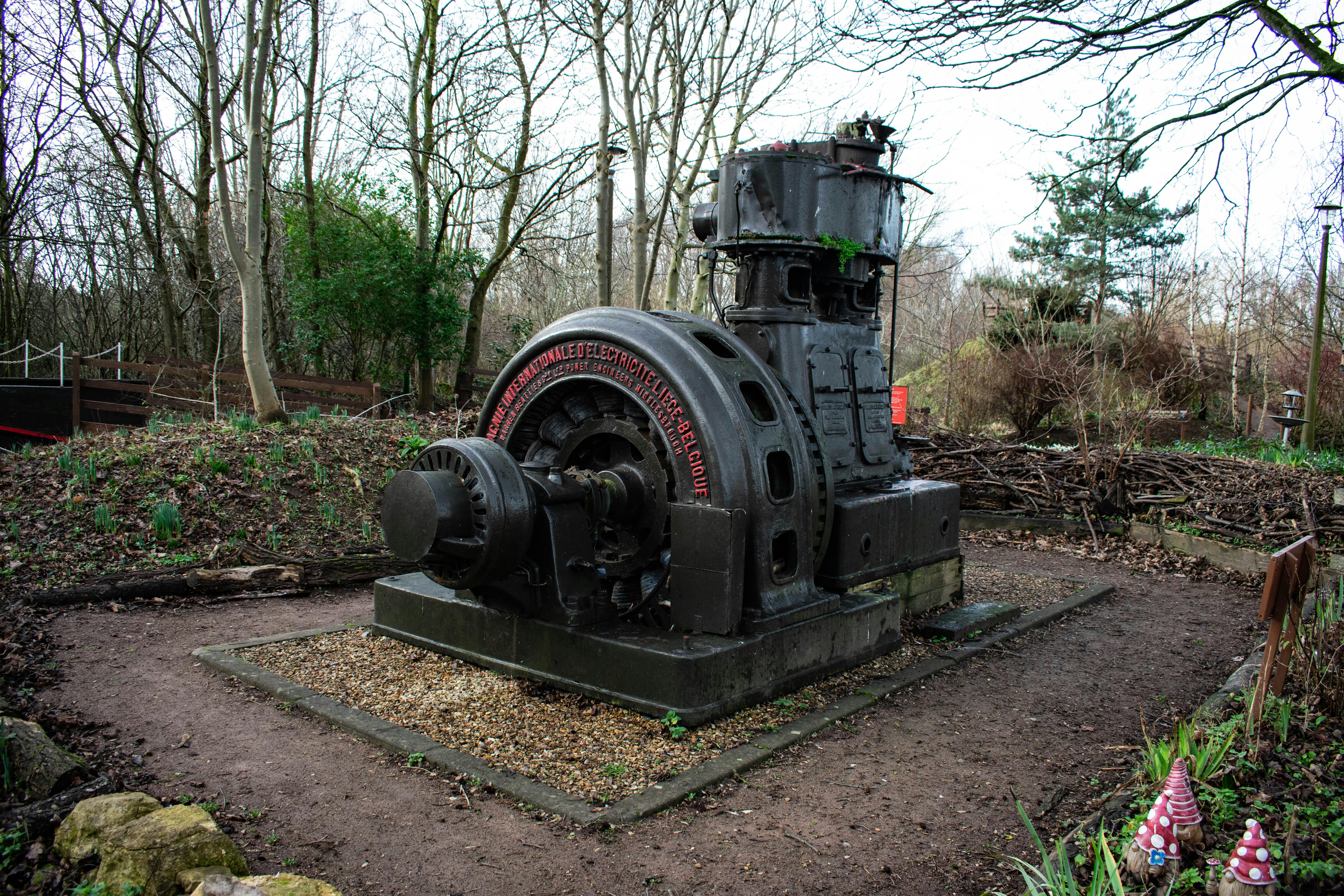
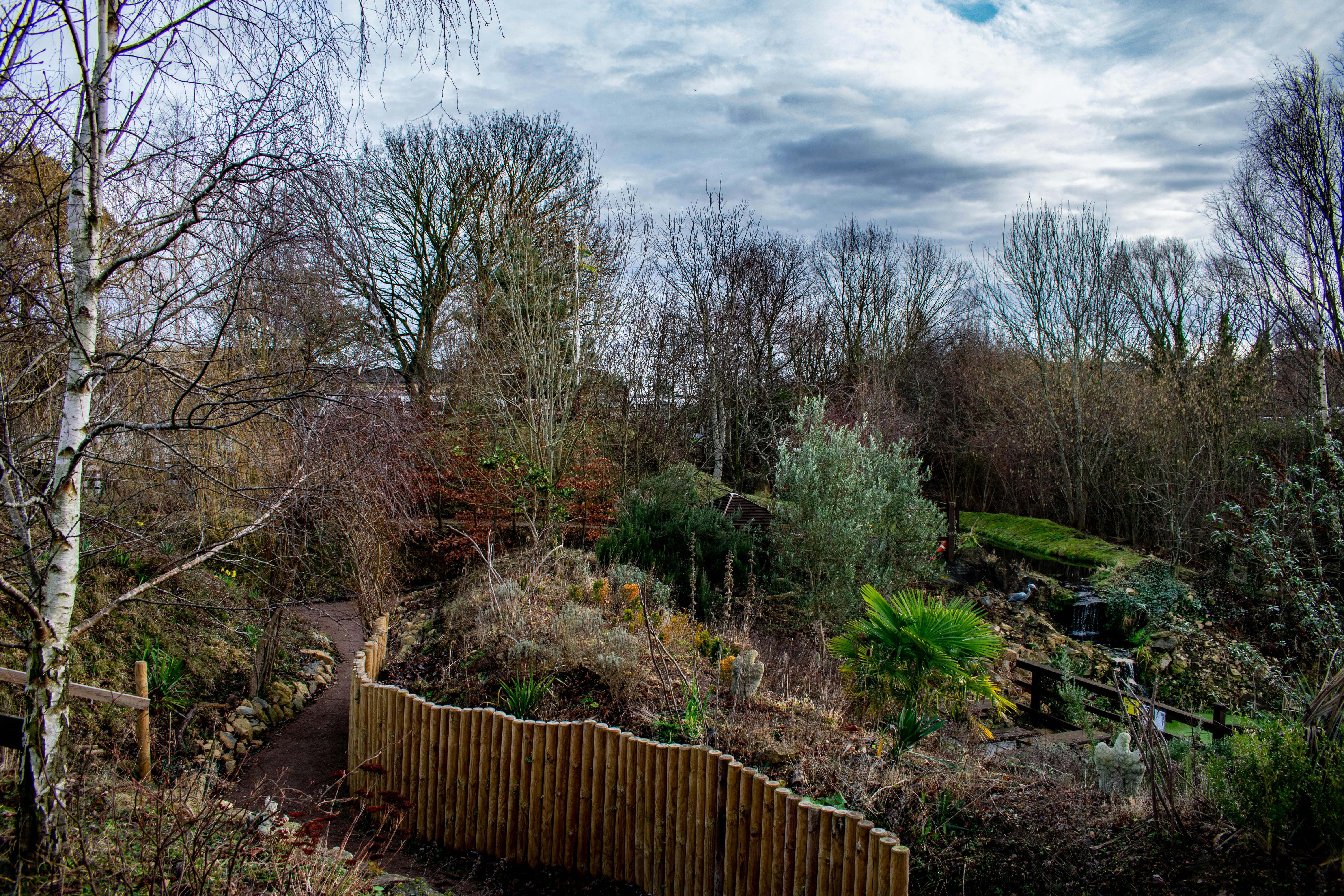
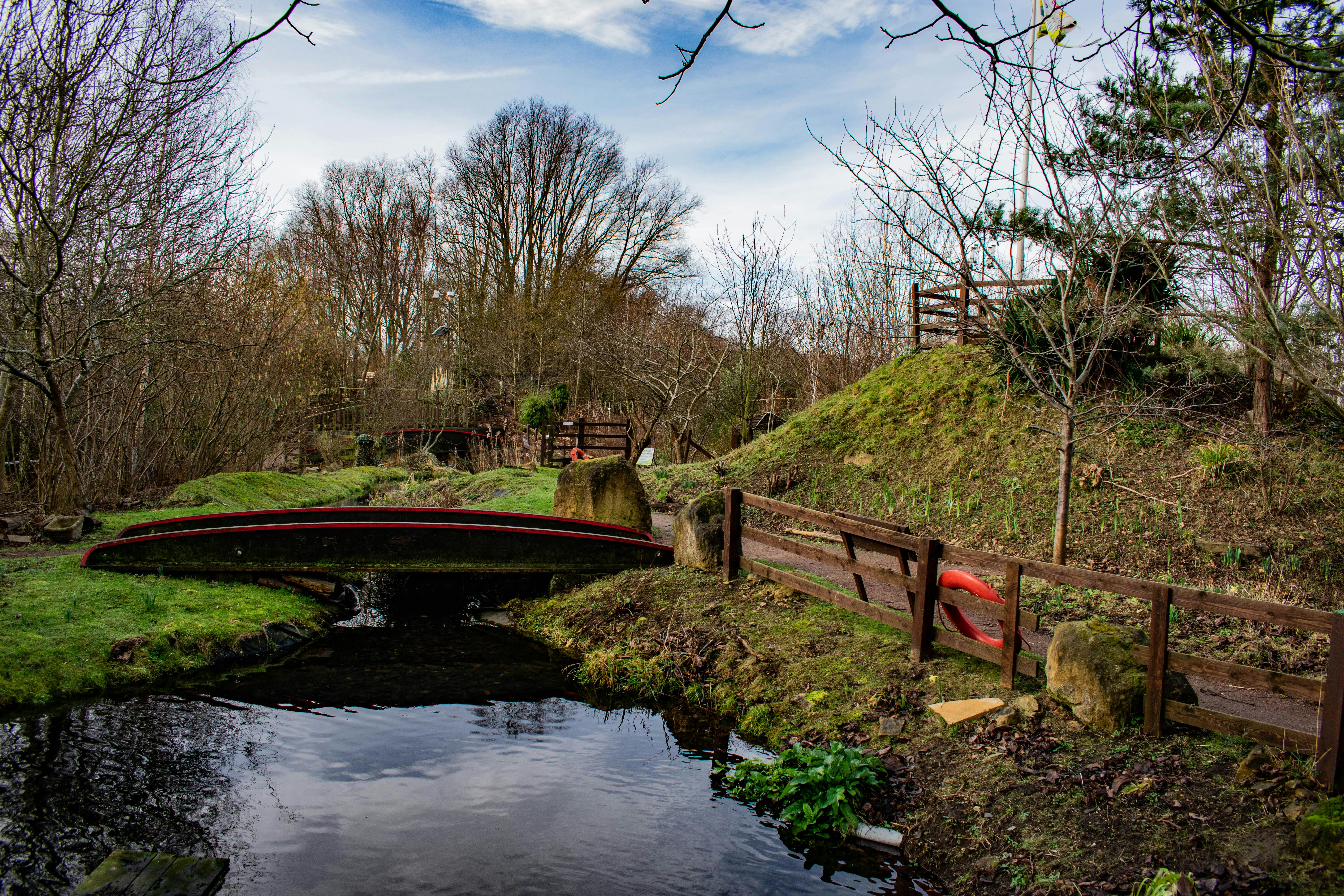
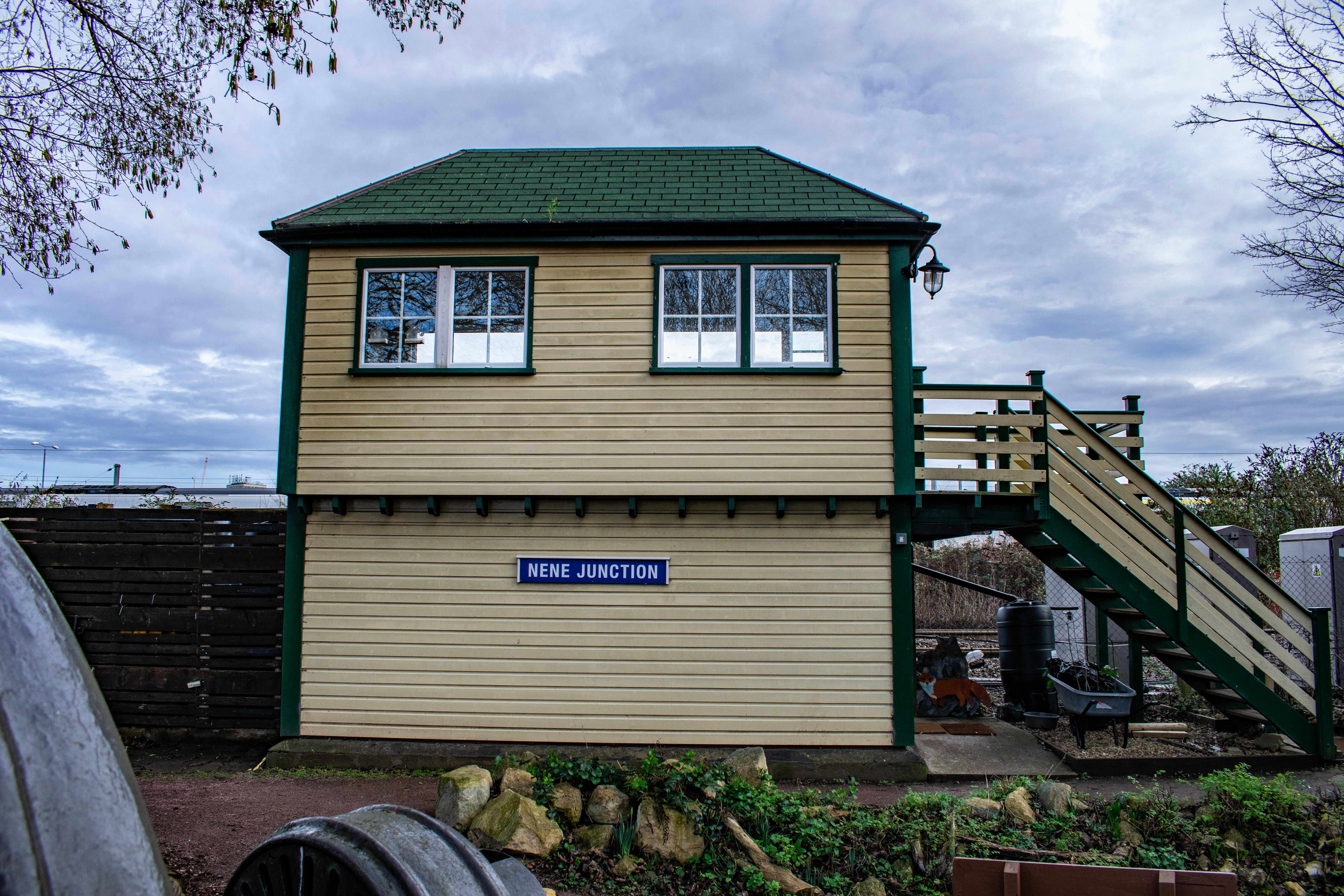
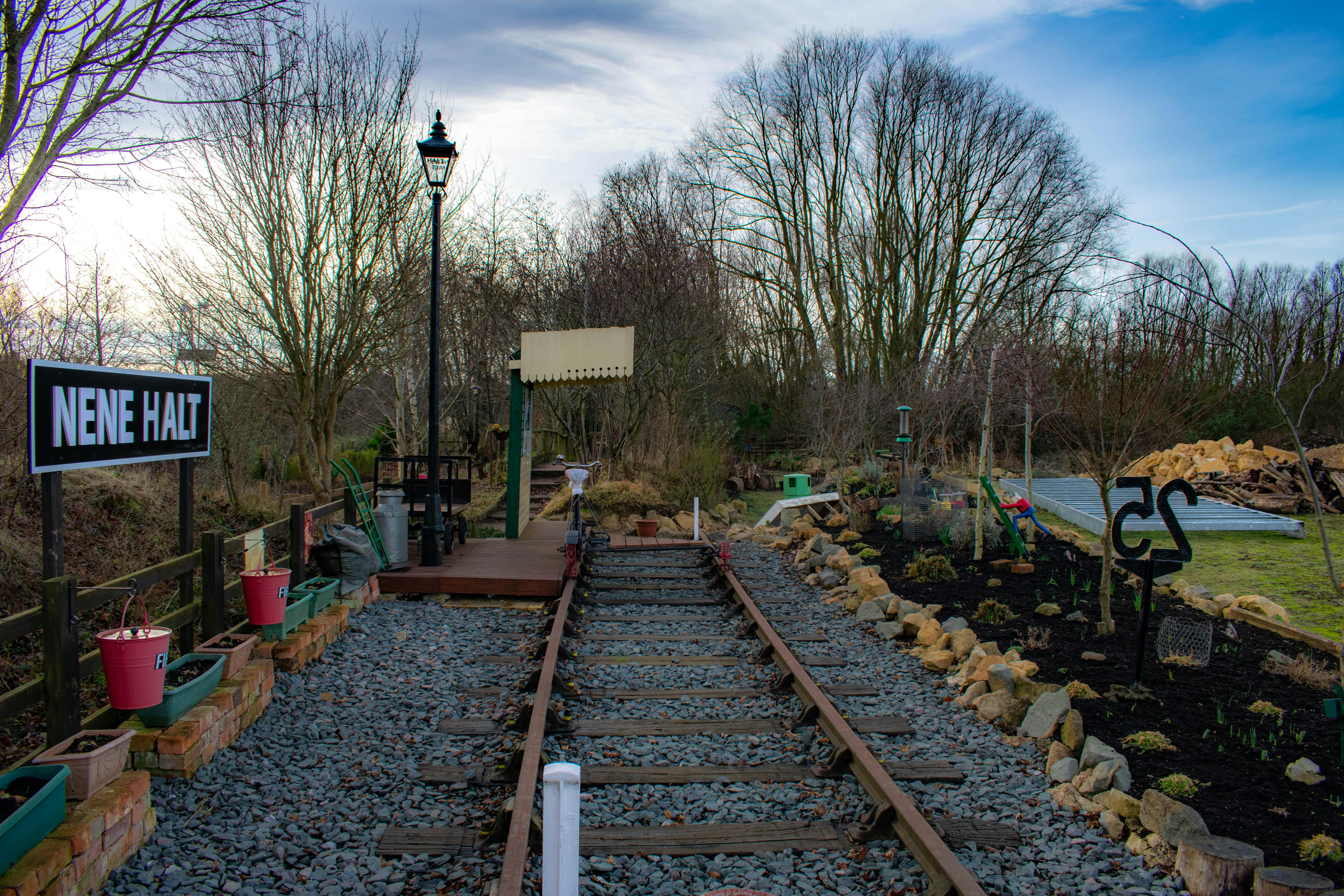
There’s a really nice blend in the reserve of two world colliding; railways and nature. Railway bridge girders have been repurposed into foot bridges across the small ponds, a signal box which doubles as an observation platform and bird hide, all separated by beautifully landscaped areas. As you walk through the site, around each corner there is something railway related. One of these areas is Nene Halt which is pictured below. It’s a fictitious halt which is home to a Swedish rail bike which are just things which you don’t expect to see but they are so beautifully presented and maintained. I’m very much looking forward to a return visit in the future.