Whatever the time of year, there is never a bad time to visit the Yorkshire Moors. Rolling countryside spans for miles and there is no better way to fully enjoy and appreciate this than a train ride. We’re on the North Yorkshire Railway today, riding the full length of the line.
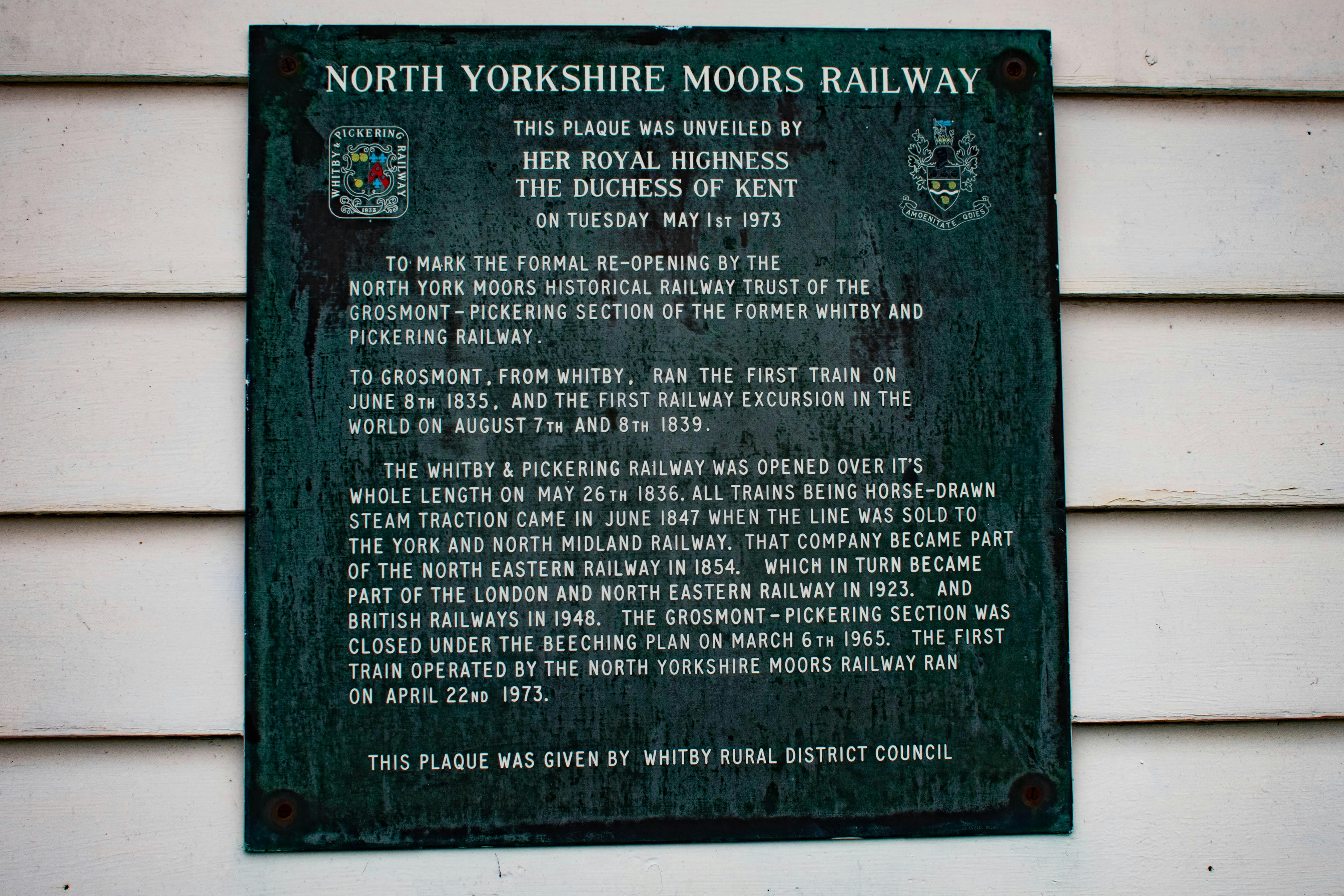
The railway opened in 1836 as the Whitby and Pickering Railway. Whitby was an important seaport and the railway was intended to open up trade routes to the town from inland. In 1923, the railway was adopted into the London and North Eastern Railway as part of the big 4 groupings at the time and then eventually nationalised and run by British Railways in 1948. In 1965, the axeman swung his axe and the line was listed for closure in the Beeching report due to being deemed uneconomical (At the time this typically meant that the railway was a loss-making railway or the number of passengers wasn’t enough to justify keeping the line open). In 1967, the NYMR preservation society was formed and the members set about putting in the work to purchase the line and jump through the various legal loops to save this line from being ripped up. They were successful and today it is the third longest heritage railway in the UK, Thanks to the societies efforts, it is also the most popular heritage railway as it carries more passengers than any other heritage railway in the UK.
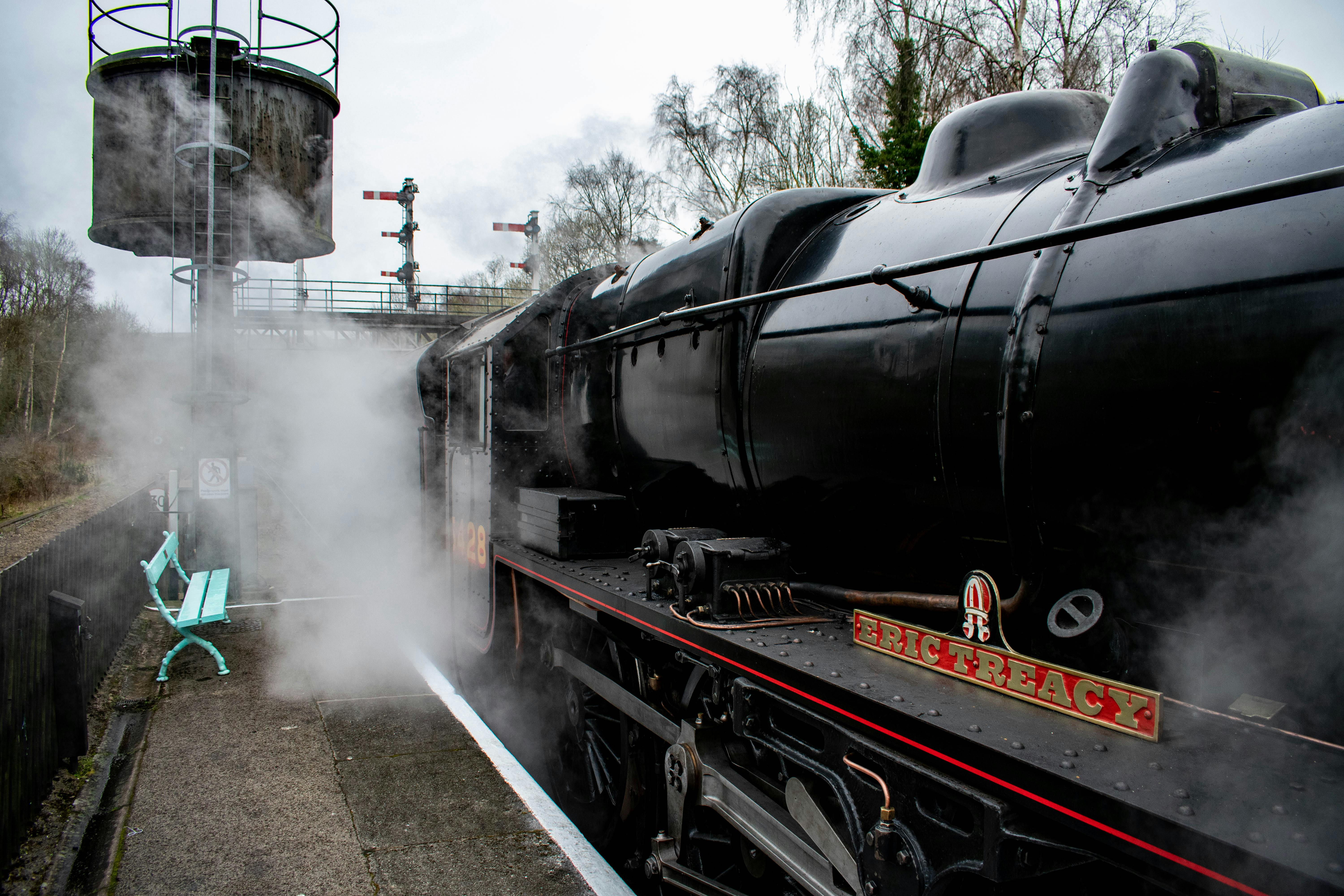
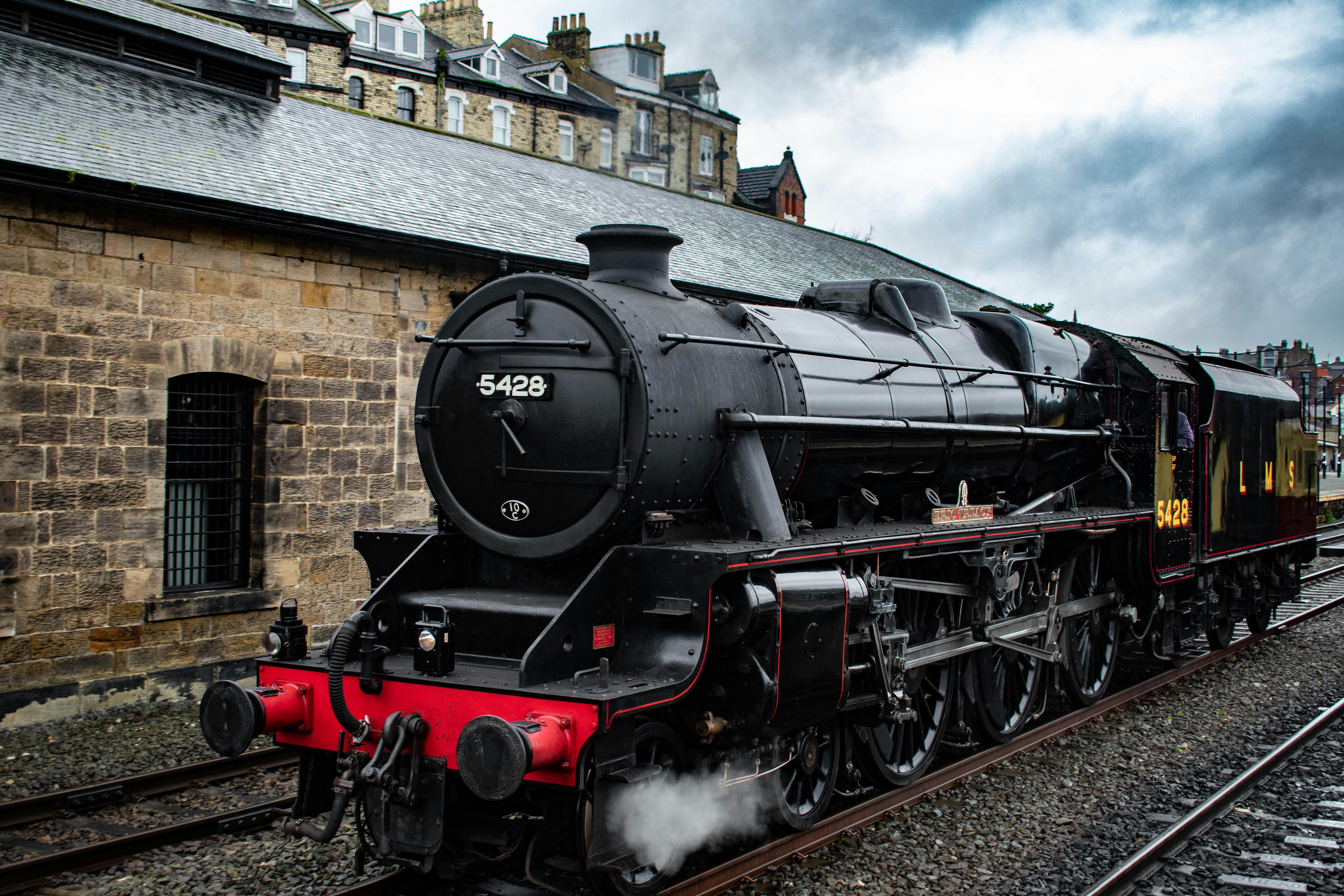
We’re starting the day at Grosmont station, where the LMS Stanier Class 5 (Also known as the Black 5’s) 5428 ‘Eric Treacy’ is getting ready to haul away the first service of the day.
The line from Pickering to Grosmont is owned by the preservation society, however not from Grosmont to Whitby. This section is instead still owned by British Rail and this causes certain complications when it comes to regulation compliance. Unfortunately the railway is about to feel that even more so as after speaking with one of the guards, these next few months will be the last that the carriages have opening windows. This is because Network Rail have stipulated that in order to continue running over their network to Whitby, the carriages need to comply with modern train rules and have sealed windows. Seems like a pity as sticking your head out of the window is on the list of any train enthusiasts day out but it’s out of the railways hands and a necessity if the railway is to continue operations to Whitby.
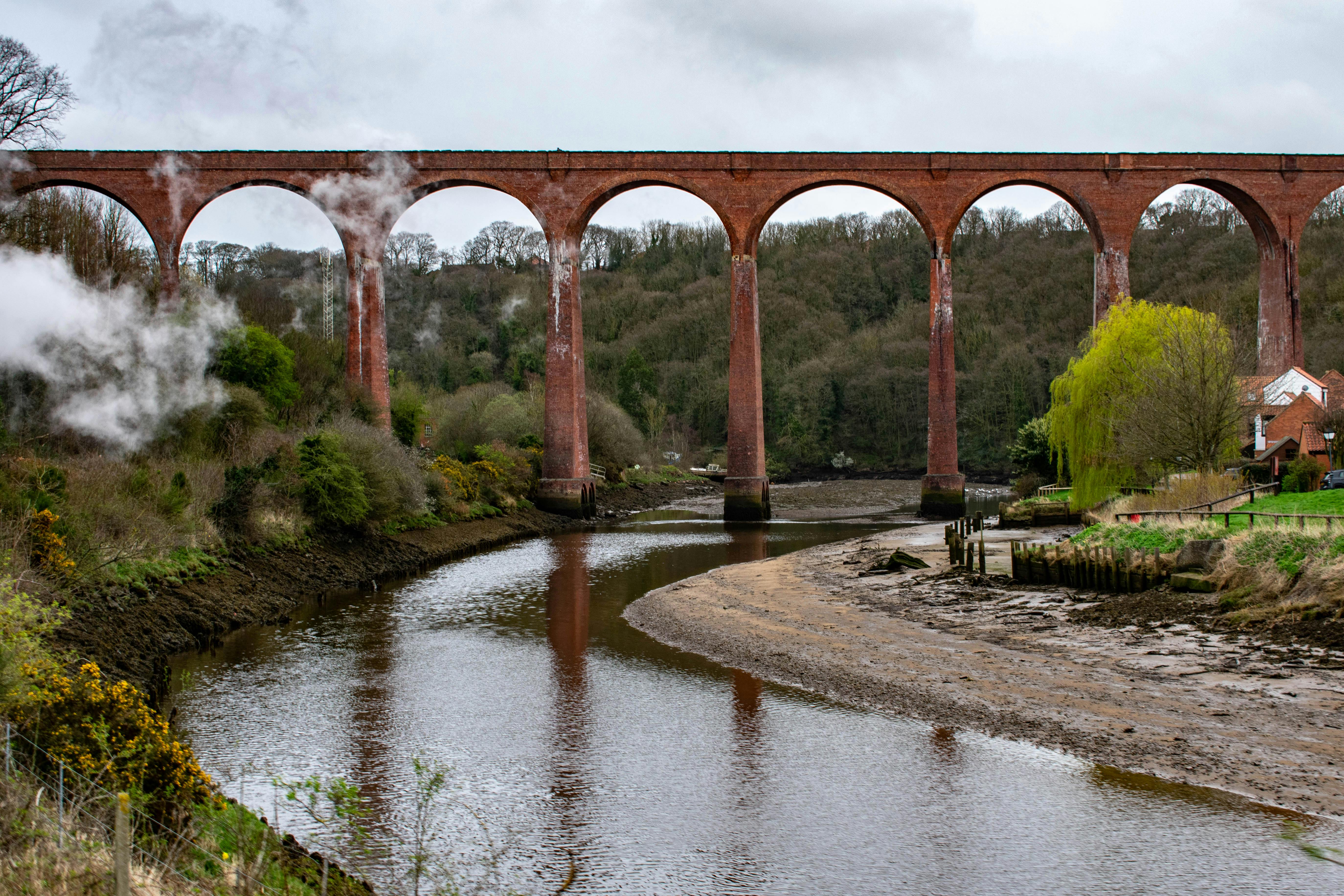
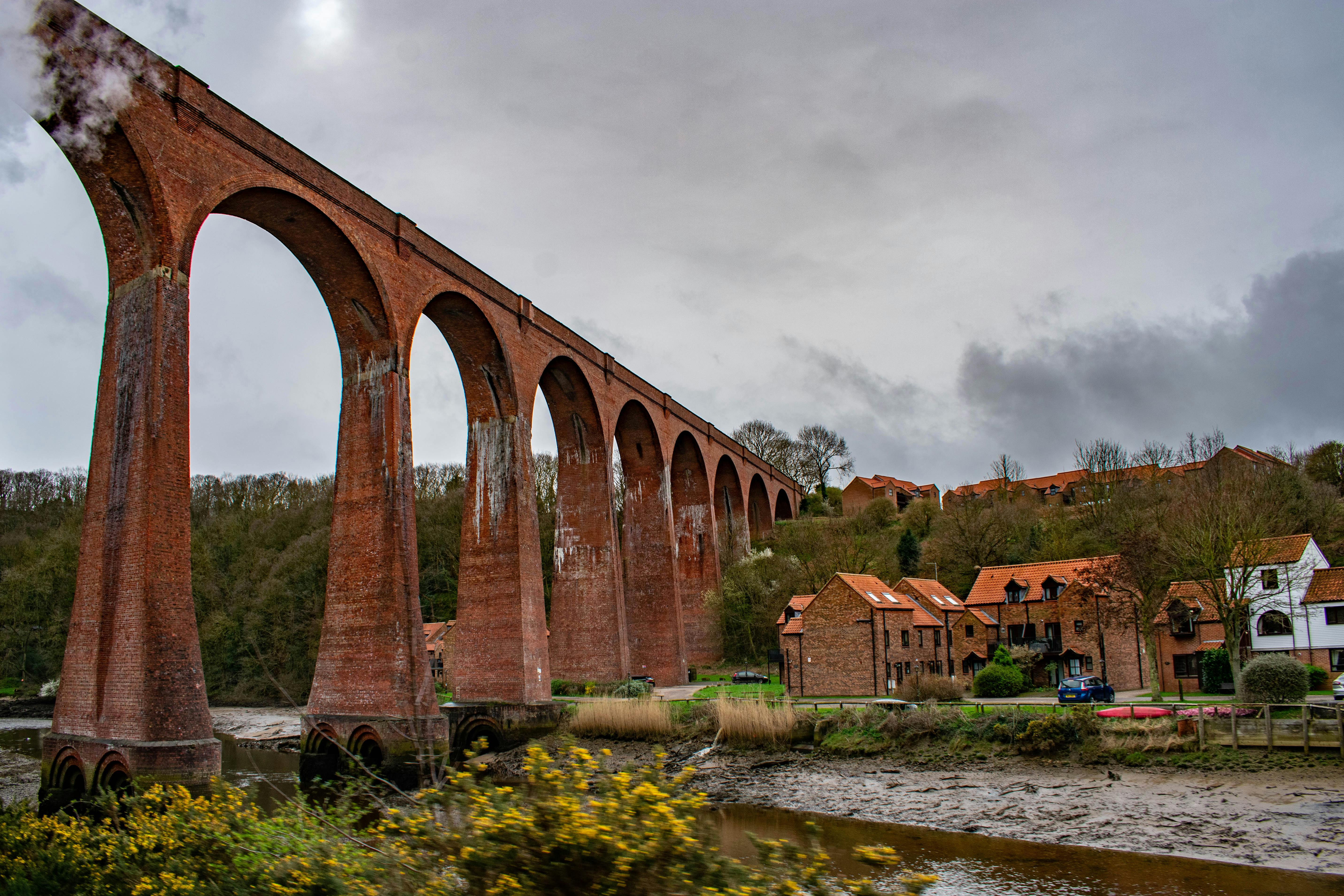
Before pulling into Whitby, the train passes under the Larpool Viaduct which was built in 1885 for the Scarborough and Whitby Railway. This railway also fell victim to the Beeching axe of 1965 however there was no saving this railway and nothing remains of this former line now. It has instead been converted into a foot and cycle track and listed as the Scarborough to Whitby Cinder Track.
We pull into Whitby and the Black 5 does a quick run around and we’re soon on our way again. This time, all the way down to Pickering.
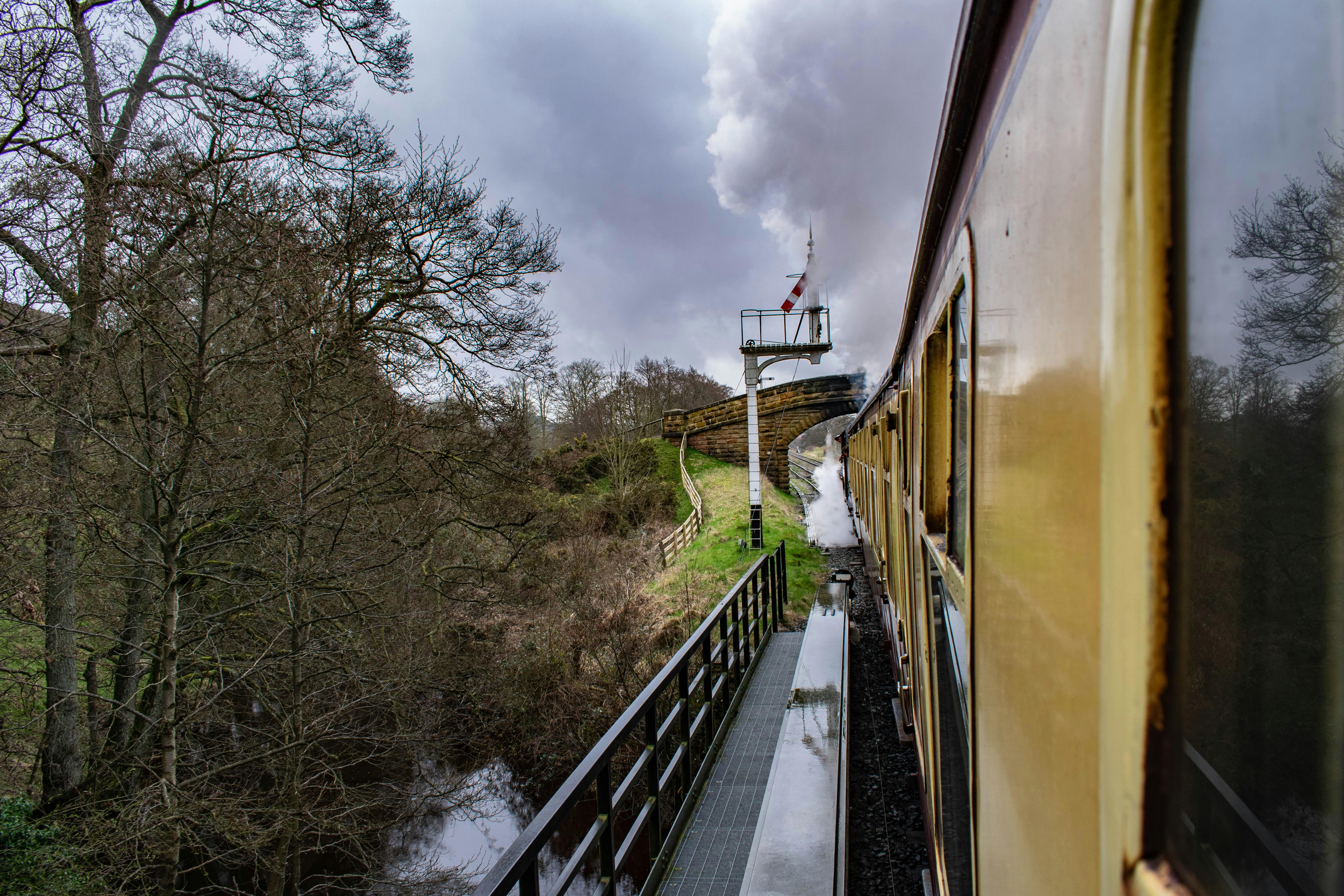
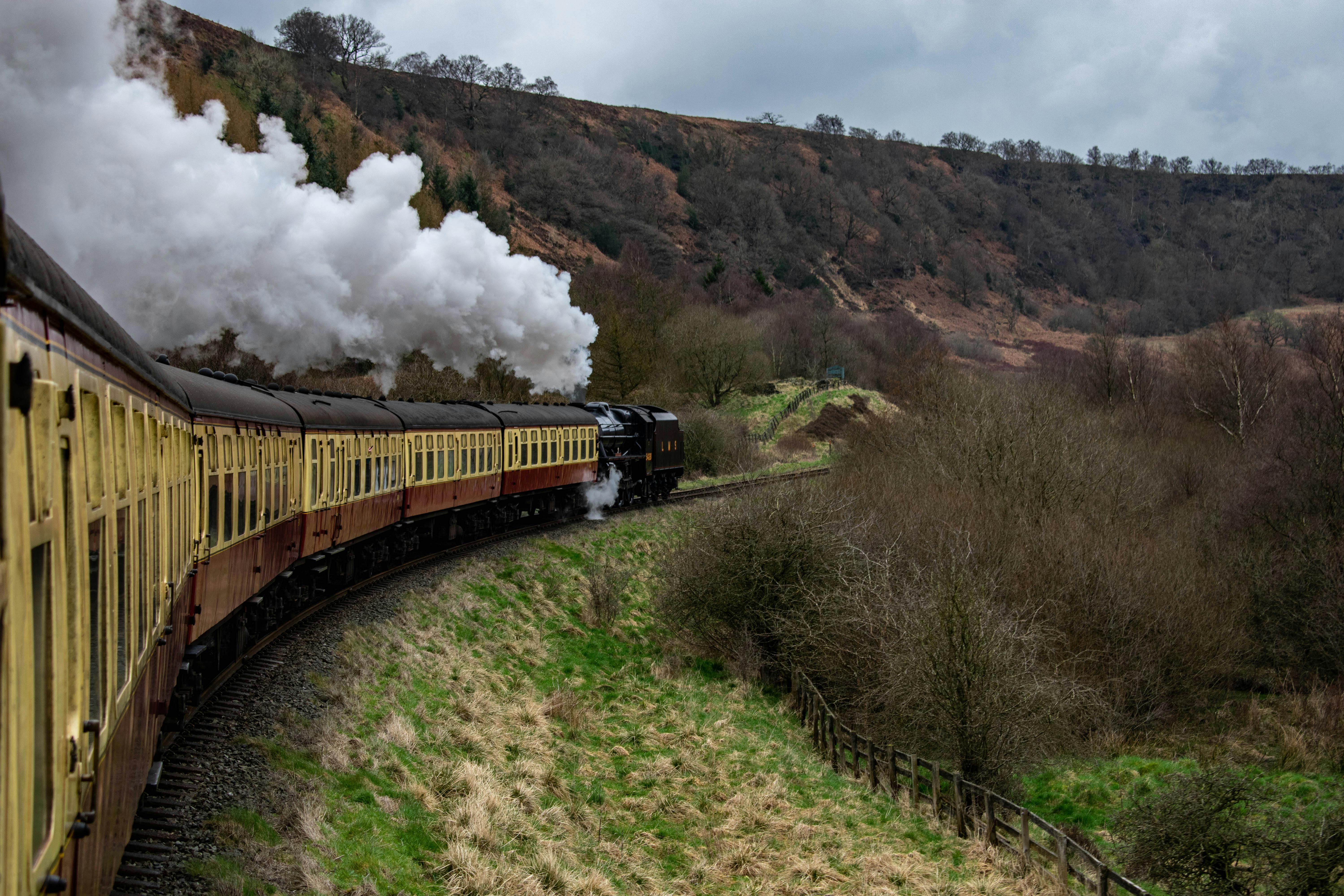
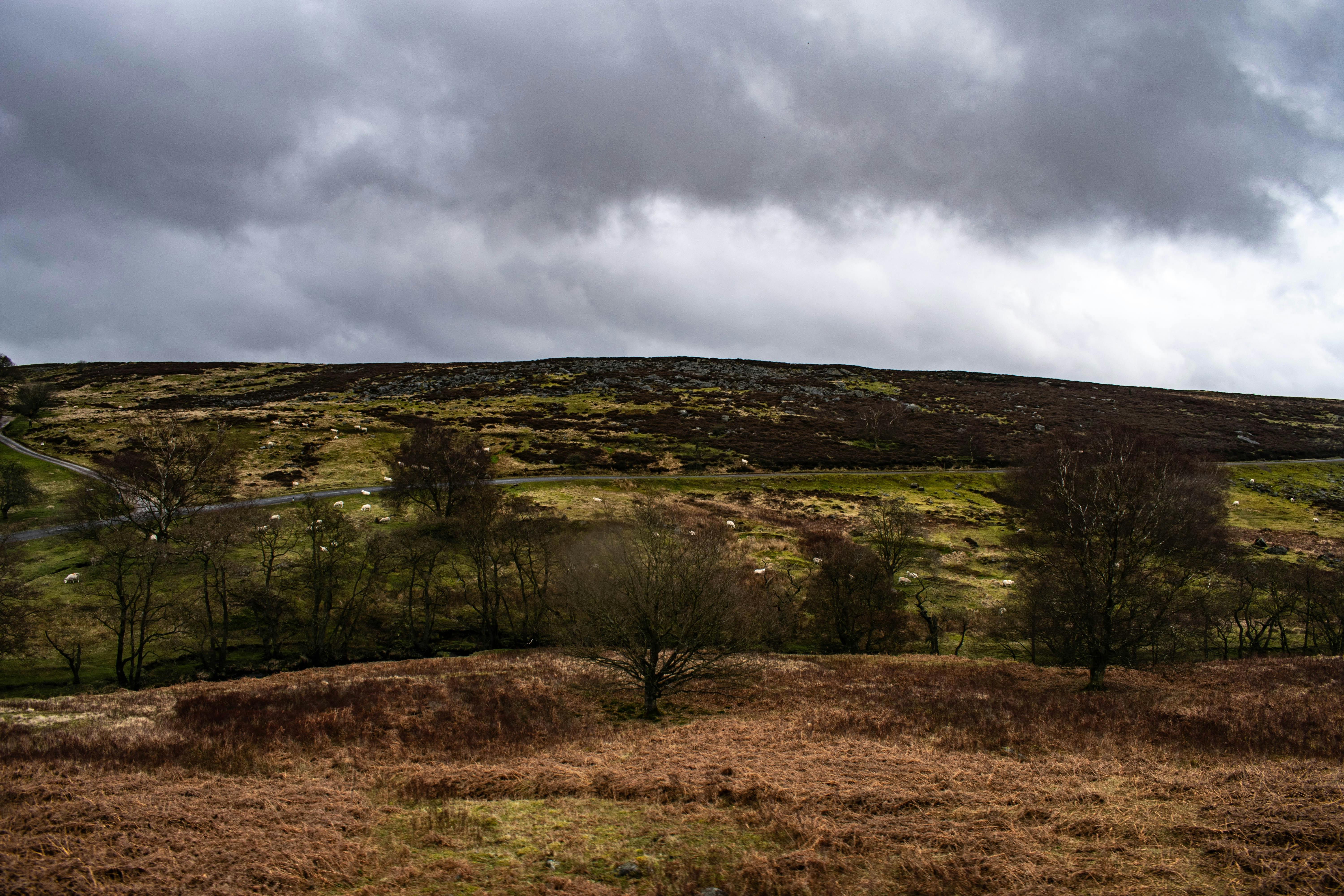
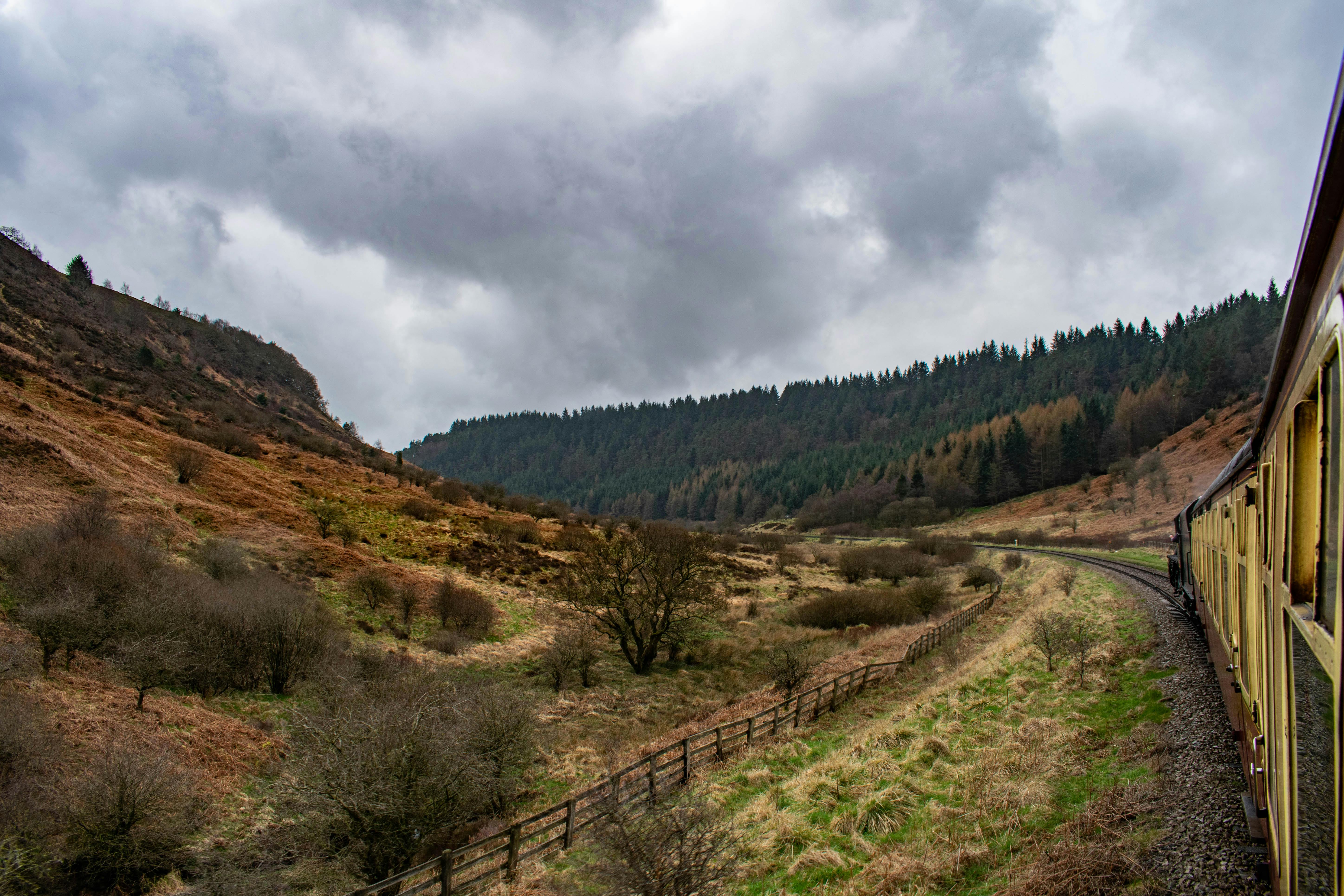
After was pass Grosmont and Goathland stations, the landscape really starts to open up as you can see below.
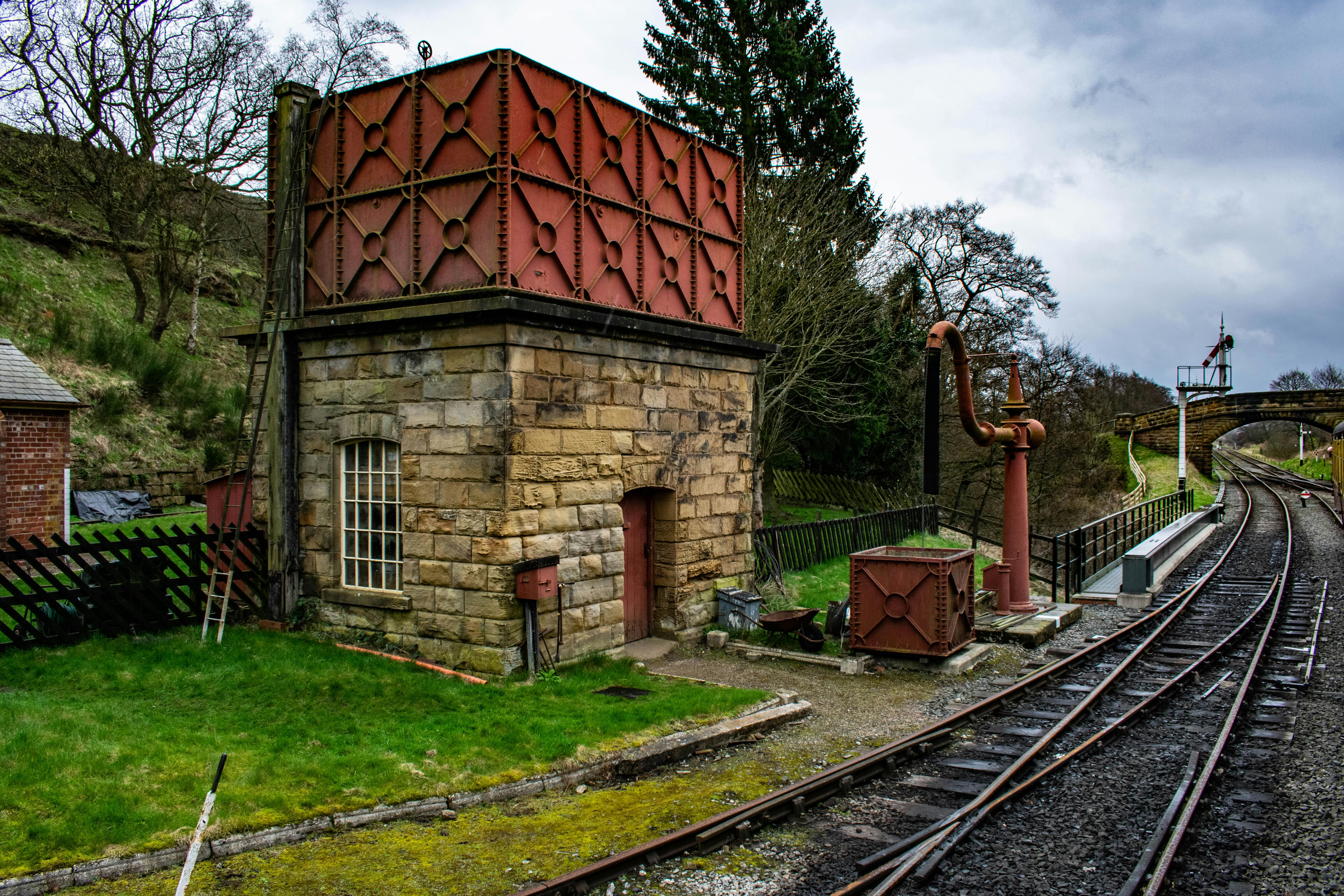
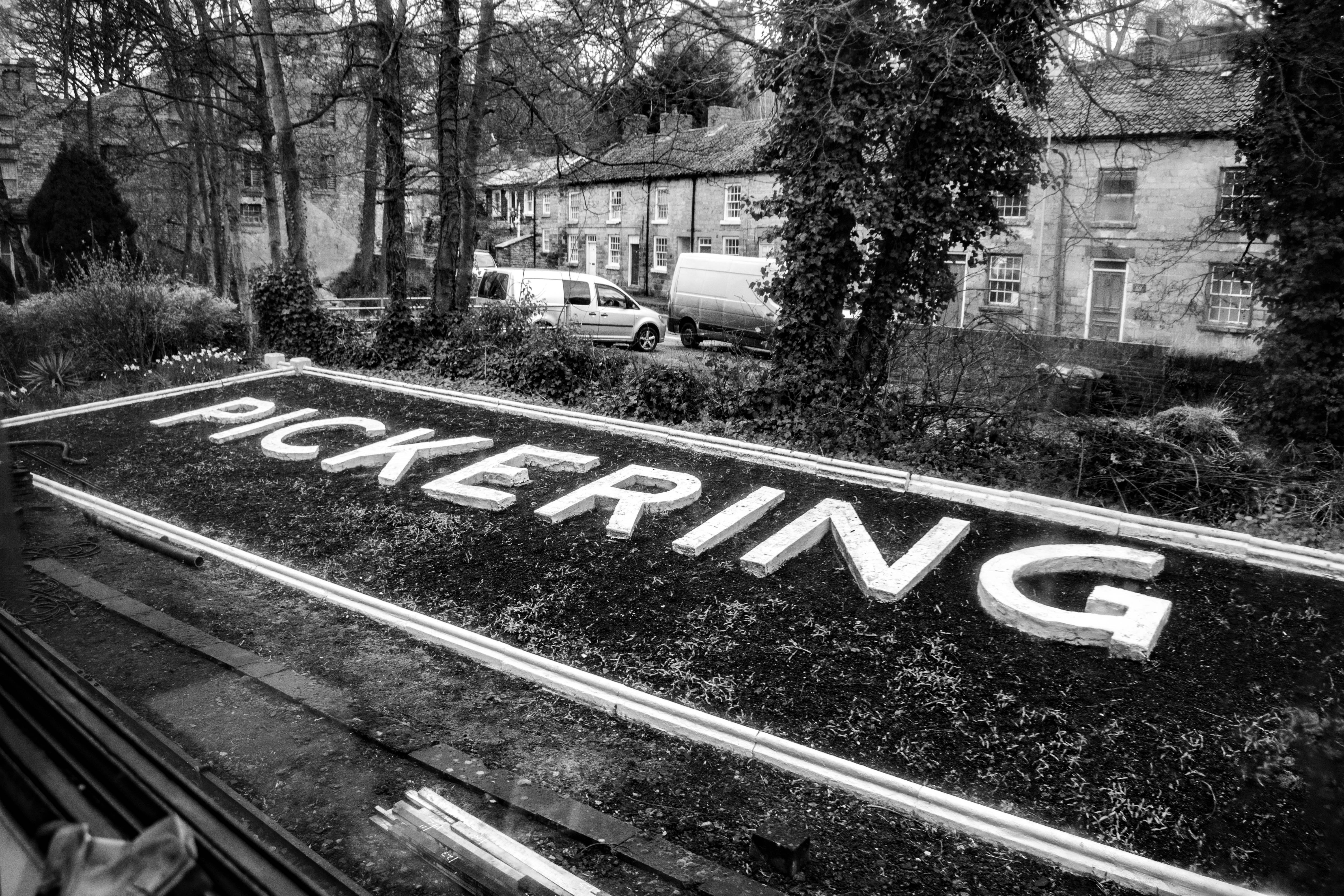
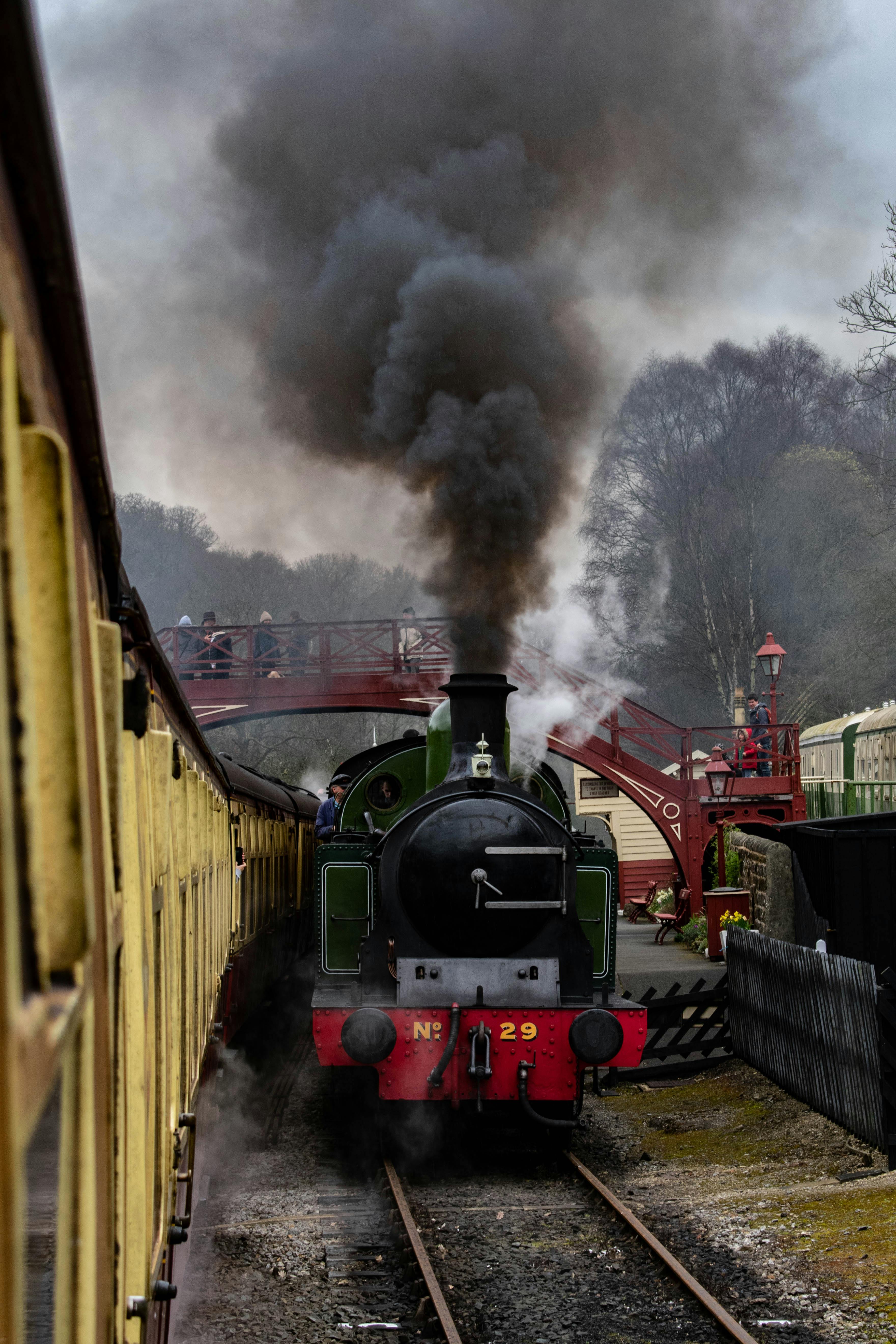
It’s a quick stop at Pickering to get some lunch and then straight back on the train to head back to Grosmont. We make a brief stop at Goathland station where one of the other services pulls in, headed by 0-6-2 Lambton Colliery No. 29
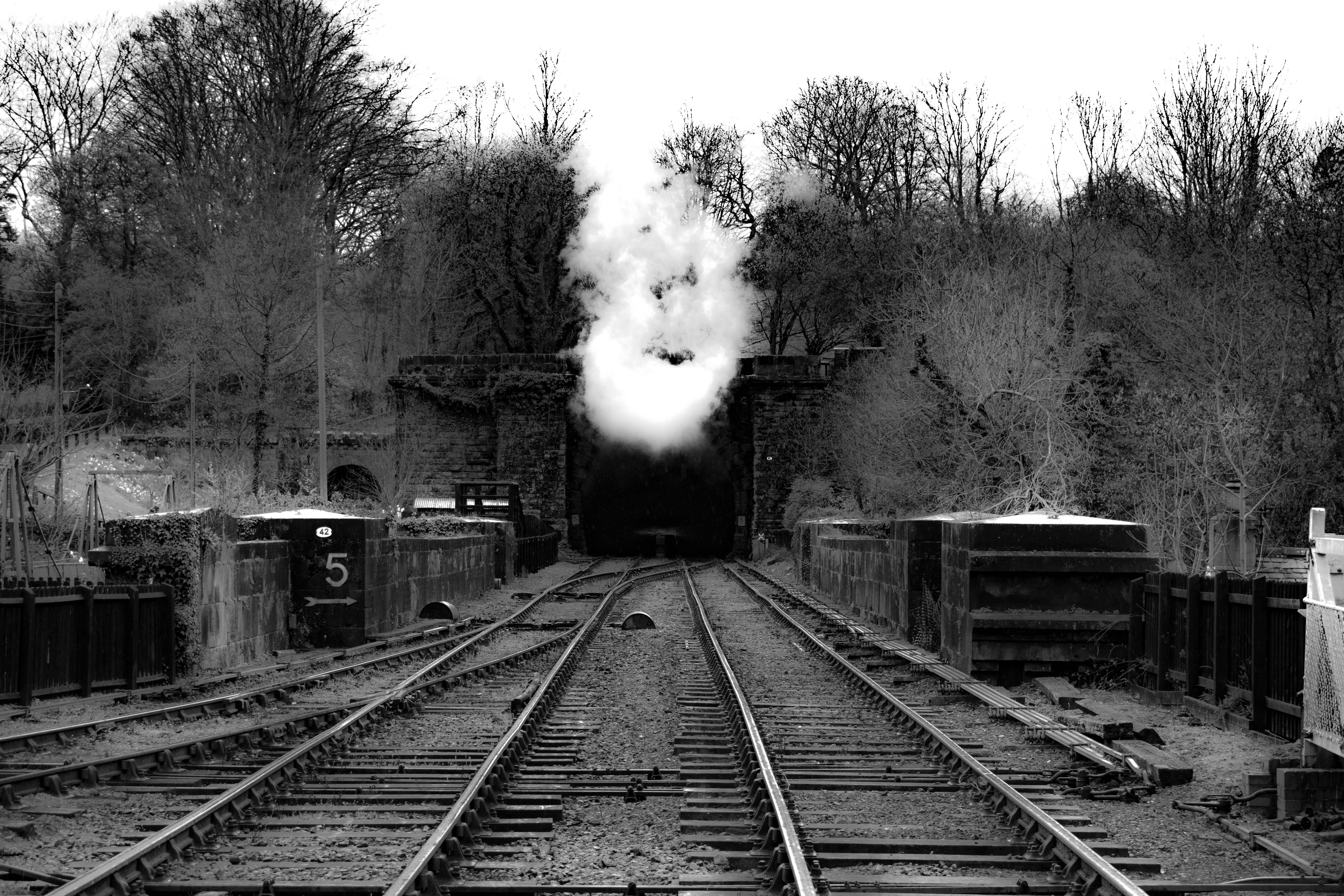
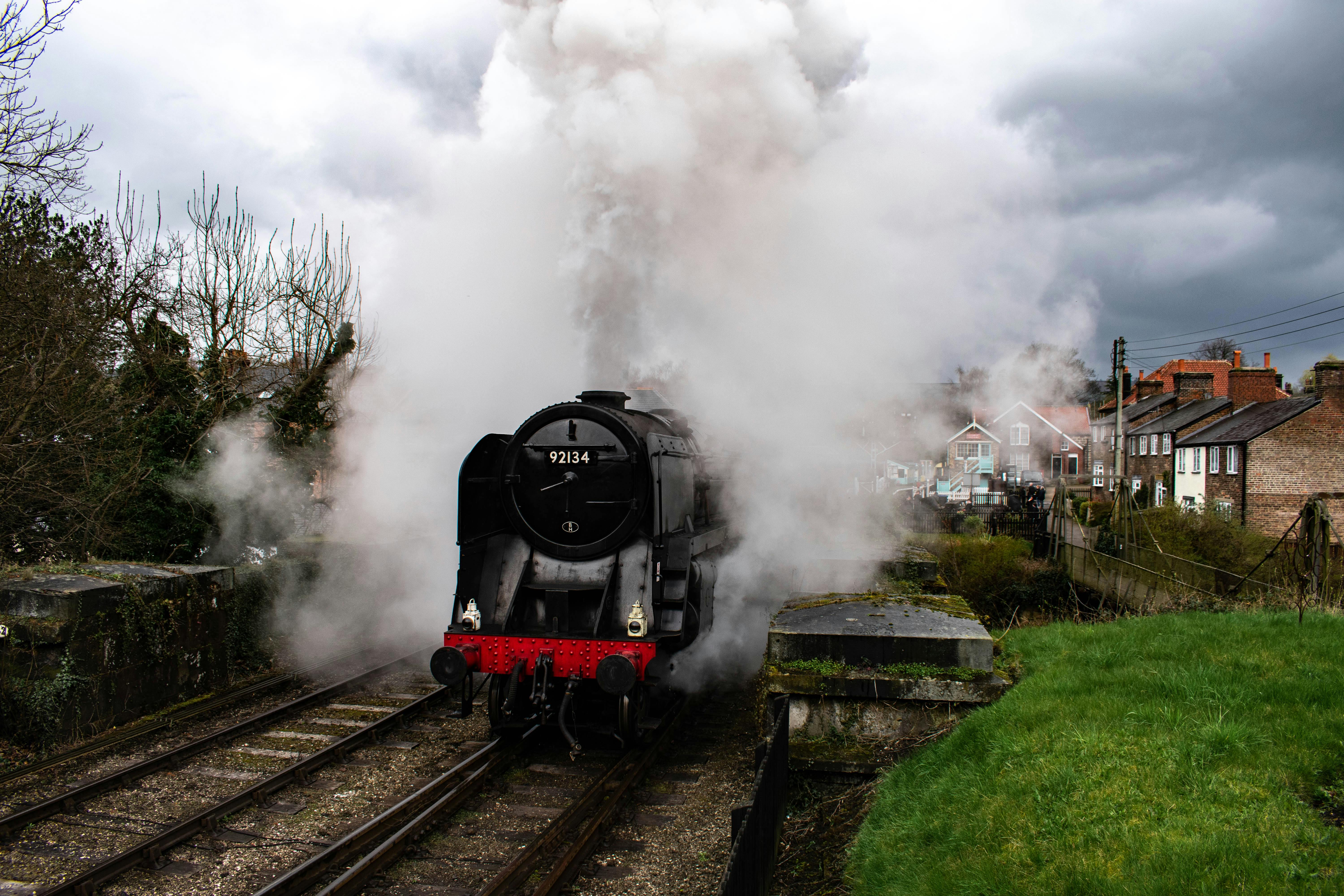
Final stop of the day is where we started where another service is waiting to depart, hauled by a BR 9F (No. 92134). The 9F departed in a dramatic style, creating and emerging from a huge cloud of steam. Enjoy these final snaps of the day.