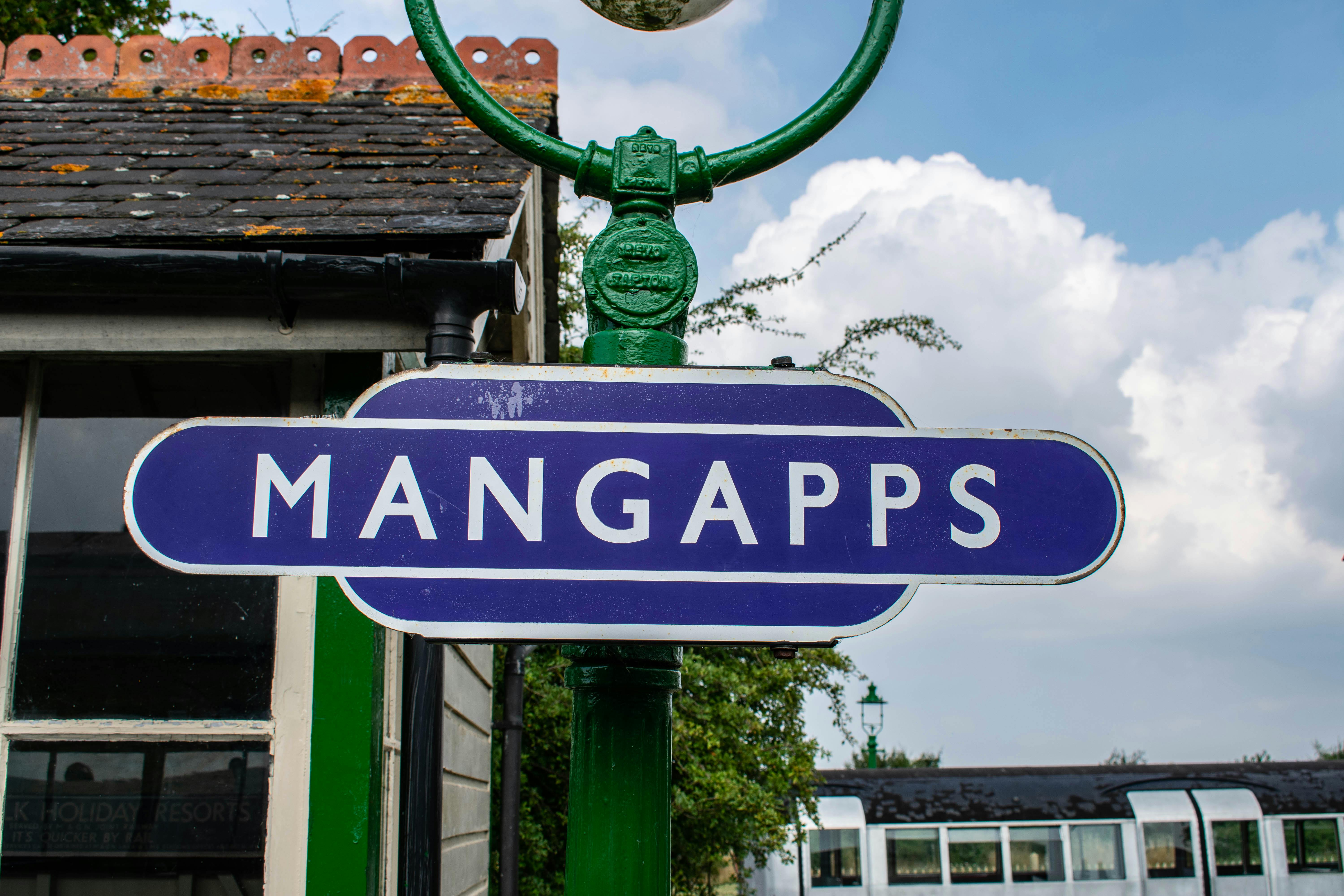
Mangapps railway museum was actually brought to my attention by a friend who just so happened to be in the area for a holiday. Prior to this, I had never heard of this place before but boy was it worth a visit. This is a privately owned working railway and museum in Burnham-on-Crouch in Essex. It has a 3/4 mile standard gauge track, offering short rides to visitors but the main attraction is the museum itself. The NRM in York has a lot of historic goodies but due to space constraints, these are mostly hidden away in storage. Mangapps on the other hand displays EVERYTHING it has. This is possibly the most impressive collection of railway related memorabilia from across the decades on display and it’s like a trip back in time.
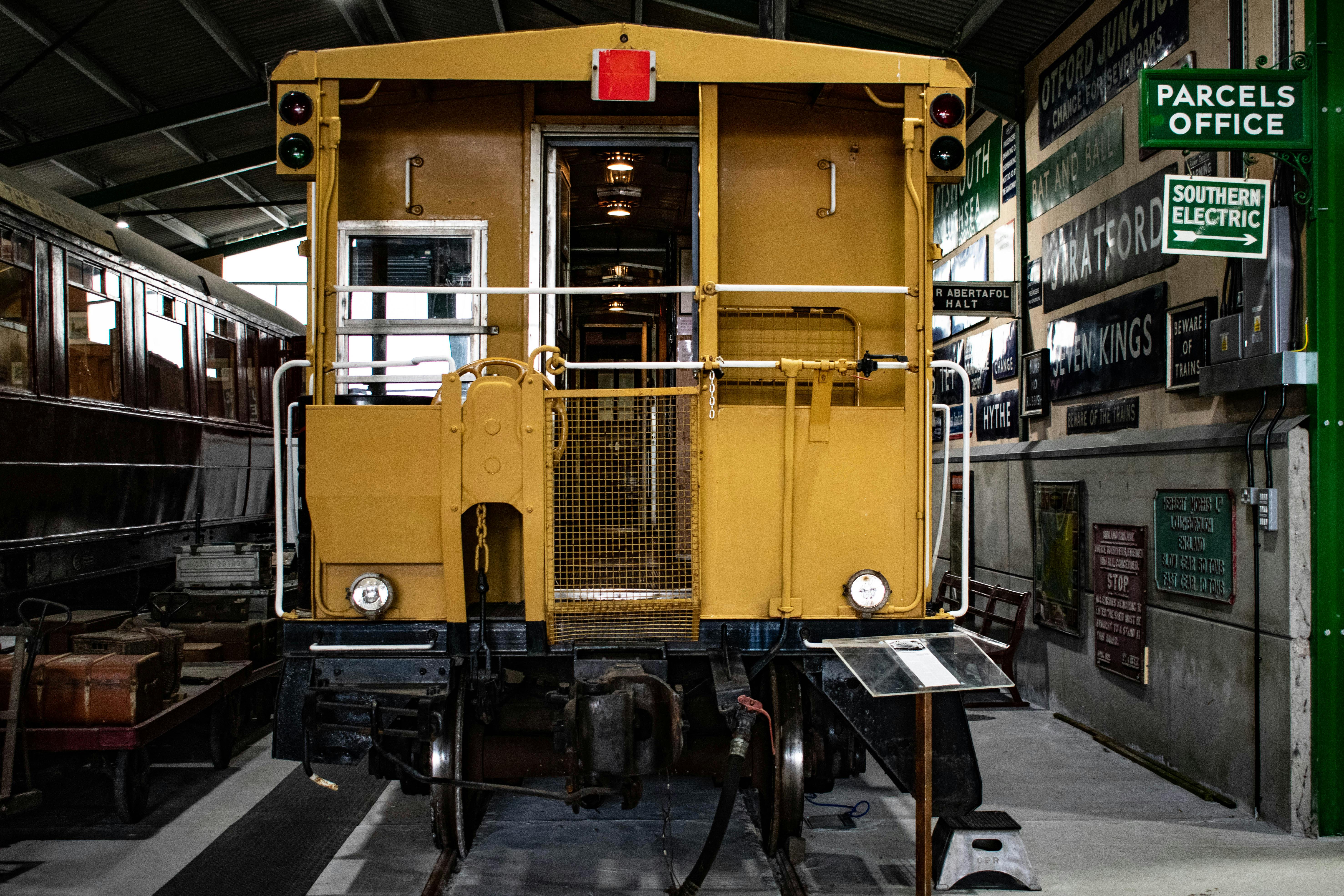
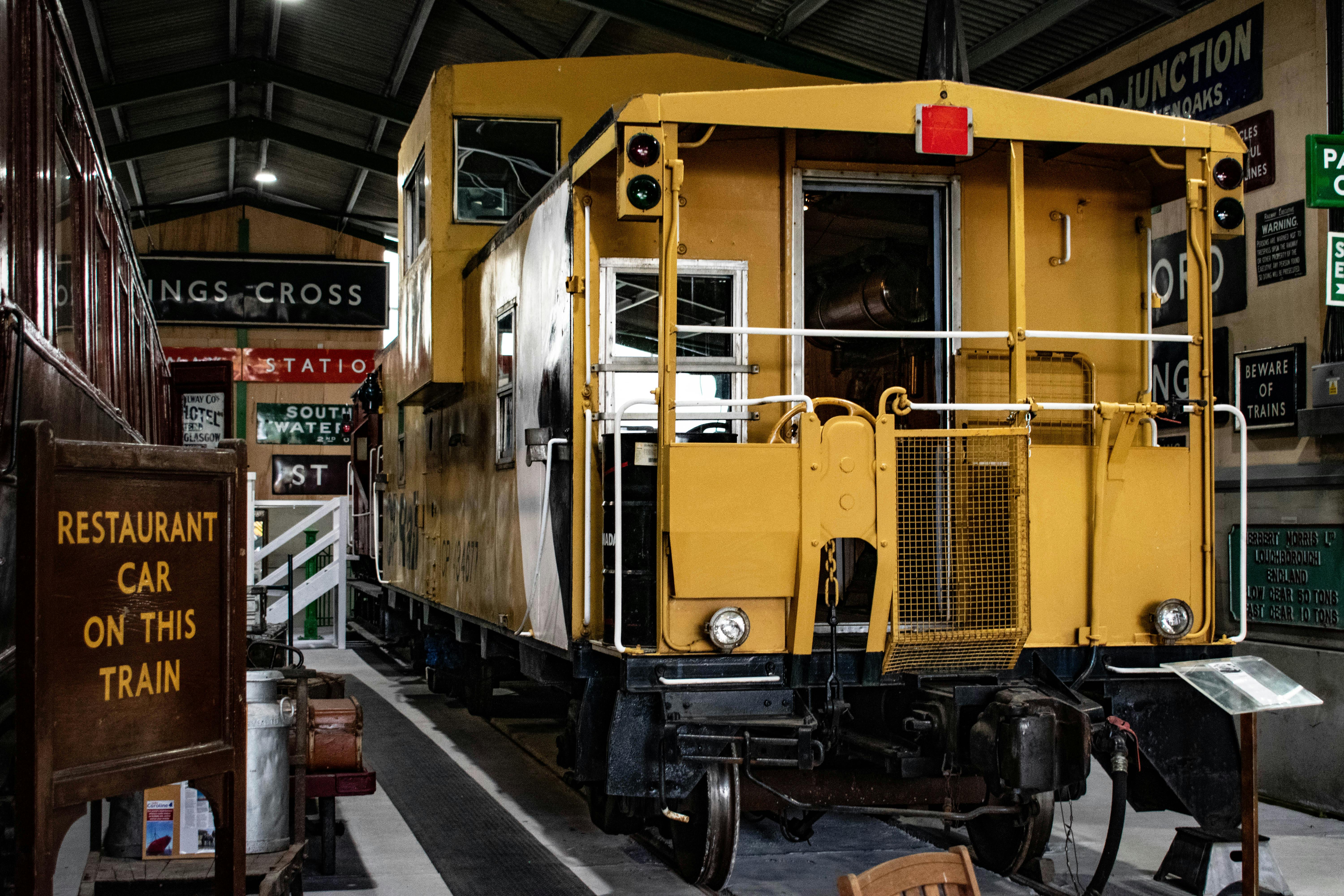
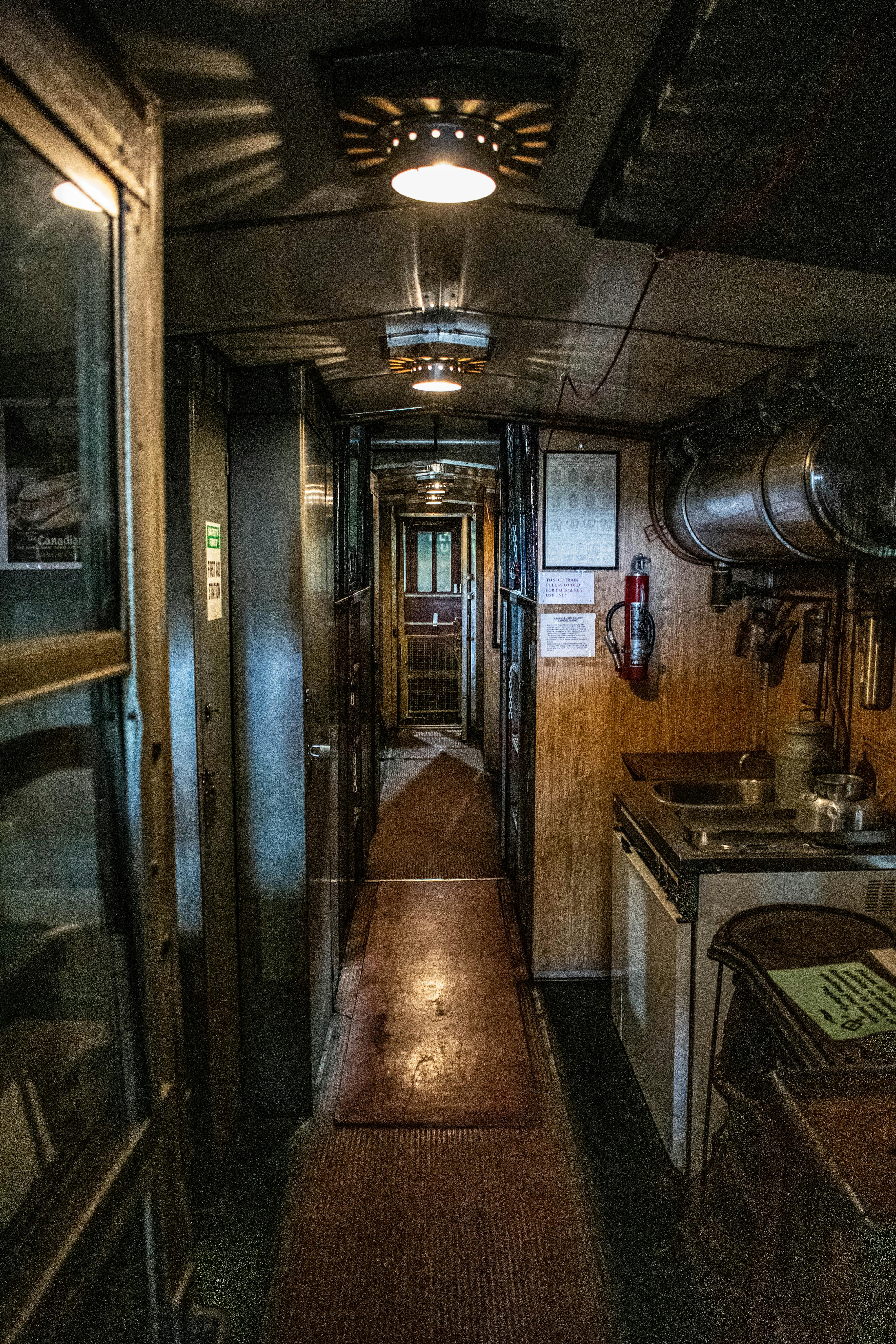
As you enter the site and go through the entrance, you are immediately met with a vast hall filled with carriages, nameplates and totem signs but the first thing you notice is a bit of an oddity. It’s a Canadian Pacific Rail Caboose No. 434677 (their equivalent of our brake vans) but is MUCH larger than typical British ones. Due to the distances of some tracks in North America, train crews need somewhere to rest and swap on the journey and the Caboose accommodates this need. Inside there are a number of bunk beds and a kitchen area. The section which sticks out the top is a sort of lookout area allowing the guards to see along the length of the train and the surrounding area. Quite how it came to be here is a bit of mystery however it is believed to be the only Caboose of its type in the UK, and possibly even Europe.
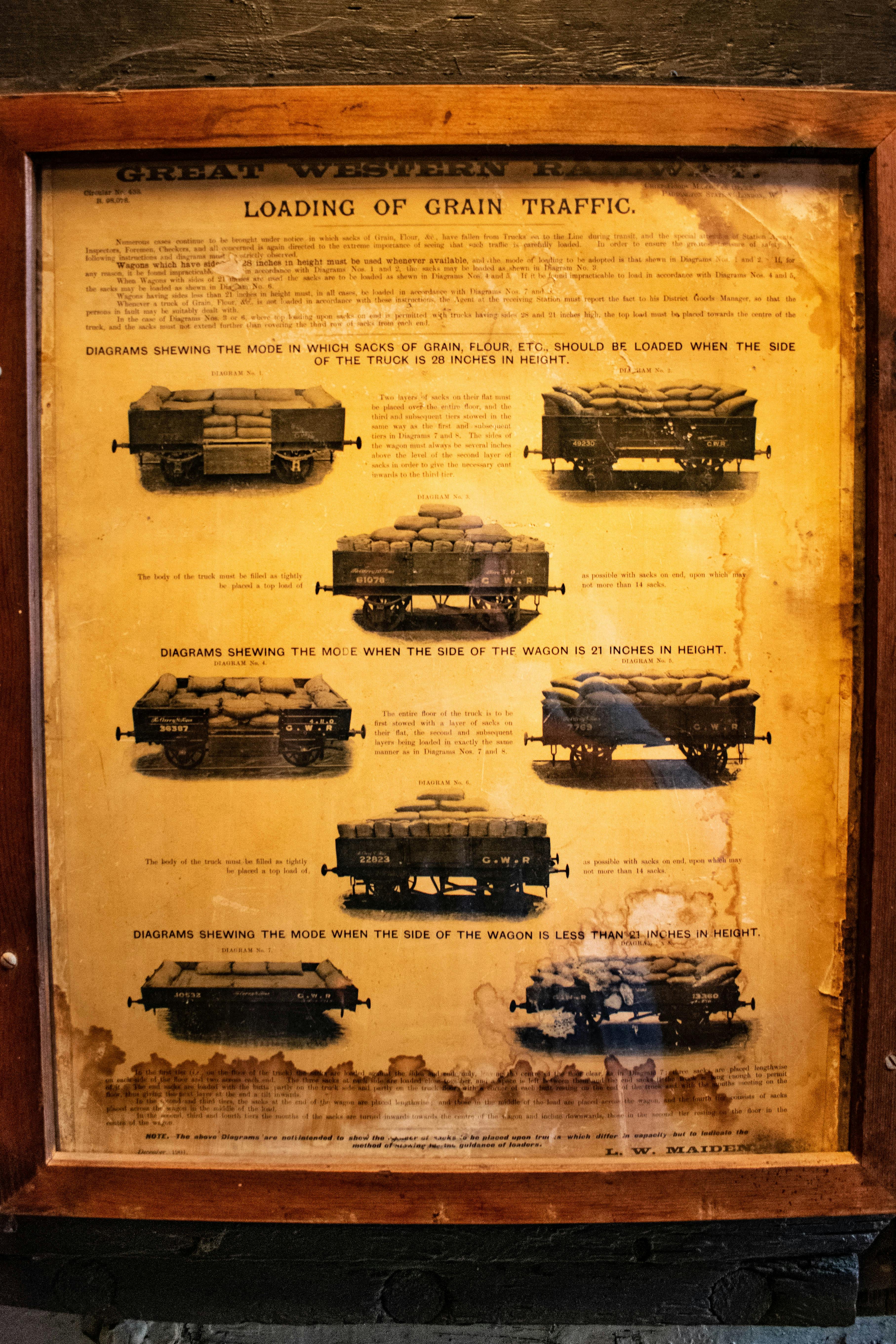
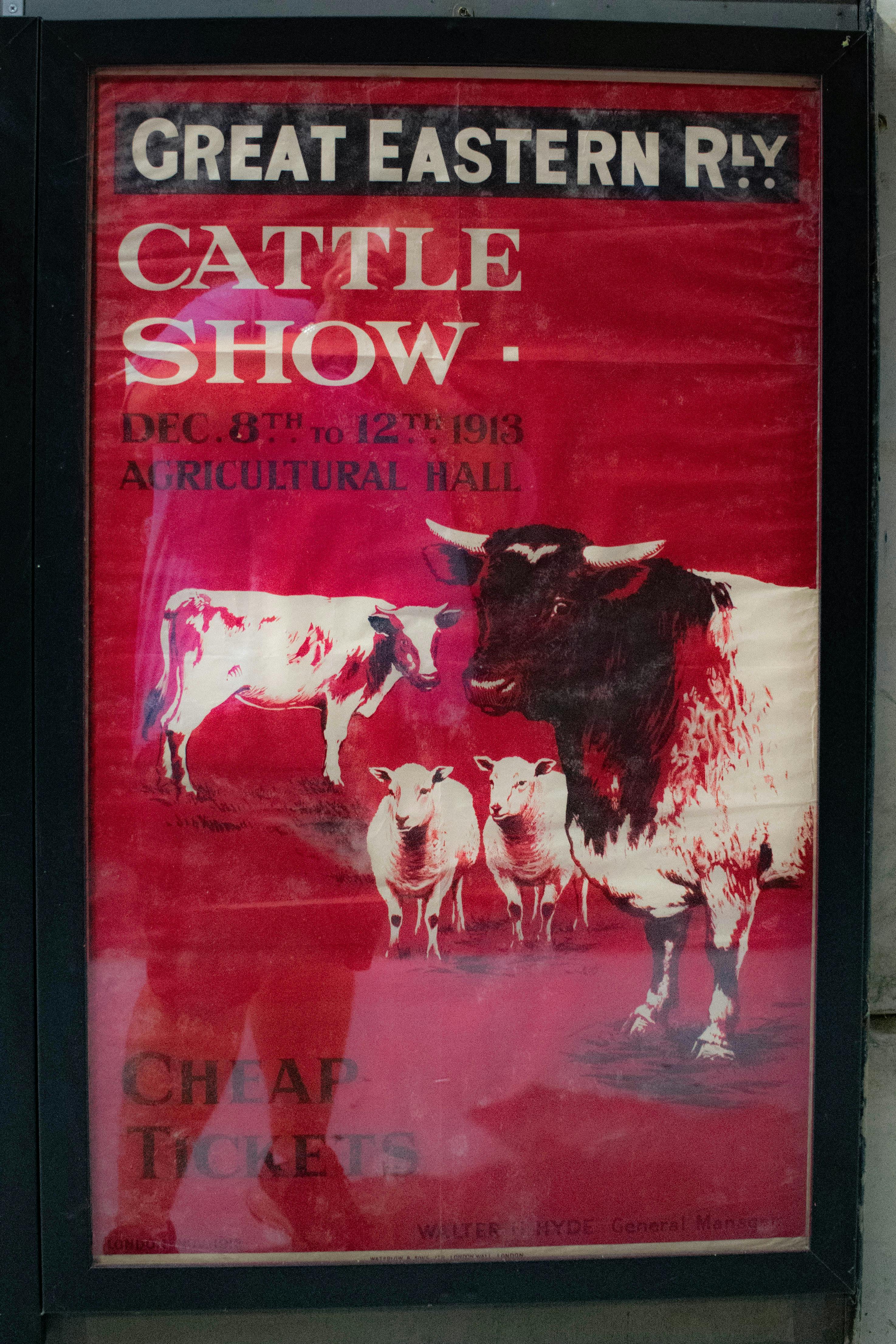
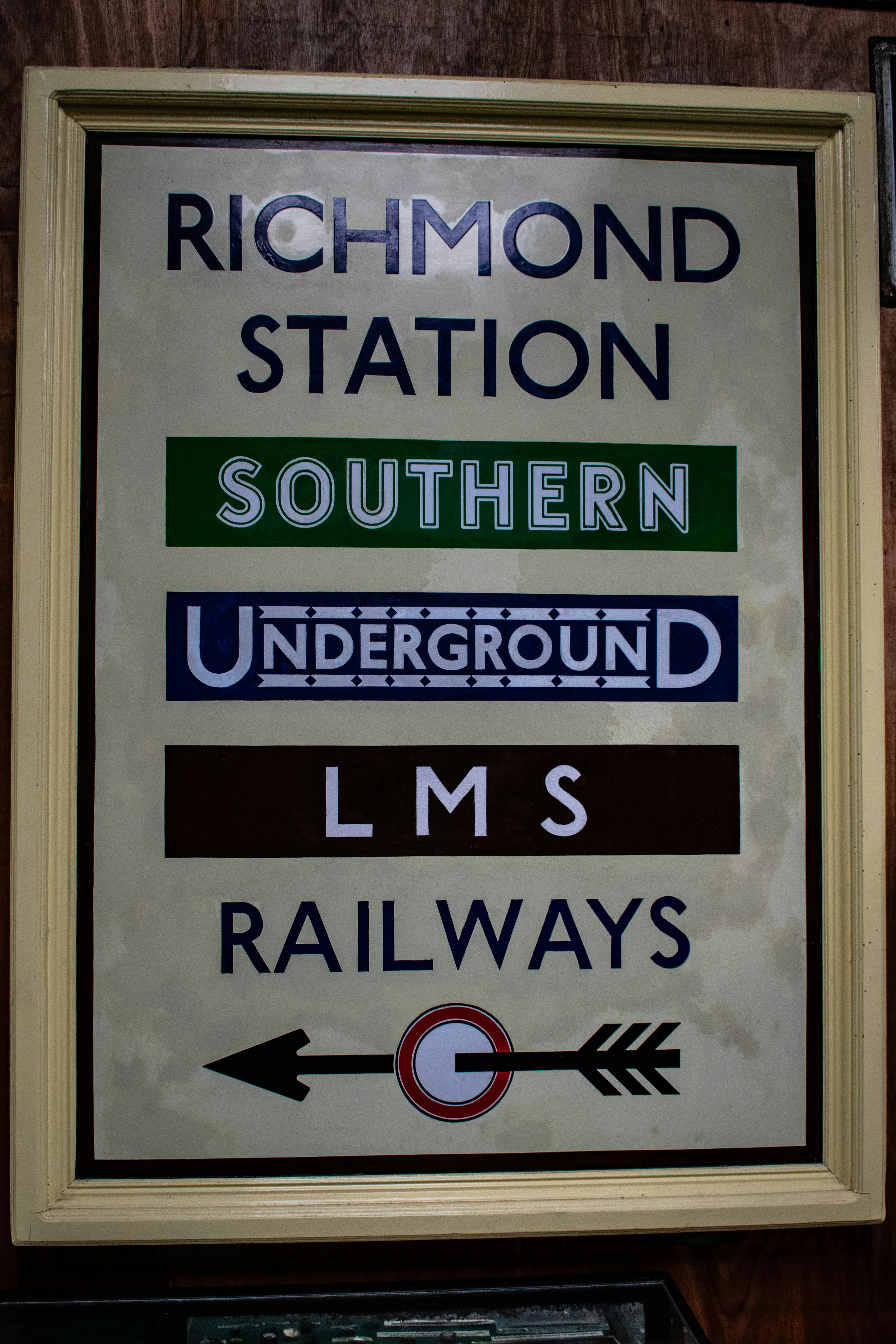
Dotted around the museum are lots of old posters and information boards and an example of some of these is shown below. The Great Eastern Railway cattle show poster is over 110 years old and still in excellent condition. Some of the more interesting things are like the instructional GWR poster on how to correctly load grain into a wagon depending upon the wagon type and height. Although not terribly interesting, the Richmond station board reminded me of time I spent with my Grandparents as Richmond station was often our main hub when we went up to London for the day.
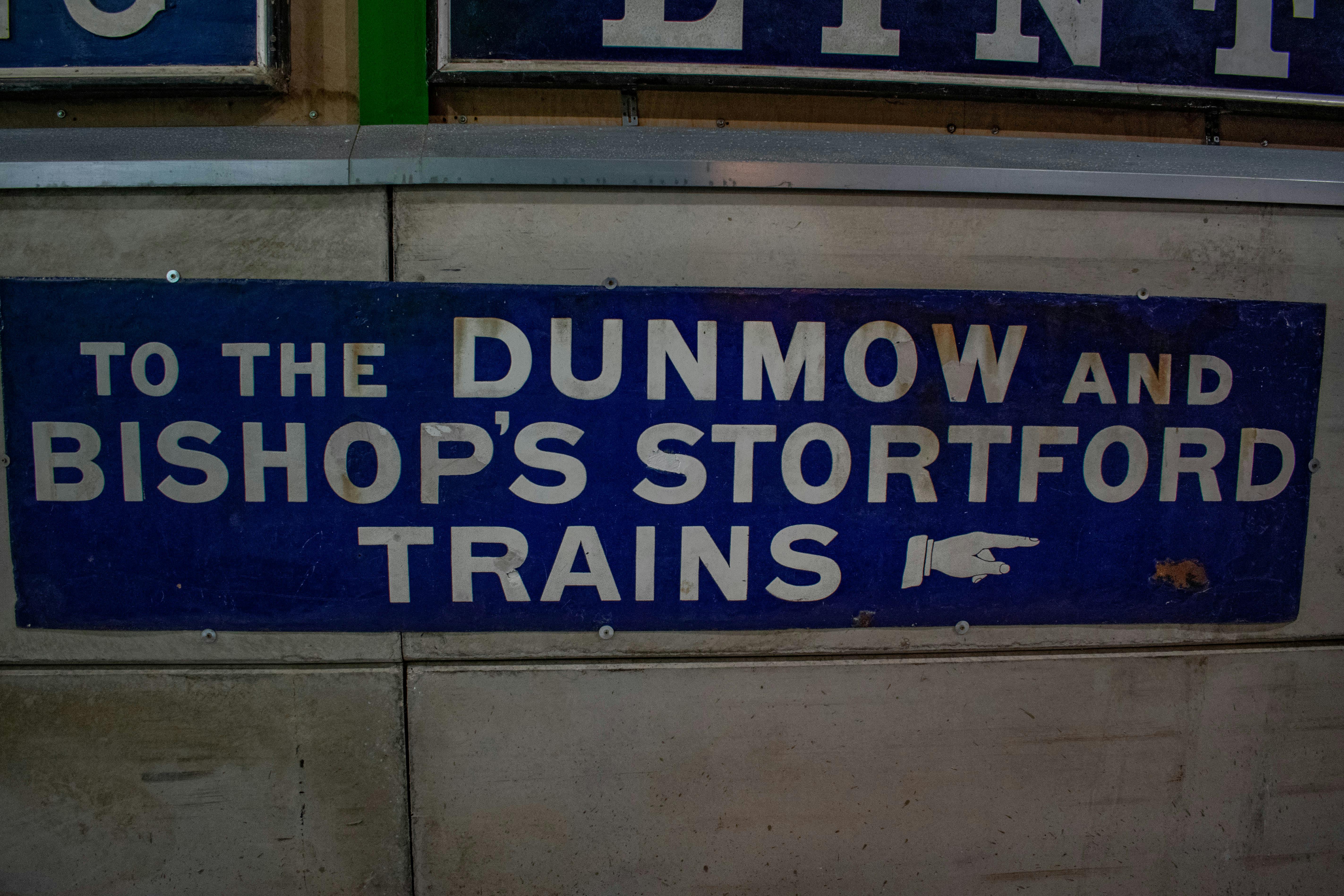
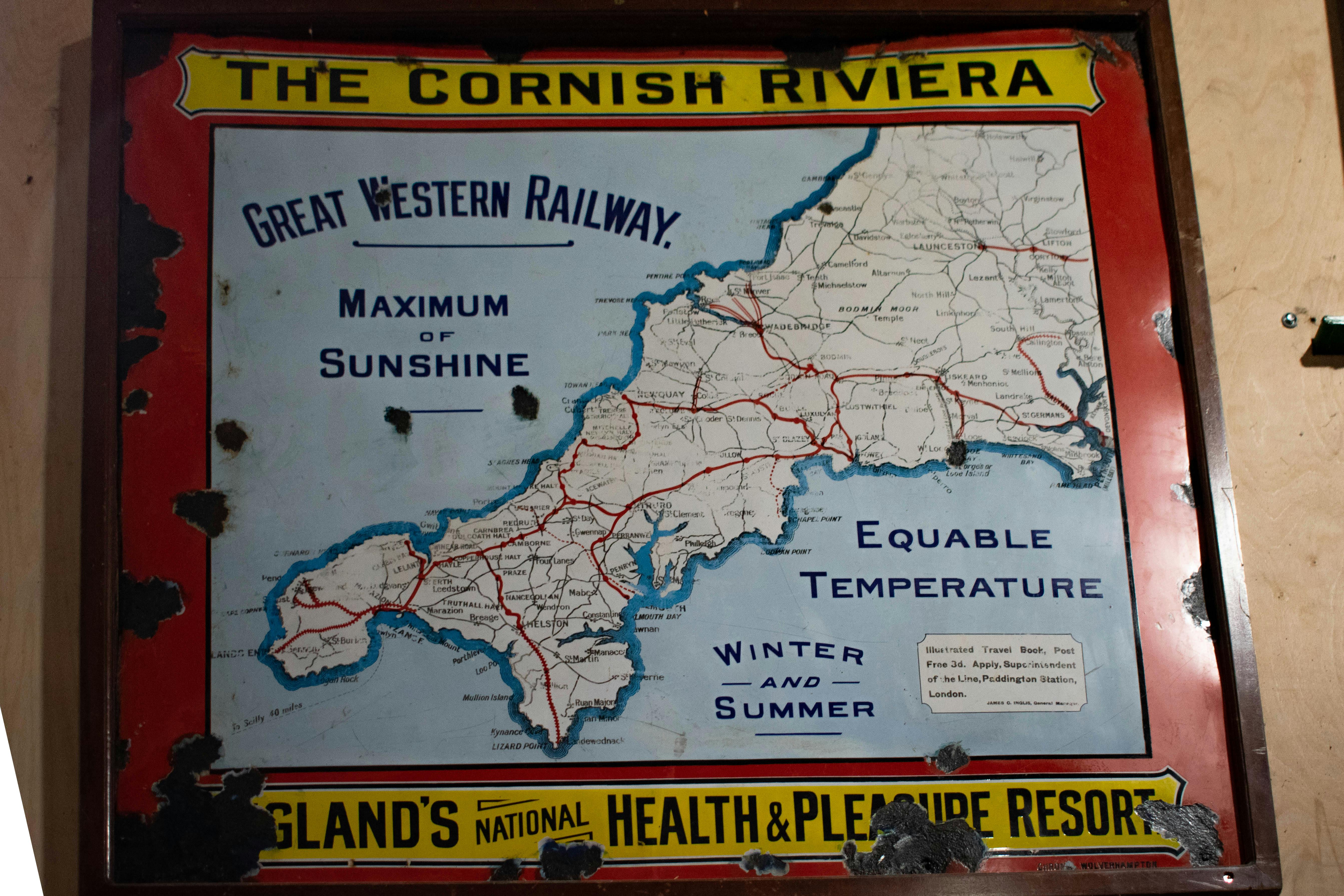
As I wandered round some more, I was struggling to take everything in as the place kept on opening up and I was treated to more and more things to look at. Wall upon wall of cast iron signage, station boards, old station lamps are just some of the things I saw. For those of you who have followed my adventures, you will recognise the Dunmow and Bishop’s Stortford sign below and its significance as this is now a lost railway line which has been converted into a cycle way which I explored a section of last year. The Cornish Riviera sign is almost certainly pre 1960’s and many of those lines in red no longer exist now.
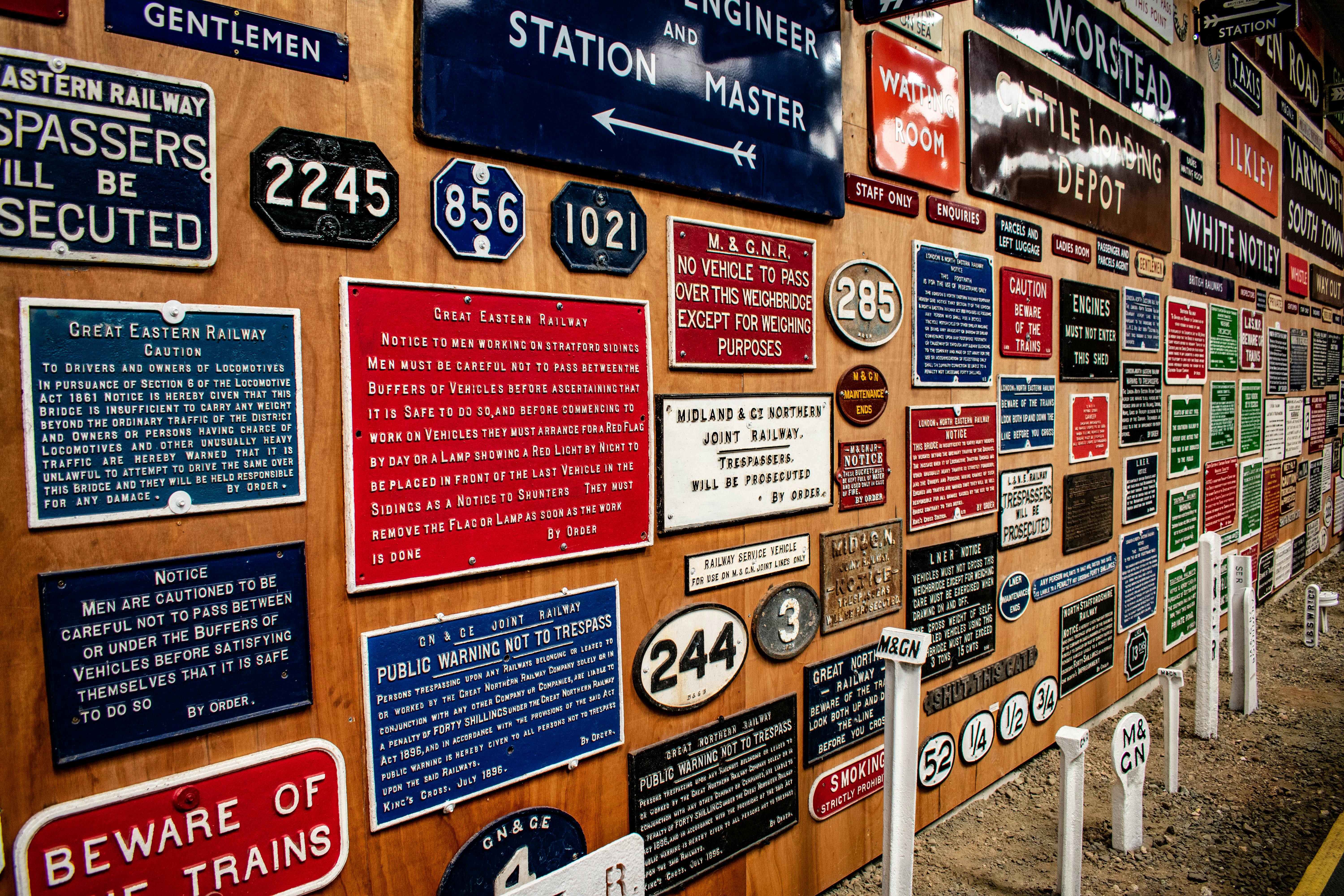
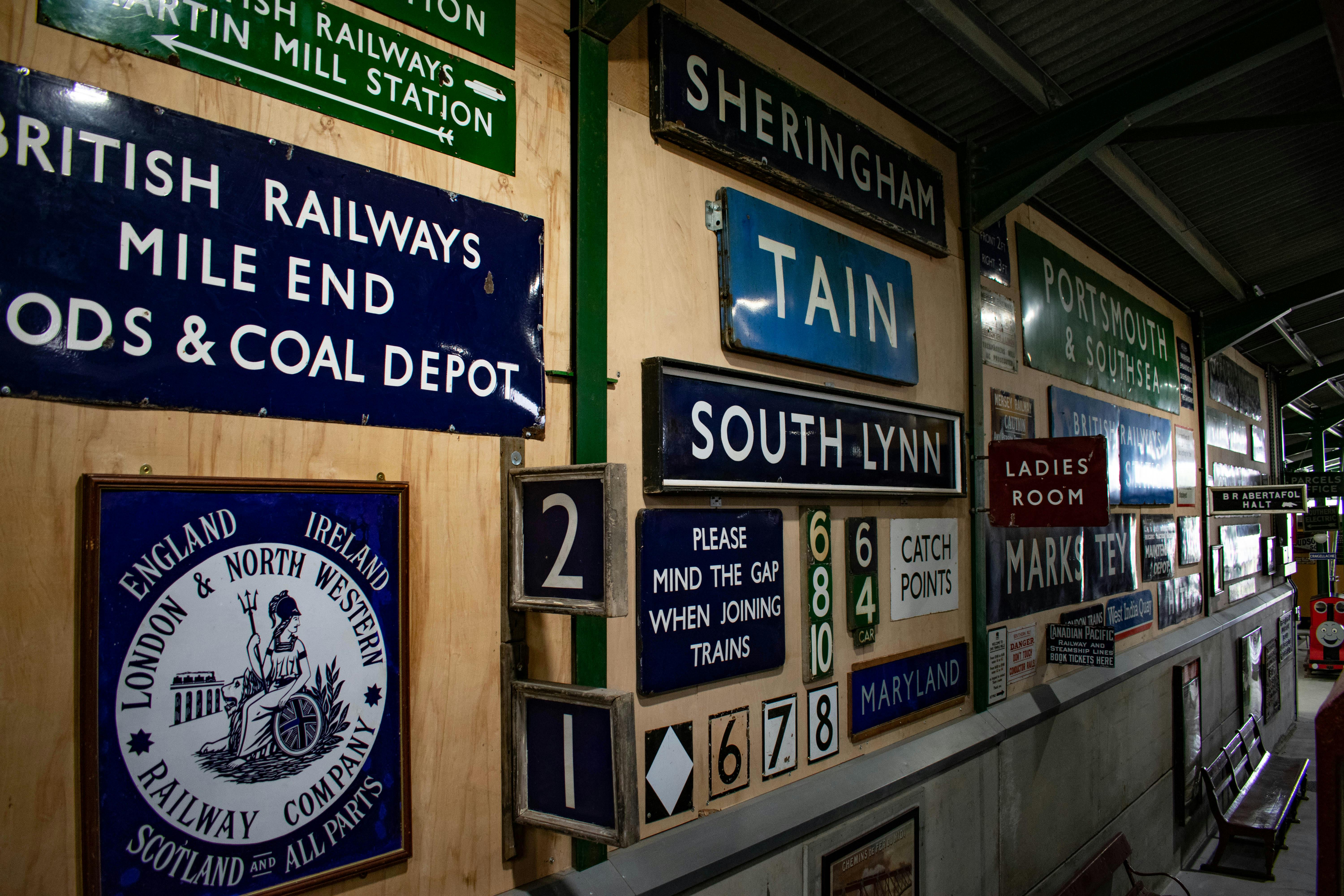
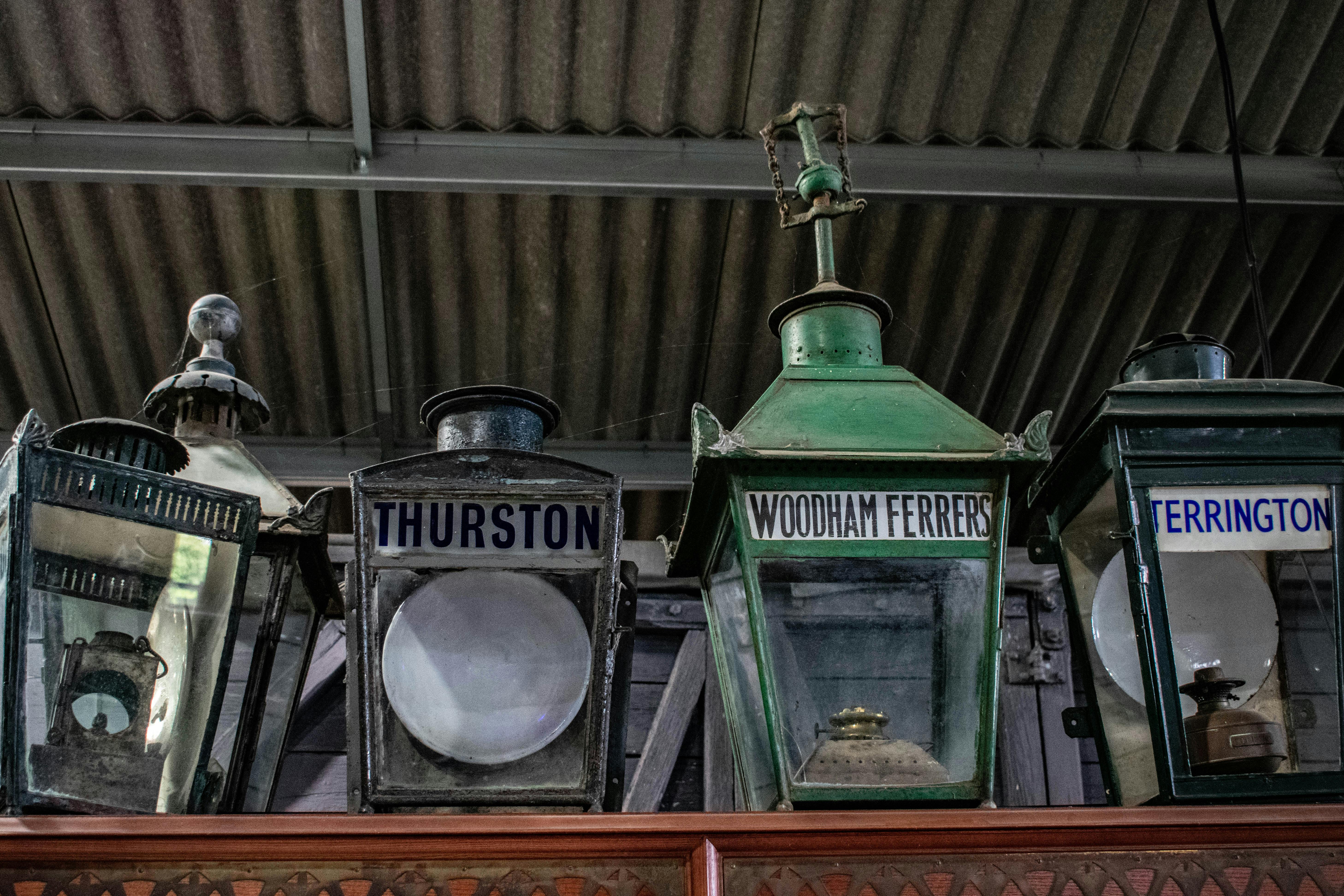
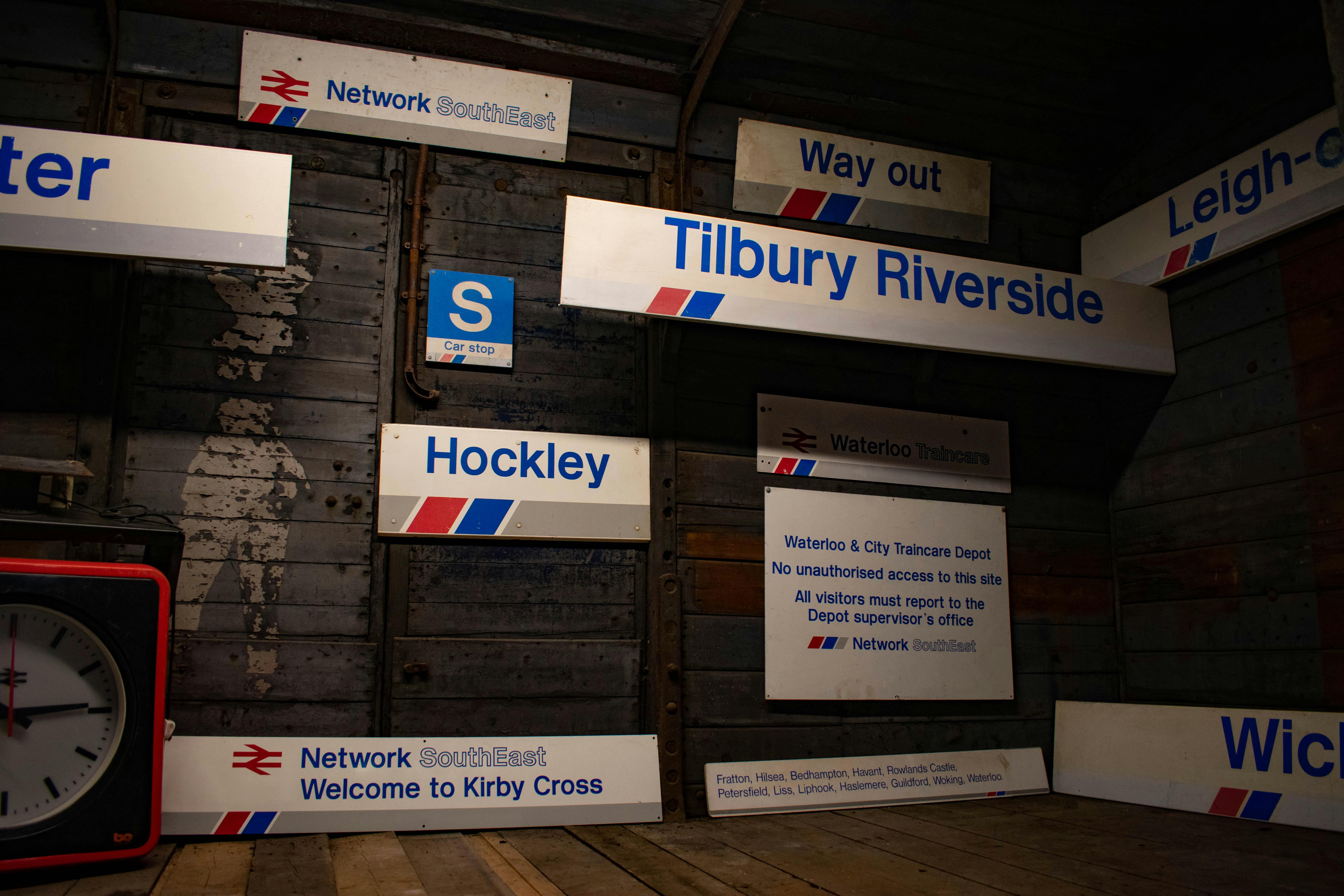
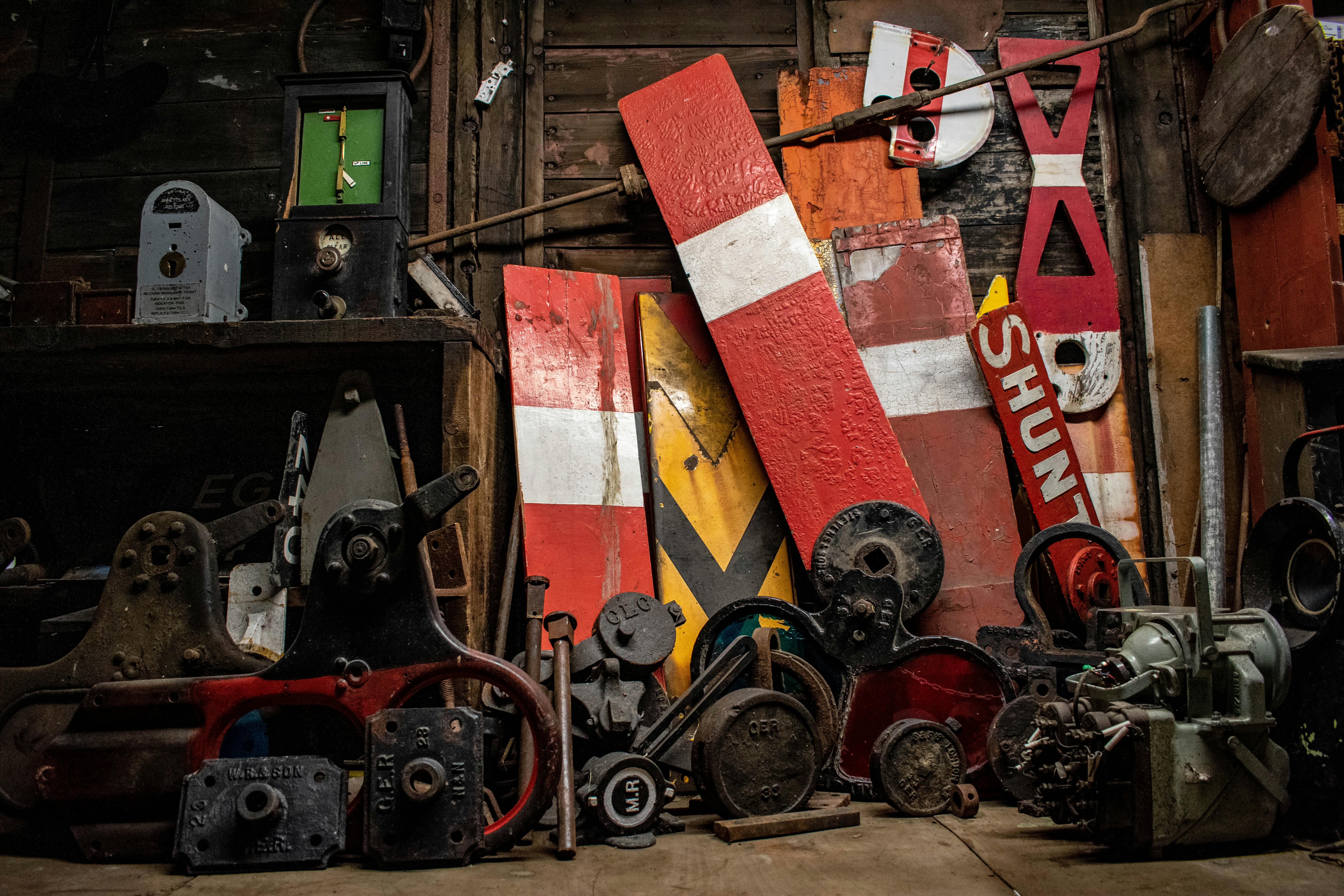
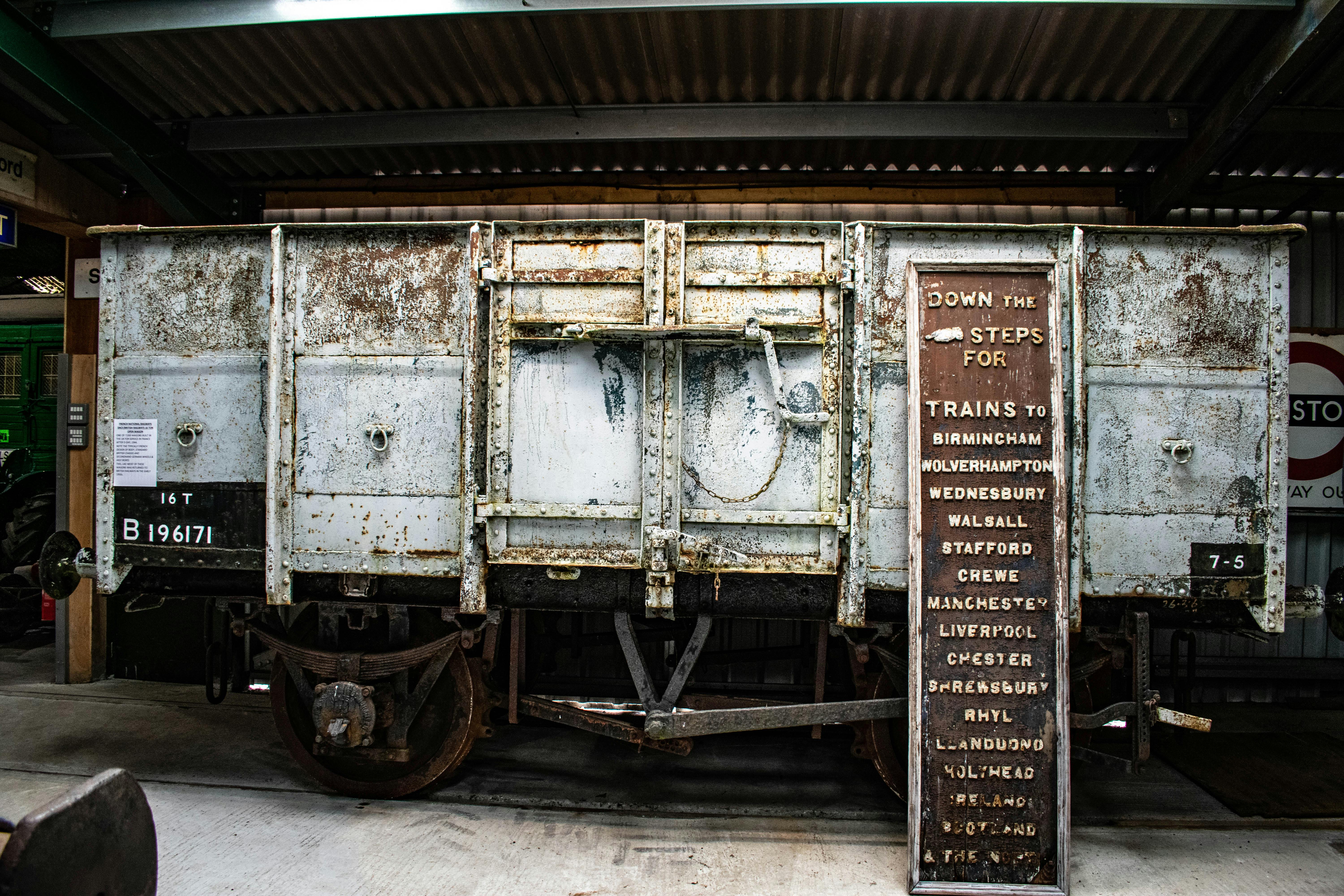
Continuing to walk around the site, there are plenty of goods wagons which have their side open and each one displays something different inside. One of these had a collection of Network South East station signs from across the region; a branding which is long since gone now. Another one had a large collection of signalling equipment from signals, lamp lenses, token machines and more. This is truly a playground for the train nerd.
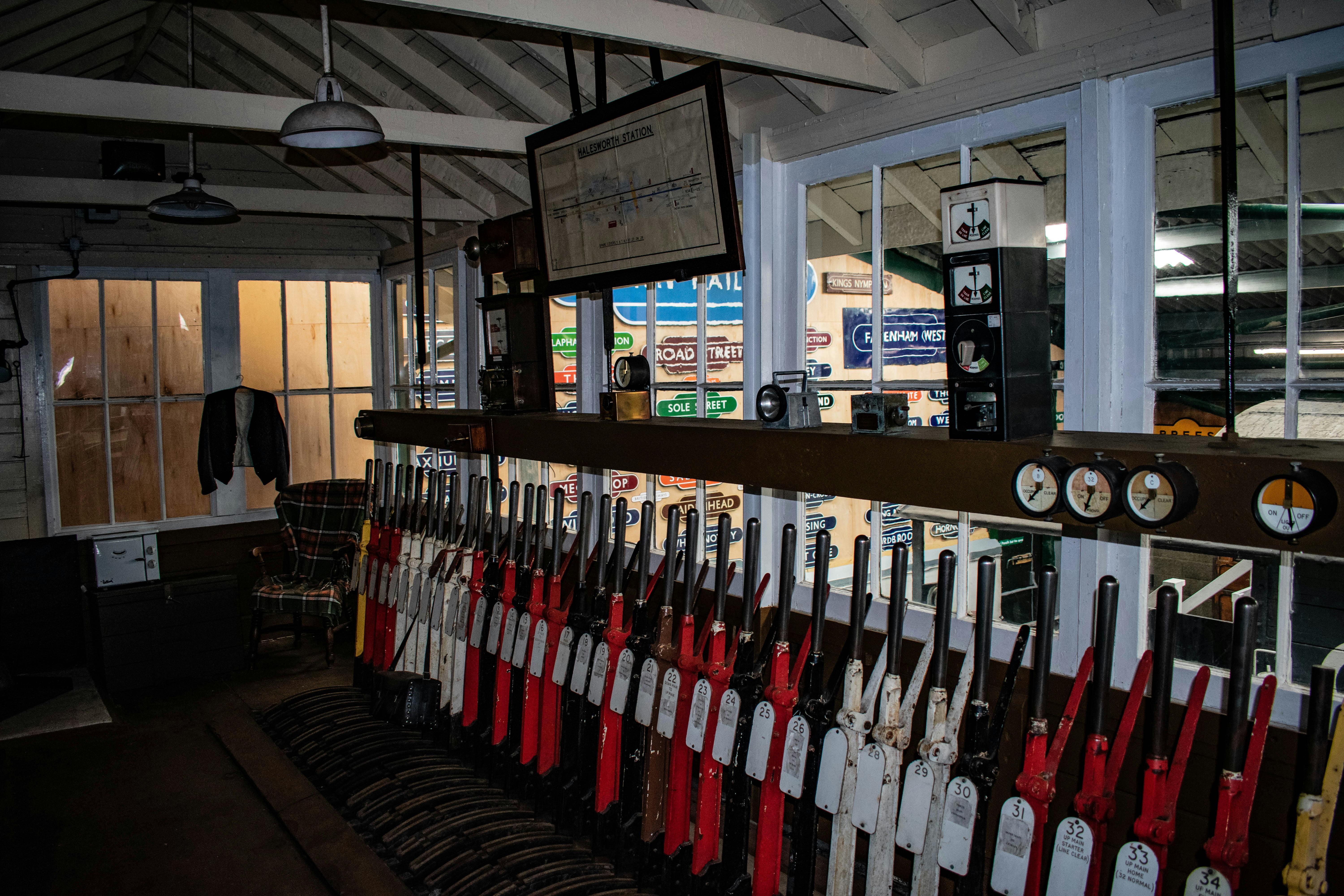
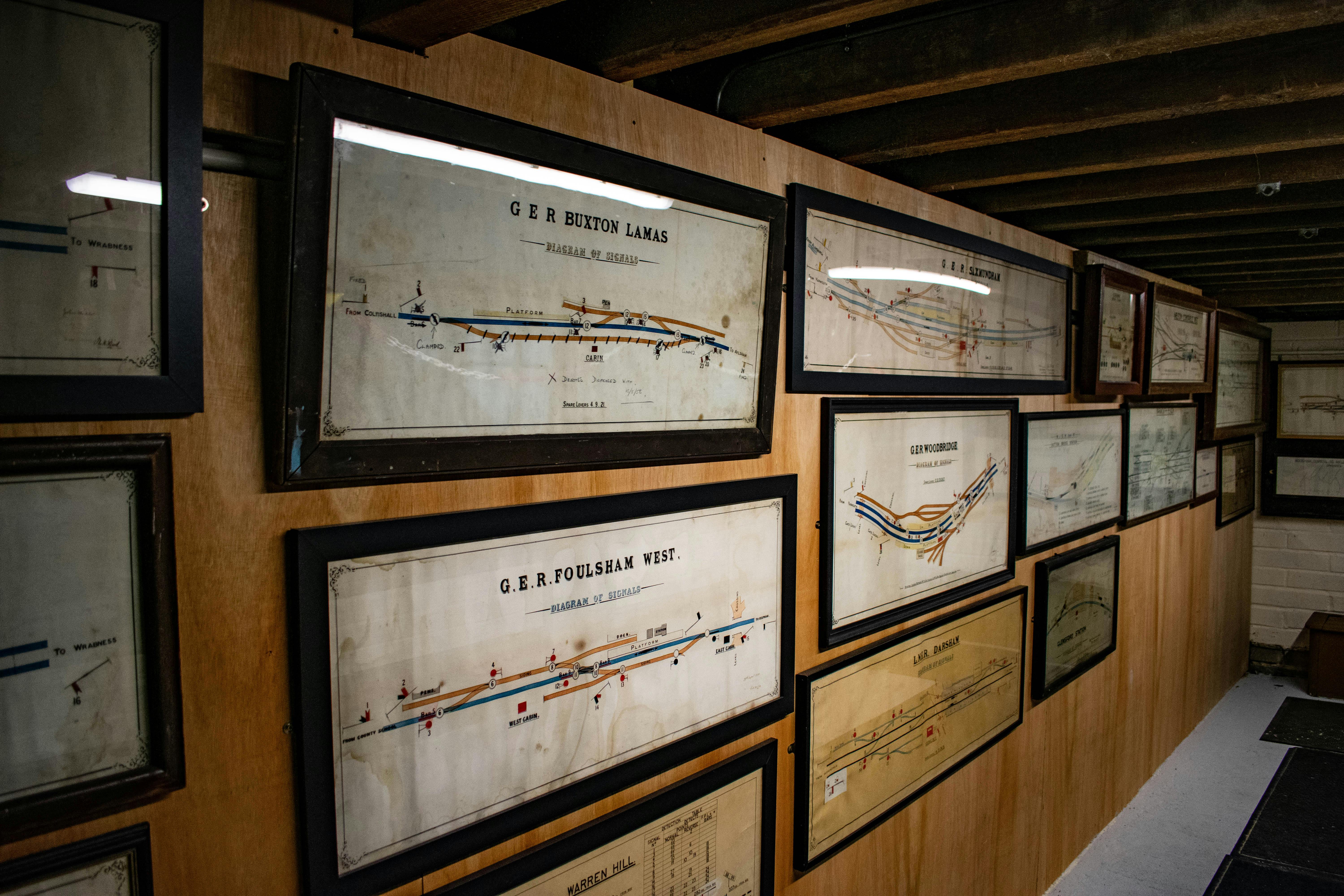
It’s not just preserved carriages here, but also preserved lineside buildings. Inside the main museum building sits Halesworth signal box which was originally built in 1882 and controlled the line through Halesworth until 1986. After closure, the signal boxed moved between various custodians but eventually after suffering from vandalism and a lack of maintenance, it was offered to Mangapps where it has been splendidly restored to the condition at the time of its closure, including the block shelf. In the interlocking room beneath the signal box is a vast array of signal box line diagrams from various locations. I always enjoy looking at these as they range from the very simple single station, single line configuration right up to the insanely complex.
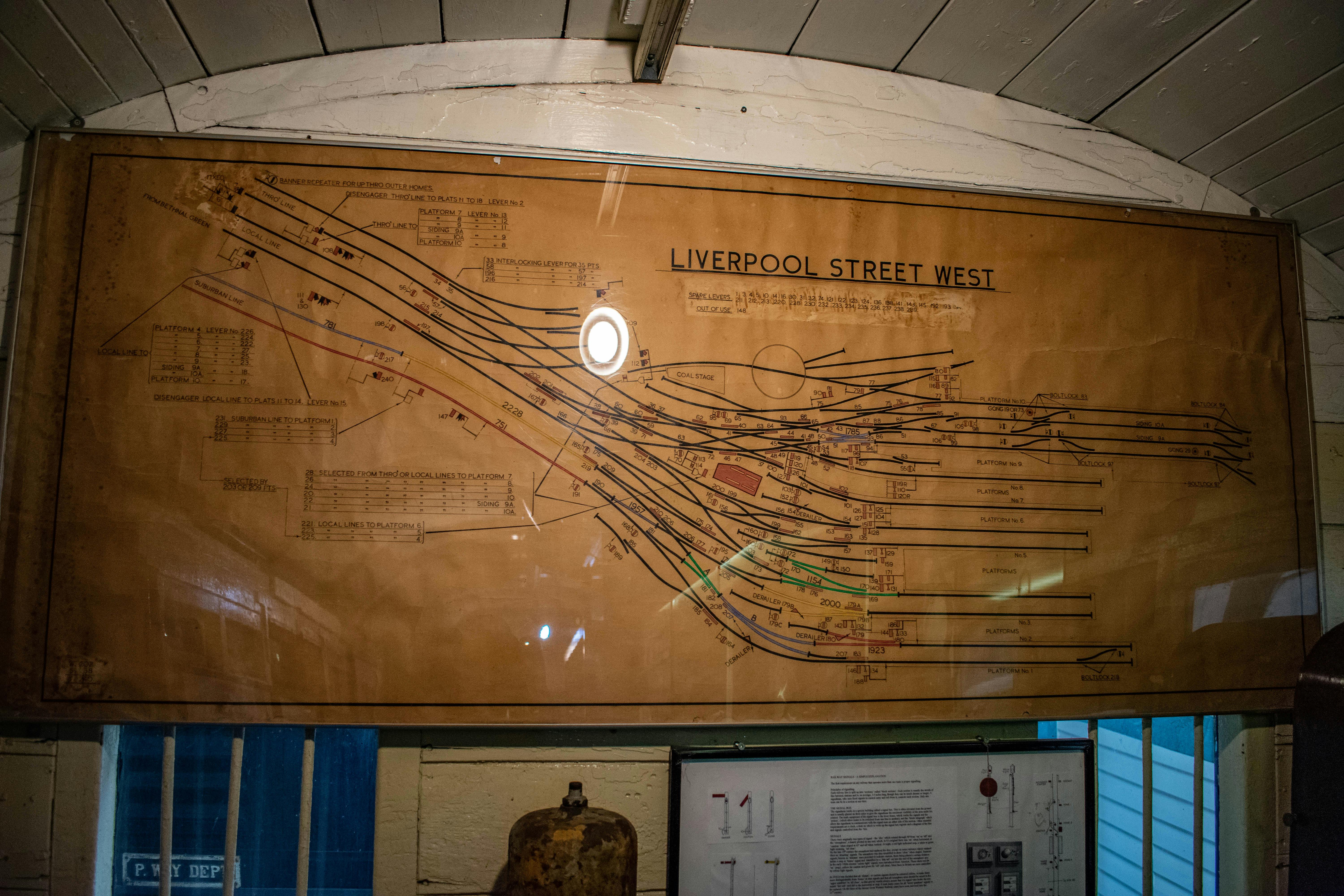
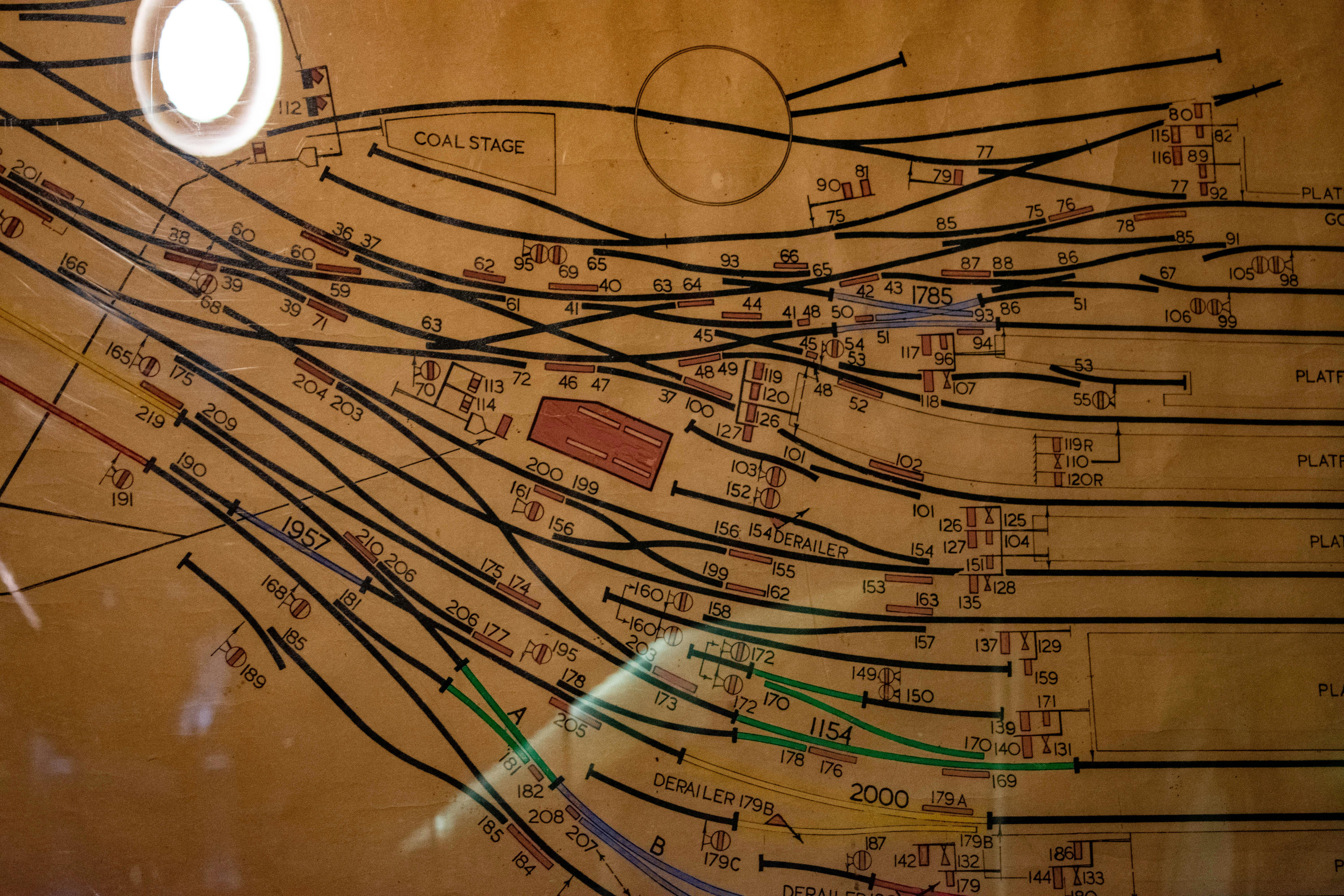
To give an example of the insanely complex, take a look below at the one for Liverpool Street West. Over 280 levers would have been in the lever frame to operate this behemoth!
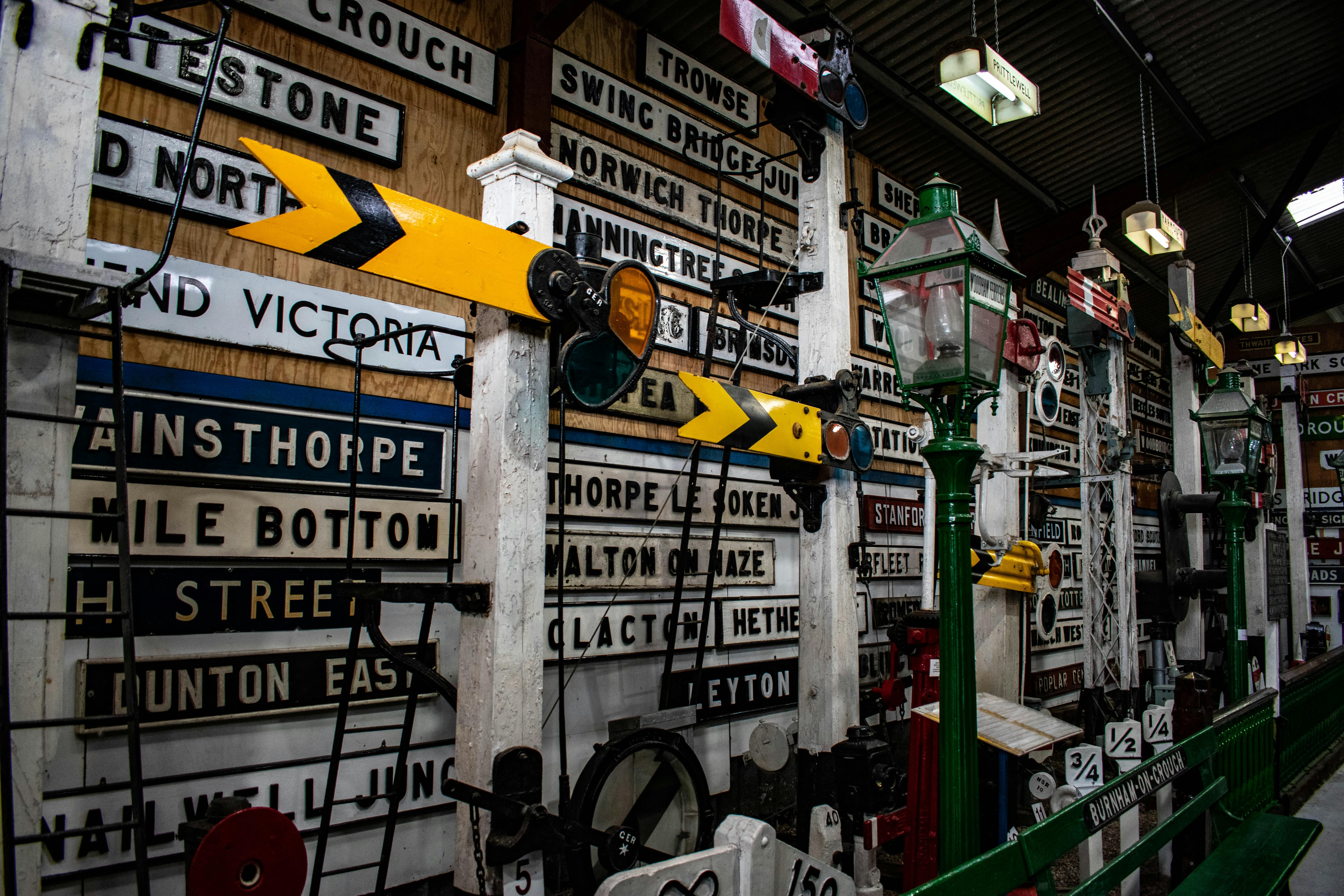
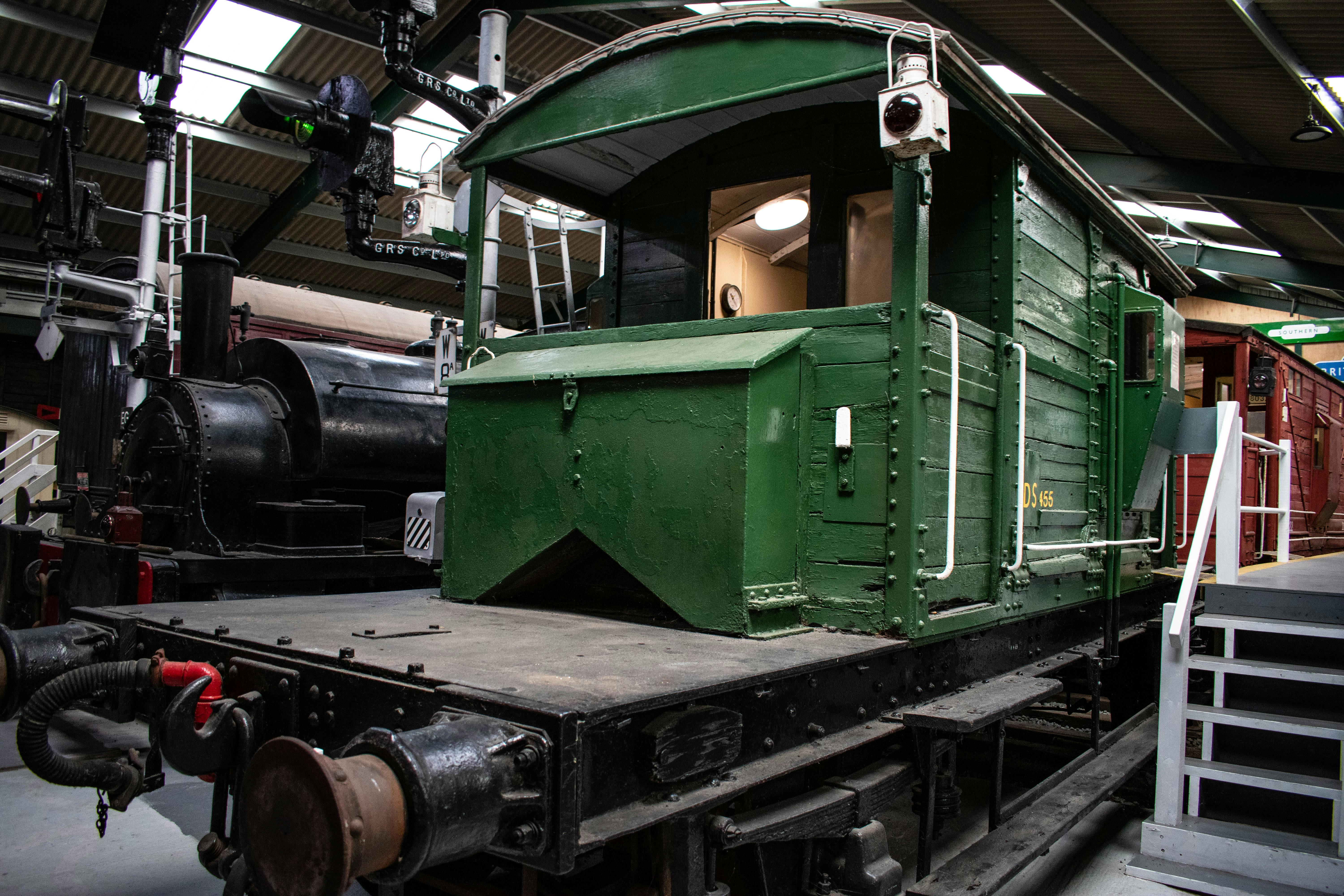
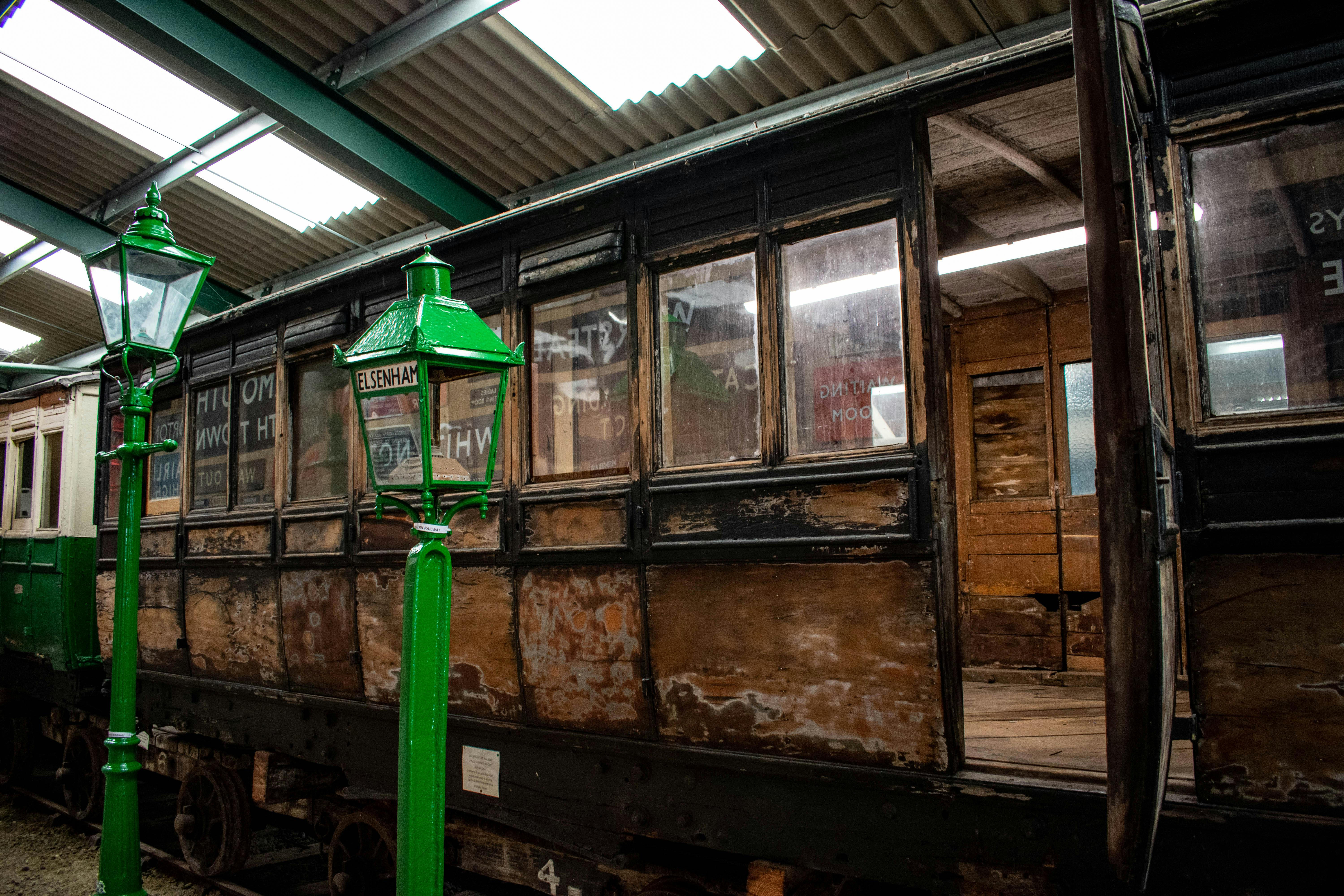
The museum has a very large bank of various signals sitting infront of a wall of name boards. The majority of these signals are hooked up to a large lever frame which visitors can operate but it’s not easy. The interlocking is fully functional so you need to work out which sequence to pull the levers in to make things happen. It’s a really fun, hands-on experience and not something I’ve seen any other museum offer, certainly not without some sort of supervision. Next to this are a couple of brake vans and a 2nd class Great Eastern Railway coach (No 381) which was built in 1864. Although the door is open, there is not a chance the floor could support any weight as it’s rotten in most places.
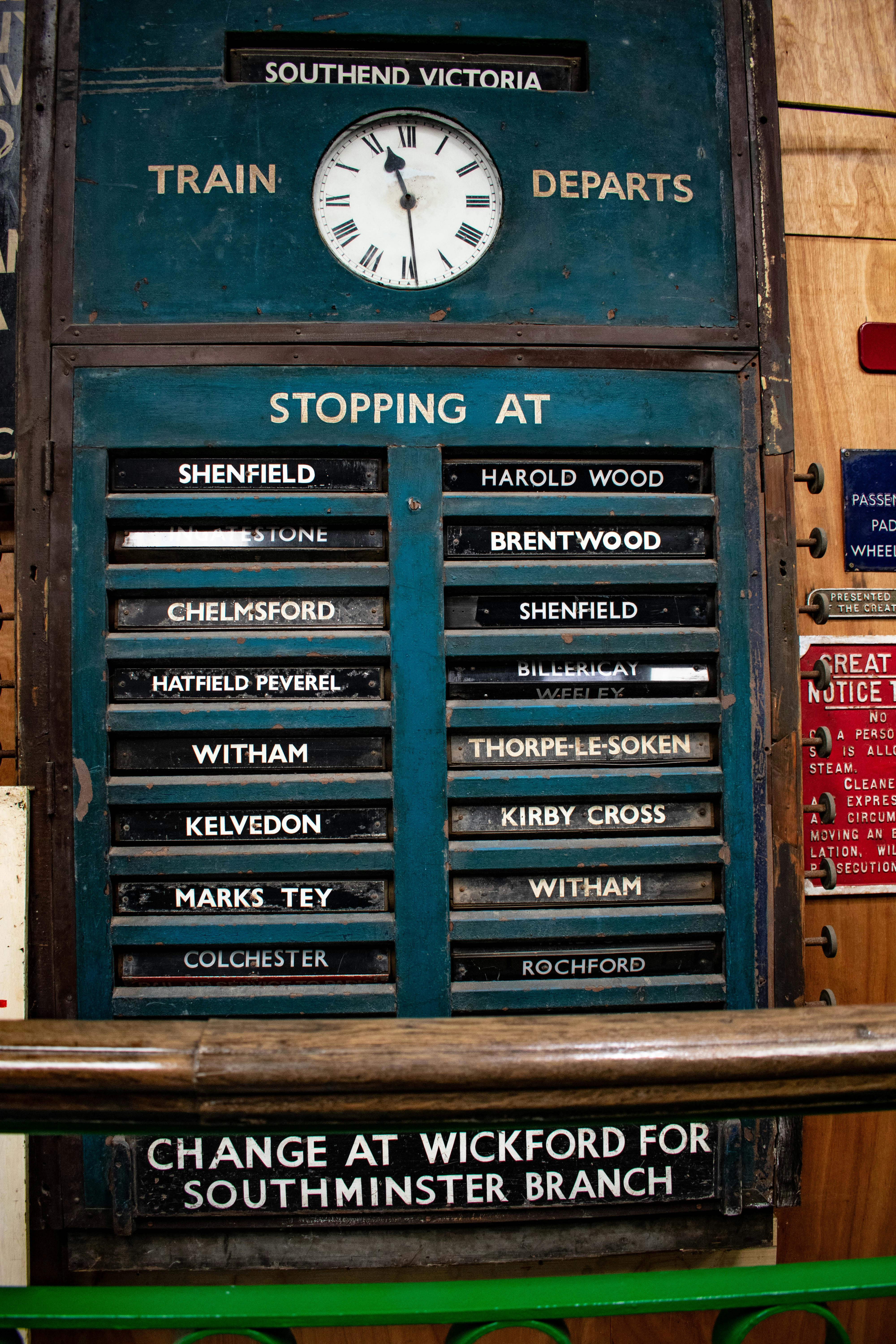
Train departure boards have evolved a lot in their time. Advances in electronics have allowed them to become much more compact and automatically displaying information relevant to the train pulling into the station, especially if the line branches to multiple locations. Prior to this, they were much larger in size and had to be manually set to inform the passengers of the destination of the next train and the time it departs. Below you can see an example for trains travelling to Southend Victoria and the stations it would have stopped at. The black blocks can rotate to accommodate other stations and destinations.
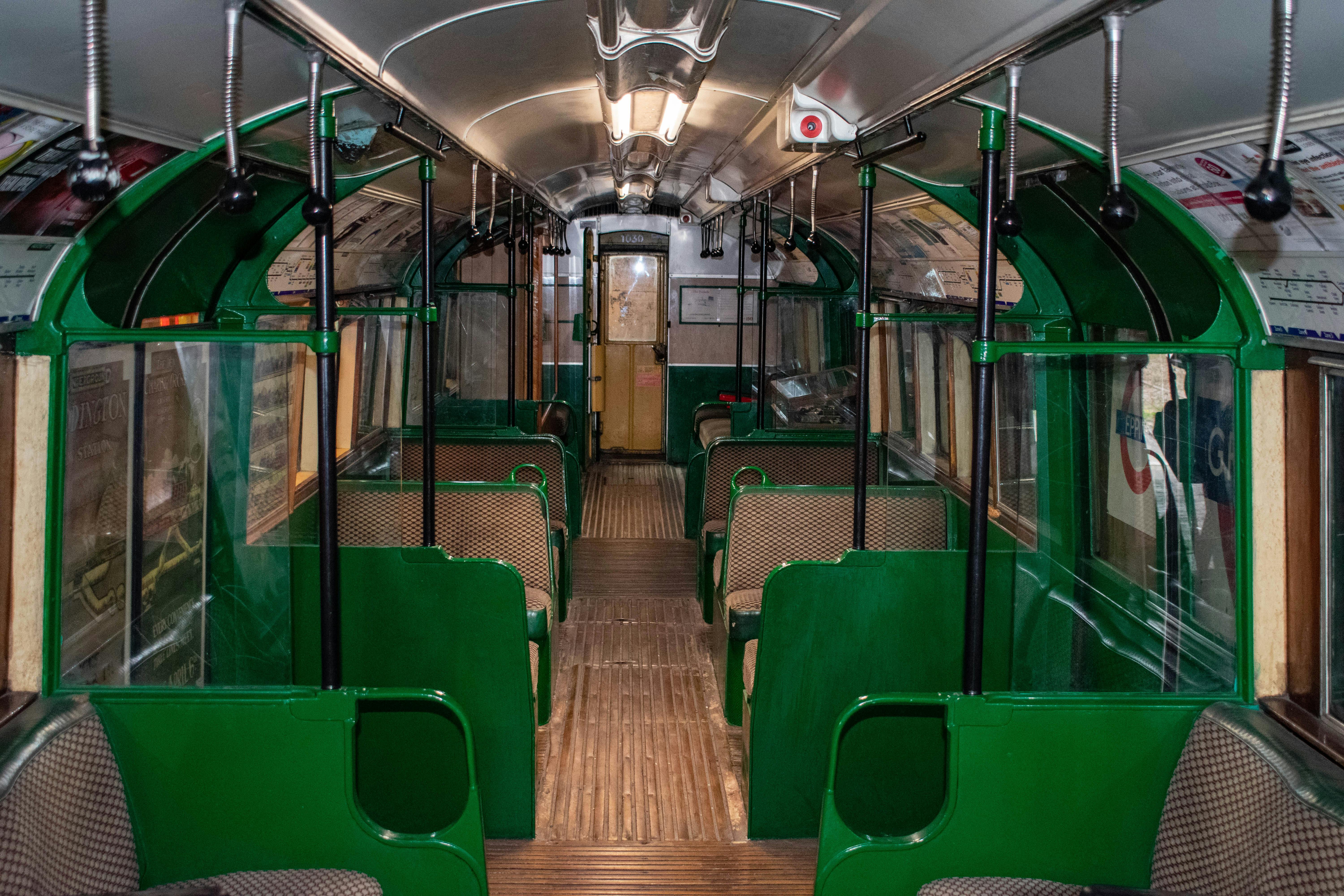
Just before heading outside a familiar sight comes into view. It’s an old tube train which is open to the public to explore. It’s in excellent condition and complete with the weird springy grab handles. This is 1959 stock and was in use from 1959 until being finally withdrawn from the network in early 2000.
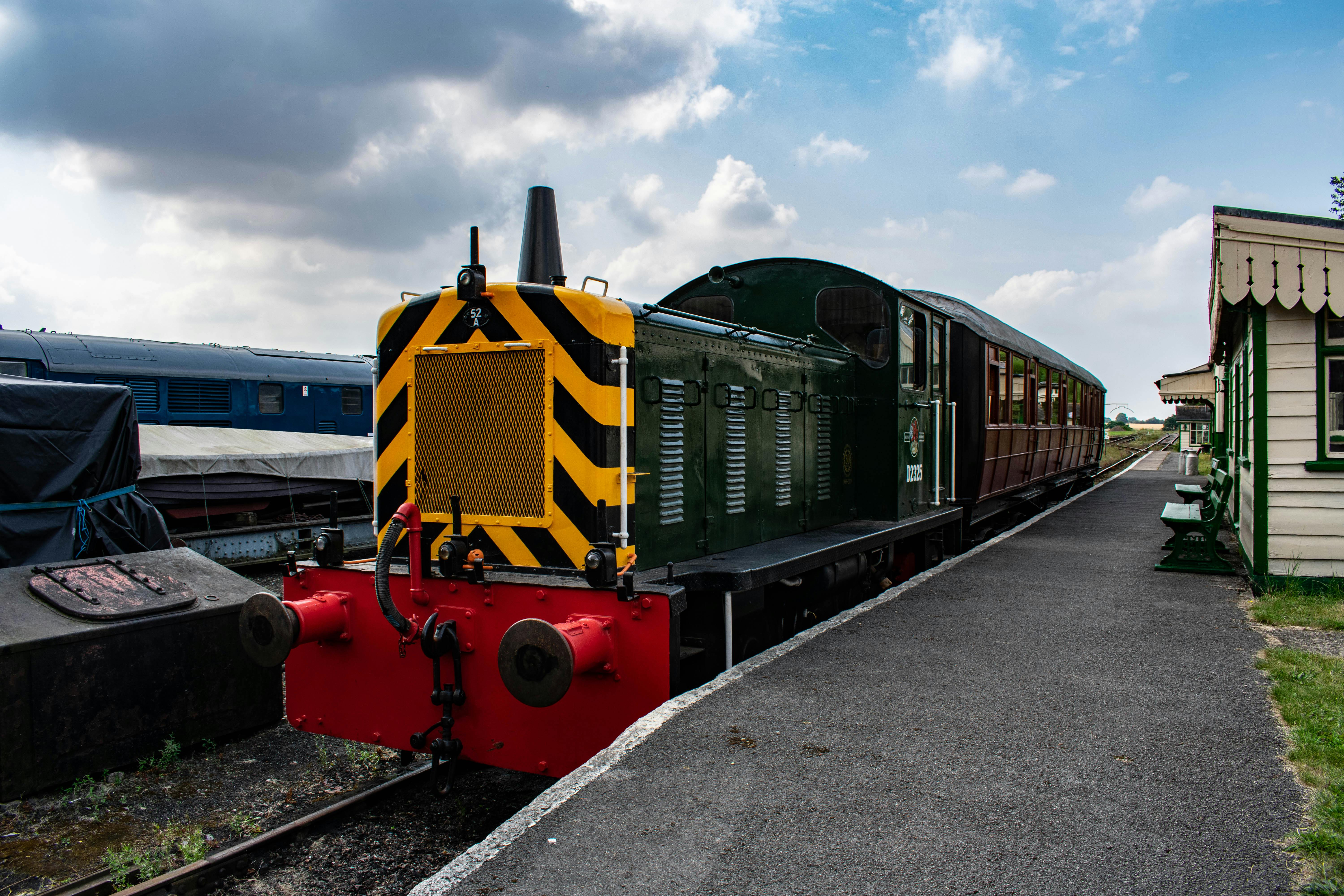
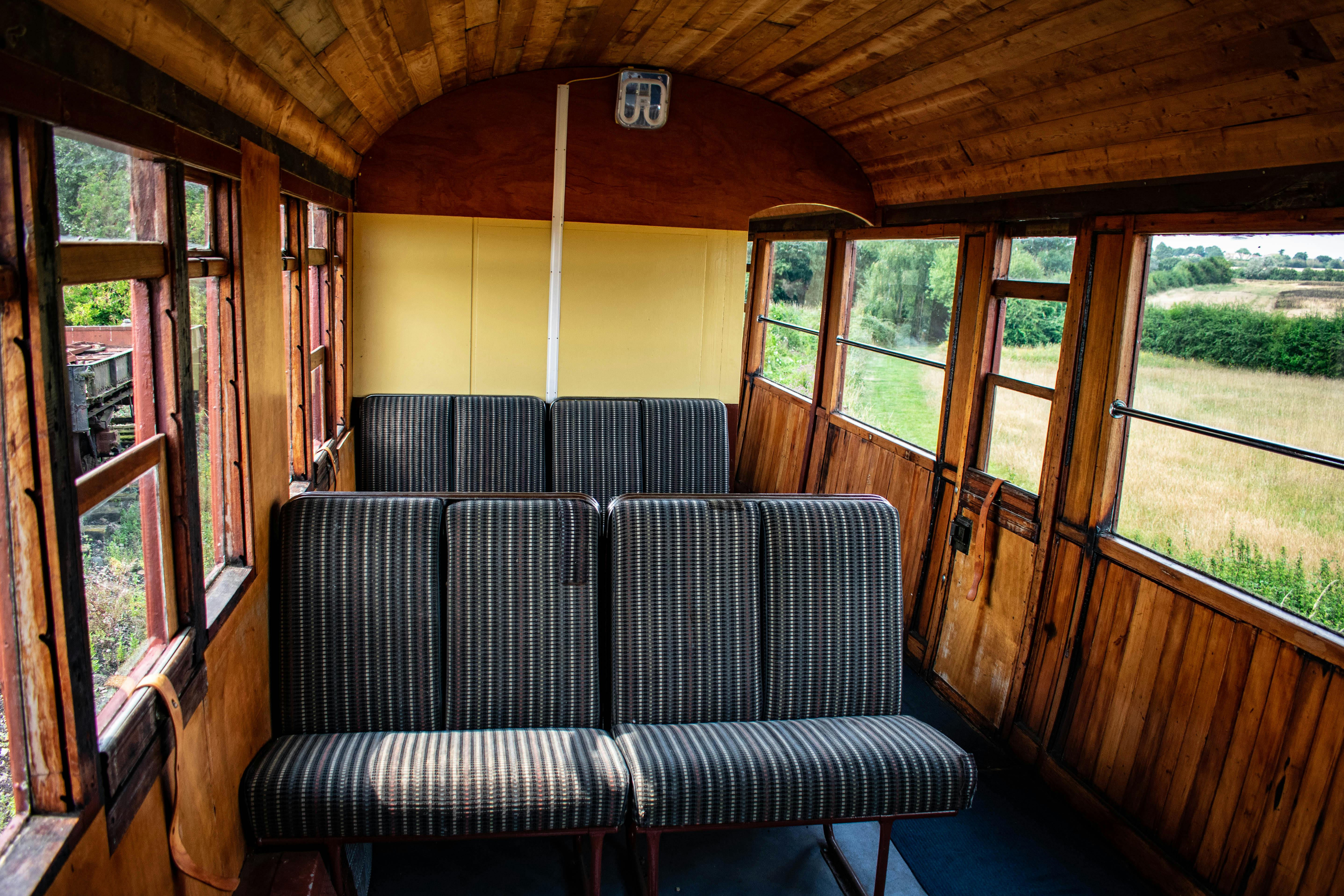
Heading outside now and it’s time for a trip on the train. Providing the motive power today is a Class 03 pulling a single carriage. It’s what’s known as a driving trailer open, No. E43178E; built in 1910. The exposed wood panelling adds to the charm of these sorts of journeys and helps transport you back in time.
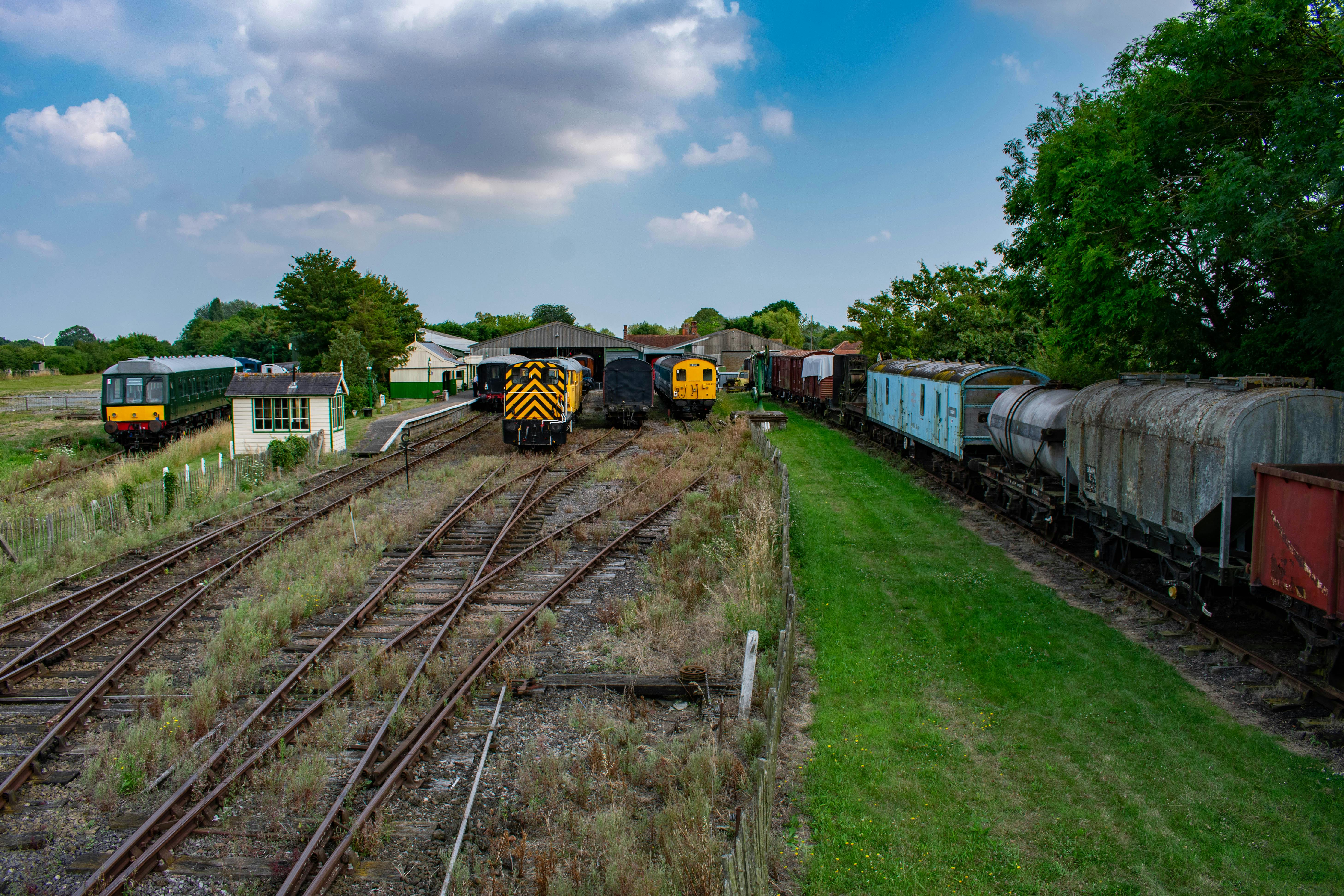
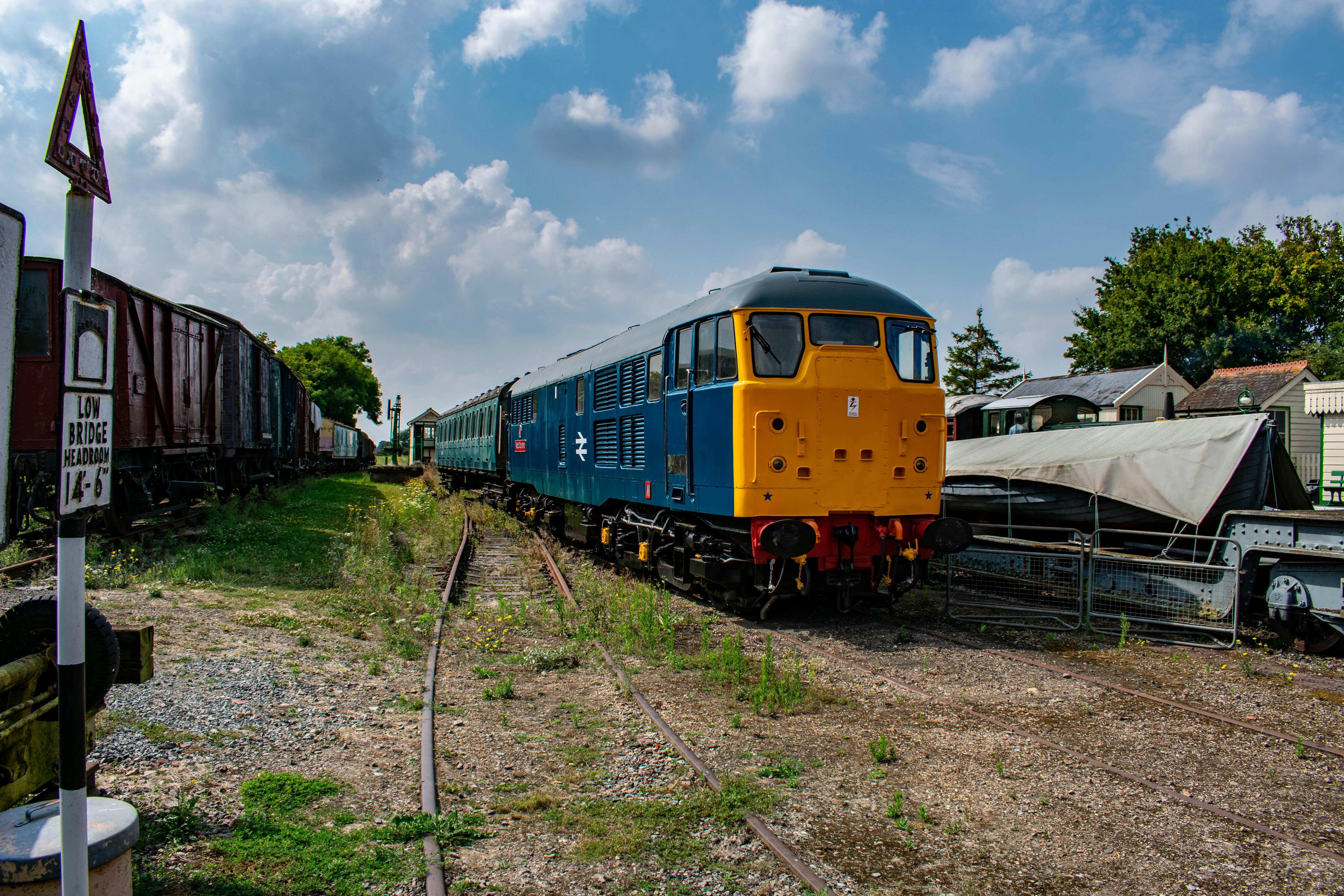
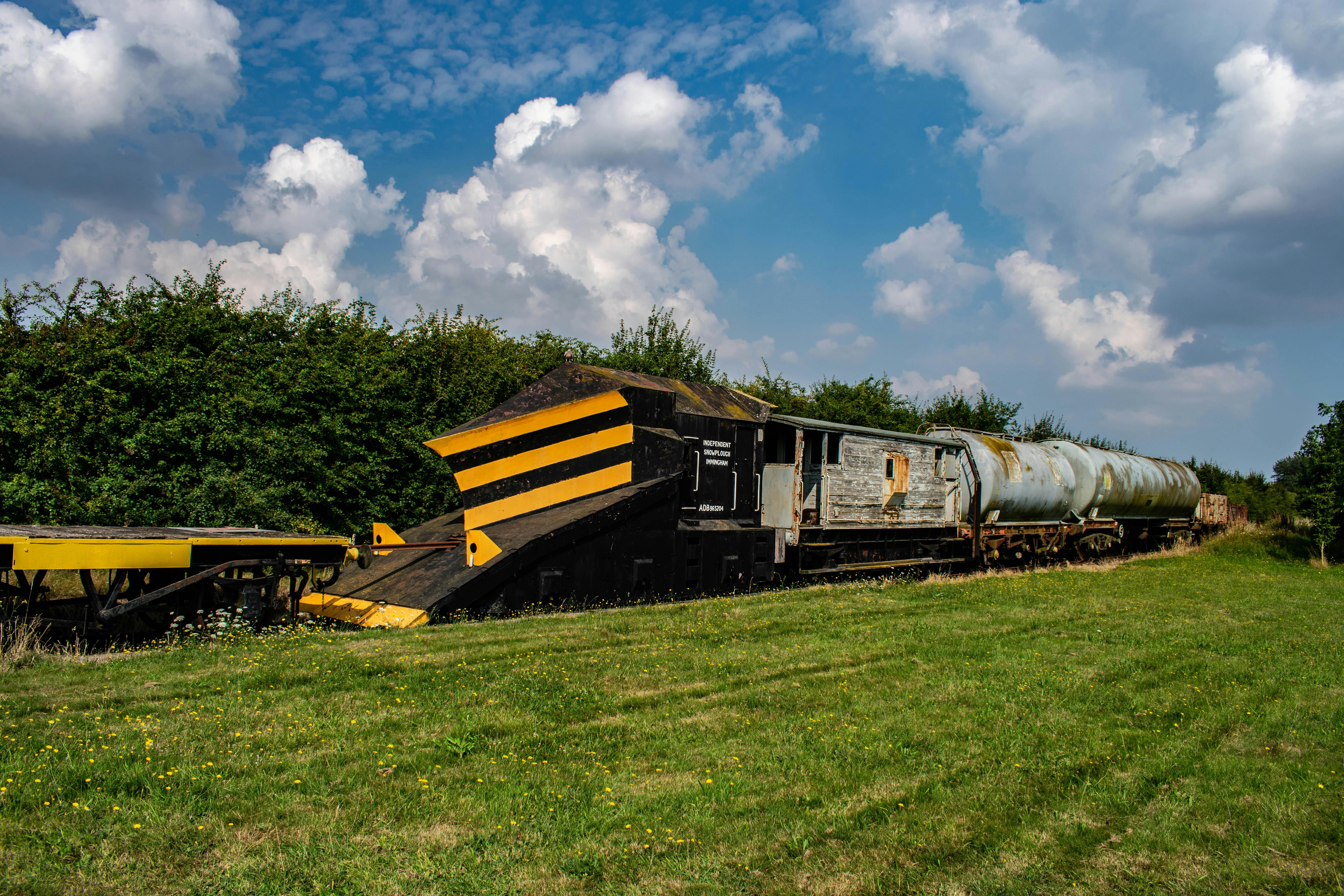
There is a wide variety of items in the museum railway yard and a surprising amount of laid track to store all of this. The majority of this is in serviceable condition and there are even a few volunteers actively working on some of the other Class 03s in the yard and sheds today.
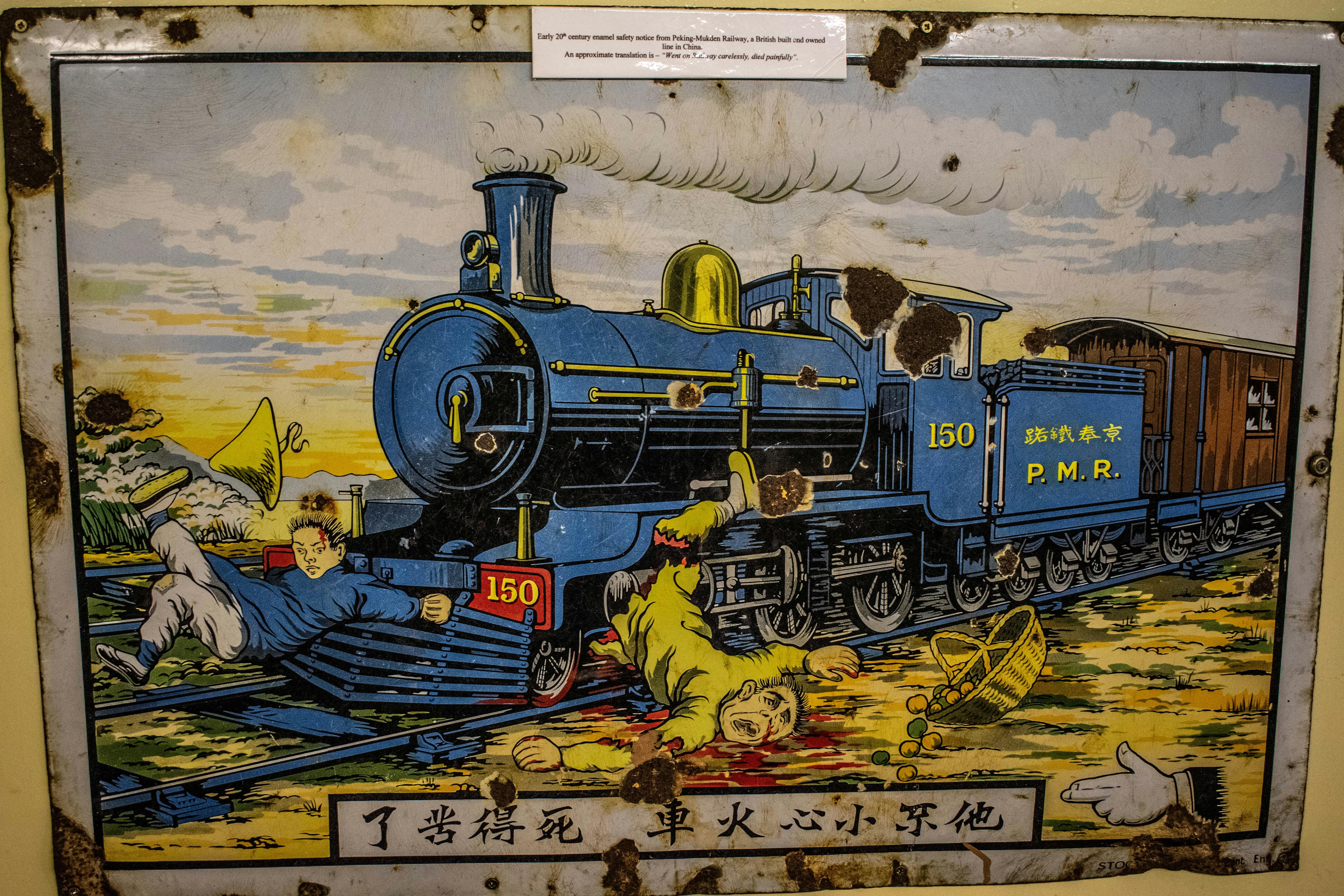
All in all, I thoroughly enjoyed this day. I’ll leave you with perhaps the strangest and darkest poster I came across in the museum, originally from the Peking-Mukden Railway in China which was British built and owned. The wording translates quite brutally as ‘Went on Railway carelessly, died painfully’…sage advice.