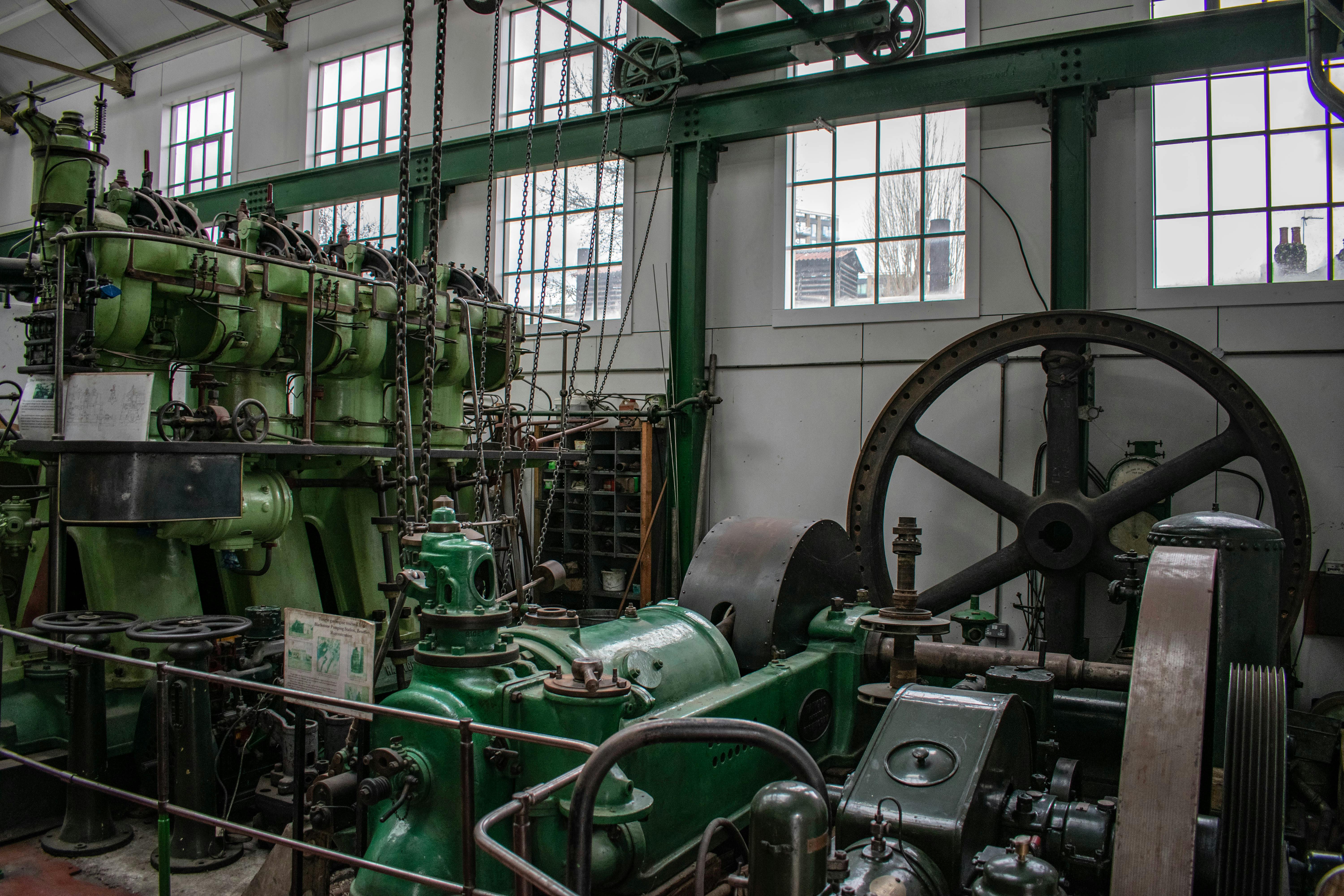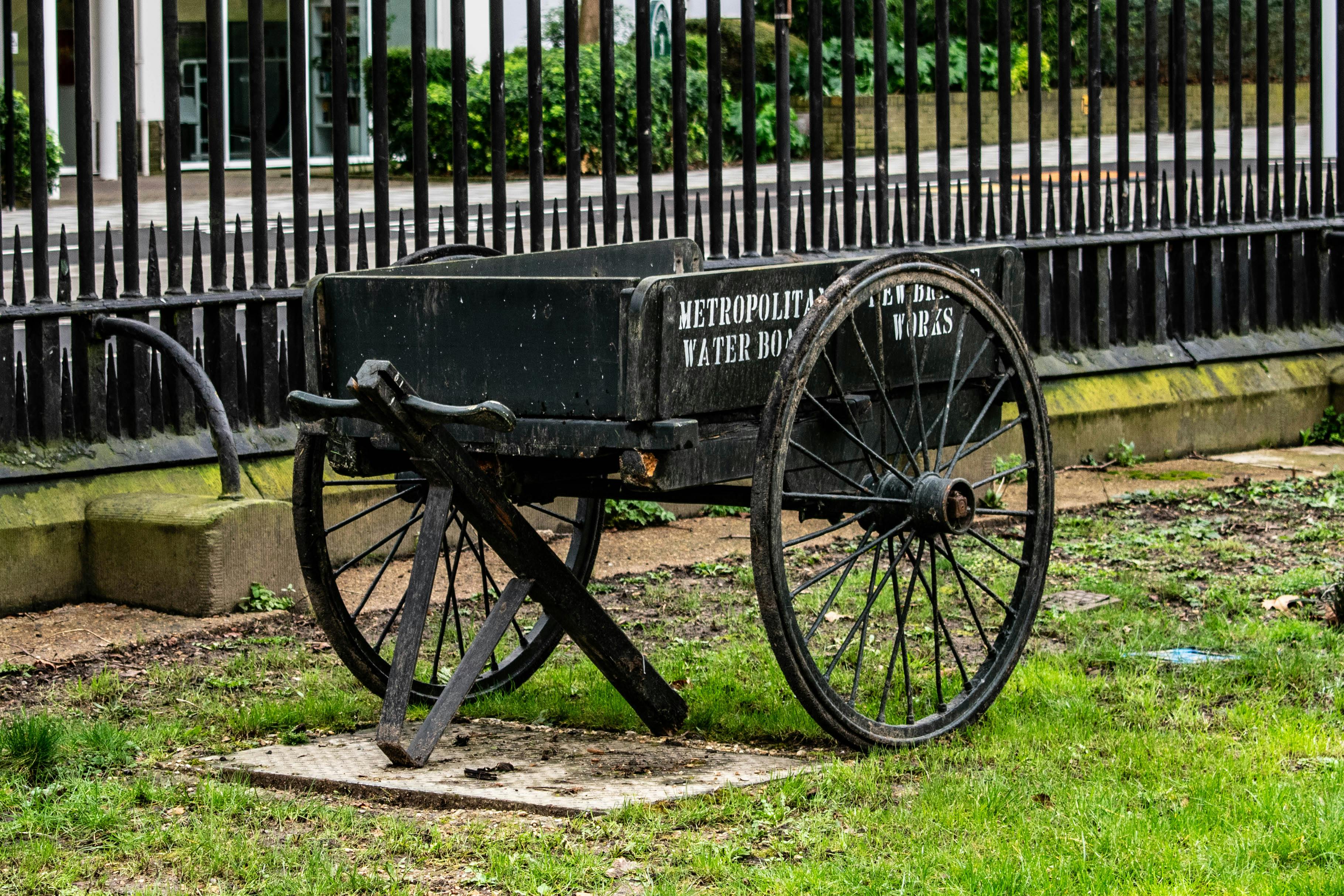
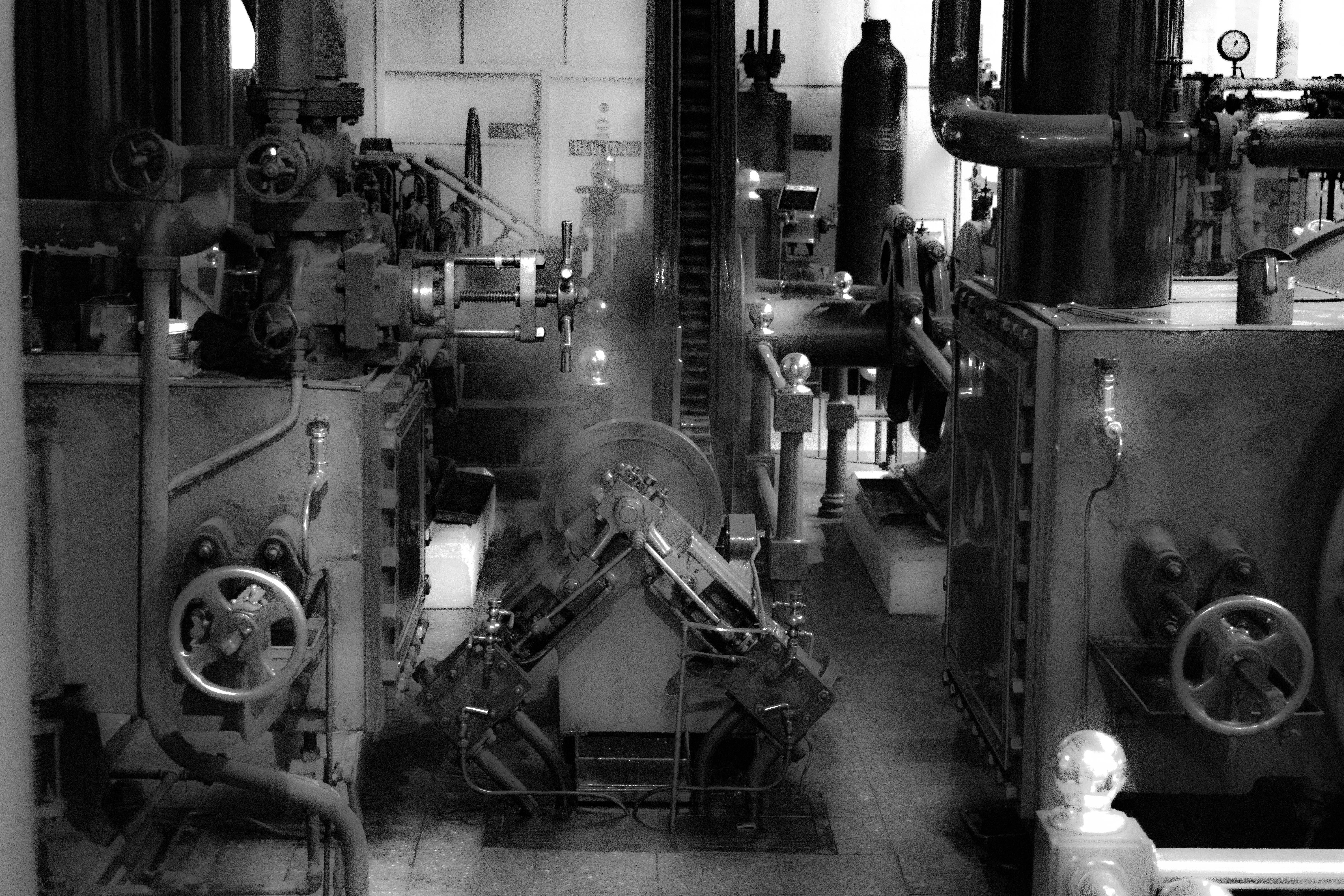
Based at the historic Kew Bridge Waterworks, the London Museum of Water & Steam tells the story of London’s water supply from the Roman era right up to the modern day. This is a working museum and there are some very interesting examples of steam pumping engines; from a smaller sized triple expansion engine right up to the gigantic 90 Inch Cornish Beam Engine which was the largest engine in the world when installed in 1846. The museum comprises a variety of engines, some which were purpose built and only ever lived in Kew Bridge Waterworks and others (mostly those in the main hall) which have been transported in from elsewhere in the country to restore, run and keep them in preservation.
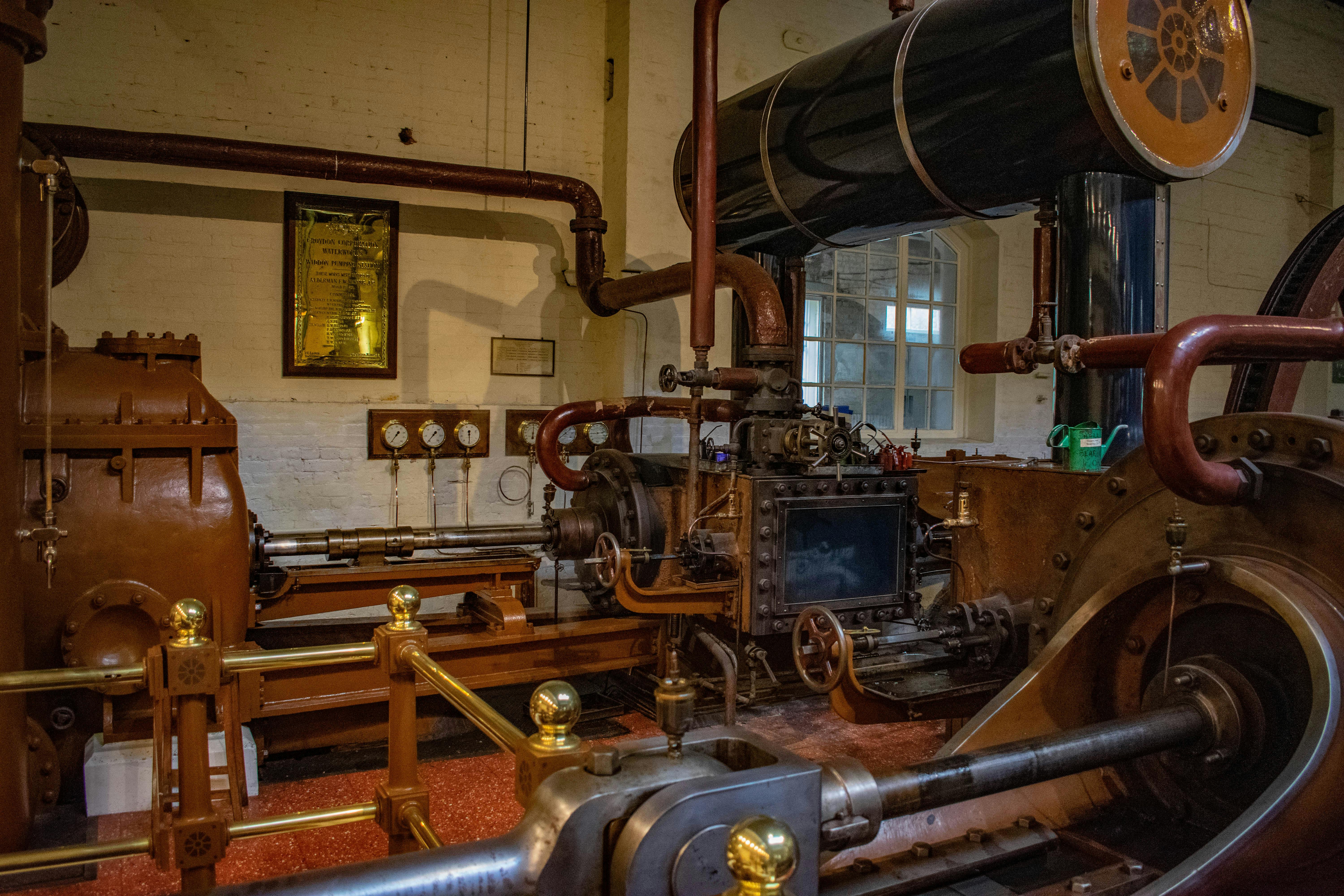
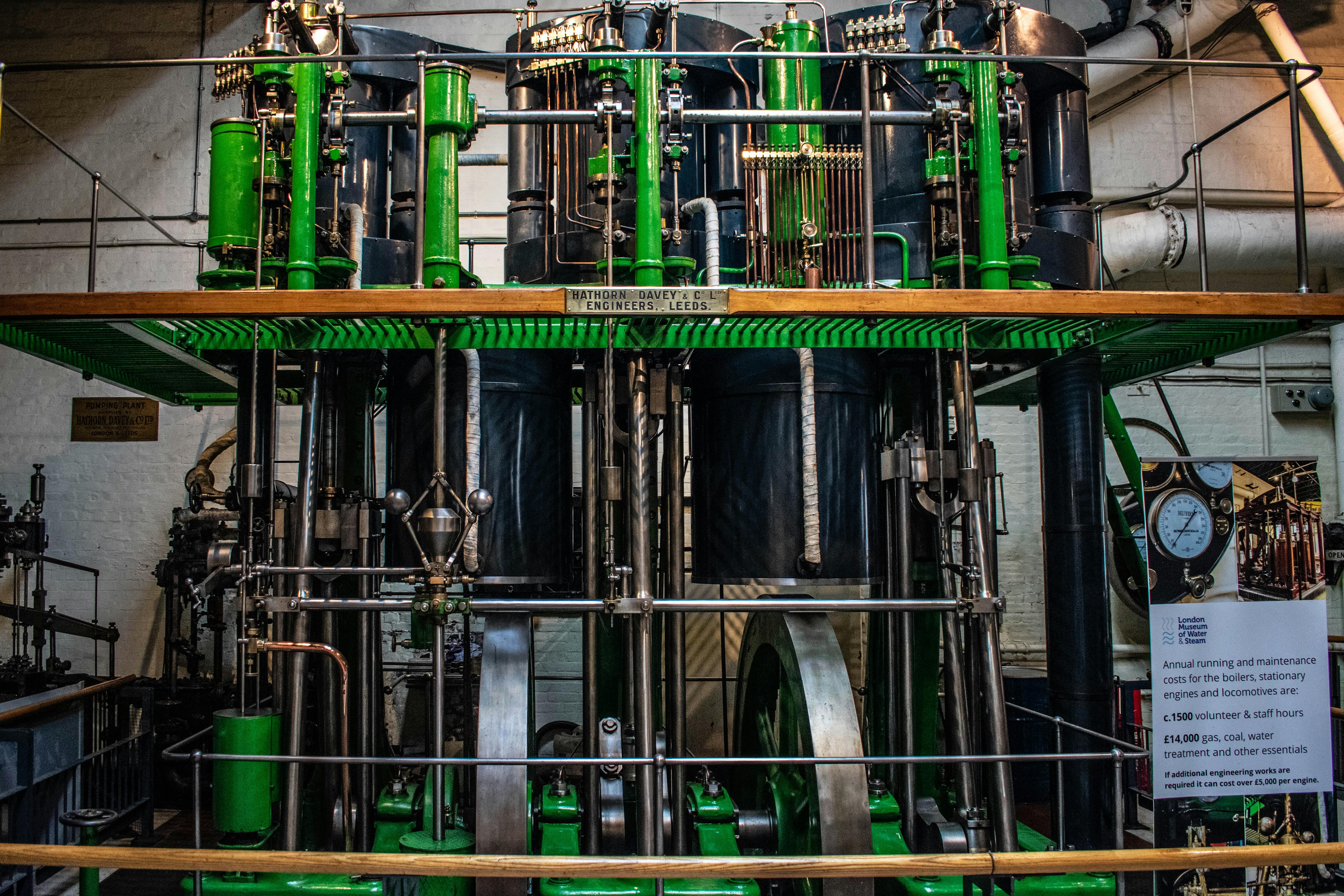
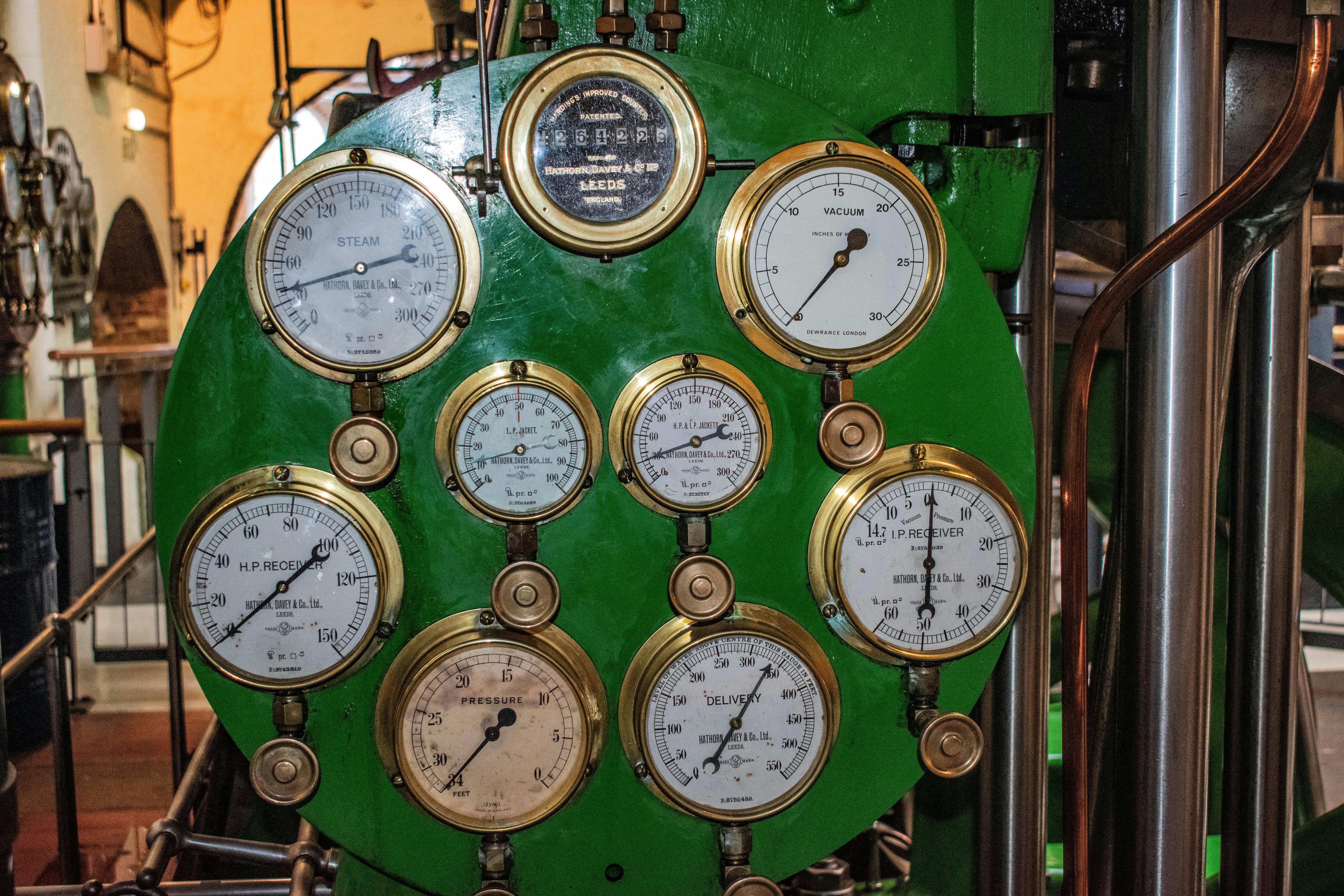
The engines in the main display room are kept in excellent condition and there are a few machines in here you may recognise such as the Triple Expansion Engine…although this one is nowhere near as big as the one at Kempton Steam Museum.
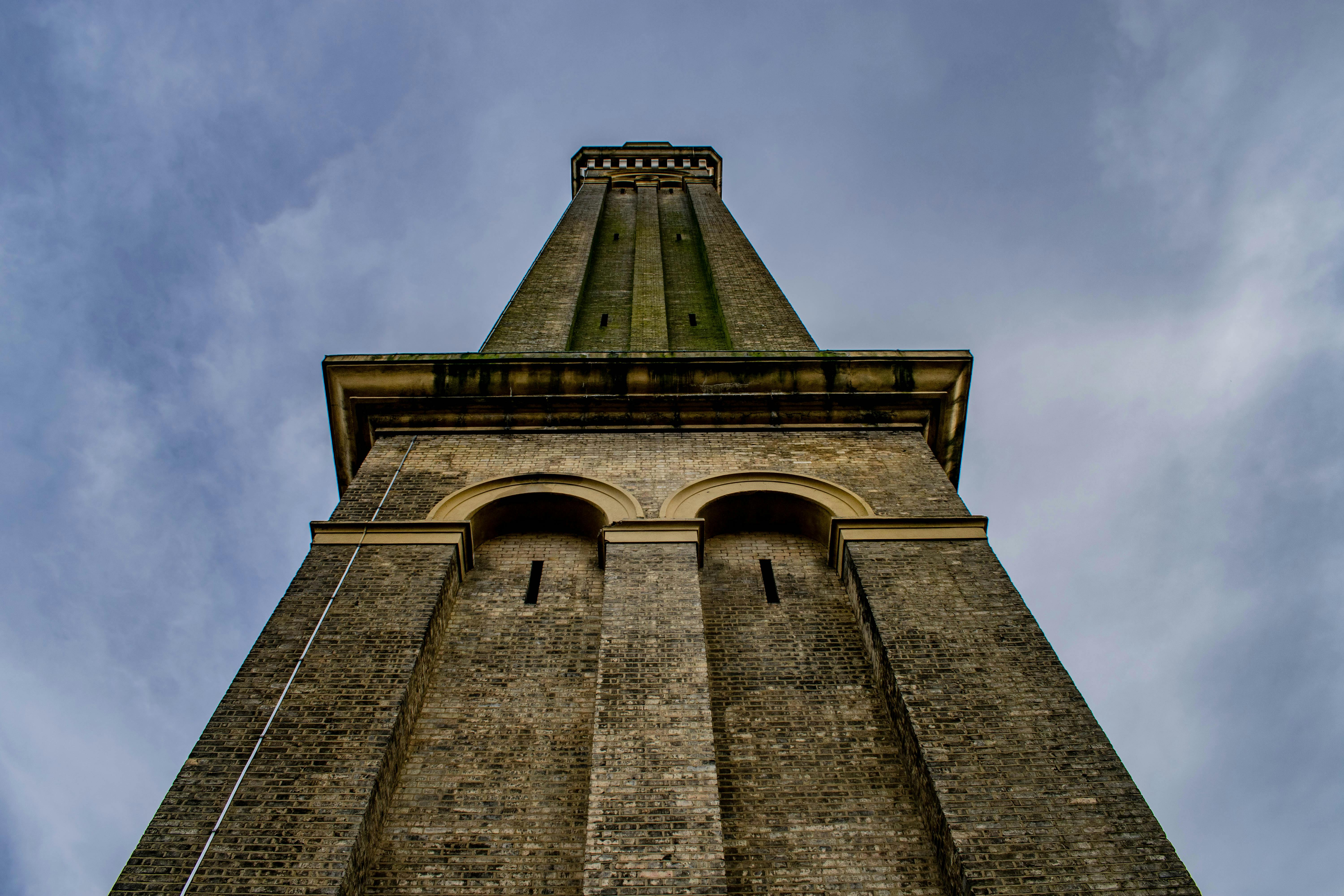
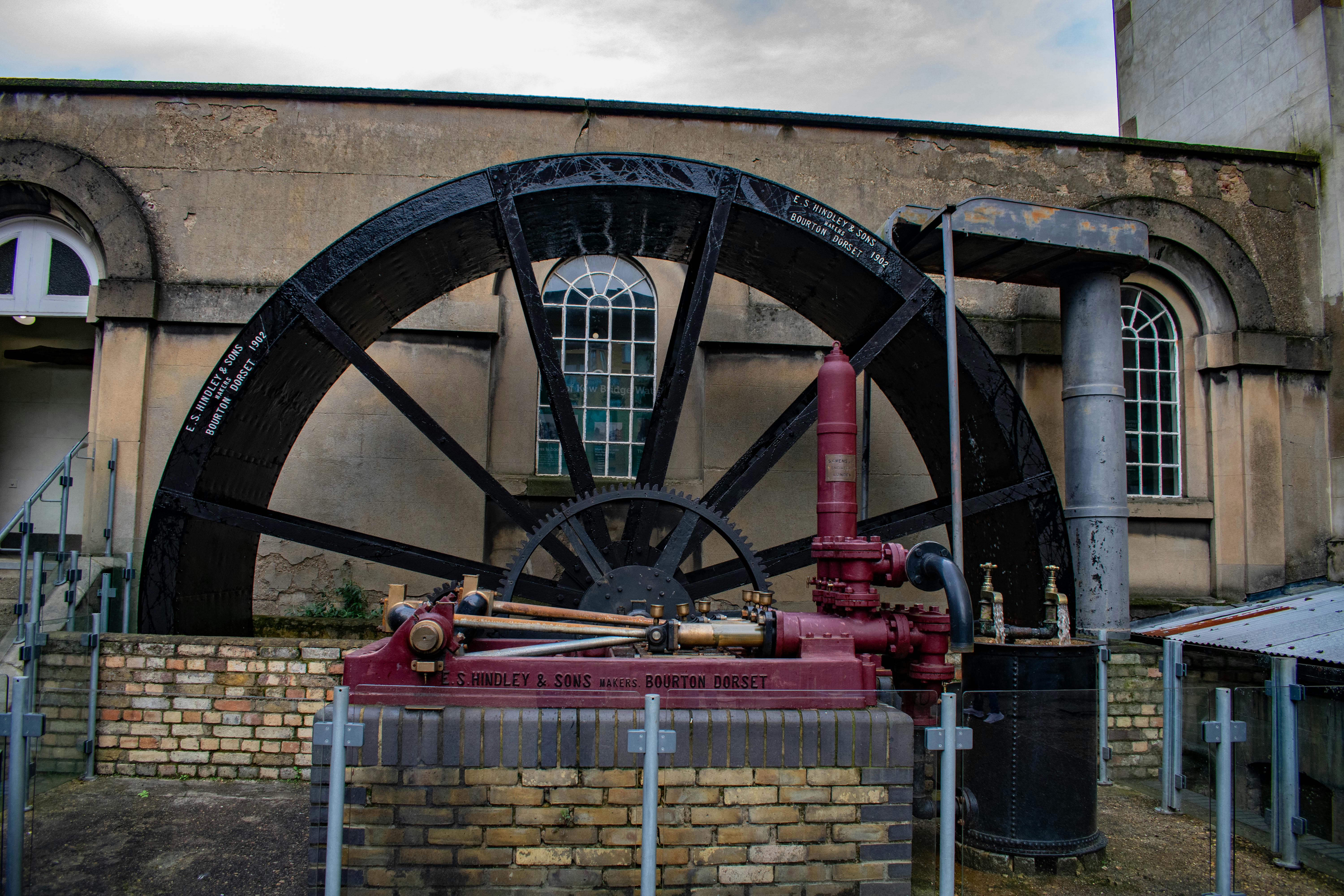
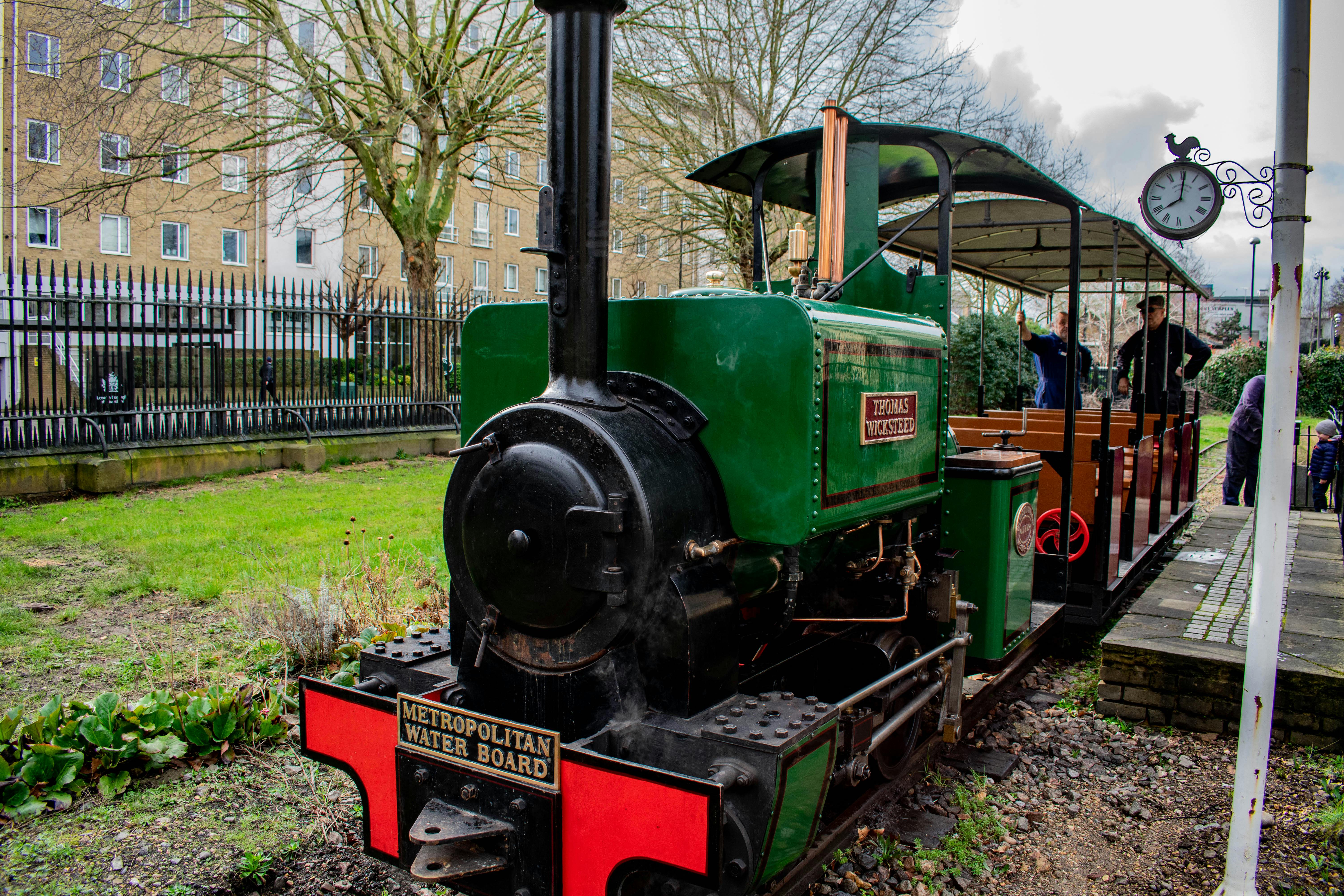
Moving outside the Museum, there’s plenty to see also. From the striking standpipe tower, the waterwheel and probably the shortest miniature railway in existence. It literally goes from one side of the building to the other…but of course I had to ride it. The standpipe was intriguing to learn about as it’s not a chimney as people commonly think. Due to the pressure of the water that would have been generated on site and pumped in ‘pulses’ (due to how the Cornish engines worked), water can not simply be pumped into the mains at ground level due to the differential in pressures. Instead, these pulses are evened out by pumping the water up and then allowing gravity to bring it back via a separate pipe (the descender). This is one of the few last remaining original standpipe towers left in the world.
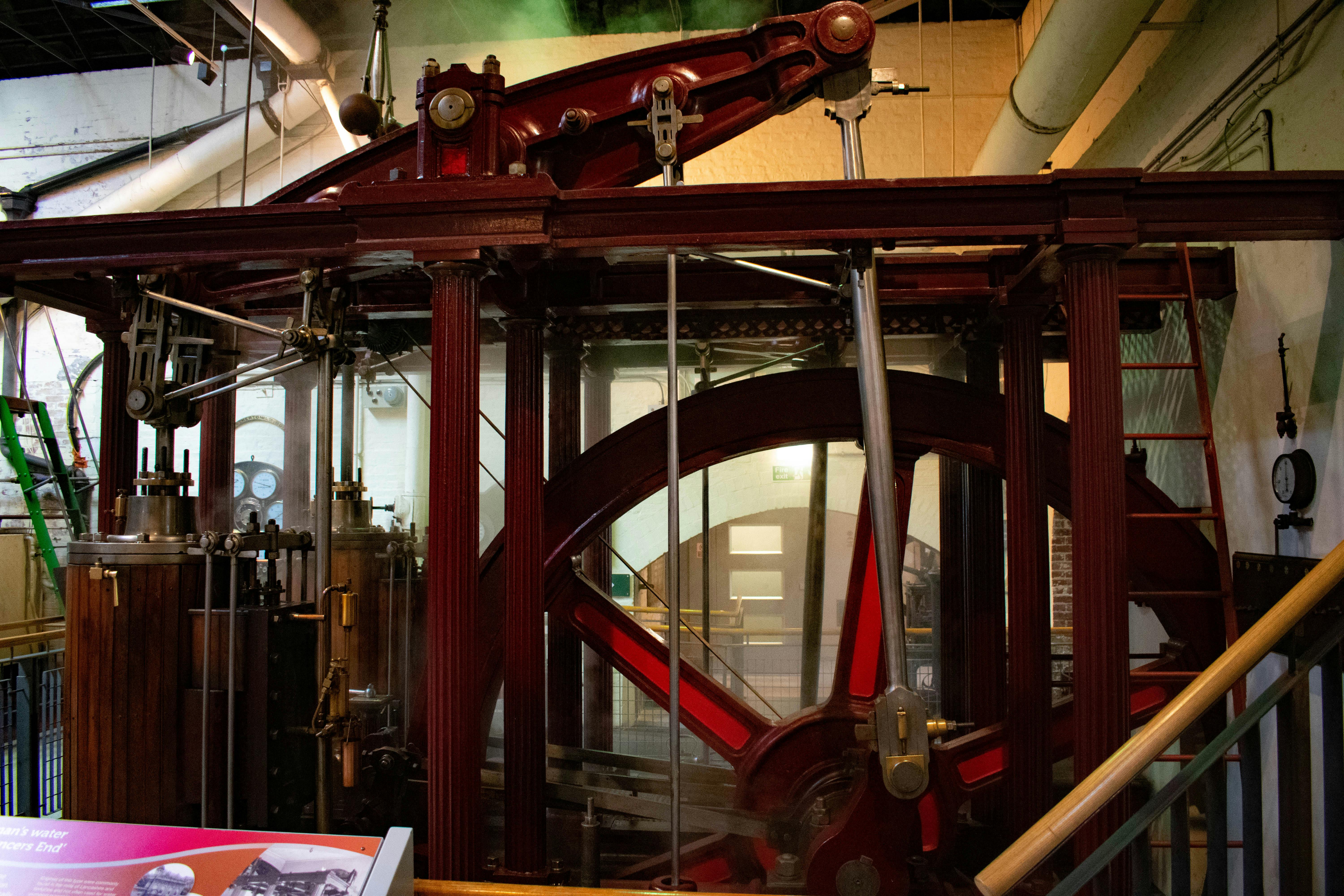
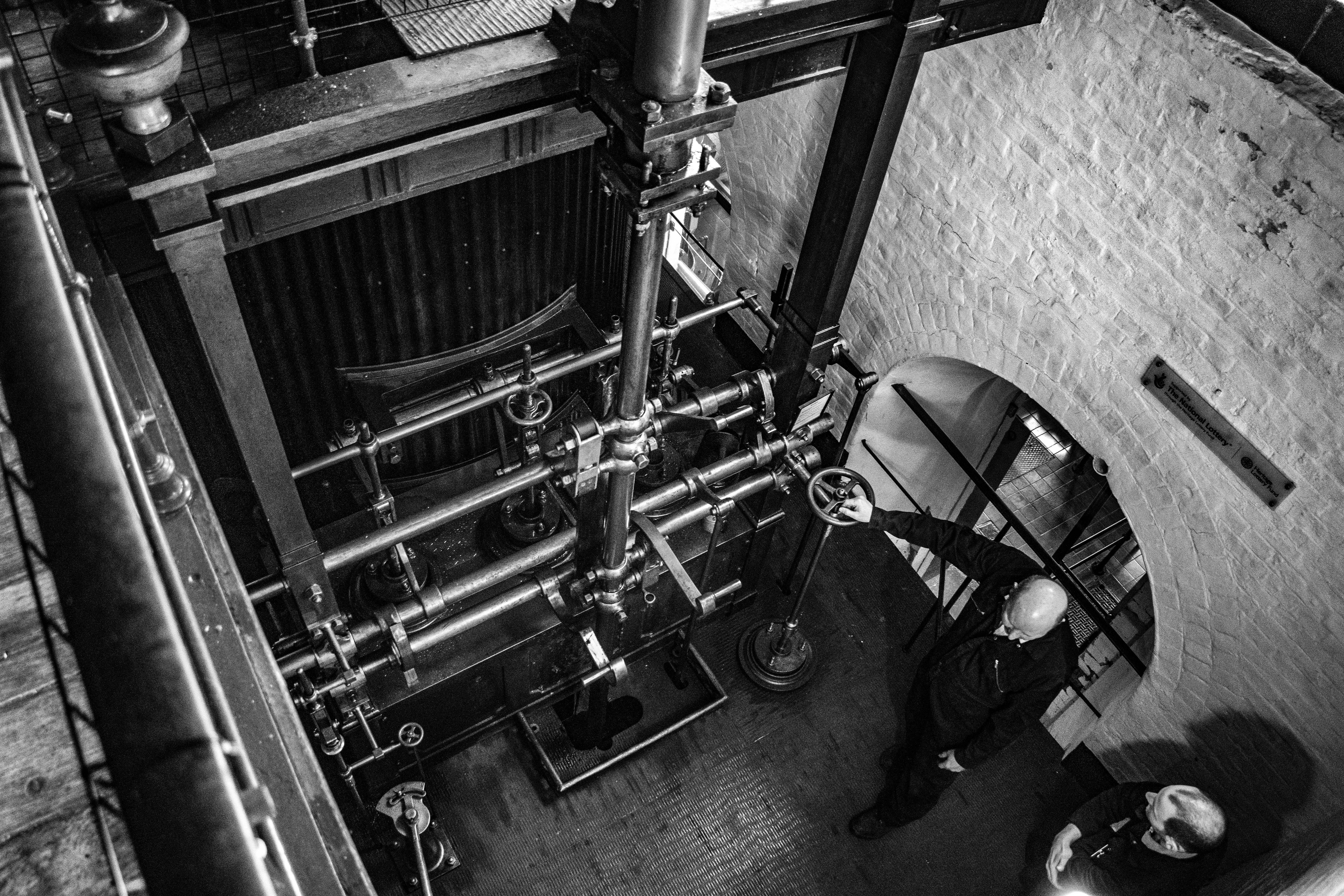
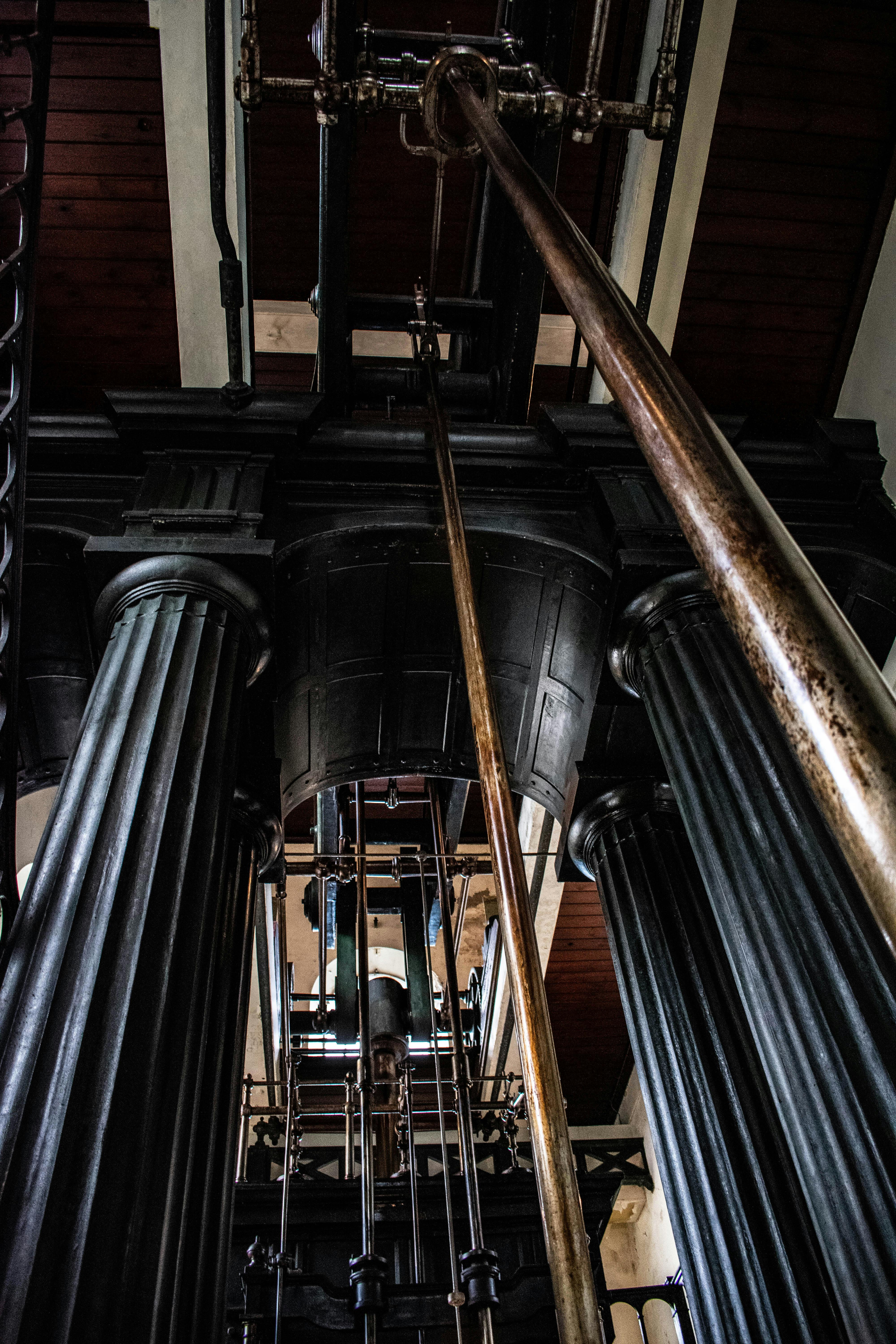
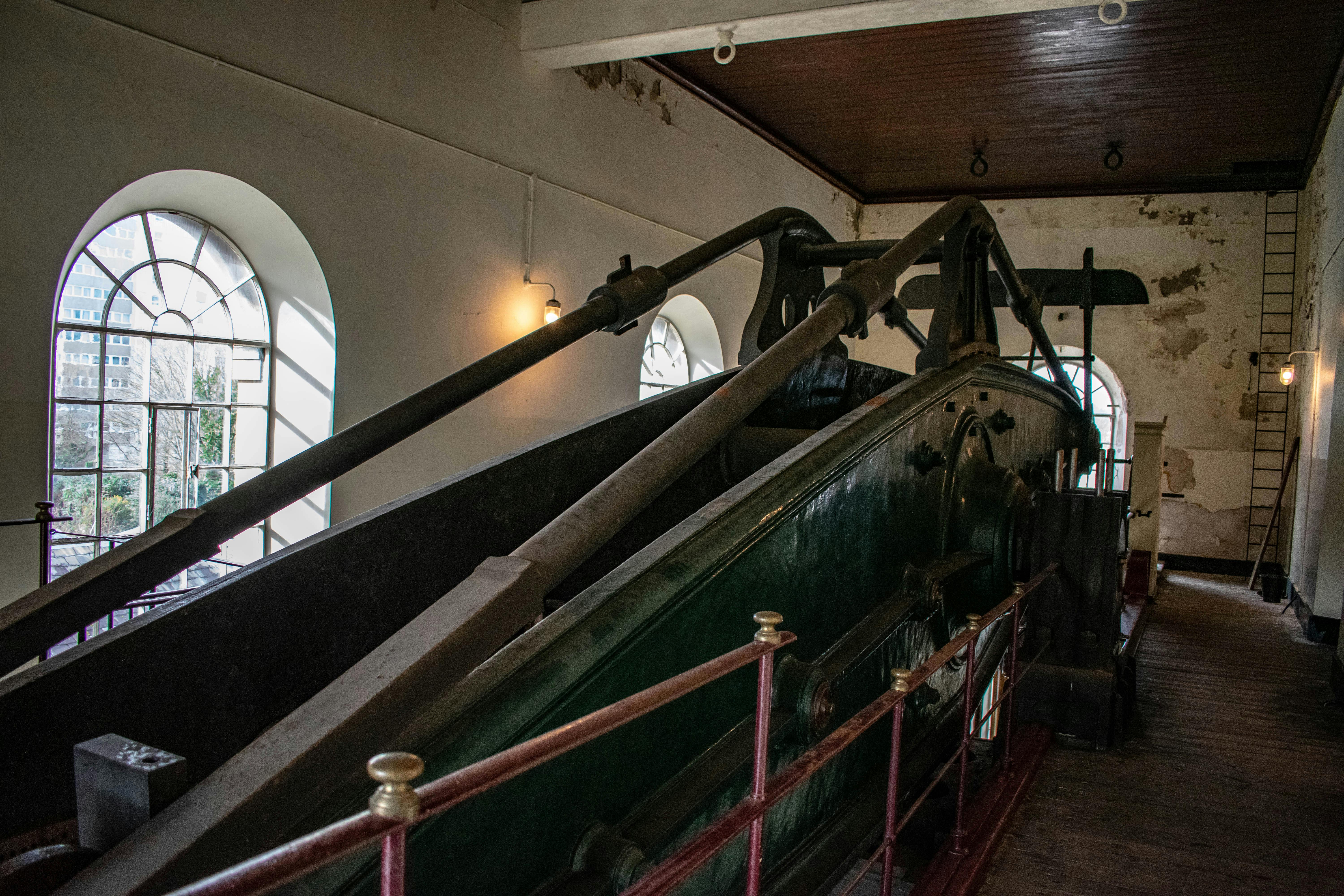
Heading back inside and we’ve been allowed access to all levels of one of the big ‘uns; The Bull. Originally installed new at Kew in 1857-59, Cornish engines were seen as more efficient than other types of engines owing to being constructed in both cast and wrought iron. This provides greater strength allowing the engines to withstand much higher steam pressures. The footprint of one of these engines is also about half of a typical beam engine. Seeing it restored and in working order is a sight to behold. Listen out for the characteristic ‘thump’ below when the cylinder reaches the bottom of it’s down cycle.
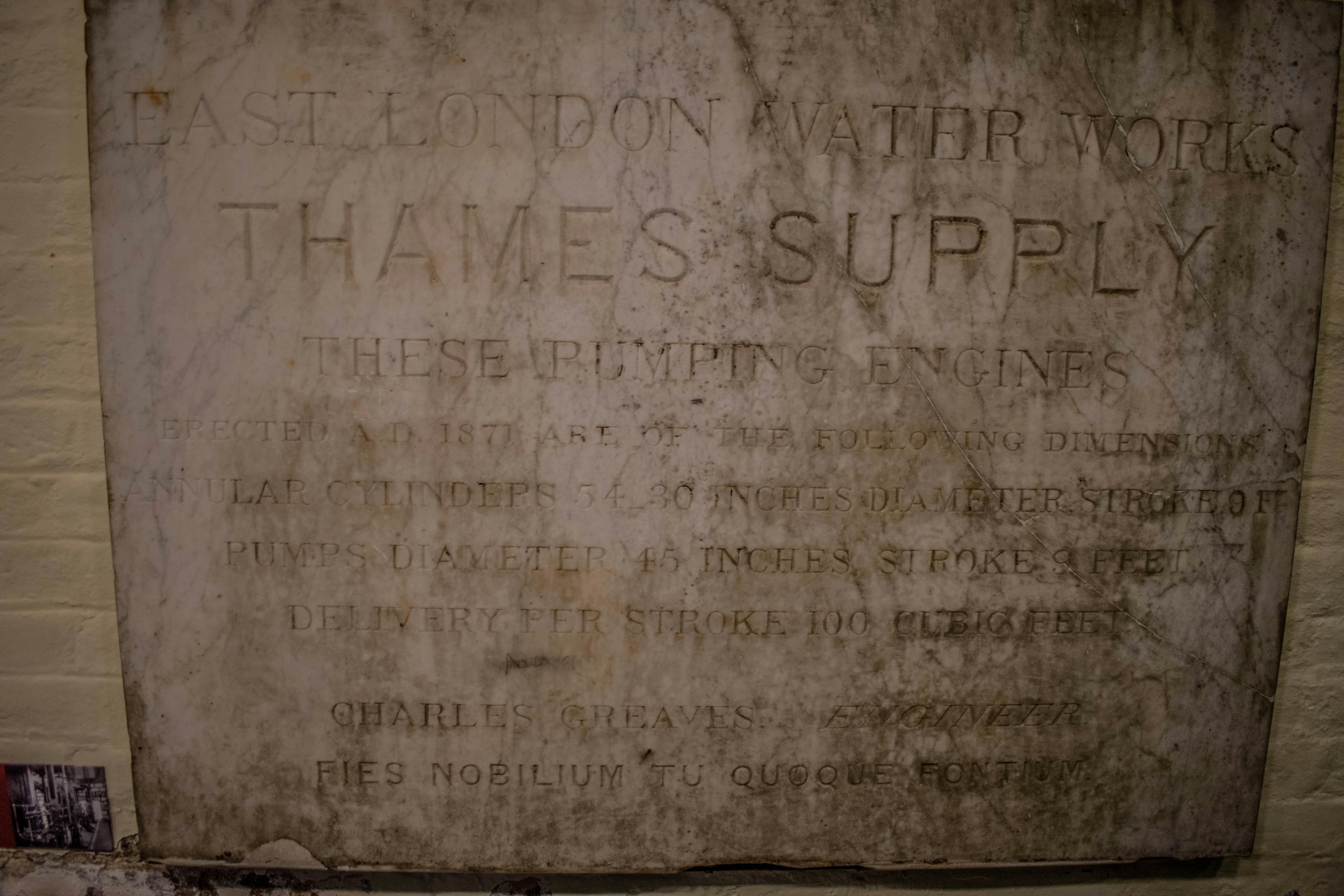
The next one to get up close to is the 90 inch. Another Cornish Engine, installed new at Kew in 1846. Pictures do not convey the size of this, the cylinder alone is 90 inches wide (hence the name) but remarkably it has remained largely unaltered to this day and ran almost daily for over 100 years!
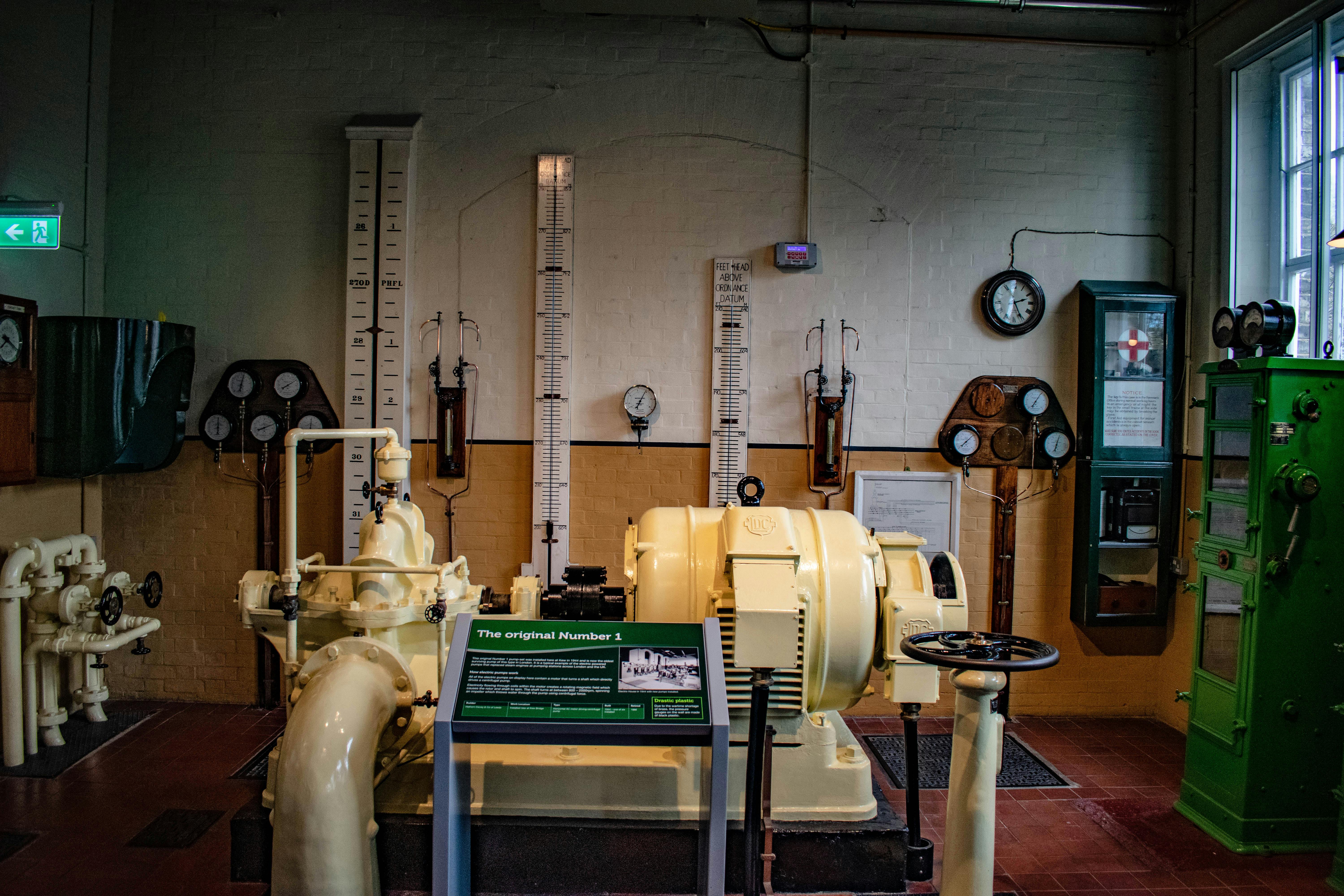
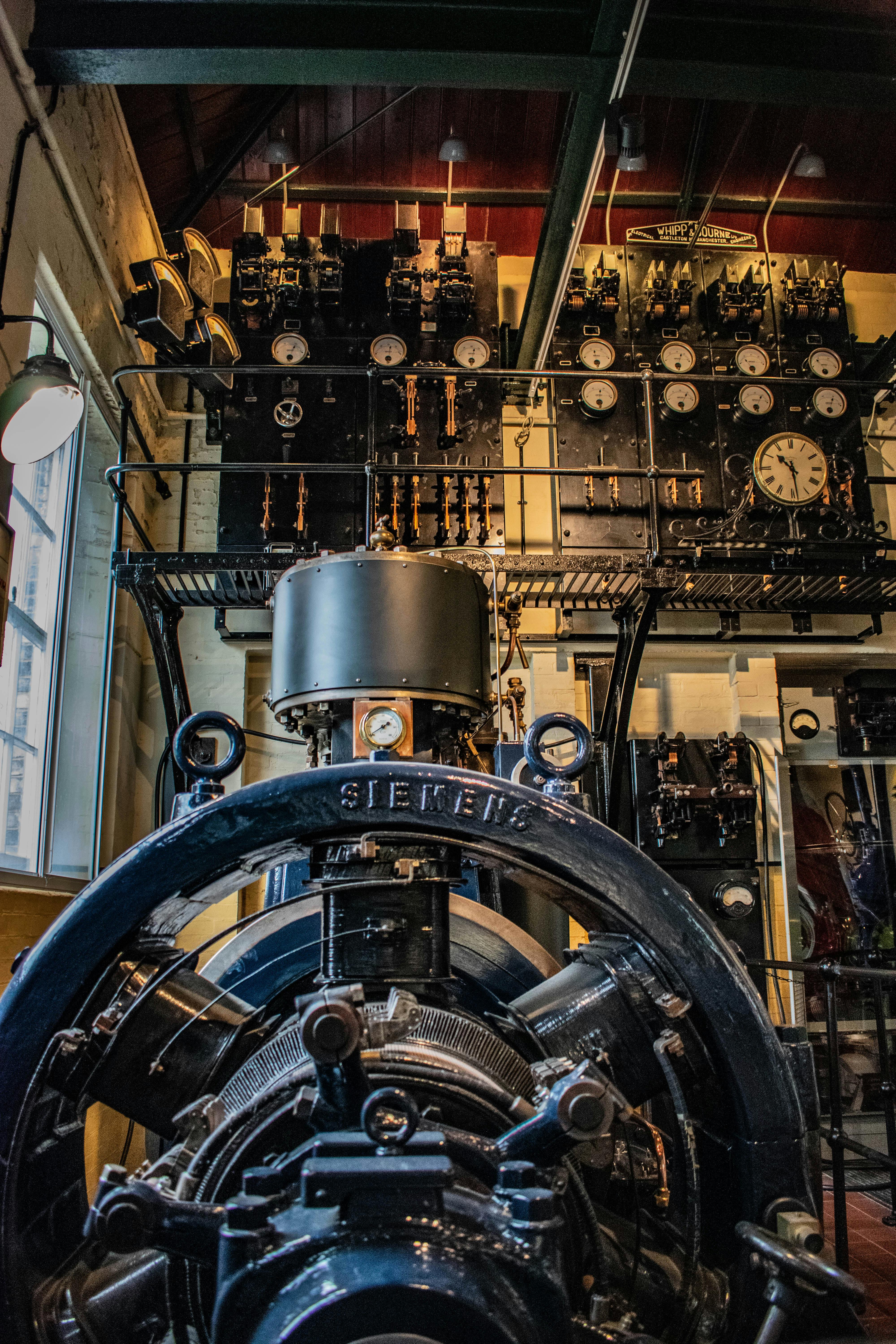
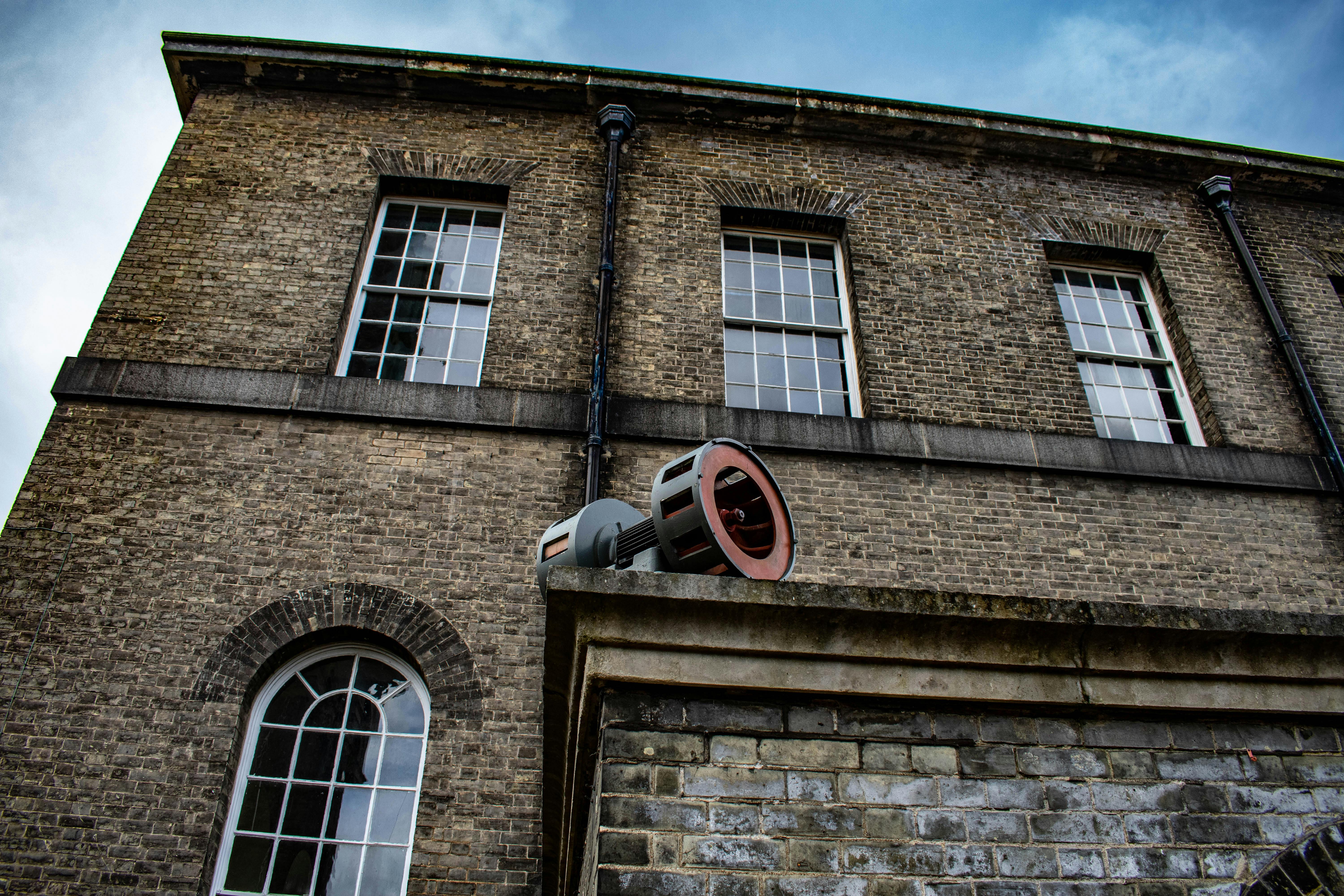
As with all things, advances are made and steam power entered decline to be replaced by more efficient diesel engines and eventually electric pumping motors; all of which take up a much smaller footprint than many of these engines. The museum has a collection of the diesel and gas engines that ran to pump water, as well as the first electrically operated water pump. Enjoy these last few images of the day.