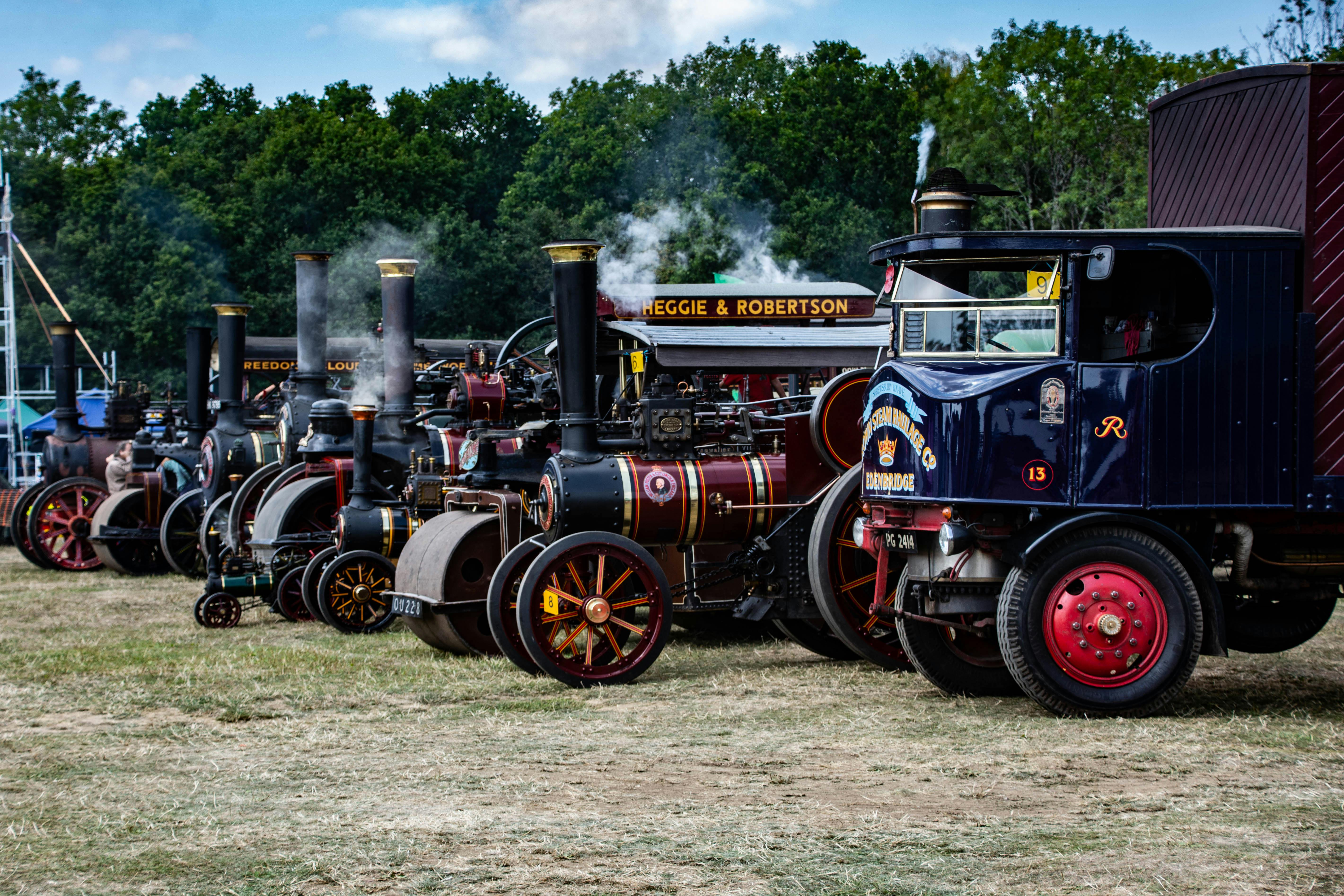
It’s time for another anniversary and it’s happening on the Isle of Wight. The Island is celebrating the 50th year of its annual island steam fair at the Isle of Wight Steam Railway. This four day extravaganza is packed with tractors, traction engines, showman’s engines, steam rollers and of course, the railway is in full operation. We’re in the heat of summer and the weather is scorching. As you will see from some of the photos, there is hardly a cloud in the sky and the sun is beaming day which is great for sun worshippers but a photographers nightmare.
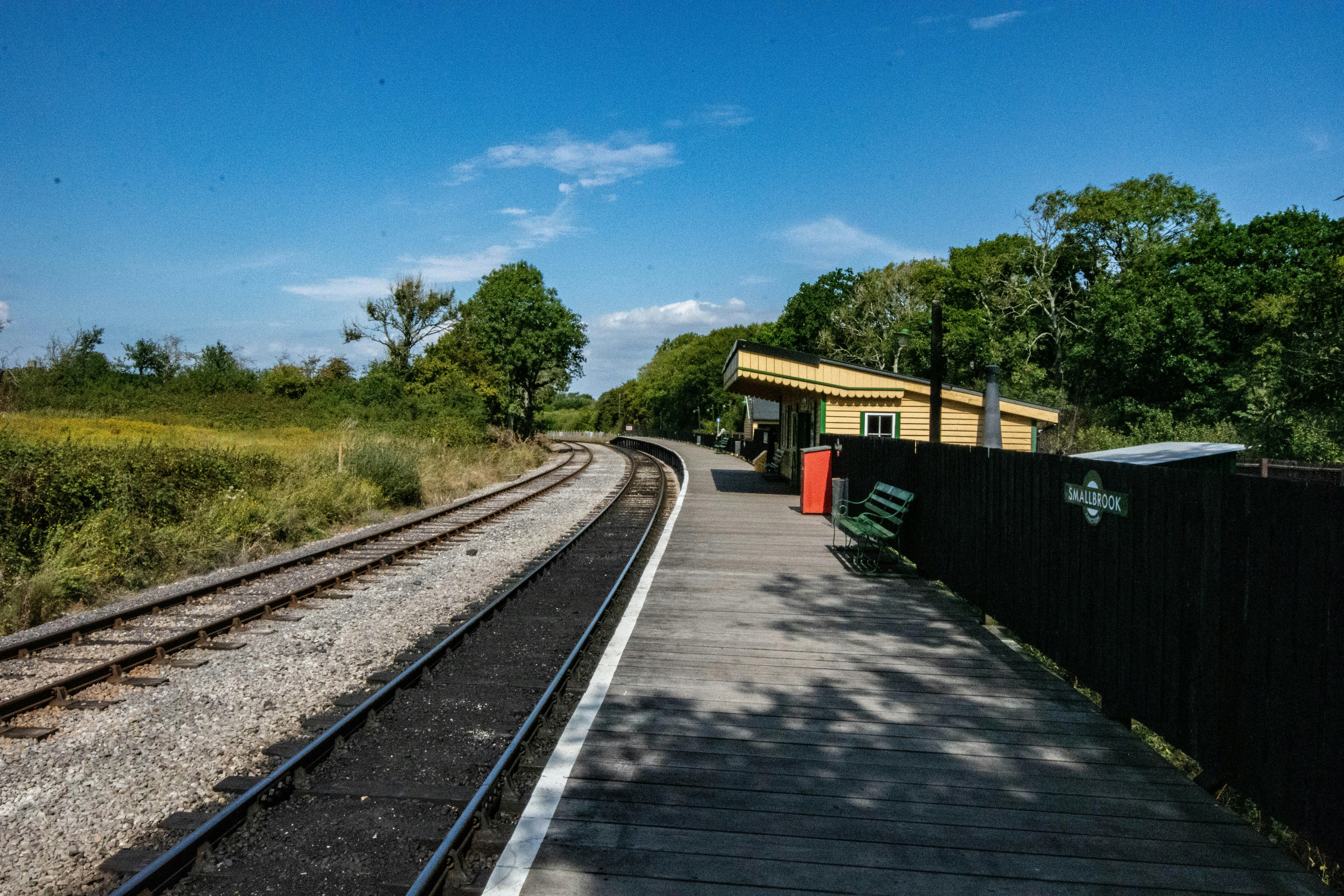
Our journey today begins at Smallbrook junction, which connects the steam railway with the ONLY remaining other railway on the Isle of Wight. There used to be many other lines on the island once upon a time but as we will discover later on, that is no longer the case.
Smallbrook Junction
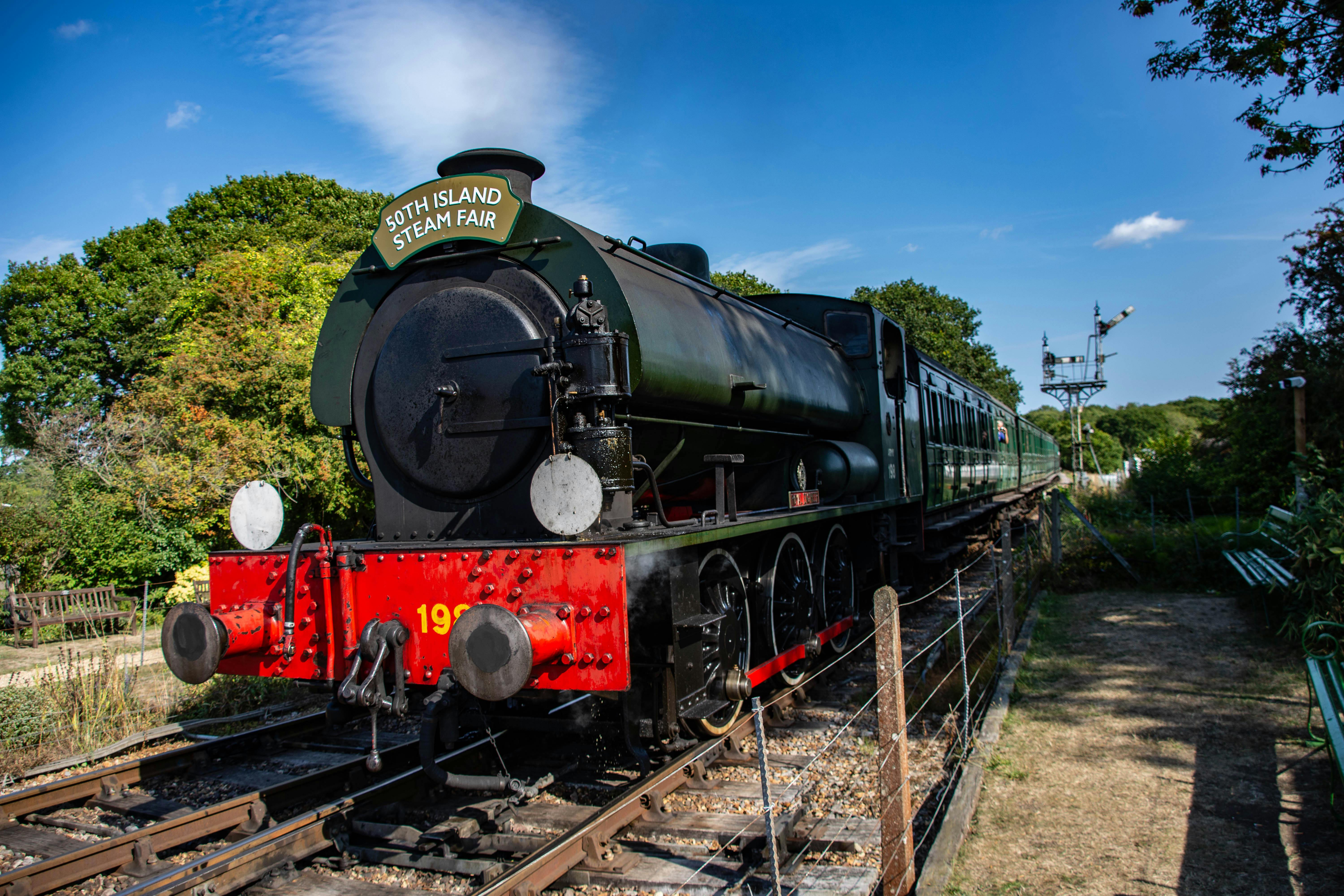
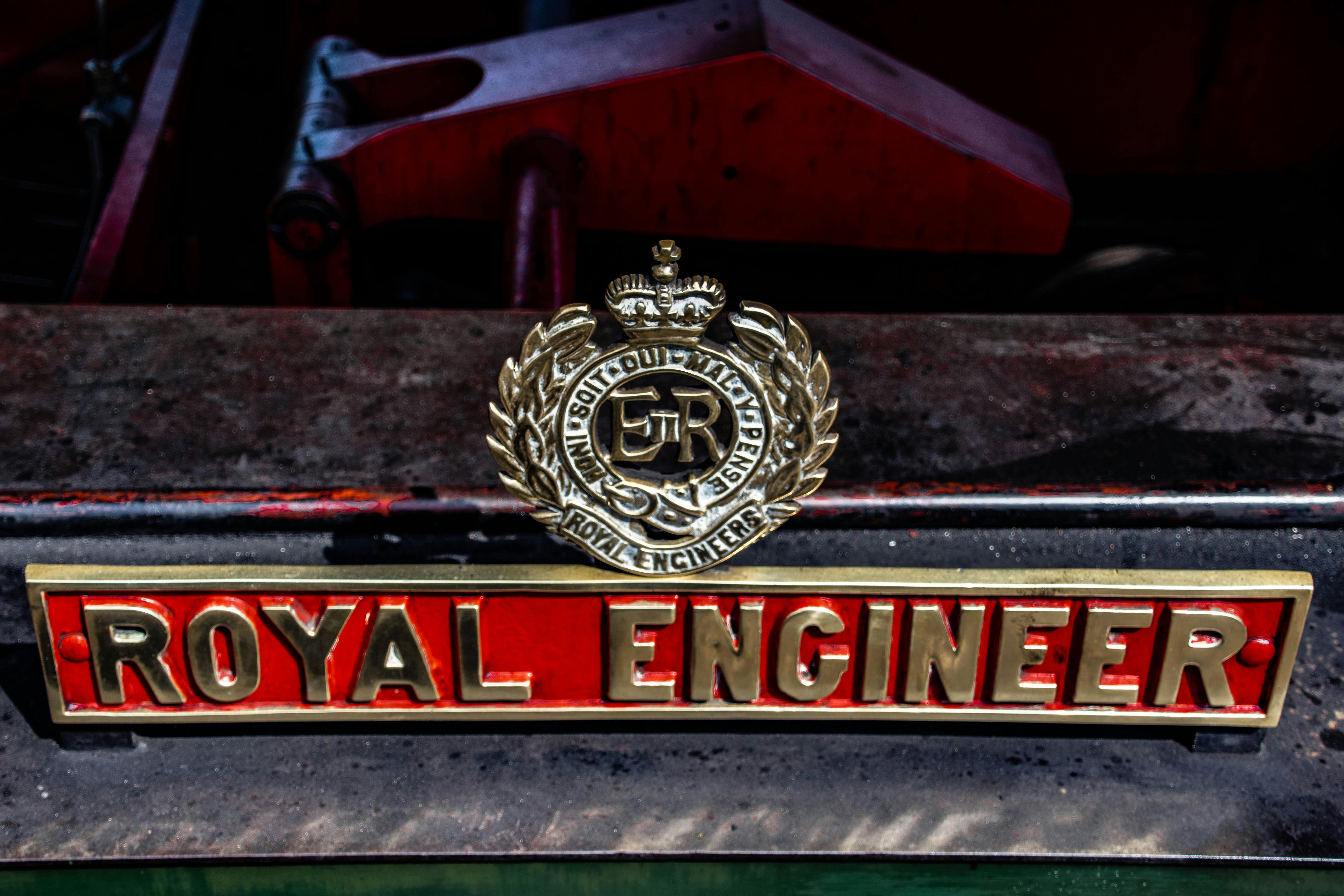
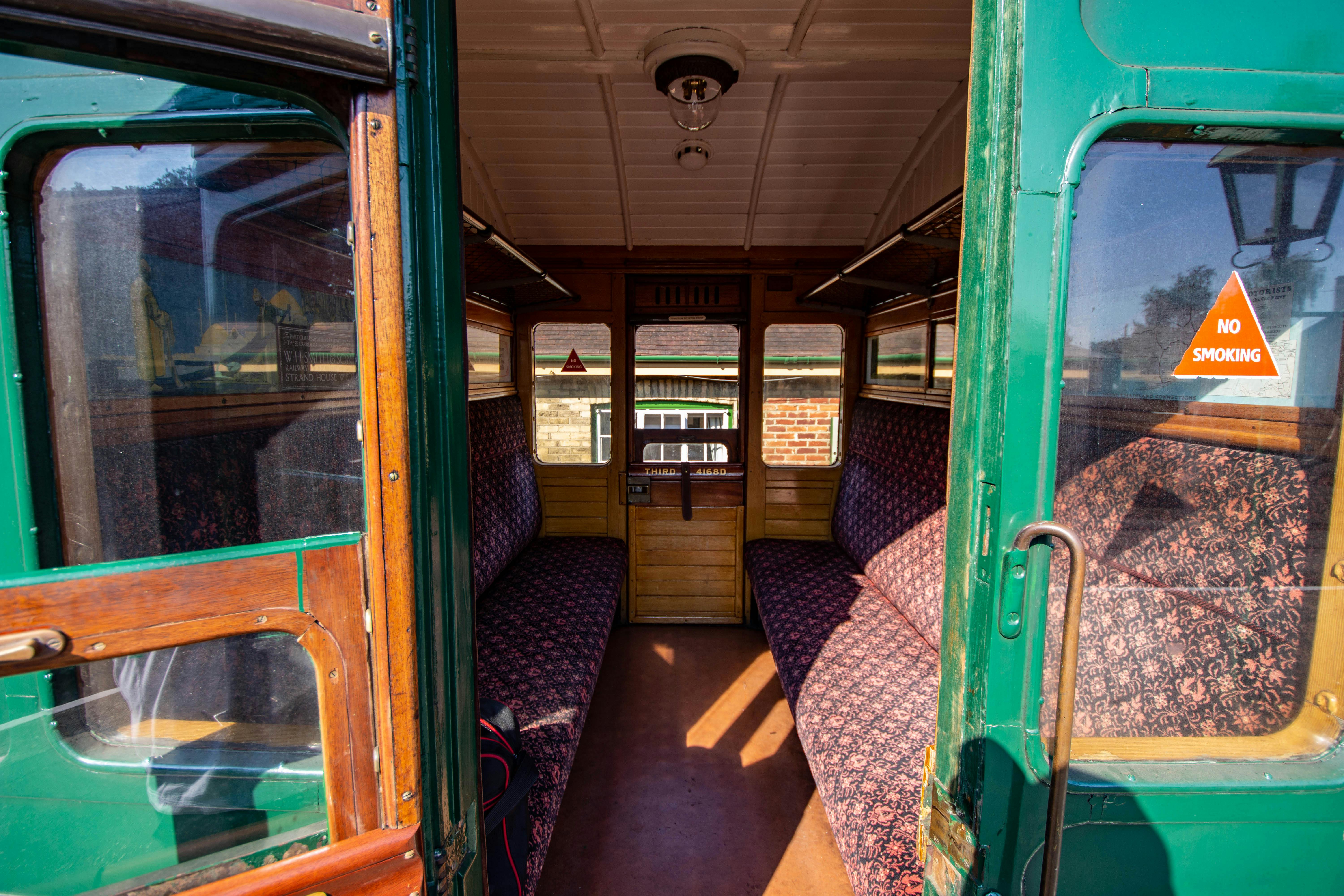
There are two locomotives in steam today and the first one which we board at Smallbrook Junction is hauled by a Hunslet ‘Austerity’ Class 0-6-0ST 198 ‘Royal Engineer’. The Victorian 4-wheeled carriages we ride in today have been rescued and restored by the railway following the original closure in 1968.
Ashey Station
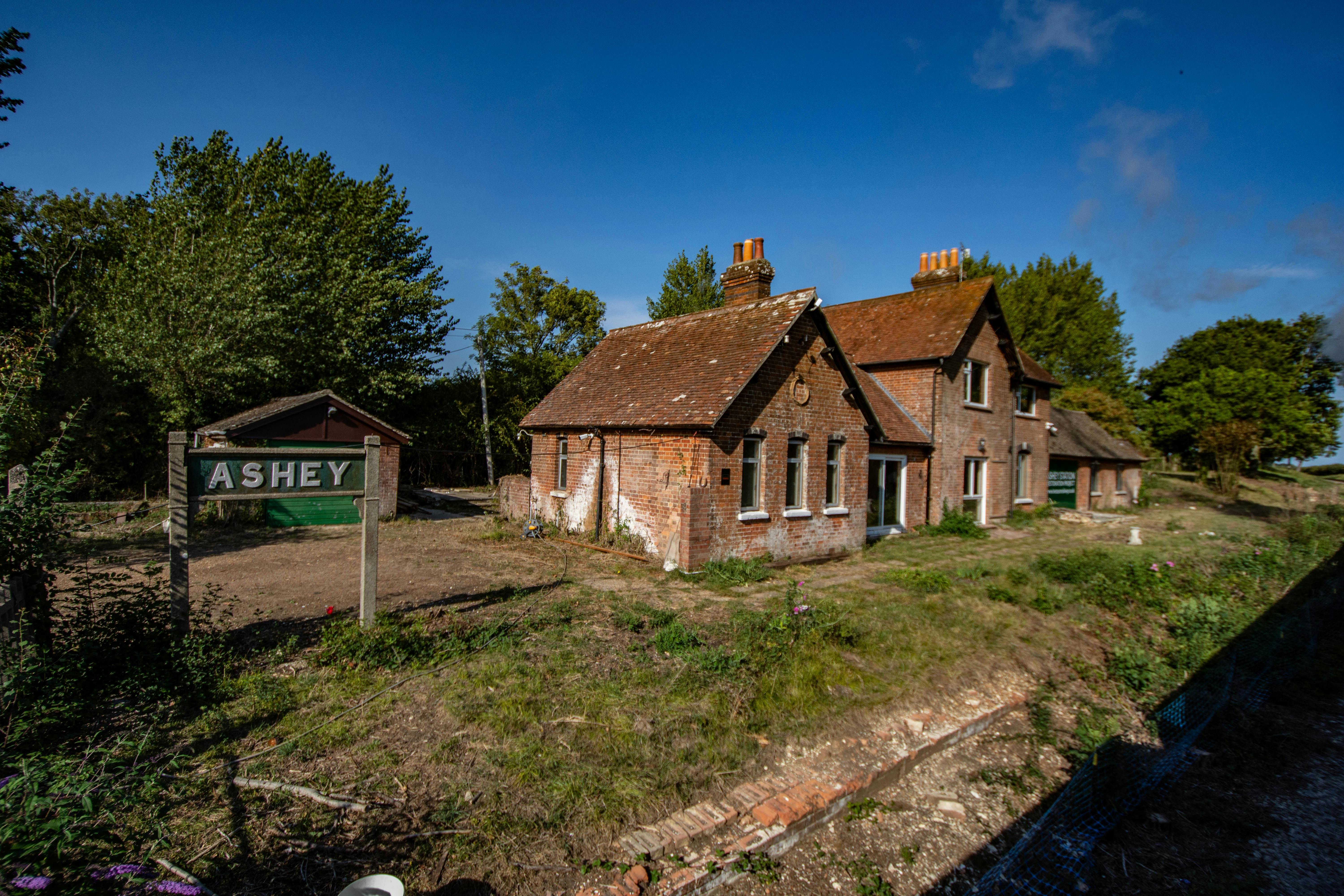
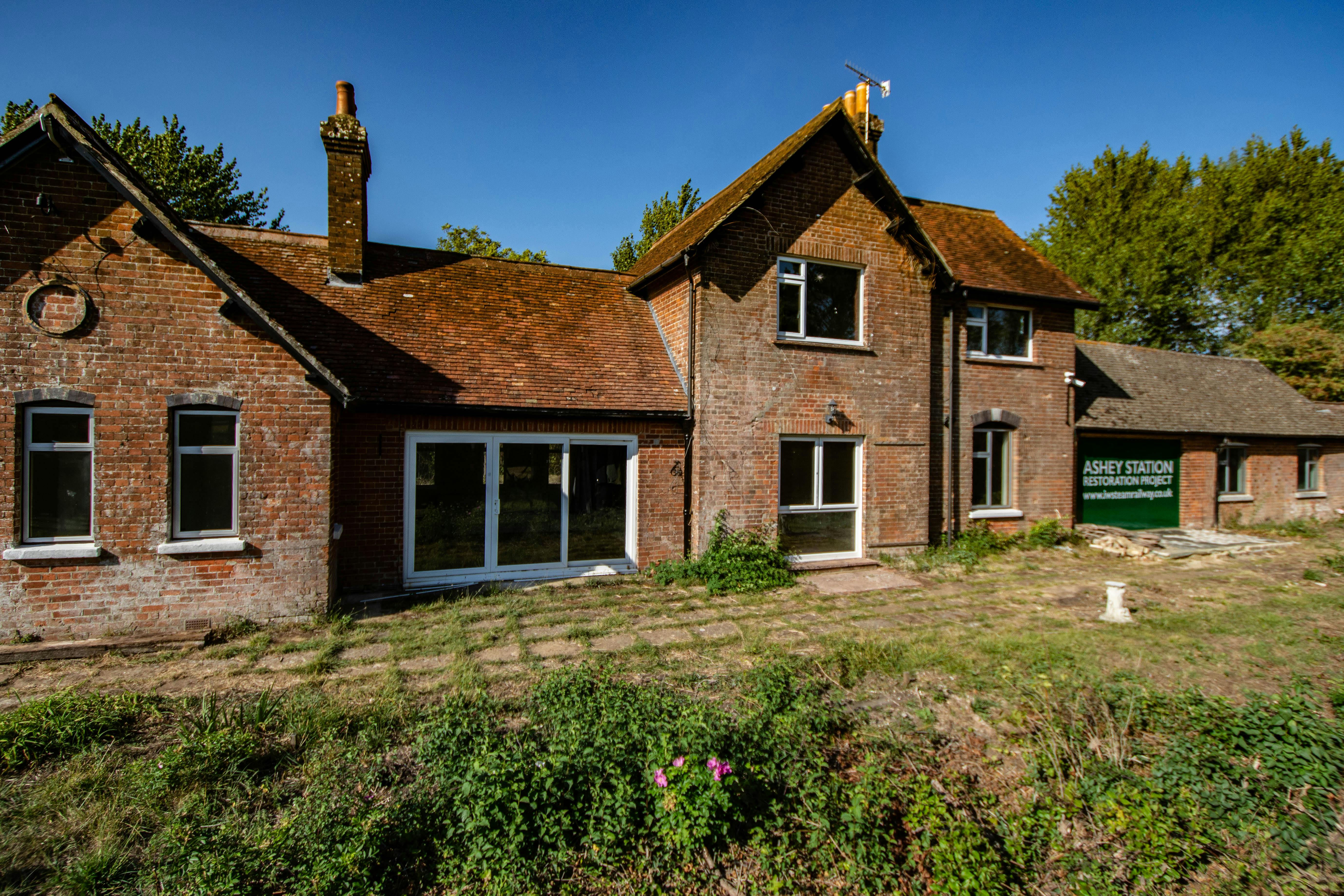
The first station we come across down the line is actually currently not in service. Infact, it has not been in operational service since the line originally closed in 1968. Ashey station was sold into private ownership in 1968 and has remained so since this time, despite the line going into preservation and running for many years since. In 2025 however, after much negotiation, the station, buildings and grounds have been successfully acquired by the railway. This is amazing news for the railway and a restoration project has been launched to convert the private residence back into a Southern Railway 1926 period station. It’s going to cost in excess of half a million pounds to do so but I very much look forward to seeing the outcome. You can see the state of the current station below. Work is also needed to restore the platforms and re-instate a passing loop at the station.
Havenstreet Station
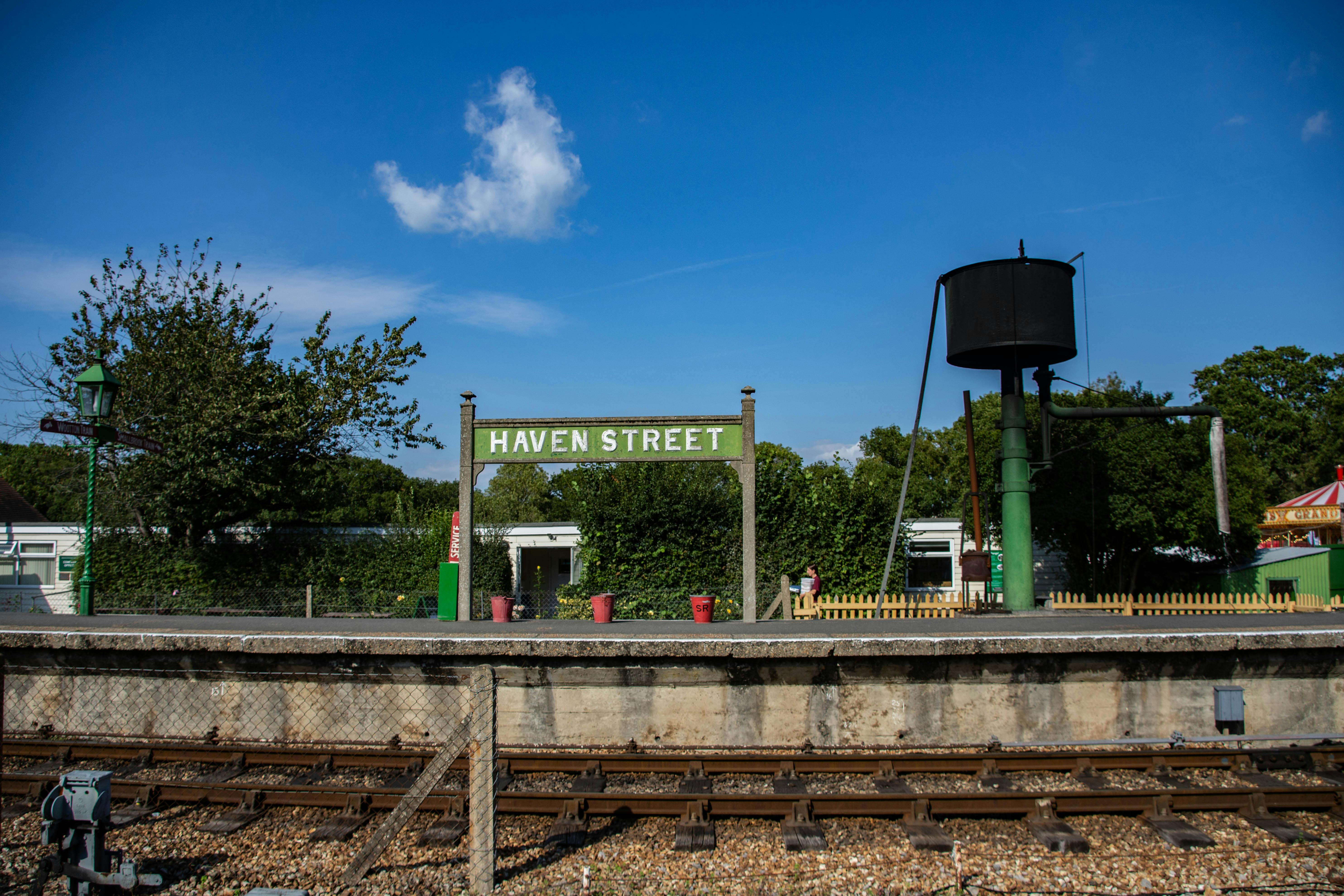
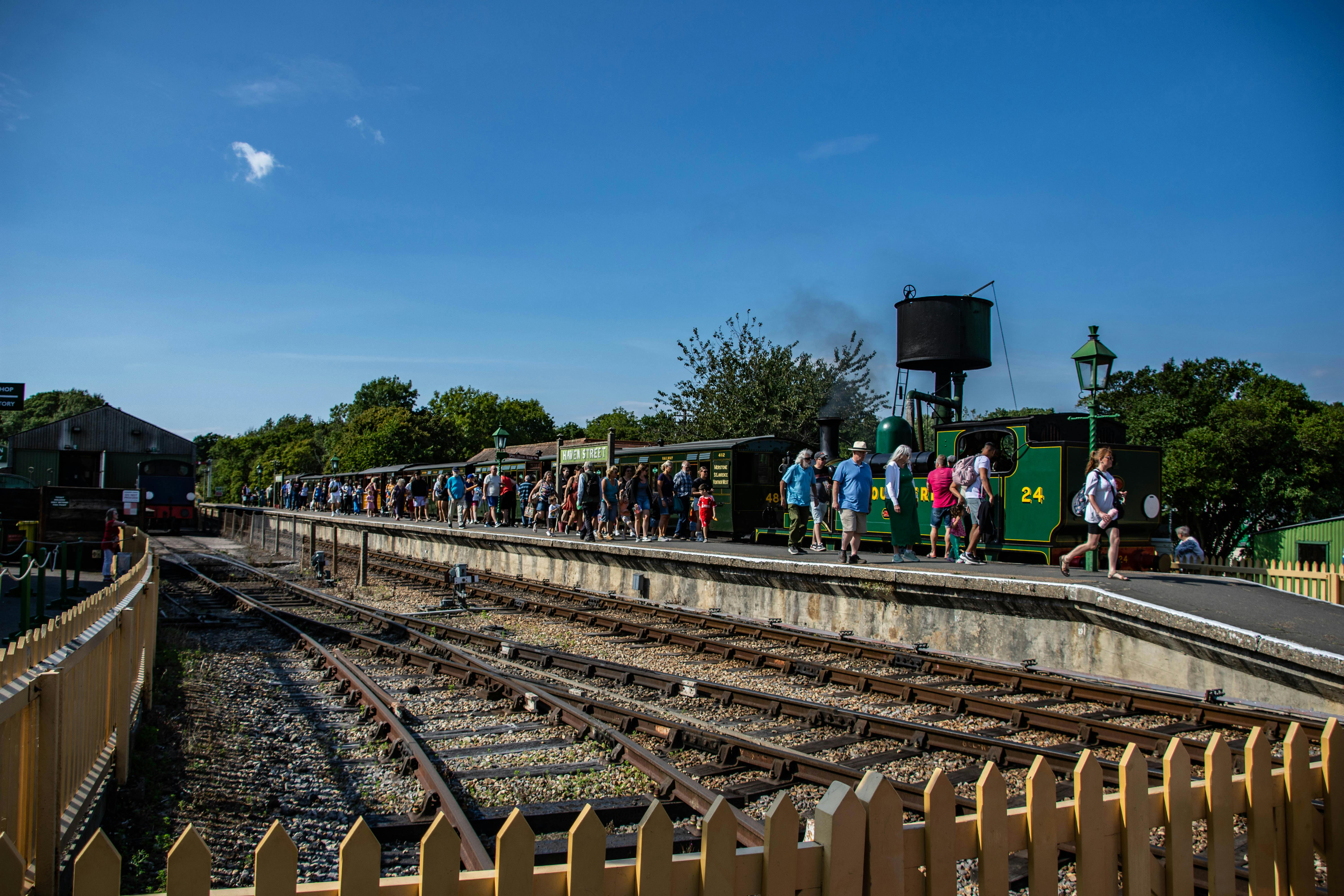
Beyond Ashey station is the main hub of the railway at Havenstreet Station. This is where the main fair is taking part on the adjacent fields and where the railway motive power departments, maintenance sheds and museums are. This four day bank holiday event is incredibly popular and you can get a sense of how busy it was from the number of people disembarking the carriages from the train at Havenstreet.
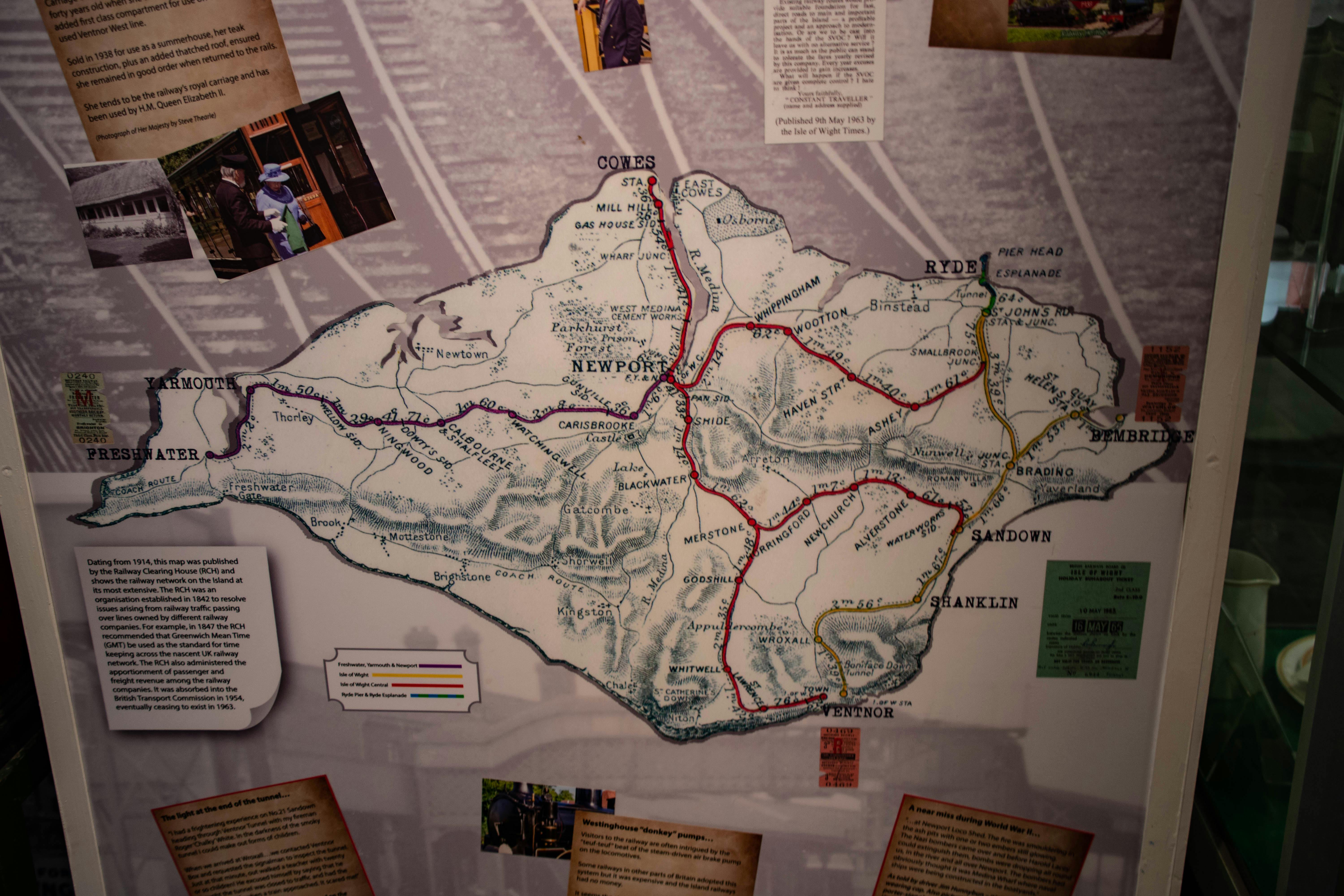
I mentioned earlier how there used to be many more railways on the island. The map below outlines the railways at their peak, connecting all major compass points across the island by the start of the early 20th century. This was in an era where railway mania had gripped much of the country and each individual railway was built and operated by a different company. The lines of the Isle of Wight were no exception. In 1923, following the national grouping of all the railway lines into just four operators saw ALL of the lines on the island fall under the ownership of Southern Railways. In the years that followed, much of the system had been closed due to low passenger numbers as competition by road increased and much of the remaining system was unloved and was becoming neglected. By the 1960s, the only remaining sections of operational railway were:
- Cowes to Newport
- Newport to Ryde
- Newport to Sandown
- Ryde Pier Head to Ventnor
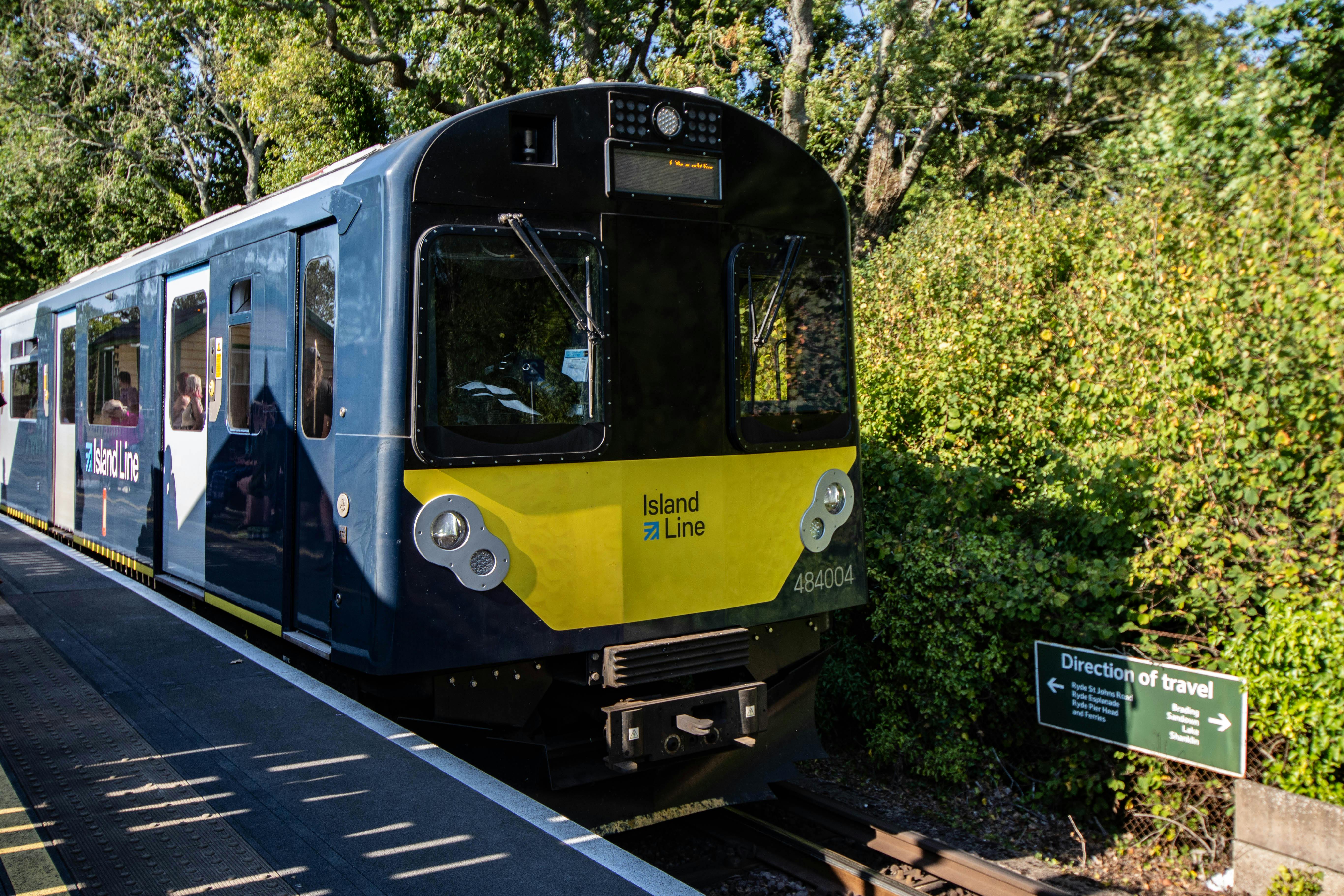
As part of the reshaping of British Railways report by Dr Beeching in the 1960’s, the recommendation was for ALL lines to close. Following much protest, a compromise was reached in that the section between Ryde Pier Head and Shanklin would be retained, but all other lines and sections were to close. The retained section was electrified but due to the low headroom in the tunnel in Ryde, old second-hand London Underground tube stock was acquired to run on the railway…the ‘Island Line’ was born.
What of the section between Smallbrook Junction and Wootoon though? Well the impending cessation of steam services in 1966 was the catalyst for a group of teenagers to form the Wight Locomotive Society who had the aim of preserving at least one O2 Class locomotive and a representative selection of carriages. They acquired 1.5 miles of track, a platform and a boarded up station building at Havenstreet and over the years that followed, infrastructure was added to allow services to run between Havenstreet and Wootton once more. In 1991, the railway was in a position to build a further 3.25 miles of line from Havenstreet enabling an interchange at Smallbrook with the Ryde – Shanklin Island line.
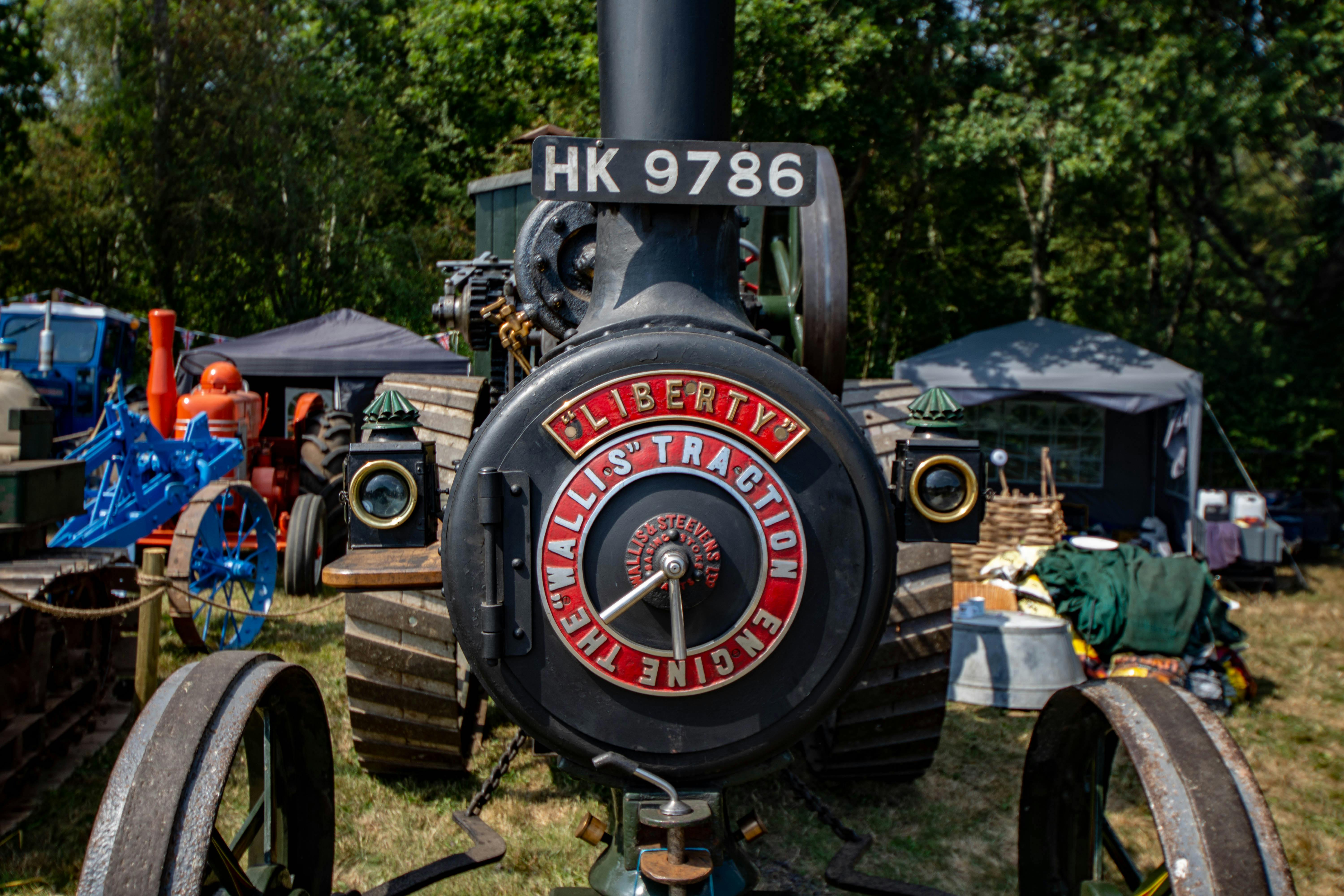
The railway is a very popular tourist destination today for those who visit the Island and it’s clear to see why. A lot of time has gone into developing the line and the recent acquisition of Ashey station shows a firm commitment to the continual growth and improvement of this line. Events such as the islands annual steam fair draw big crowds and it’s clear to see why. In the main field at Havenstreet station, it is littered as far as you can see with all manner of steam vehicles. From the tiny ride on engines to their much larger big brothers. There are steam vans, traction engines, showmans engines, steam rollers and a heap more. Babcock, Foden, Fowler, Wallis and Steevens, Marshall; all the big names of makers are all assembled here at the first event of the day which is a presentation of all vehicles in the central arena and this did not disappoint. There are so many varieties here, this would be another long blog entry if I listed them all but hopefully you can get an idea of the presence from the collage below.
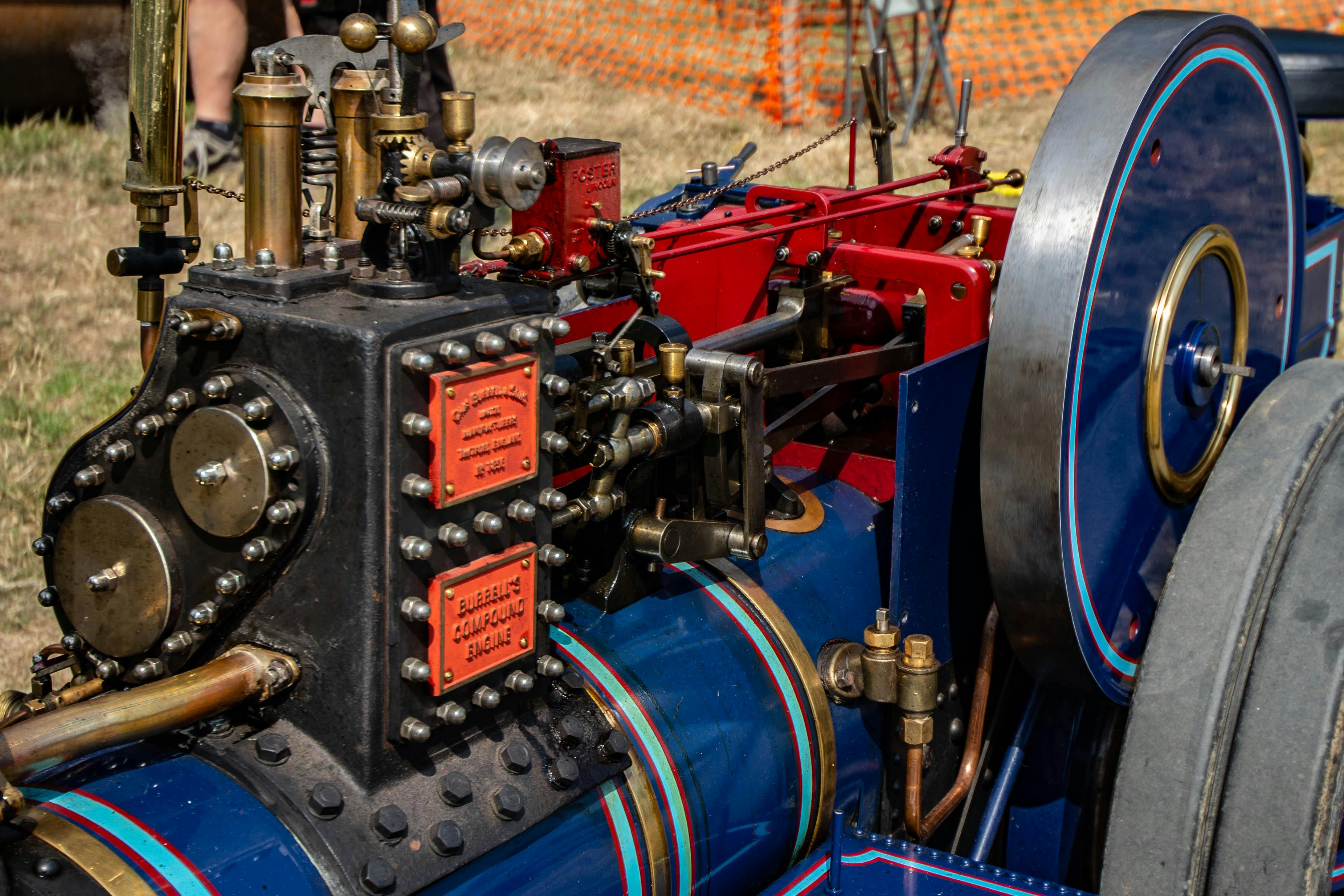
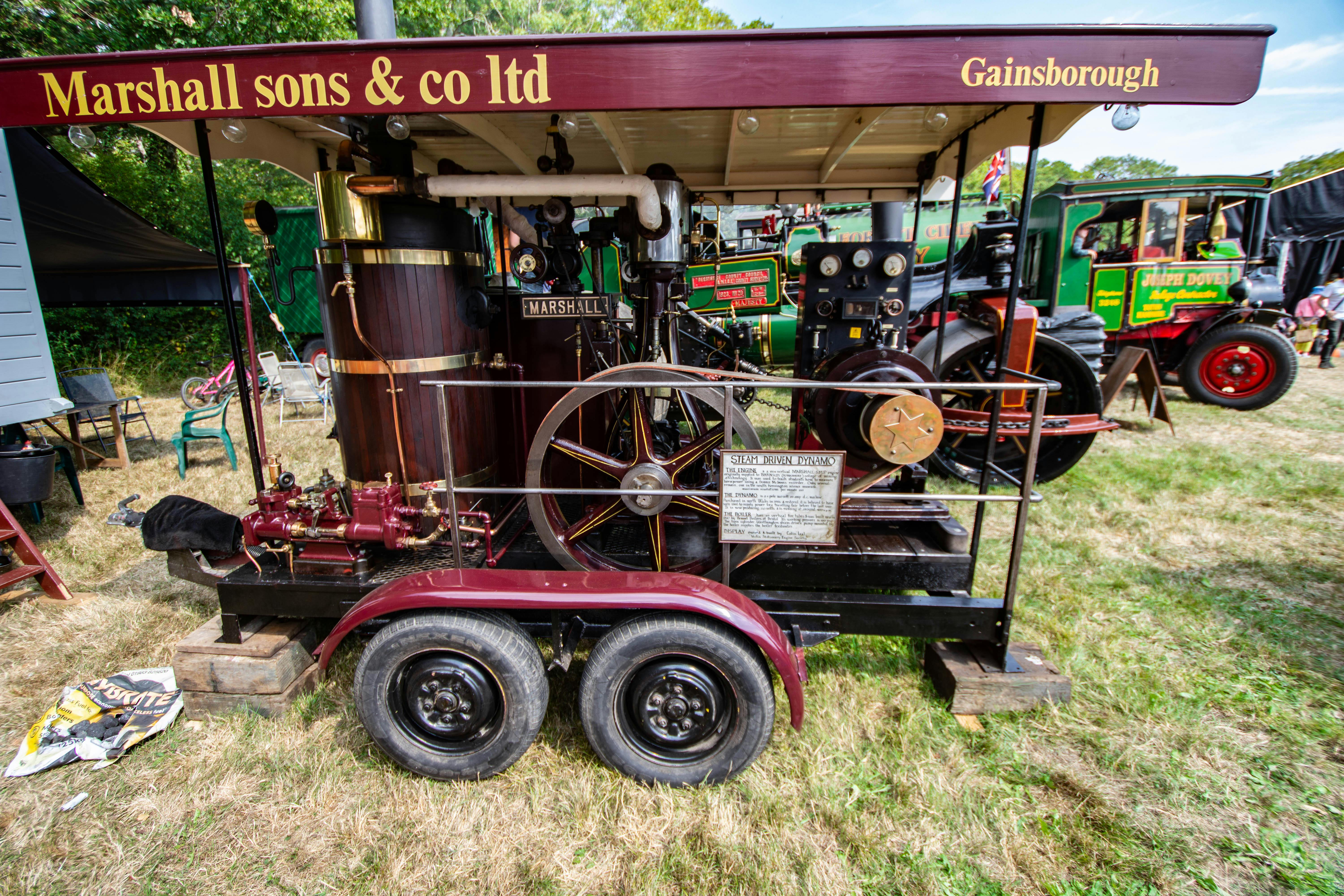
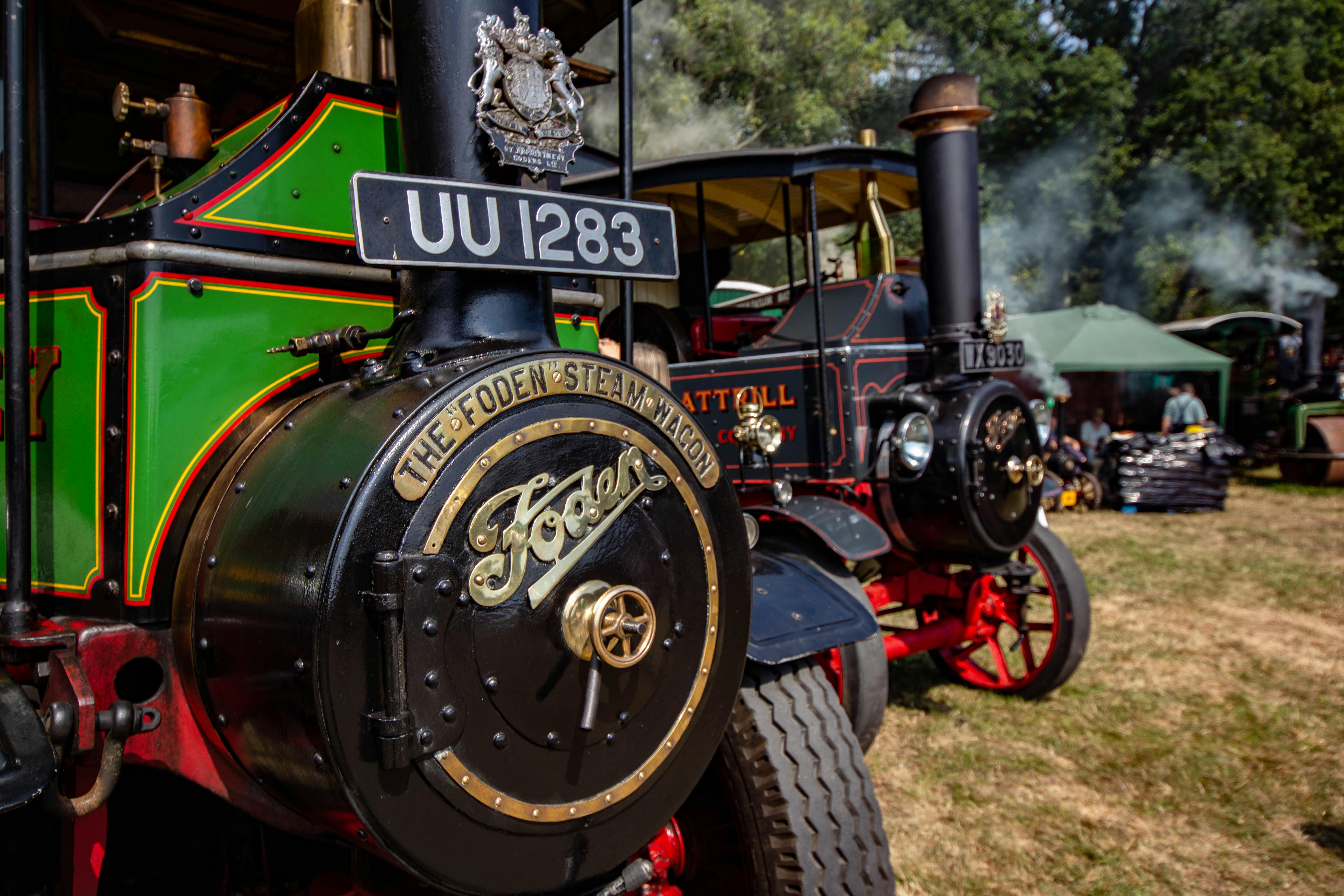
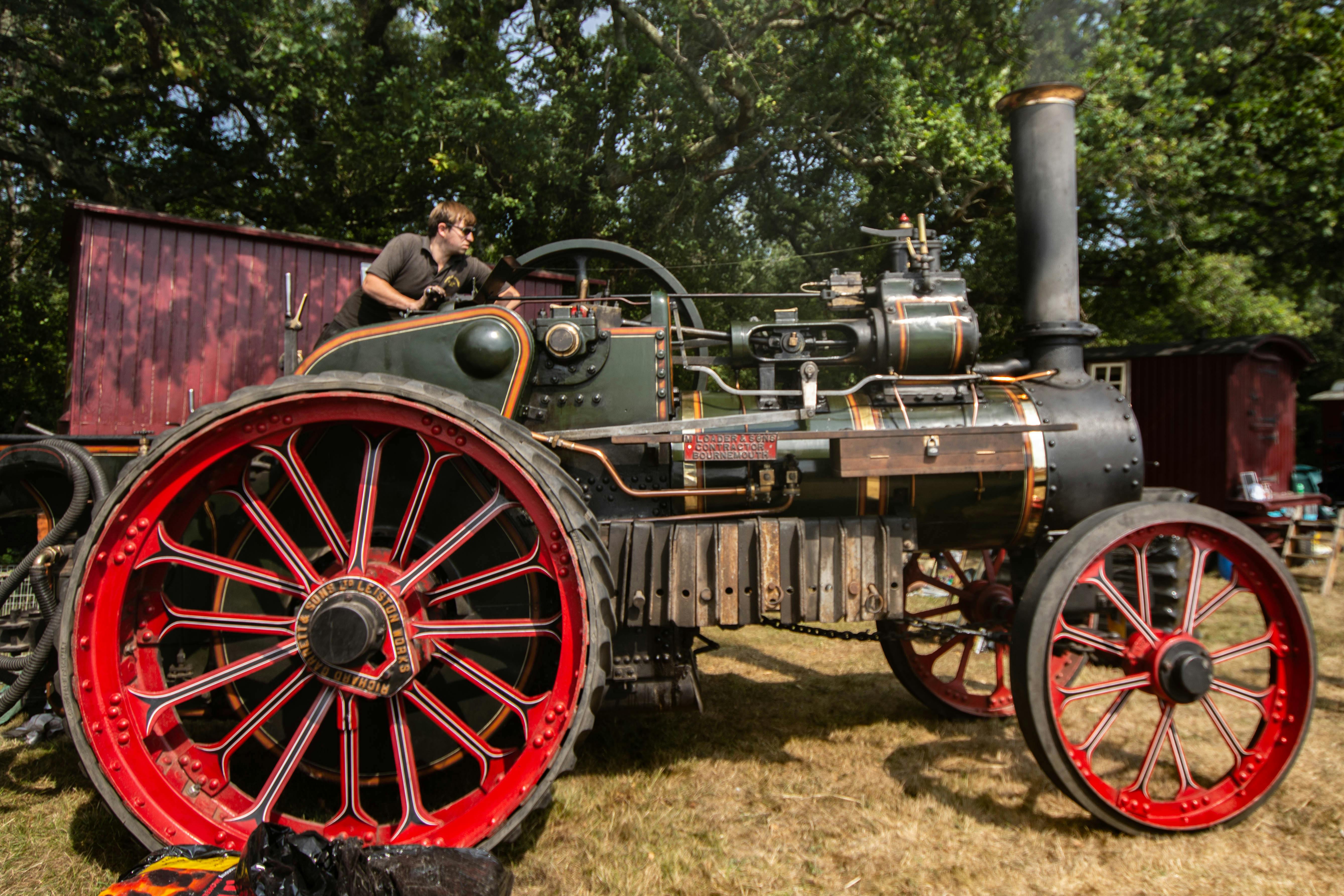
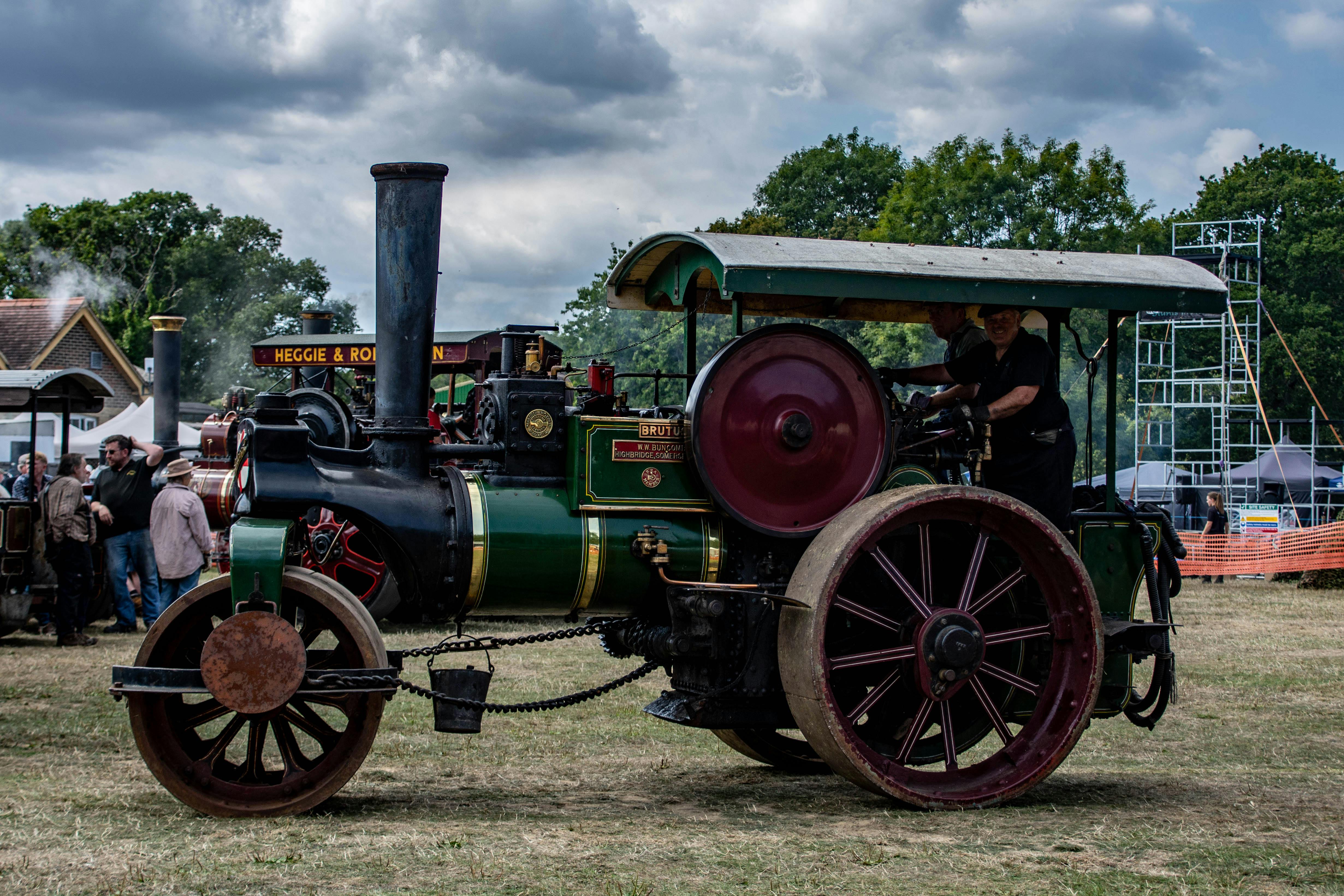
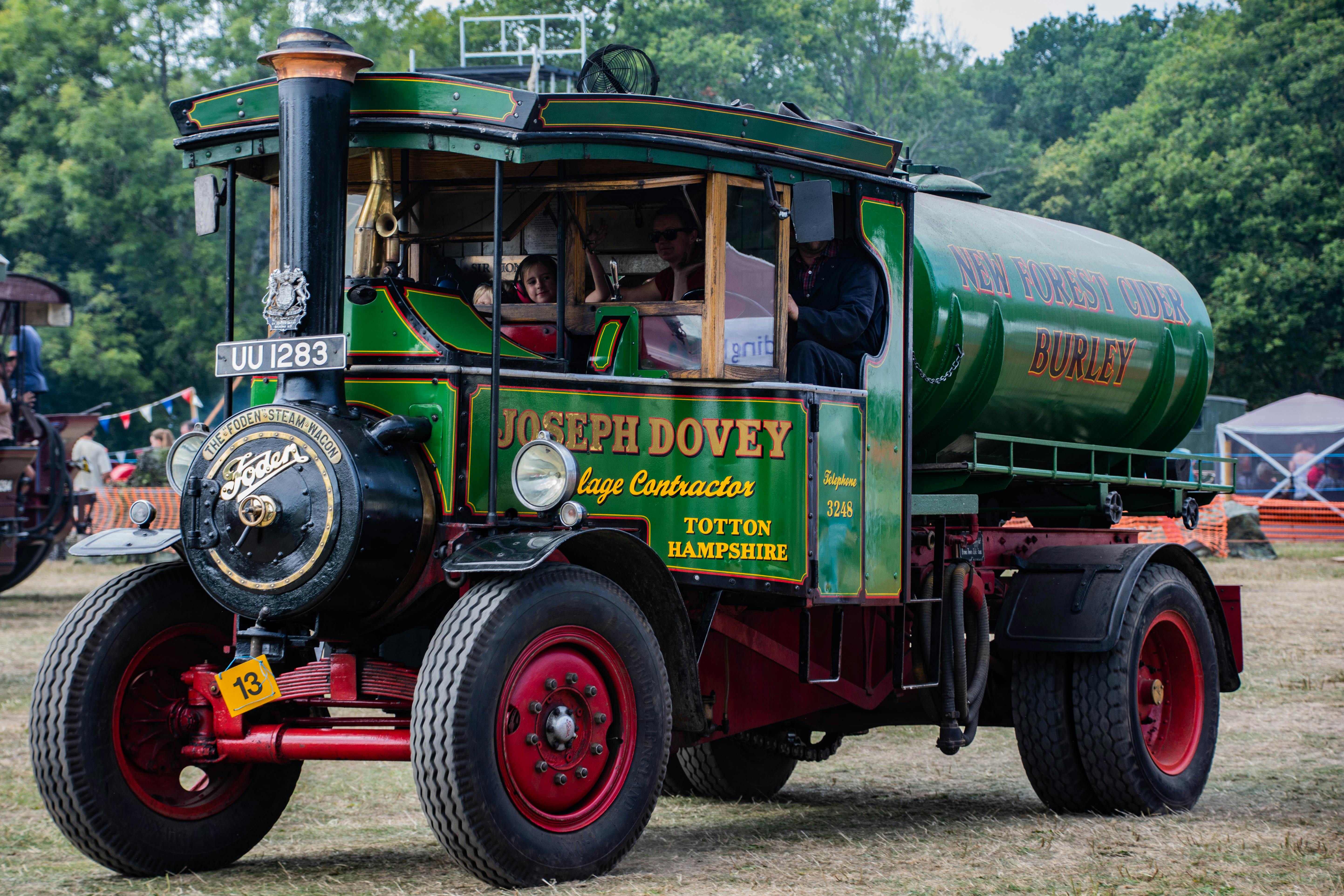
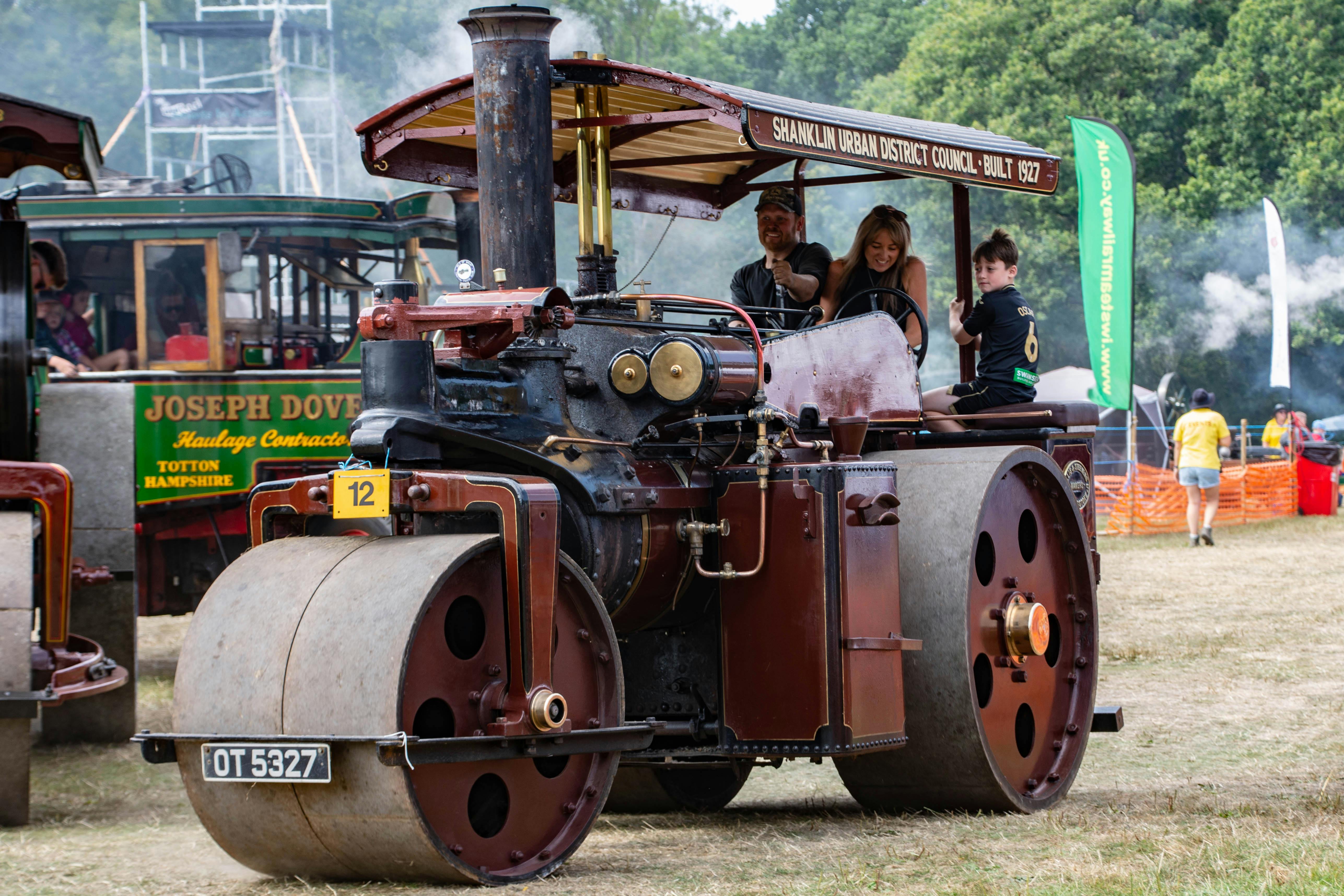
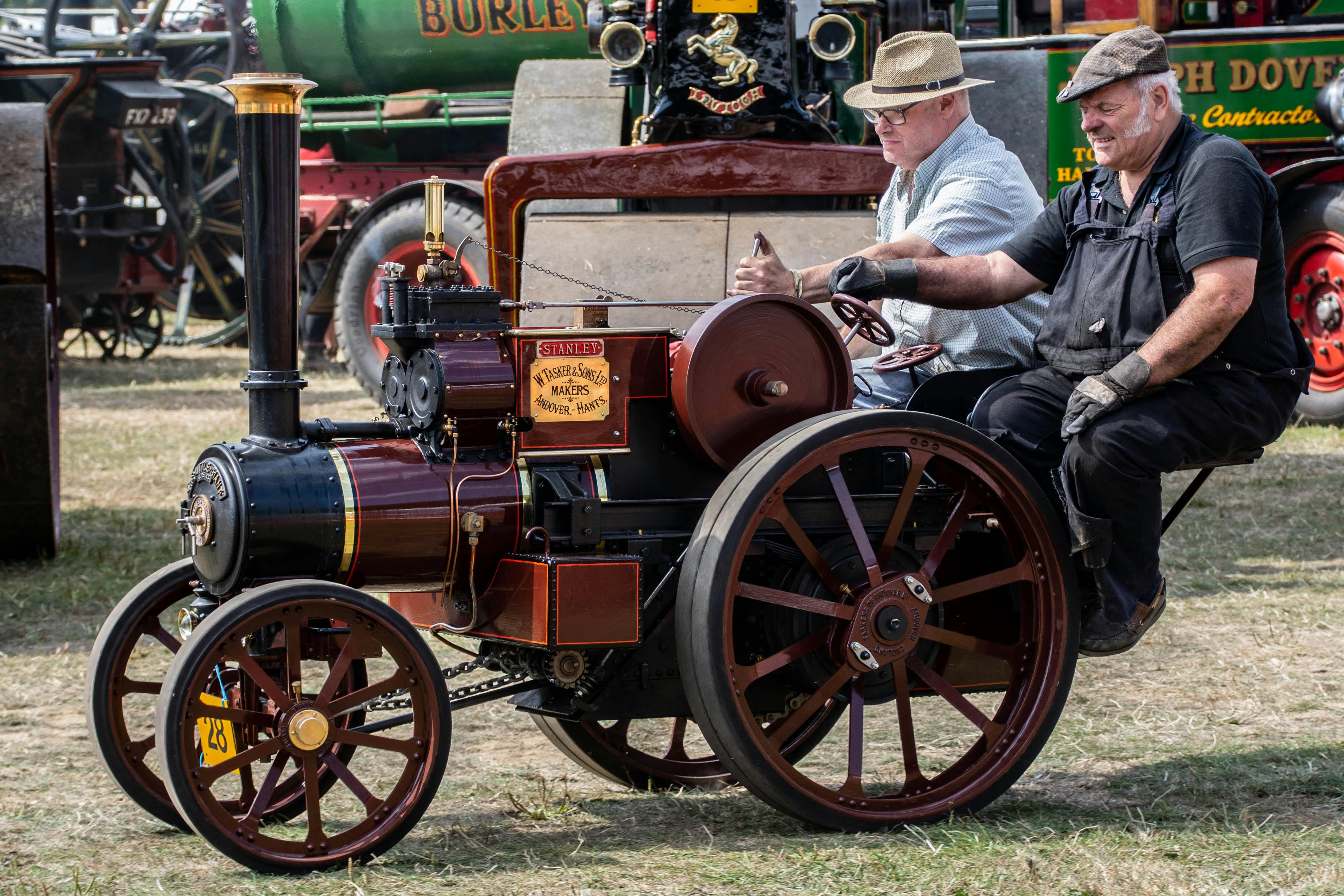
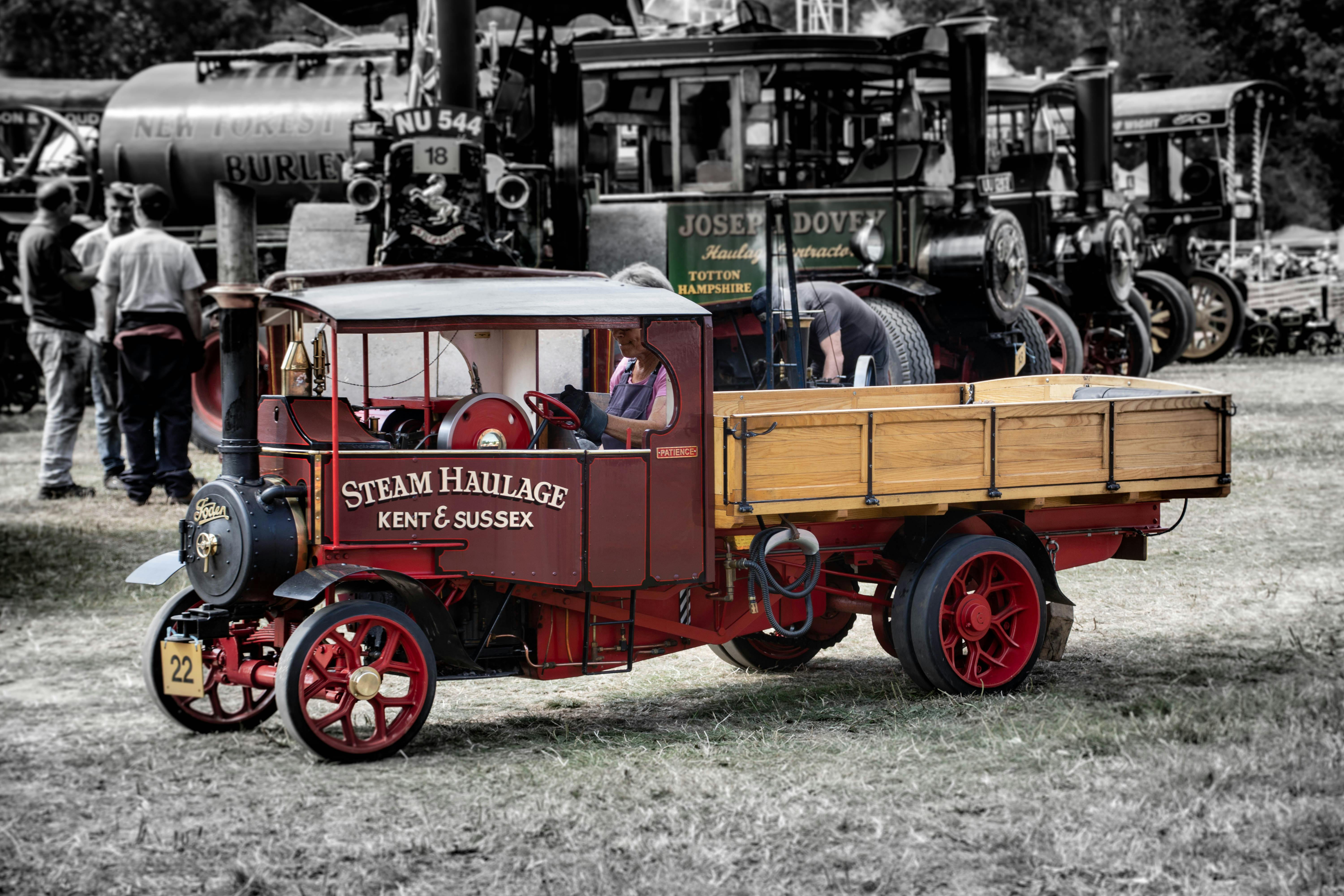
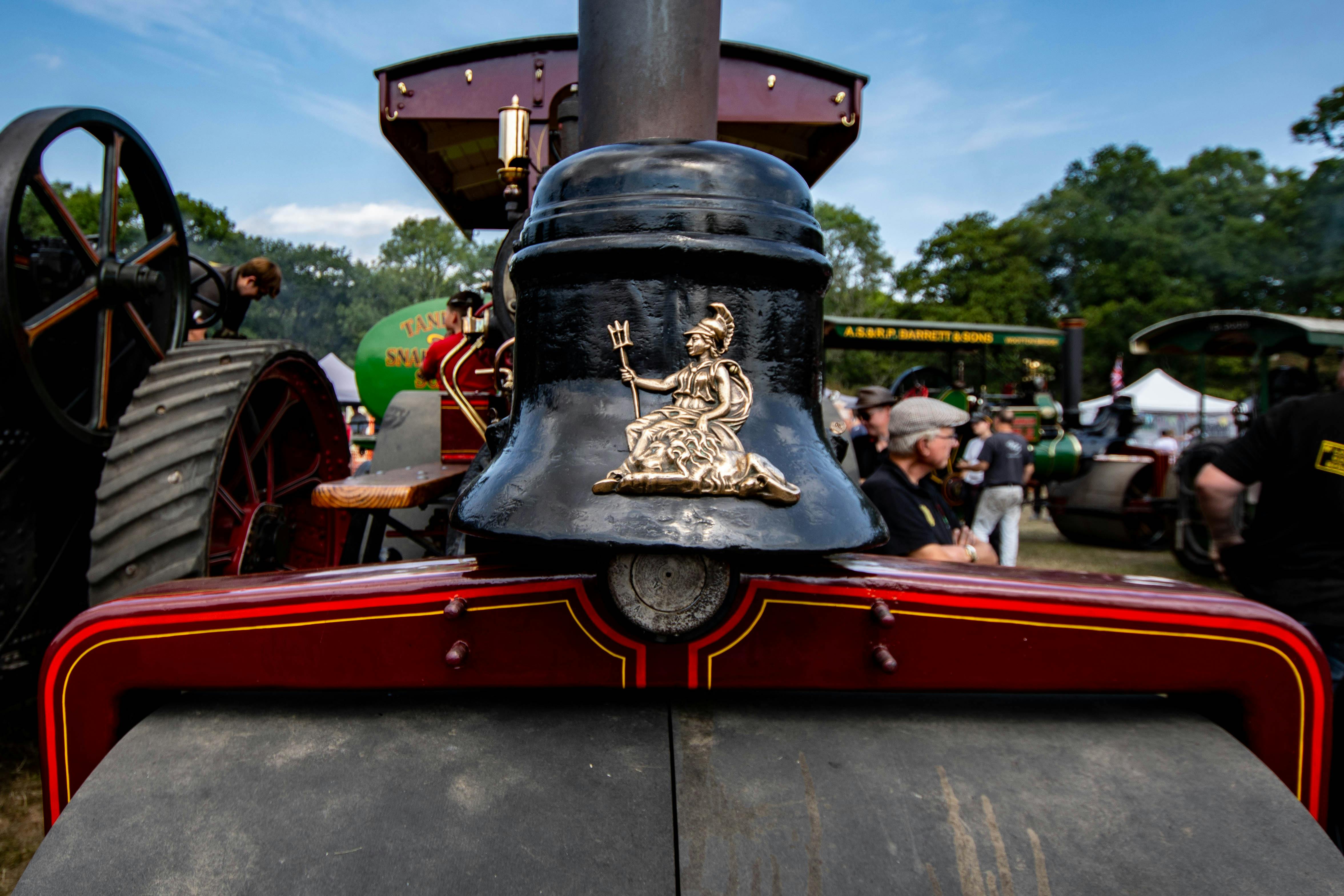
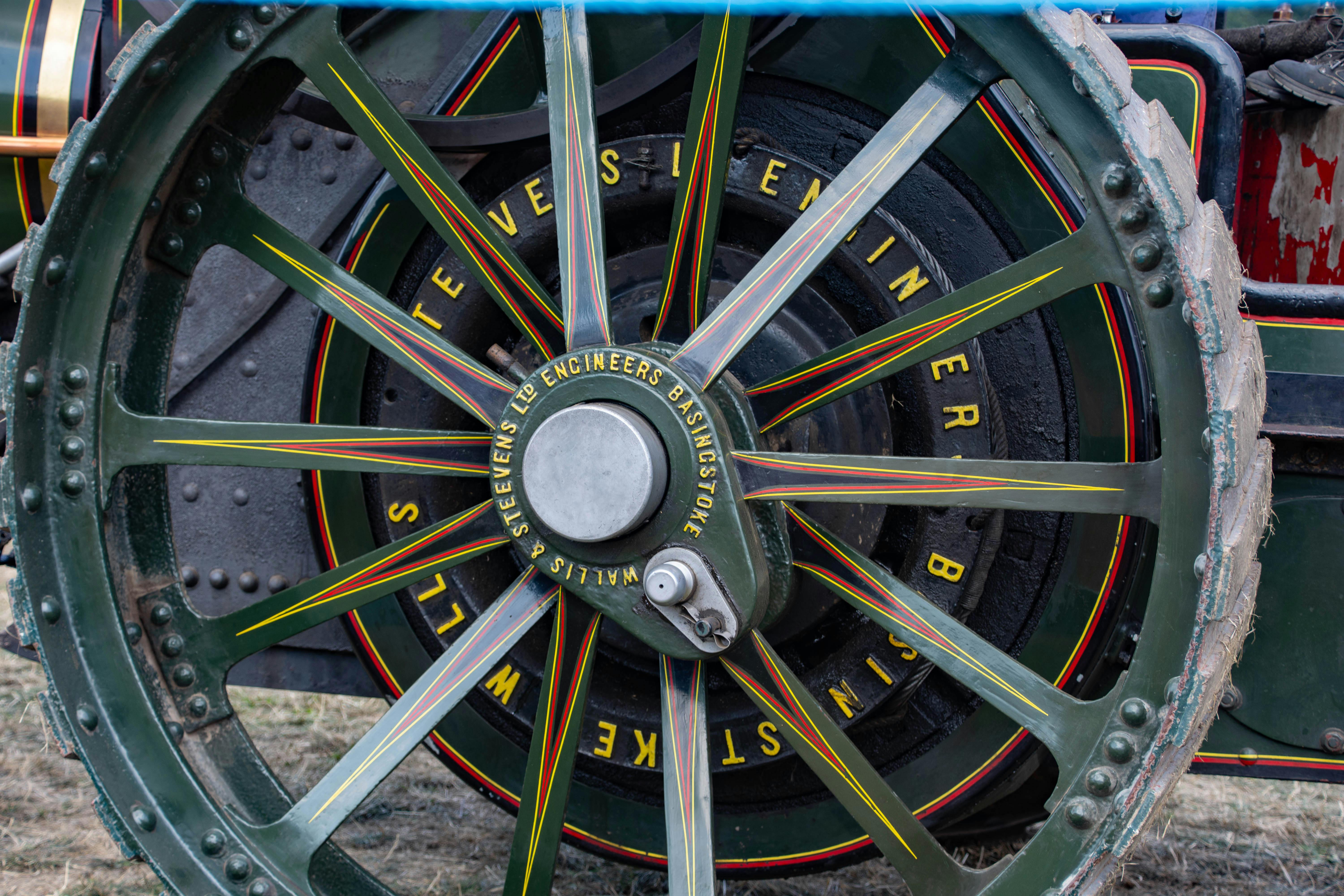
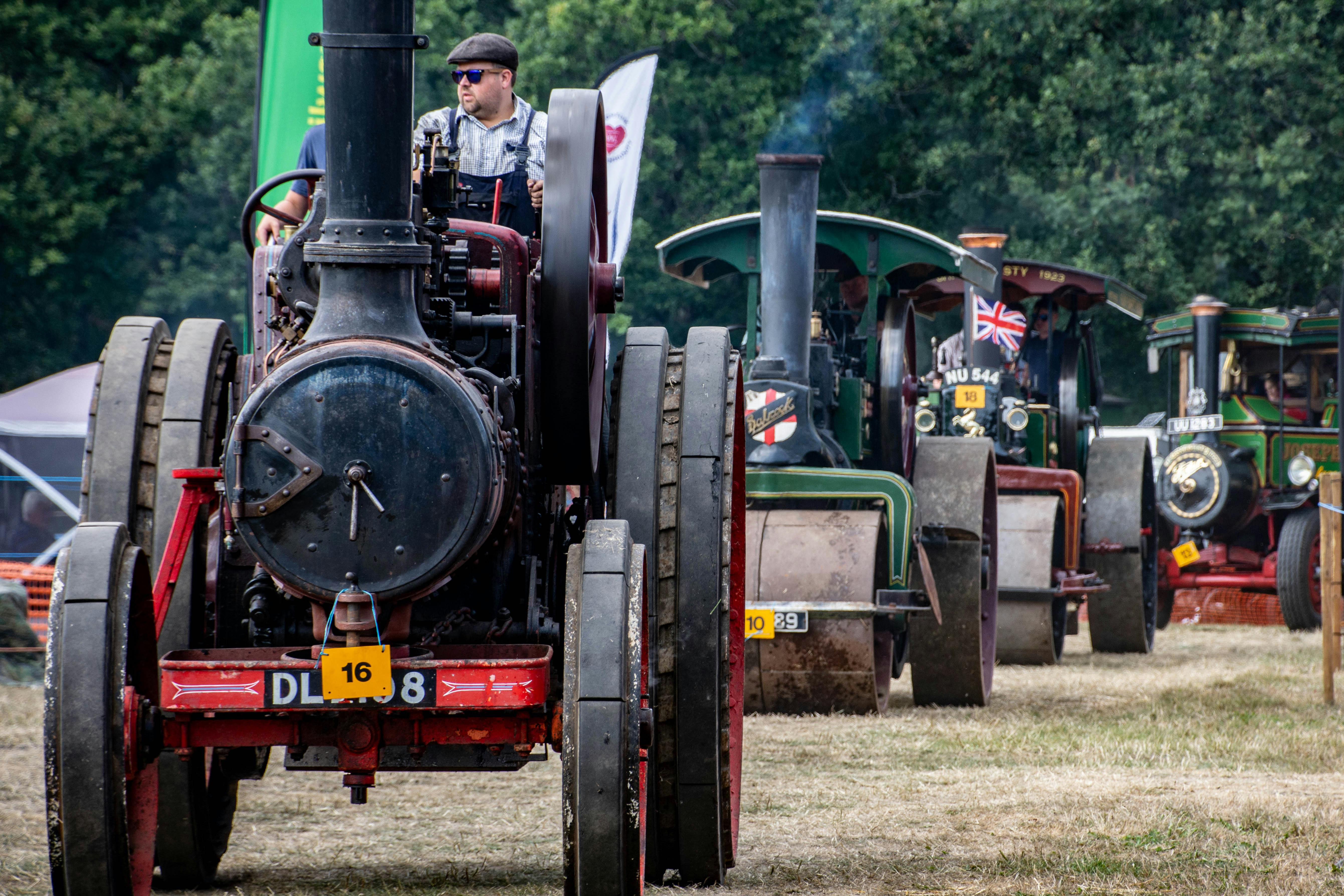
Once all the vehicles are assembled in the arena, the noise begins. I think the child’s comment at the end of this video sums it up nicely…
After the vehicles had left the arena, it’s time for the traction engine and steam roller games. These ranged from steam barrel rolling to ‘surfing’ while holding glasses of water. Health and safety nightmare? Maybe. Hugely entertaining? Absolutely. Check out the two events below.
Havenstreet is also where the railways main museum is housed, called Train Story. This contains the story of the the islands railways over the years as well as a variety of rolling stock, some of which is operational as well as items requiring restoration. One of the exhibits I was pleased to see was a set of the old 1938 tube stock that used to run on the line between Shanklin and Ryde Pier Head. The unit is presented in the South West Trains livery it was wearing when it was taken out of service in January 2021. These units have all now been replaced by newer ‘D’ stock units. Other interesting relics are some of the station totems from the old stations which no longer exist.
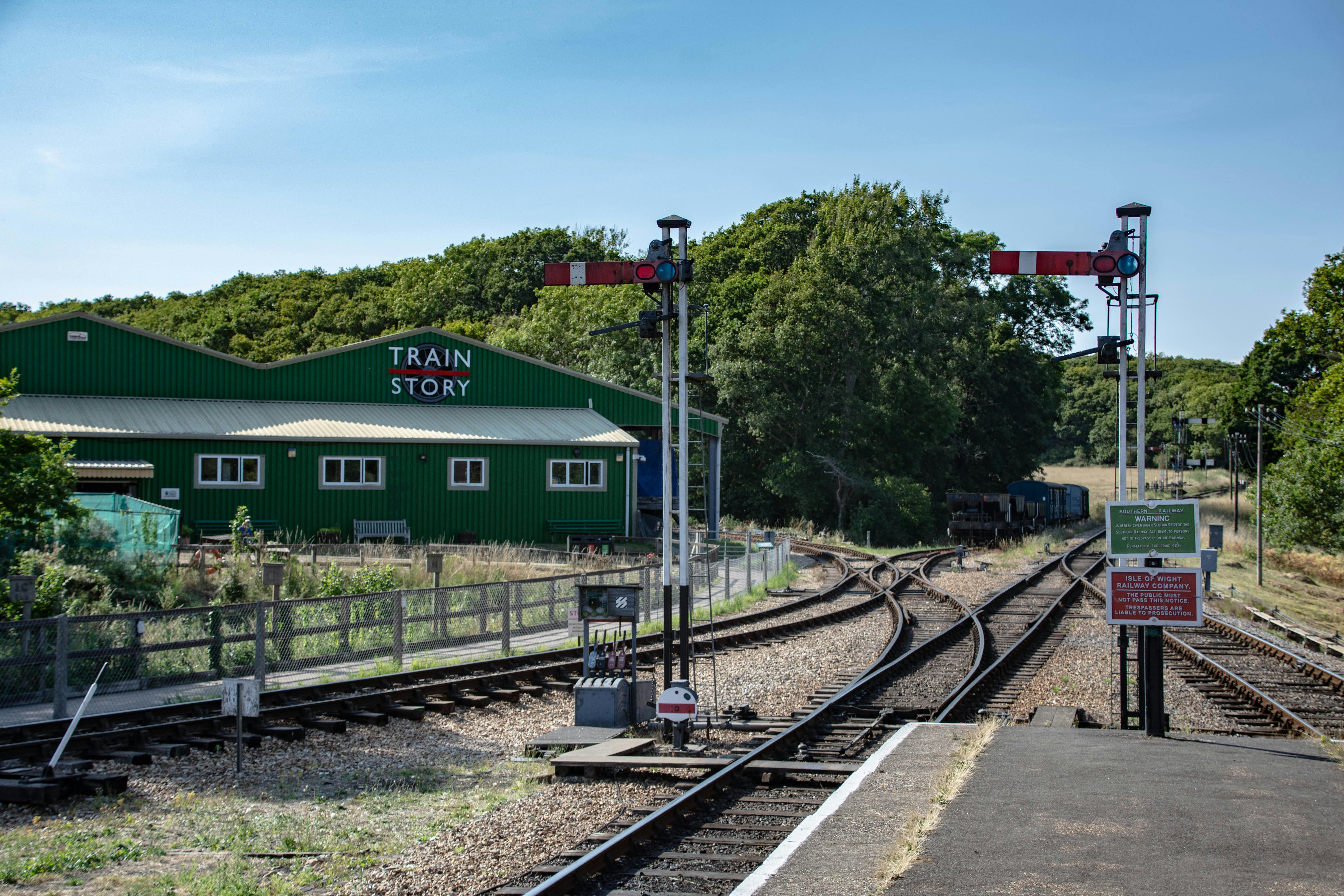
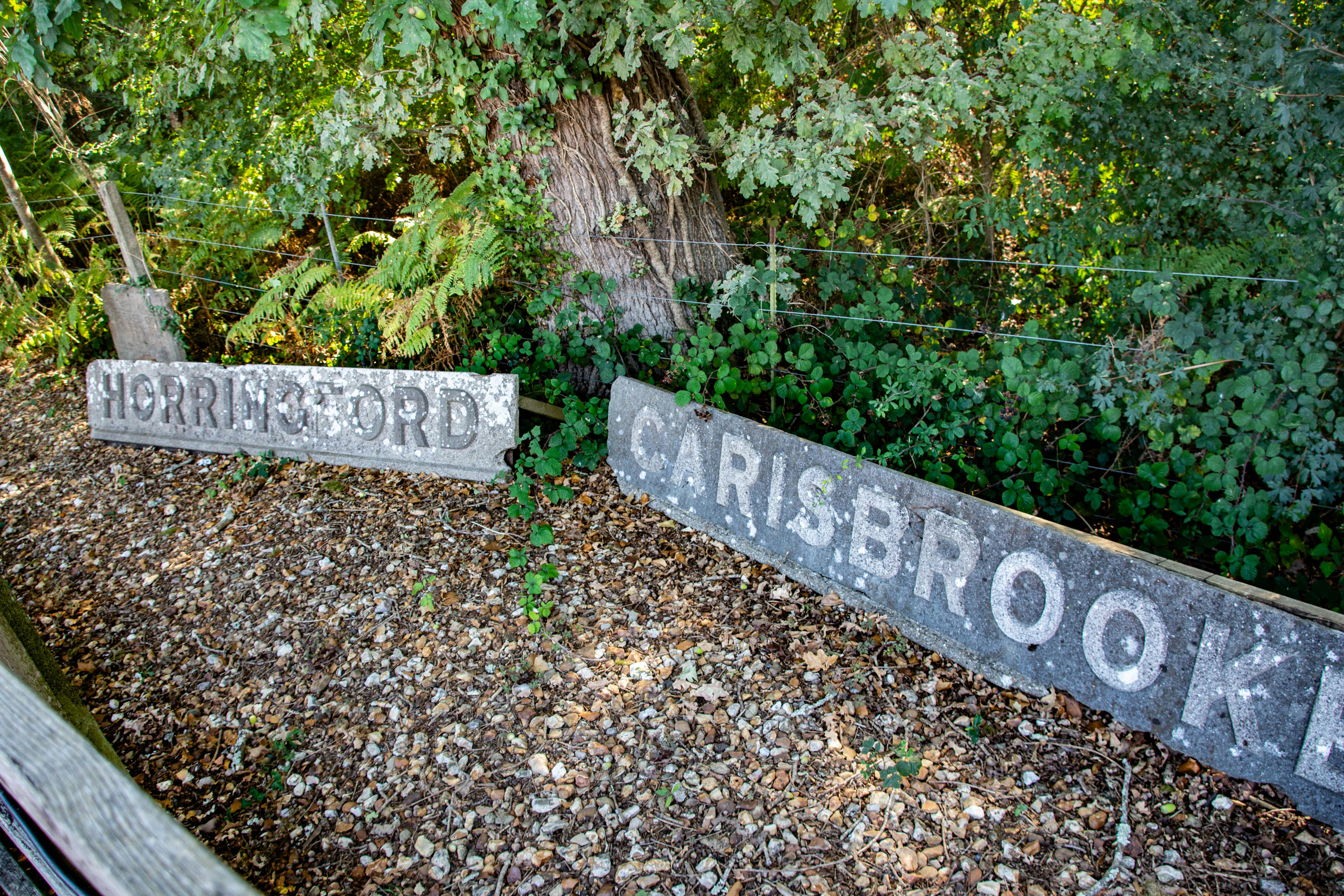
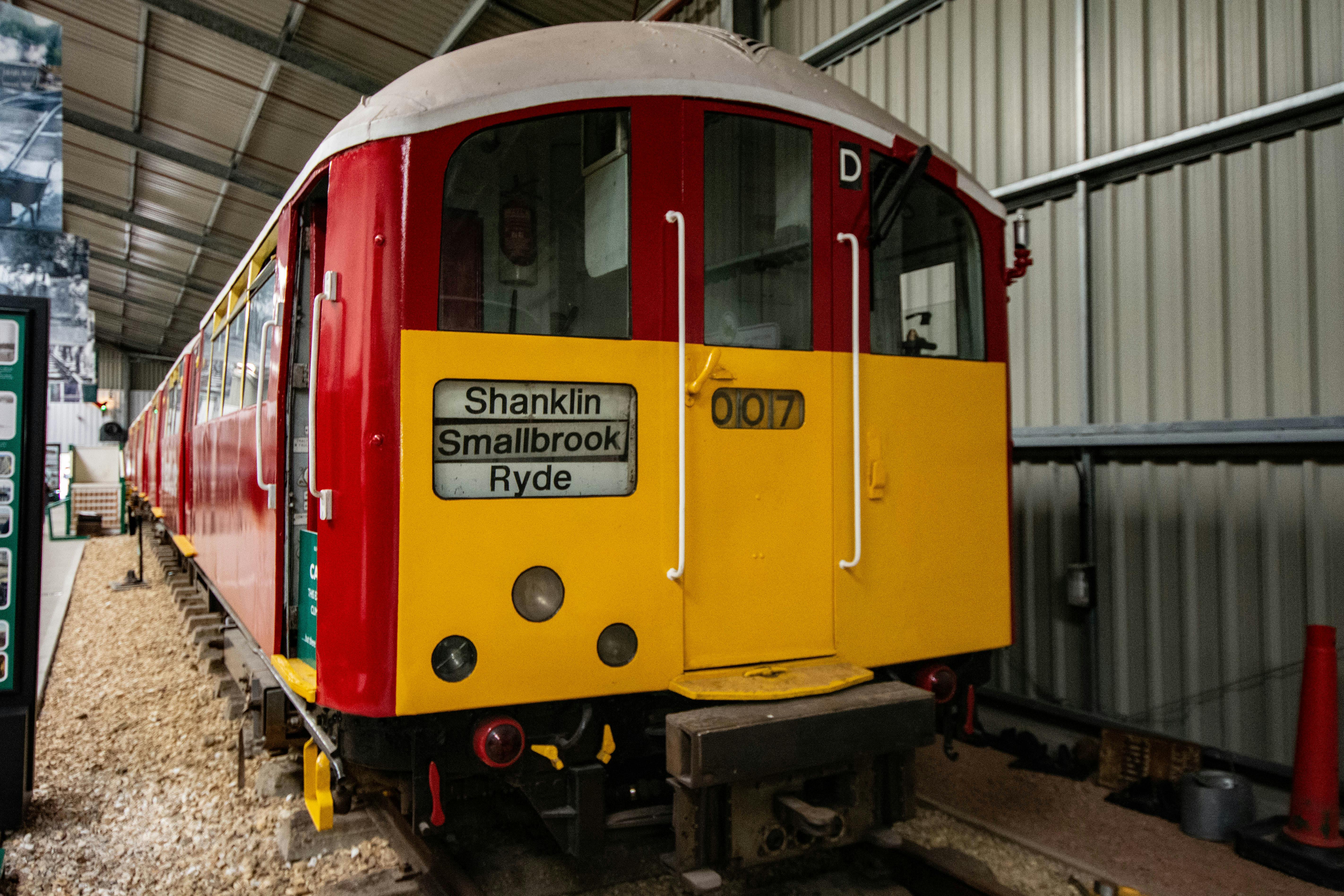
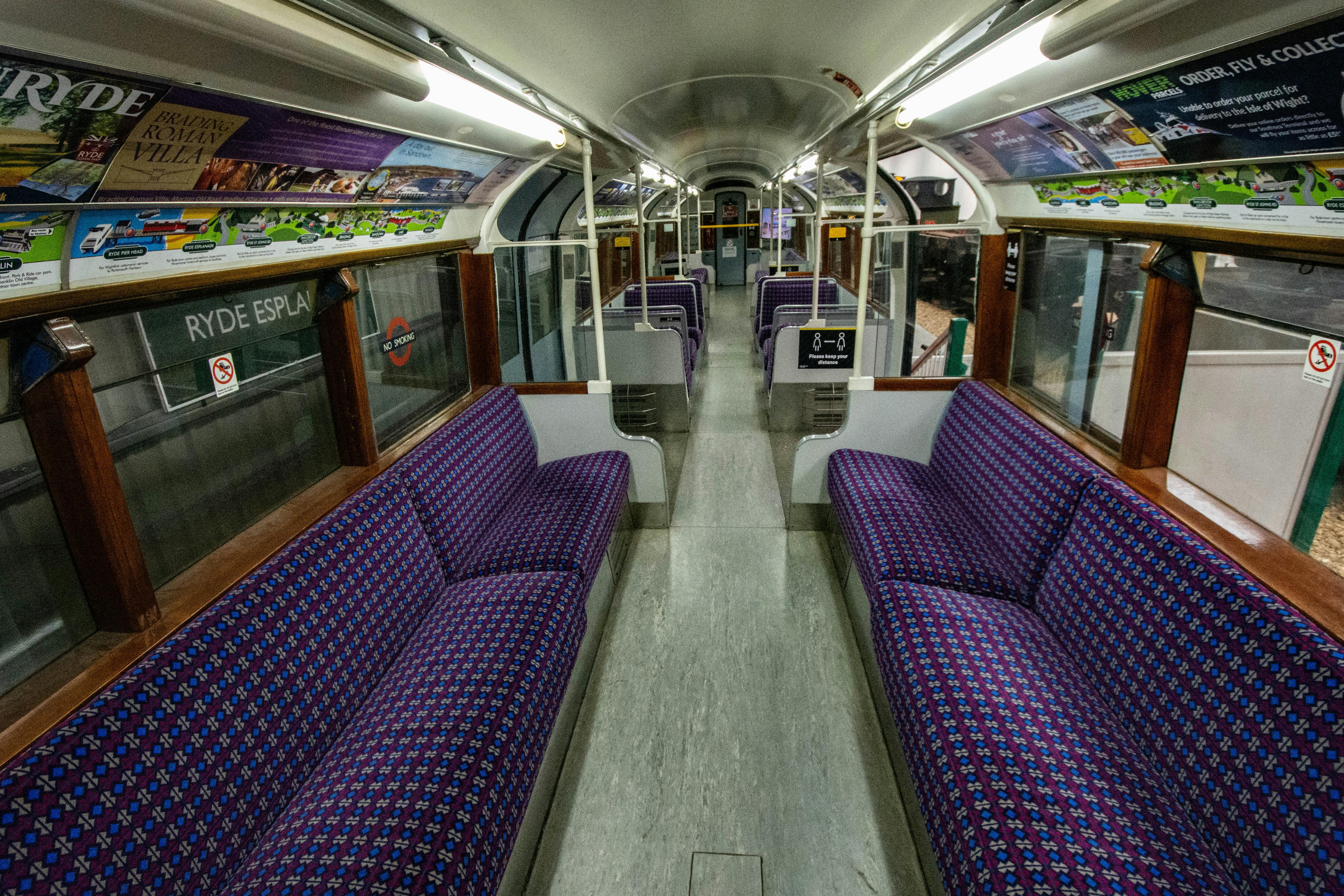
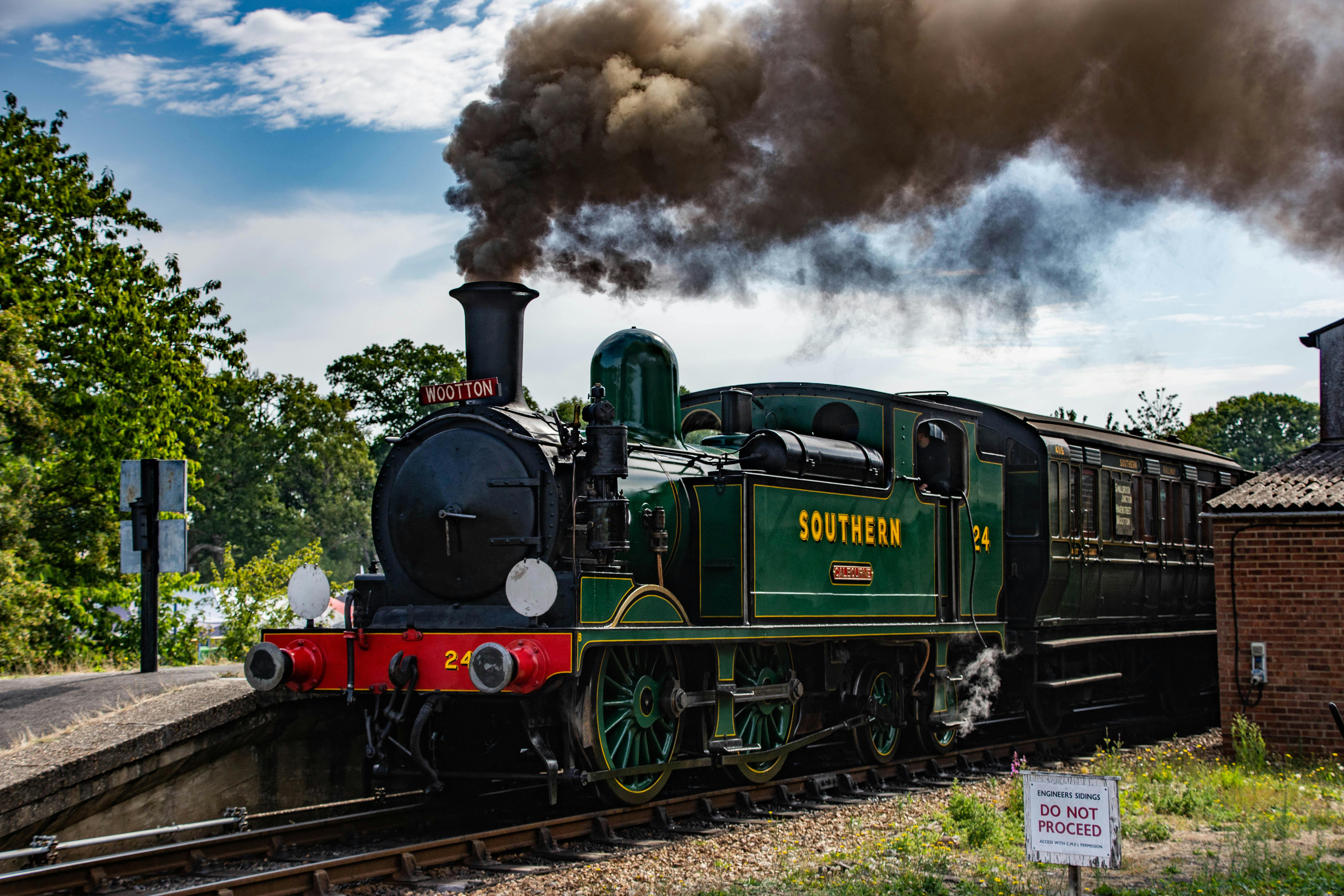
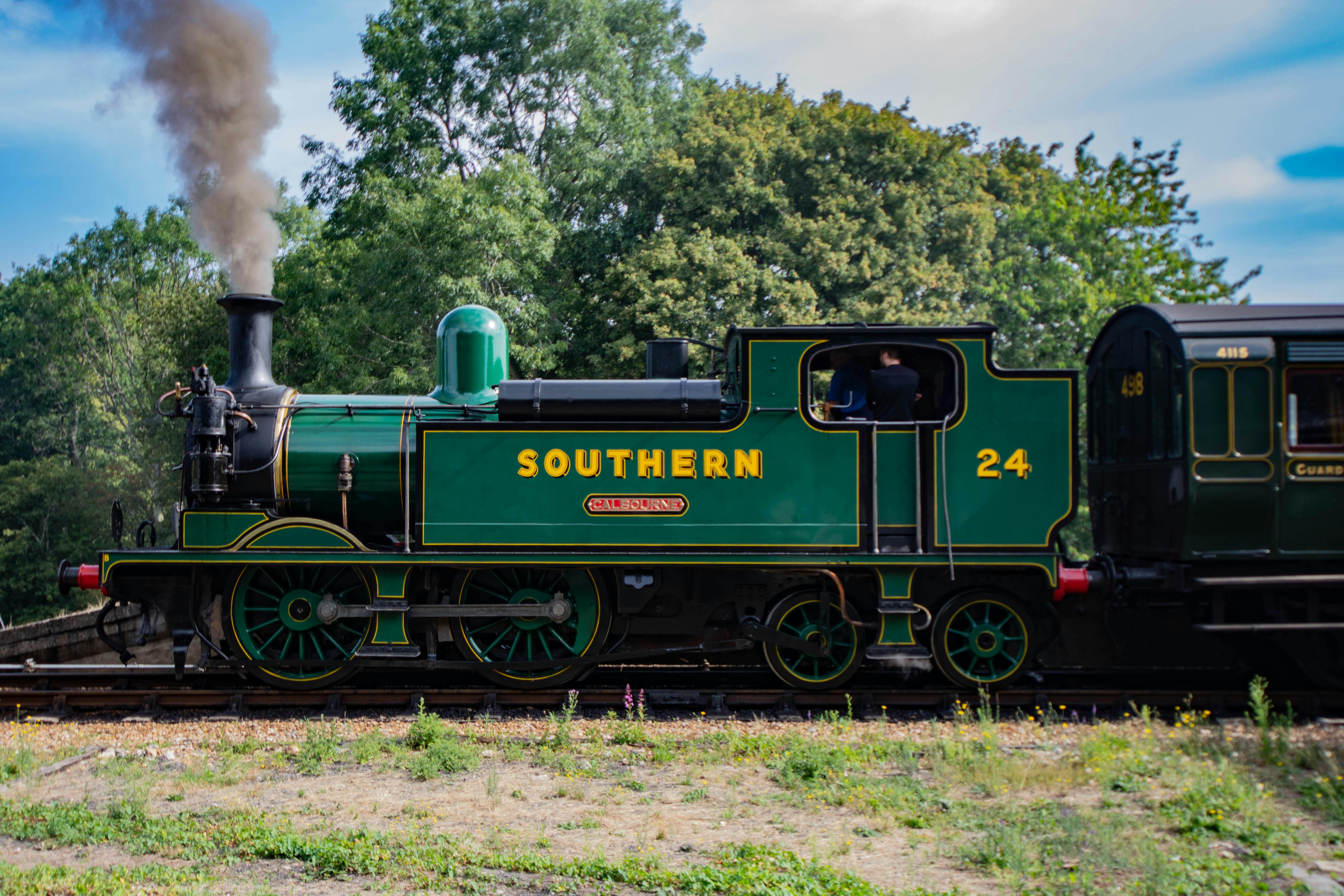
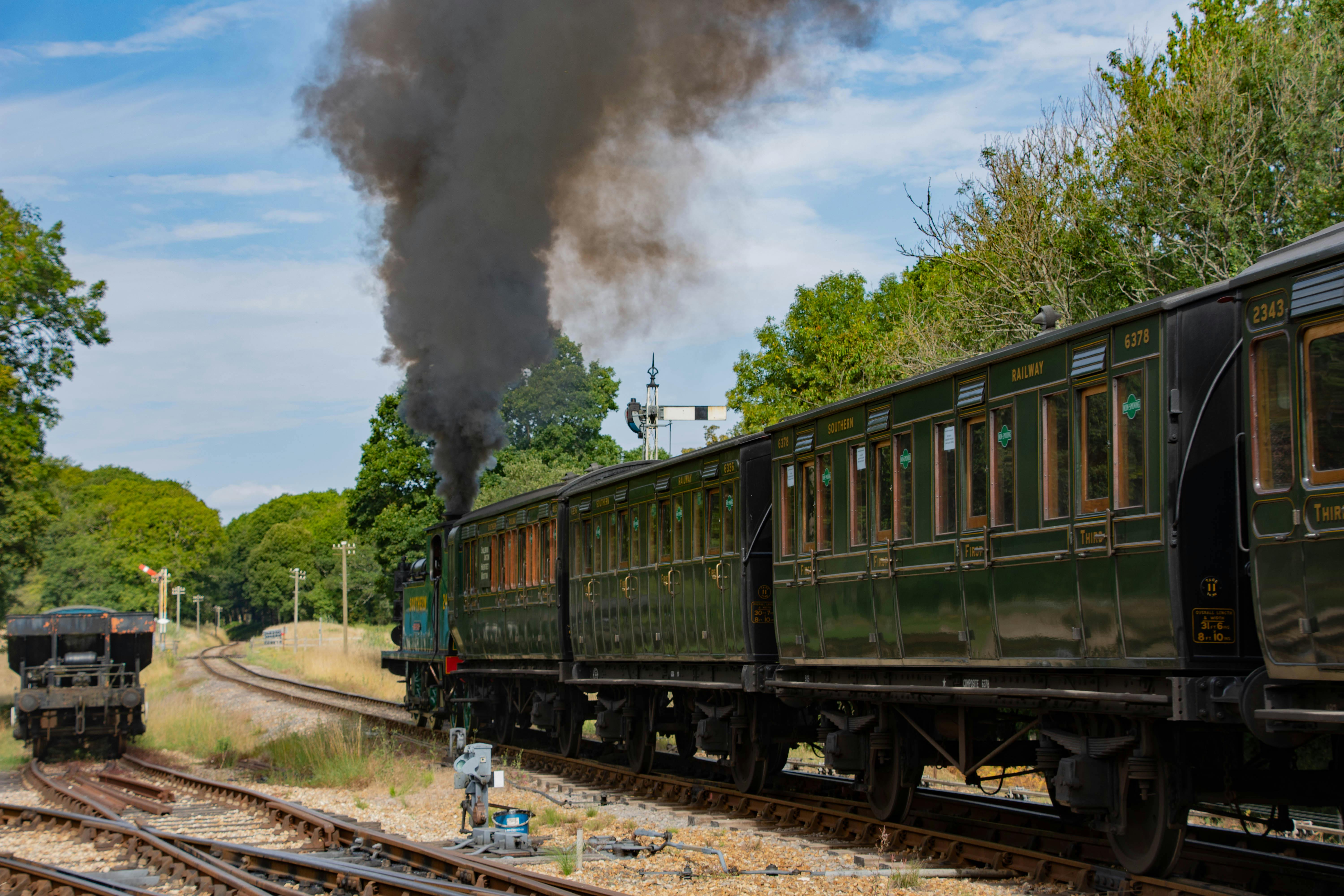
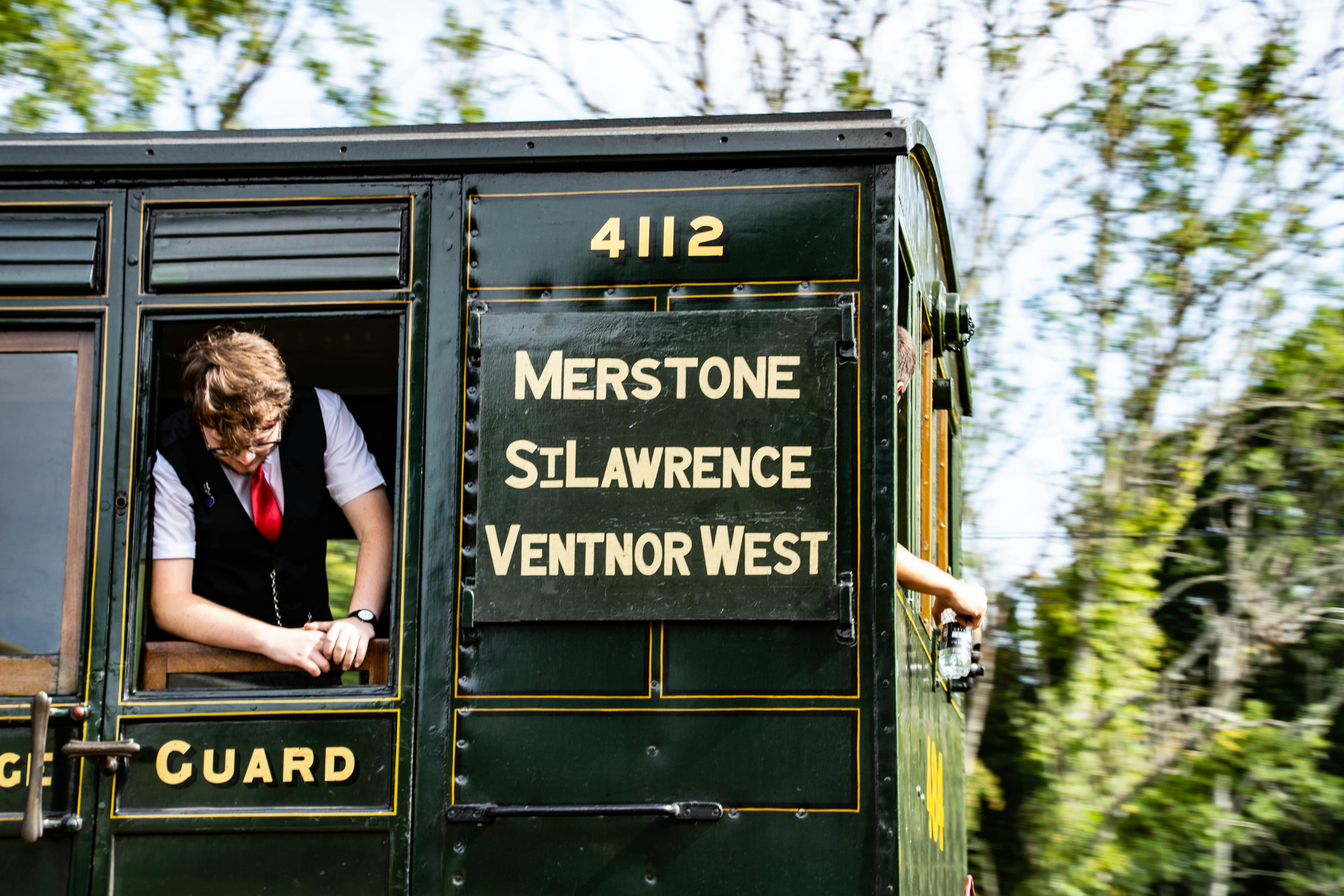
Heading back to the station now and another service is getting ready to depart, this time hauled by the O2 Class 0-4-4T ‘Calbourne’ up to Wootton. This is the flagship locomotive of the fleet and saw service on the Isle of Wight from 1925 and was the first locomotive to be bought from British Rail by the preservationists back in 1967. She looks splendid in this light and a true testament to the hard work of the early preservationists and all the current volunteers to this day. Notice the destination board she carries on the carriages. This is clearly a remnant from the days these carriages ran on the Isle of Wight Central railway between Ventnor and Newport as that railway has long since gone, but a nice nod to the past none the less.
Unfortunately, in my haste to ensure I got the return train service, I completely forgot to get any photos of Wootton station. I take a non-stopping service all the way back to Smallbrook Junction where I change onto the main Island line to end my day on one of the refurbished ‘D’ stock tube trains.