Grab a cup of tea and a biscuit, this is a big one. 2025 as you may know is a significant year for the railways in Britain. Not only is it the 200th year since the birth of the railway that we know today, but up and down the country many preserved railways are celebrating their own anniversaries and tying these into the Railway 200 celebrations. The Ffestiniog and Welsh Highland Railway is one of those who is celebrating its Platinum Jubilee. This event promised to be a packed weekend and it certainly lived up to that. There were multiple services on each day and a huge variety of locos in the timetable. The main works of the railway, Boston Lodge, was open to public which it usually is not and almost every single locomotive was in steam, and even those which were not in steam were hauled out to take part in Sundays grand finale with over 200 wheels on the cob. The weekends events are recalled below and this certainly felt like a once in a lifetime opportunity.
Thursday 19th June
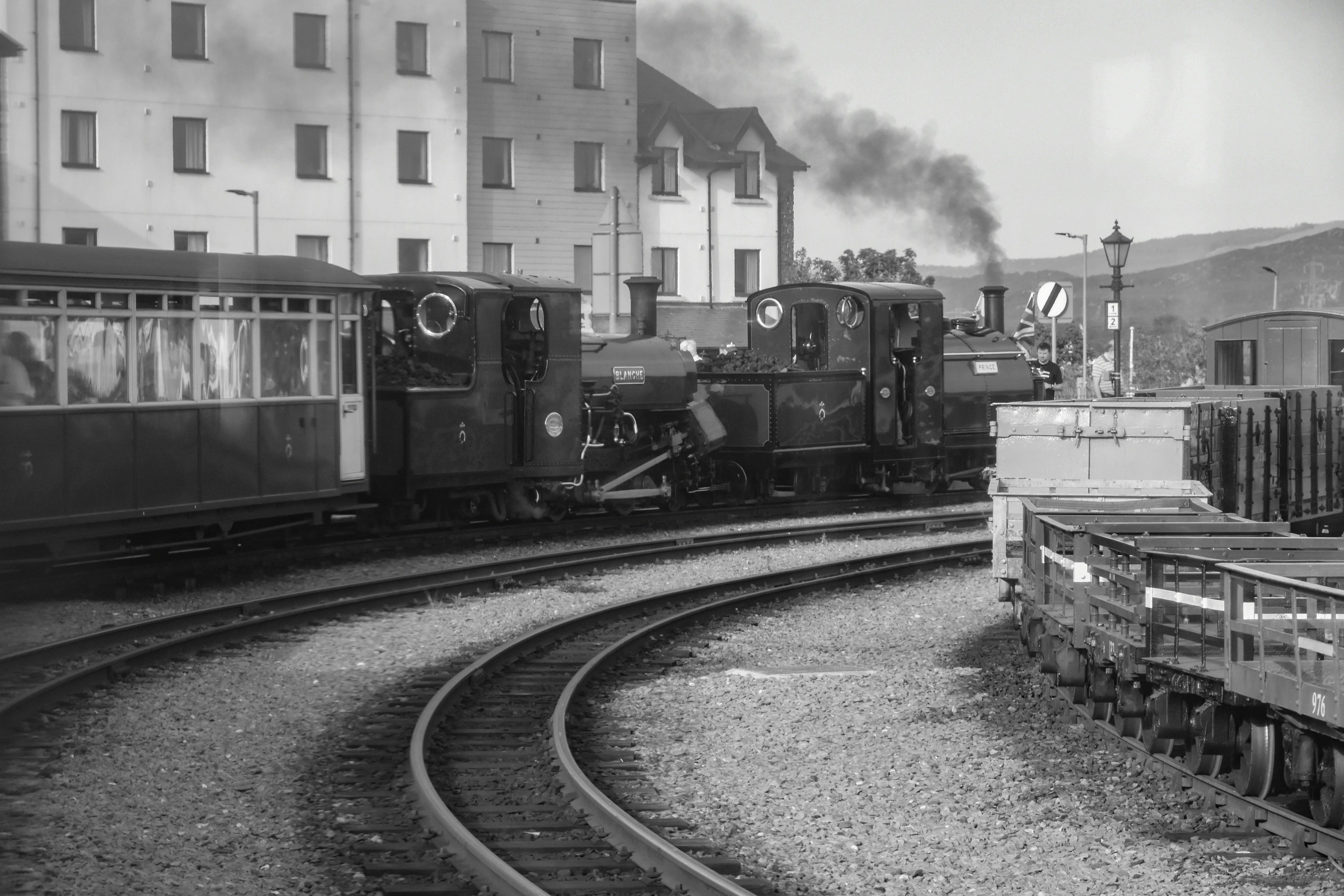
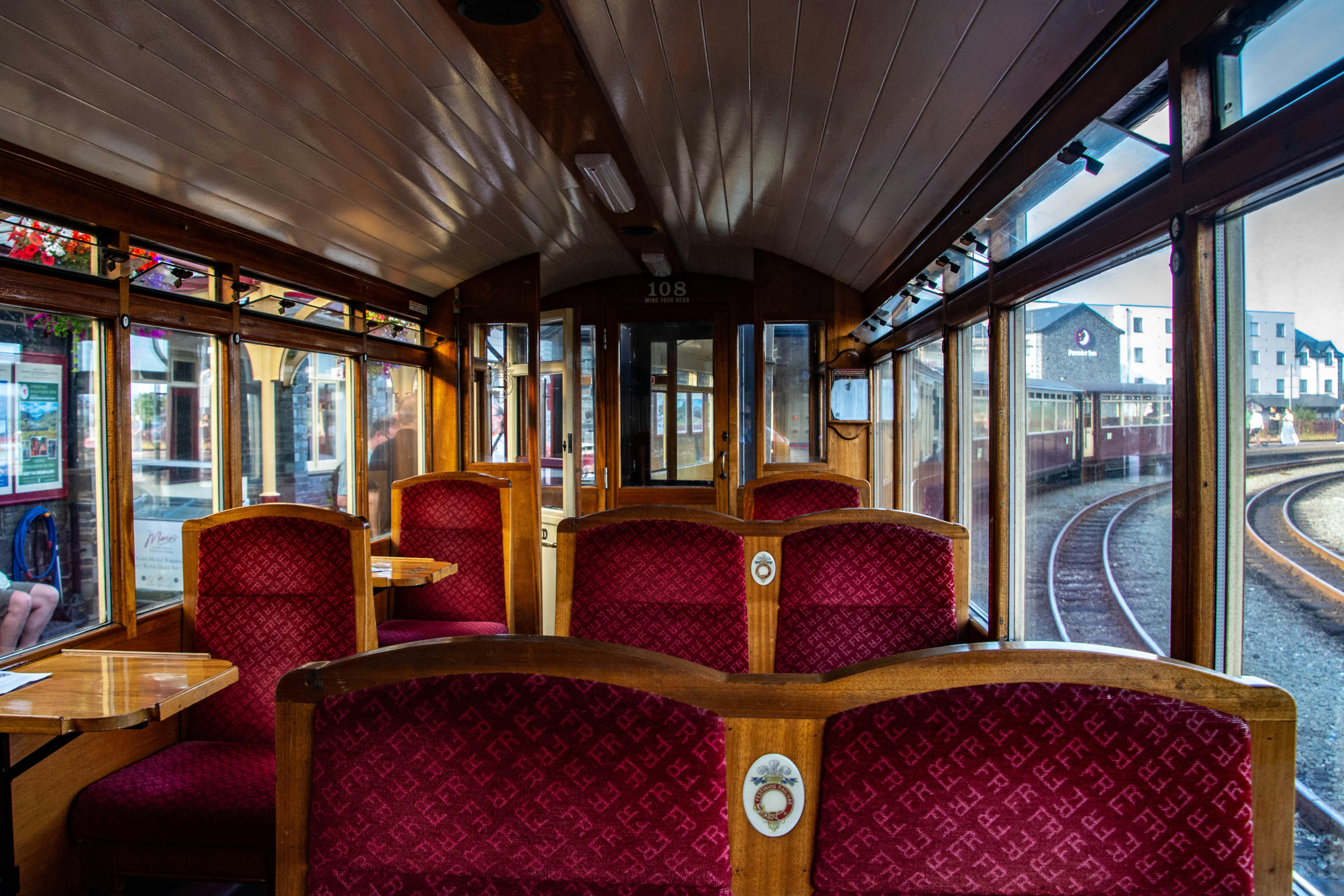
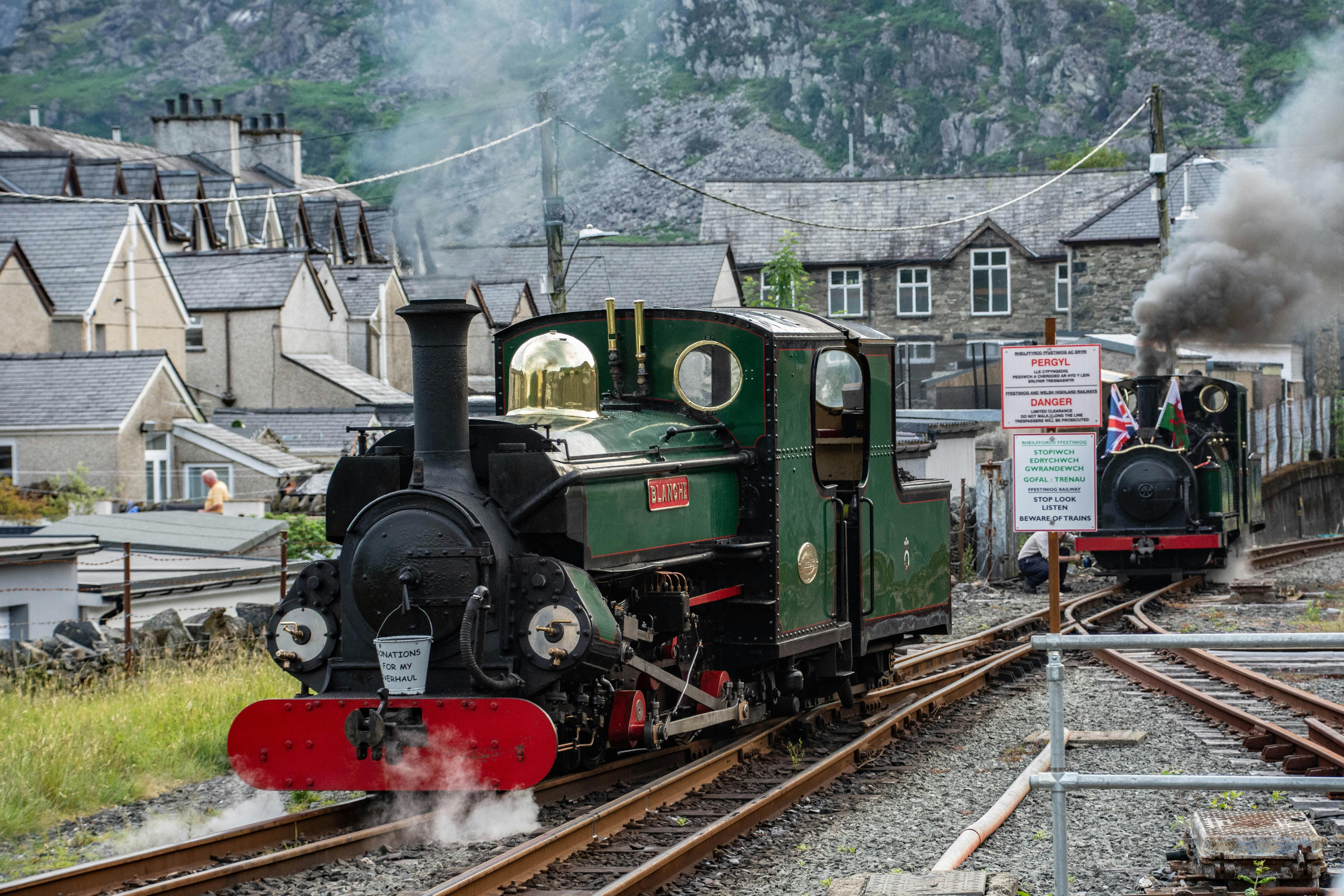
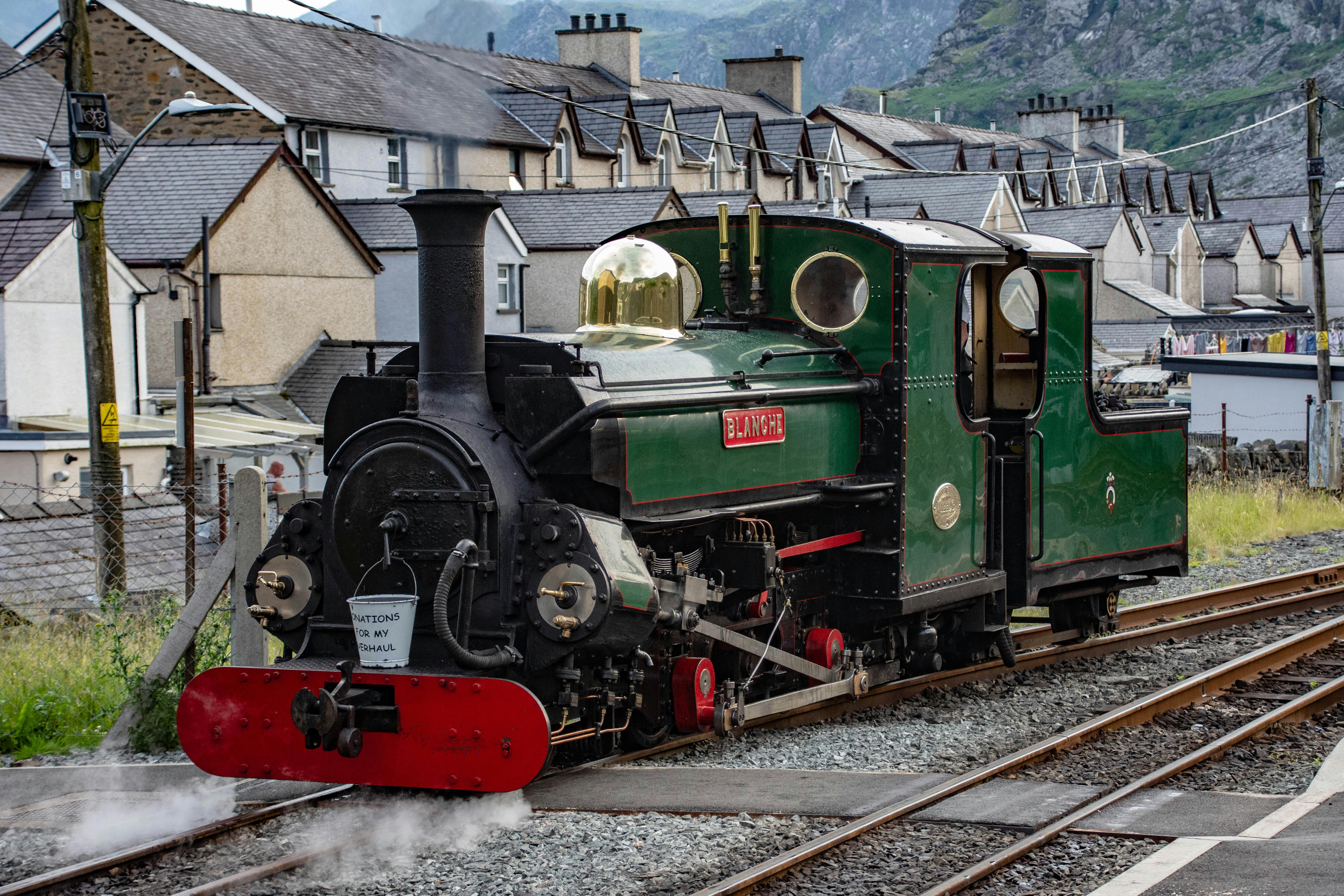
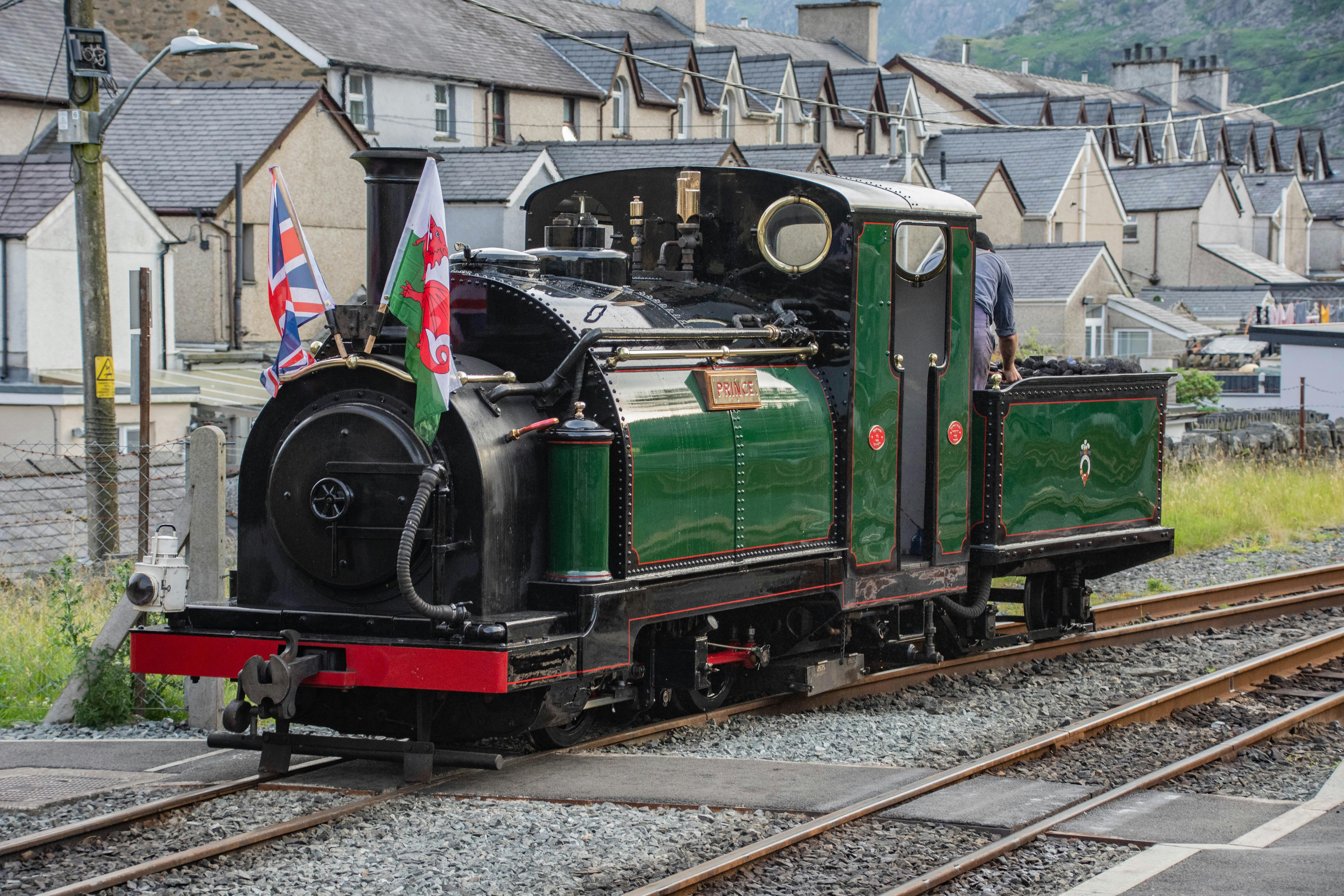
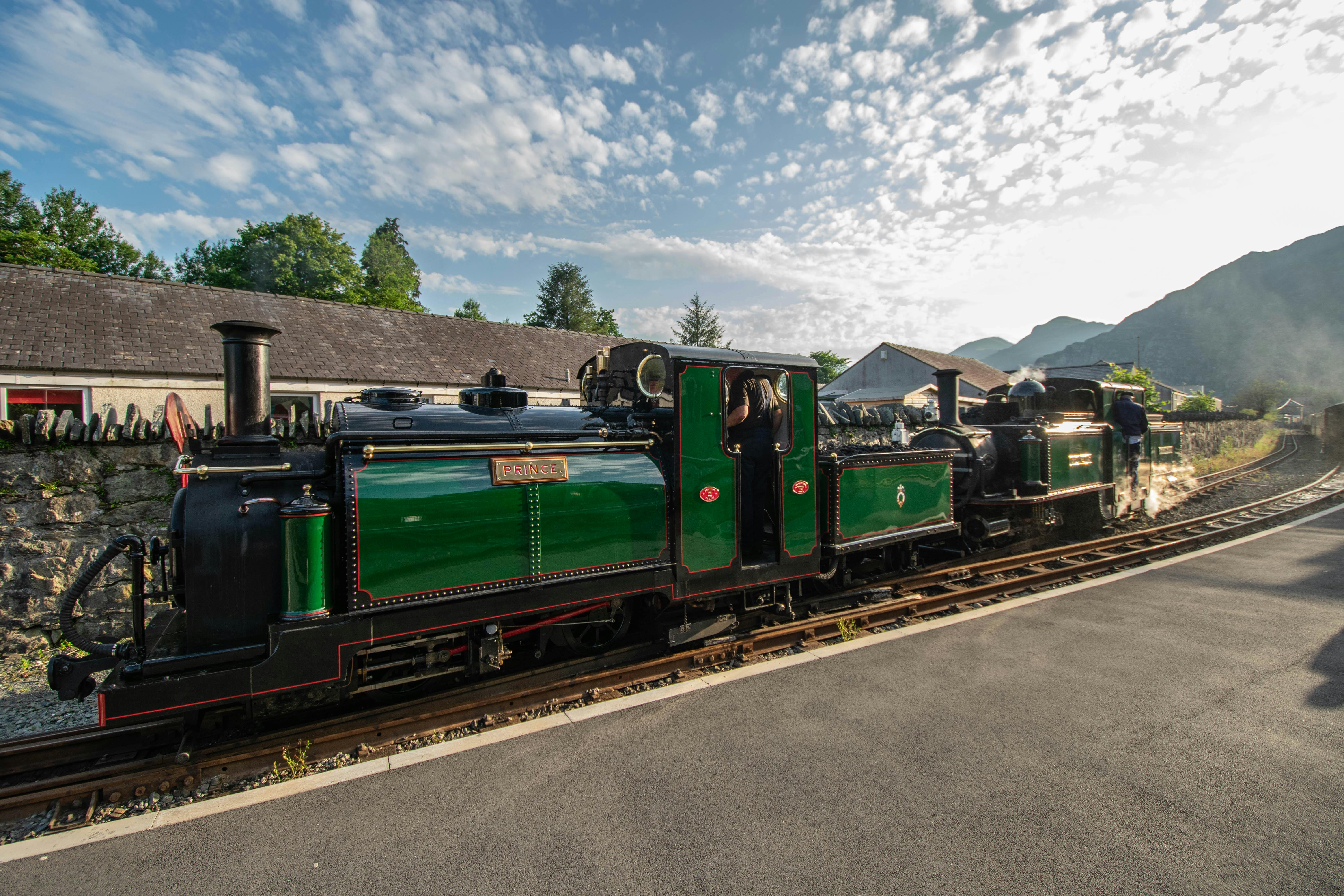
Although billed as a 3 day event, the festivities began on Thursday evening. Since this was my first visit to the railway, I hopped aboard the evening ‘sunset’ return service from Porthmadog to Blaenau Ffestiniog. This was a double header service, hauled by ‘Prince’ and ‘Blanche’. Prince was built in 1863 and is the world’s oldest operating steam locomotive still running on it’s original railway. Prince was the first steam locomotive used by the preservationists on the revived railway in 1955 and features heavily throughout the weekend. Blanche is a Hunslet built in 1893 who has a sister, Linda, who you will see later in this post.
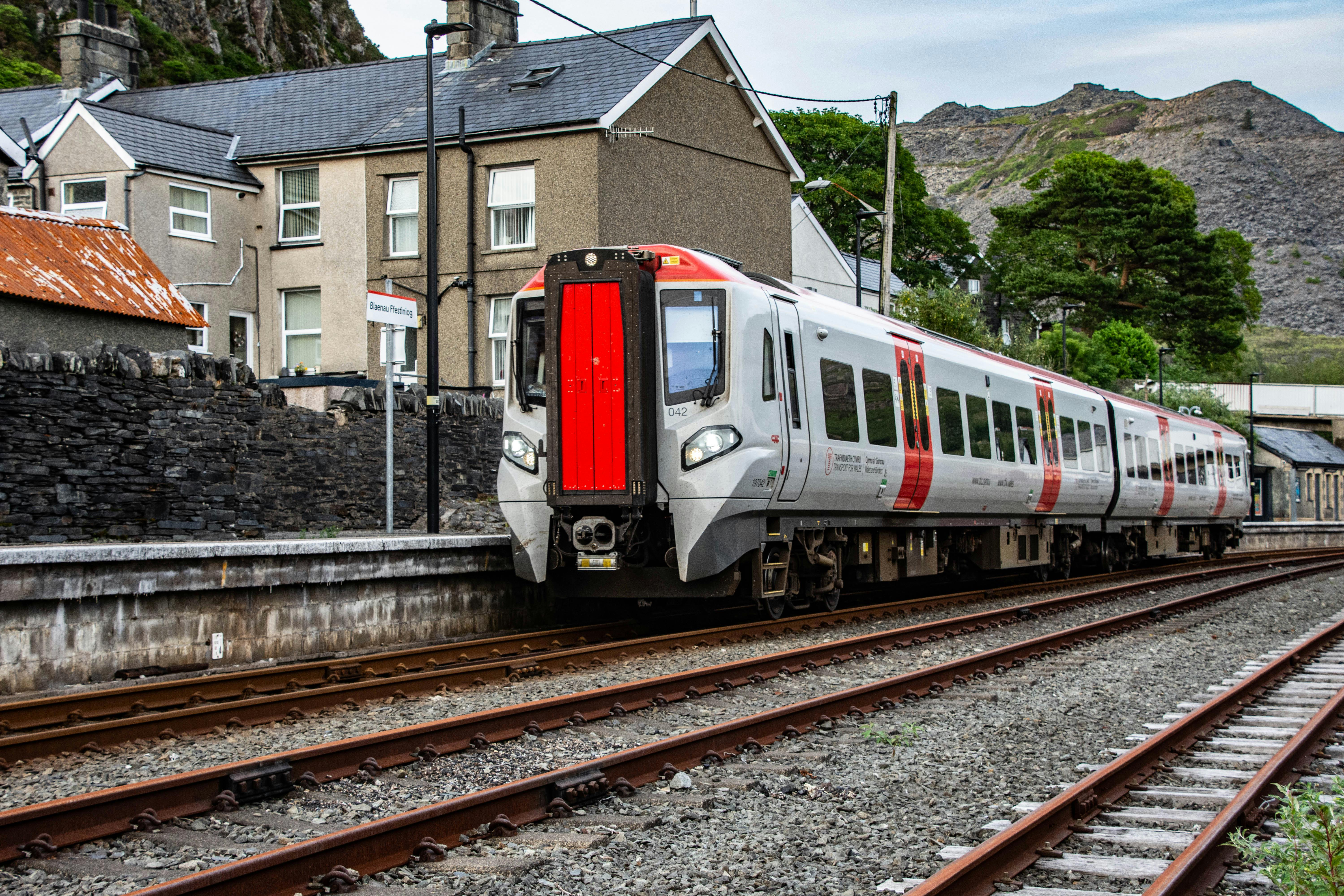
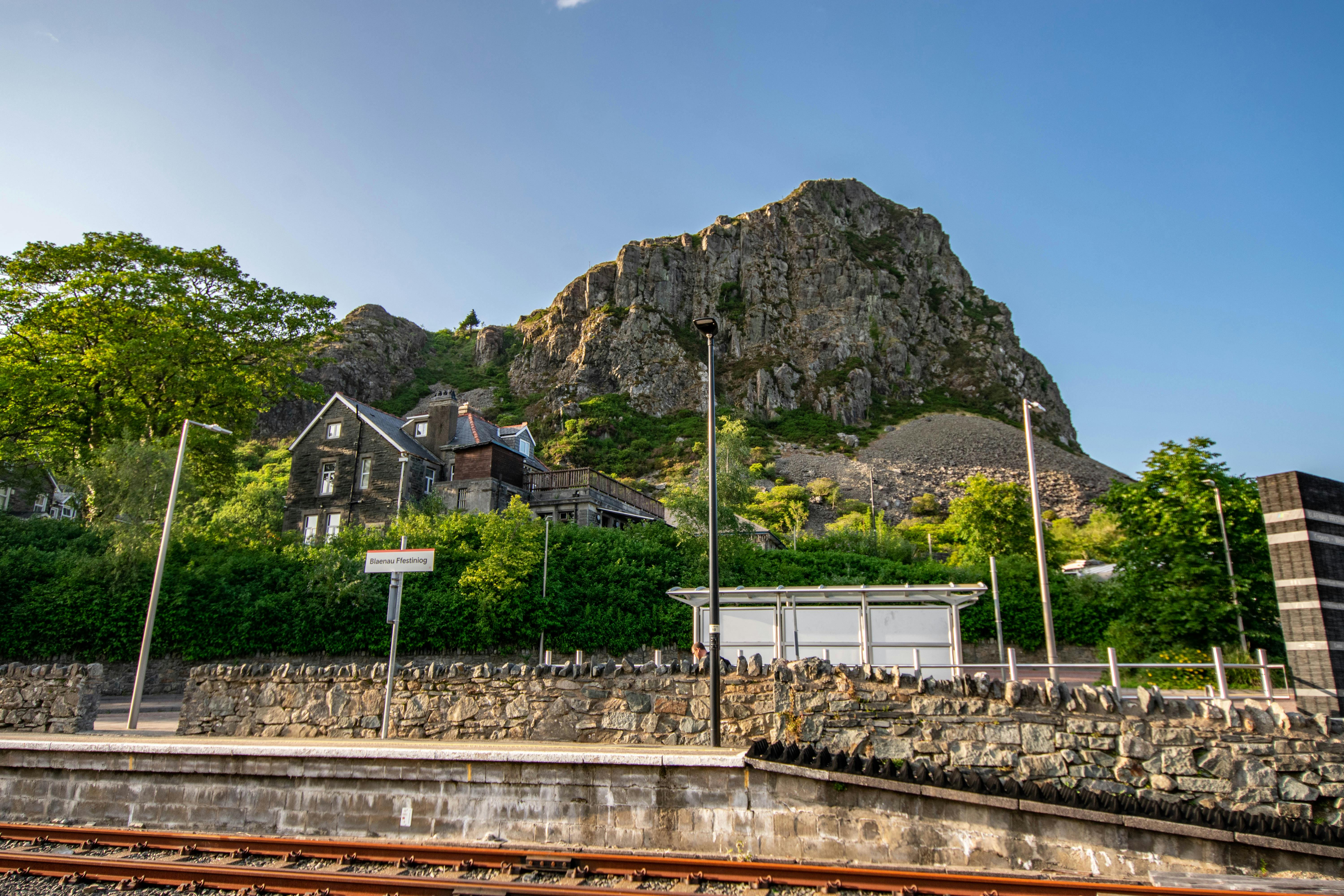
We pull into Blaenau Ffestiniog just in time to catch the mainline service pulling in from the Conway Valley which runs from here up to Llandudno on the north coast of Wales.
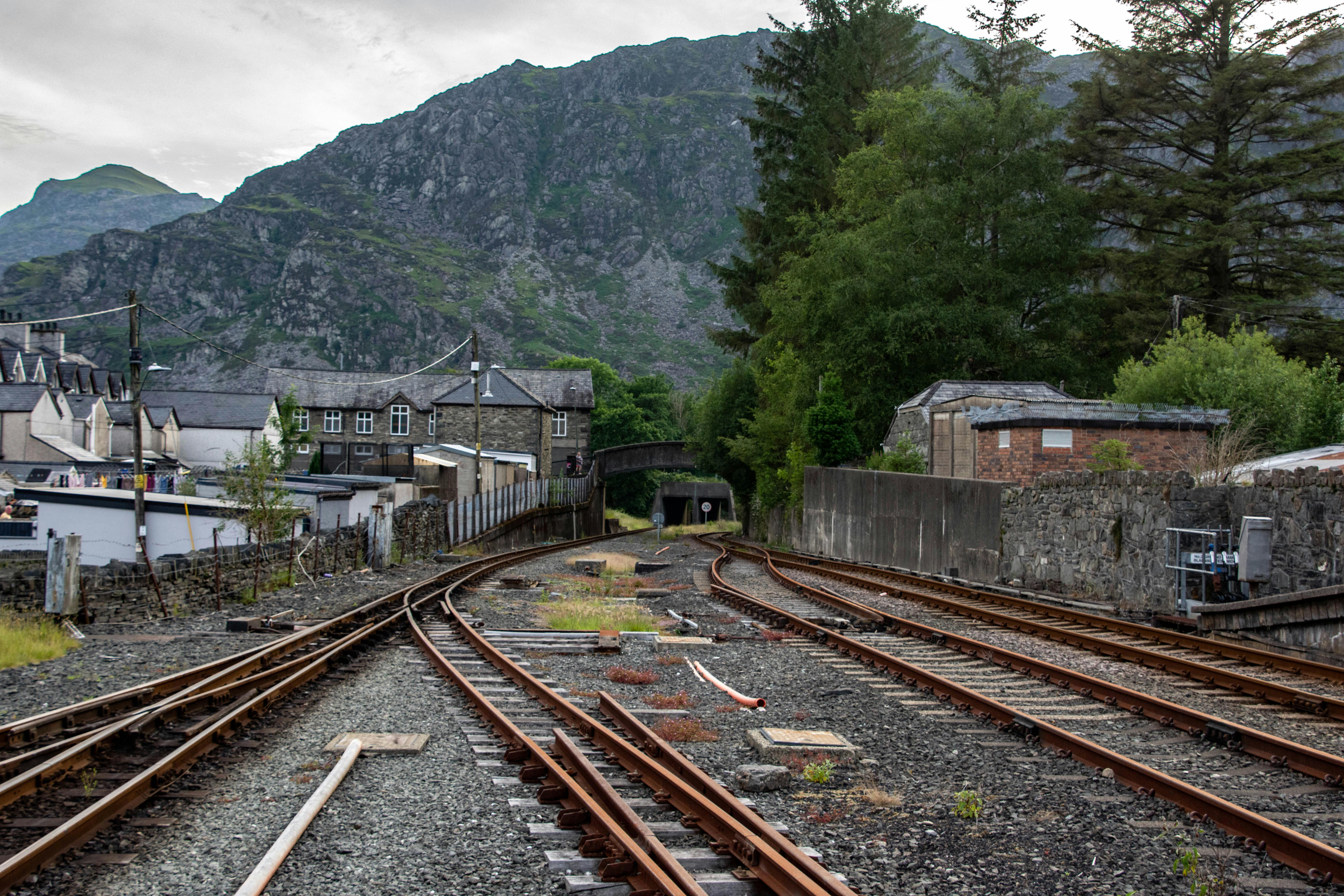
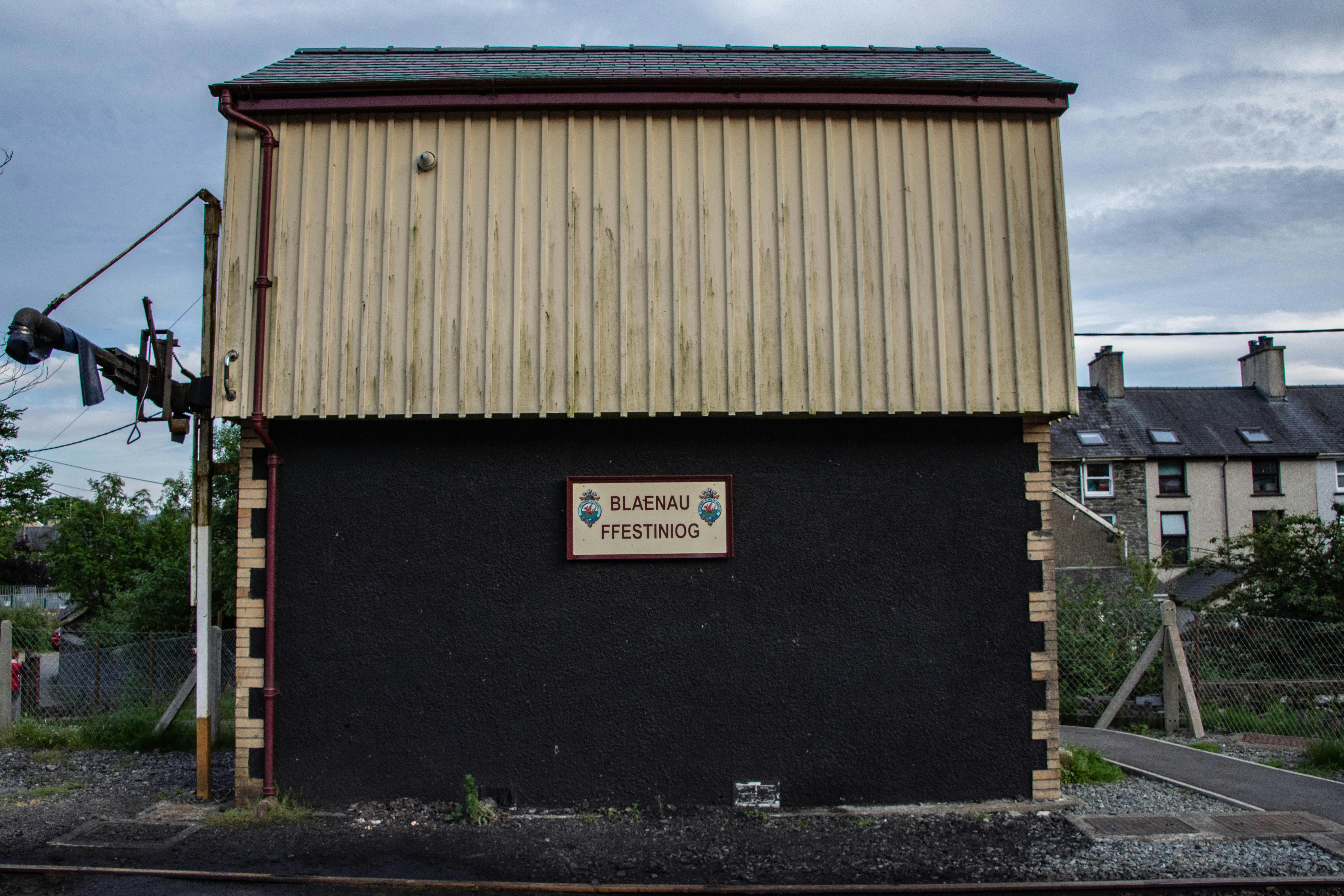
Blanche and Prince run around the train ready to haul us back to Porthmadog and this is the first opportunity I have to see them up-close. Blanche is due to have an overhaul soon and is sporting a bucket on the front for donations which she carried all weekend while Prince bares the flags of the UK and Wales. Prince was the first locomotive to enter preservation and be restored when the railway entered preservation in 1955 so he’s earnt the right to be the main flag bearer for this weekend.
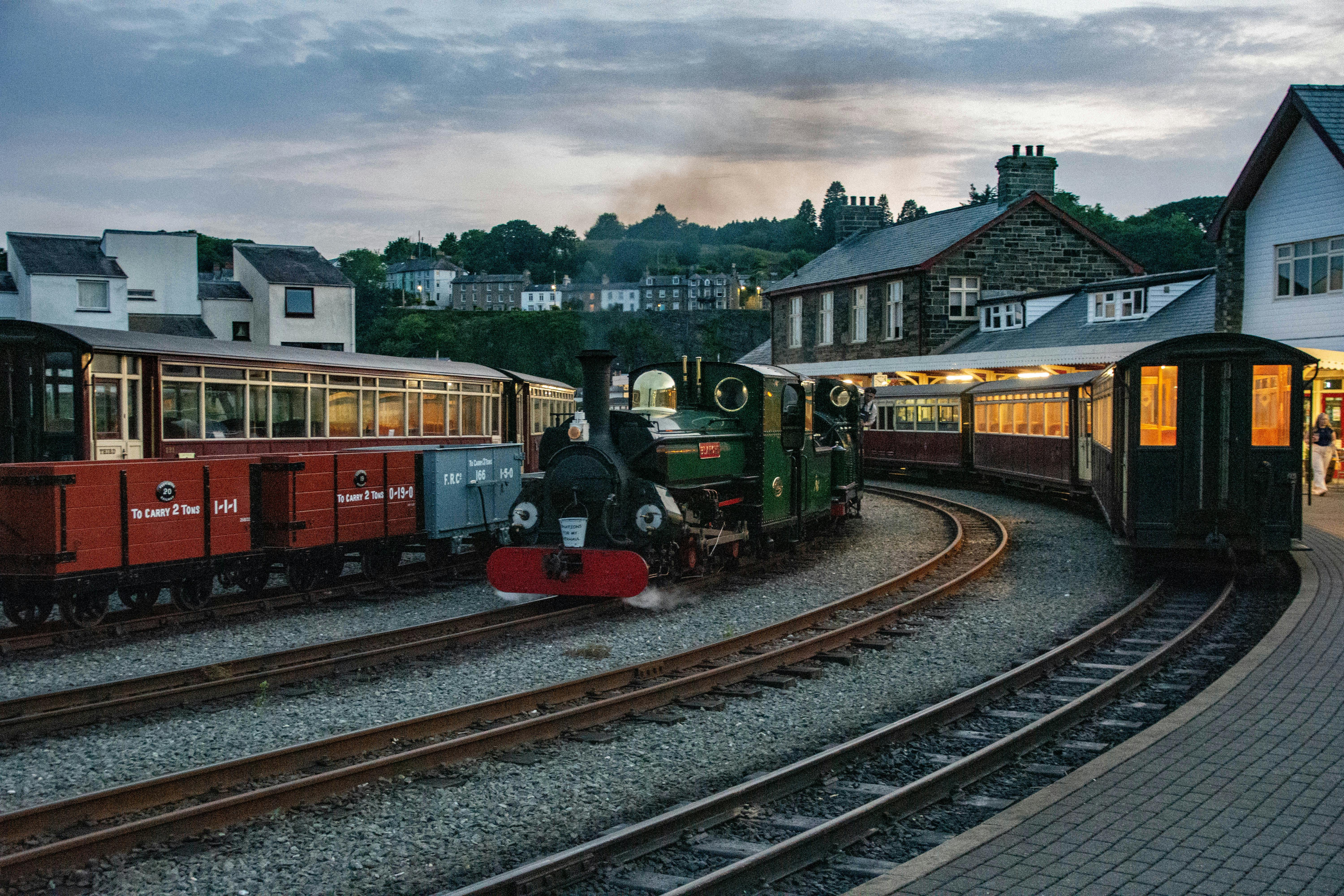
As we head back to Porthmadog, the sun begins to set. It was nice to capture some photos in the lower light levels, especially showing the carriages illuminated at Porthmadog station.
Friday 20th June
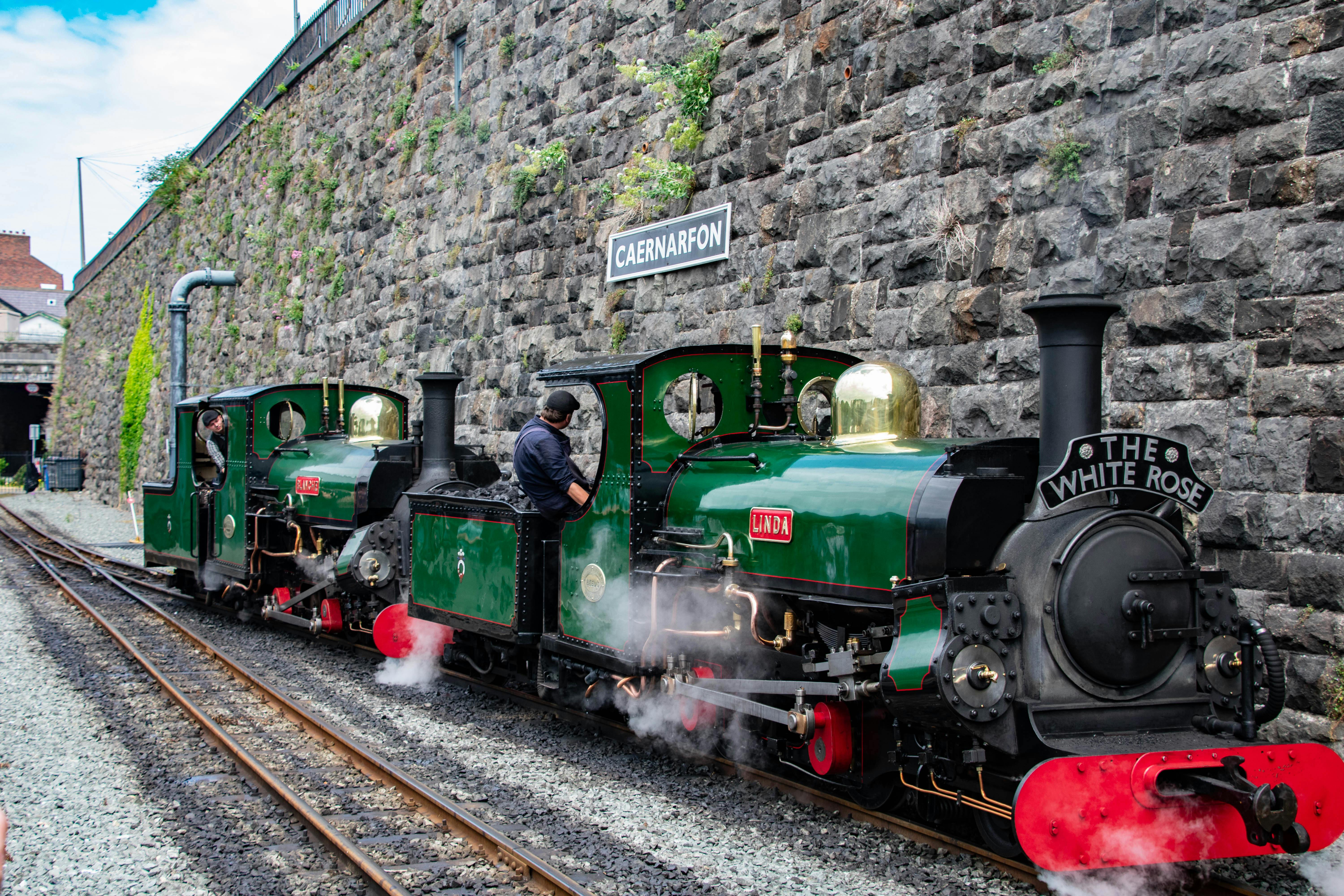
Friday was without doubt the busiest day. In the morning, we jumped on one of the early services for the Welsh Highland Railway which took us on a return journey from Porthmadog to Caernarfon, which is a coast-to-coast service. The route between Porthmadog and Caernarfon is around 25 miles so it’s a long journey; around 6 hours return time. Normally this service would be hauled by Welsh Highland engines however as this is a special occasion, it’s a double header of two sisters. Blanche and Linda are our motive power for this trip. It’s a roasting hot summers day, with temperatures around the low 30’s, so you can imagine how warm it was in the carriages, but on the plus side, the good weather allows us resplendent scenery and views. Our train is made up of mainly third class carriages and 2 luxury Pullman carriages which sit at the front of the train for our outbound trip.
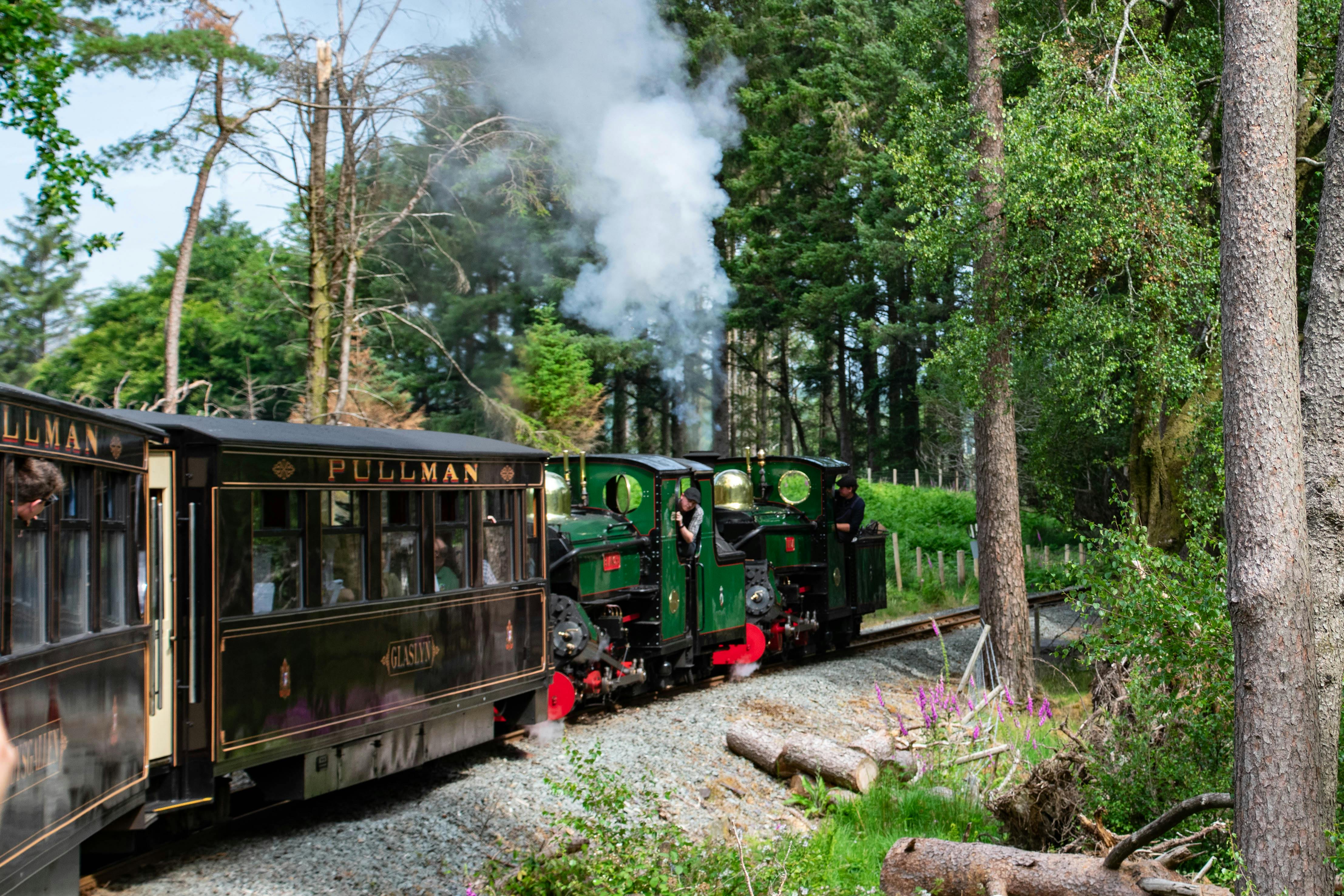
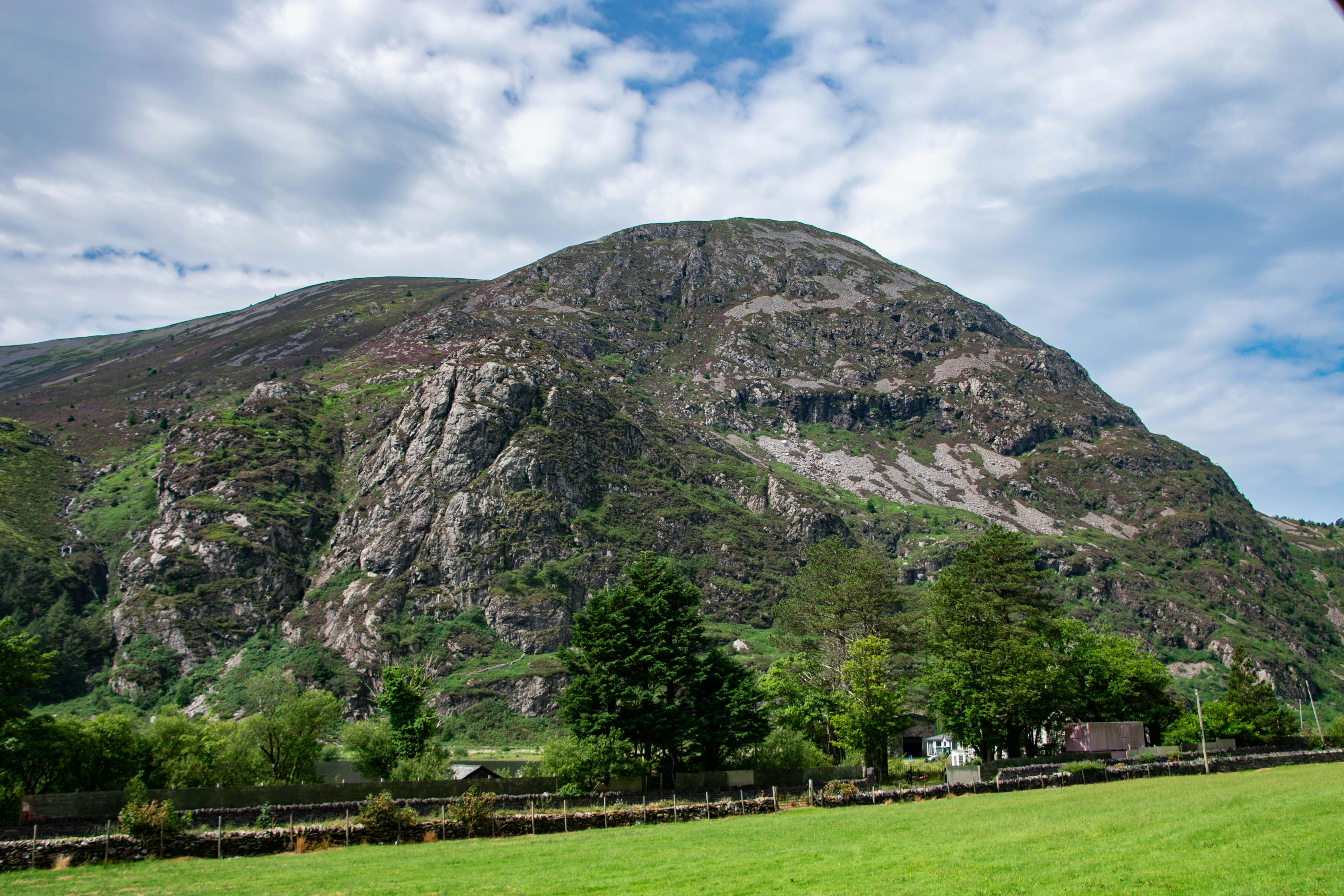
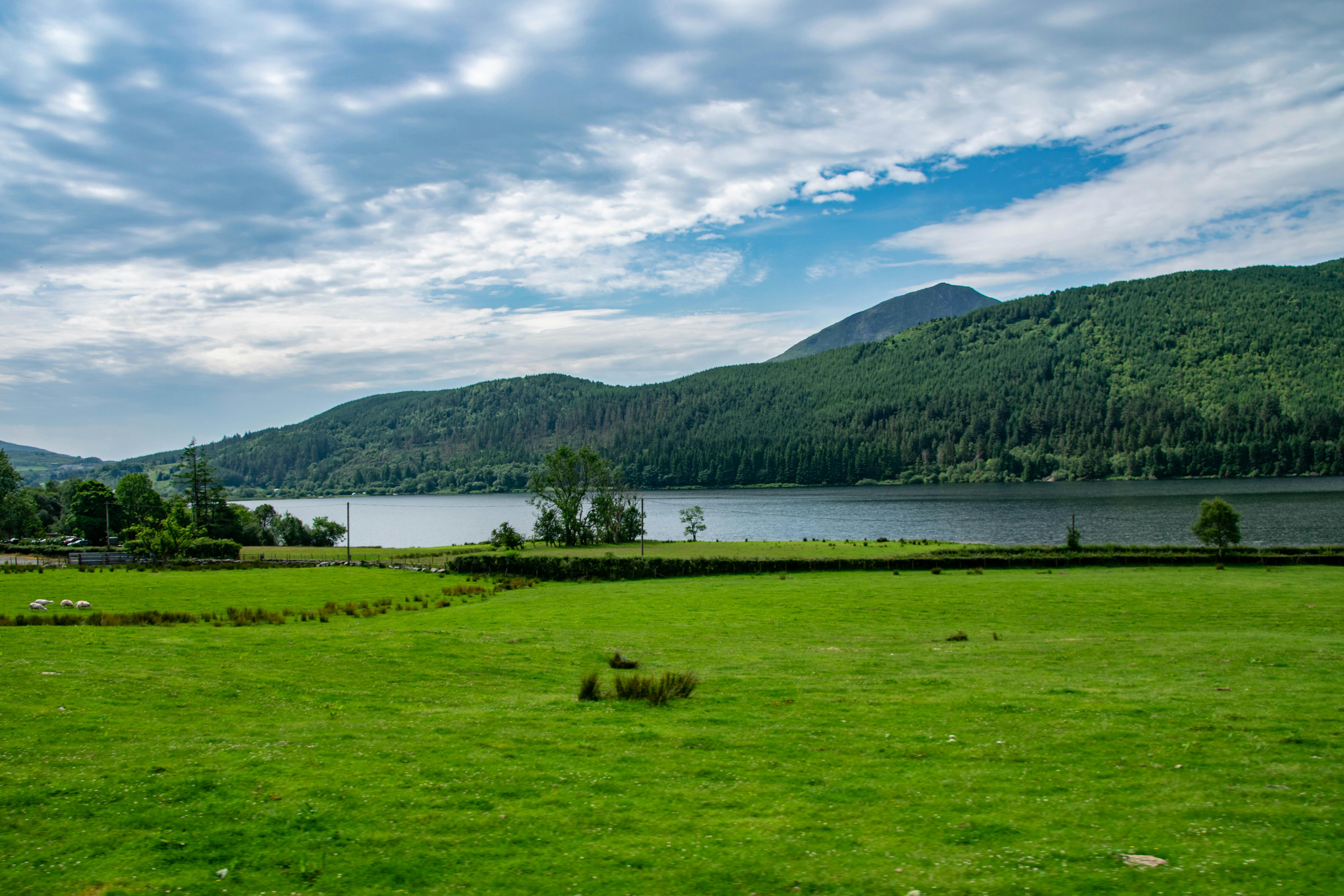
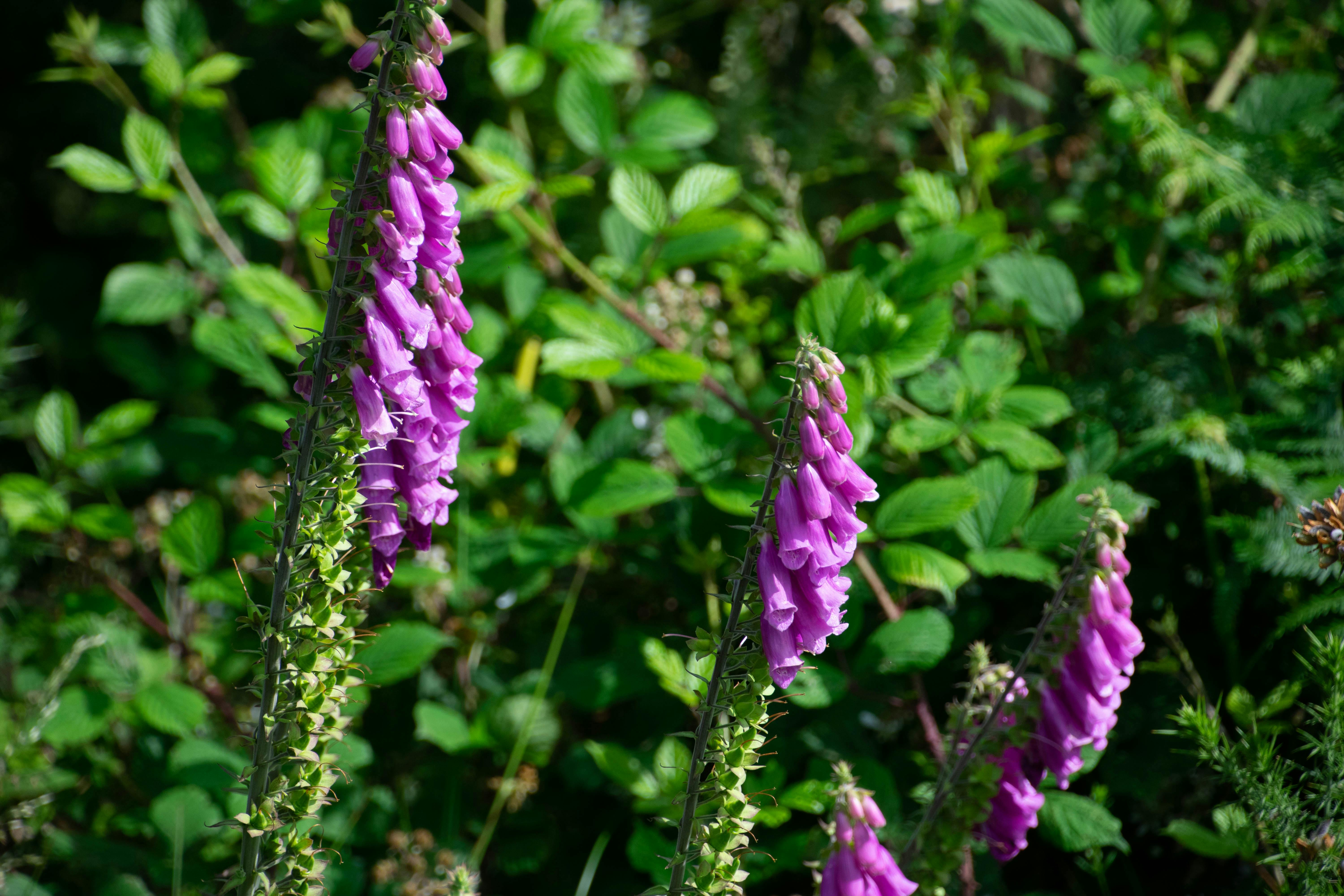
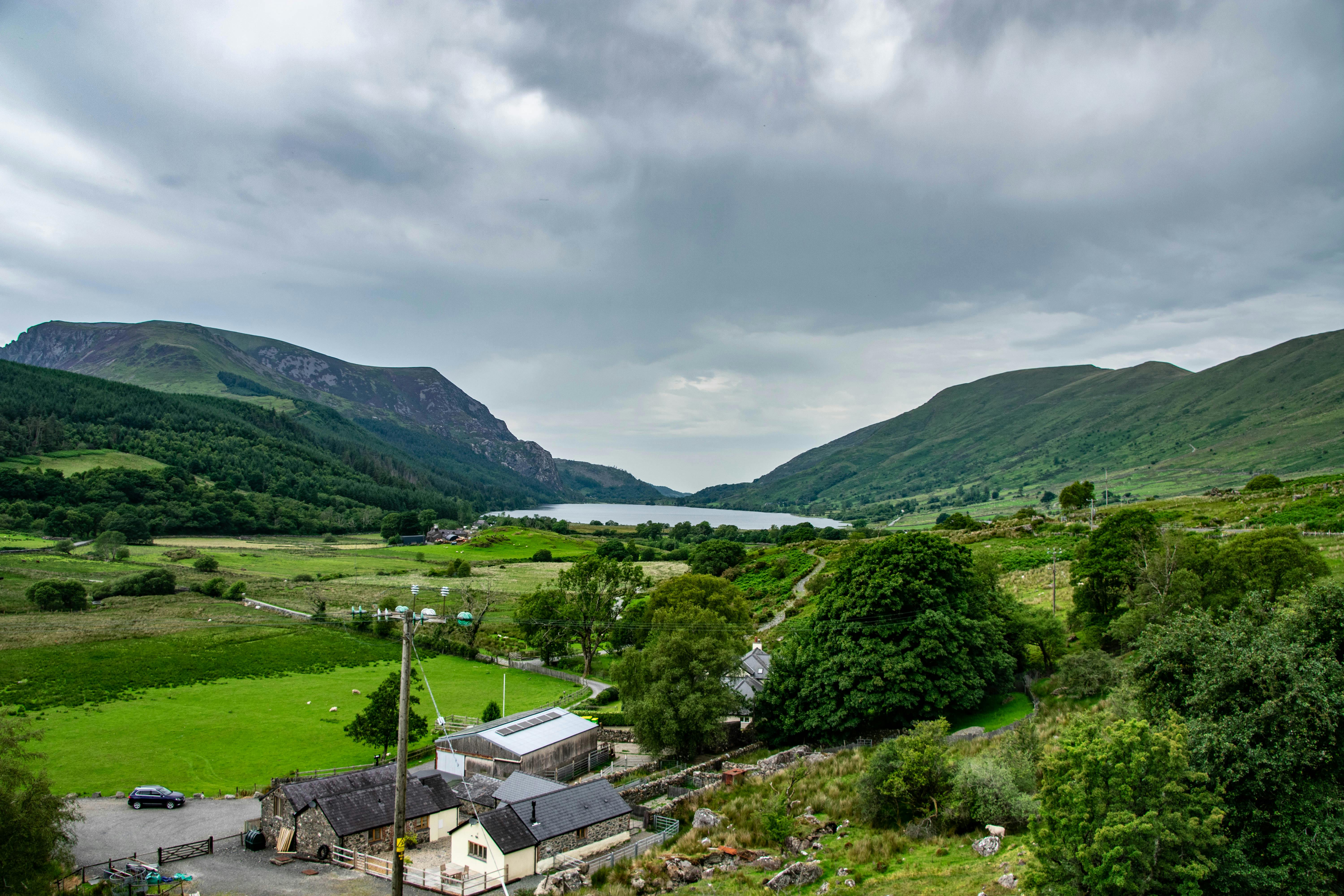
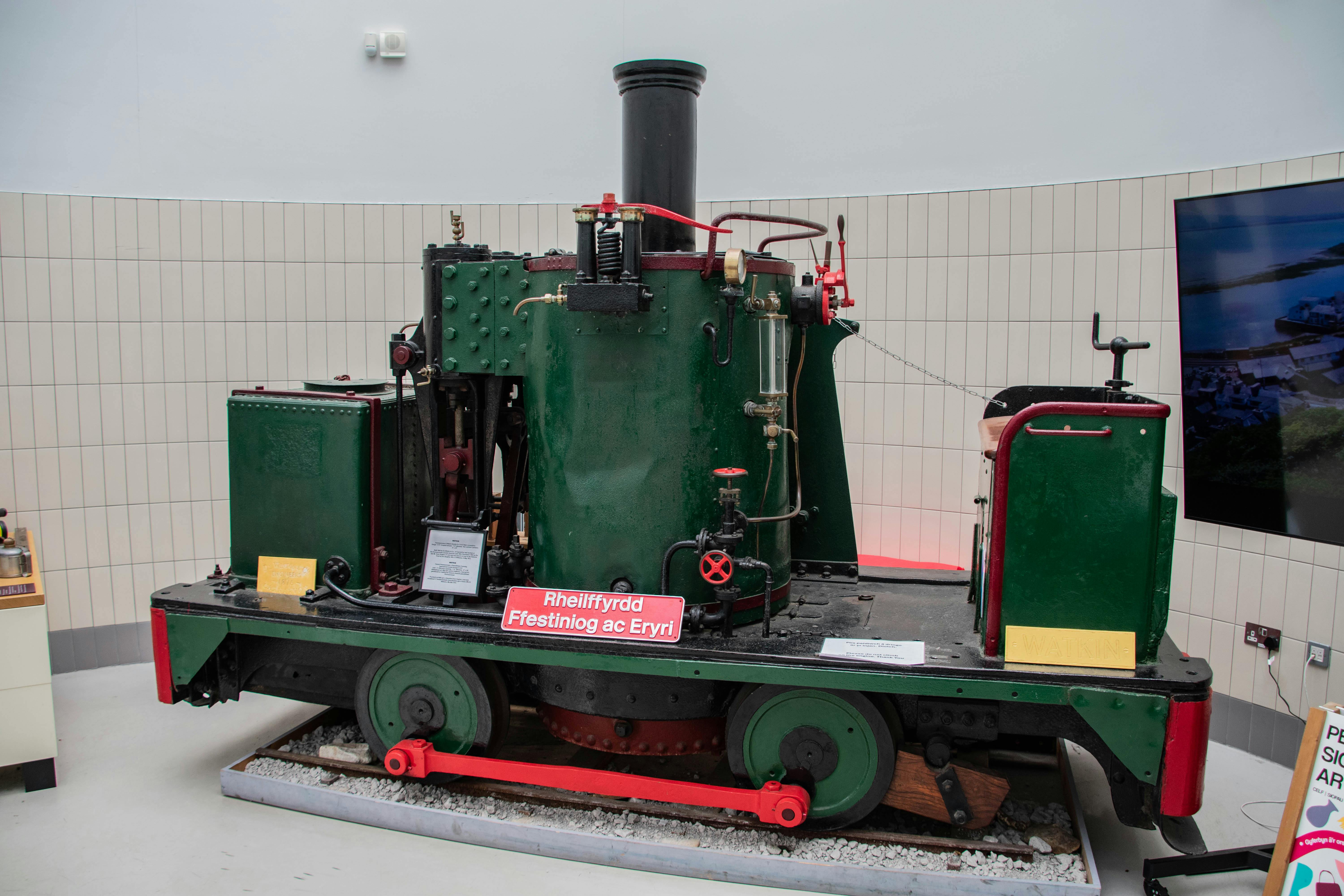
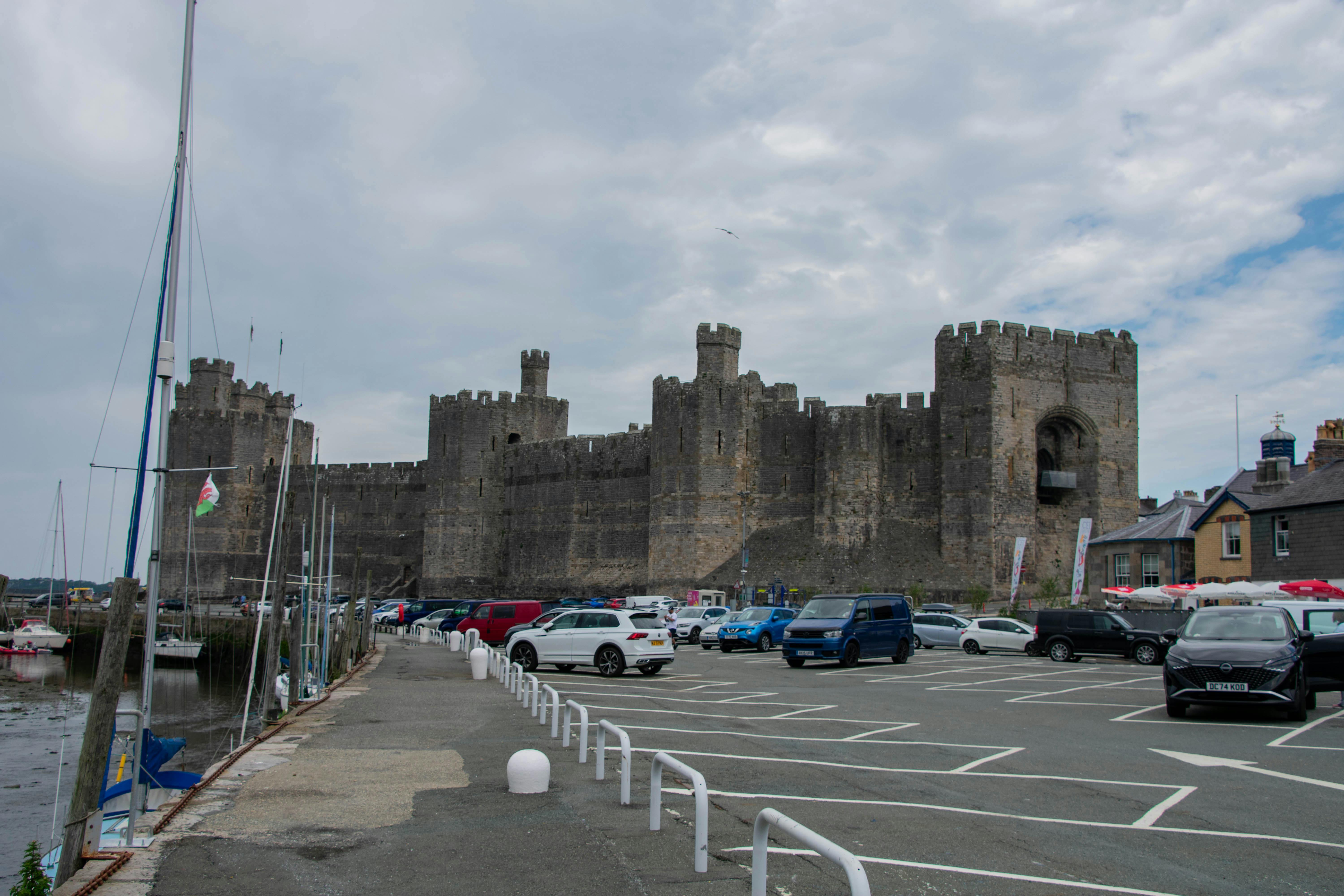
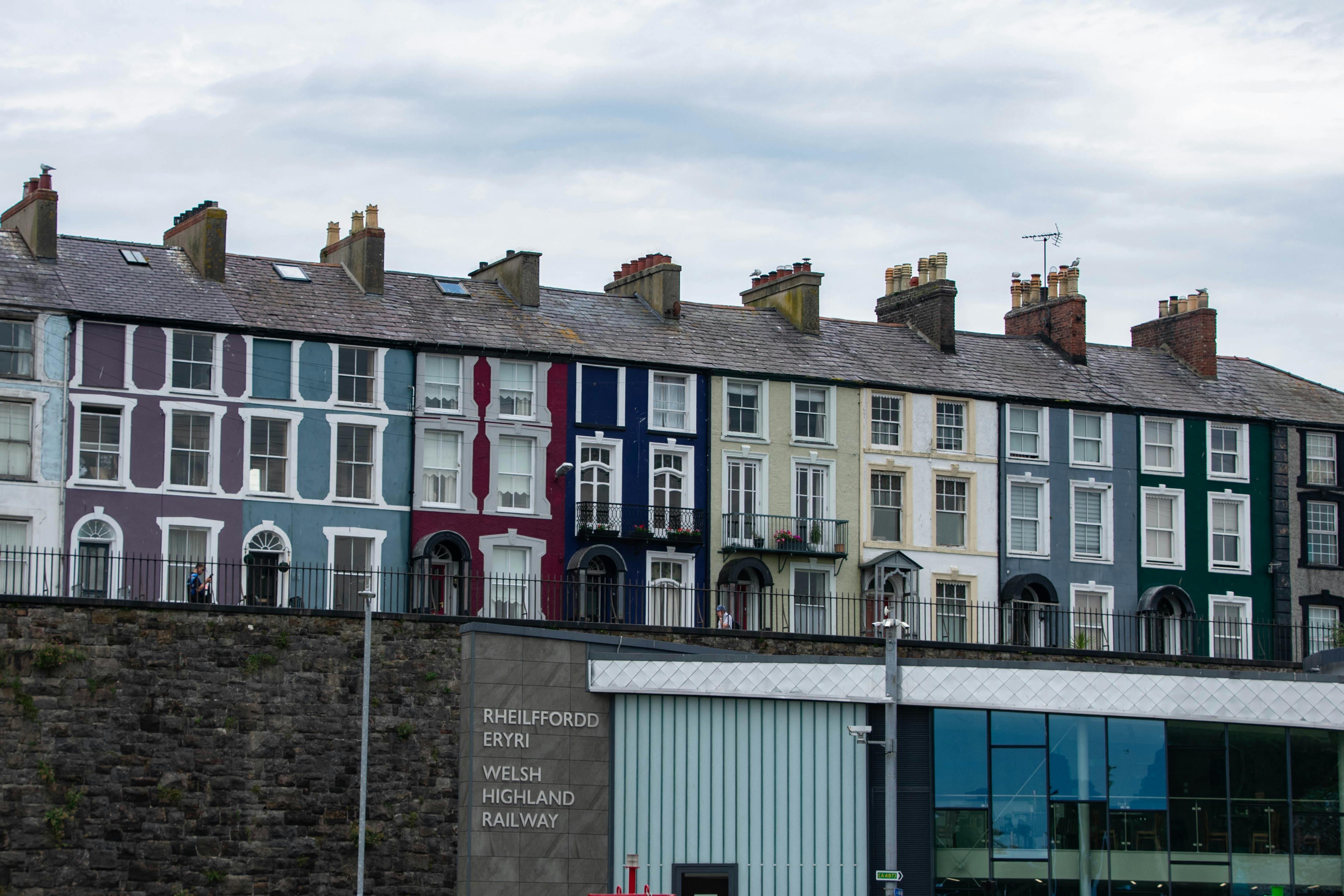
Arriving at Caernarfon, we go for a little wander around while the engines fill up with water and run around the train. It’s a pretty town with Caernarfon Castle sitting at the base of a row of terraced houses, all in a different colour. Inside Caernarfon station is a De Winton built 0-4-0 ‘Watkin’ on display. Built in 1893 for the Penmaenmawr granite quarry, this vertical boiler engine was built at the Caernarfon works, just yards from where the station is today and worked until 1944, before being purchased for preservation in 1966 and eventually moving to Caernarfon station as a permanent exhibit in 2019. We will see a working example of another De Winton vertical boiler engine later.
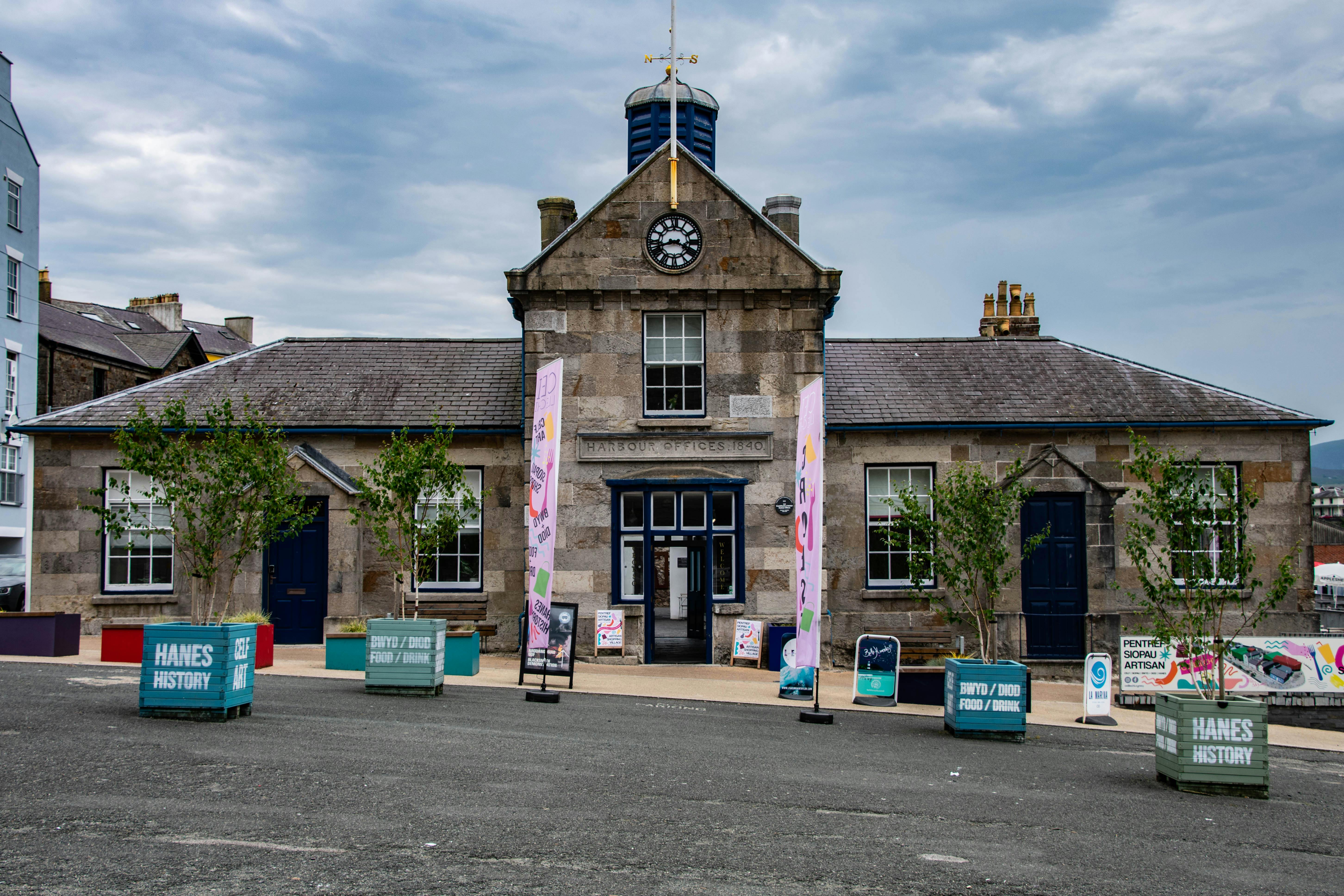
The railway which we travel on today was not build as a single continuous line. The line today that we know as the Welsh Highland Railway was formed in 1922 from the merger of two other companies and it’s had quite a history:
- The North Wales Narrow Gauge Railway built between 1877 and 1881 (which ran between Dinas Junction and Rhyd Ddu (at the foot of Snowdon) which was primarily used to transport passengers and dressed slate from the Glanrafon slate quarry near Rhyd Ddu to Dinas Junction which linked with the standard gauge London and North Western Railway.
- In 1923, The Dinas to Rhyd Ddu line was extended south to connect with the Croesor Tramway. This tramway was built in 1864 to connect the slate quarries in the Croesor valley with Porthmadog. You could now travel from Porthmadog to Caernarfon, changing at Dinas Junction.
The completed line between Porthmadog and Dinas was opened in 1923 and this is the first time it was called the Welsh Highland Line. The line was however not a financial success, with passenger numbers their strongest in the summer when tourists visited Snowdon and the anticipated slate and mineral traffic failed to materialise. The railway went into receivership in 1927, leased to the Ffestiniog Railway in 1934 but the losses continued. The line finally closed to passengers in 1936 and then eventually to all railway traffic in 1937. Between 1941 and 1948, the track between Dinas Junction and Porthmadog was lifted.
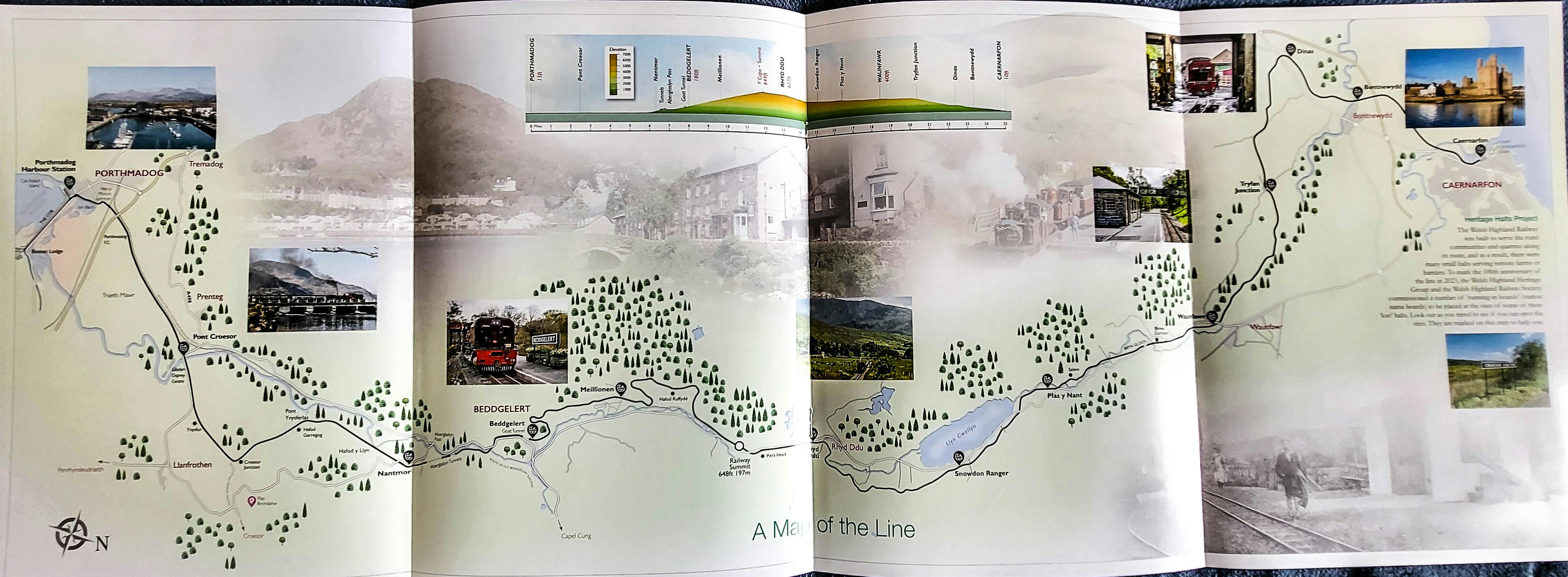
It wasn’t until 1989 that the Ffestiniog railway renewed its interest in the WHR and made a bid for the original track bed. Several legal battles later, in 1995, the Ffestiniog Railways gained control of the WHR and received a grant of £4.3 million to reconstruct the railway between Caernarfon and Rhyd Ddu, with a new purpose built terminus at Caernarfon. In 1997, work started to restore the section of line from Caernarfon and Dinas. The next section to be rebuilt was Dinas to Rhyd Ddu which completed in 2003. Finally, in 2009, work completed to restore the line from Rhyd Ddu back to Porthmadog. The Welsh Highland Railway was reborn. To help try and visualise the points along the line mentioned above, please see the map below.
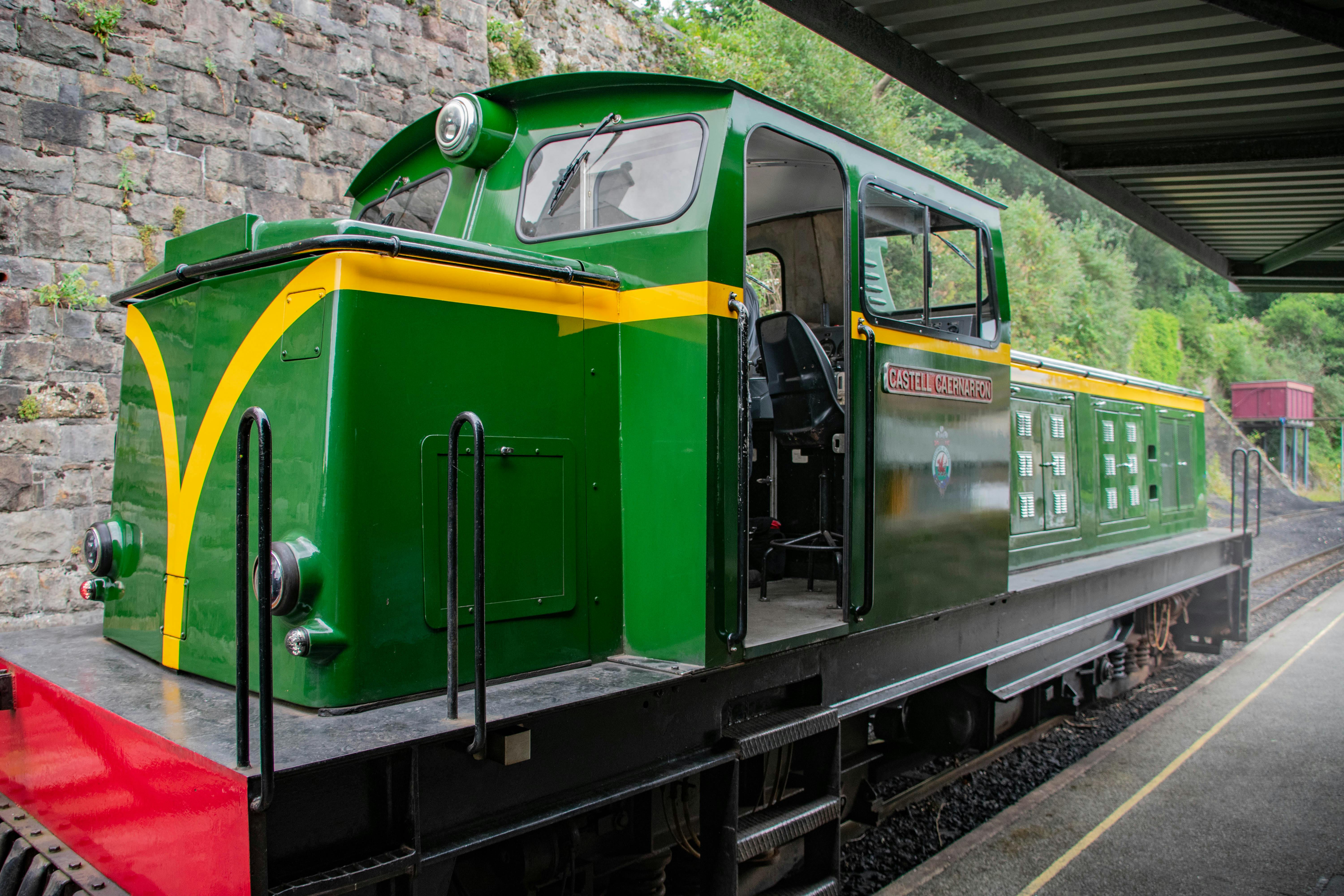
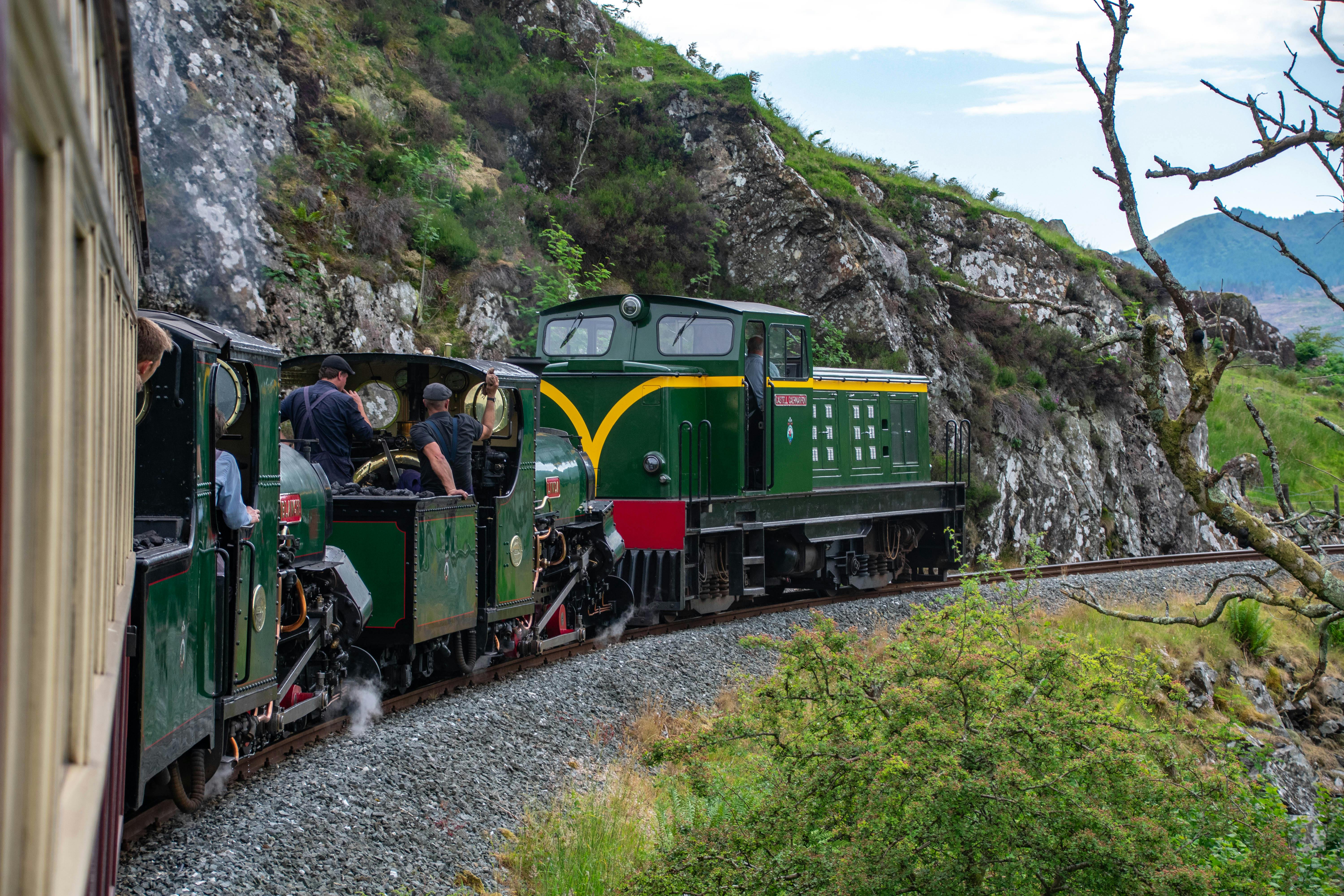
Heading back to the railway now and the double header has become a triple header, with 1967 built diesel engine Castell Caernarfon heading the train. Due to the hot weather and risk of lineside fires, the diesel will do a lot of the heavy lifting for the ascent back over Snowdon.
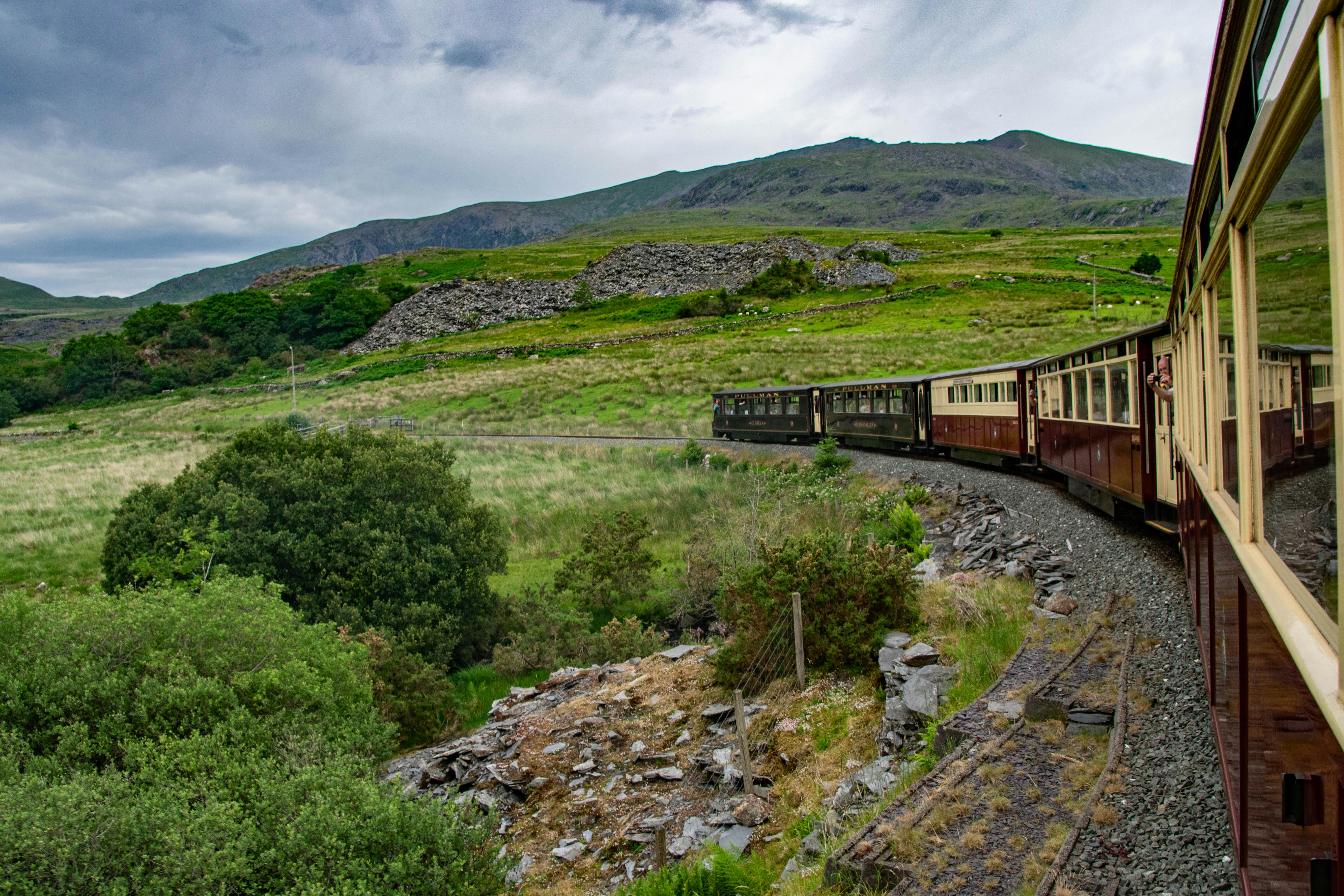
The views along the journey back are equally spectacular, especially when you can stick your head out the window and look at the train as it negotiates the curves in the hills.
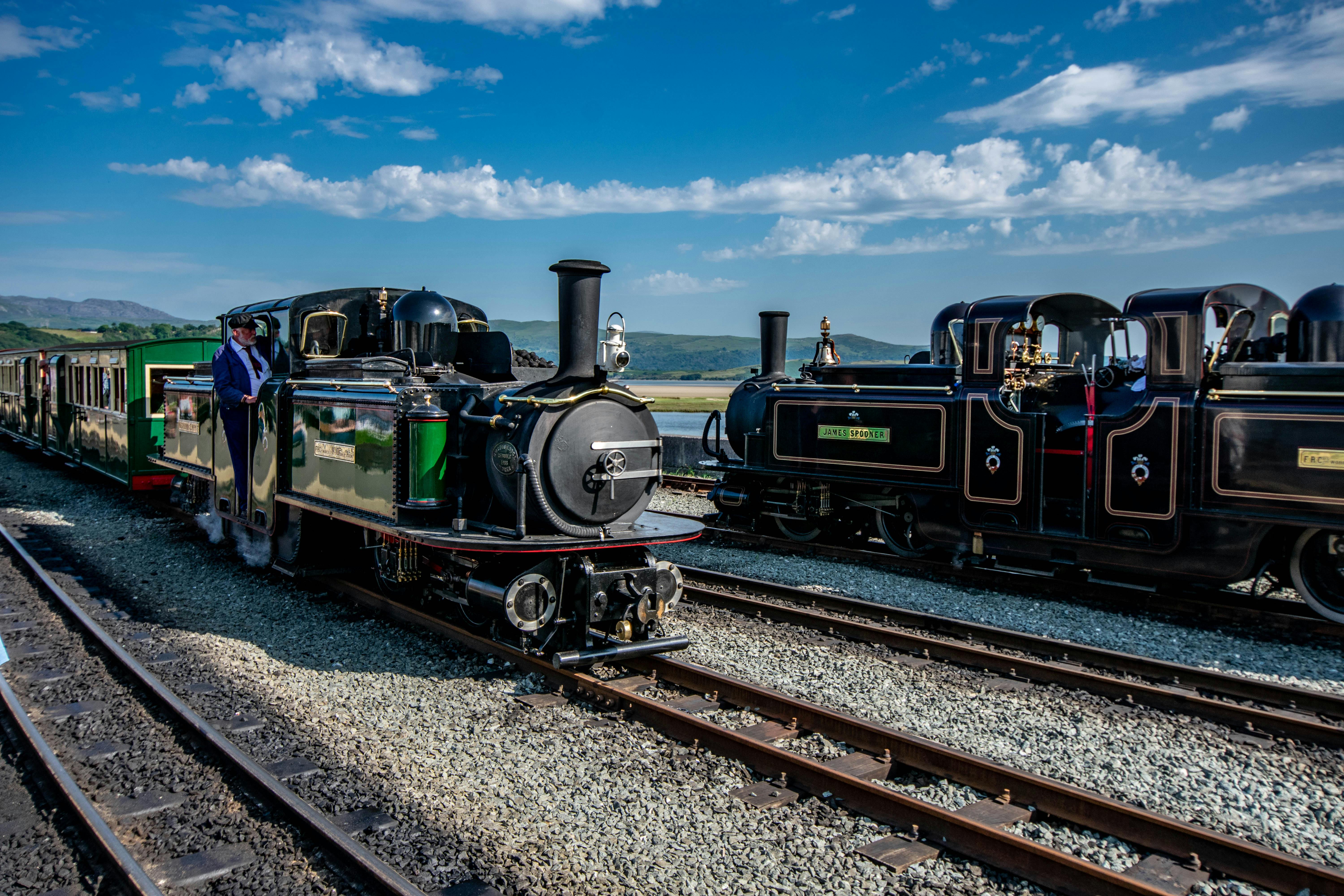
Finally back in Porthmadog, the timetable has gone out the window. Afternoon services have turned to evening services and there are delays all along the line. If you ever visit a heritage railway and expect it to run to timetable…don’t. There’s a flurry of activity in the harbour station with the Double Fairlie ‘James Spooner’ waiting for ‘Merddin Emrys’ (also a Double Fairlie) to pull in with its train from Boston Lodge.
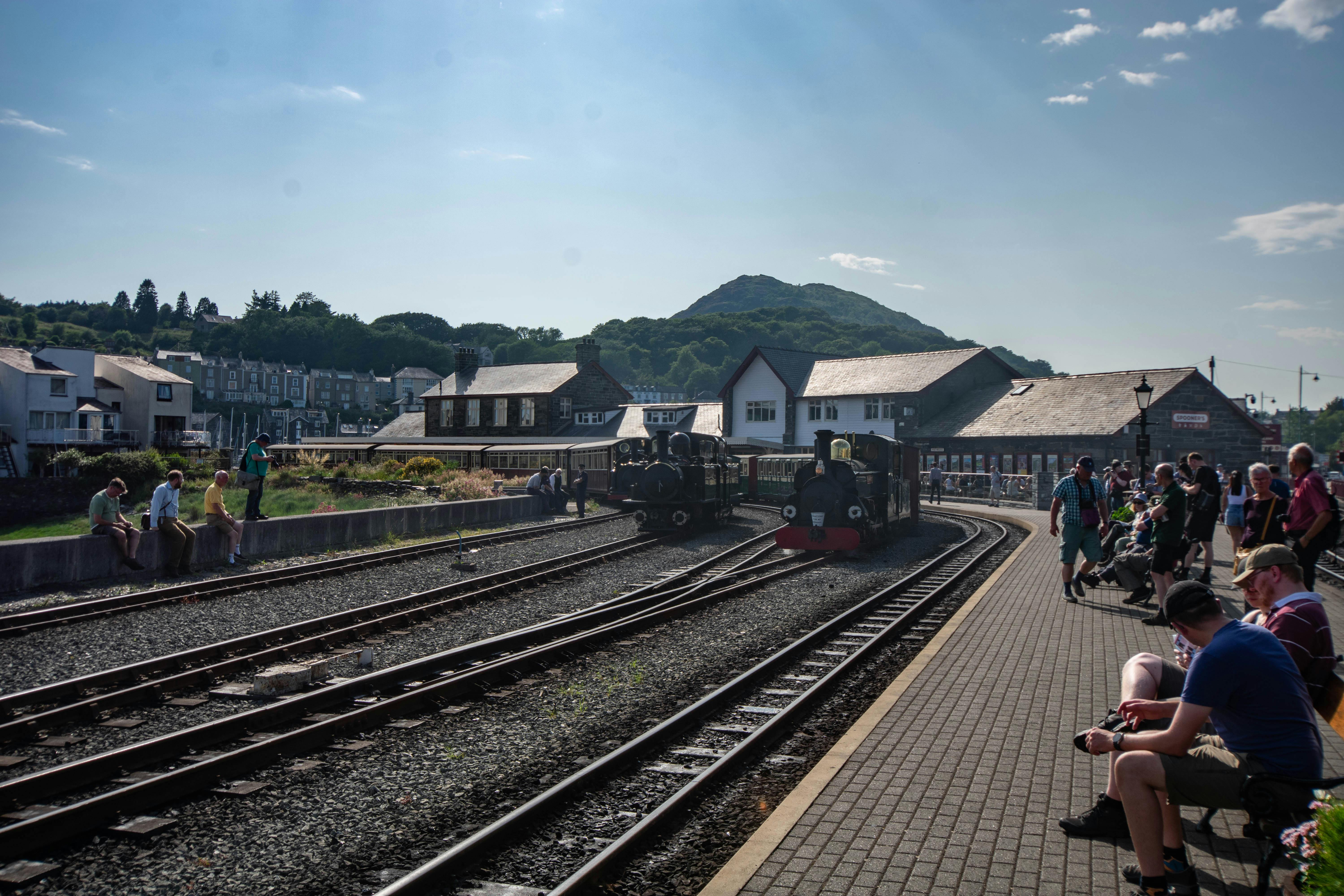
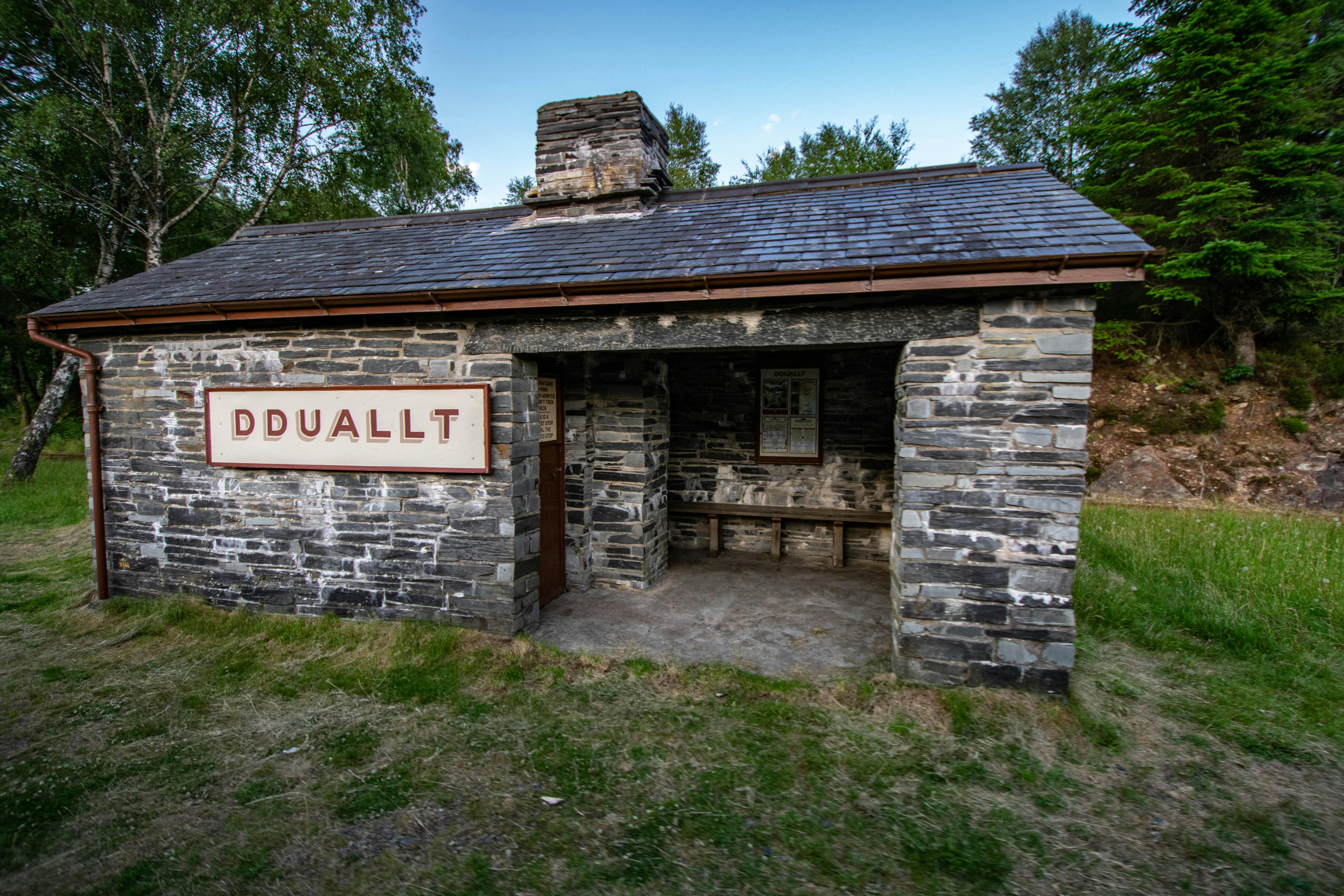
The timetable skew didn’t matter as it turned our next service, which was the non-stop Porthmadog to Blaenau Ffestiniog, into a sunset special. This was pulled by Little England engine ‘Prince’ and ‘Merddin Emrys’. As the light levels drop, the scene before us becomes even more special. The top row of images below show the train going around the loop at Dduallt station which we will see more of later on.
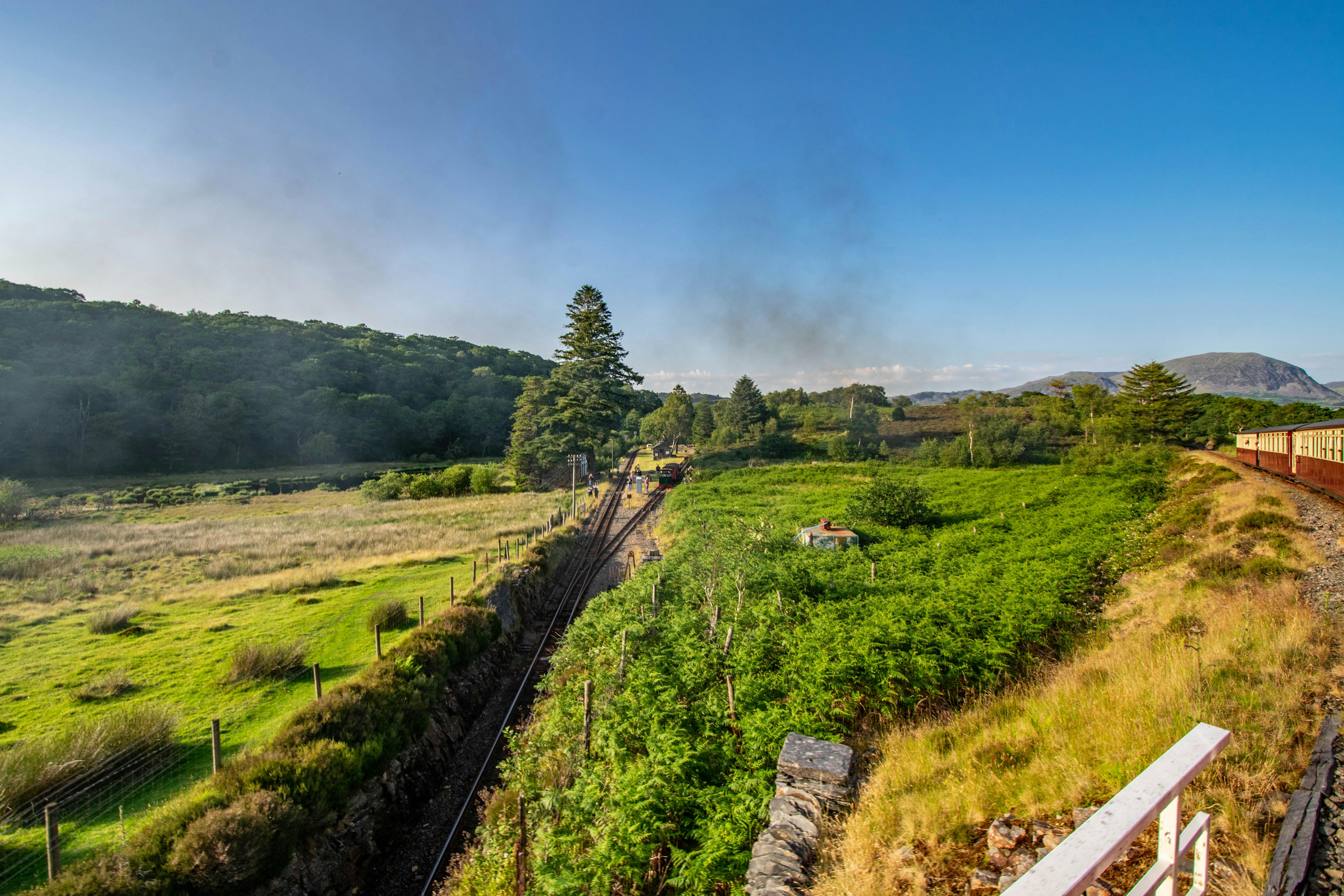
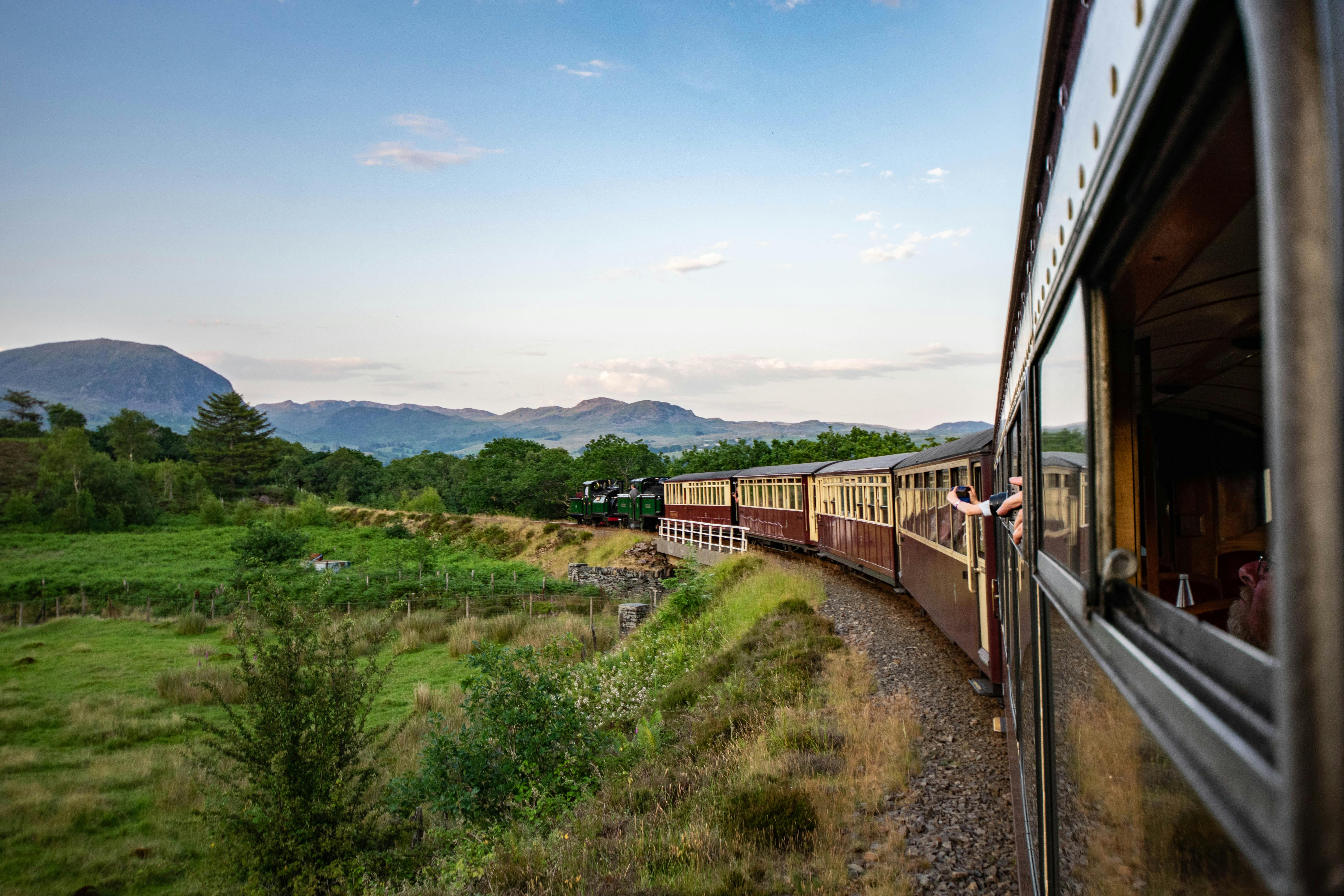
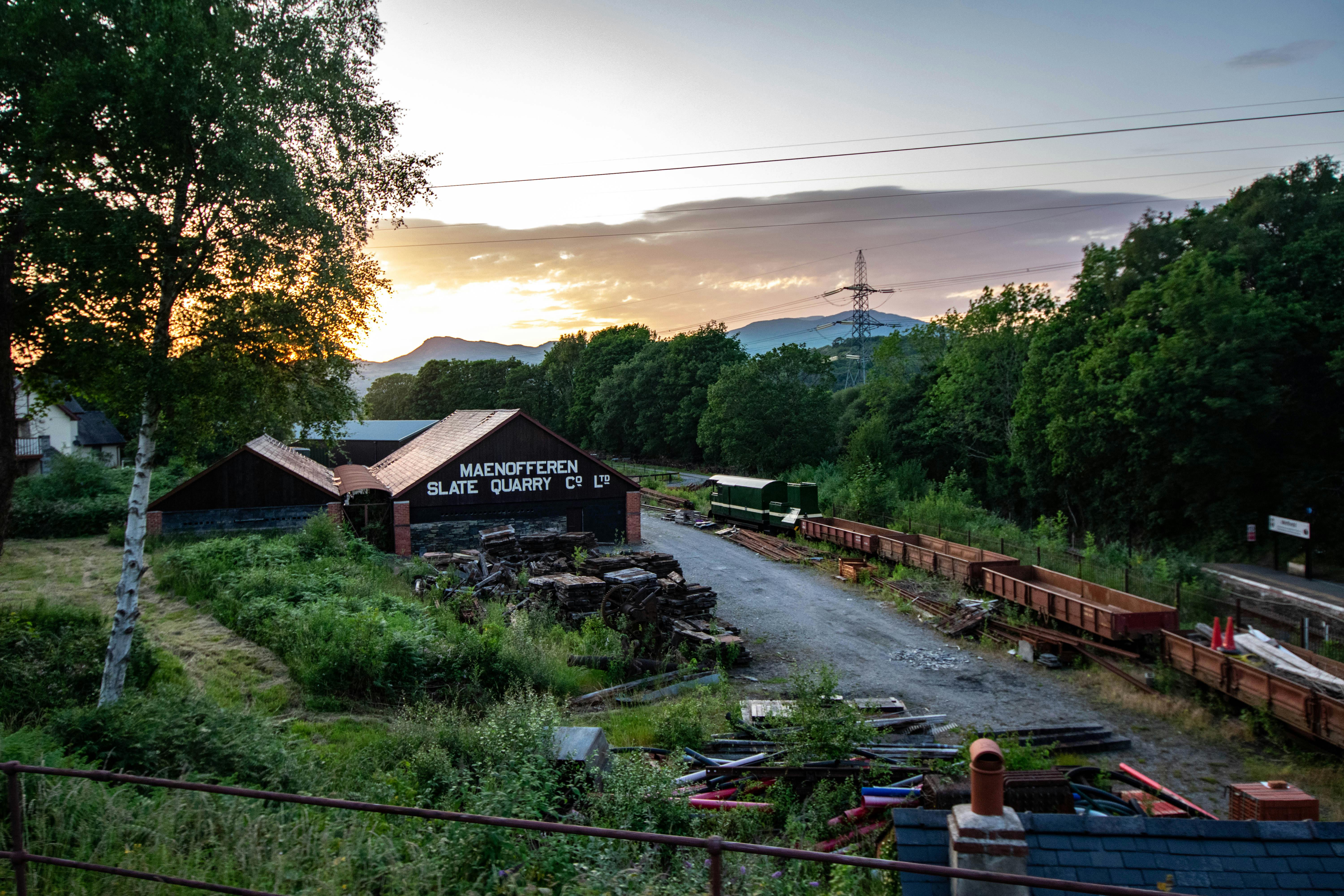
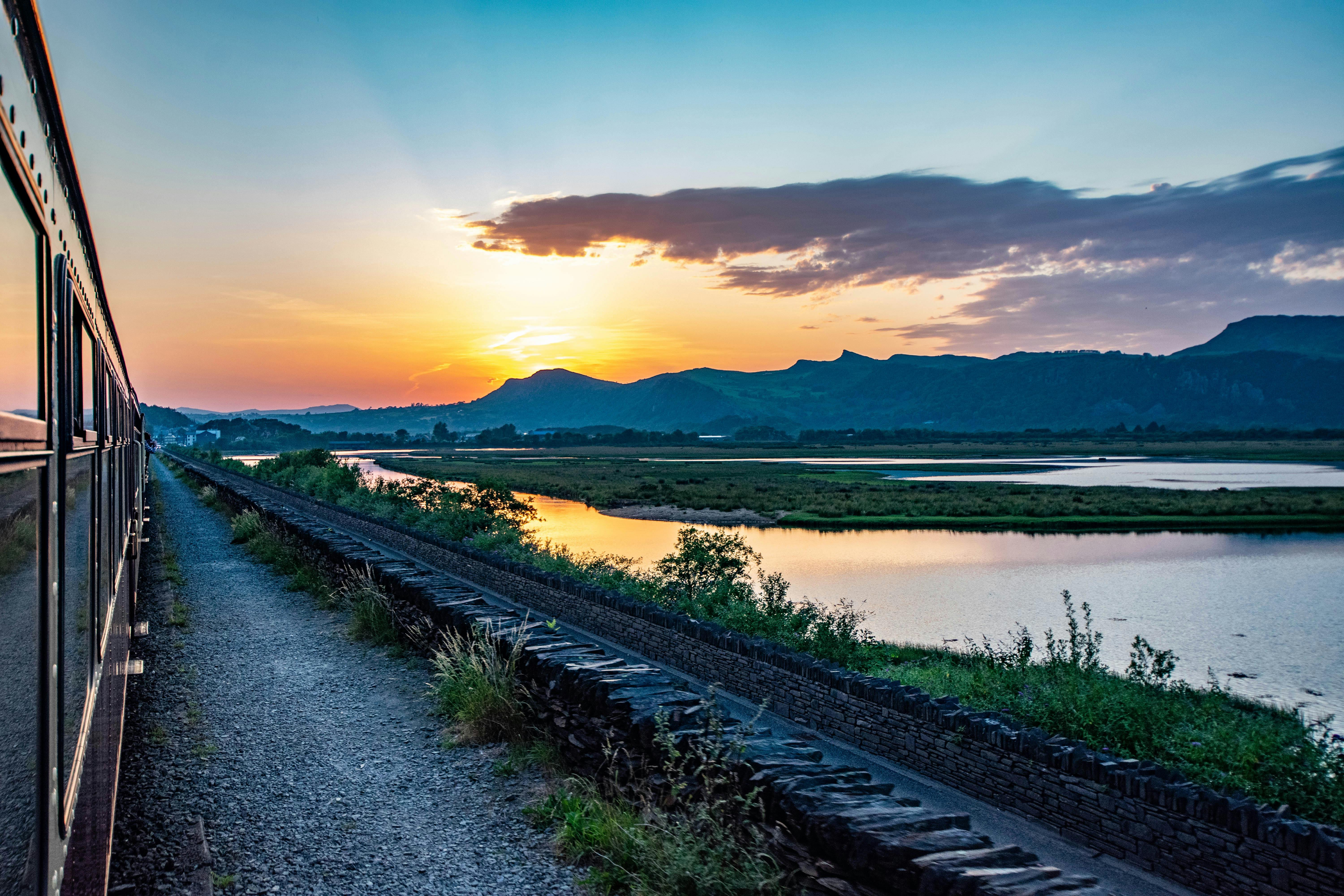
After the engines have run around, we’re on our way back, and it’s here where the colours of the setting sun really come alive. The sun sets behind the old Minffordd exchange yard which was used to exchange goods between the standard gauge railway and the narrow gauge Ffestiniog Railway. The colours become more spectacular as we cross the cob back to Porthmadog.
Saturday 21st June
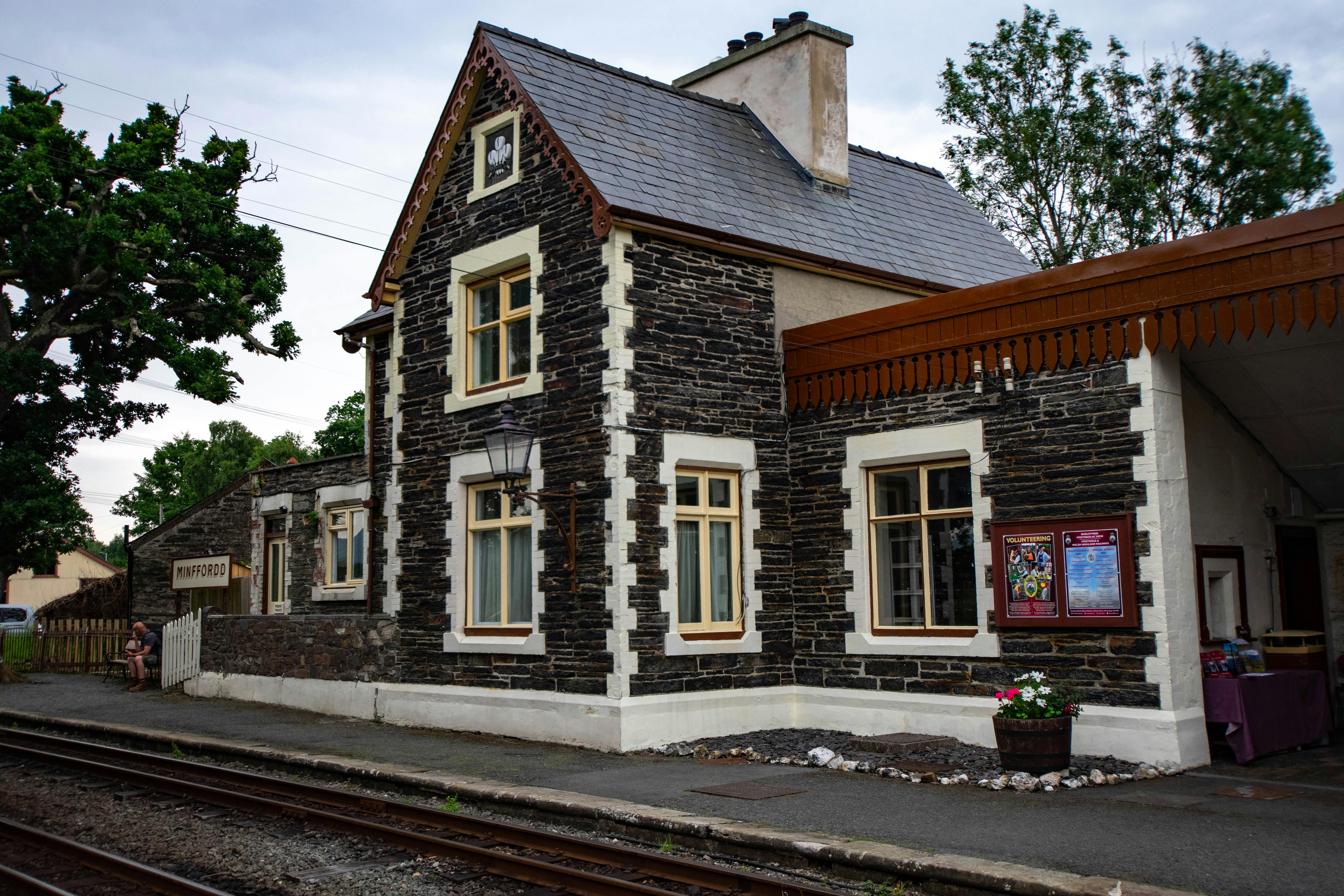
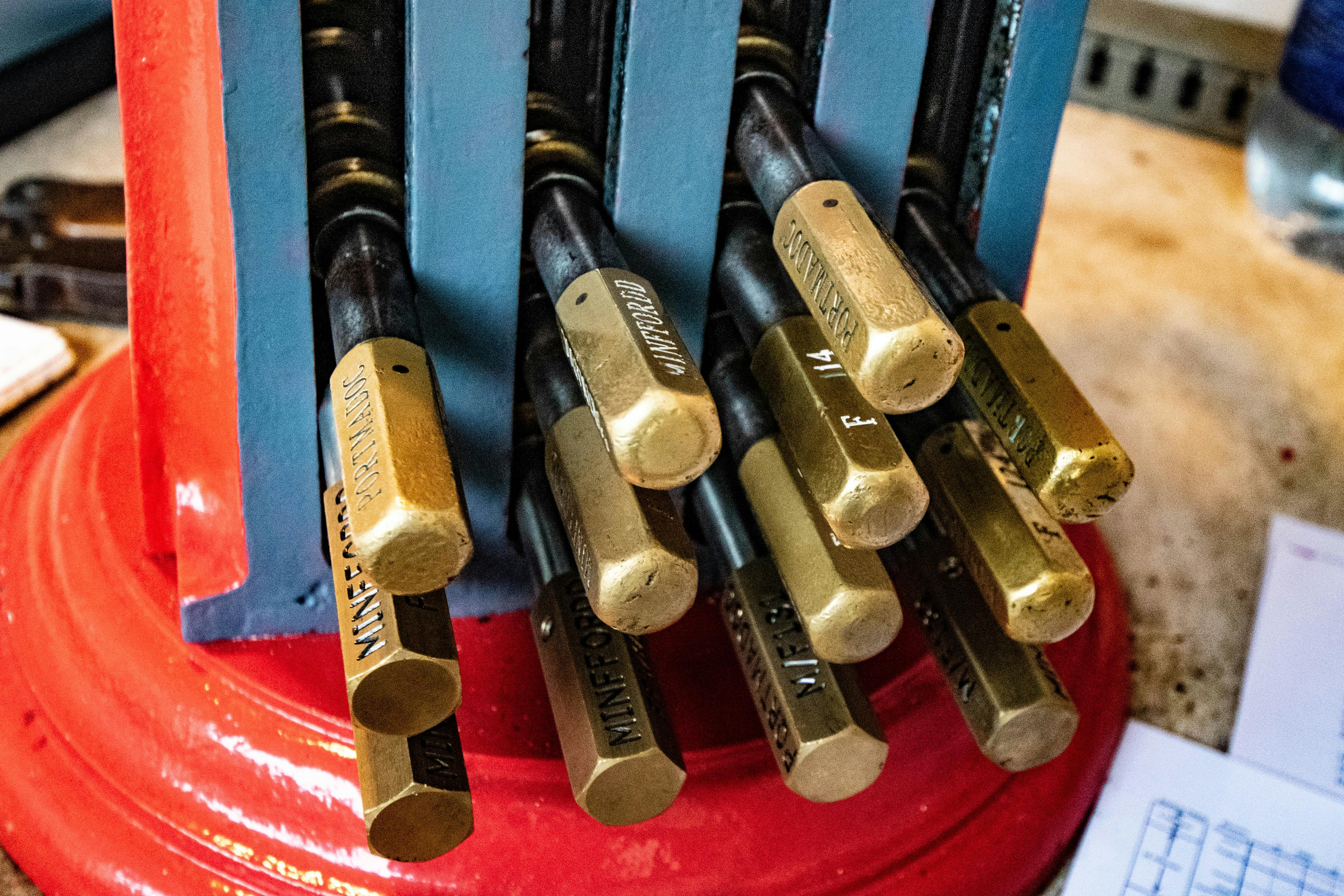
On Saturday morning, we took ourselves off to Minffordd Station. This is not to be confused with the mainline station of Minffordd which passes under the Ffestiniog Railway at the same location. It’s a unique location as passenger interchange between standard gauge and narrow gauge railways in the UK has never been common, yet at Minffordd, the proximity of the two lines is the earliest from 1872 and still in regular use today, although today it’s passengers which are exchanged, not goods.
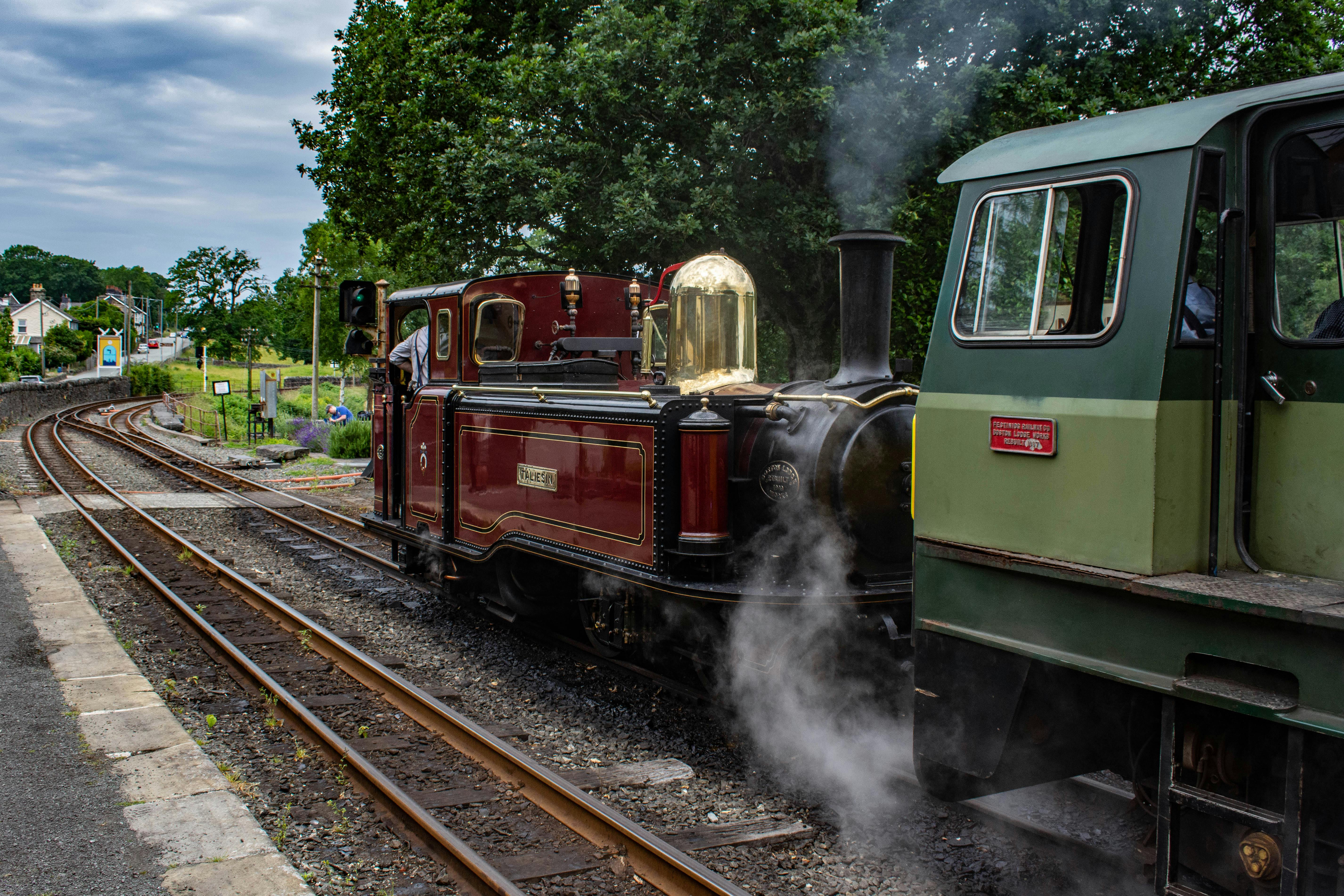
Arriving at the station is a train from Blaenau Ffestiniog carrying passengers back to Porthmadog. This is a double header, made up of the Fairlie 0-4-4T ‘Taliesin’ and diesel Vale of Ffestiniog, which was built in South Africa in 1967, arriving at the railway in Wales in 1993.
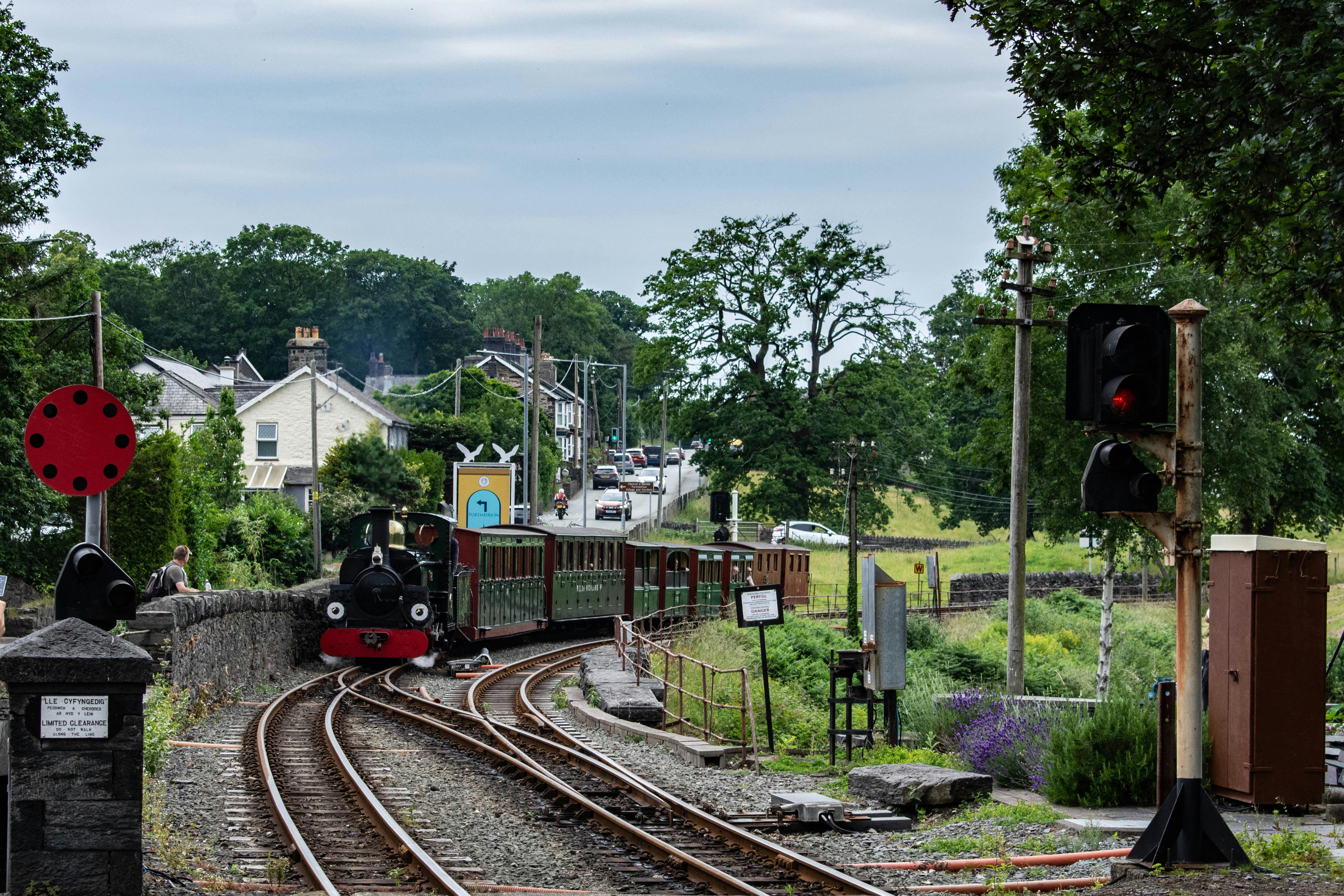
A short while later, we have another train coming up from Porthmadog, this time it’s ‘Linda’ carrying a mixed carriage train.
Now that the station is clear, something special is coming down the line. It was not uncommon when the Ffestiniog Railway was in heavy use for transporting slate that due to the gradient of the line, train wagons filled with slate could simply use gravity to carry themselves most of the way from the Blaenau Ffestiniog end of the line back to Porthmadog. That’s exactly what we are seeing today, and the ‘gravity’ train as it is called, trundles quietly into the station.
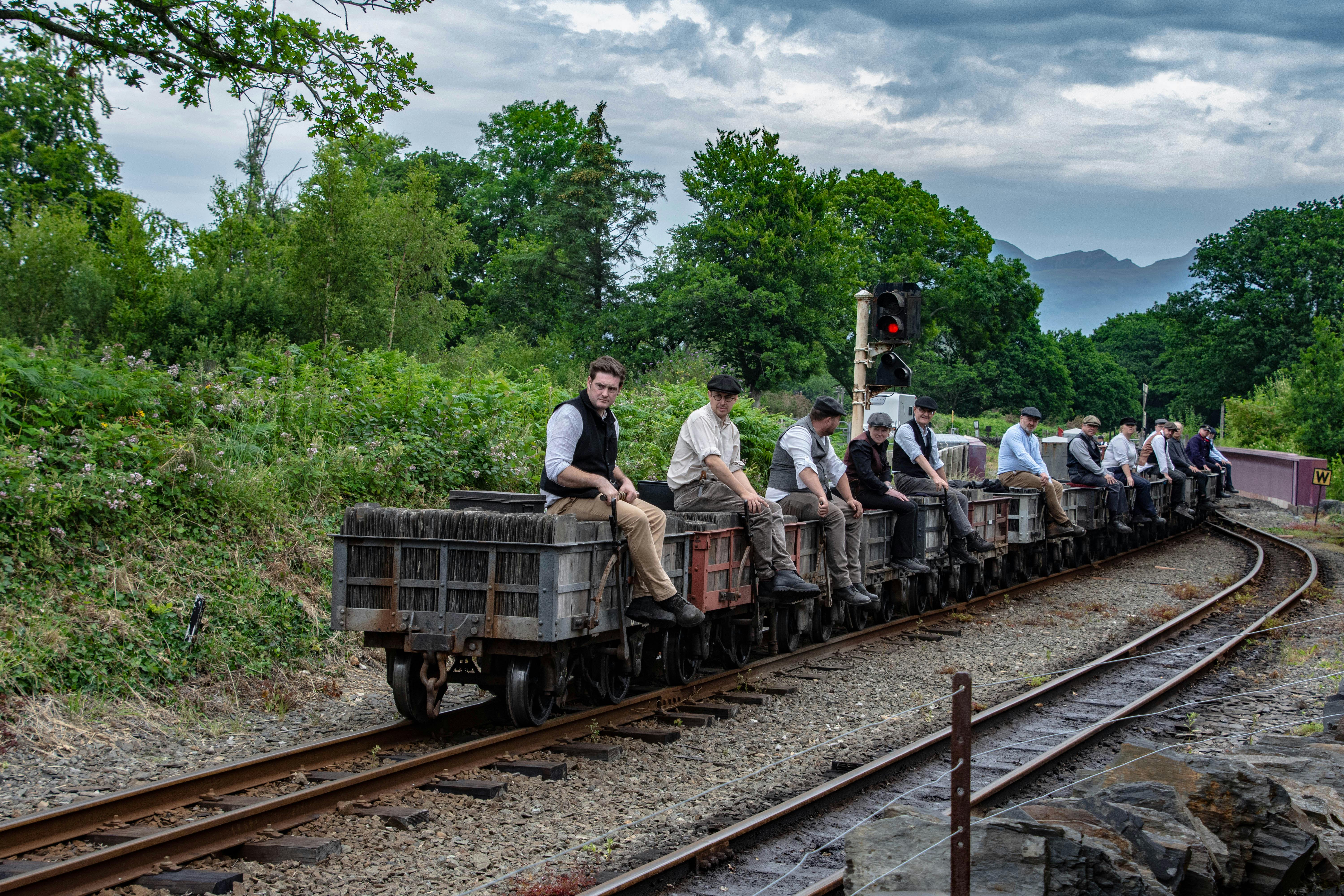
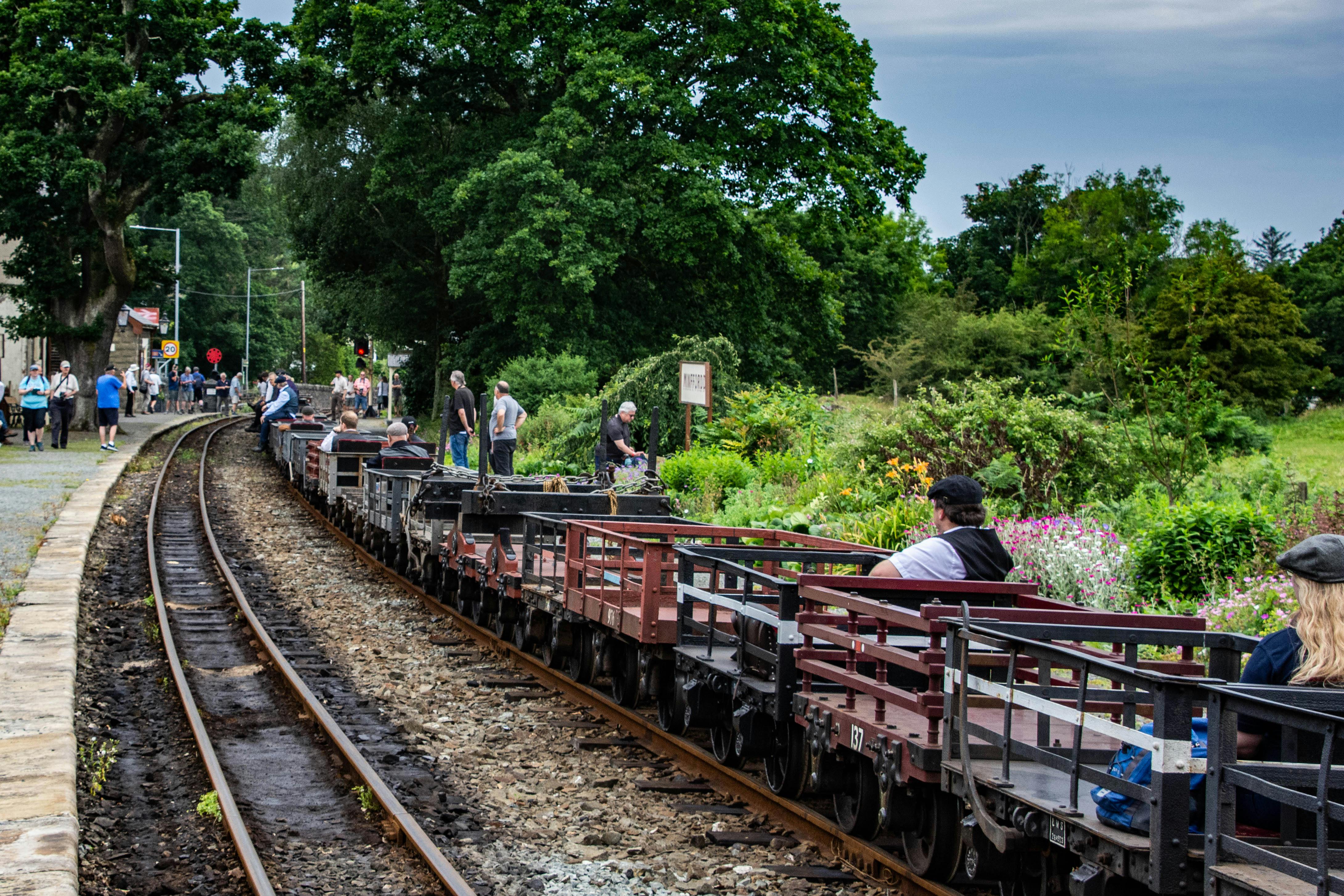
The gravity train was intended to be a non-stopping service but due to the timetable being thrown into chaos already, it has to make an unscheduled stop at Minffordd to allow another passenger service from Porthmadog to get into the station. This is hauled by ‘David Lloyd George’; a 1992 built double Fairlie engine.
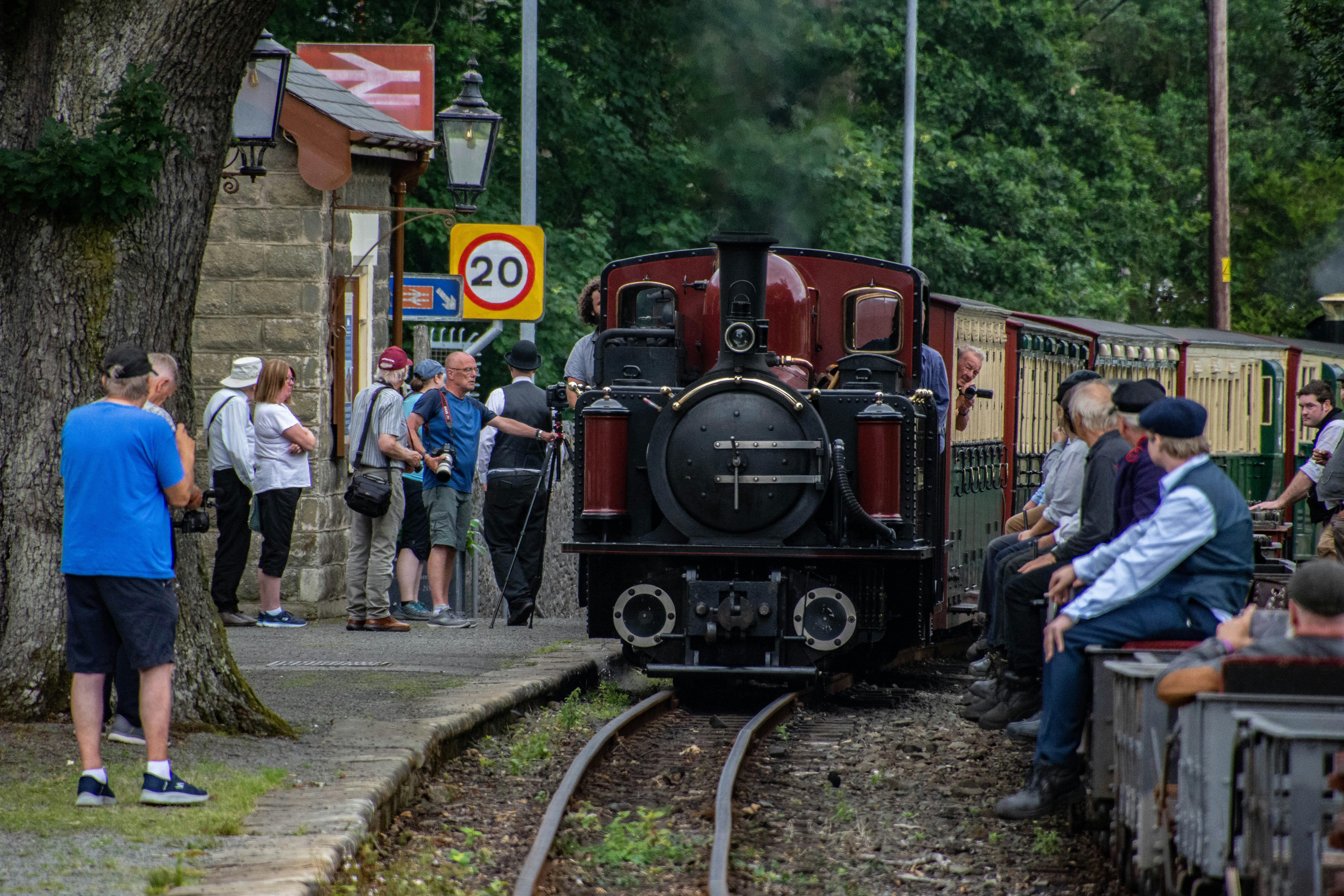
Once David Lloyd George is in the station, it’s time for the gravity train to depart. To start the train off again when it has come to a stop involves some burly men to pull back the last wagon as far as they can go and then push it forward with as much force as possible to kick start a chain reaction of momentum. Think of a very long newtons cradle. You can see this happening below.
Once the train has cleared the station, we hop on a service back to Boston Lodge (situated between Minffordd and Porthmadog). Boston Lodge is a busy hub for this weekend as not only is it playing host to a variety of beer and catering tents, but it is also the railways main loco and carriage sheds on the line which is not normally open to the public. It also serves as a workshop and engineering depot so it’s a rare chance to have a poke around. The site is littered with steam engines all being steamed up, ready for the grand finale on Sunday.
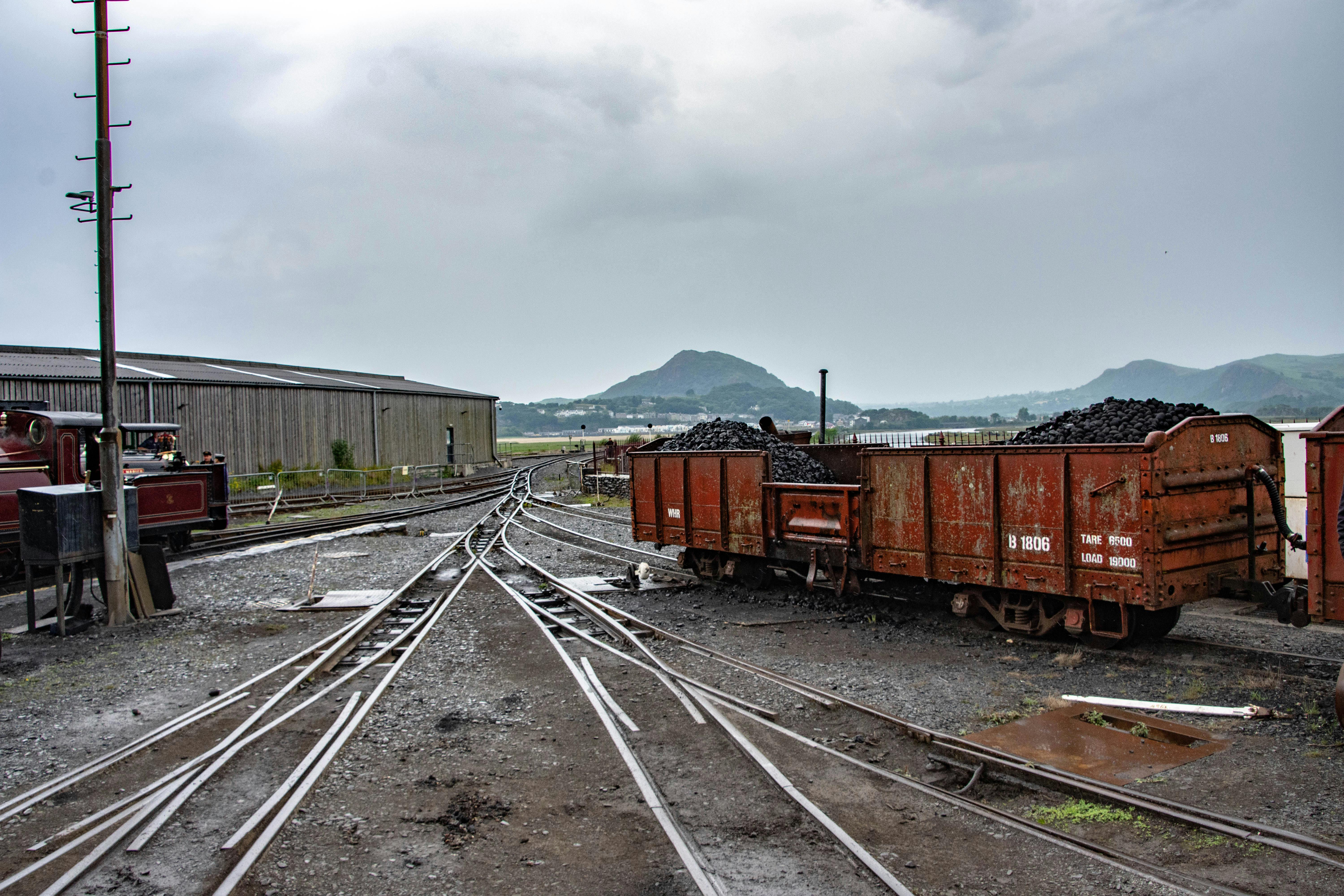
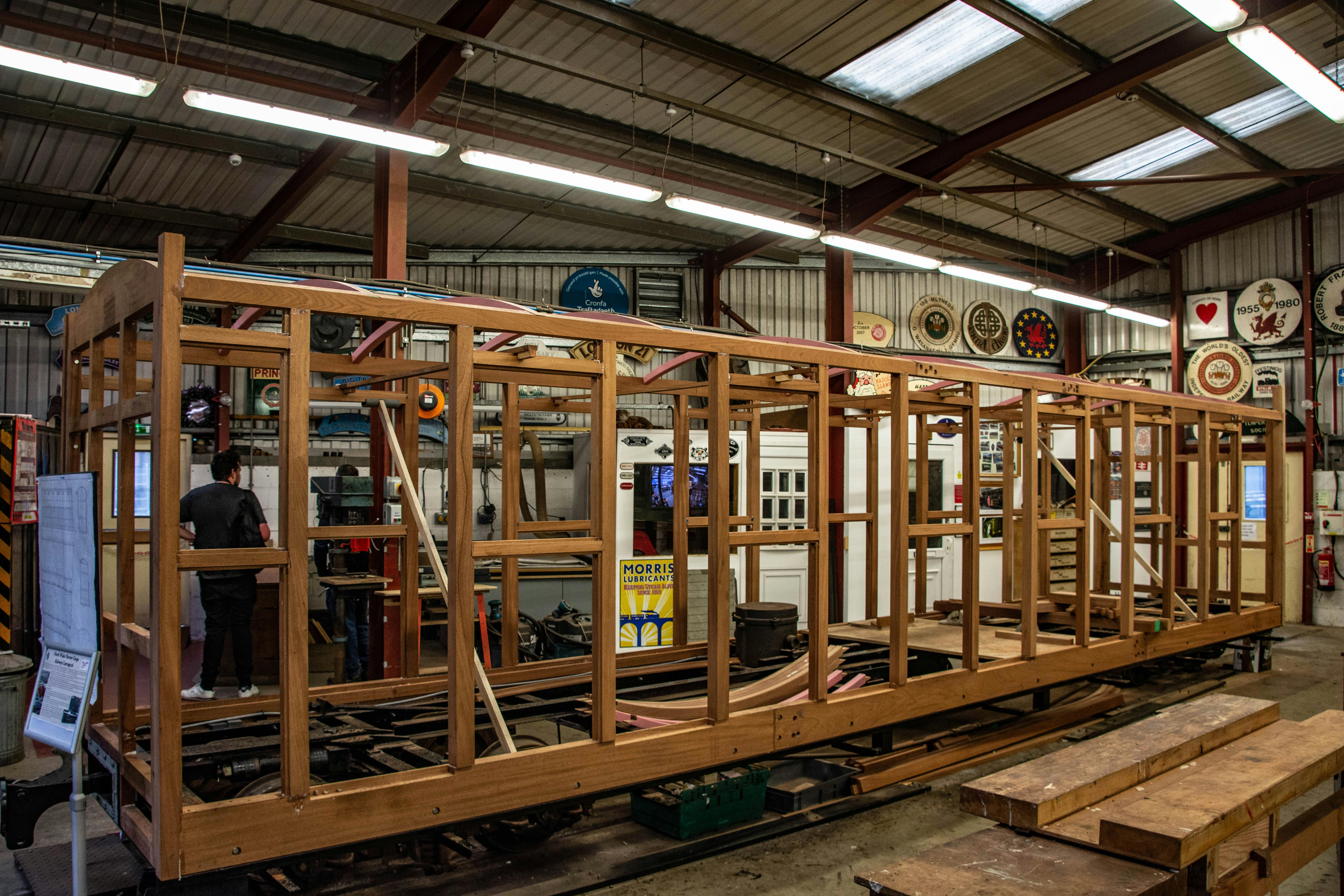
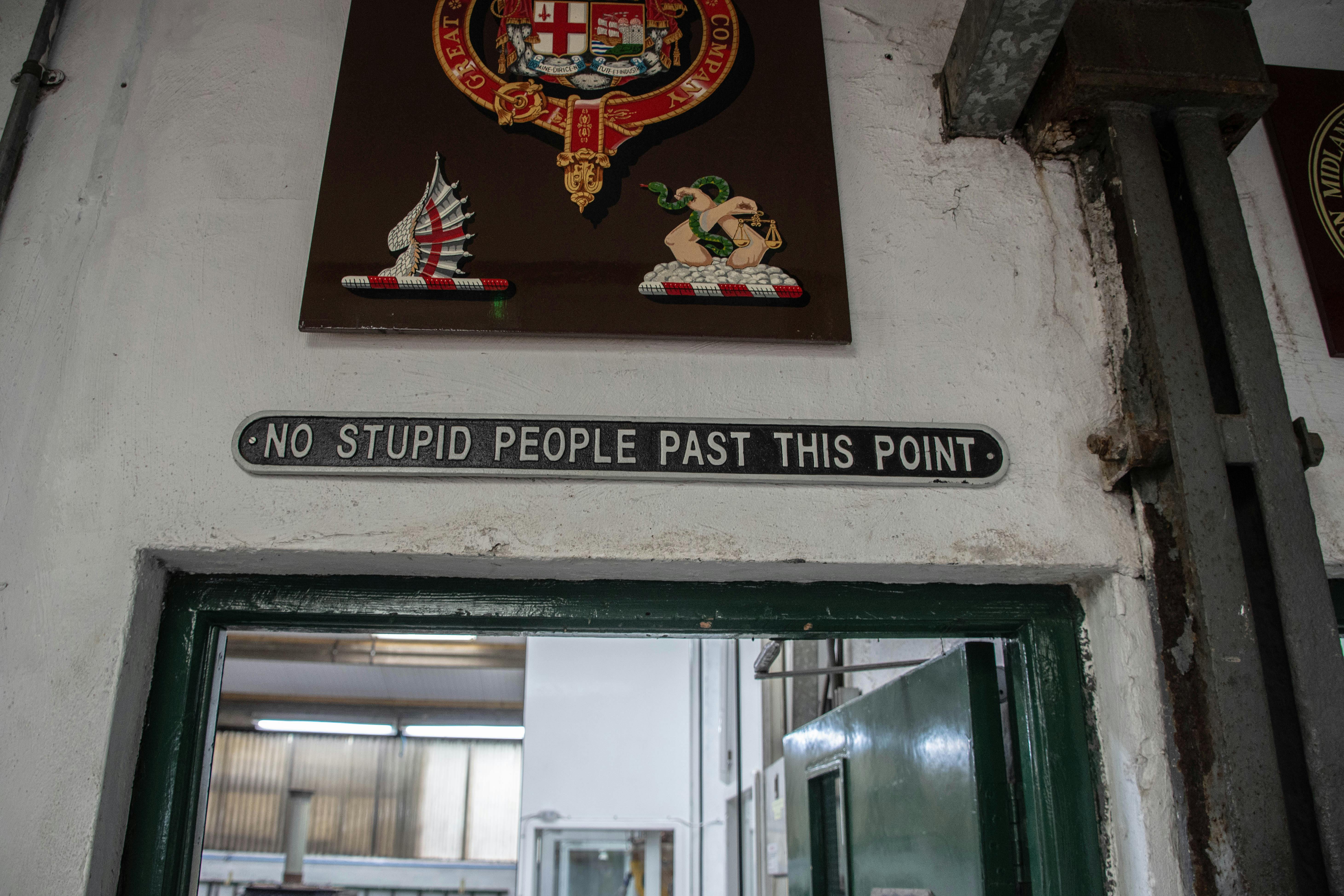
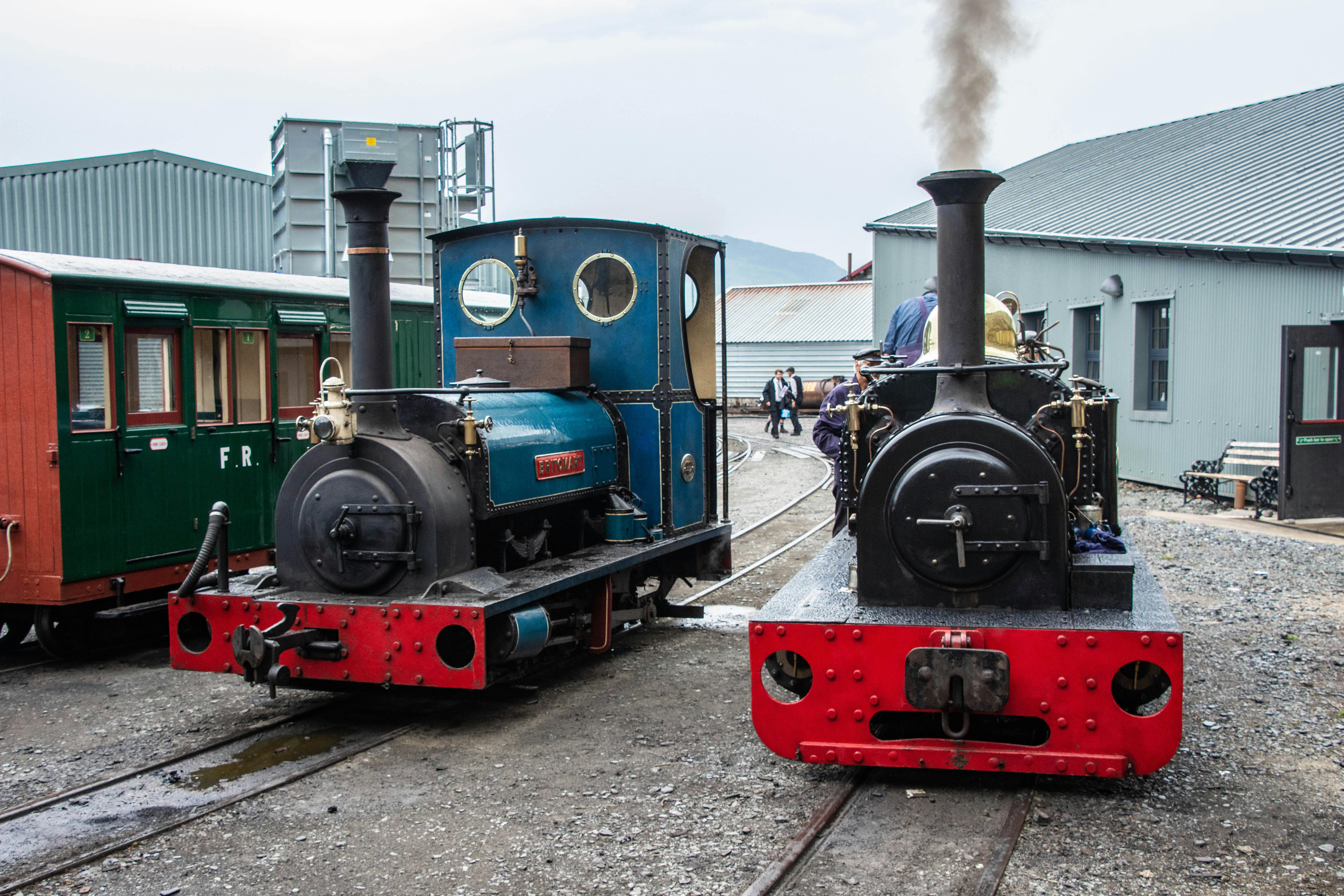
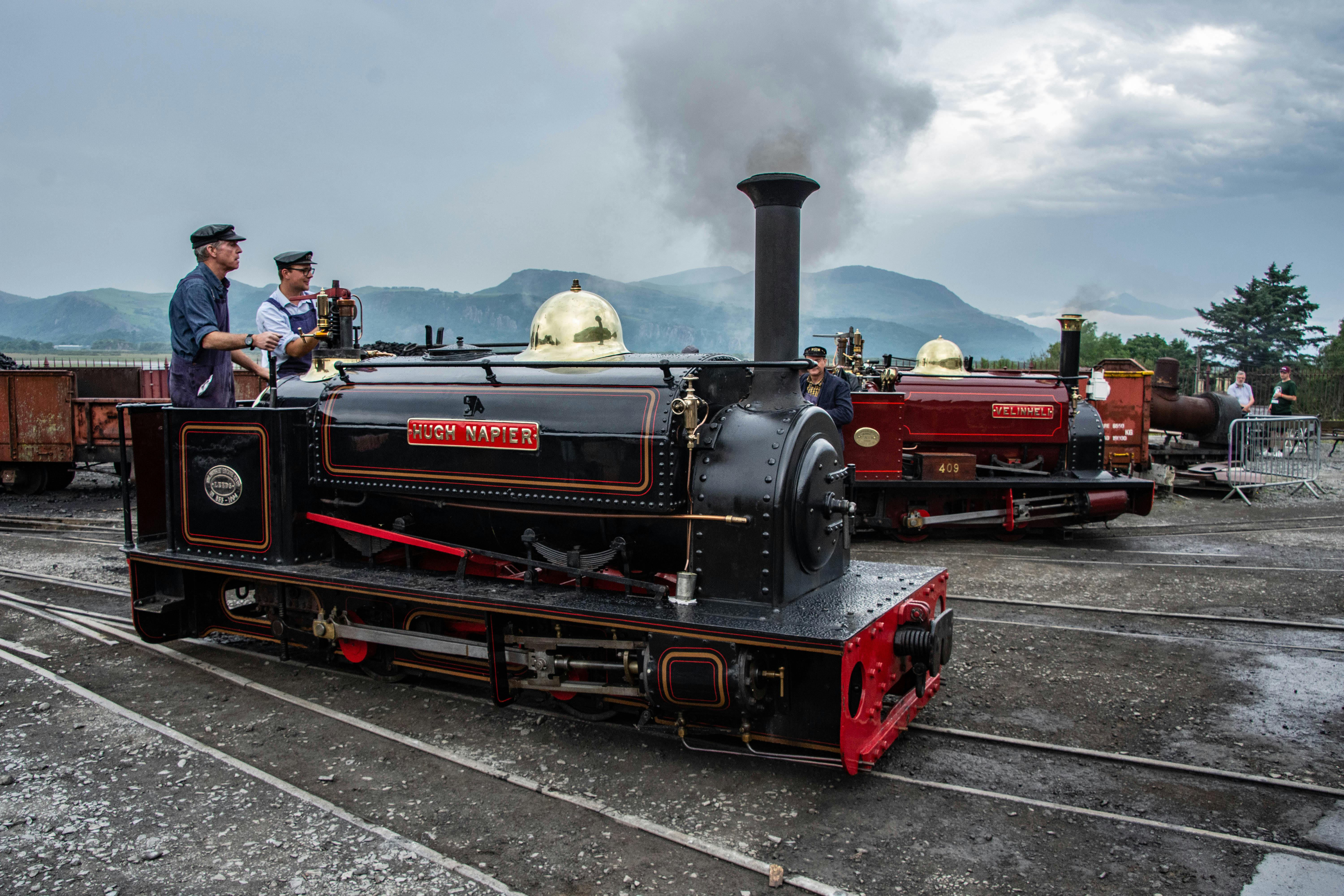
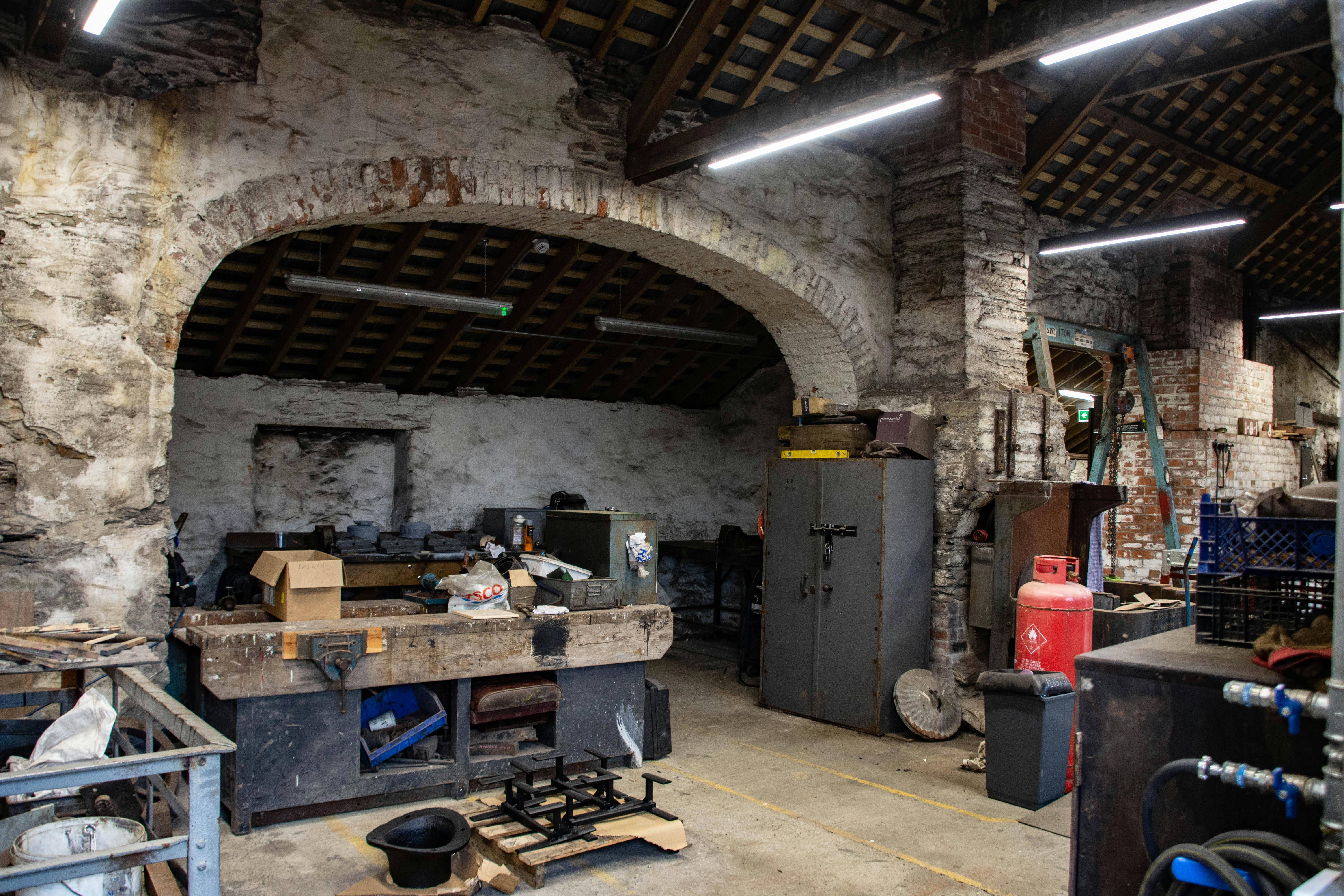
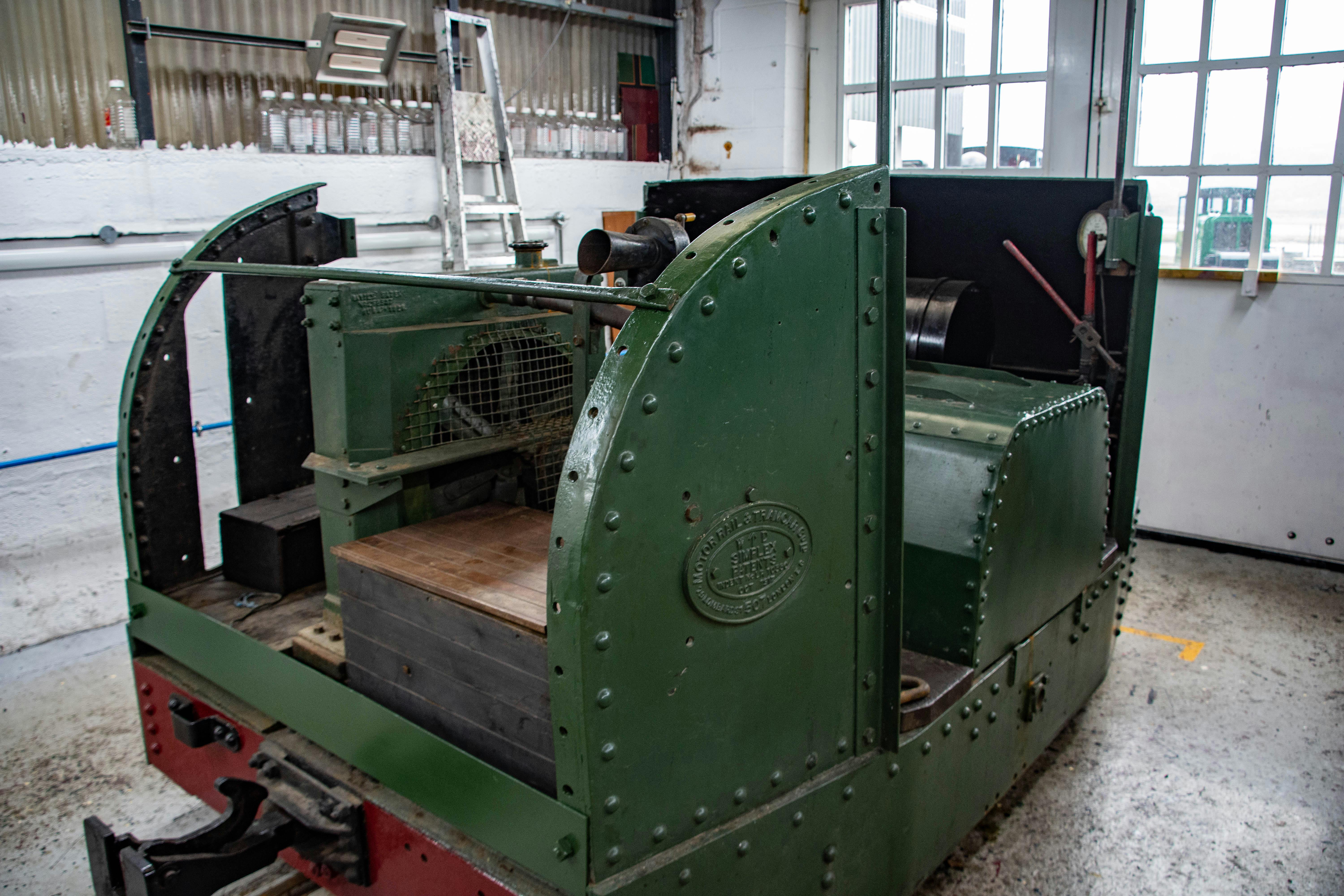
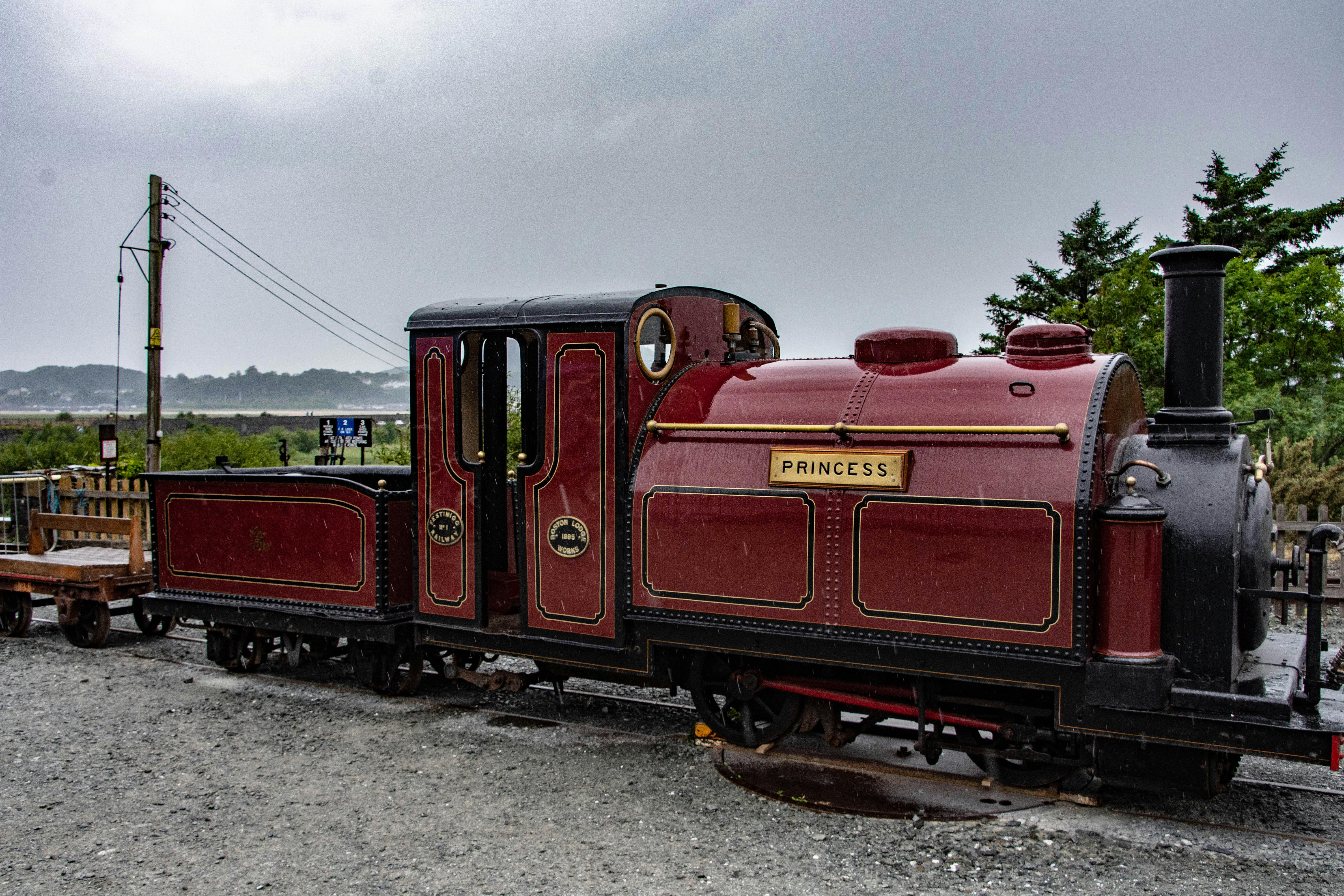
There were some surprises at Boston Lodge as well. The bottom left image above is ‘Mary Ann’, a Simplex diesel engine but significant in the history of the railway as this was the first train to run along the cob back on 23rd July 1955 from Porthmadog to Boston Lodge (which was as far as passenger services went when the line was reopened after closure in 1946). Also on display at Boston Lodge is the George England engine ‘Princess’. She was built in 1863, the same time as Prince and is one of the Ffestiniog Railways four original locomotives (Prince, Princess, Palmerston and Welsh Pony). Although unable to power under her own steam, she underwent a cosmetic restoration in 2013 and yet another important slice of the lines history.
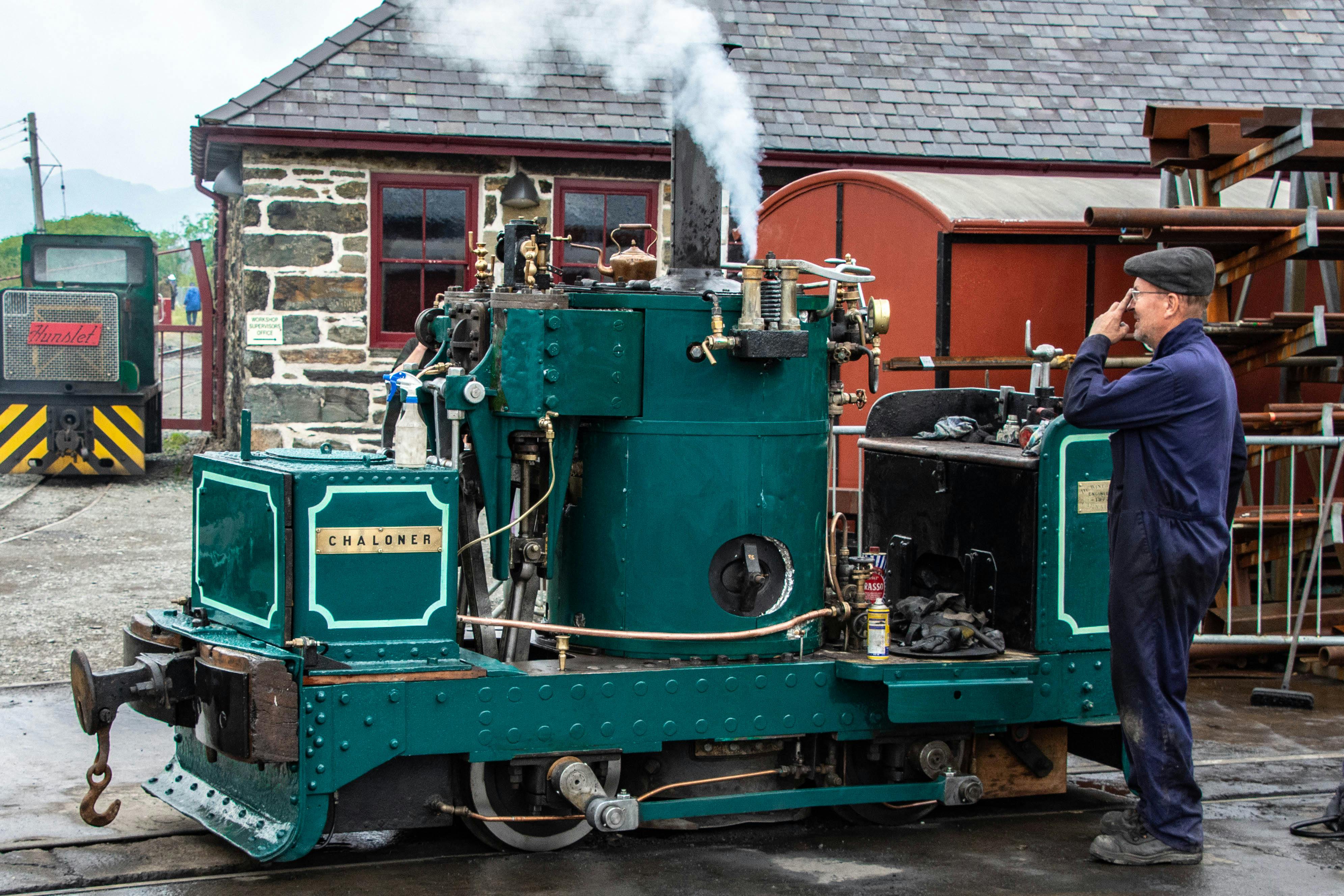
Earlier we saw at Caernarfon station, an example of the De Winton vertical boiler 0-4-0 engine. Well here at Boston Lodge, we have another, and this one is very much in steam and alive. Built in 1877, she was supplied new to the Pen-y-Bryn slate quarry and then moved to Pen-yr-Orsedd in 1888. Withdrawn from service in 1950, she was purchased in 1960 and restored to working order and now calls the Leighton Buzzard Light Railway its home. It’s a delight to see it here this weekend though as it rightly deserves a place in the story of slate transportation and the narrow gauge railway in Wales.
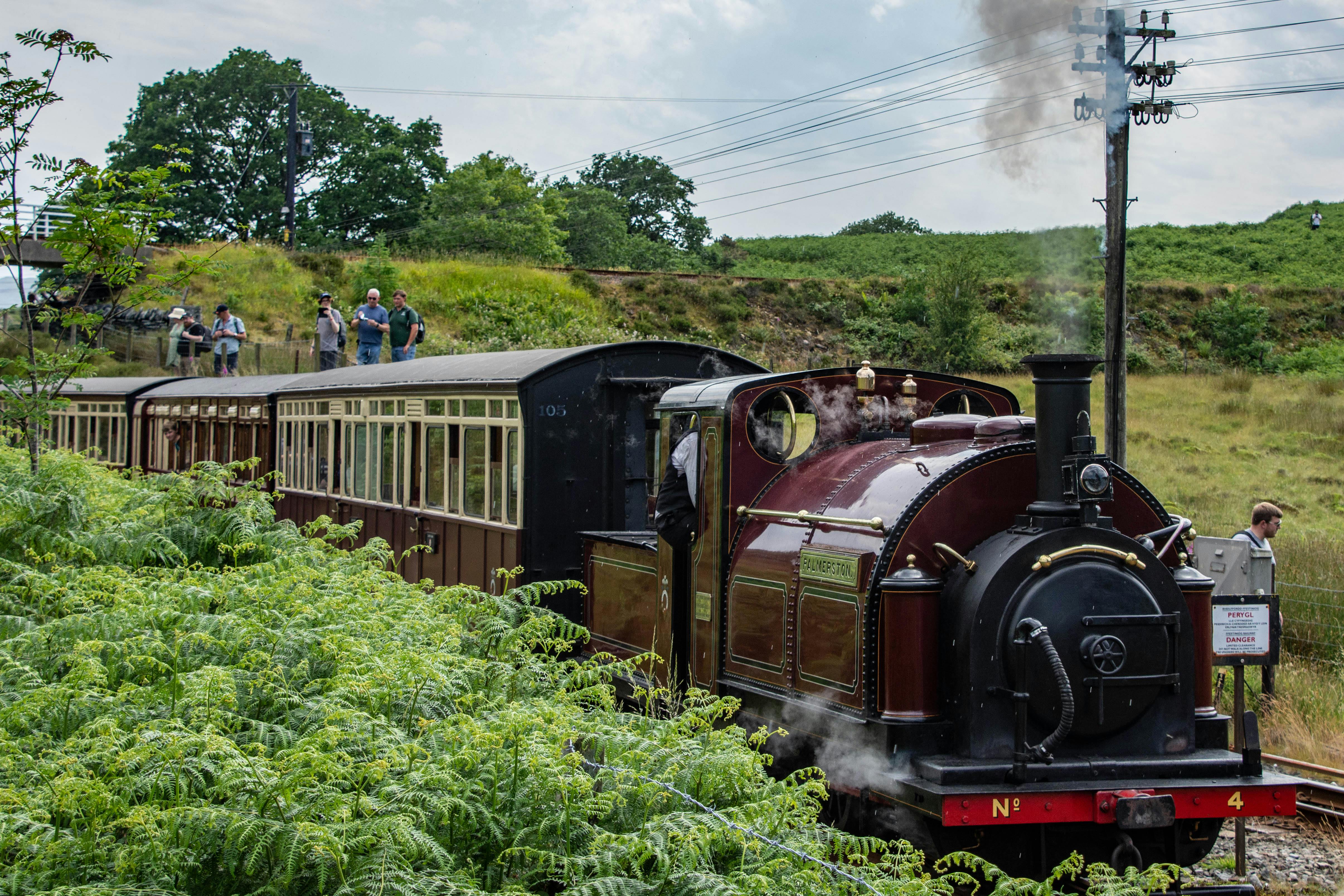
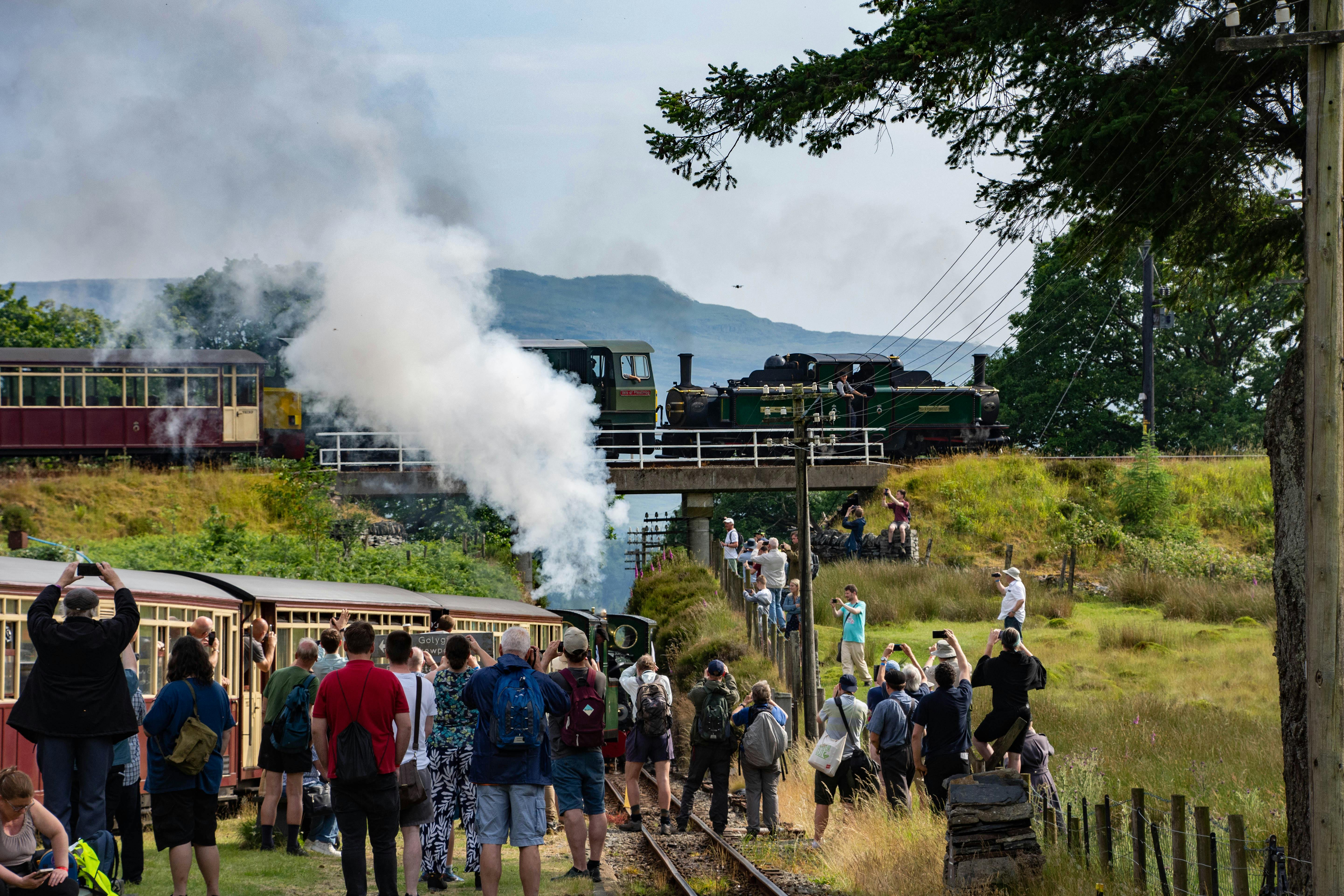
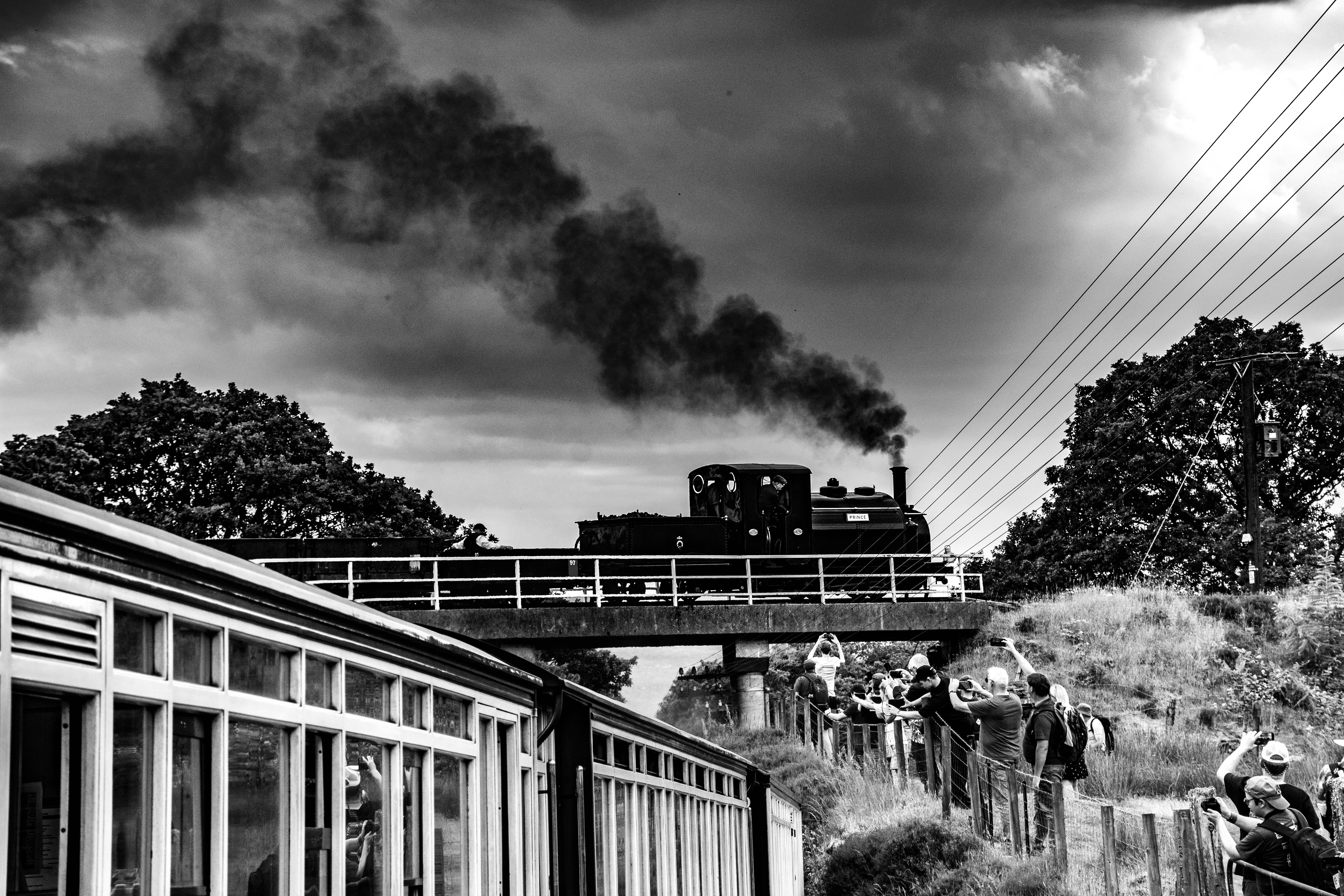
The second part of the day takes us up the line to Dduallt and we’re in for something special. Dduallt is unique in that the railway loops over itself however it is quite rare that you will ever see engines both above and under the loop at the same time…until today. Dubbed the ‘photography special’, Palmerston takes us in a rake of bug boxes from Porthmadog to Dduallt. Bug boxes are very small box like carriages which typically have seats which face out the windows of the carriage, unlike a traditional carriage where the seats face forwards or backwards.
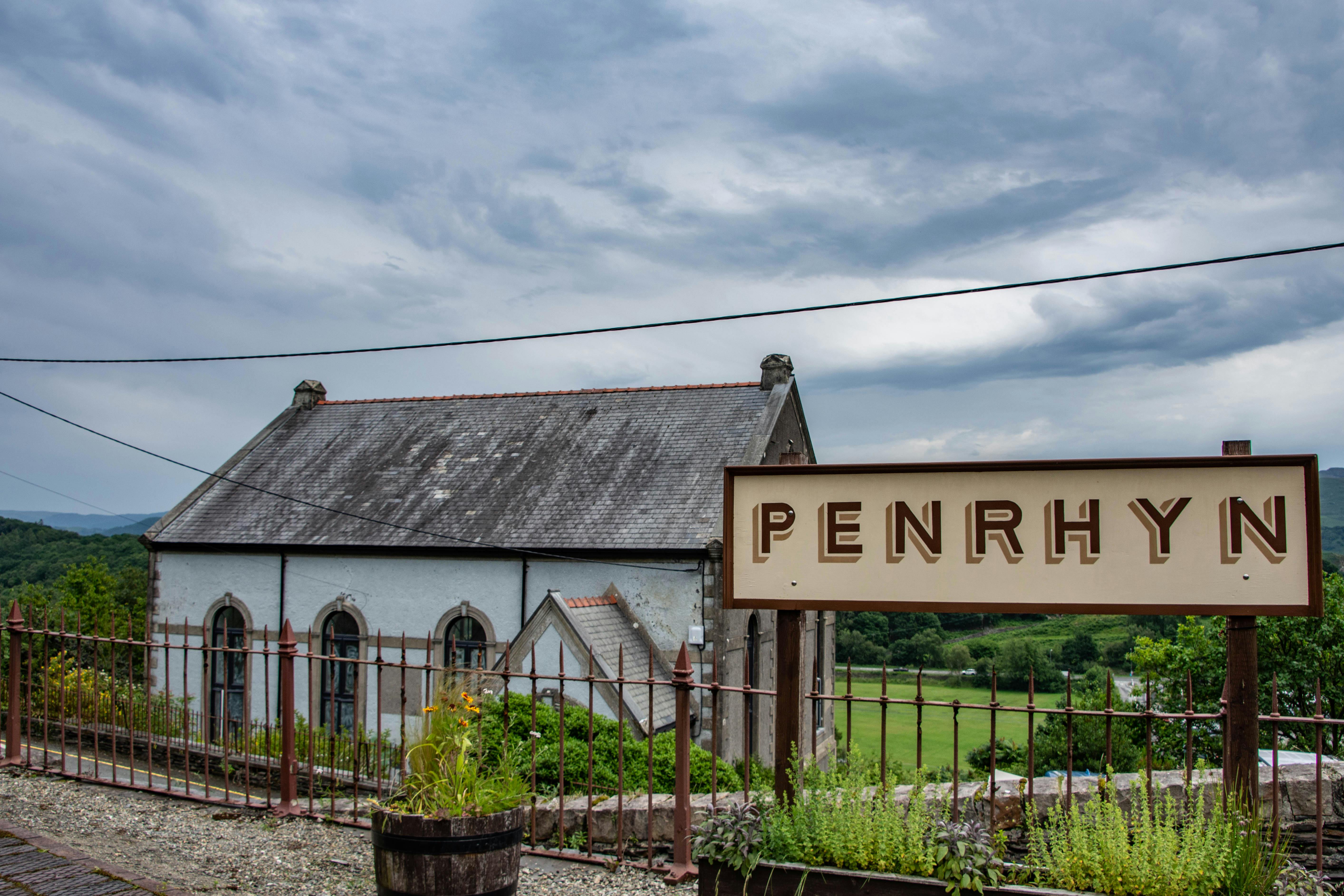
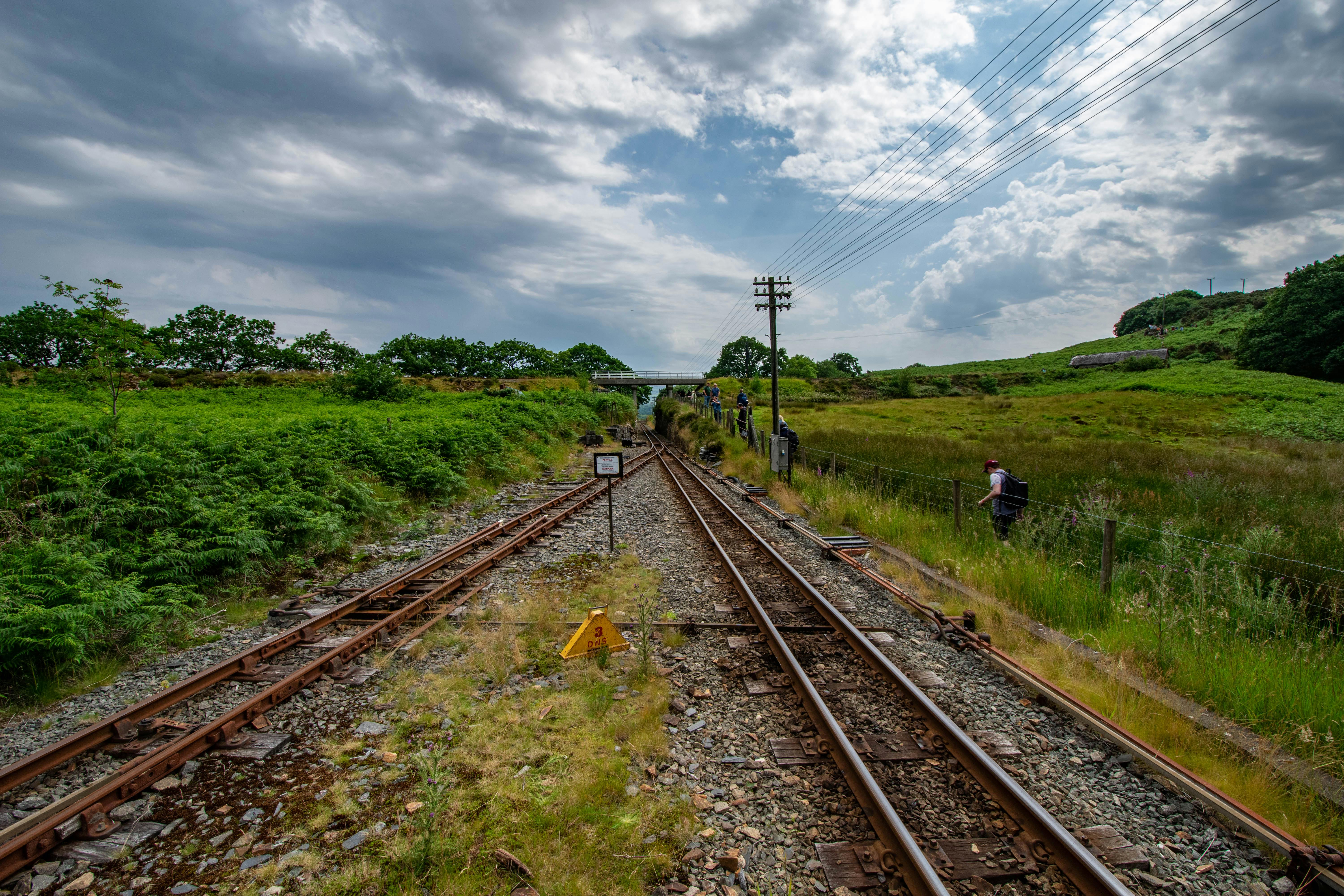
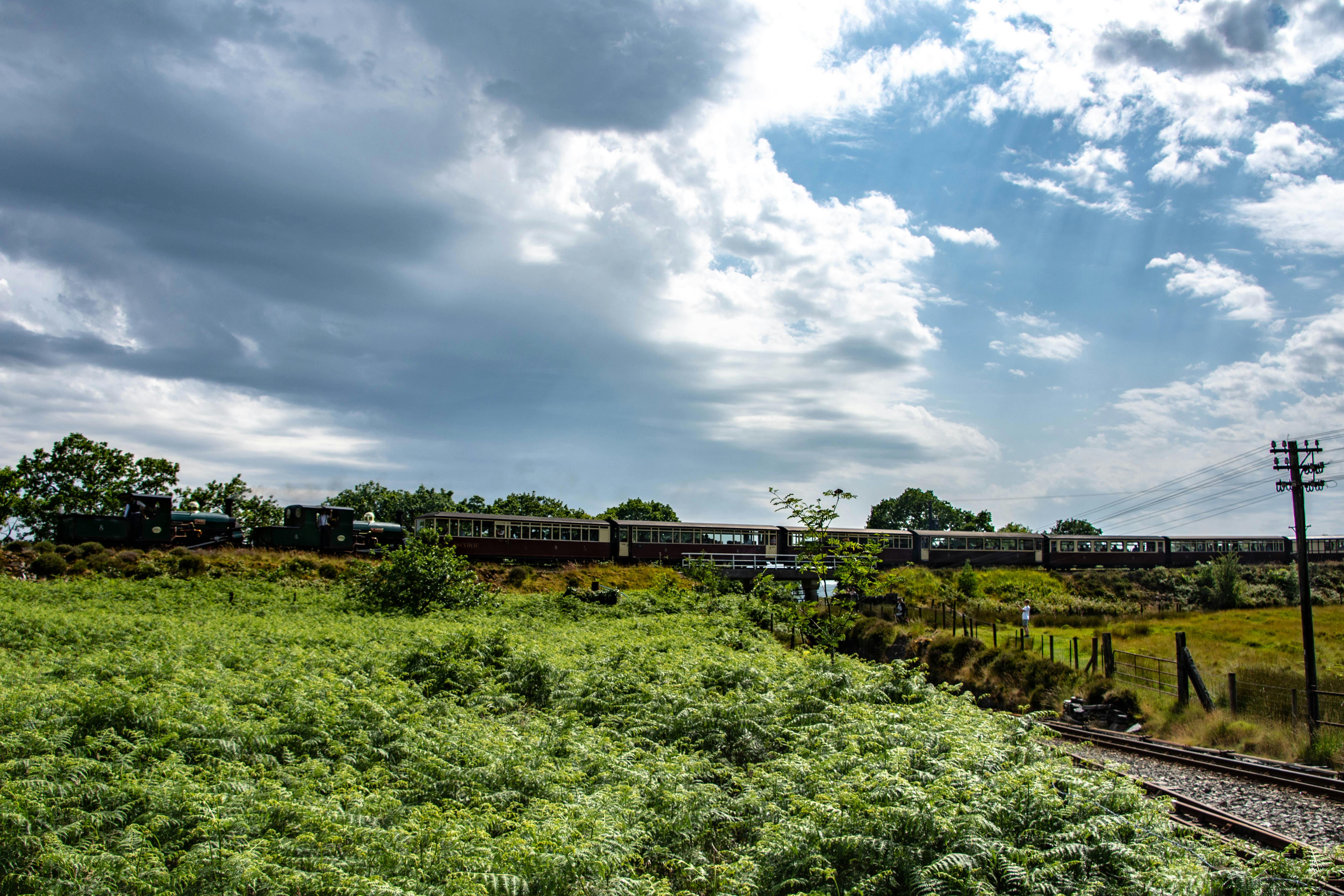
After disembarking at the station, Palmerston performs some shunting manoeuvres and then moves off into a siding to make way for the trains which are converging in both directions on Dduallt.
Below you can get a glimpse of just how busy the station was; a lot of people wanted to be here for this. There were a number of trains involved in this setup. The first being ‘Merridin Emrys’ and ‘Vale of Ffestinog’ hauling a passenger train over the bridge while ‘Linda’ and ‘Blanche’ pull an empty rake of carriages below it. Following on from this, ‘Prince’ pulled an engineering train over the bridge while ‘Linda’ and ‘Blanche’ did their thing again. It was a very special sight to see.
Sunday 22nd June
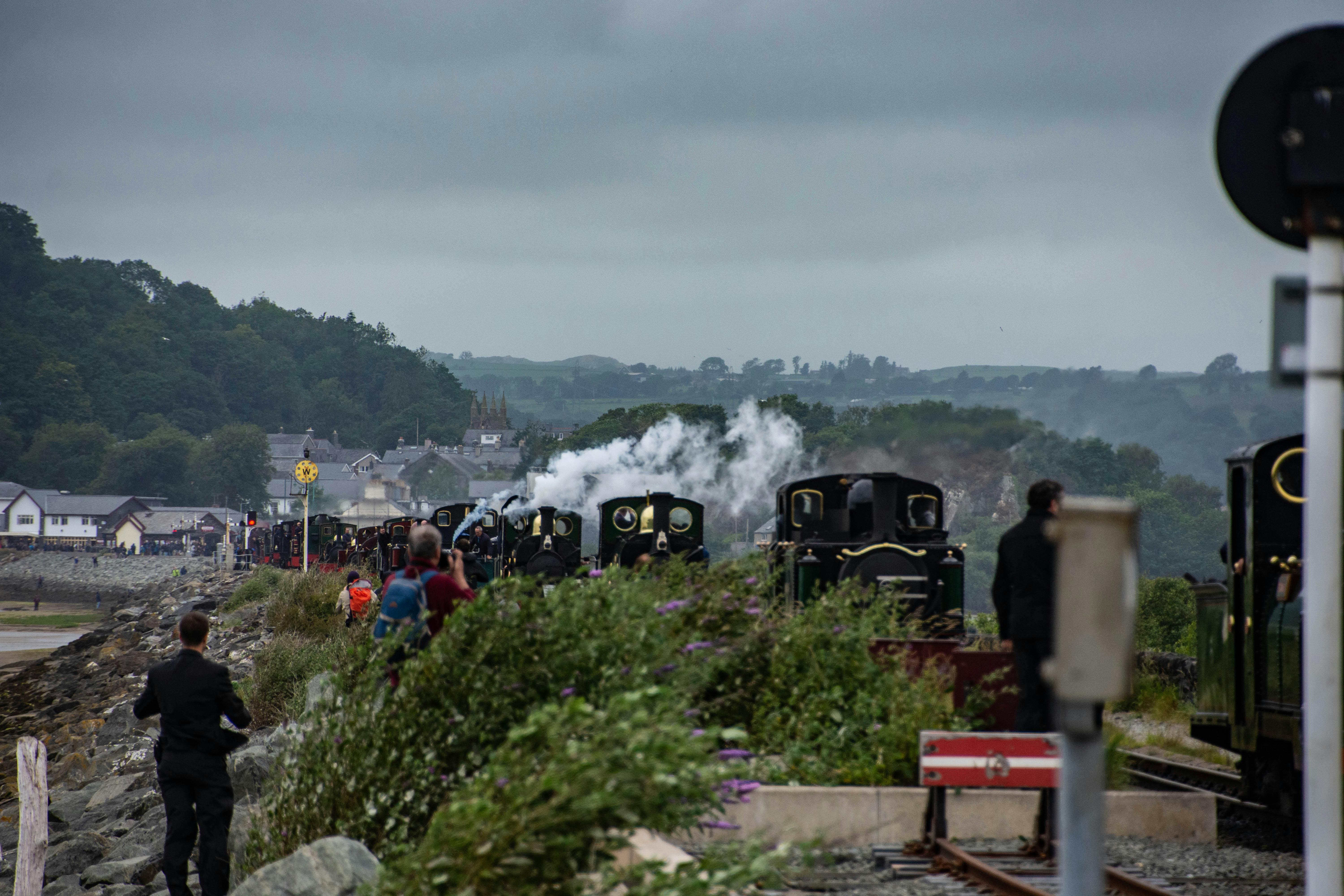
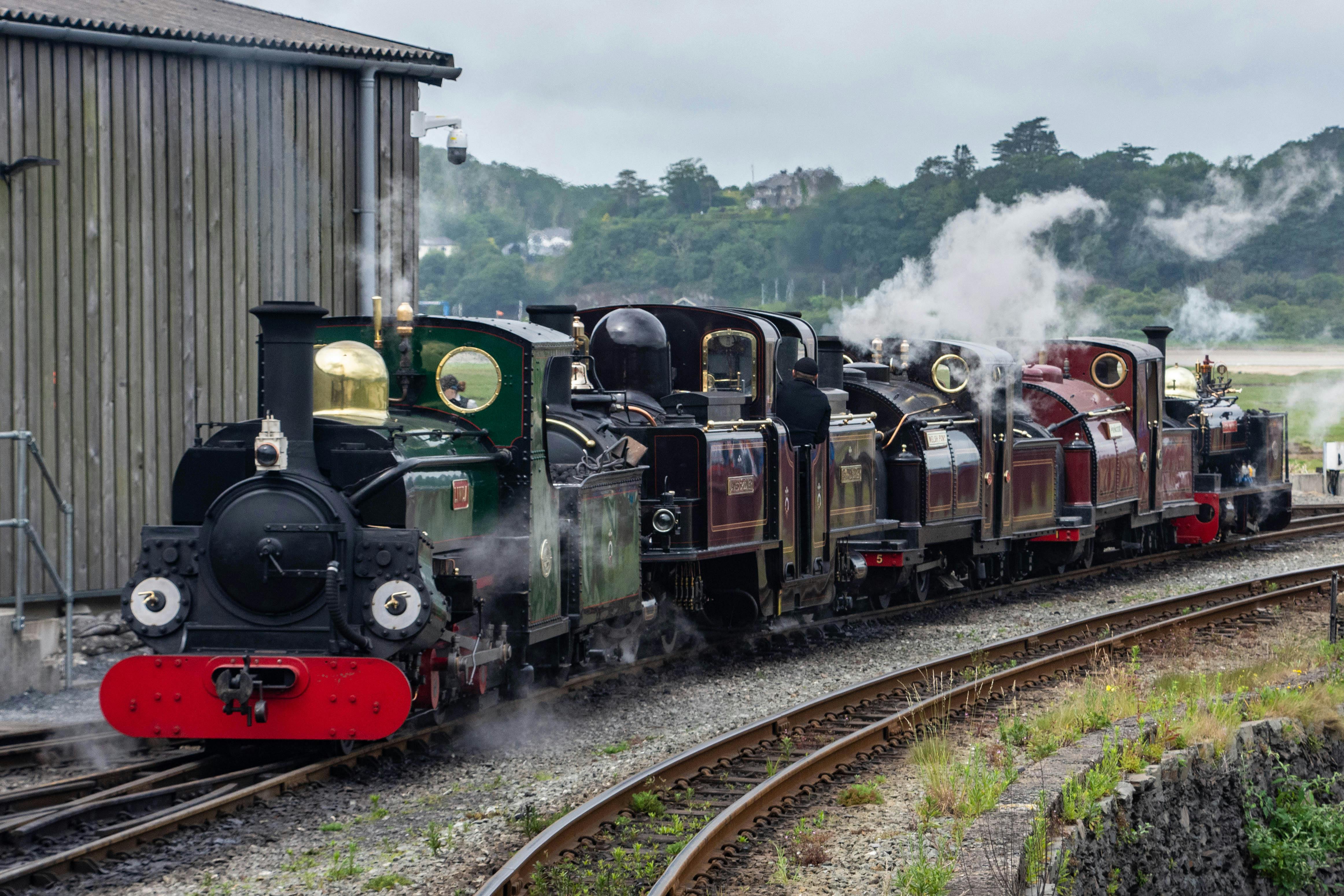
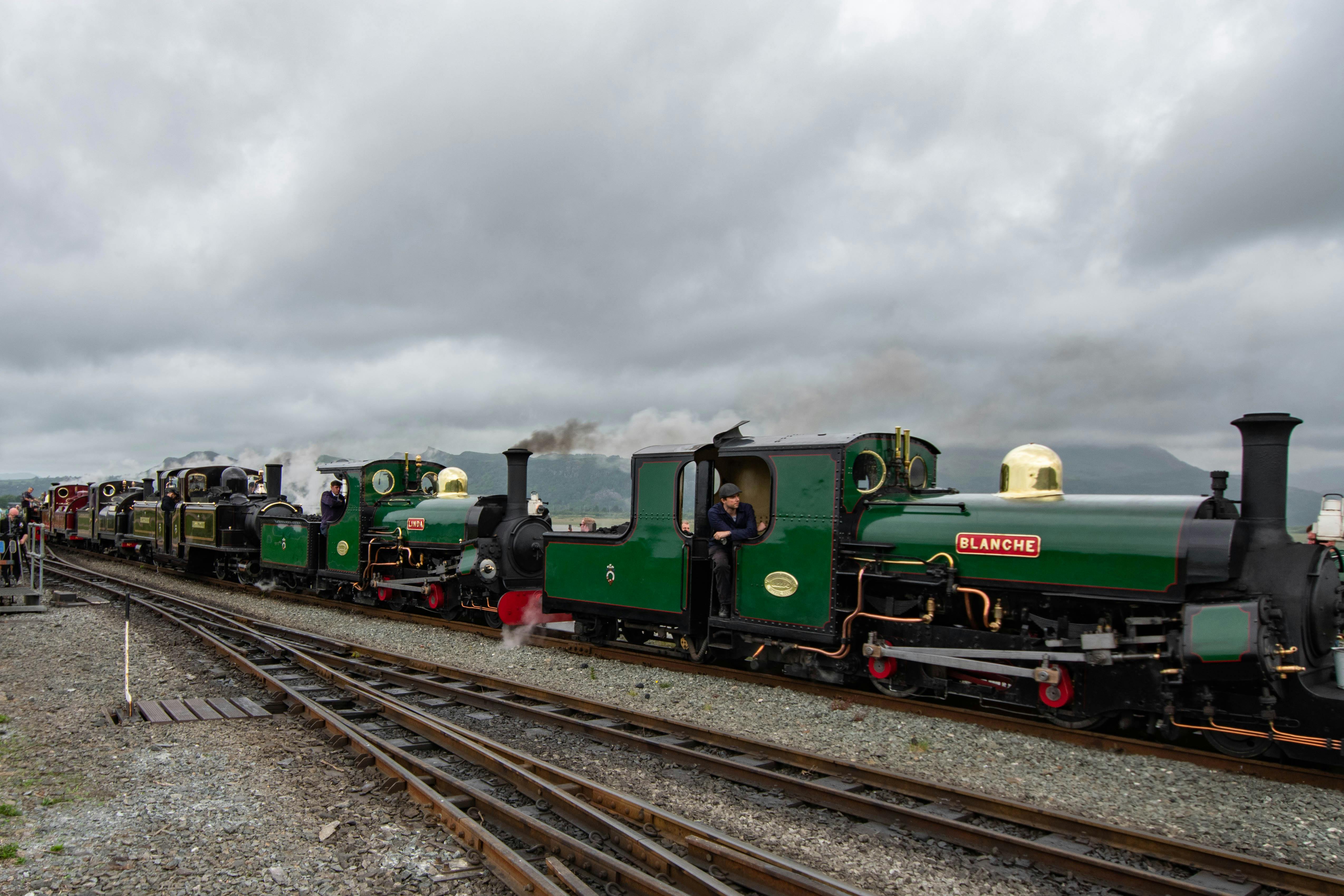
Today marks the grand finale of the Jubilee and it promises to be special. There will be over 200 wheels out on the cob between Portmadog and Boston Lodge of both Ffestiniog and Welsh Highland engines. The engines were presented in the order that they first entered preservation from 1955 onwards (not the order that they were built). What’s more, not only are all the operational steam locos invited to the celebration, but also all those that are not in steam and this leads to some special appearances. Before the procession, we see a number of Ffestiniog engines forming a single train which make their way up to Minffordd which is where all Ffestiniog engines will be held before they start to join the procession. All Welsh Highland Engines are being held at Boston Lodge and will join the cavalcade at the appropriate time (they are just far to big to all fit in at Minffordd).
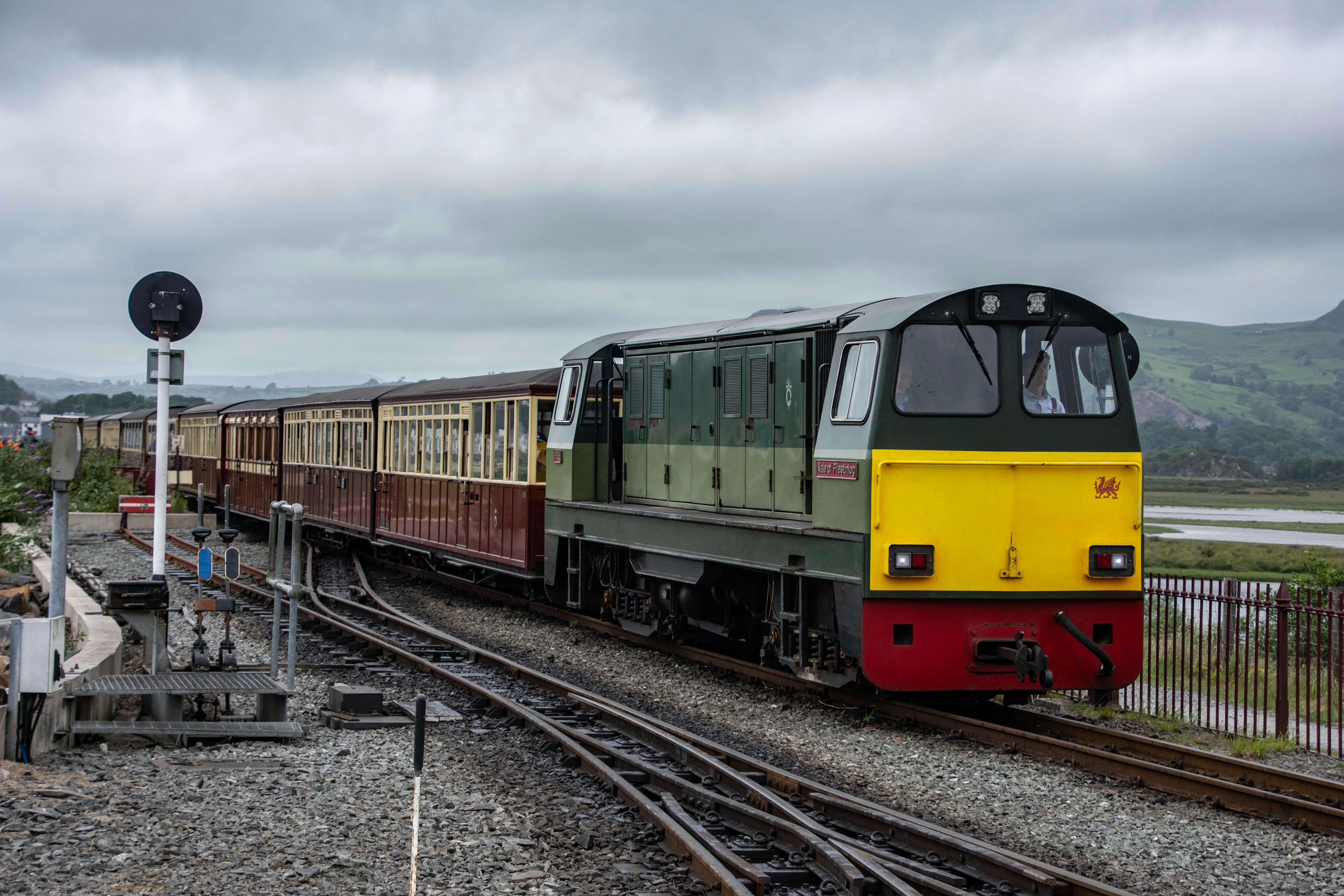
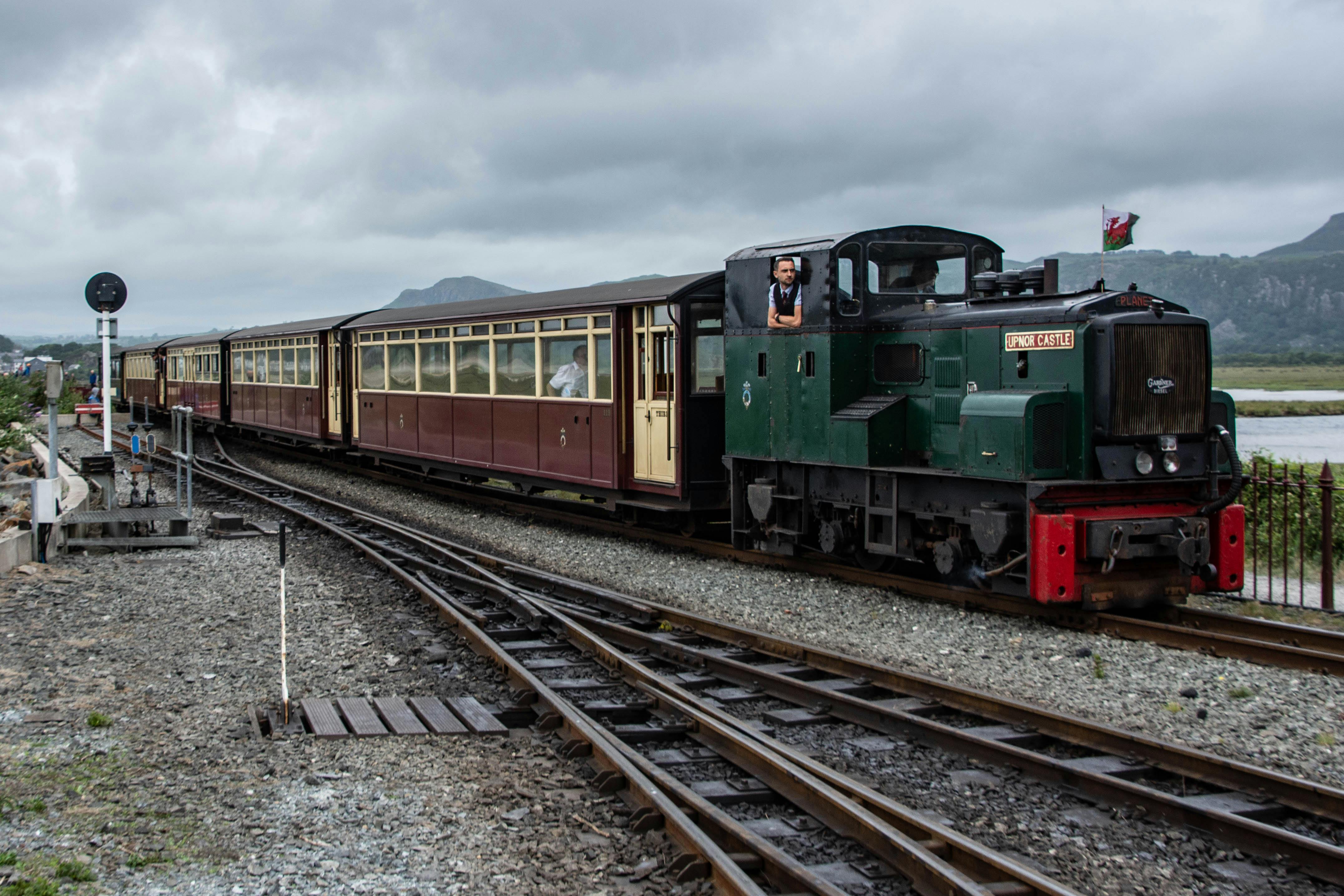
Before the celebration begins, there are a few scheduled services which need to pass from Porthmadog. Since every single steam locomotive is now getting ready for the cavalcade, the services are hauled by the diesel engines in the fleet. The first is by ‘Vale of Ffestiniog’ and the second by ‘Upnor Castle’.
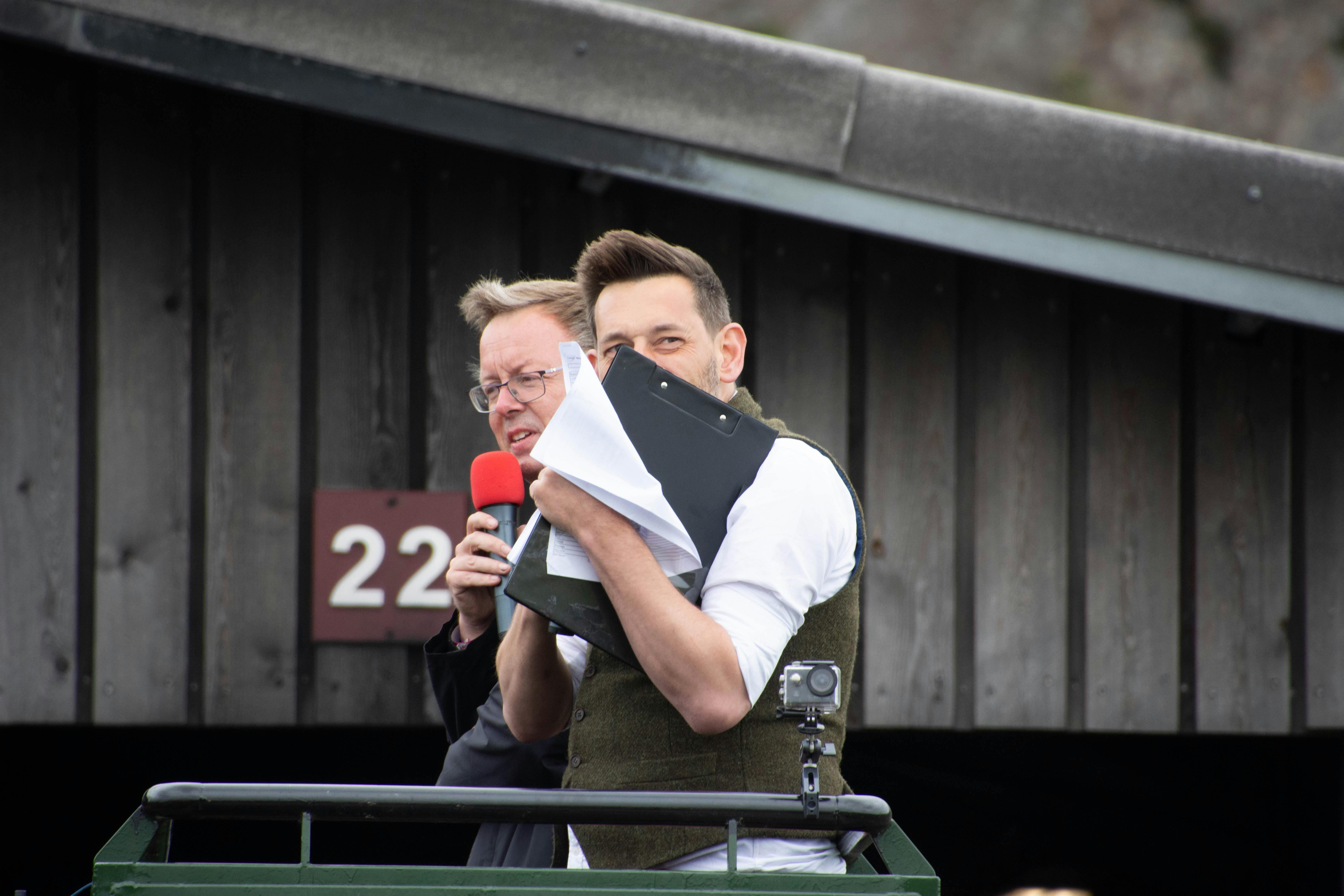
We’ve been lucky to get tickets for the exclusive viewing area where we are joined by railway royalty. Those of you who have visited the NRM or watched their YouTube series ‘Curator with a camera’ will certainly know who Anthony Coulls is and joining him is Tim Dunn. Two well known names in the nerd circle and here they are, giving us a commentary on the day and a little history on each engine as it comes down past Boston Lodge and joins the procession.
The stage is set, the sky is grey and the wind is ferocious. Quite the contrast to previous days and the single thought on everyone’s mind is ‘Please god don’t let it rain now’. The cosmic entities must have heard our collective wish as it wasn’t until the last engine had come back to Boston Lodge from the procession that the heavens opened. I call that a good result. In order of appearance on the Cob, welcome to 200 wheels on the cob.
PRINCE | MERDDIN EMRYS | LINDA | BLANCHE | BRITOMART | MOUNTAINEER | CHALONER | EARL OF MERIONETH | DAVID LLOYD GEORGE | PALMERSTON | VELINHELI | LILLA | TALIESIN | RUSSELL | K1 | NG/G16 NO. 87 | LYD | HUGH NAPIER | PRINCESS | WELSH PONY | NG/G16 NO. 130 | JAMES SPOONER | NG15 NO. 134 | C2
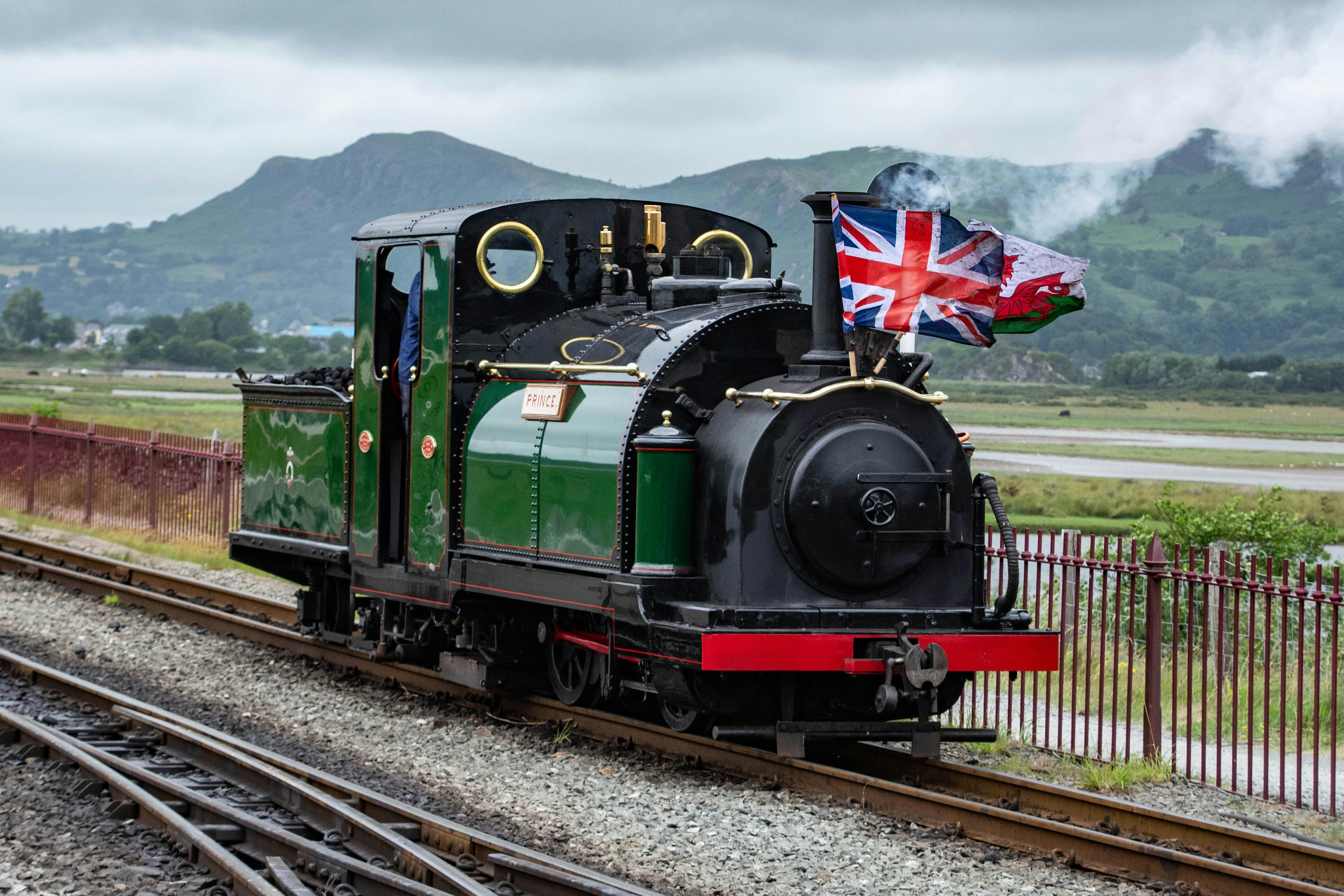
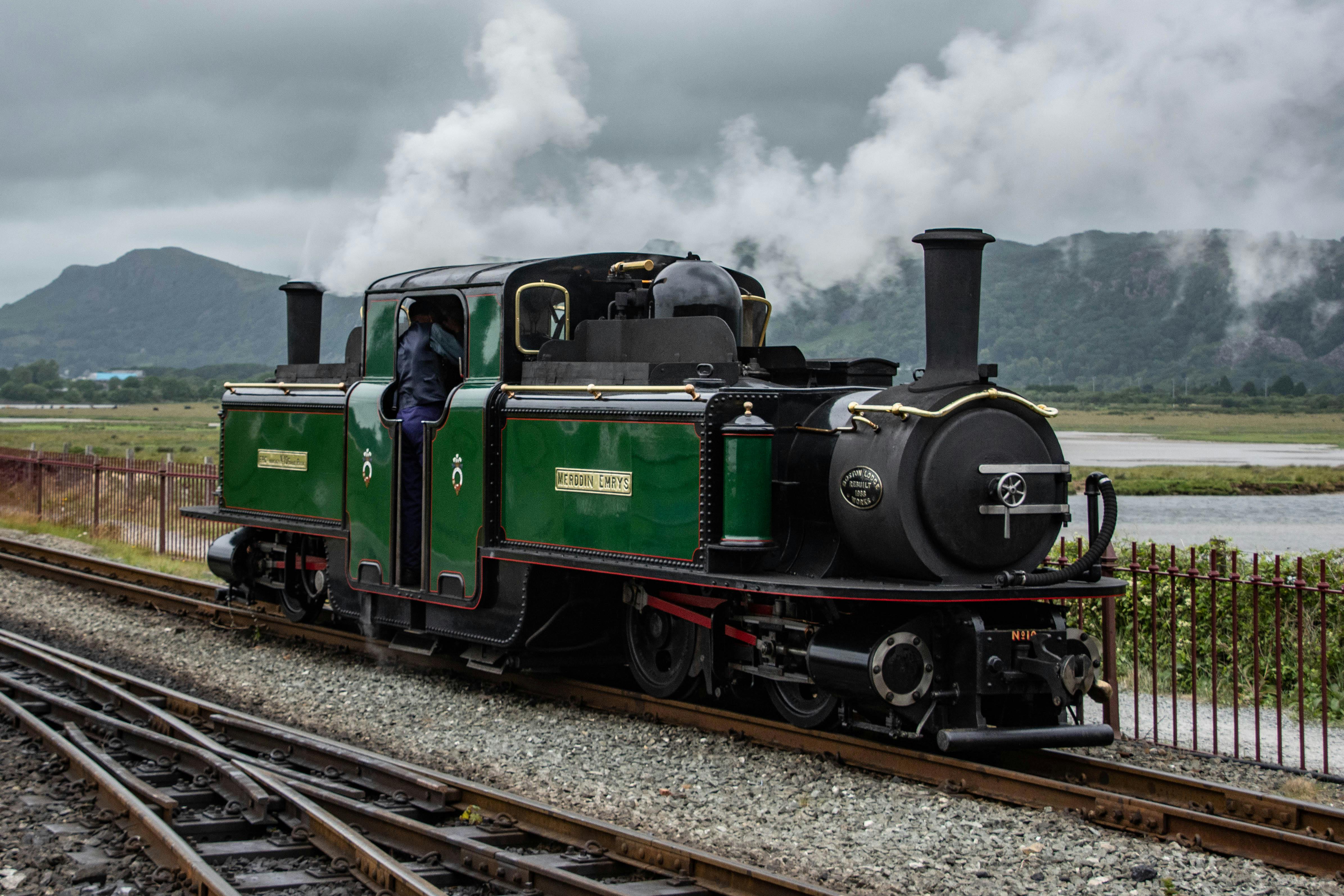
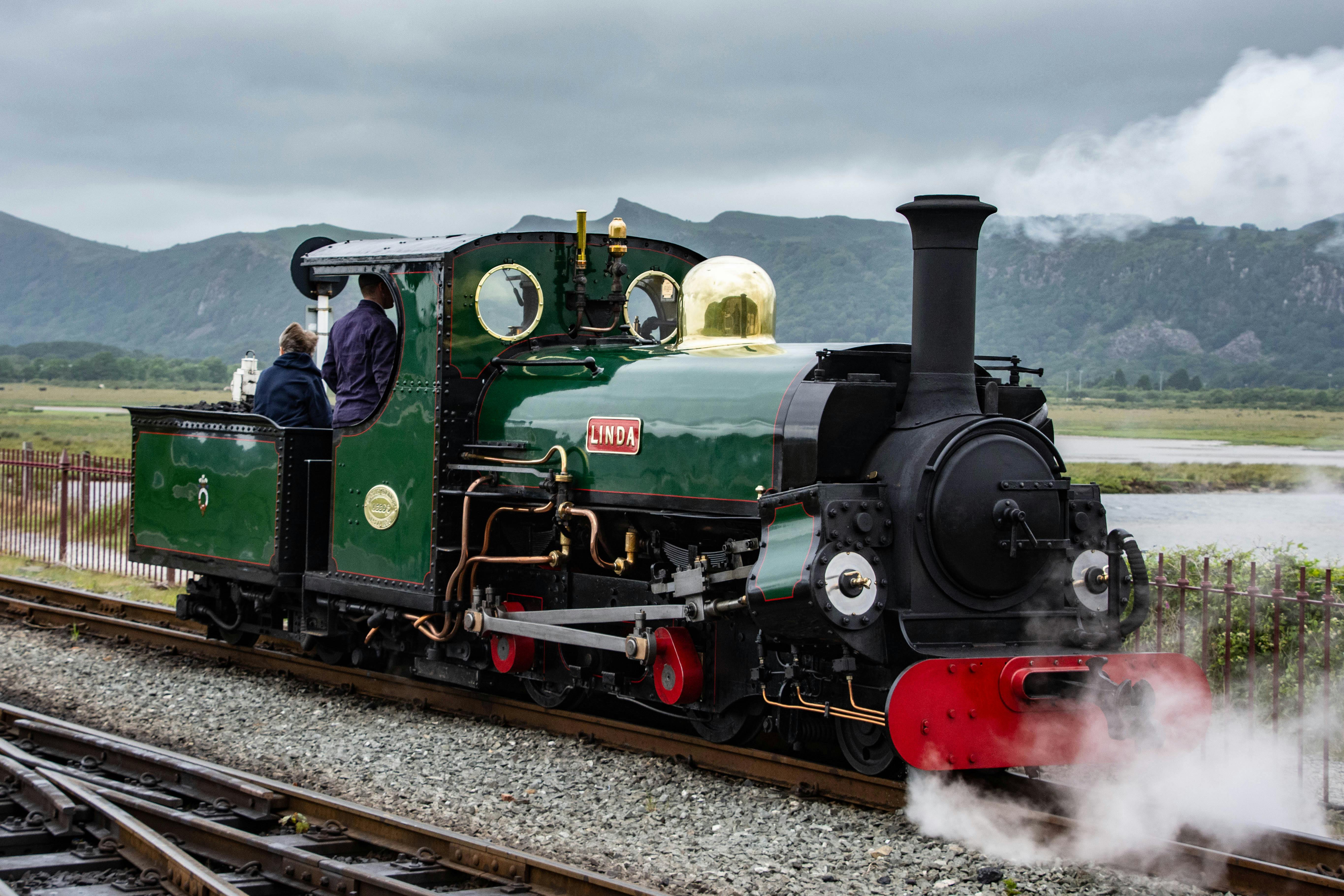
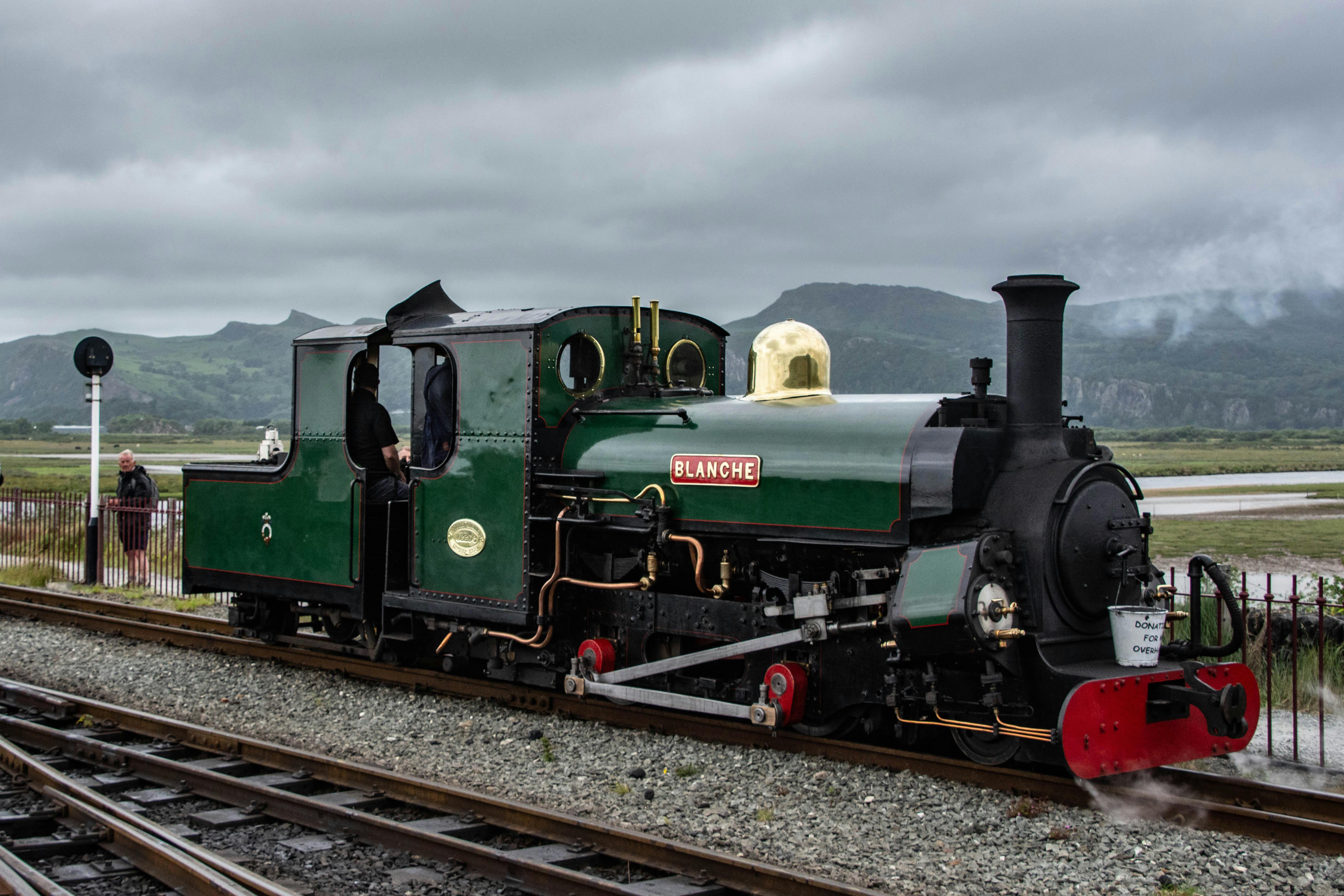
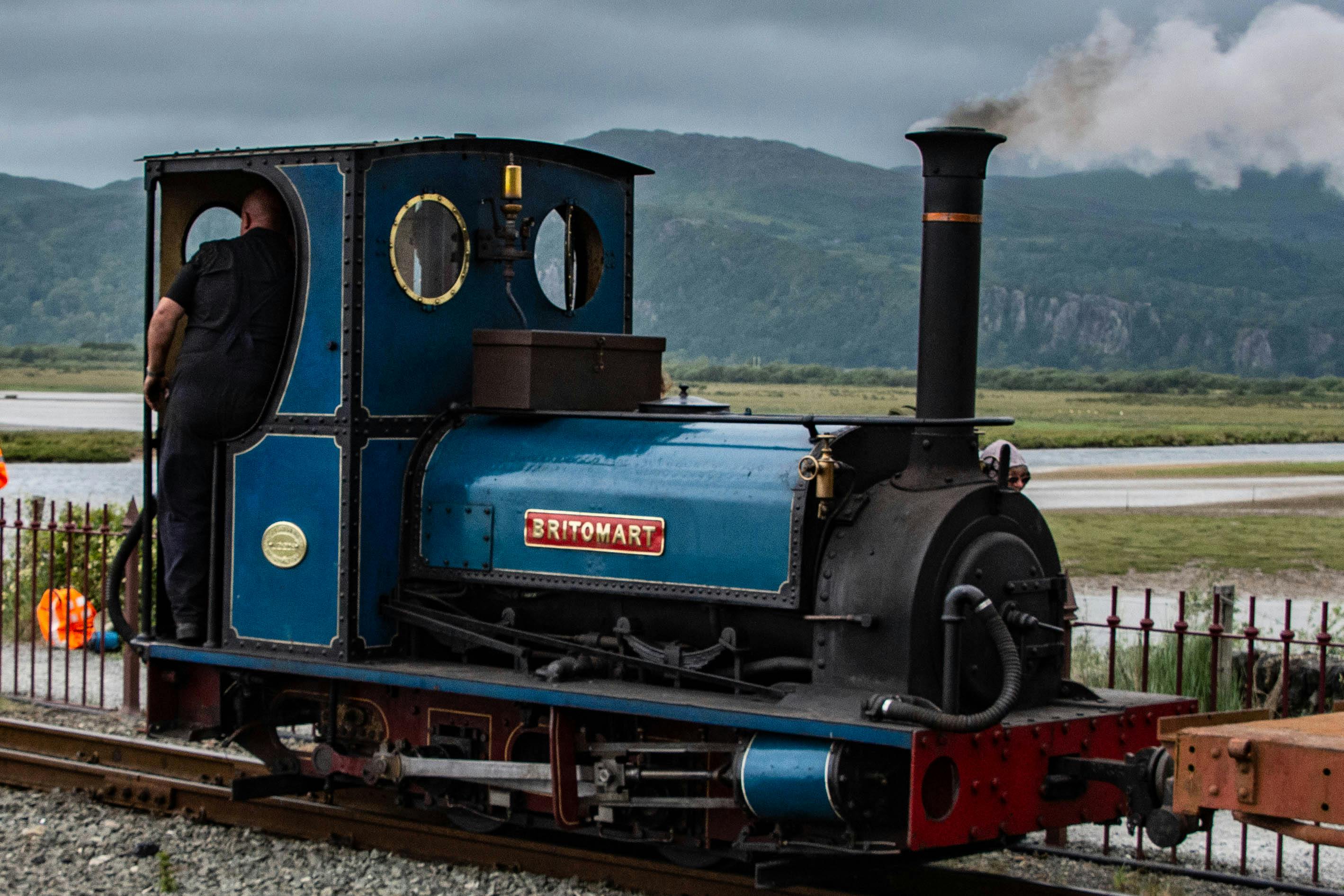
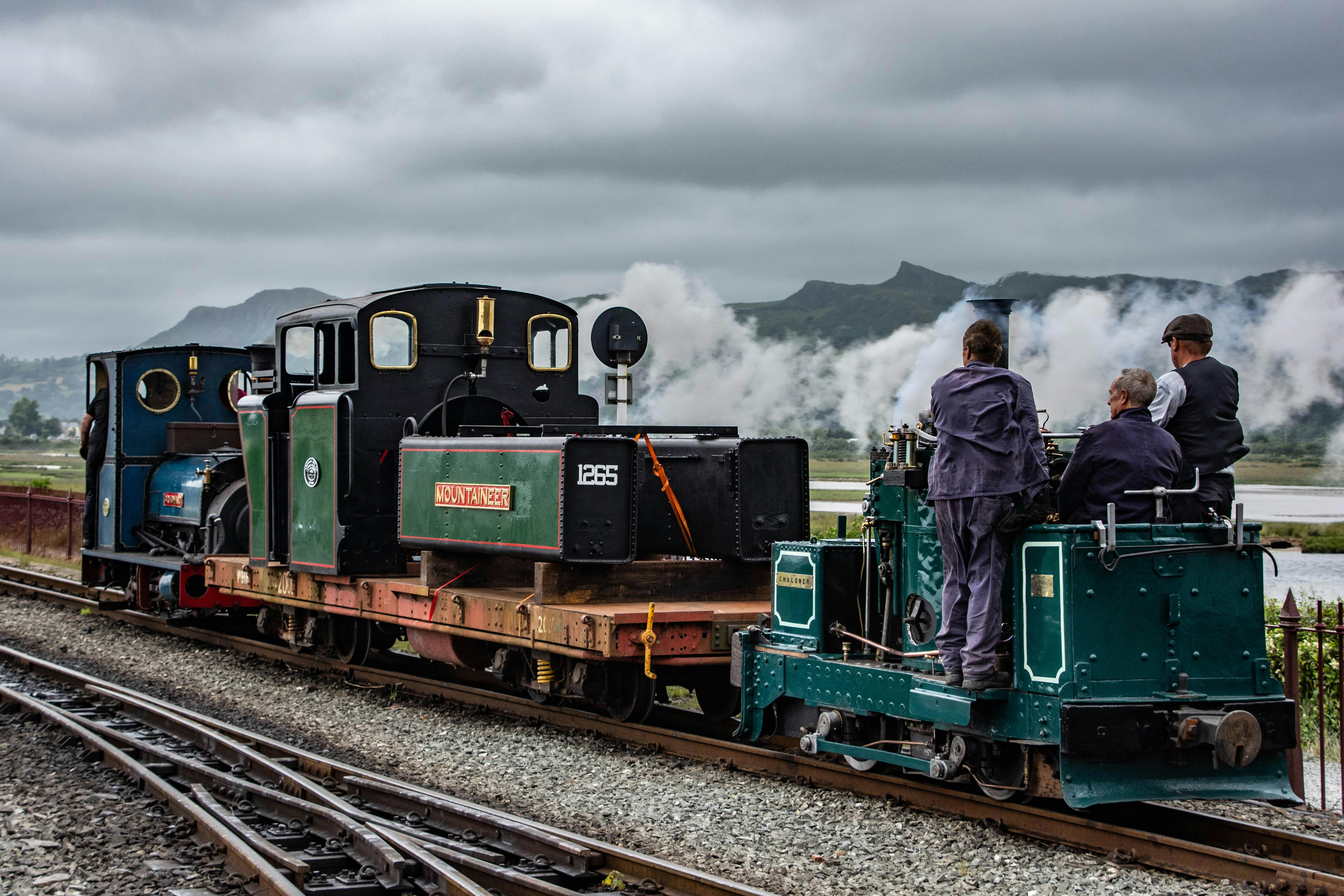
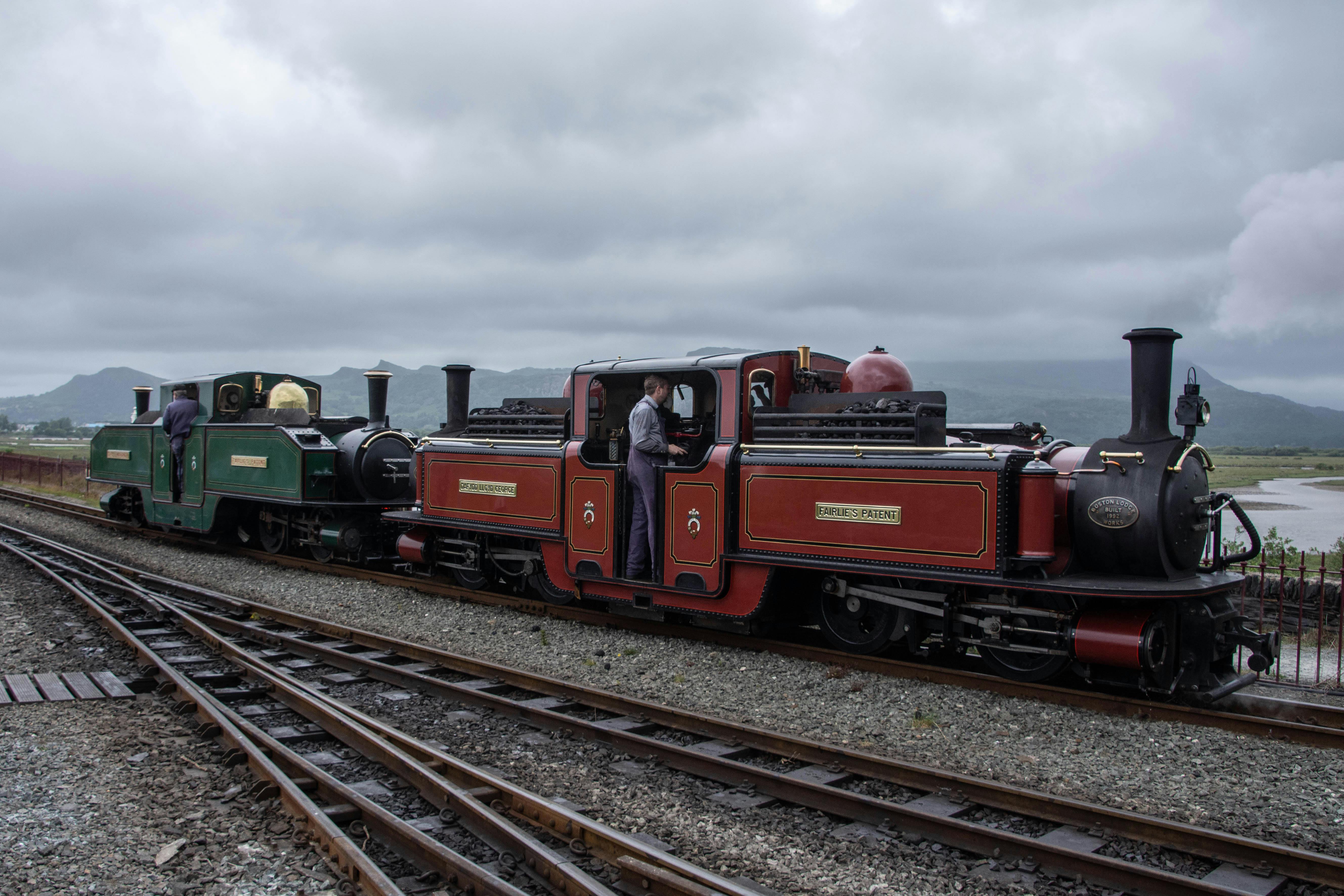
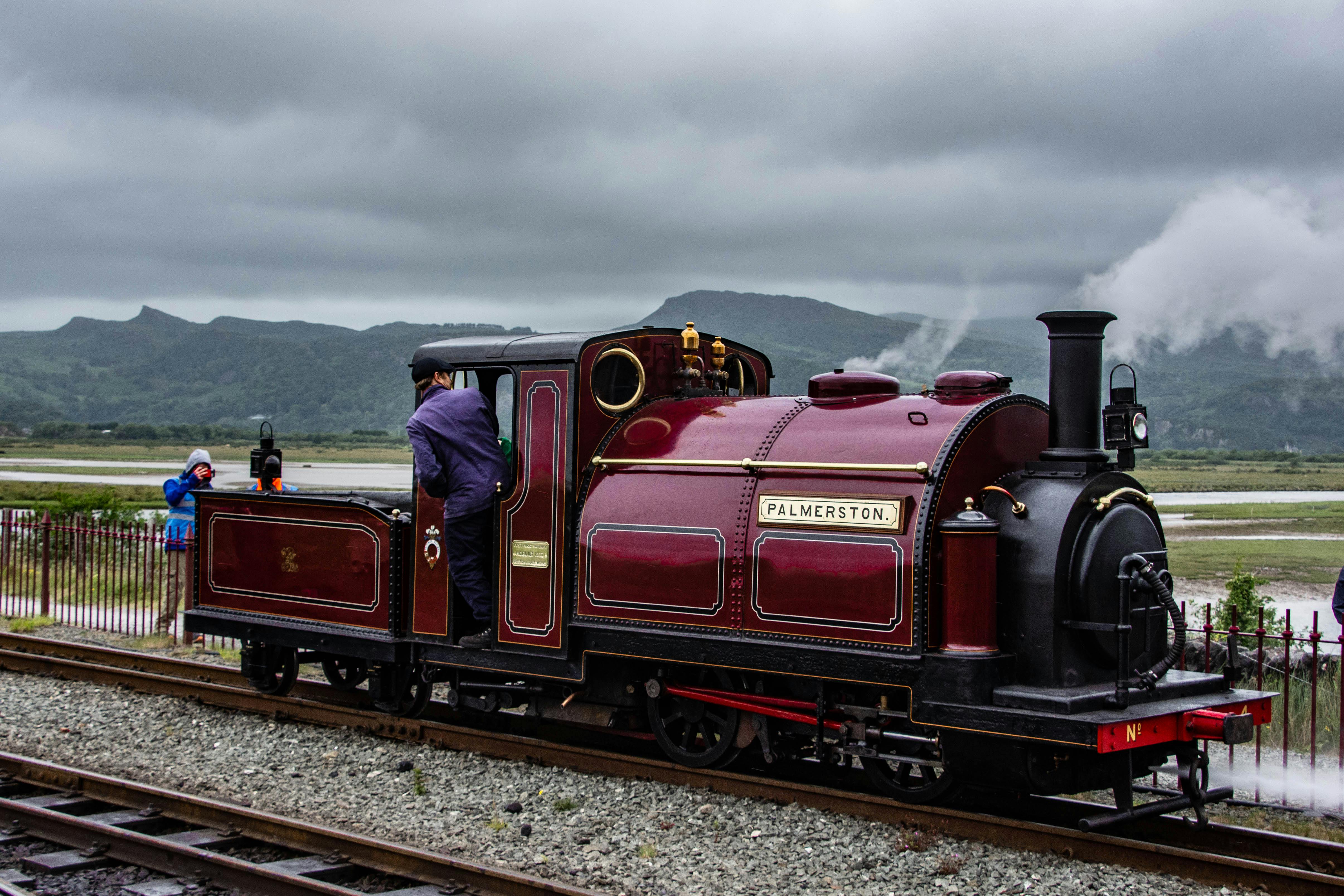
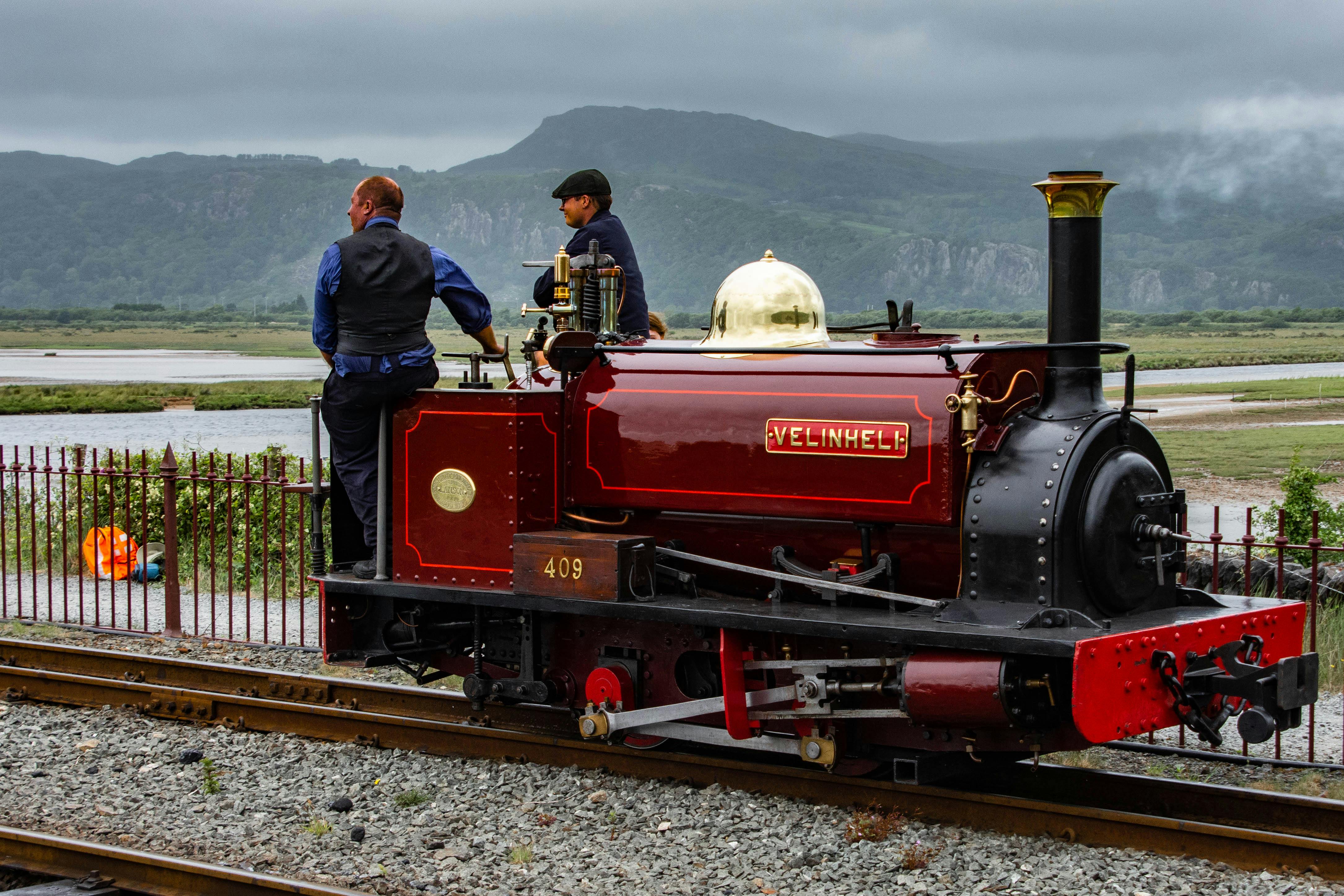
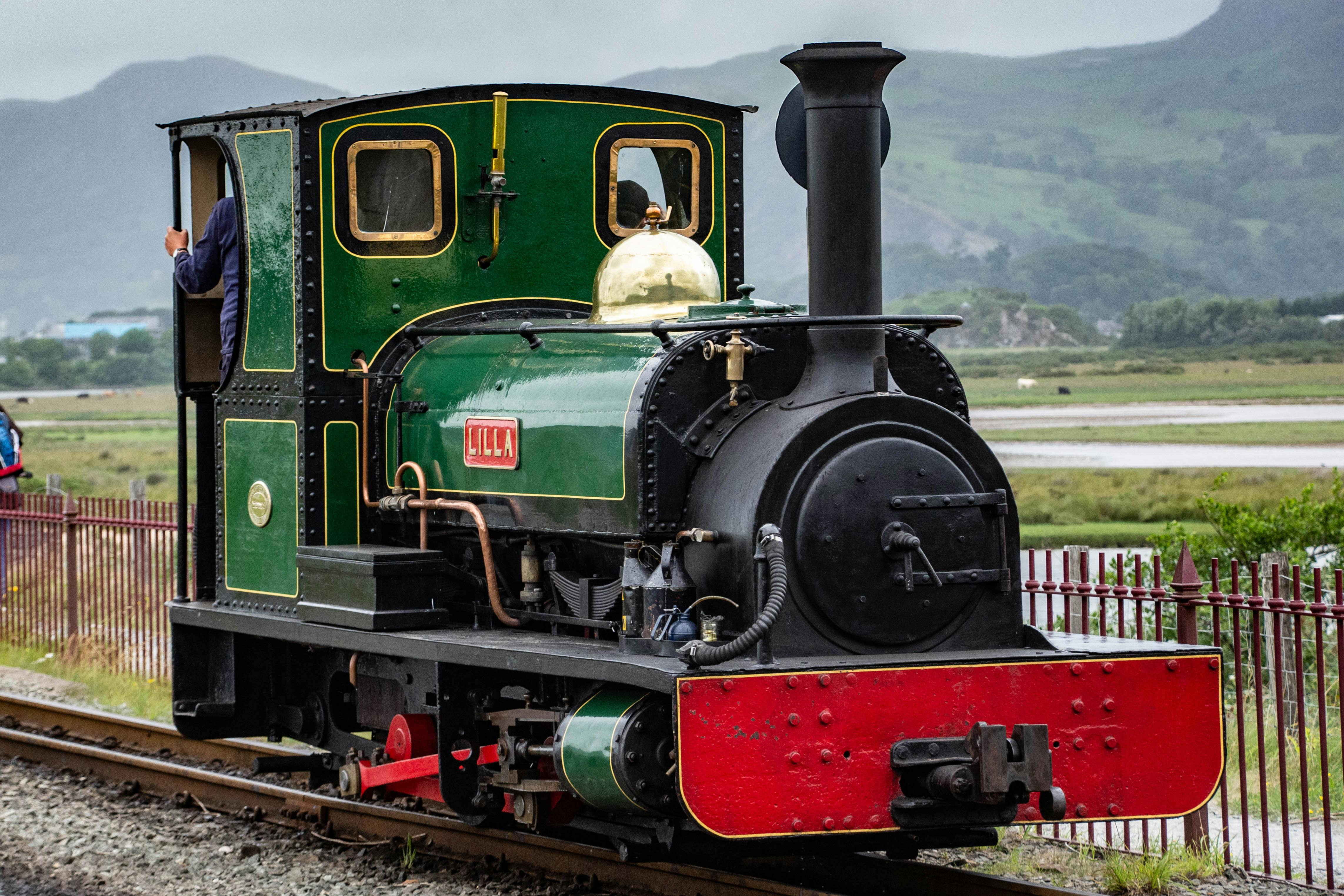
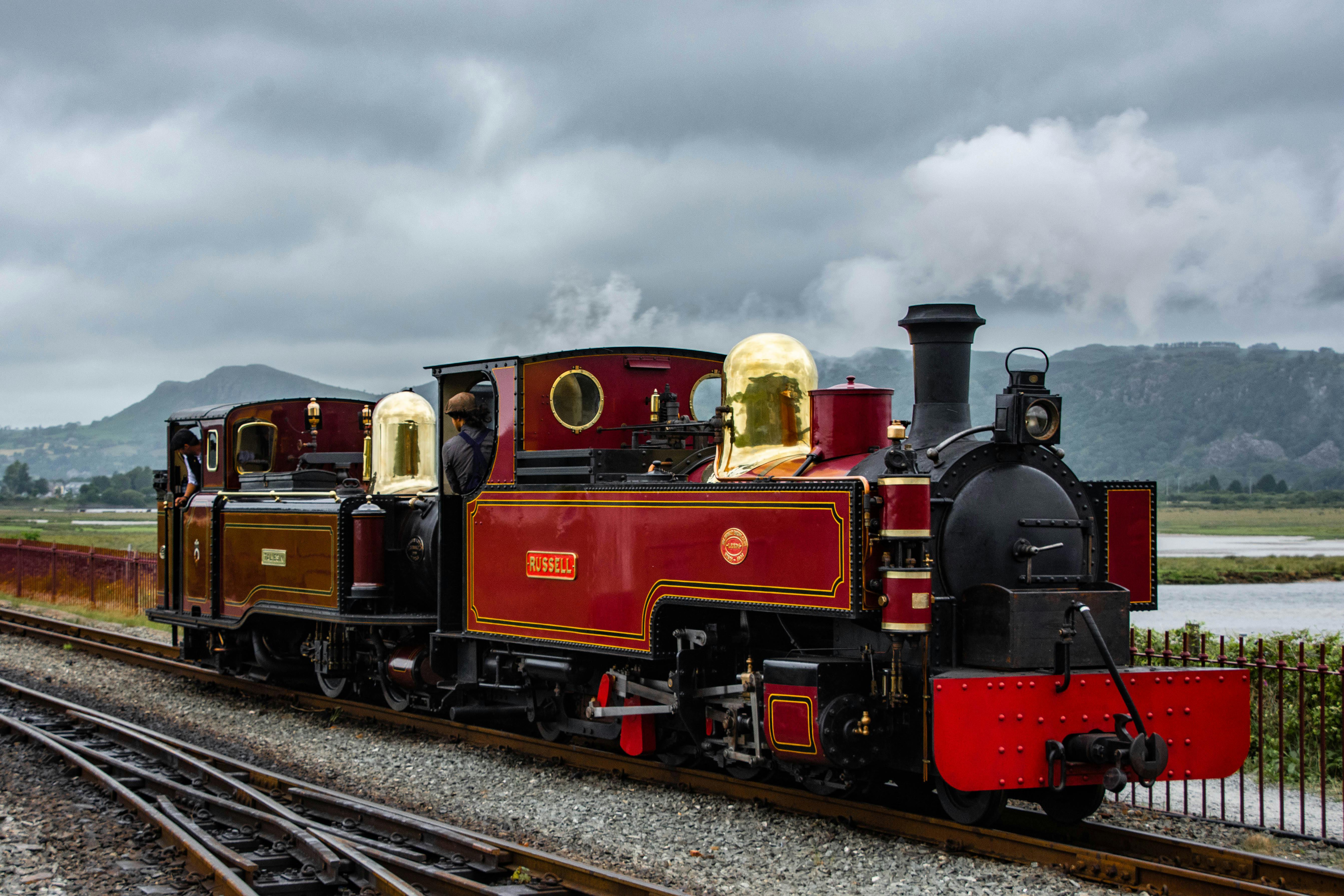
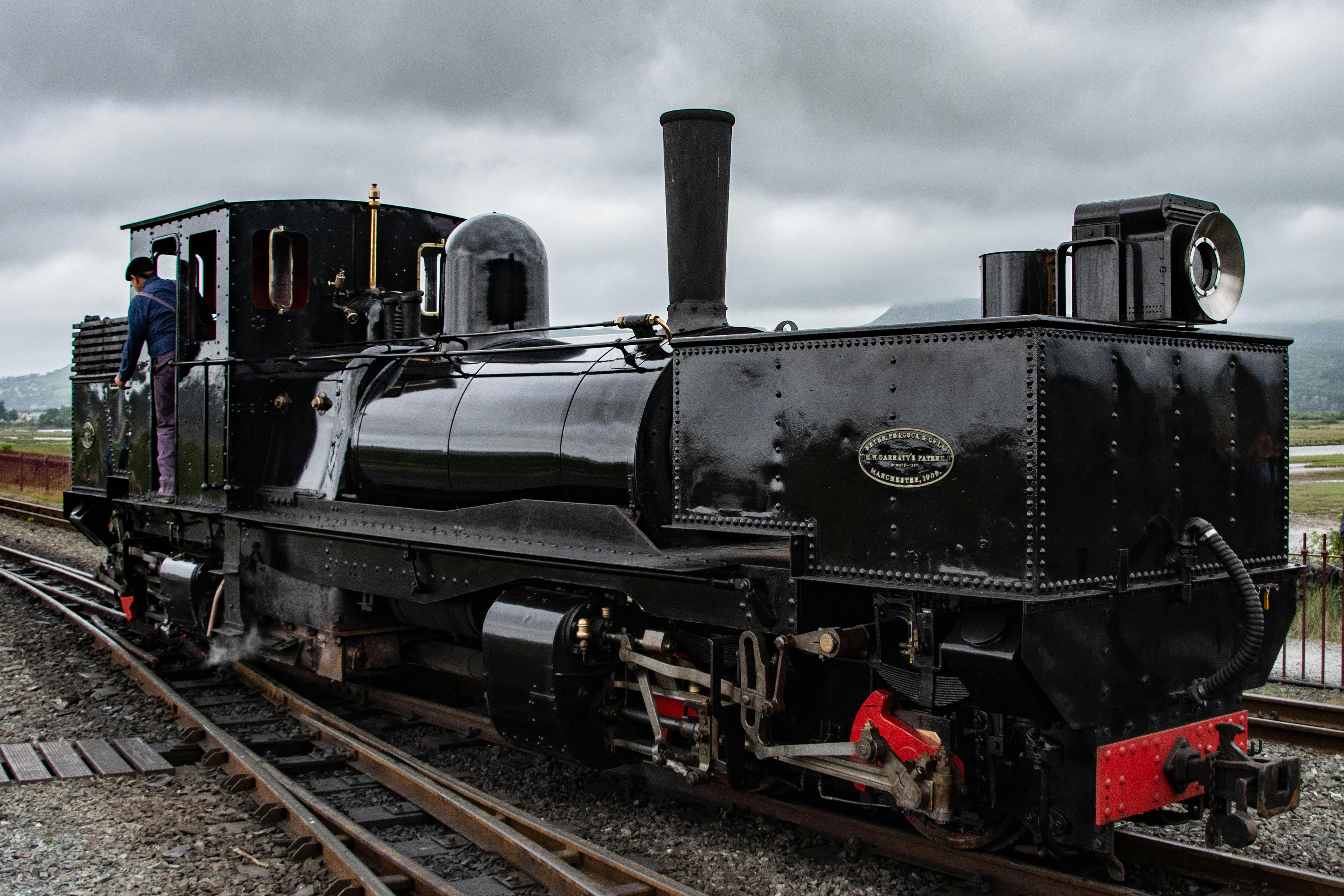
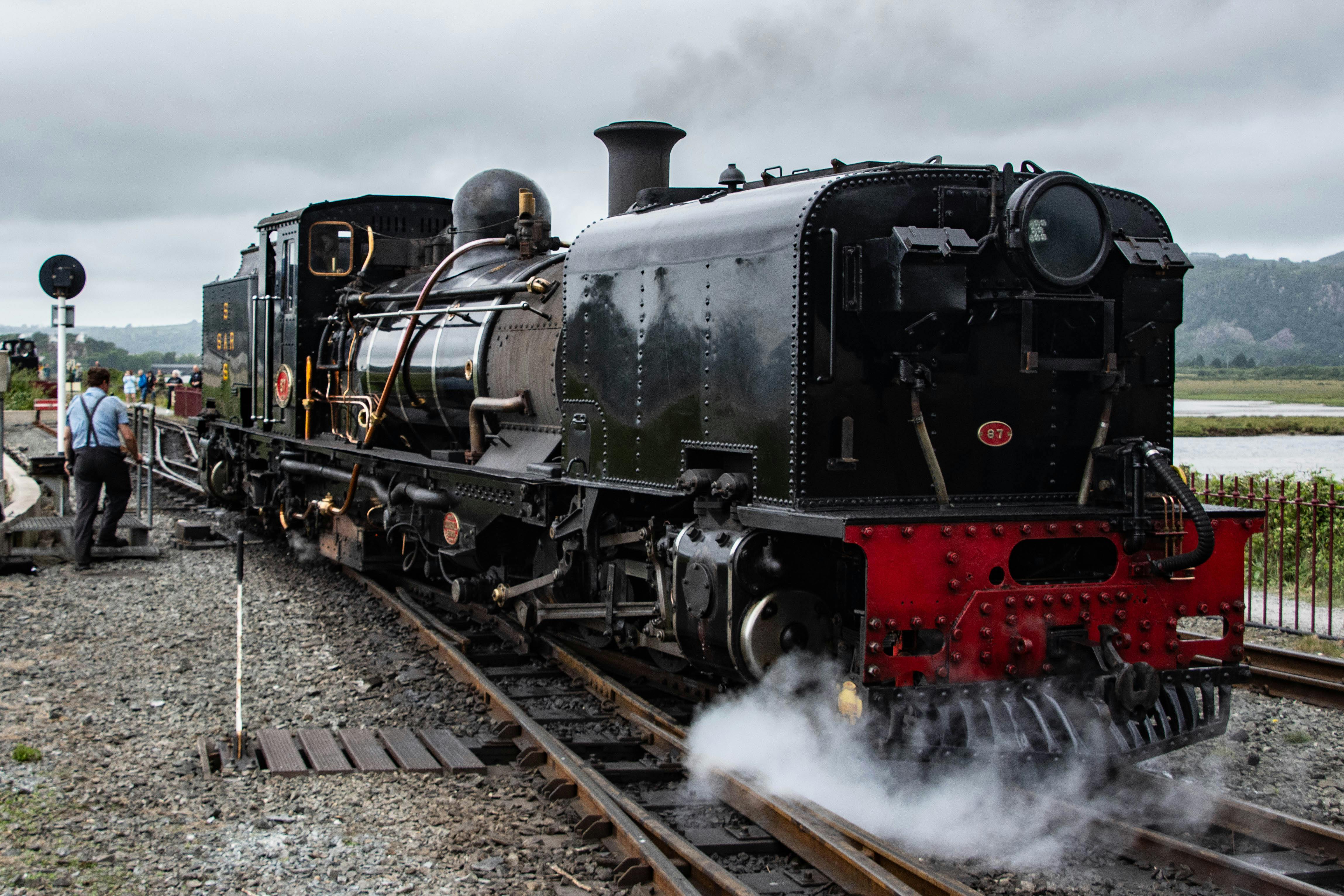
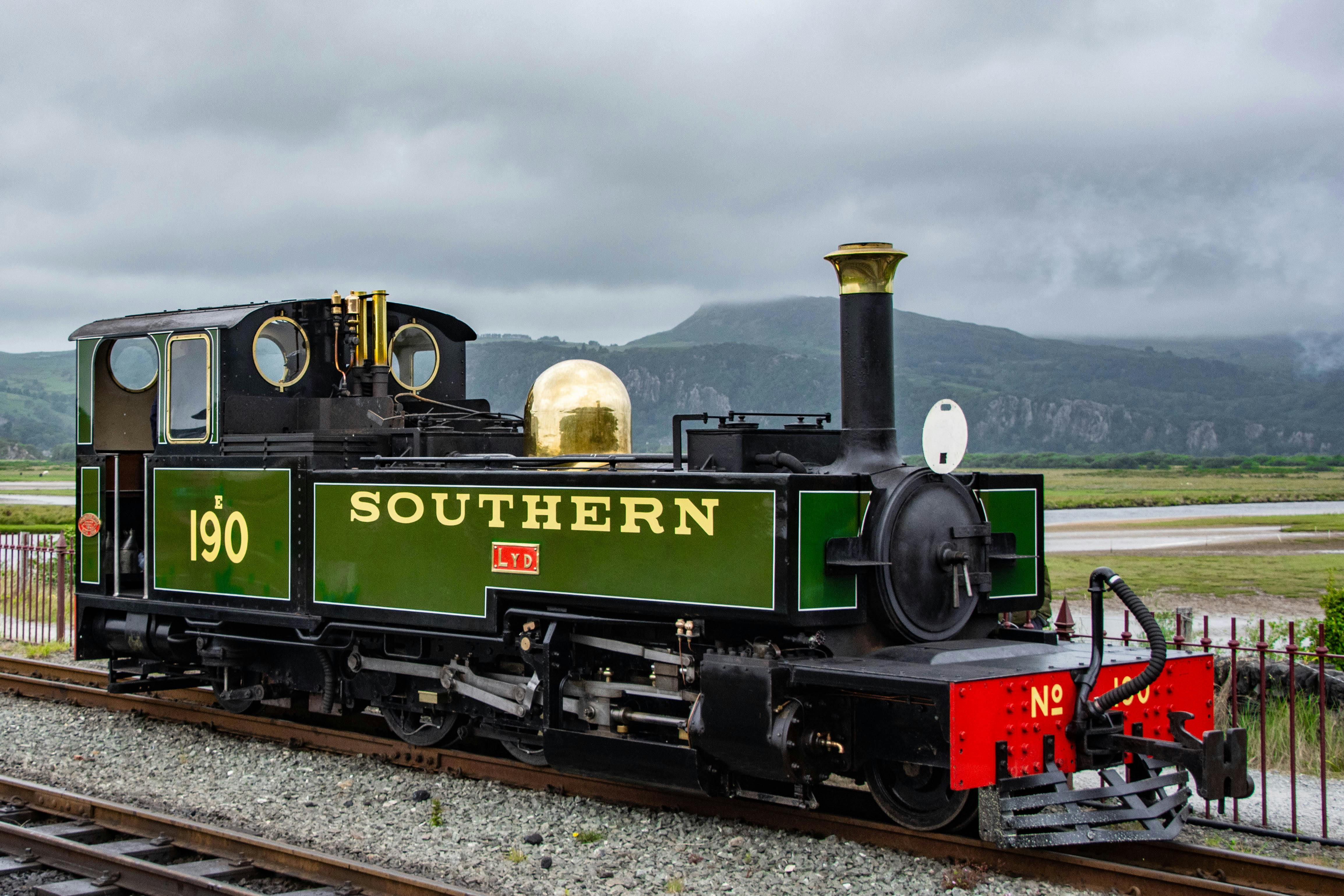
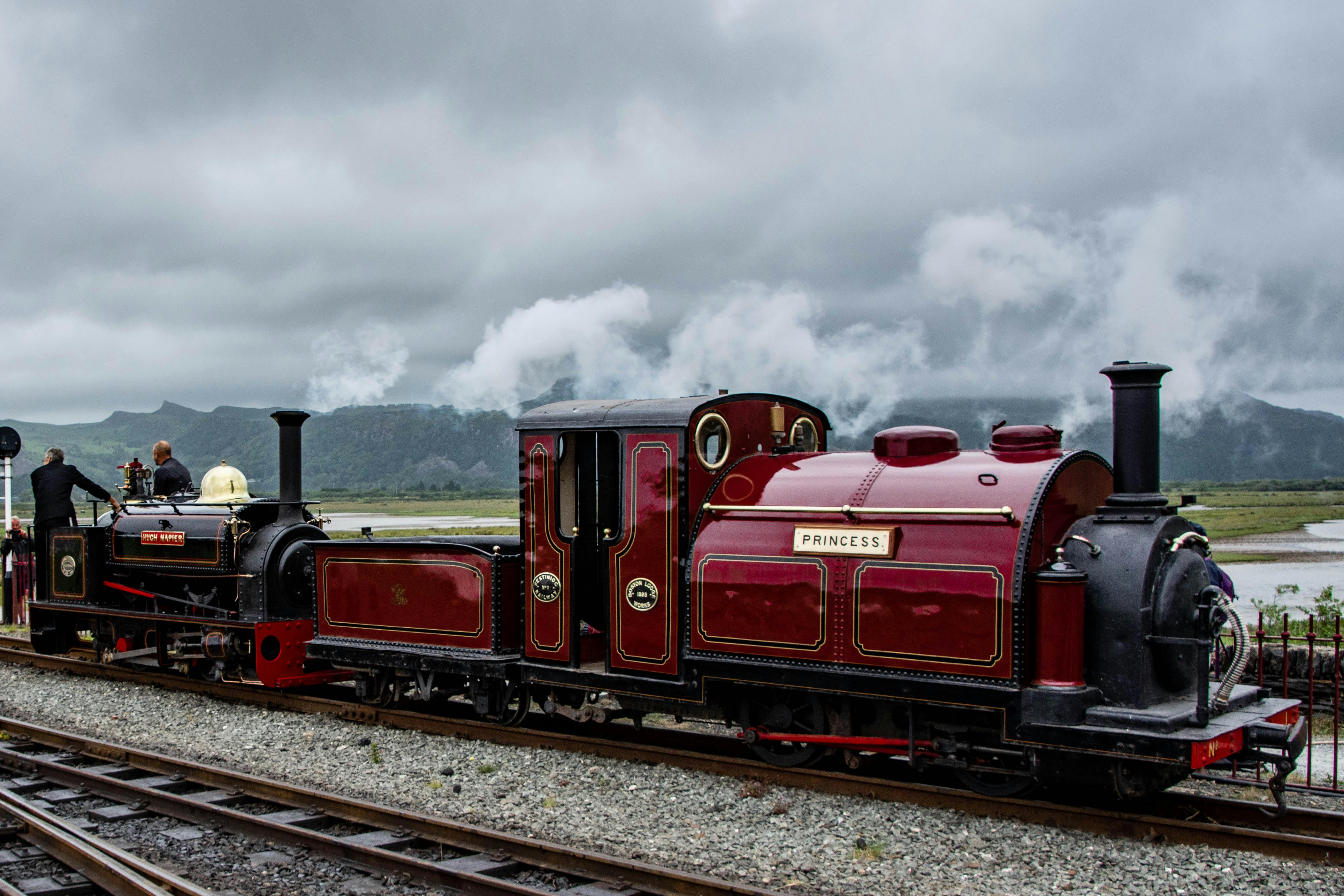
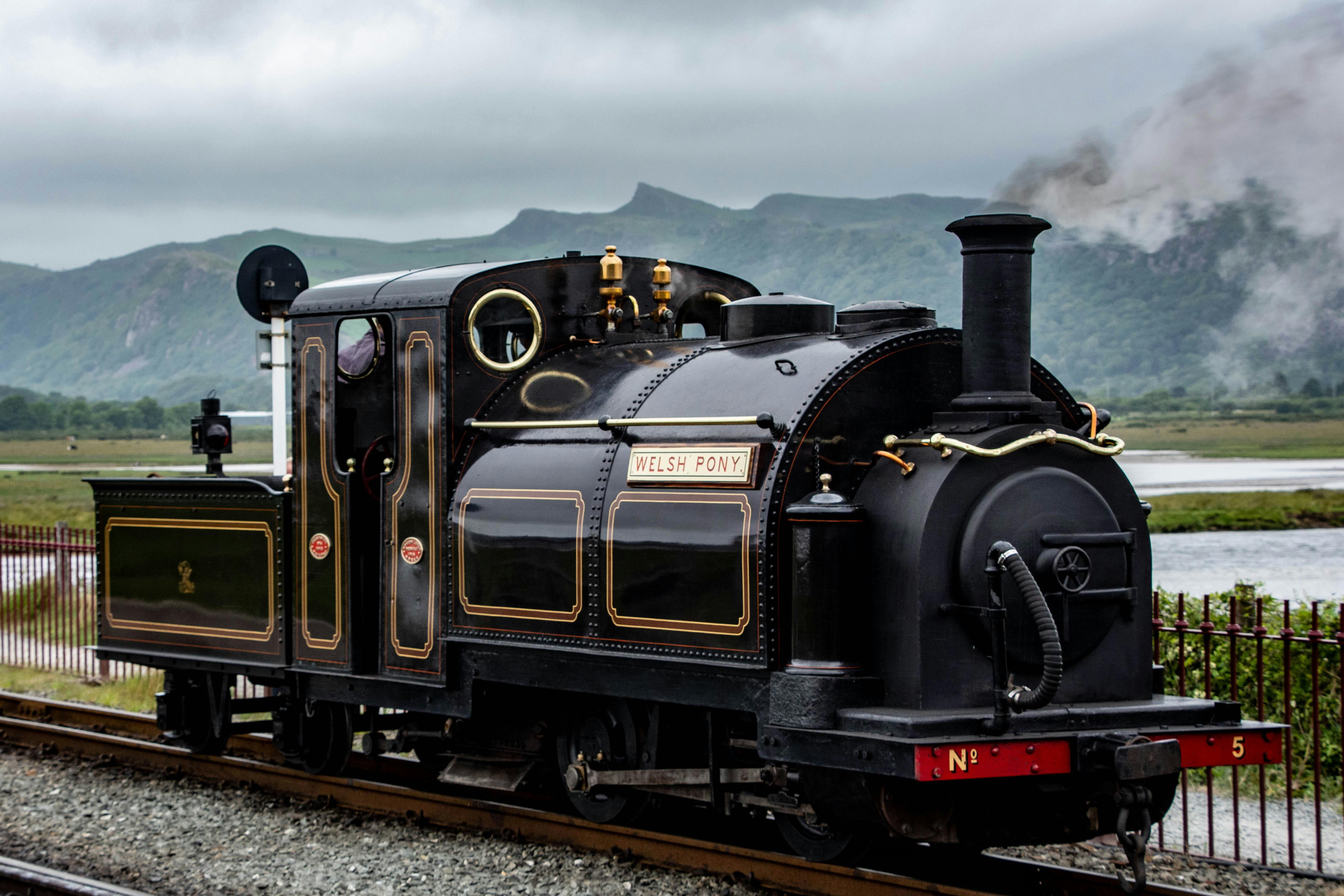
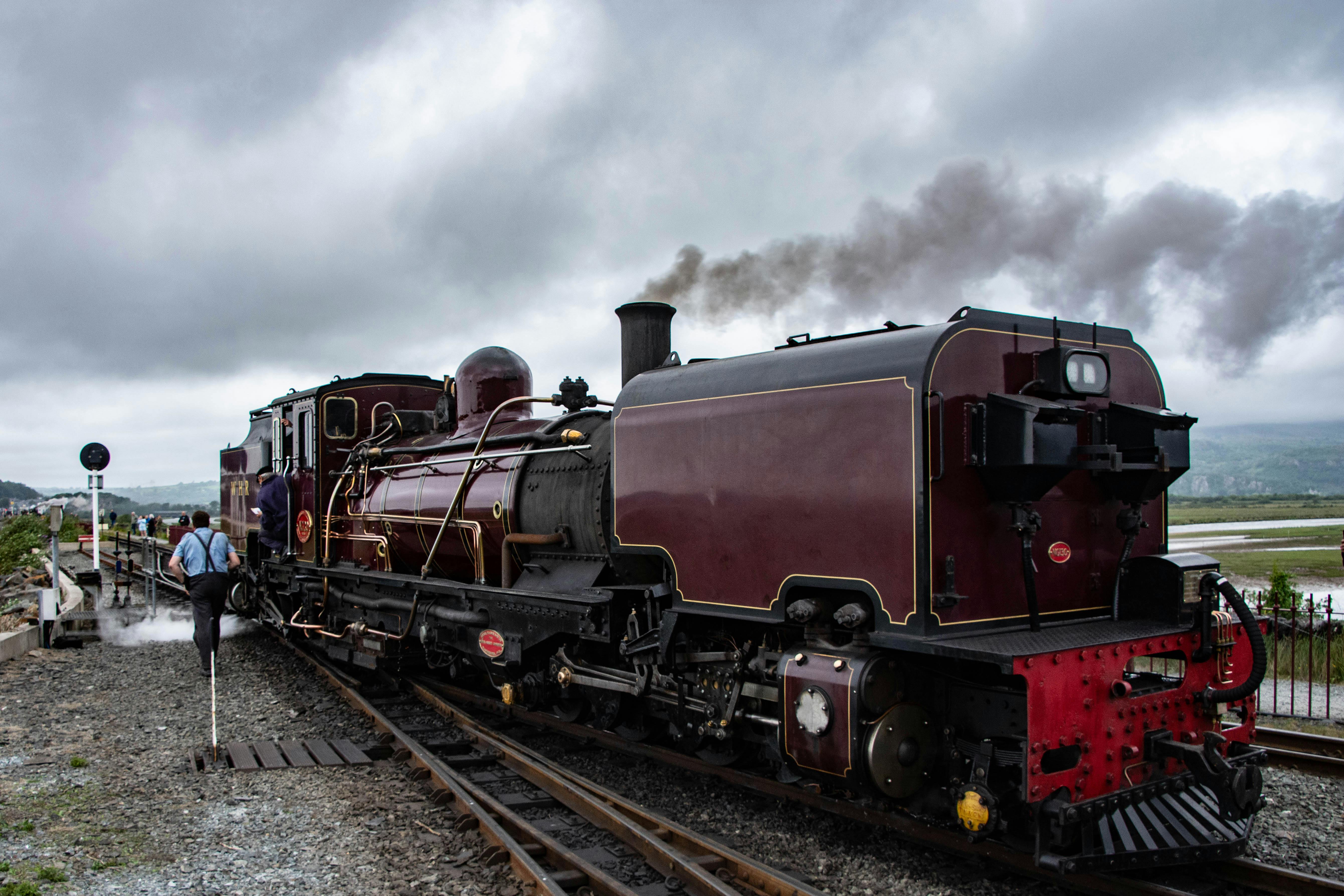
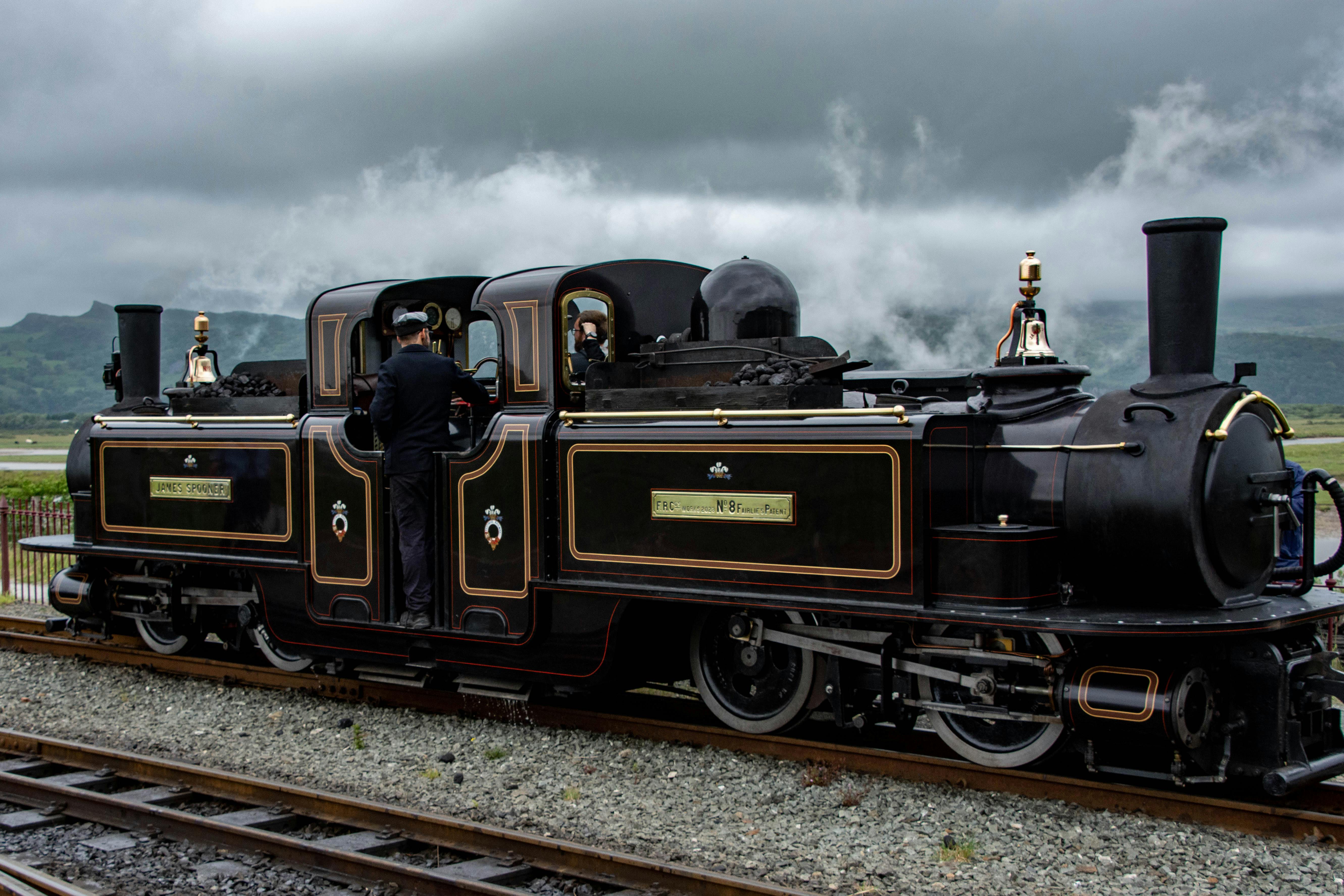
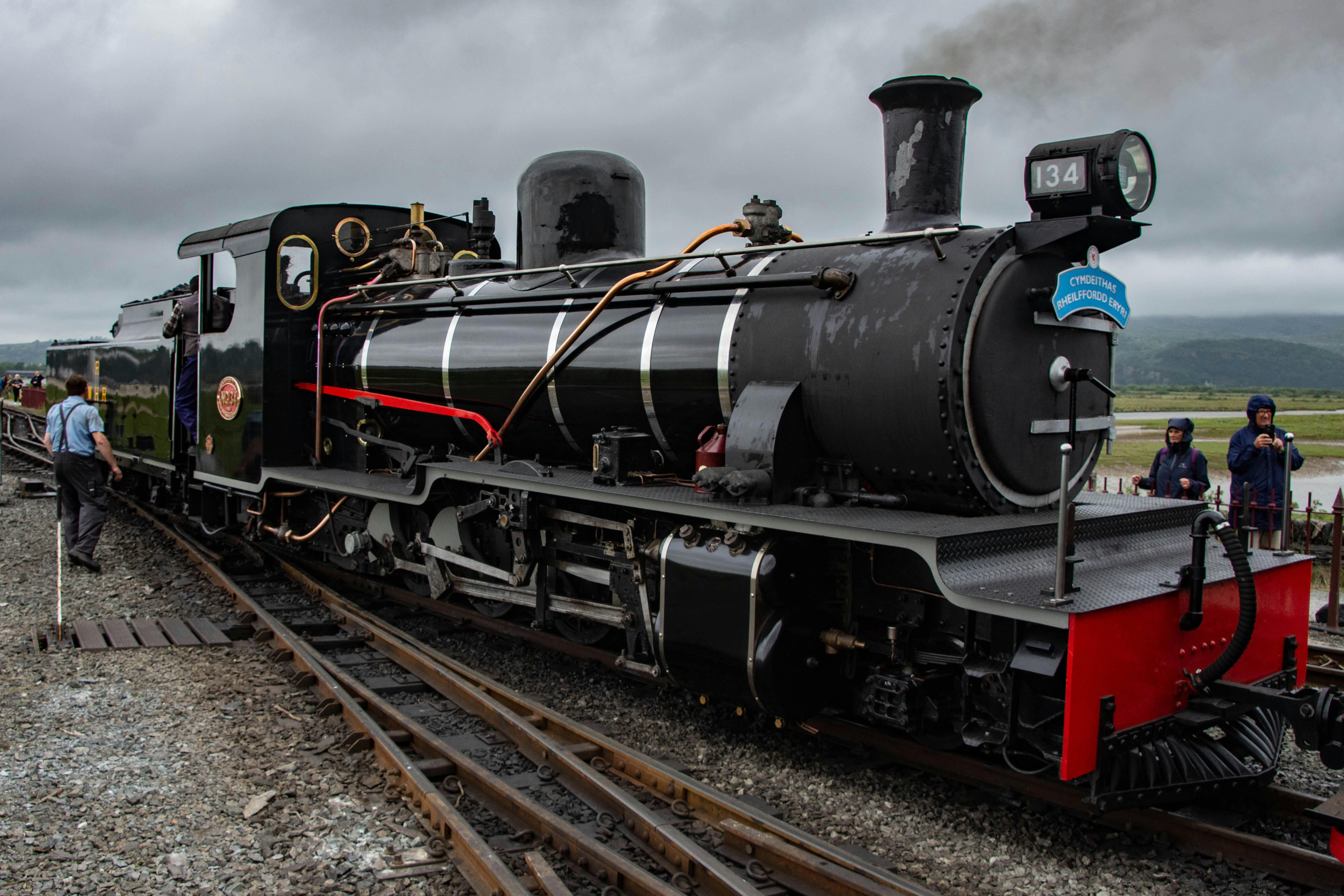
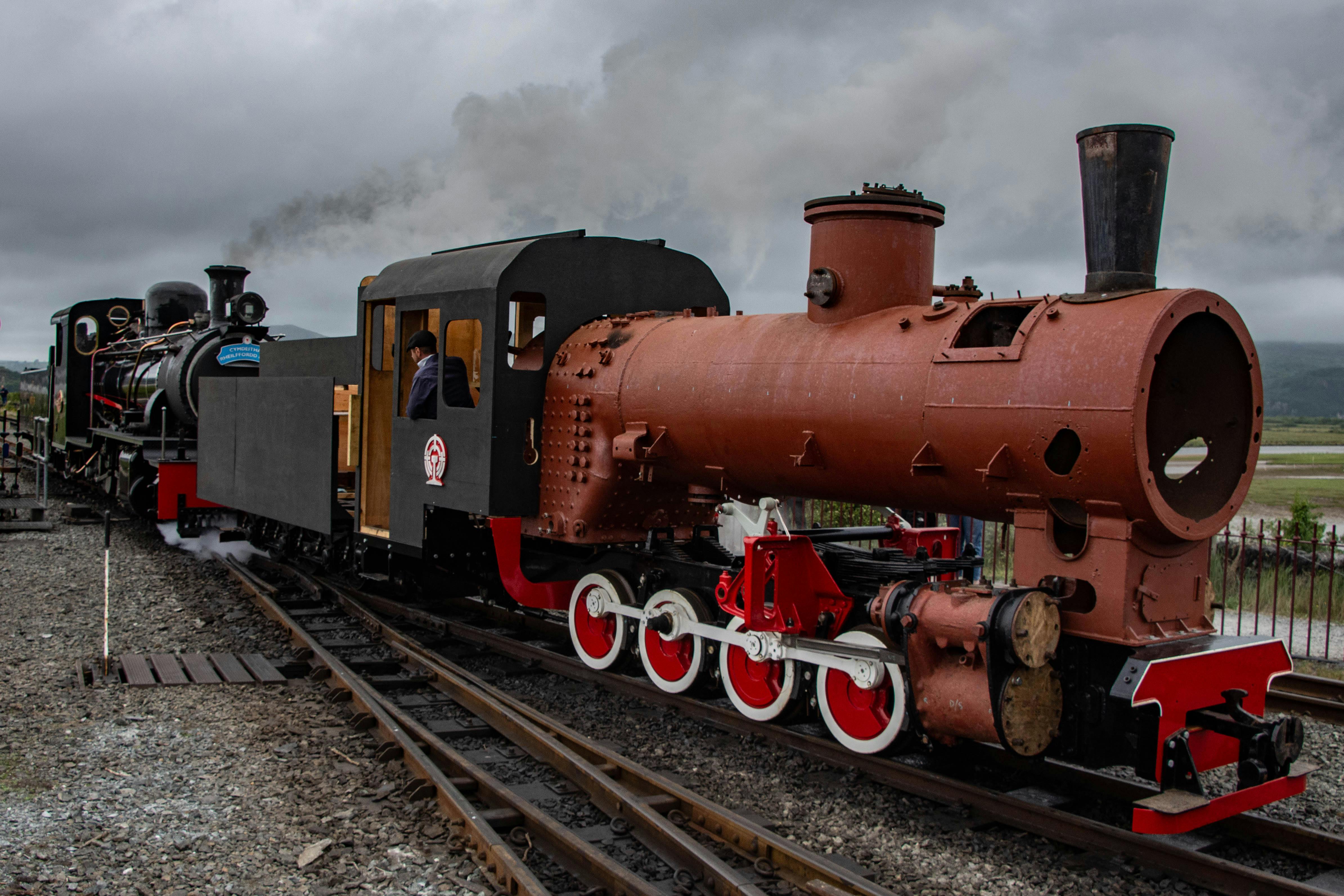
It was such a treat to see this and what a celebration. It was fantastic to see not only locos in steam but also those which can not function under their own power due to various stages of restoration. The whole celebration left me beaming from ear to ear to the point that my face started to ache. Some notable mentions on the above:
- ‘Princess’ was cosmetically restored in 2013 and one of the original 4 George England engines that operated on the line before entering preservation. She currently can not steam.
- ‘Earl of Merioneth’ is the second locomotive to run with this name, currently awaiting a restoration.
- ‘Mountaineer’ is currently nothing more than a cab and boiler covering right now due to a major restoration.
- ‘Russell’ is actually a visitor for this weekend and is owned by the Welsh Highland Heritage Railway (subtle difference between Welsh Highland Railway). She’s a Hunslet design and originally did work on the North Wales Narrow Gauge Railway until the company was incorporated into the Welsh Highland Railway in 1922. She was first restored in 1987 and returned to service on the Welsh Highland Heritage Railway in August 2014 following an overhaul. She is the ONLY original surviving engine of the Welsh Highland Railway.
- C2 is a Chinese C2 Class 0-8-0 steam locomotive which has been purchased, imported and currently being rebuilt with the intention to run on the Ffestiniog Railway. She lives at Boston Lodge in a purpose built restoration facility and you see her above in her stripped down state. Research by the railway shows that the loco was built earlier than the tender she had when purchased and this is believed to be either Harbin 208 or 209.
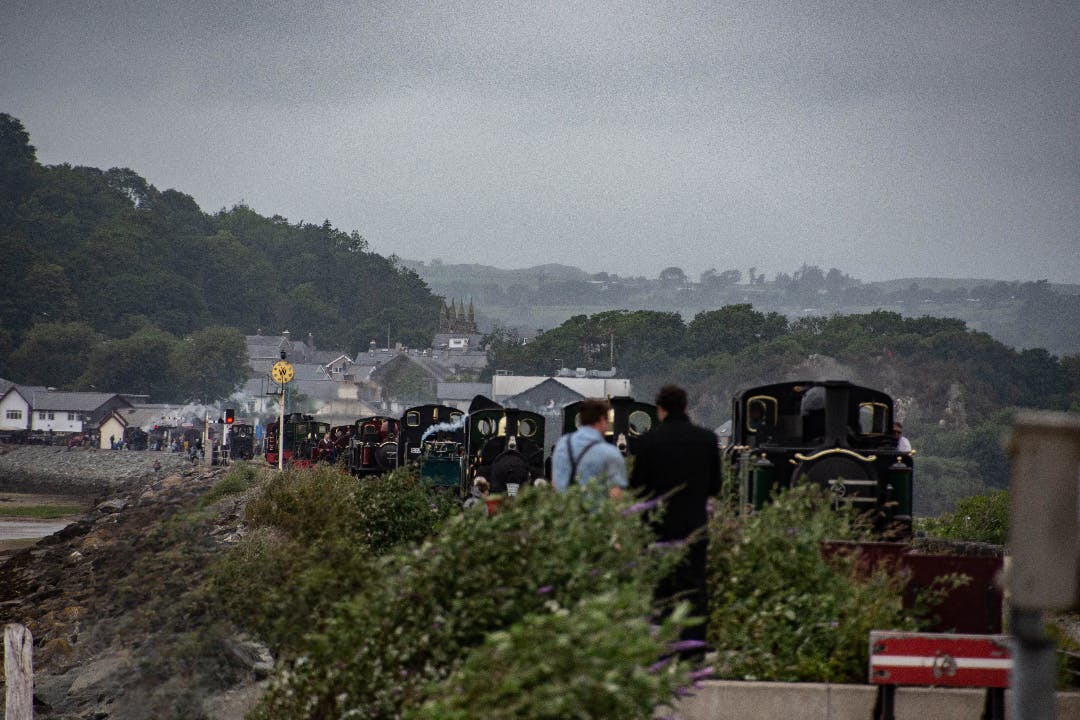
This whole weekend has been incredibly special. People have come from far and wide to celebrate not only the Platinum Jubilee, but also Railway 200 as a whole. The number of people who were here for the weekend is masked from the majority of the photos above, but take my word for it when I say it was absolutely packed. What a wonderful celebration. The only thing this year that could top this I suspect is The Greatest Gathering (spoiler for a future post). Due to my position in Boston Lodge on the final day of the cavalcade, it was difficult to get some good photos of all the locos lined up on the cob but I leave you with the final pictures below which give you a sense of what was happening out on the Cob. Enjoy the final video also where each loco on the cob blows it’s whistle before making it’s way back to Boston Lodge. You’ll have to forgive the wind sound; this was with a wind muffler on as well!