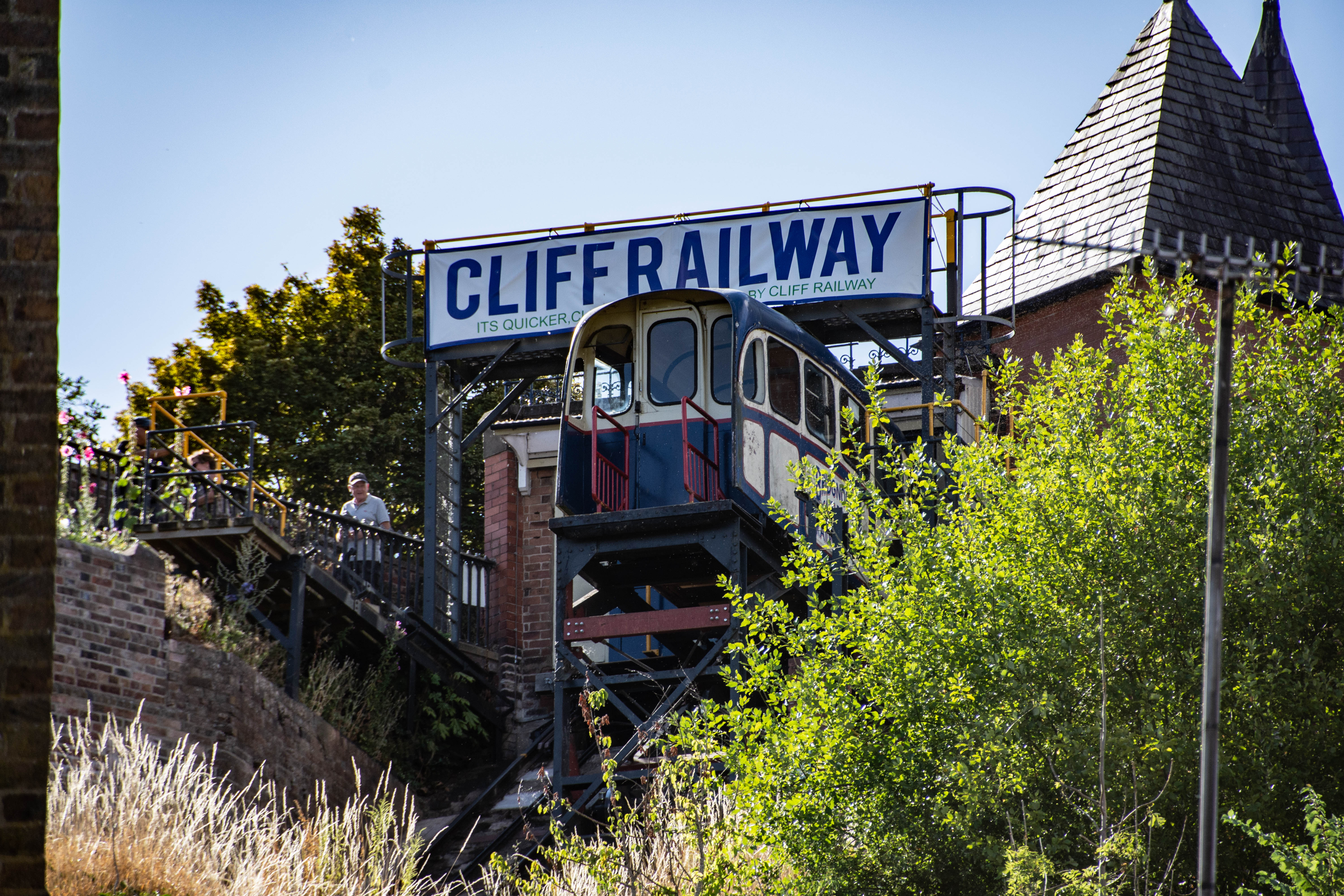
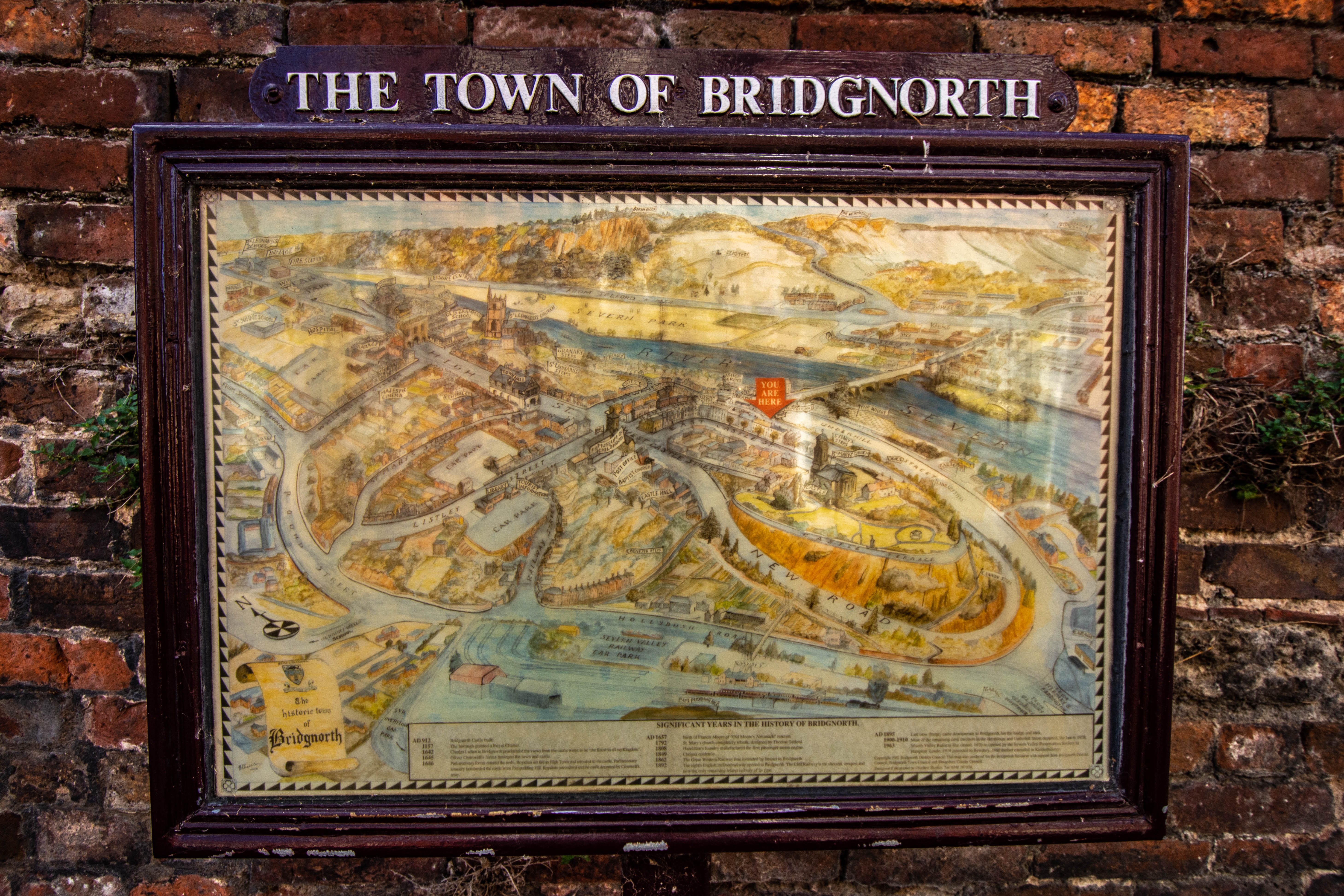
Bridgnorth is a historic market town in Shropshire and can trace its roots back to 1101AD and even further beyond the Norman conquest of England. Robert of Bellême, the 3rd Earl of Shrewsbury, moved from Quatford, constructing a castle and a church on the site of the modern-day town in an effort to deter and defend against attacks from Wales. The town has seen its share of conflict over the centuries but perhaps one of the most interesting things about the town is its topography. The River Severn splits the town into two distinct zones, with ‘Low Town’ on the right bank of the river, and ‘High Town’ being on the left bank. These names are quite literal as High Town is mostly built atop the 111ft sandstone cliff while Low Town is more closely aligned to the level of the river.
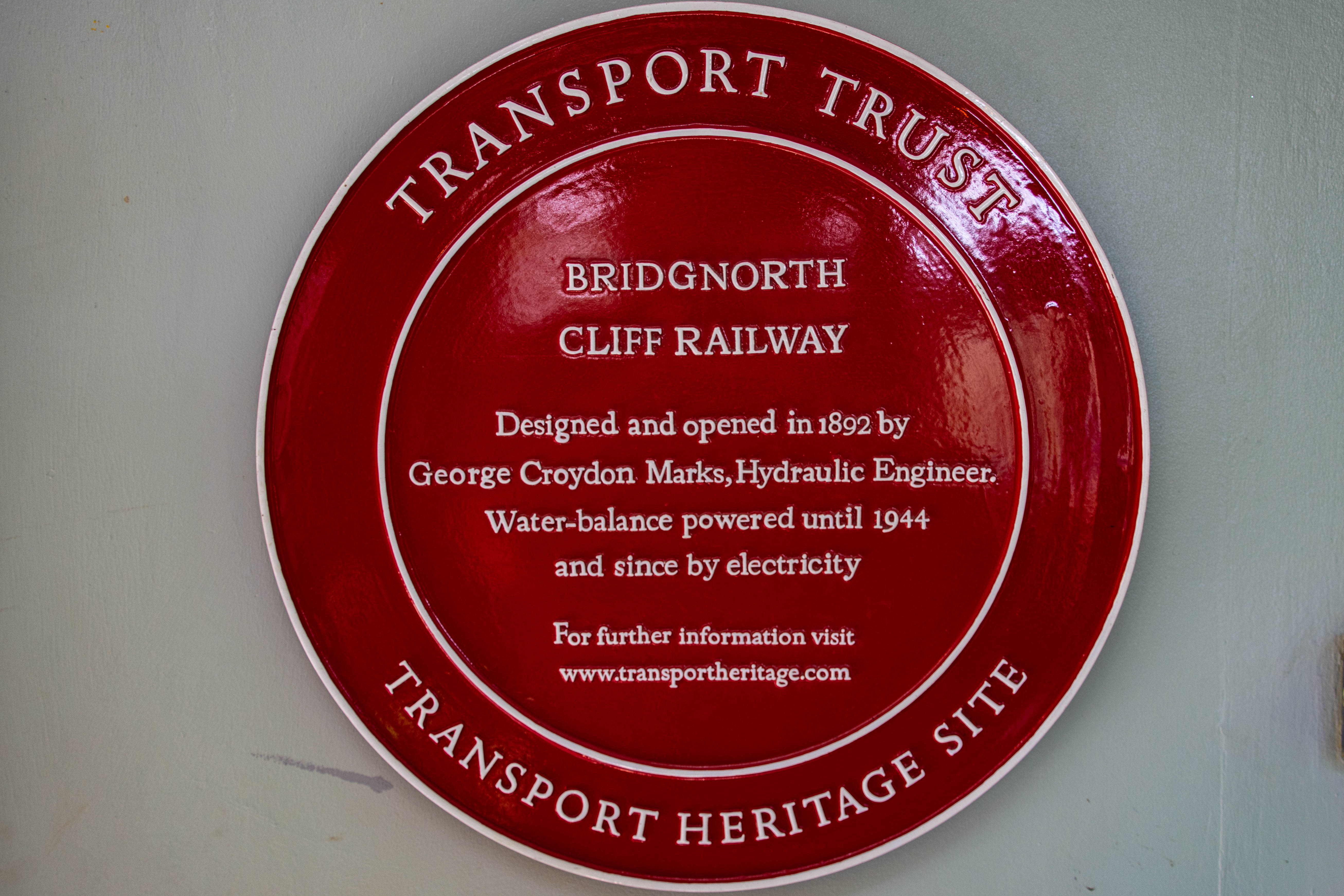
Around 200 steps separate High and Low town and in 1891, it was decided to open a public consultation on alternative ways to transit between the two. The result of that was the birth of The Bridgnorth Castle Hill Railway Company Ltd and in 1892, the Bridgnorth Castle Hill Railway (Or as it was then known ‘The Lift’) hauled its first passengers. At its core, this is a funicular railway. Around the period of the railway being opened, funiculars had only been used in a seaside setting as a way of helping townsfolk and holiday-makers travel between the beaches and the towns normally at the top of a cliff. When the town opened its consultation on how to solve the problem of passage between the two parts of town, the foremost advocate at the time of funicular railways, George Croydon Marks, put forward the suggestion to build the railway. To this day, this is Englands oldest and steepest inland funicular railway.
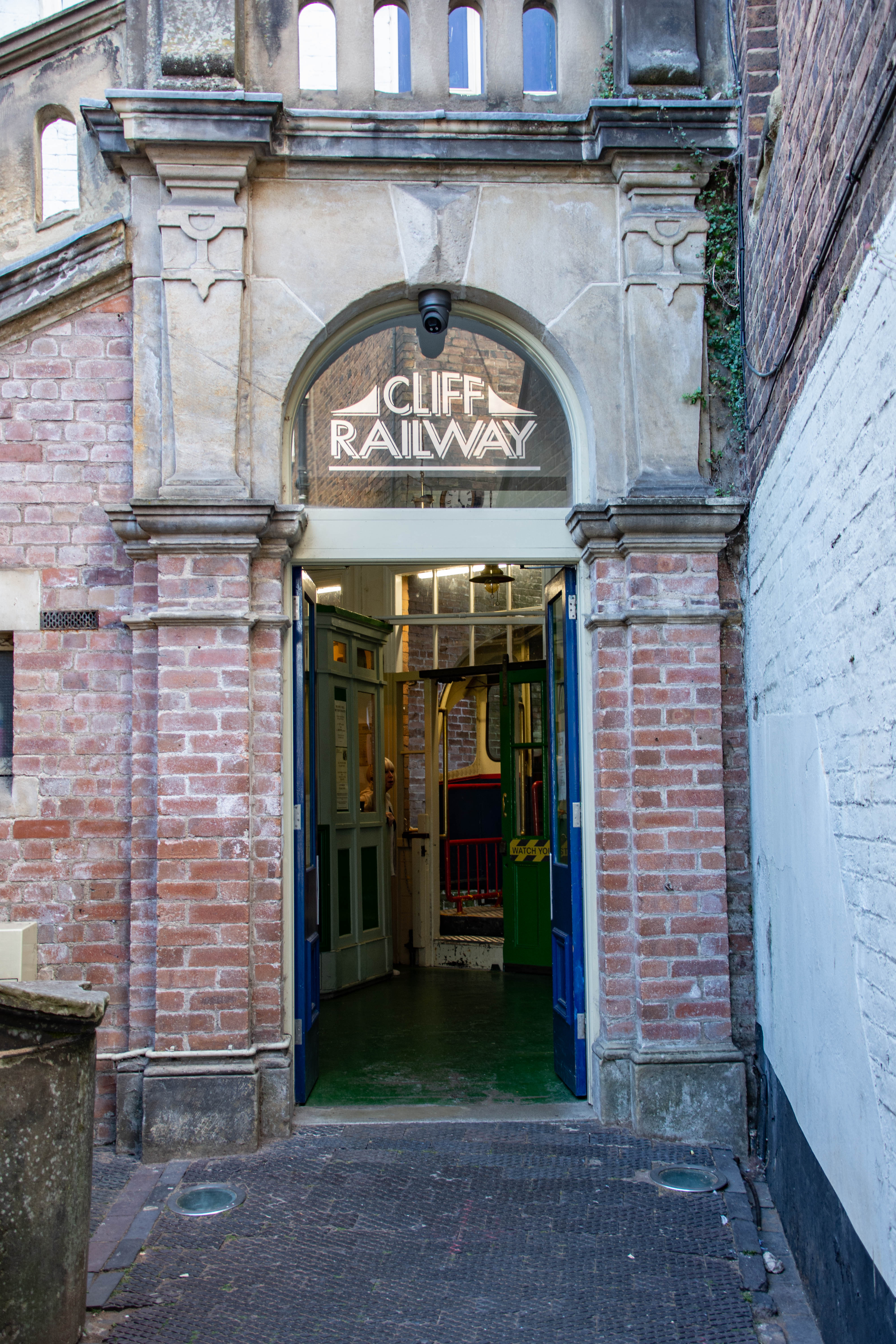
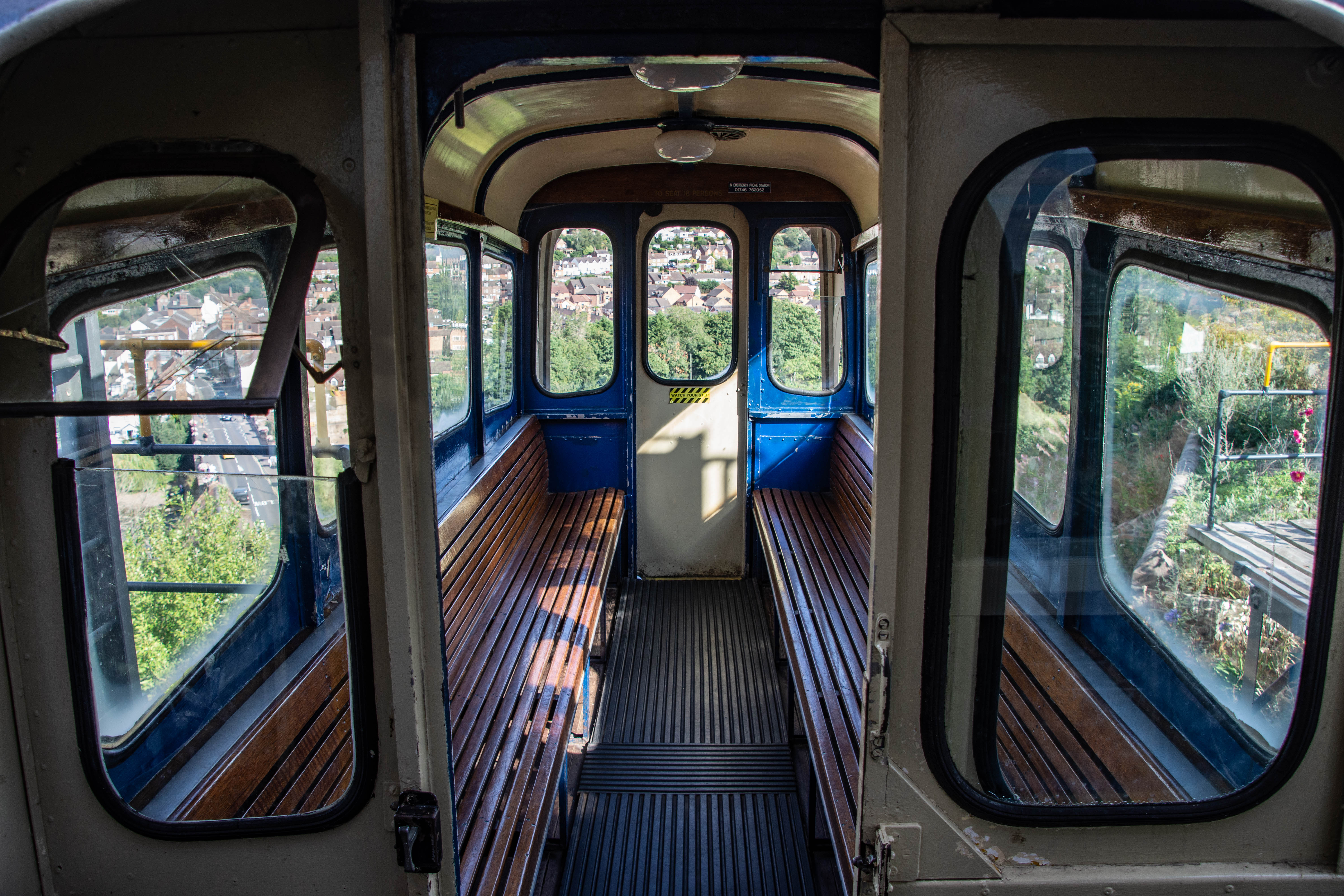
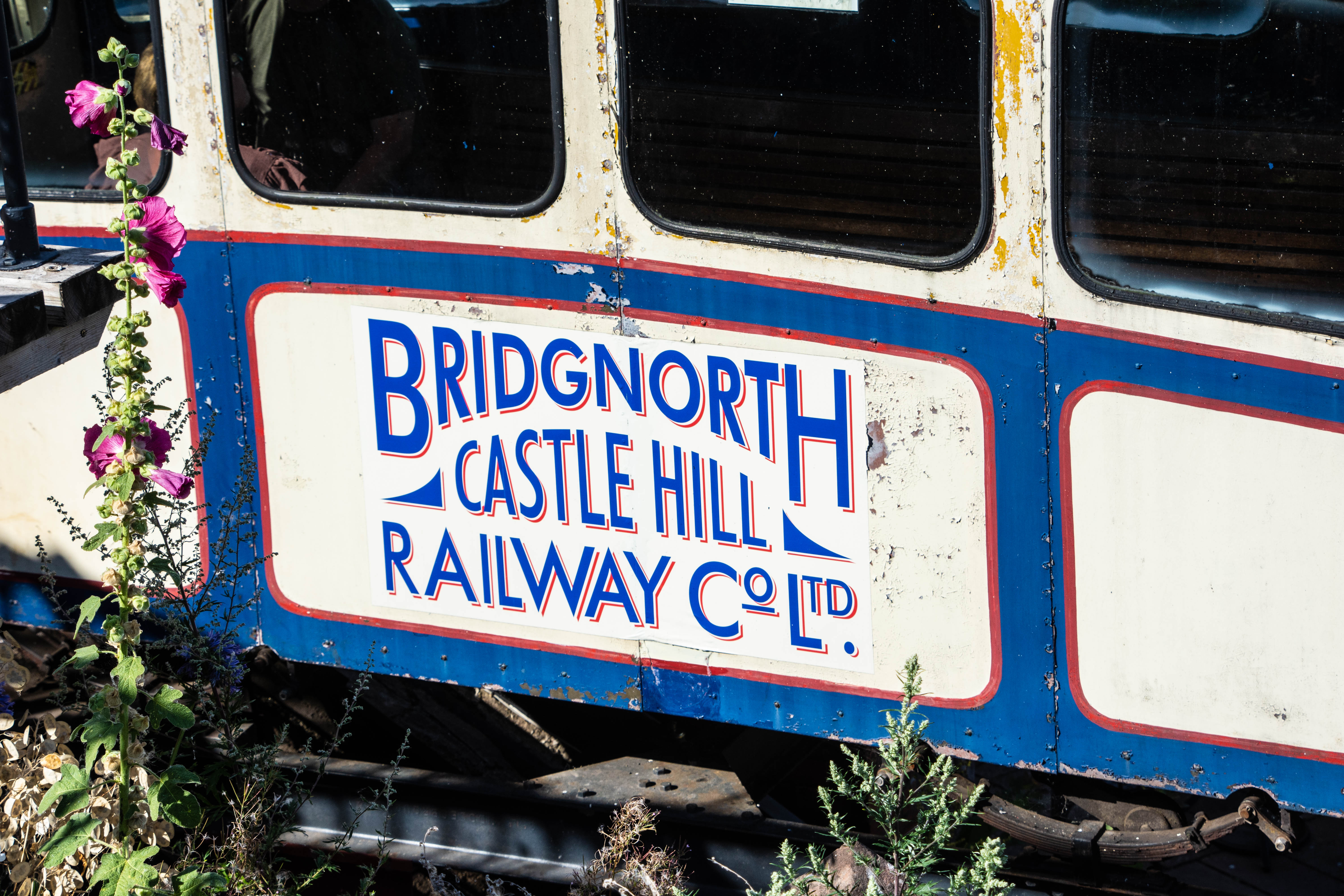
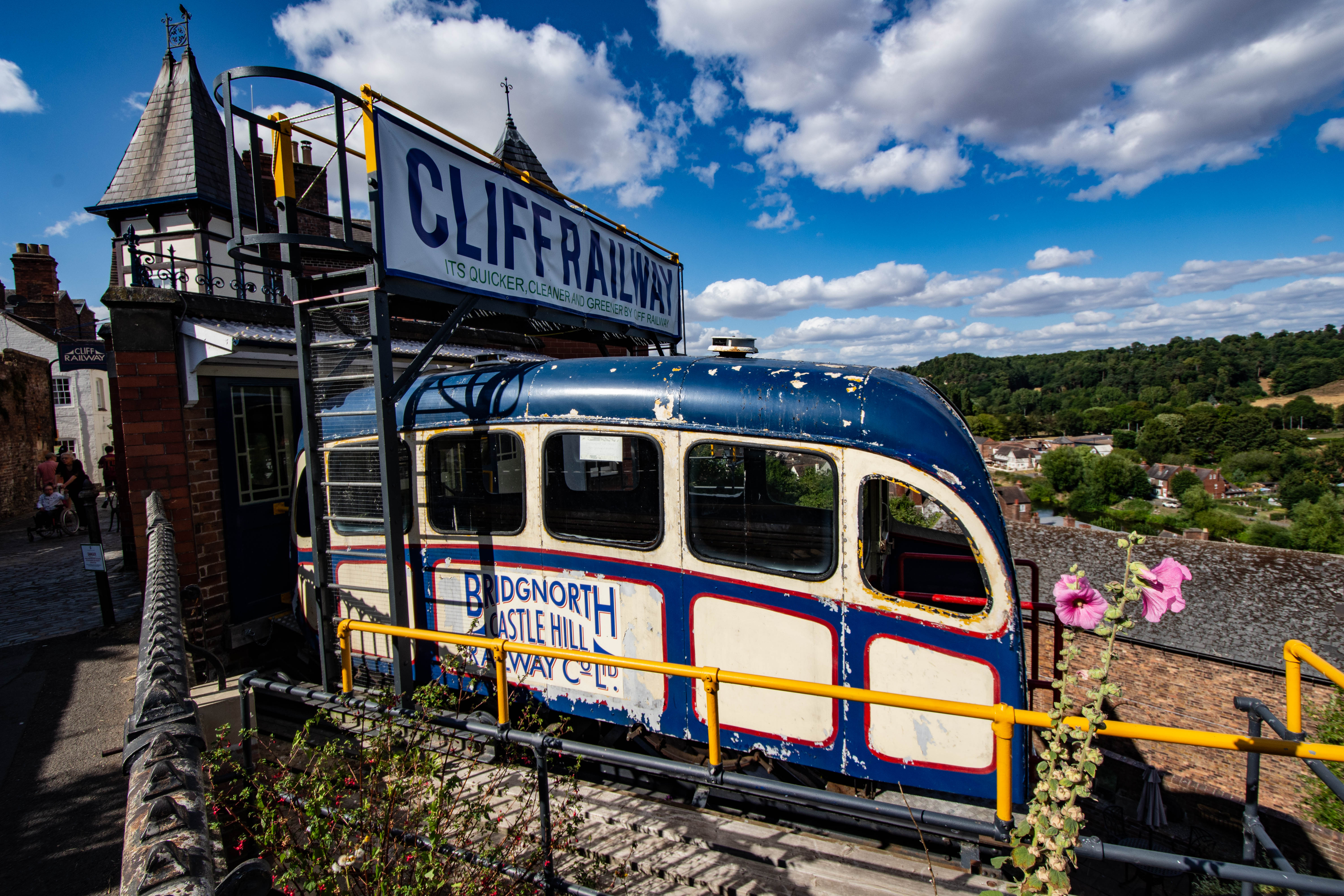
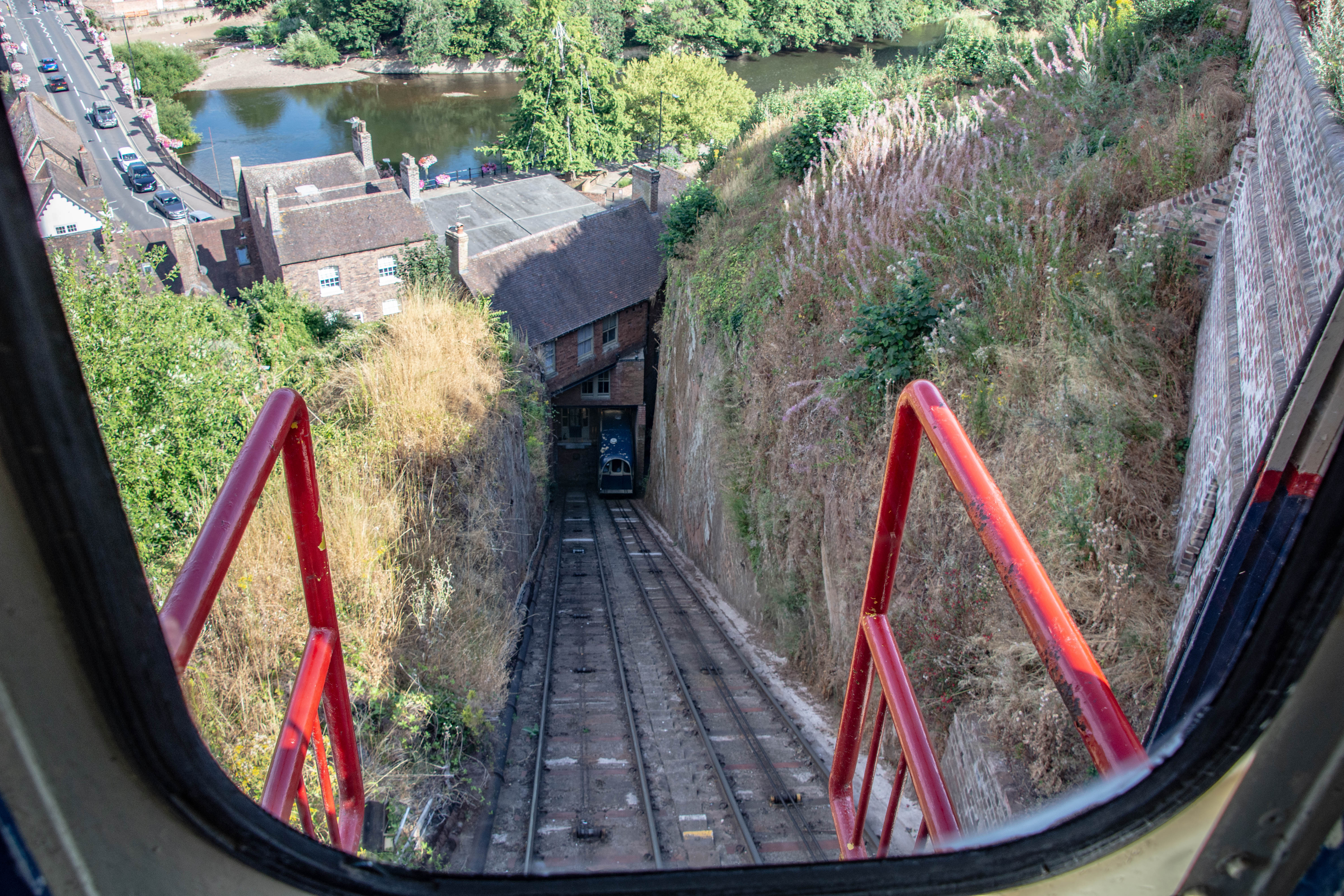
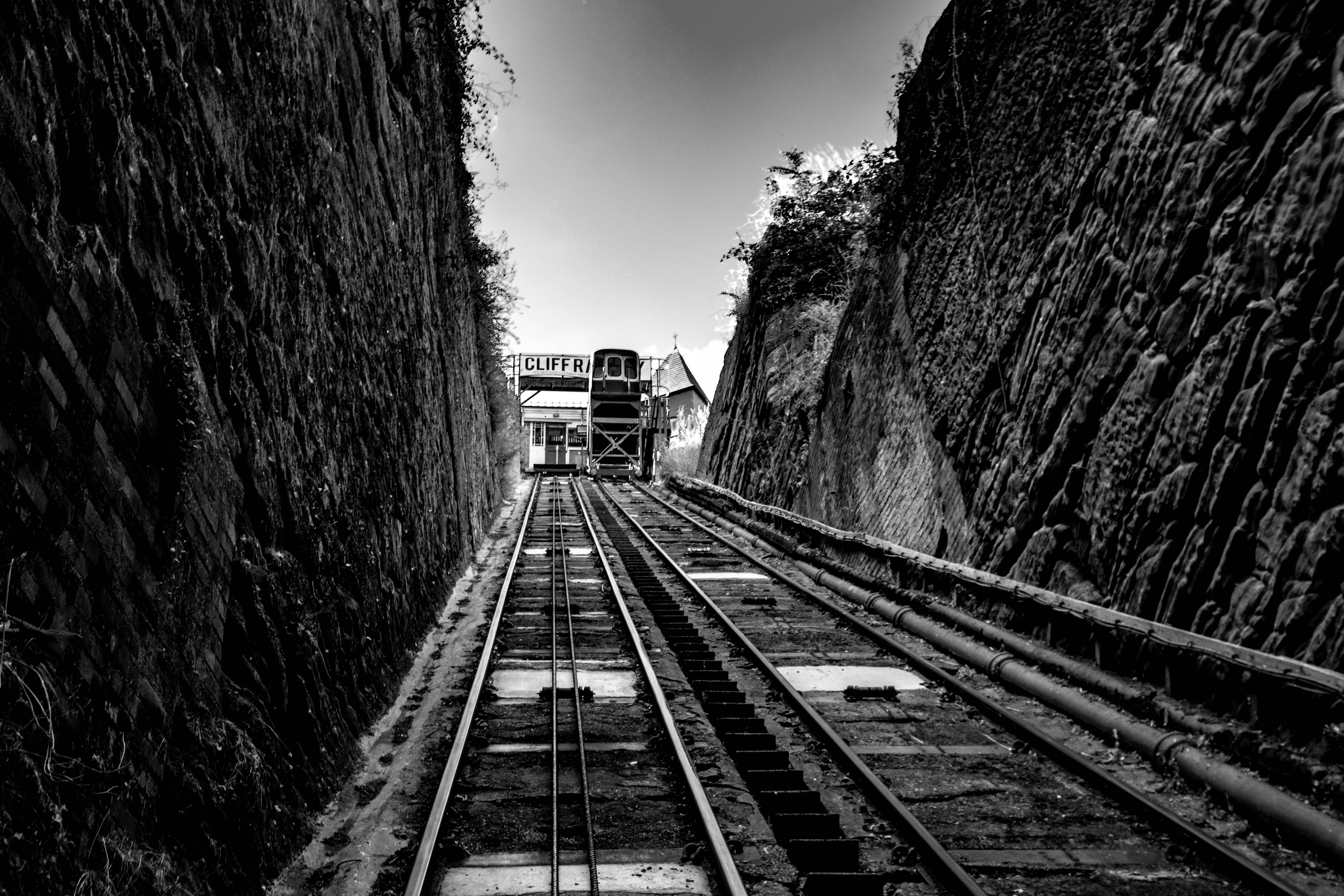
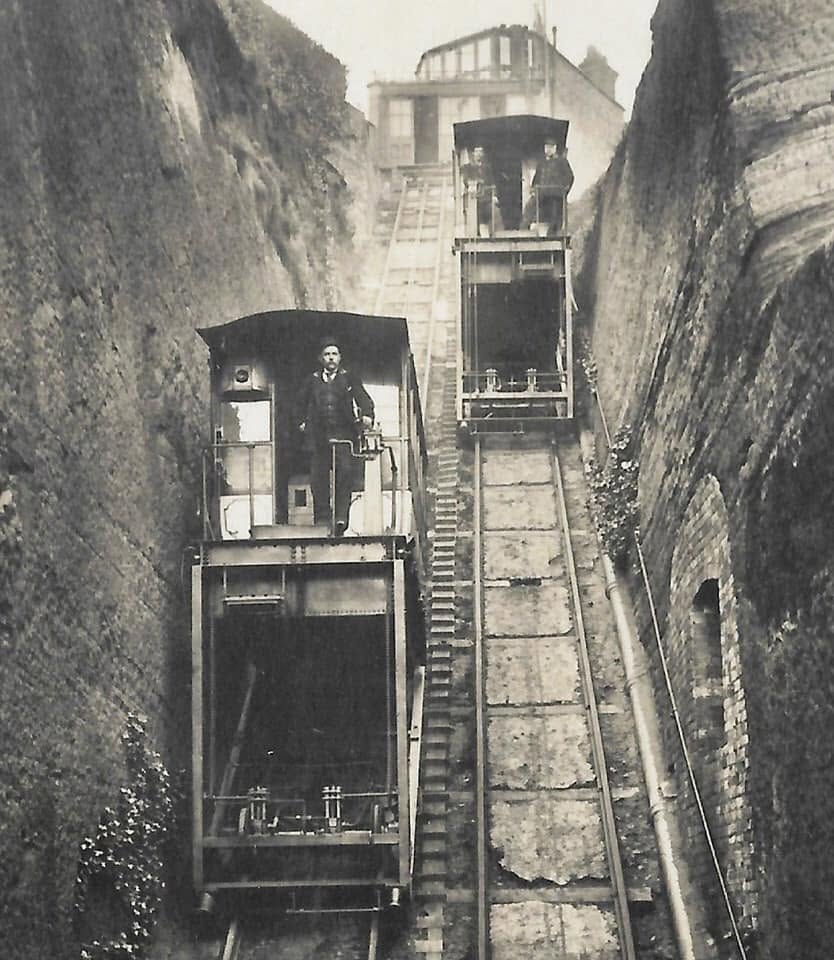
The railway went through various design considerations, one of which was to have a single track with two cars and a passing point halfway up in order to allow the cars to pass each other, but this was ditched in favour of a dual track system instead. Originally the railway was powered by water, with boths cars holding a tank of water each which was refilled when the car reached the top station. When the car at the bottom of the track let out some of its water, the weight of the top car would cause it to descend. Since both cars were linked with thick steel ropes, the heavier descending car pulled the lighter bottom car up. That water based counter-balanced system has since been replaced with an electric solution instead but due to the counter-balance each car provides, not much energy is required in order to operate the railway. The track length from the bottom to the top is 211 feet long. The cars are mounted on triangular frames which keeps them level while going up the steep incline but these are not original. The cars installed in 1955 and still in use today are of an aluminium construction and offer a stronger solution than the wooden ones which they replaced. Although there is no longer a water tank installed in the triangular frame anymore, we can still see the old water pipe running up the side of the track on the right-hand side which would have been used to carry the water to the top station when this was a water based system.
I managed to do a bit of digging and I found a fairly good quality image of the old wooden cars prior to their replacement. The credit of this photo is unknown and obviously not my own, but my thanks to whoever took this and to Bridgnorth Past as the custodians as it clearly shows the water tanks under the cars and the same water pipe travelling the length of the track.
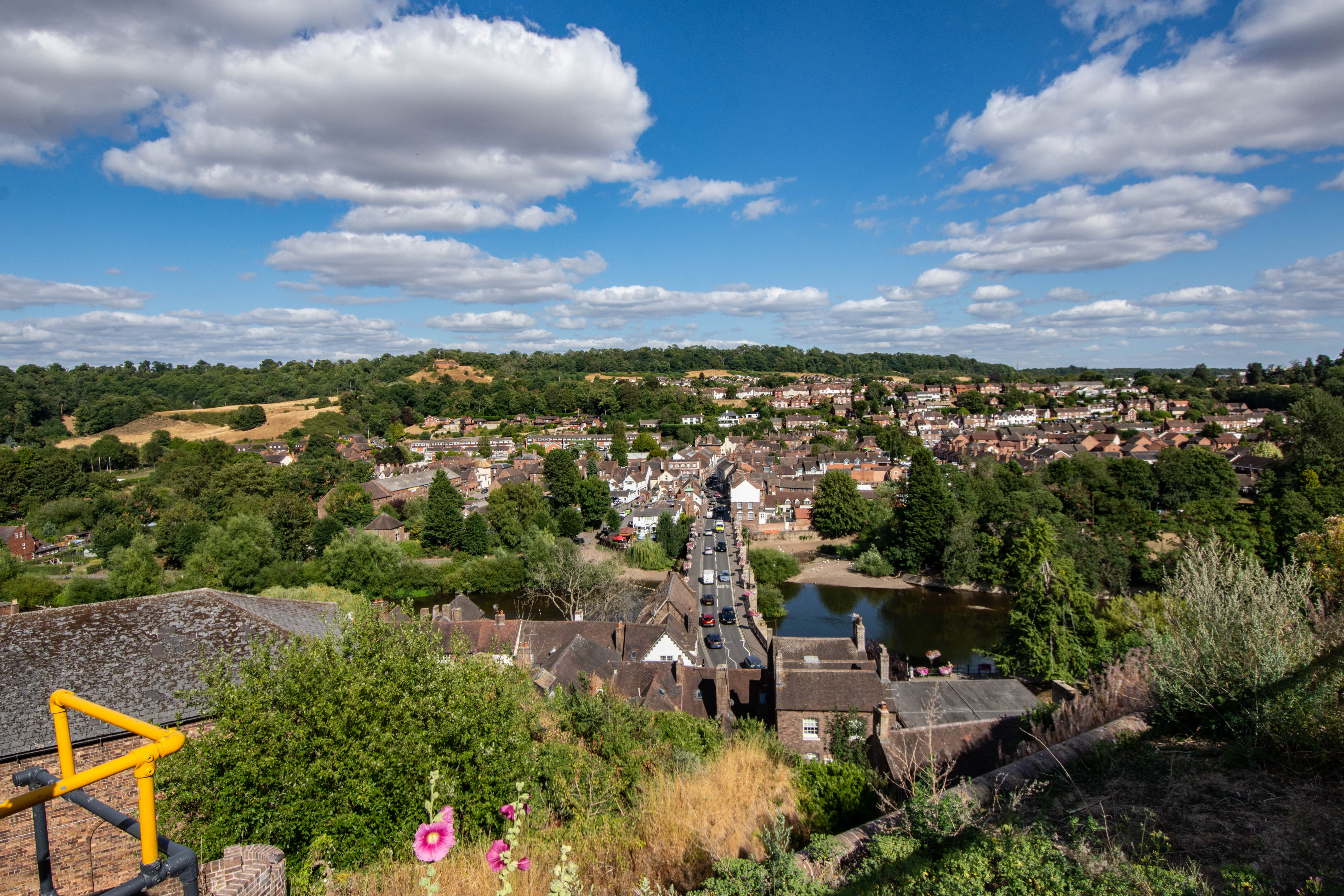
Stepping out of the top station, you are greeted by the most spectacular view of Low Town and the River Severn. This was a gorgeous summers day and although England is officially in drought as of writing this, it still looked incredibly lush, vivid and serene.
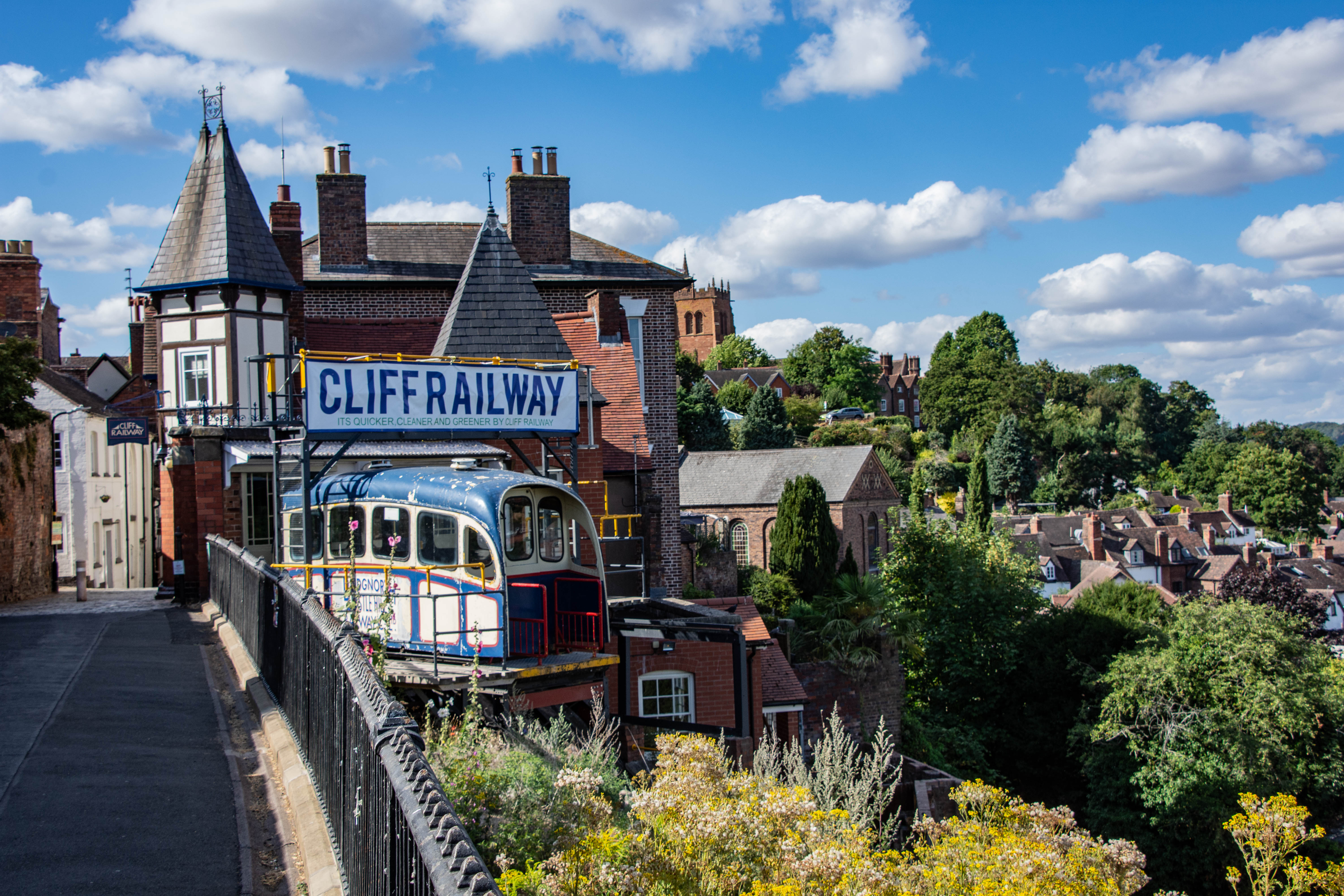
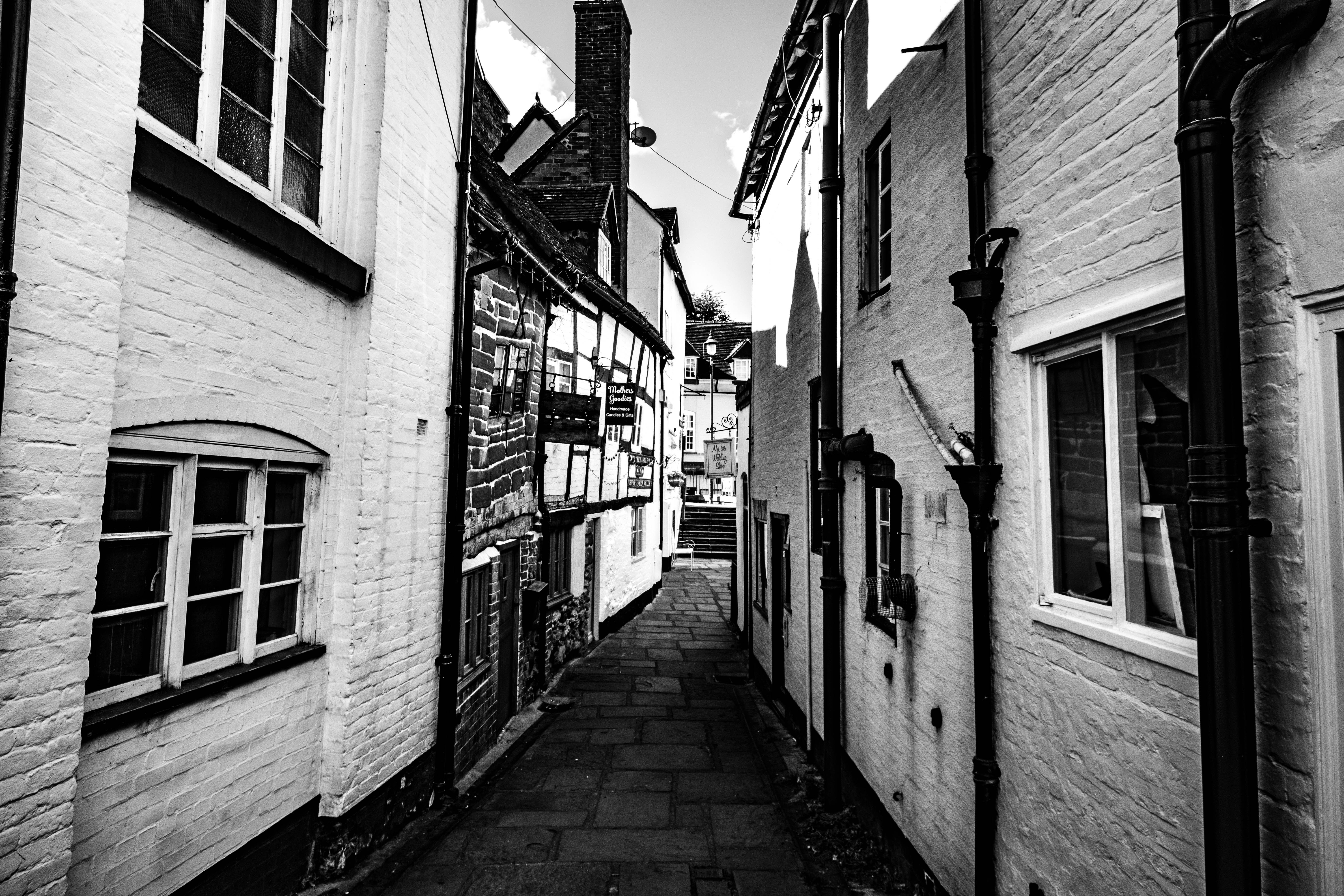
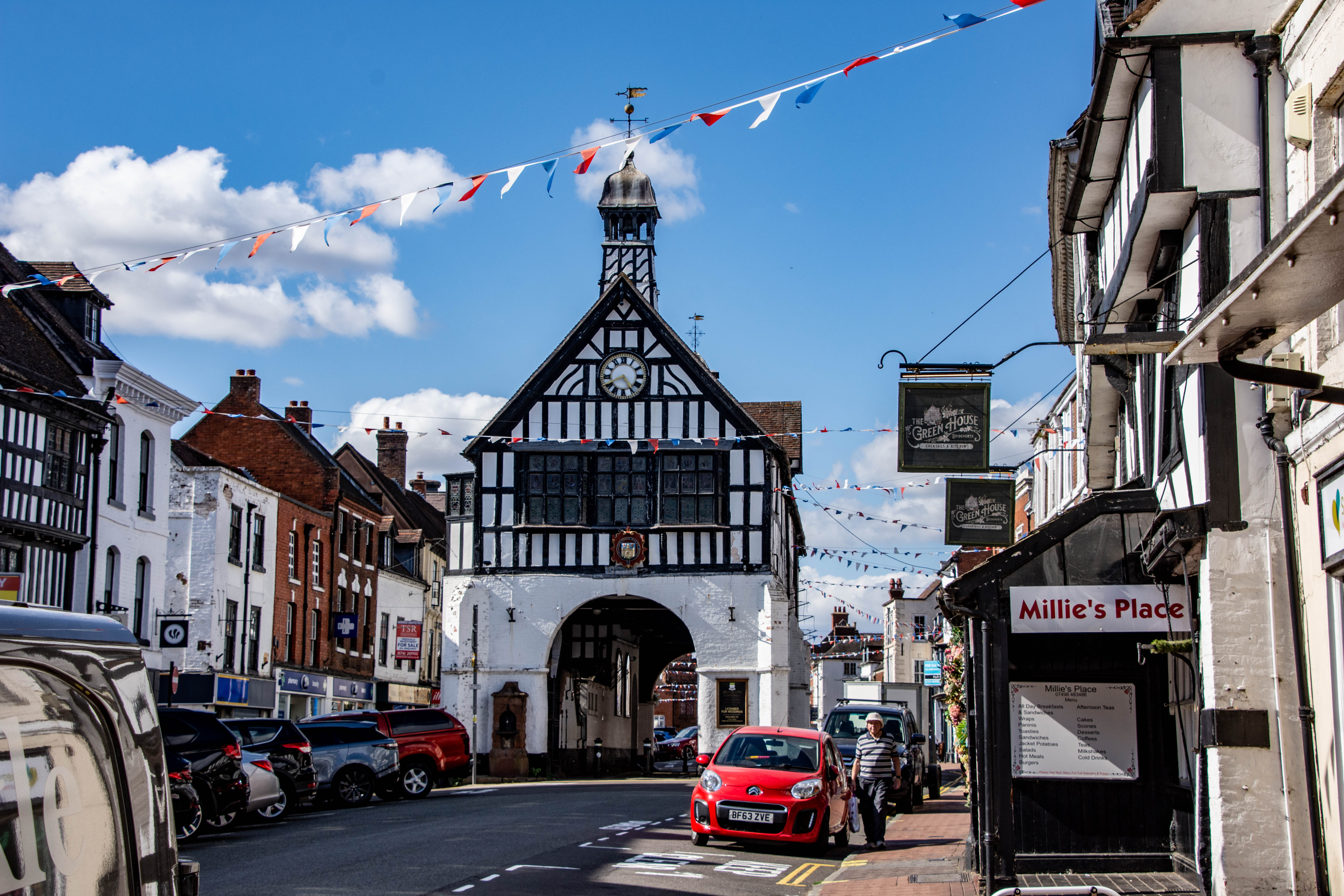
Bridgnorth is steeped with history and the streets in High Town evoke that sense of passing into a different time. The narrow streets with timber clad buildings give you a small glimpse into what it may have been like centuries ago. The town has no doubt changed beyond recognition but it’s nice to see some of the older buildings still surviving. One of example of that sits at the heart of the high street; Bridgnorth Town Hall, a Grade II listed structure which was built in 1652. The structure is actually an old oak framed tithe barn which has been placed on top of arches.
After going for a little wander around High Town, I return to the cliff top station. The station has a plaque which marks the opening of the railway along with its various motive power changes over the years. I wonder how many people walk by this every day in the town and think nothing of it. I’m sure to the towns people it has become a bit like a kitchen appliance hum which we learn to filter out over time but to those of us who just pass through the town, and visit it’s quite a striking focal point. One can only hope that this slice of engineering history which provides a much needed convenience to the people of Bridgnorth continues to live on for many more years to come.