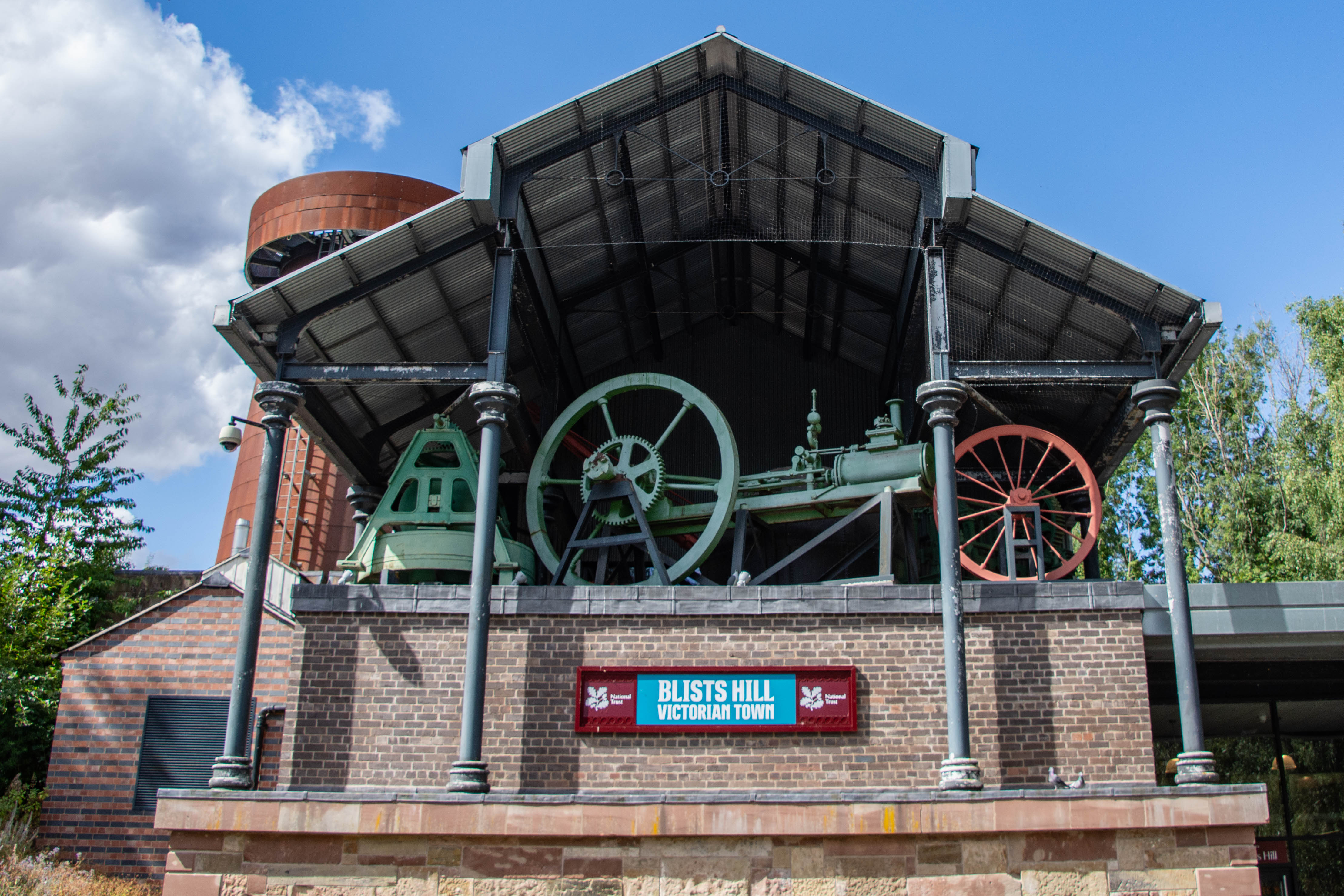
Blists Hill Victorian Town sits in the Iron Bridge Gorge which is recognised as the birthplace of the Industrial Revolution. This is an open-air museum which is built on a former industrial complex of blast furnances, brick and tile works, coal, iron and fire clay mines. The site recreates a typical Victorian Shropshire town in the late 19th and early 20th centuries, with many of the buildings on site having been reconstructed and in some cases moved from other locations. The site itself holds perhaps one of the most significant artifacts of the birth of the railways which we will explore later on.
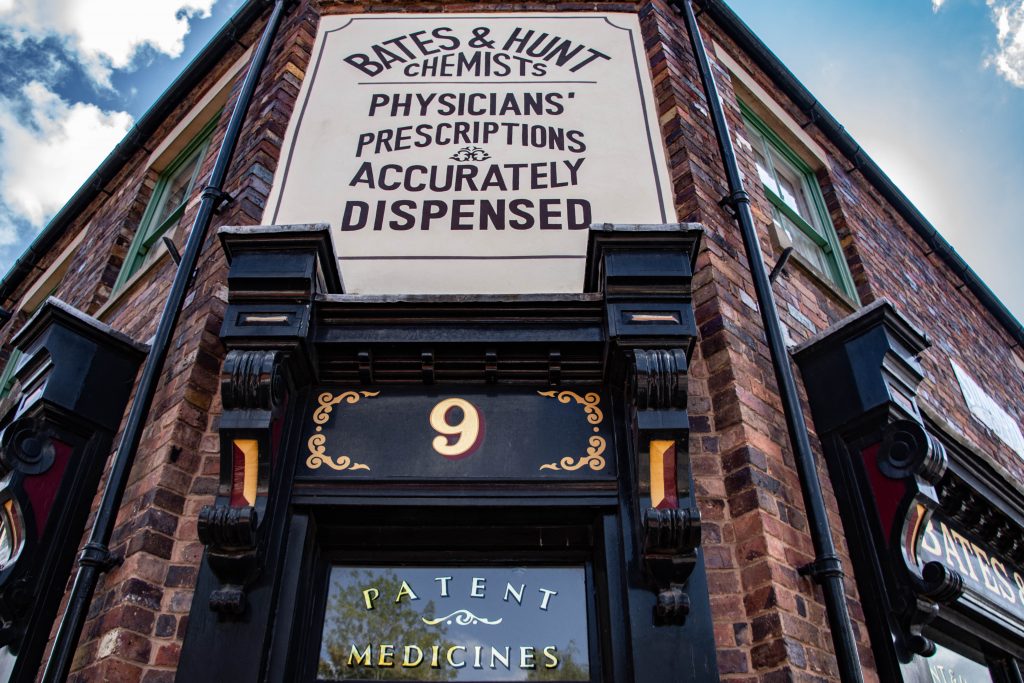
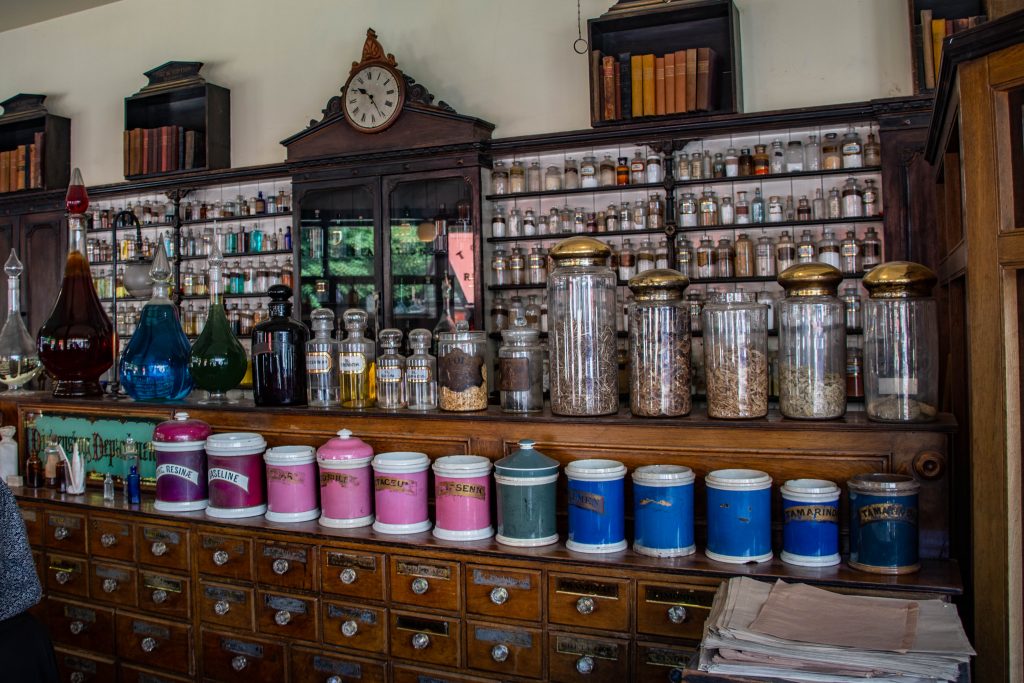
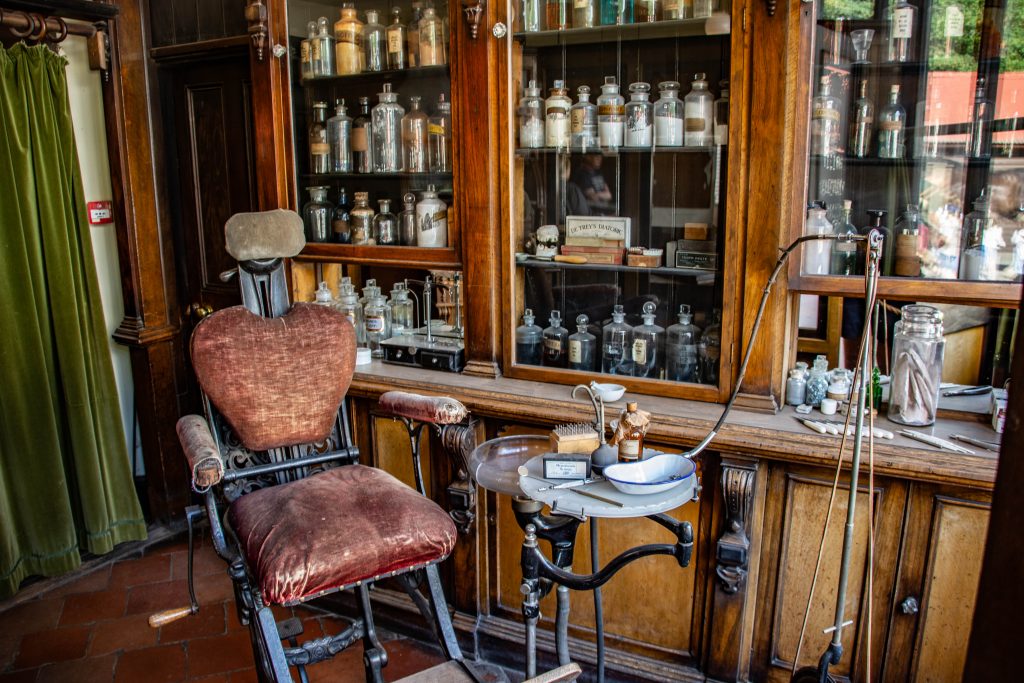
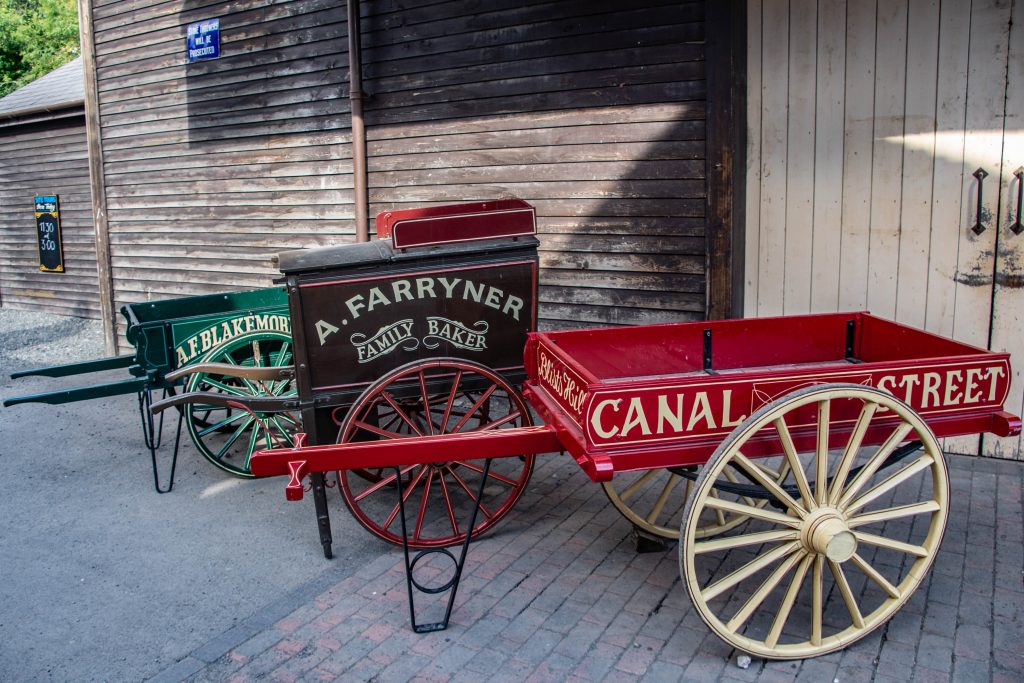
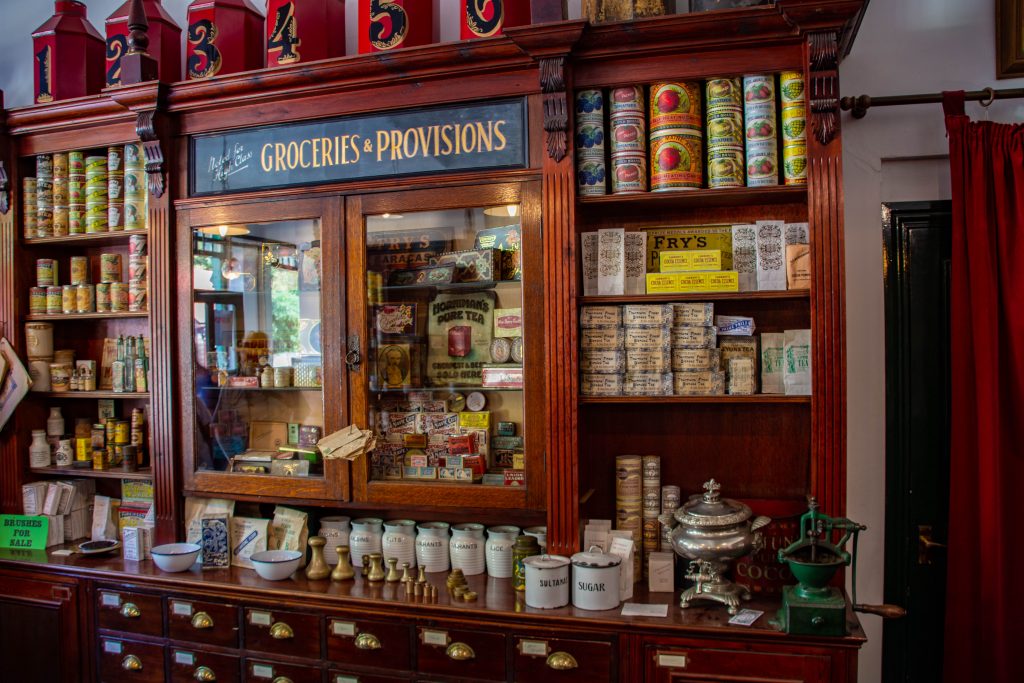
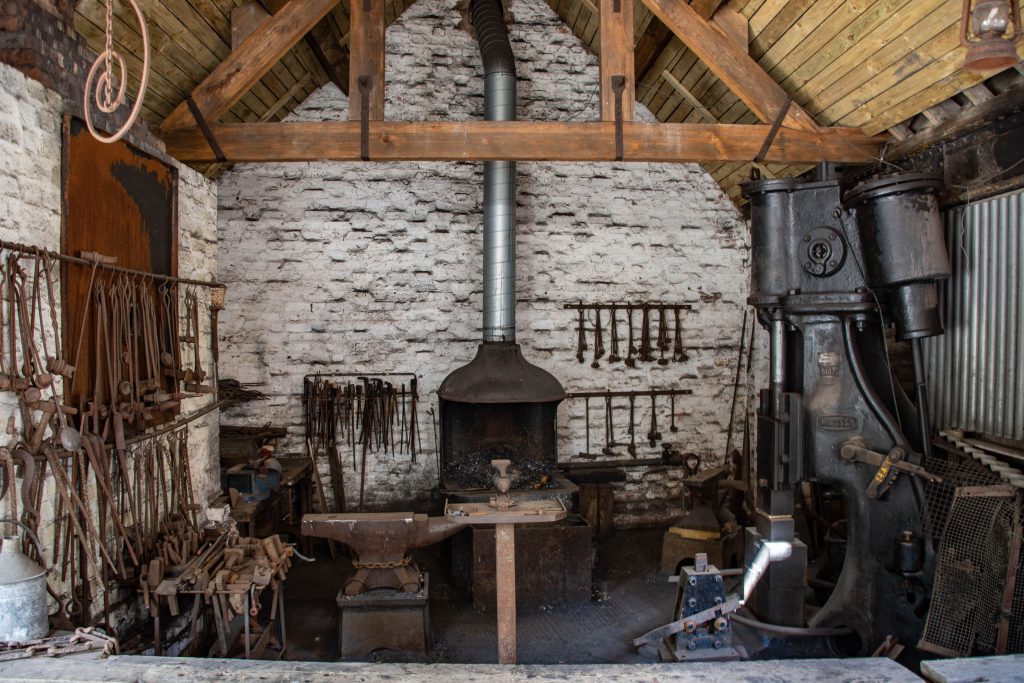
The site is huge with many different varieties of shops. A pharmacy, a bakery, a bank, a candle maker, a metalworker are just a few examples here. Each shop has someone in period dress and tells you about what used to happen in that particular shop and where possible they give demonstrations of their craft. My favourite was the candlemaker who took you through the entire process of starting with a wick and then dipping it into hot wax and repeating this process over and over again to build up a thickness.
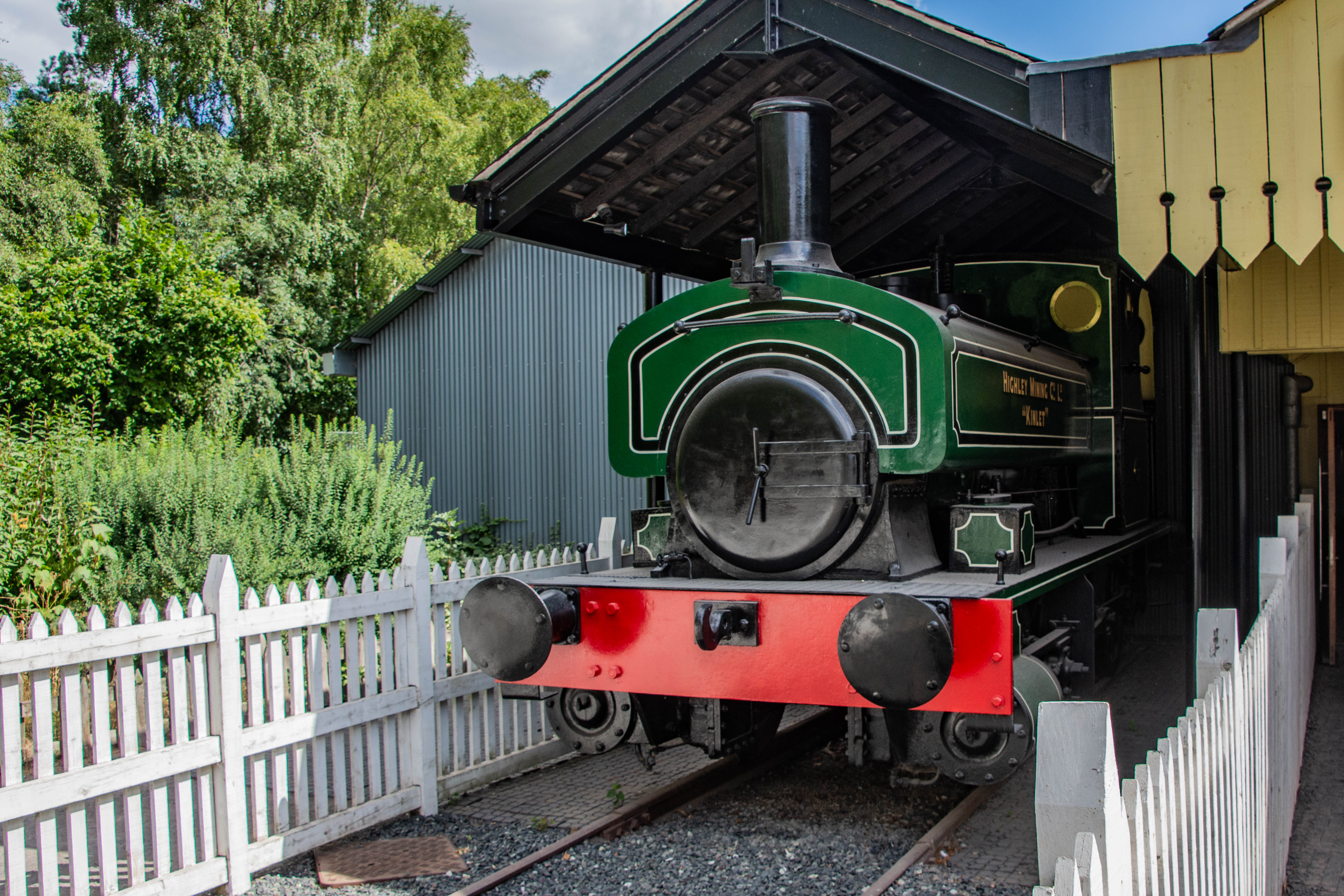
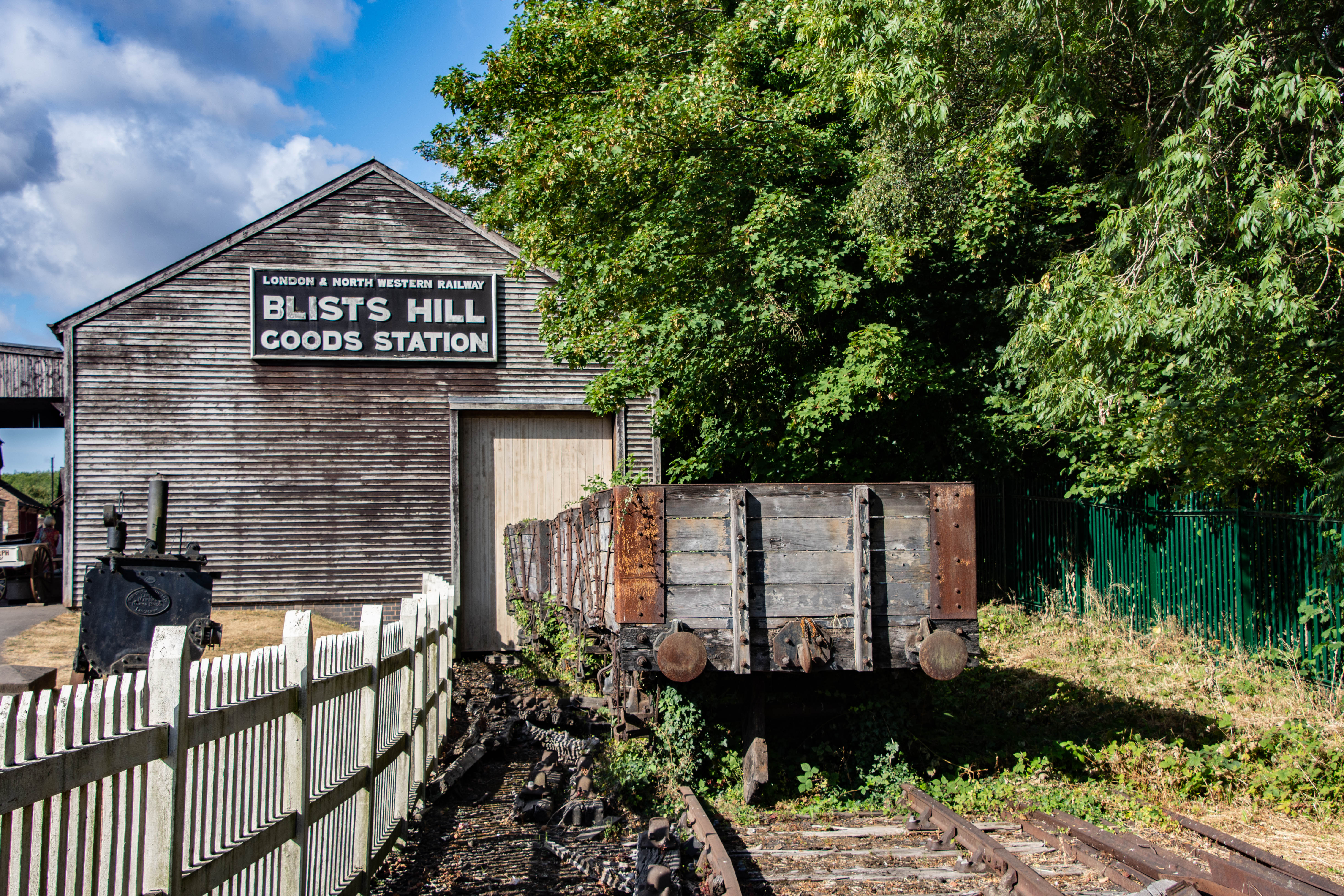
The main shop area is also home to the Blists Hill Goods Station. This is a completely fictitious station as it never existed back when the site was an industrial hub. It does serve a purpose however as a way to help faithfully reproduce one of the elements of a typical East Shropshire industrial town at the turn of the 20th century. Railways were vital to the industry, so in order to tell that story, the goods station and ‘Kinlet‘ which is an Andrew Barclay Works 0-6-0ST steam locomotive built in 1896 have found a home here. Originally the loco was built for the Kinlet Colliery but after an ownership change in 1938, it was finally retired in 1966. It is now currently preserved as a static display here at Blists Hill.
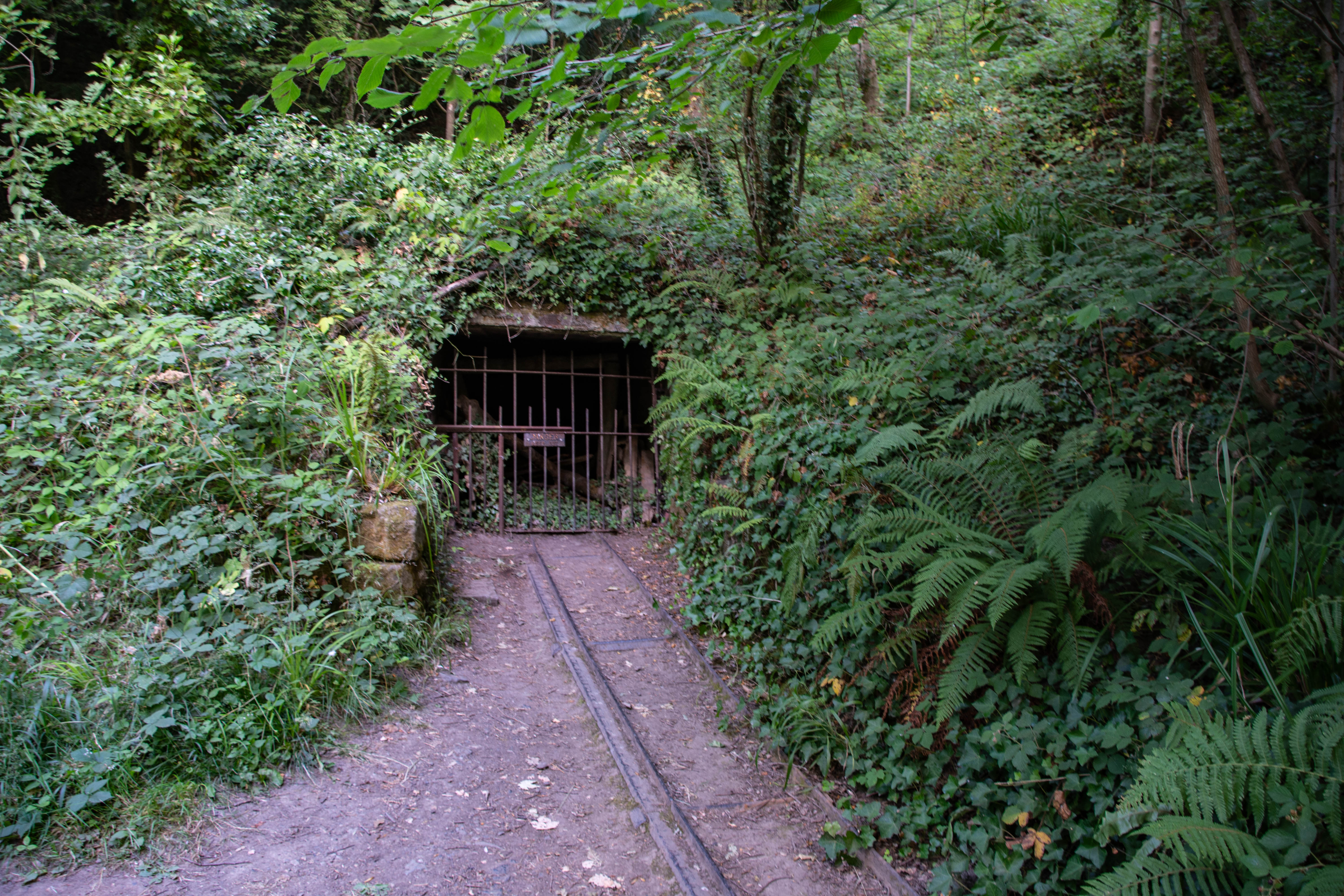
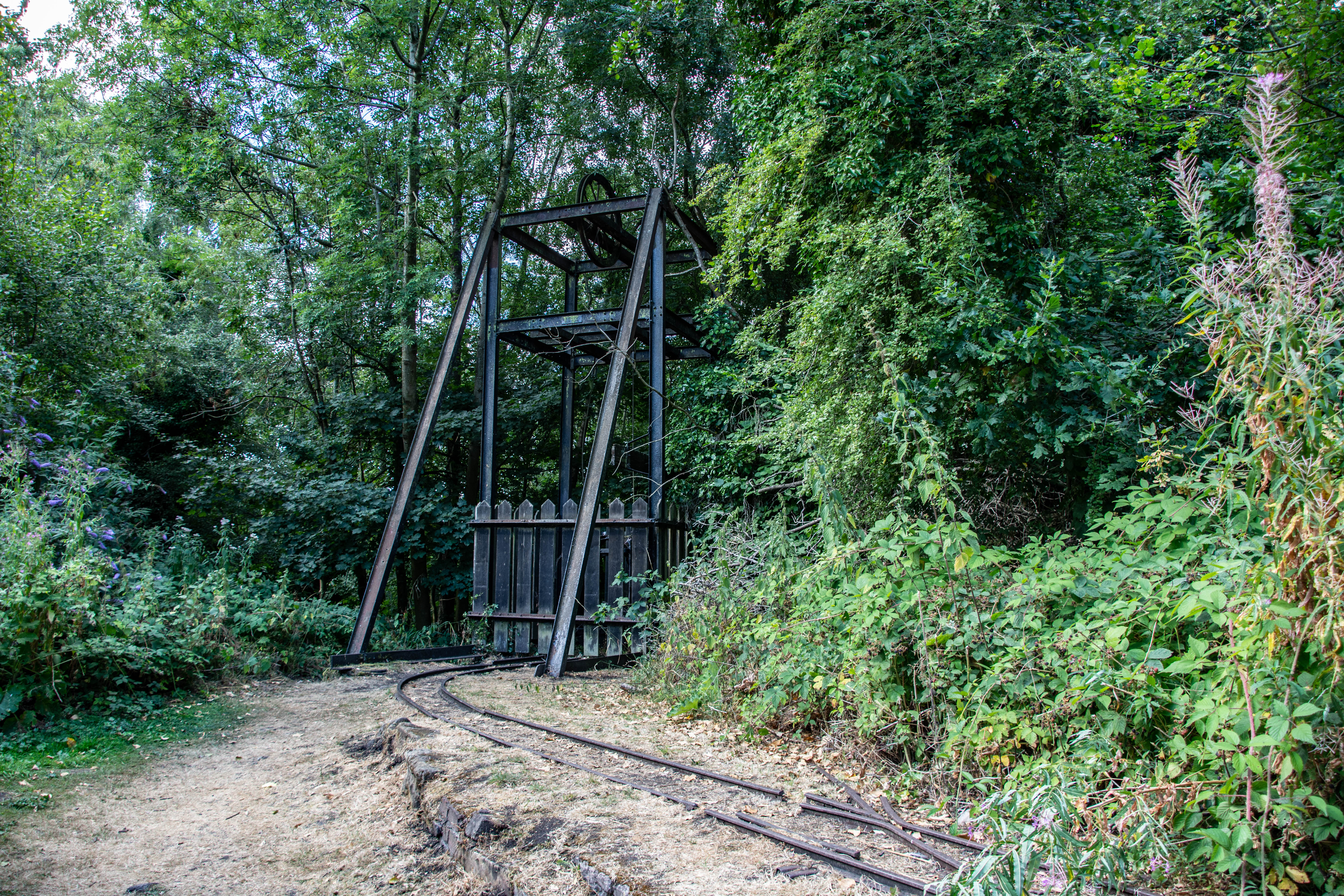
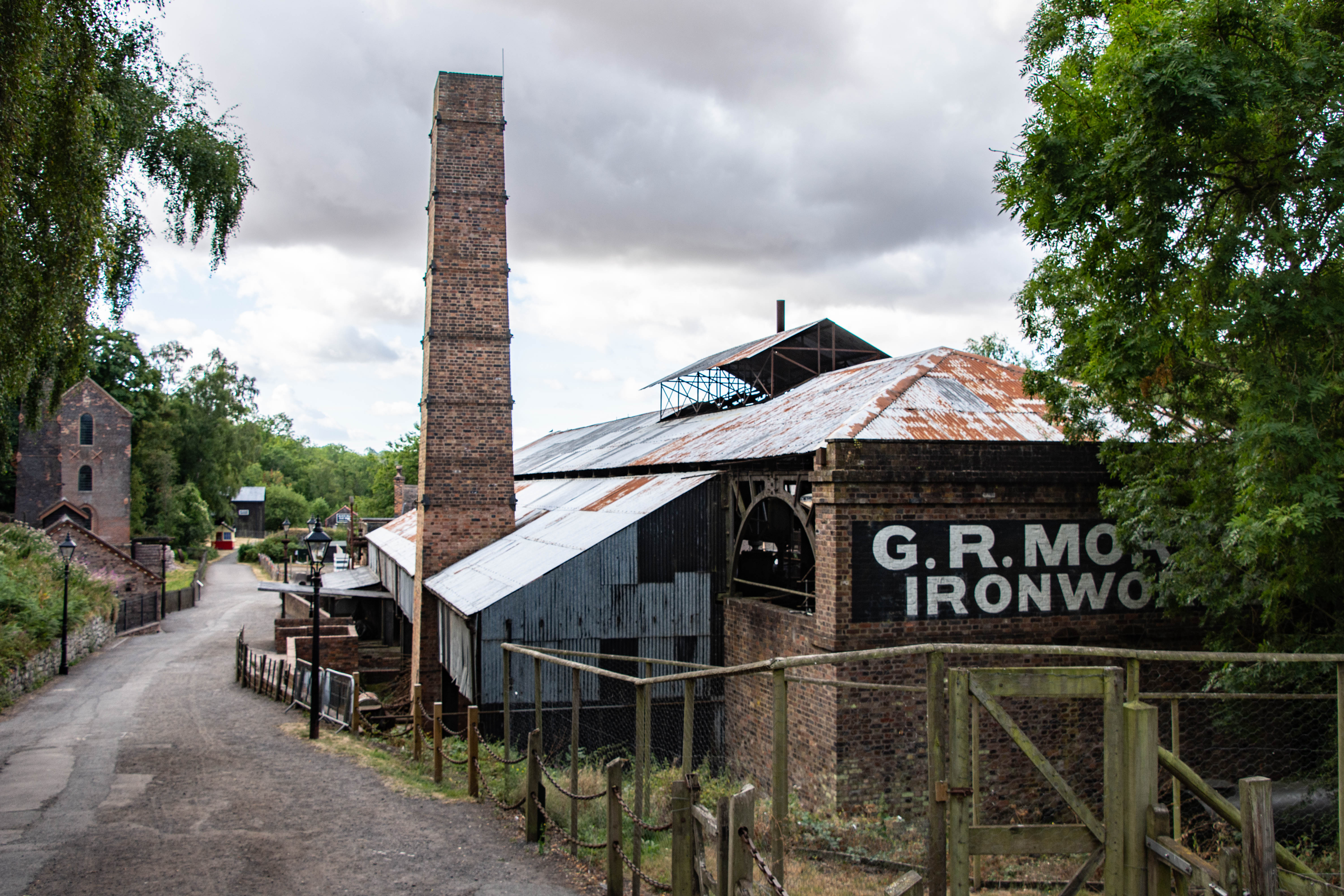
Stepping away from the main shop area and travelling further into the site, we come across the industrial district which has a variety of different mine entrances. Some are vertical drops into the ground while others are horizontal. These would all have been used to extract different materials at one time or another but most of these have since been infilled or have collapsed in order to prevent any unauthorised urban exploring.
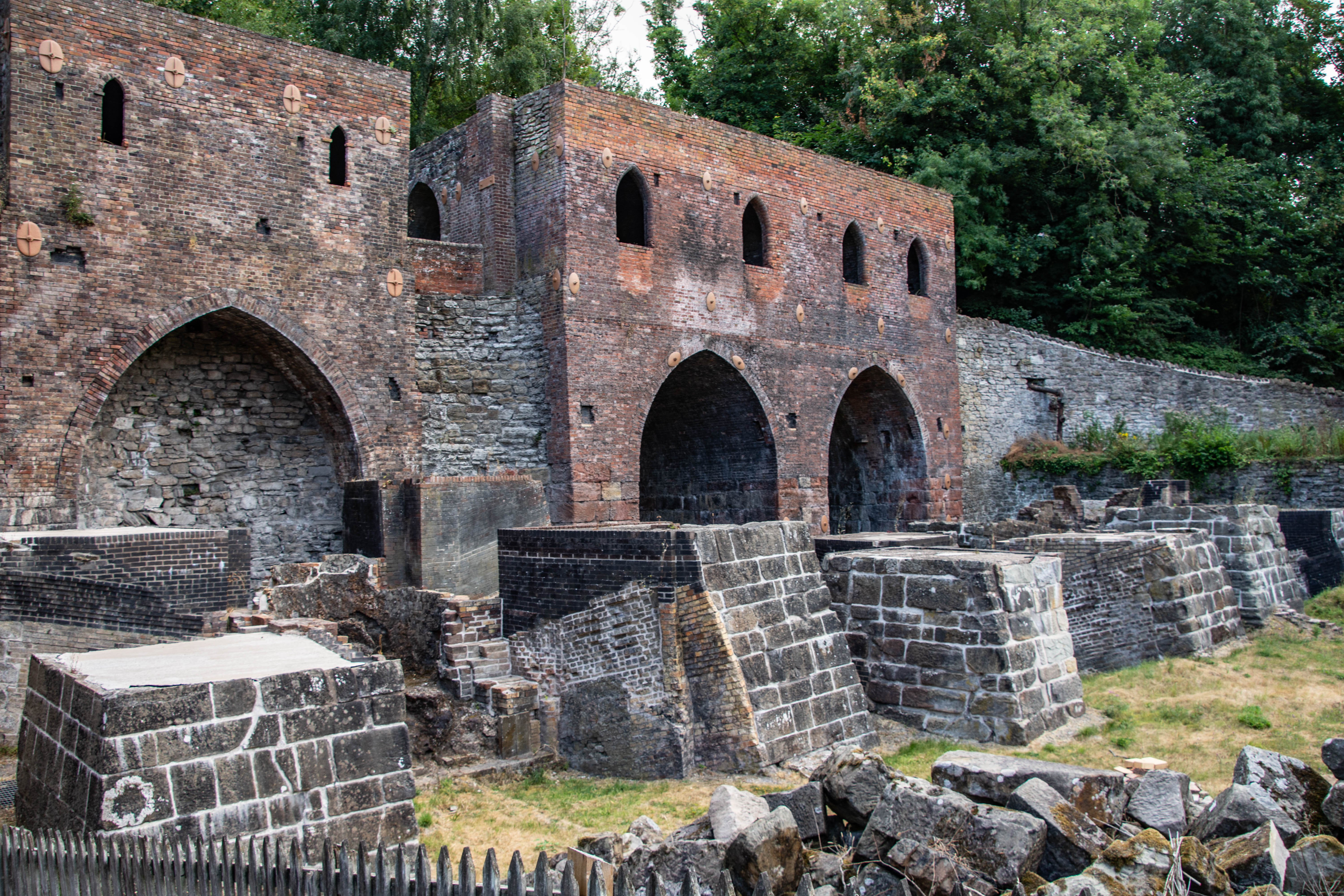
The main attraction of the industrial area are the remains of the original blast furnaces which are an original feature at the site and have not been relocated from elsewhere. These were built between 1832 and 1840. Measuring a height of 15 meters during their working life, it took a team of several hundred people to operate them all to make the required pig iron by combining coke, limestone and iron ore to be melted together at 1300 degrees Celsius. Following from a decline in demand due to the rise in steel production, the furnaces were shut down in May 1912 for the last time, resulting in over 200 job losses.
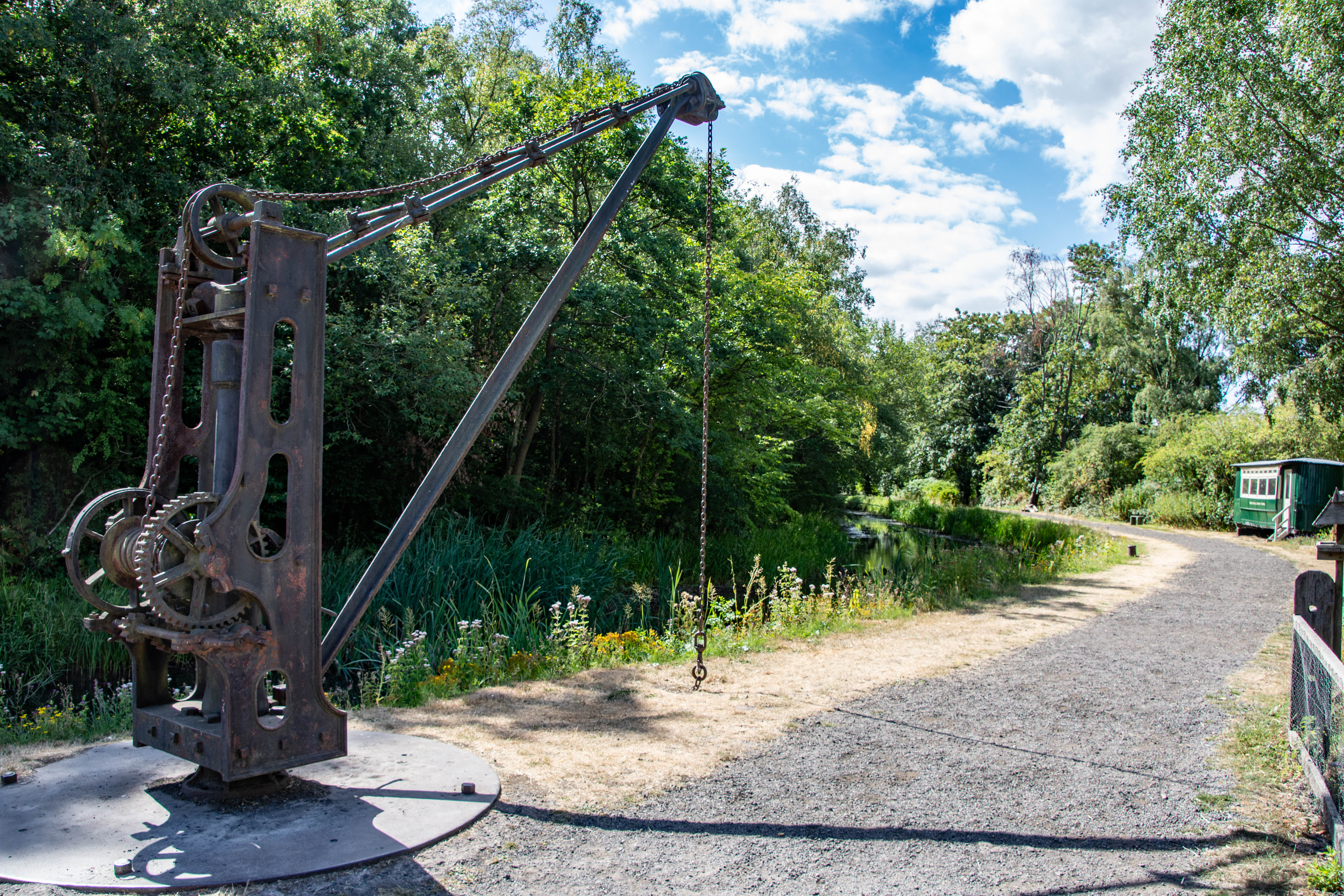
Blists Hill is home to an original coal mine and a short stretch of canal, however the Shropshire Canal was located some 207 feet much lower down. So how to connect the coal mine with the main canal network? Enter the Hay Inclined Plane.
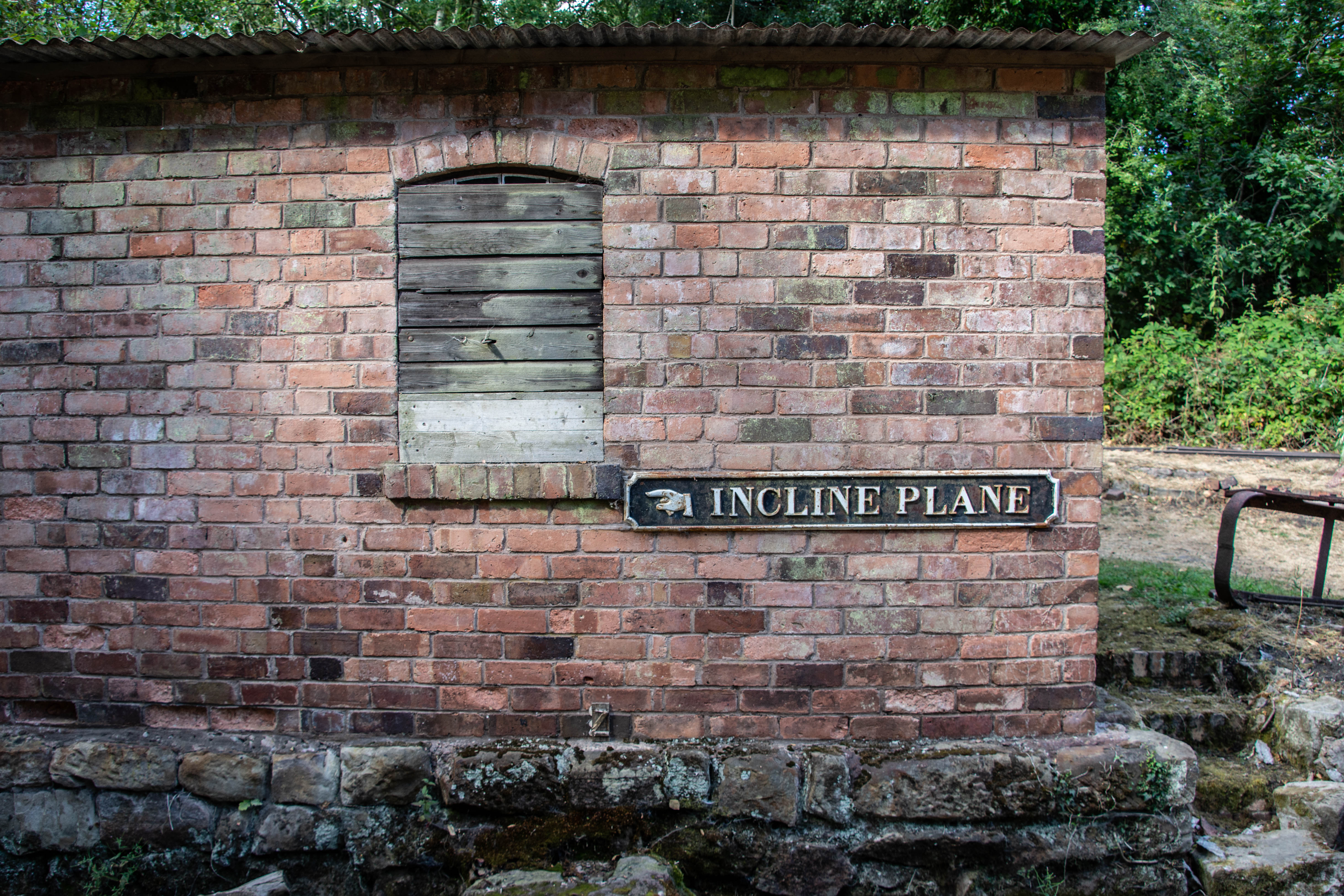
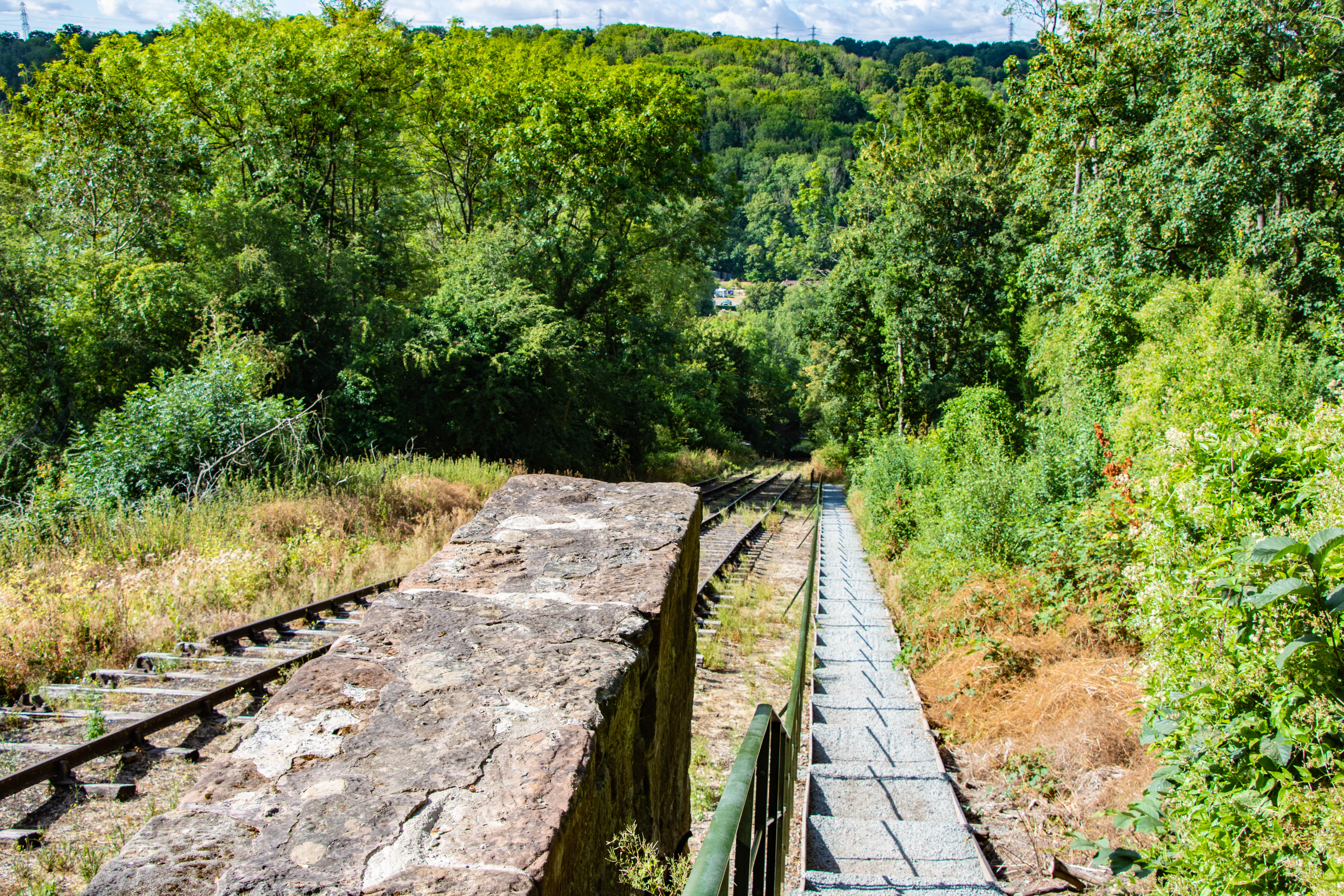
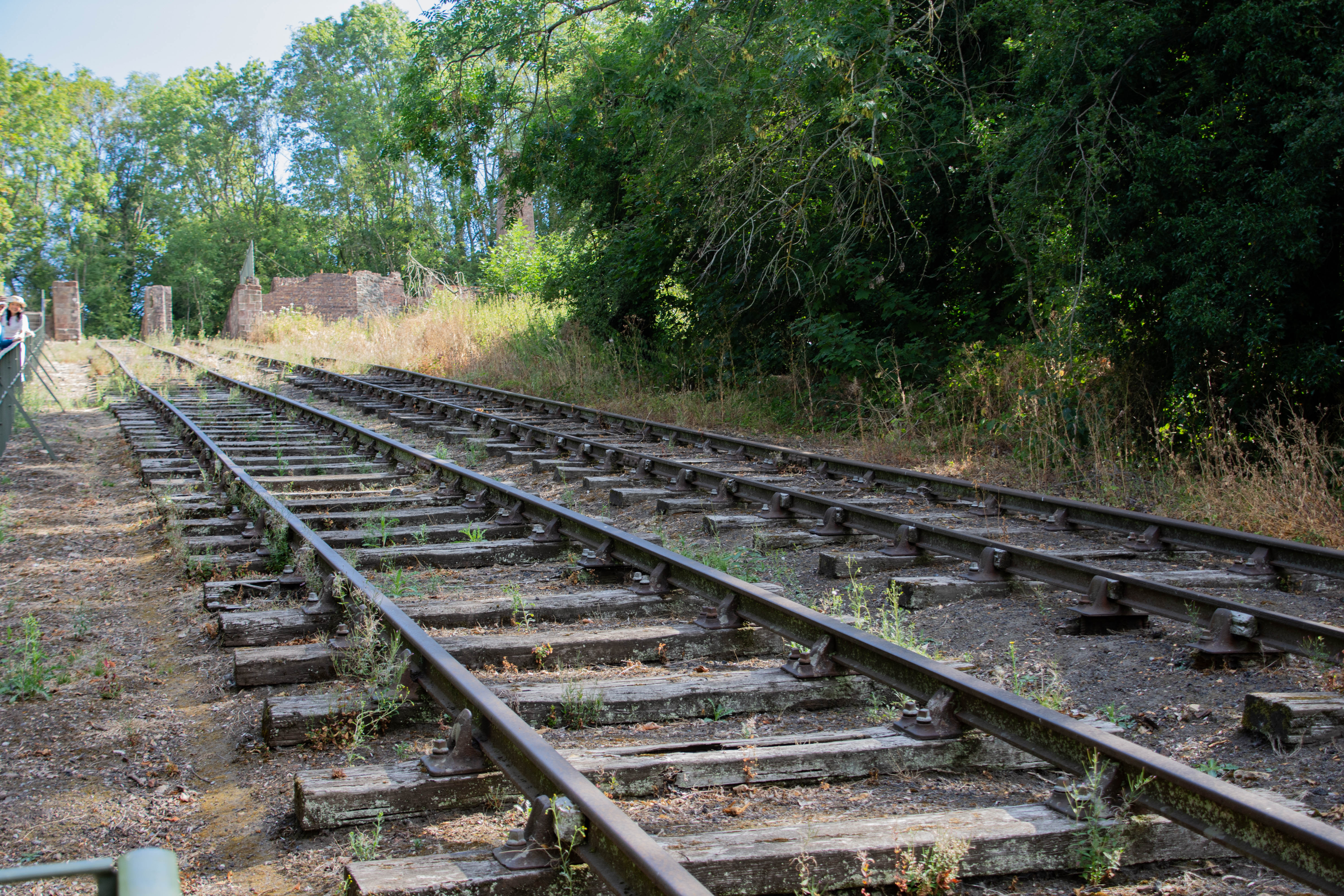
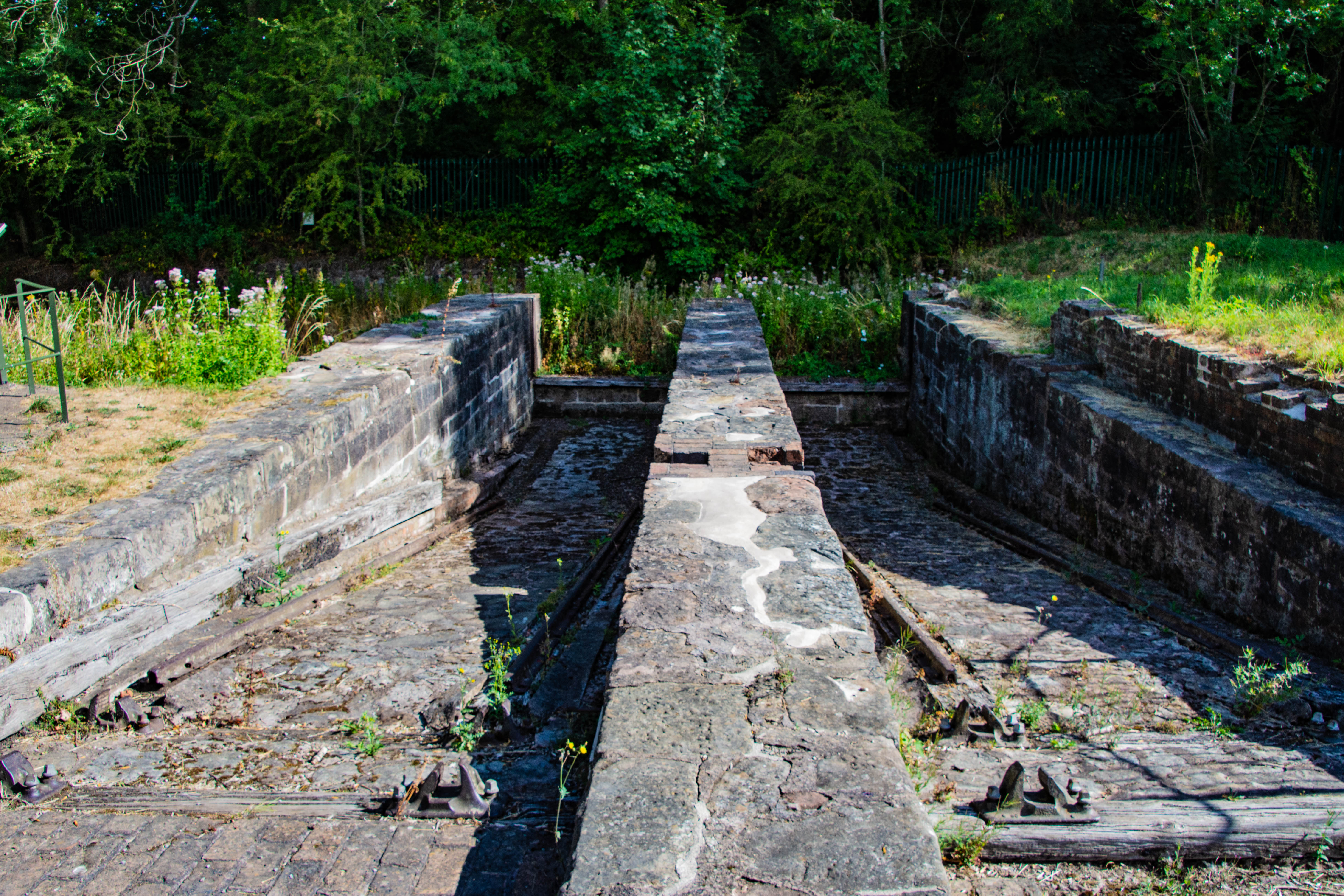
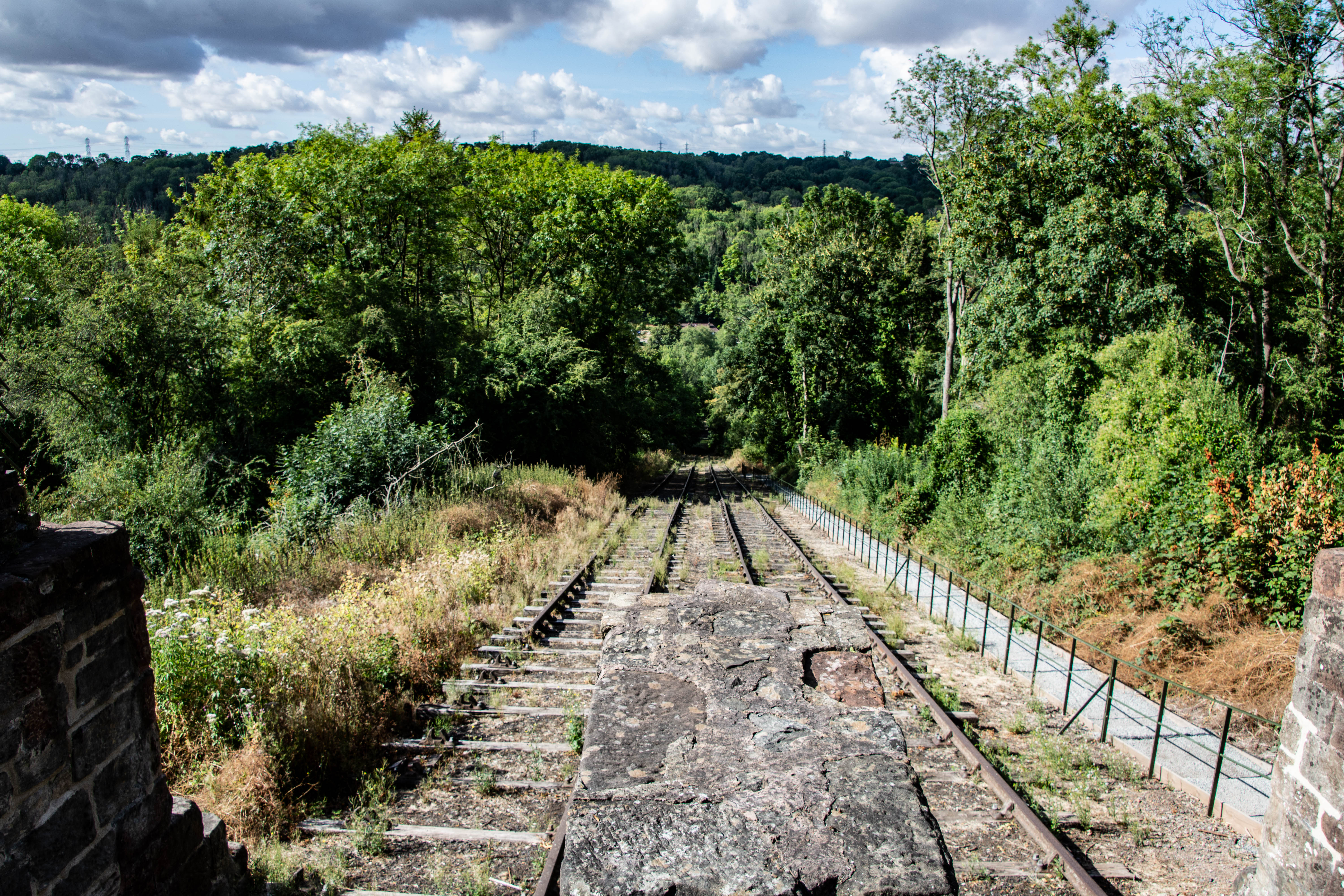
This is an inclined canal plane whose sole function was to connect the two canals together with the River Severn. Boats from the Canal were hoisted into carts that ran on standard gauge train tracks. The operation of this is a very similar principle to a funicular railway, where the weight of the top cart was used to pull the lower cart up (since the top cart would almost always have materials leaving the site), with a winding engine used if the load was not heavy enough. The incline plane design was very successful and was used as the basis of another 6 inclined planes around East Shropshire. It was used for the last time and formerly closed in 1907. You can see in the image below (left) that the top canal has since run dry and nature has since reclaimed this, but the channels of where the tracks run down to submerge the cradles into the top canal are still in place to this day.
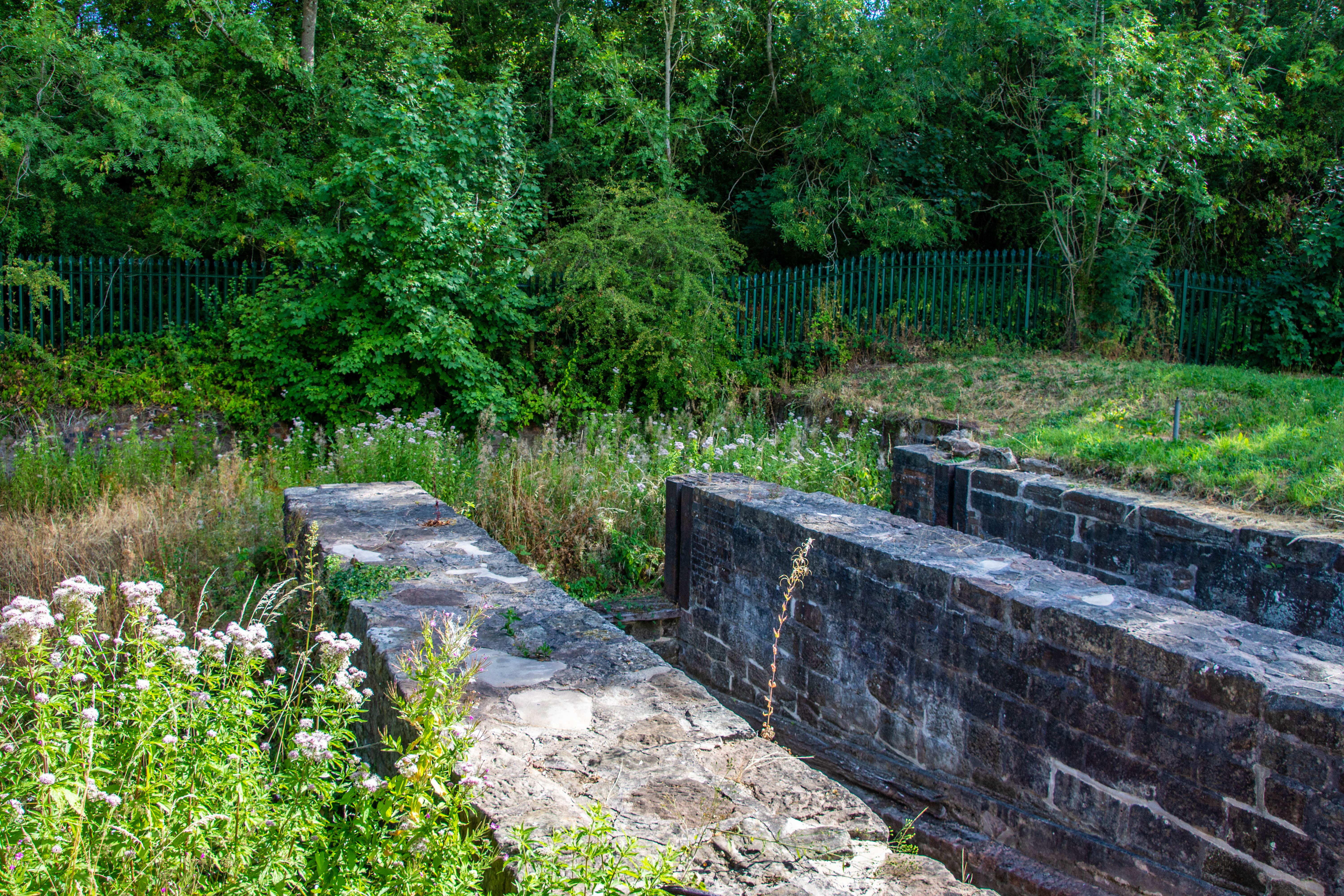
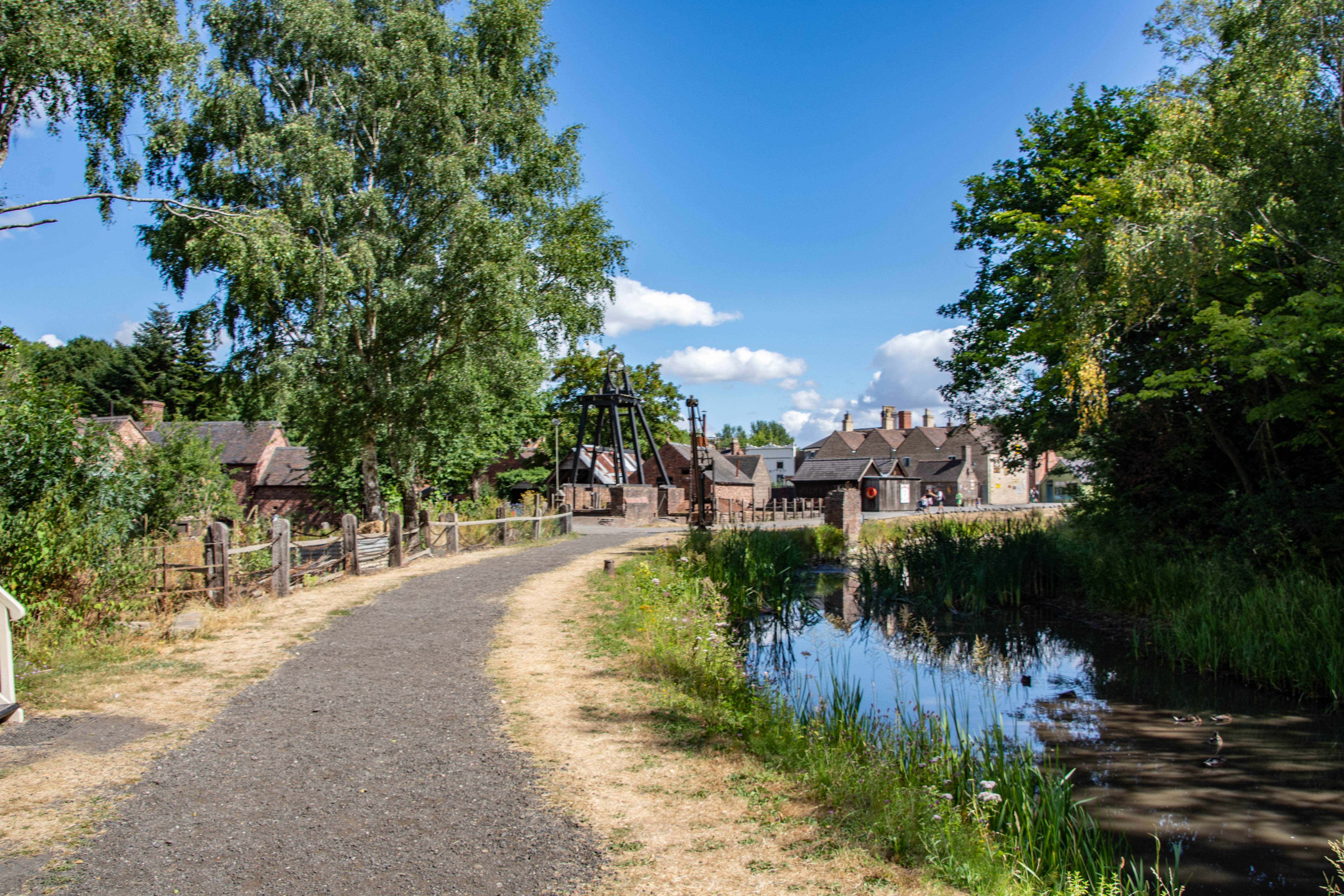
A short walk from here, we come back into the Blists HIll Town and the coal mine lift can be seen on the left. The canal is not completely empty here, but following on from heatwave after heatwave this year, the water levels are dangerously low now. This is a very short stretch of canal and completely unnavigable now with no way to reach it from the main canal network.
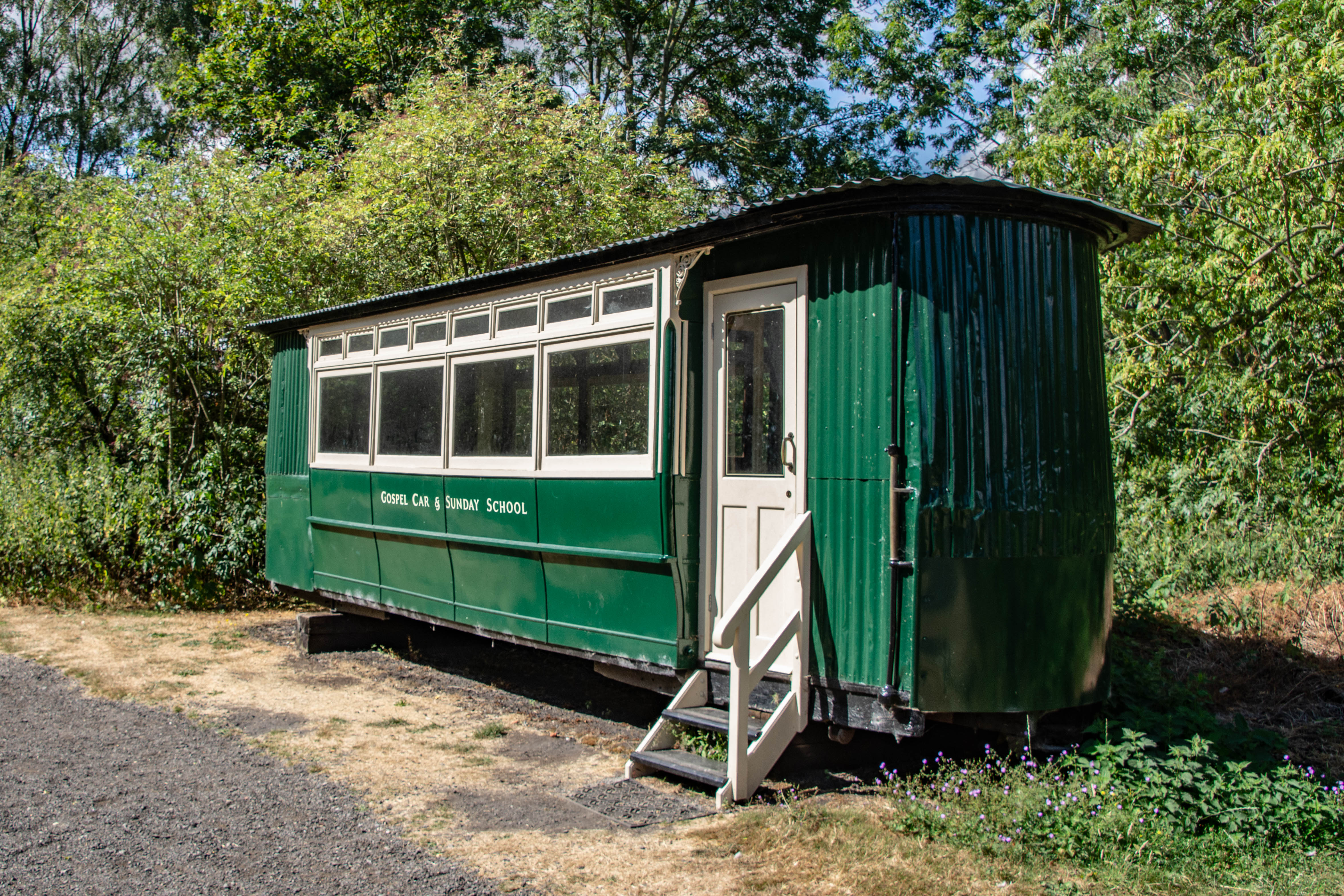
Something curious I did notice on the walk was the below. On the side is written ‘Gospel Car & Sunday School‘ but the shape of it looks VERY much like a reused tram. Looking into this a bit more it, it turns out this suspicion was correct and this infact is the lower deck of what was once a double-decker tram car that was built in 1904 by the Brush Electrical Engineering Company. It operated in the Wolverhampton area until being replaced. A number of these trams were sold off rather than scrapped and found new life as summerhouses, conservatories, sheds etc. In 1928, this one was converted to a mobile Gospel Hall and Sunday School for the Bridgnorth People’s Hall Mission at Lower Forge, Eardington. It was acquired by the Ironbridge Gorge Museum in 1972 and has since been on display here at Blists Hill.
So what about this incredibly important railway artifact I mentioned at the beginning? If I were to ask about the birth of the railways, you may direct me to my article from last year which celebrated Railway 200…but this particular artifact predates those events of 1825 by 27 years. It is the Coalbrookdale Locomotive (known by some as the Trevithick Locomotive).
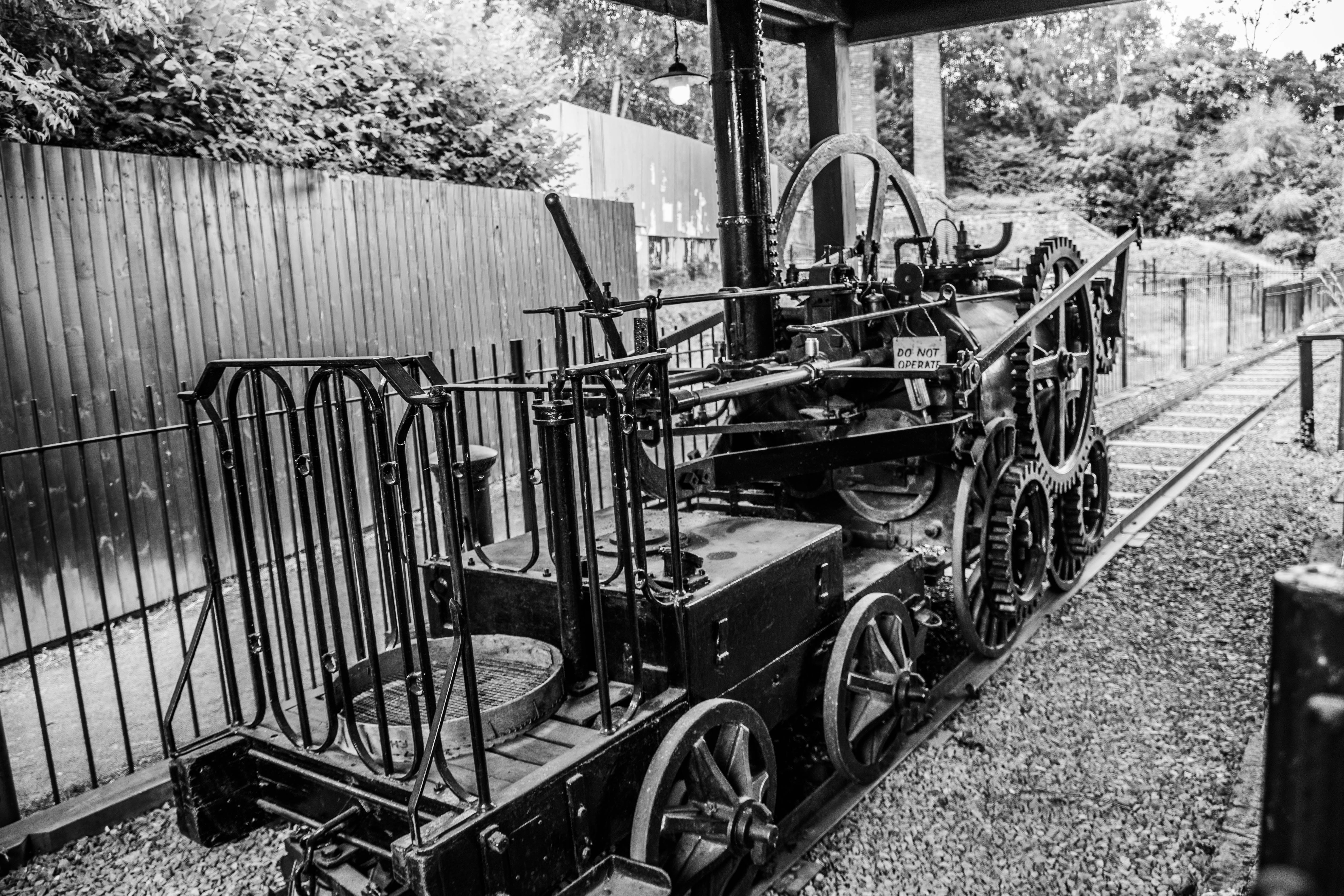
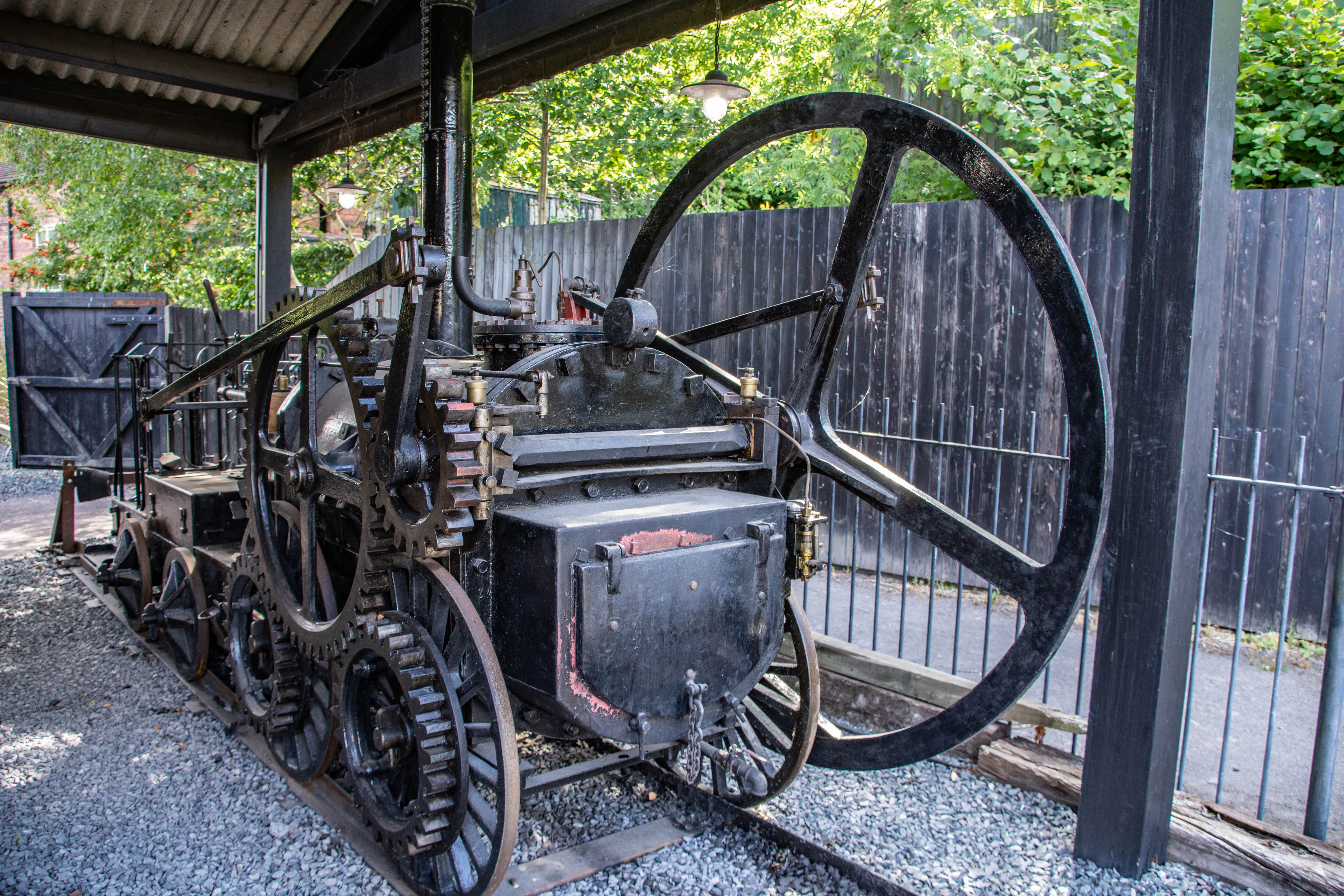
Long before Robert Stephenson gave us Rocket, Richard Trevithick was testing the use of high pressure steam for the application of powering vehicles. There is a lot of mystery that surrounds this locomotive and historians accounts have some conflicts but there is plenty of evidence that suggests Trevithick was involved with this design. A local ironmaster encouraged the building of this locomotive but following his death in 1803, the project was brought to an end. It is not known if the locomotive ever ran or how successful it was even if it did BUT what we do know is that the very principles explored here shaped the foundations of the railway age which was to follow. What we see here today is a reproduction of that original design as the original was lost to time. This reproduction is however capable of running and there is a very small demonstration line at Blists Hill in order to facilitate this. This is a SIGNIFICANT bit of railway history, and a bit of a Mecca for anyone who has any deep interest in railway history. Sadly it wasn’t in steam when I visited but I look forward to returning and hopefully seeing this run.