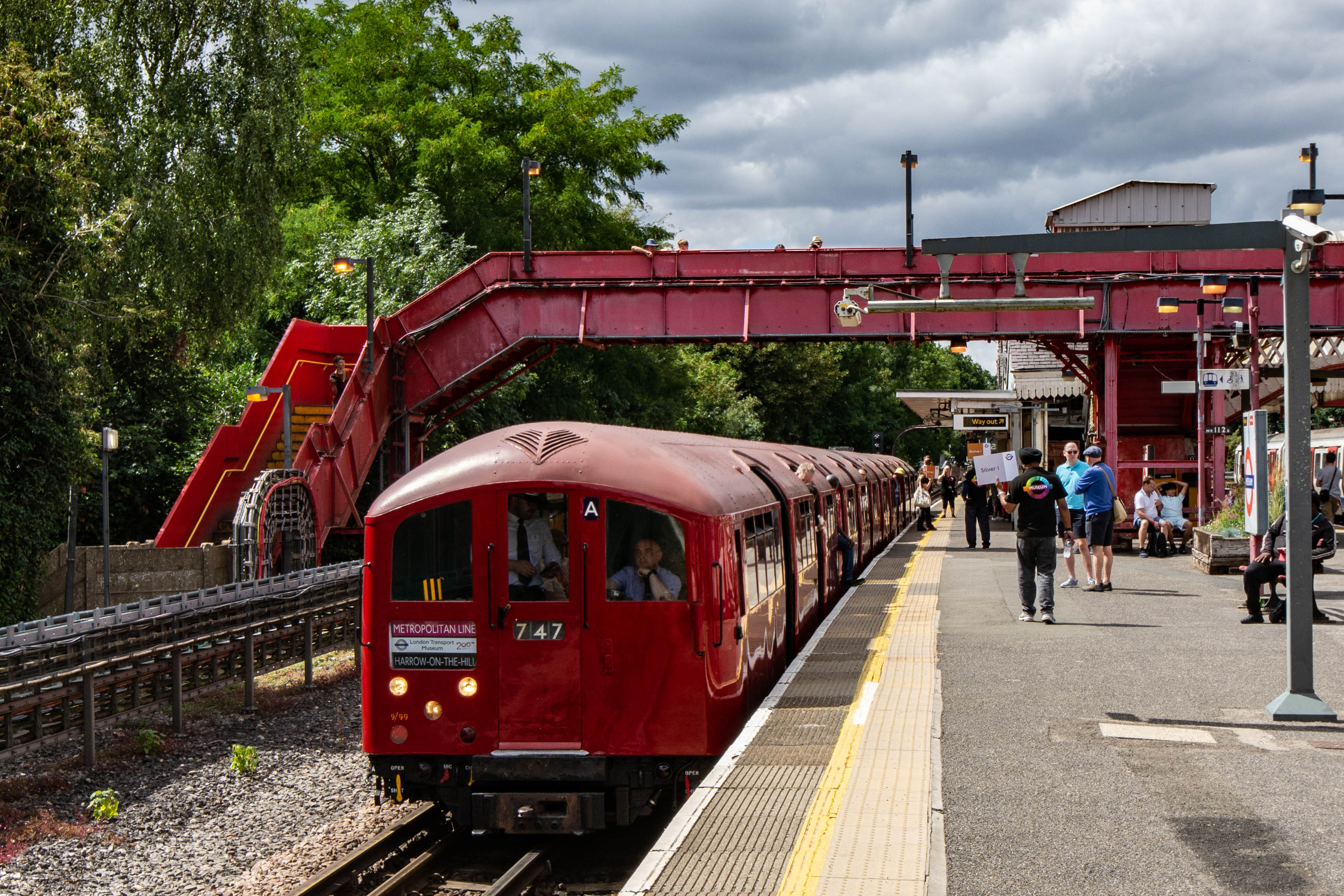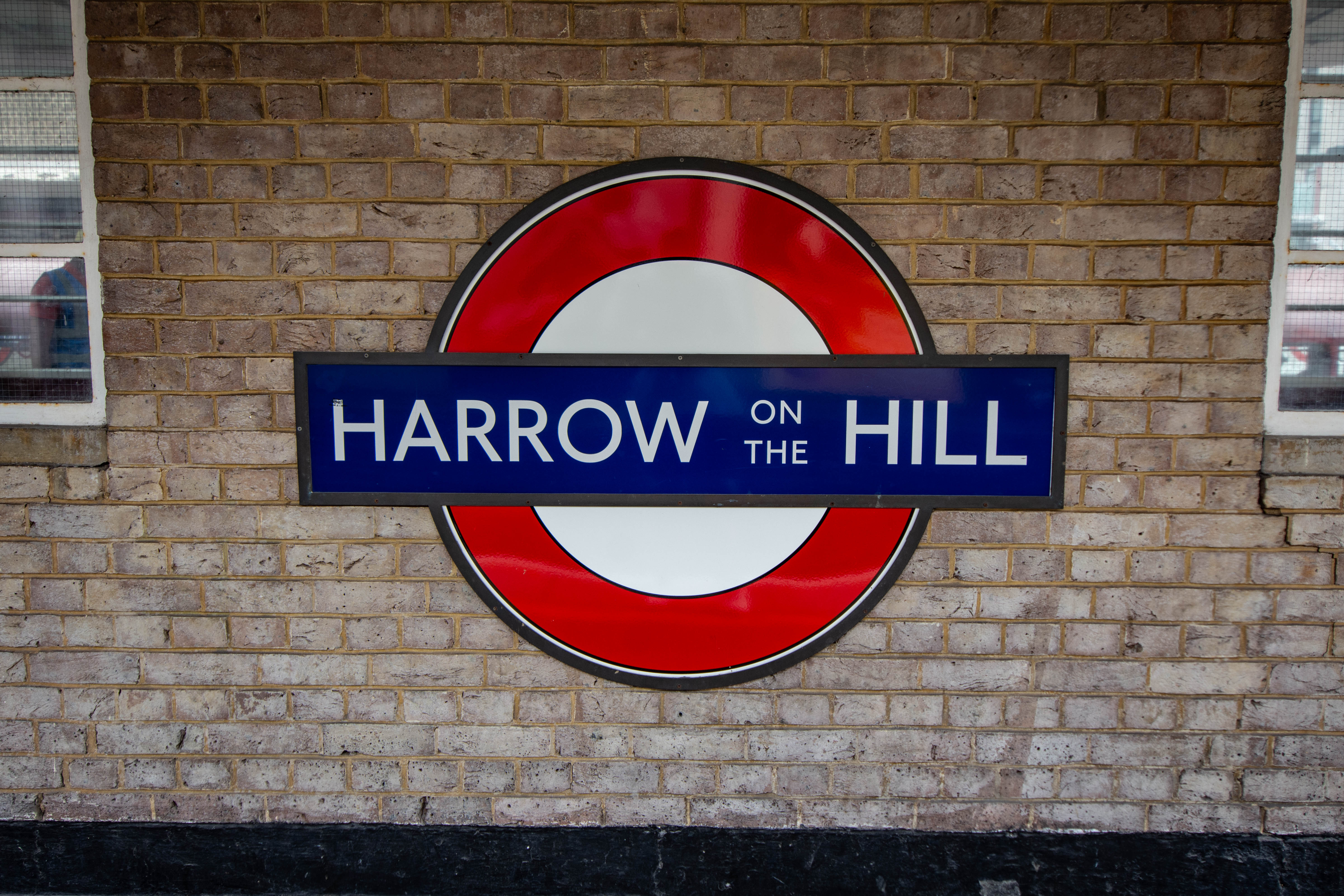
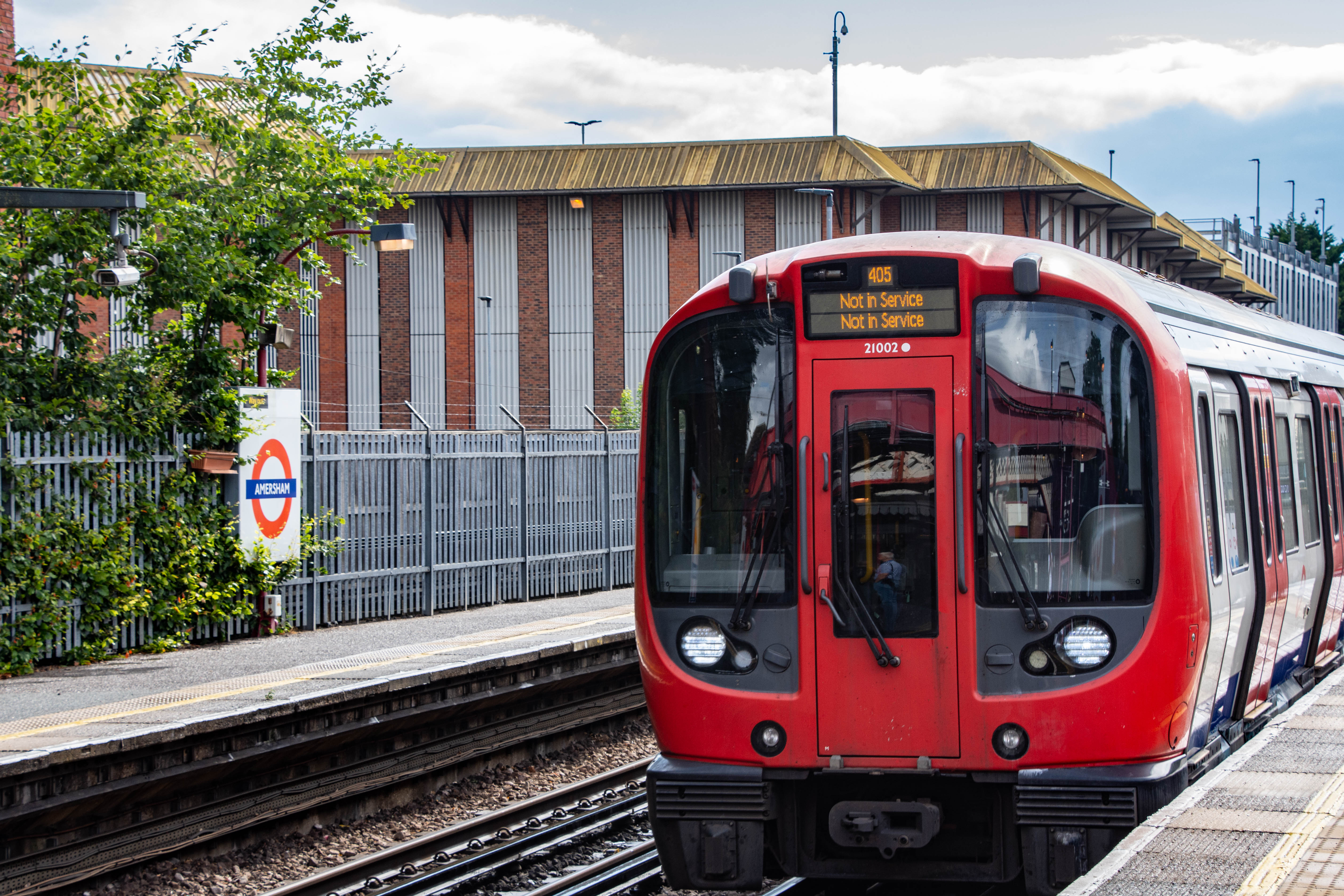
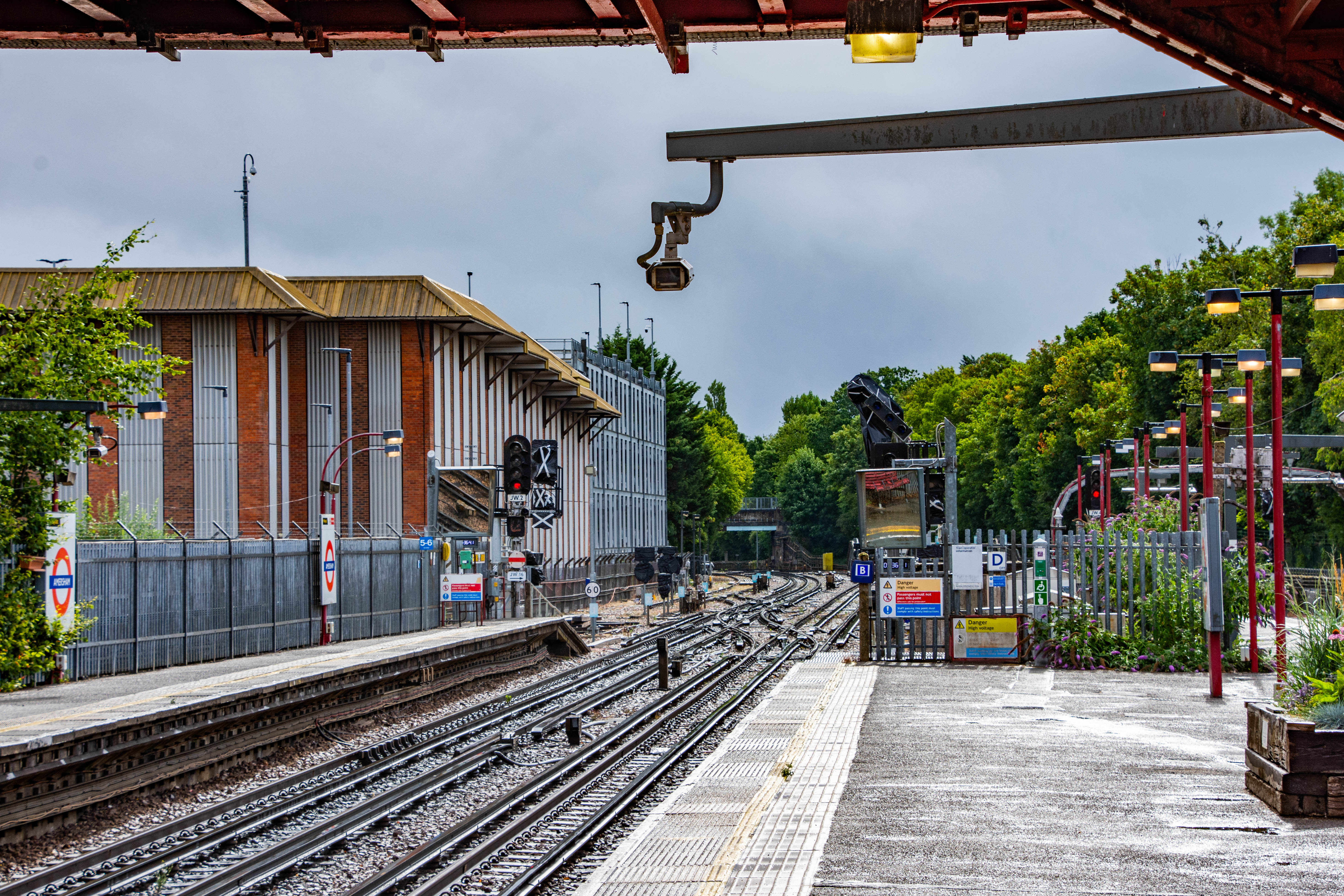
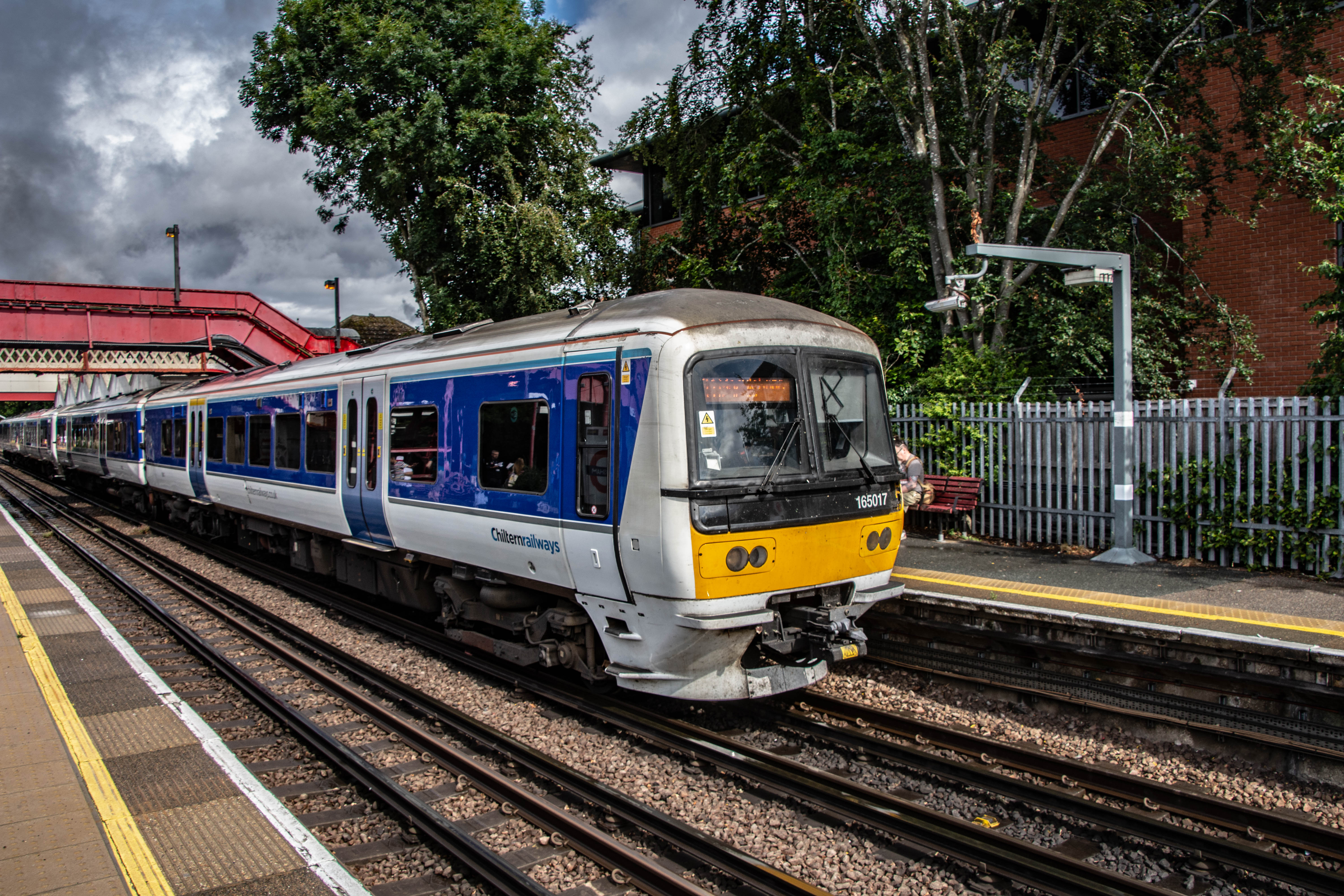
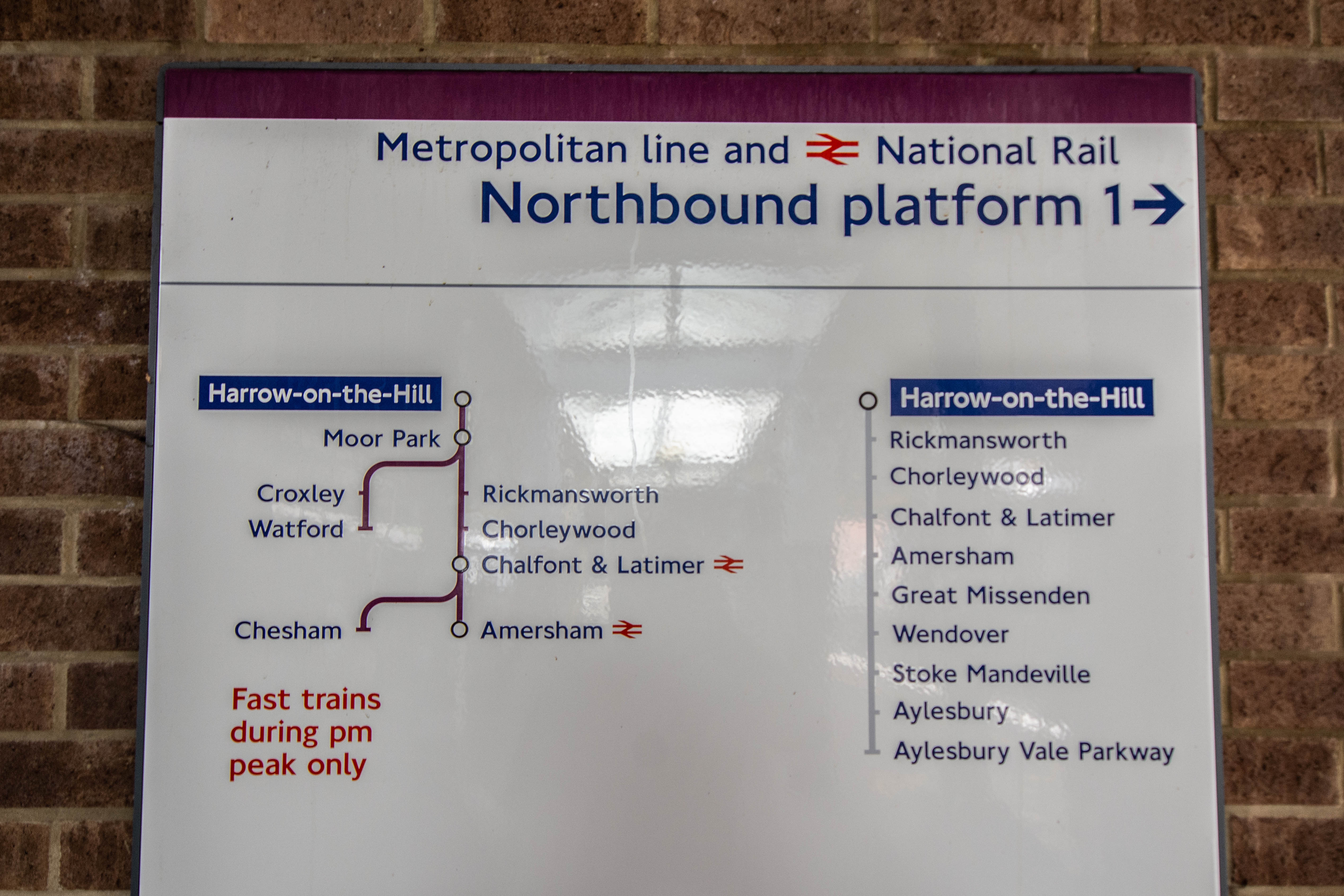
It’s another hot day in what is now the 4th heatwave to grip the UK this year, so this is obviously a perfect day to enjoy a London Underground journey. But this is not any old journey, today the London Transport Museum is putting on two special services on the Metropolitan Line travelling from Amersham to Harrow-on-the-Hill. We begin the day at Amersham station after a mini downpour of rain which was unexpected. The rain is short lived though and it gives me a chance to do a bit of train spotting from the station. Amersham station is connected to the national network as well as Underground lines, so we see a mix of services coming and going.
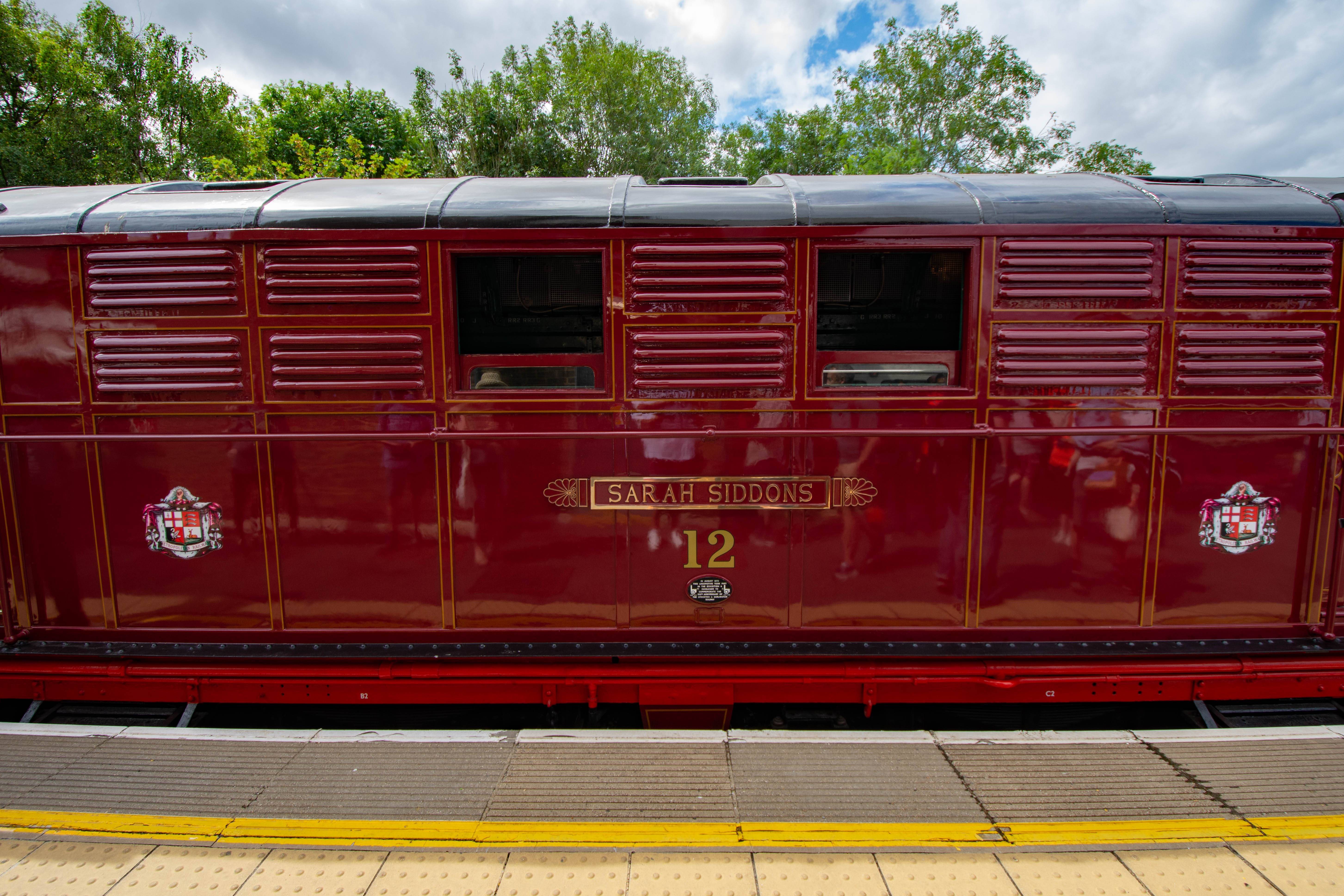
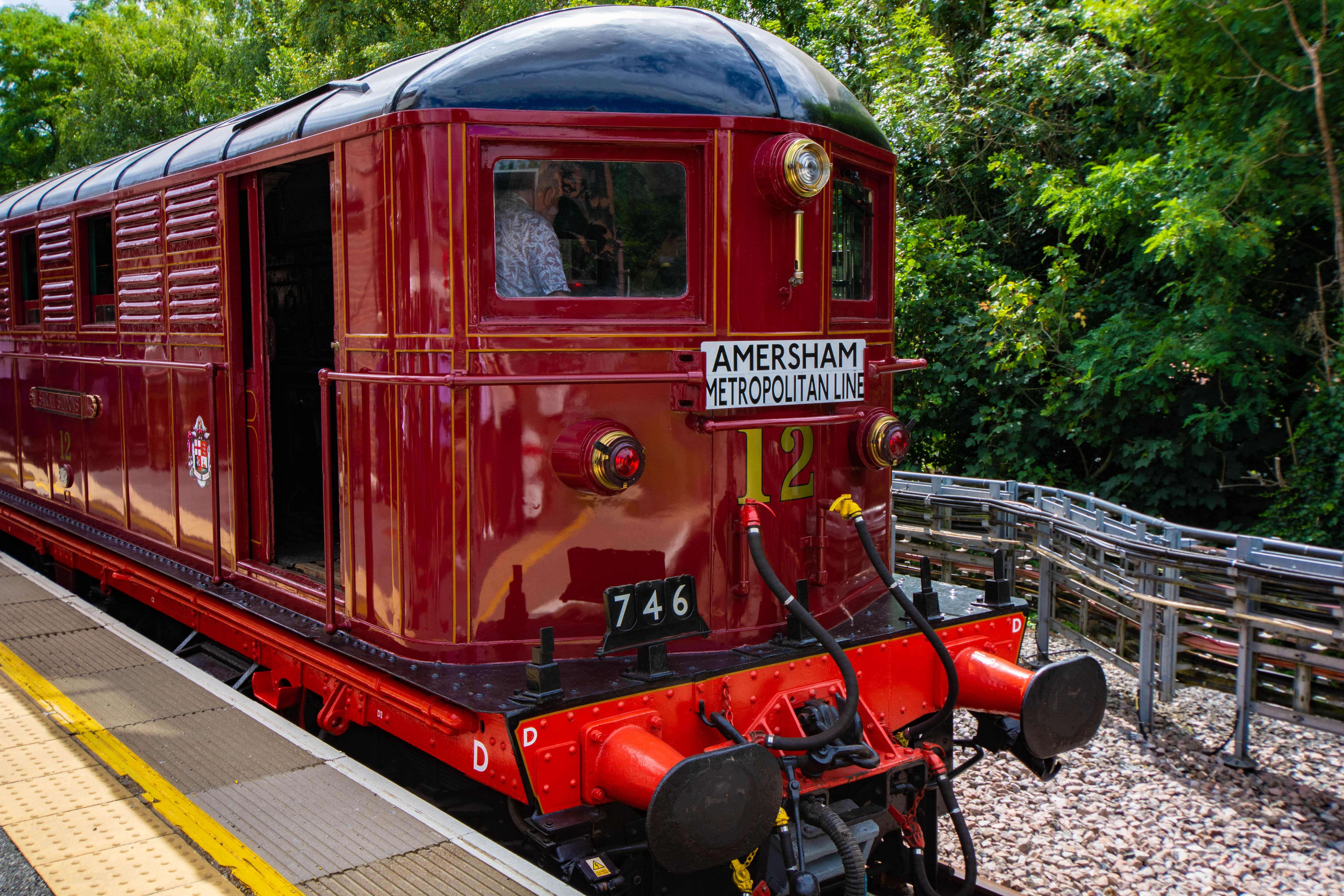
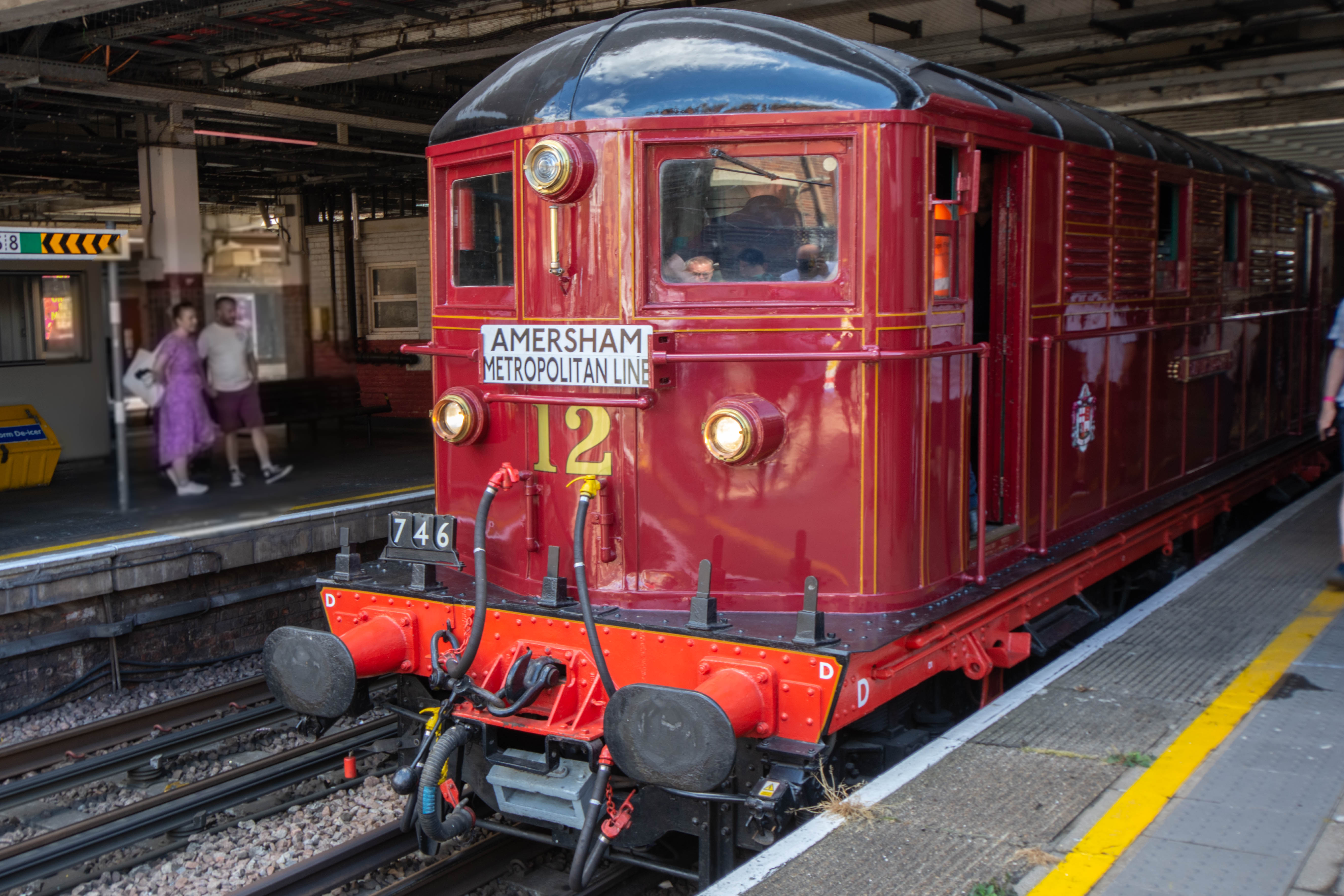
It is the next service pulling into the station that I am more interested in however. This is the first special heritage train of the day and its hauled by the iconic Metropolitan Vickers built ‘Sarah Siddons‘. As the network was gradually electrified, the Metropolitan Railway needed powerful locomotives to haul longer, busier trains to replace their steam stock. Upgrades to older existing underground electric trains were rejected and the result was a order of 20 new electric locomotives of who Metropolitan Vickers were the provider of in 1922/23.
Following a publicity campaign in March 1927 designed to promote ‘Metro-land’ (A moniker given to the suburban areas that were built to the north-west of London in the counties of Buckinghamshire, Hertfordshire and Middlesex and served by the Metropolitan Railway), the locomotives in the fleet were named after both real and fictional personalities who had an association to Metro-land. Sarah Siddons was a great Welsh actress who died in 1831 and is buried at Paddington Green cemetery, not far from the original terminus of the Metropolitan Railway. The locomotive today is one of only two survivors of the original fleet and the only one still in operation today. The other unit is preserved at the London Transport Museum as a static exhibit only. She pulls into the station hauling a rake of coaches which may look familiar if you have seen the recent entry about Eastleigh Works.
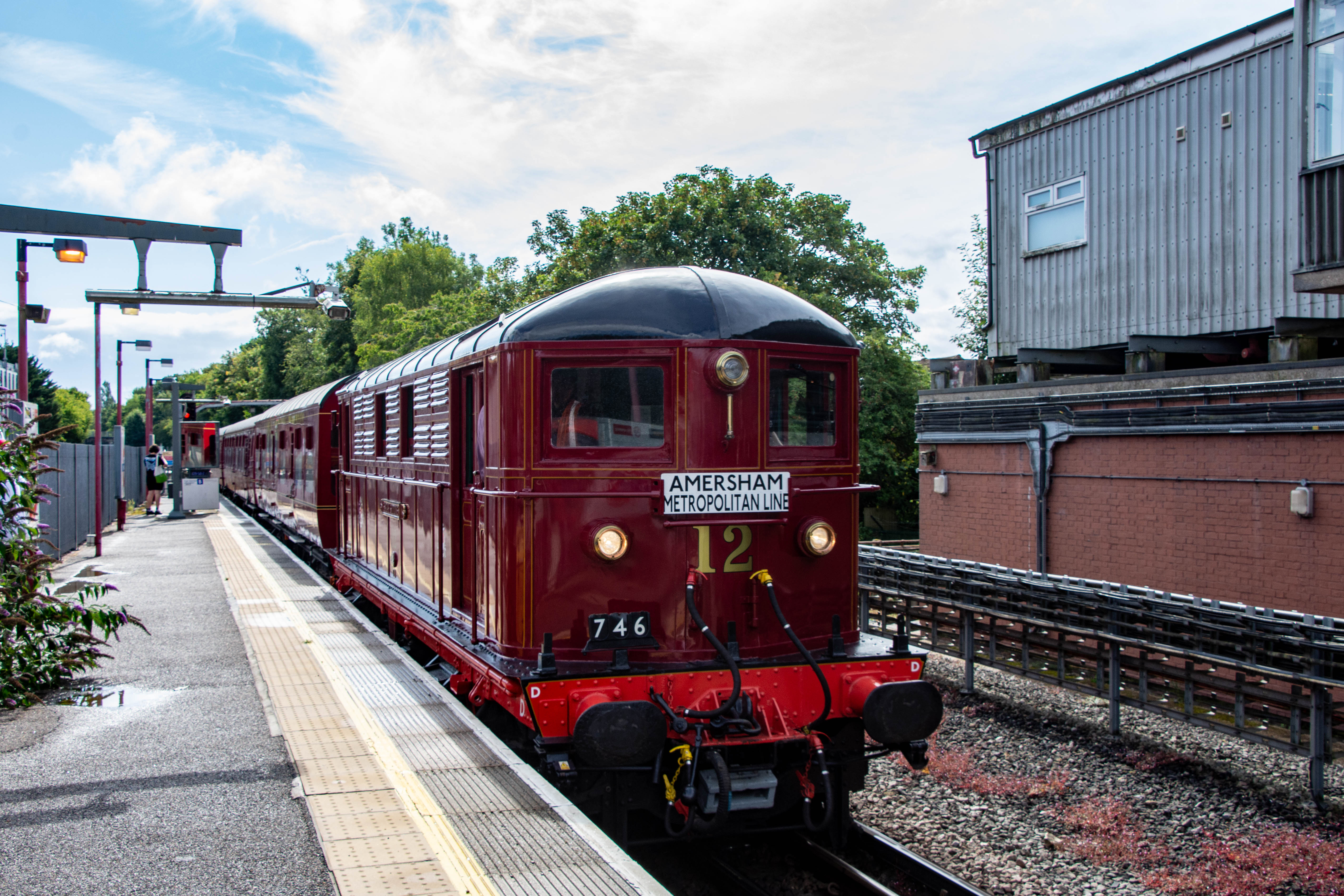
In the sunlight, she looks absolutely magnificent and it’s clear her curators work hard to keep her in immaculate condition. Every surface is polished within an inch of its life and gleaming. I’m sure in her ordinary working life, she never looked this good!
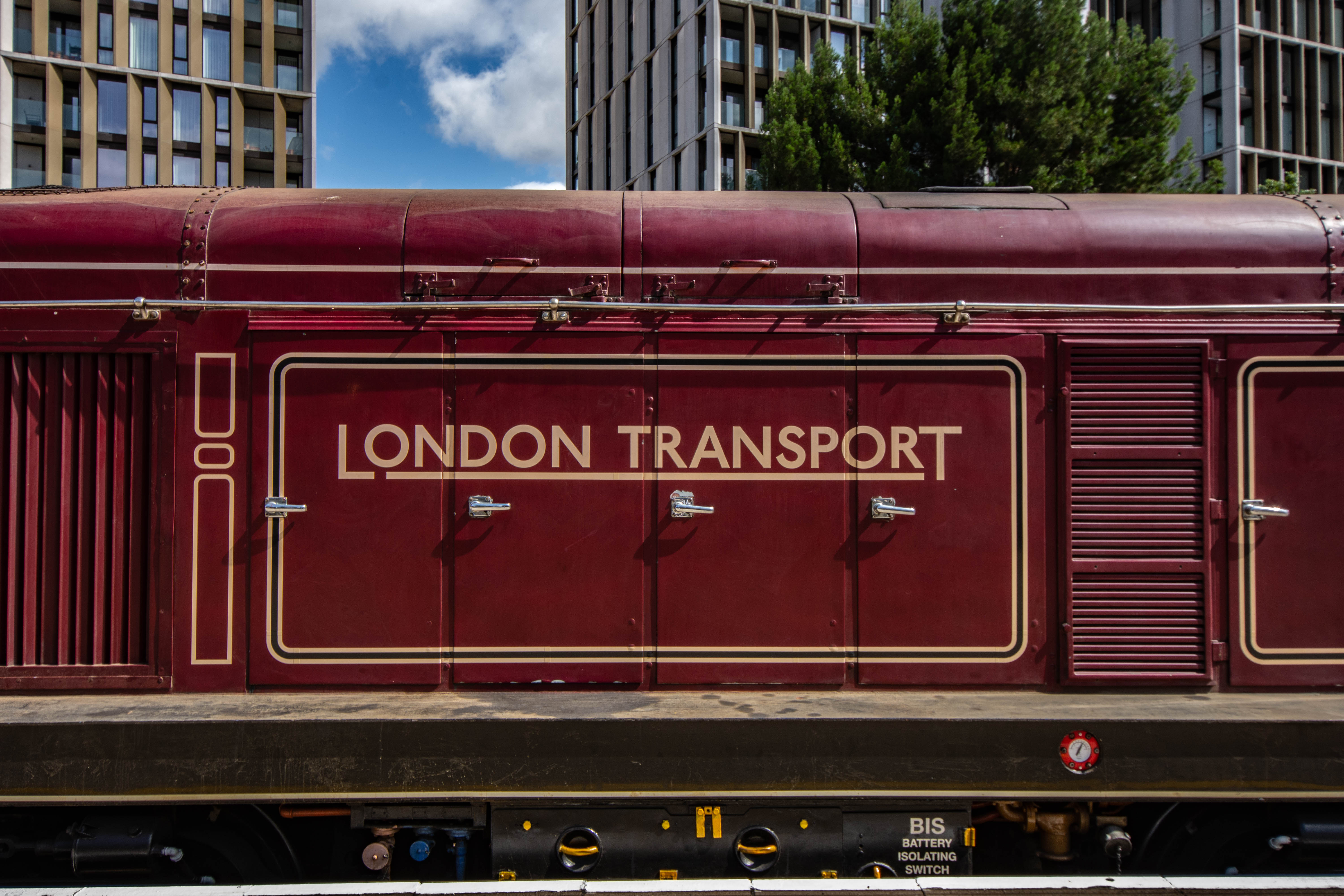
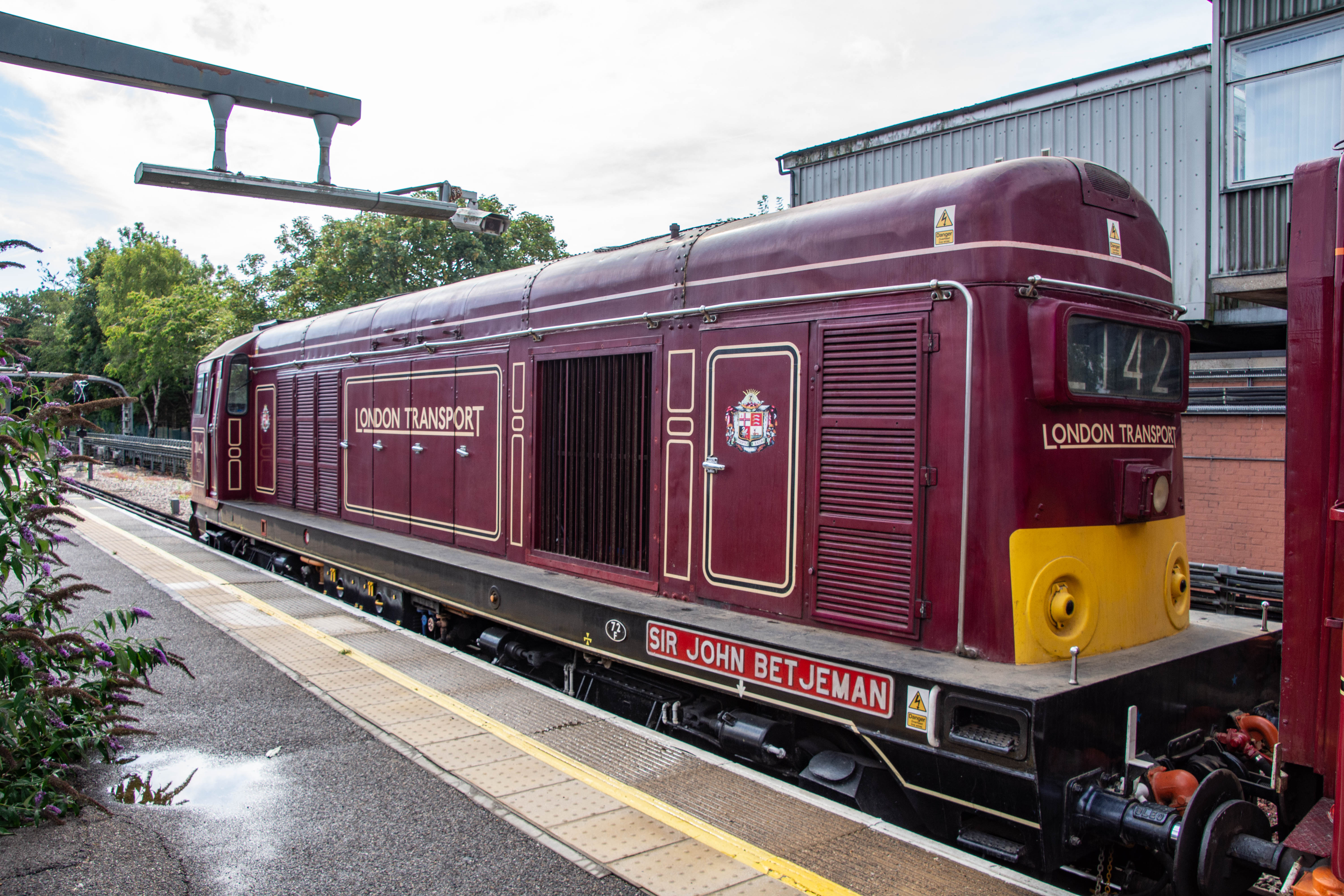
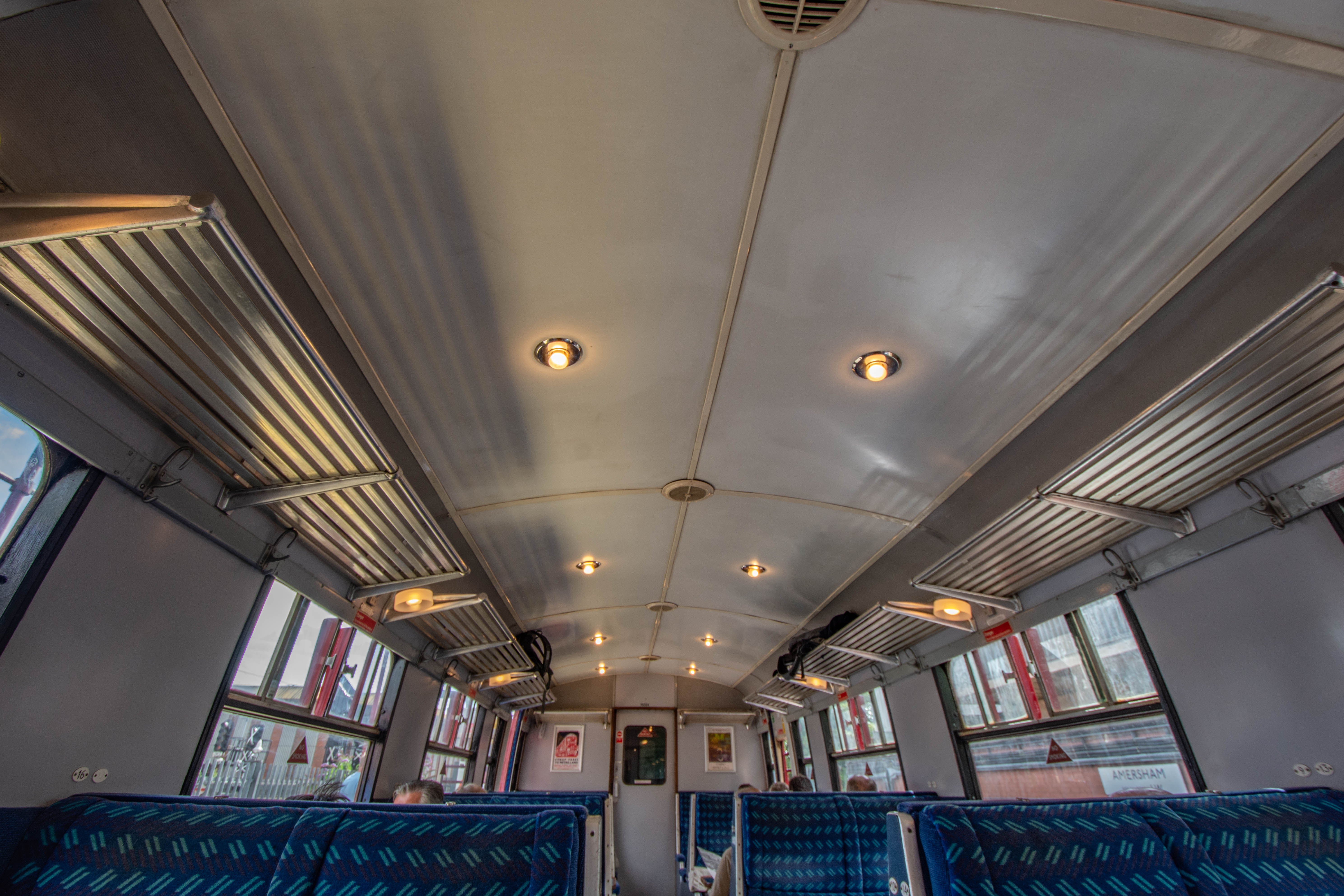
Sarah Siddons is however only one end of this train. Since the locomotive is unable to run around at either station today, we are in a push-pull operation. At the other end of the train is one of my personal favourite locomotives, a Class 20 20142 in London Transport Livery, ‘Sir John Betjeman‘. This particular loco did not always wear this livery and up until it was withdrawn and entered preservation in 1993, it was a typical BR corporate blue. From 1993 to 2013 as it passed ownership, it wore different liveries until its current day one which it has had since 2015. London Underground periodically require powerful diesels on the subsurface sections of the network for engineering works as well as stock moves, but maintaining a dedicated fleet is expensive so London Underground hire them out as and when required. 20142 meets the tight physical gauge clearances and track loading limits of the London Underground subsurface tunnels, so it remains ones of the go-to-hire workhorses for maintenance and special running events. The carriages which she pulls today are the 4TC set which we saw earlier in the month at Eastleigh Works depot. You can see the interior of one of the coaches below.
As we set off on the first journey of the day down to Harrow-on-the-Hill, just listen to the absolute thrash of that Class 20; a pure symphony in diesel and mechanical engineering. Some people listen to ASMR or a fluffy podcast to relax….this ‘Chopper’ (as the Class 20’s are nicknamed) is my elixir.
Our service is a non-stopping one all the way to Harrow-on-the-Hill. We are riding the relief lines where possible, overtaking most of the main underground services. As we pass the various stations, onlookers are lining the platforms with phones and cameras to capture the moment. When we reach Harrow-on-the-Hill, it’s a short 15 minute wait time before we begin the journey back, and this time, it is time for Sarah Siddons to sing her song. It felt a real privilege to be hauled by this loco, something that is double the age of your Grandma and still an absolute powerhouse in peak condition.
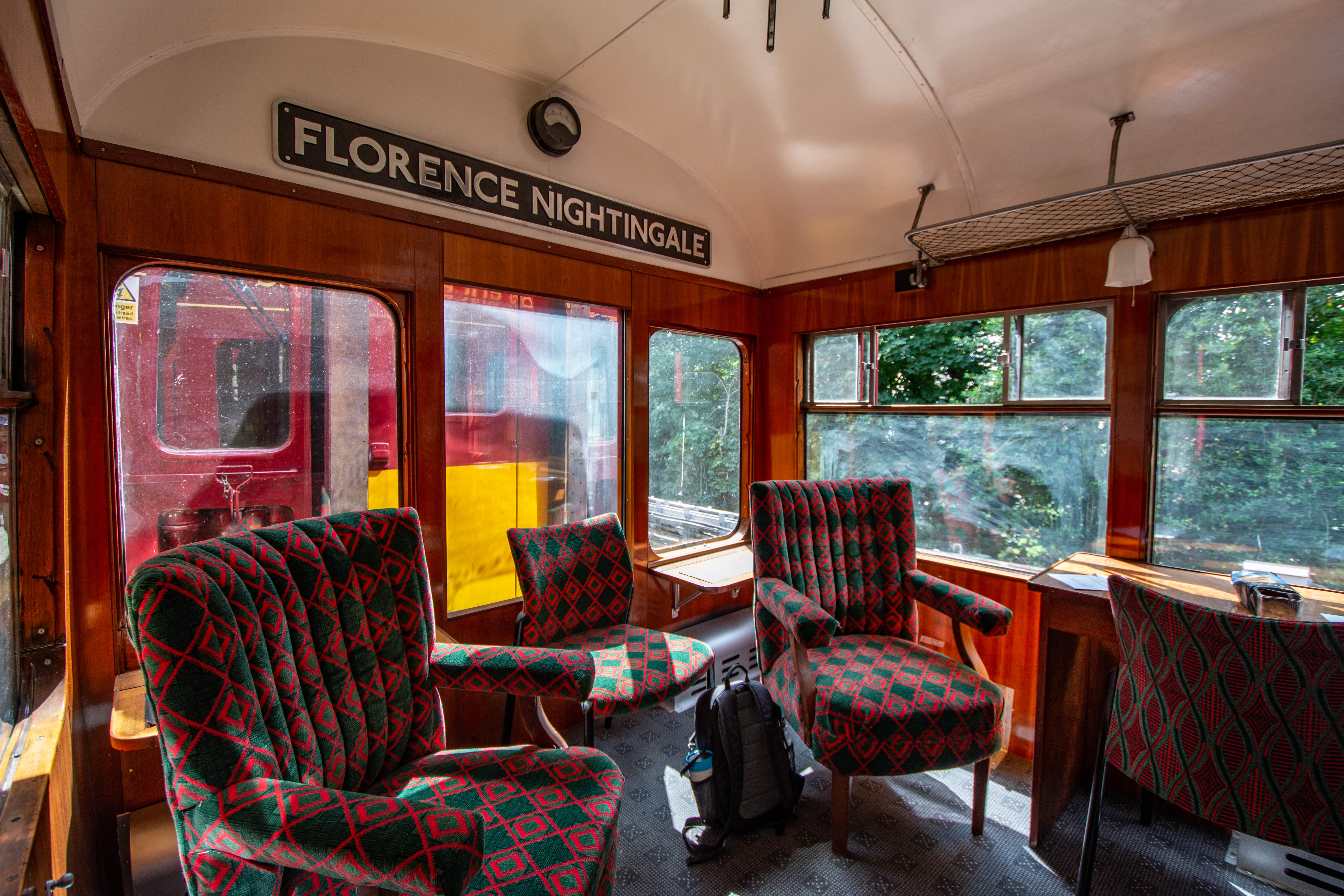
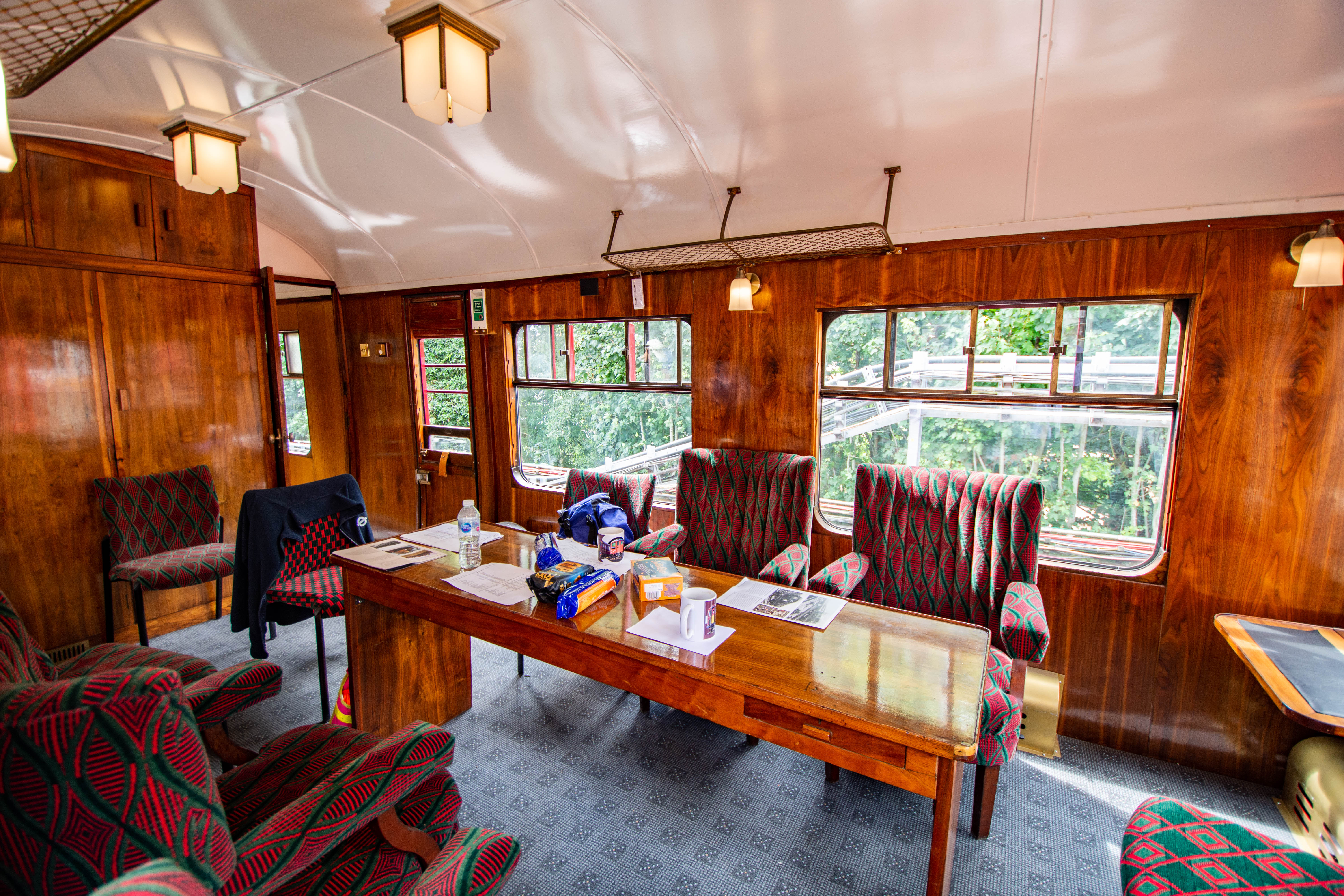
As we arrive back to Amersham, there is one more carriage which we are hauling which sits directly behind Sarah Siddons and that is an LMS Inspection Saloon – 45029 ‘Florence Nightingale‘. This is special as it is reportedly the last rail vehicle that the whole royal family travelled in together, when travelling to the then Prince Charles’ investiture as the Prince of Wales at Caernarfon Castle. Built in 1942, inspection saloons would typically be used for engineer inspections on the lines, VIPs, meetings and district managers network tours. As you can see from the inside, these have large windows at both ends to give an excellent all round view of the line. The plush armchairs and varnished table also add to the feel of luxury.
It’s time for the next service to depart which I eagerly watch from the platform.
In its place, the next special service pulls into the station and this is 1938 tube stock. These were the last tube trains to have wooden floors fitted in them and served various underground lines right up until their withdrawal in 1988. In 1989, 10 units were converted into British Rail Class 483 and operated on the Island Line on the Isle of Wight from 1989 right up until their recent withdrawal in January 2021. This unit is now sadly the ONLY surviving set which is in operational condition. There are other sets which remain but they exist only as static exhibits in museums.
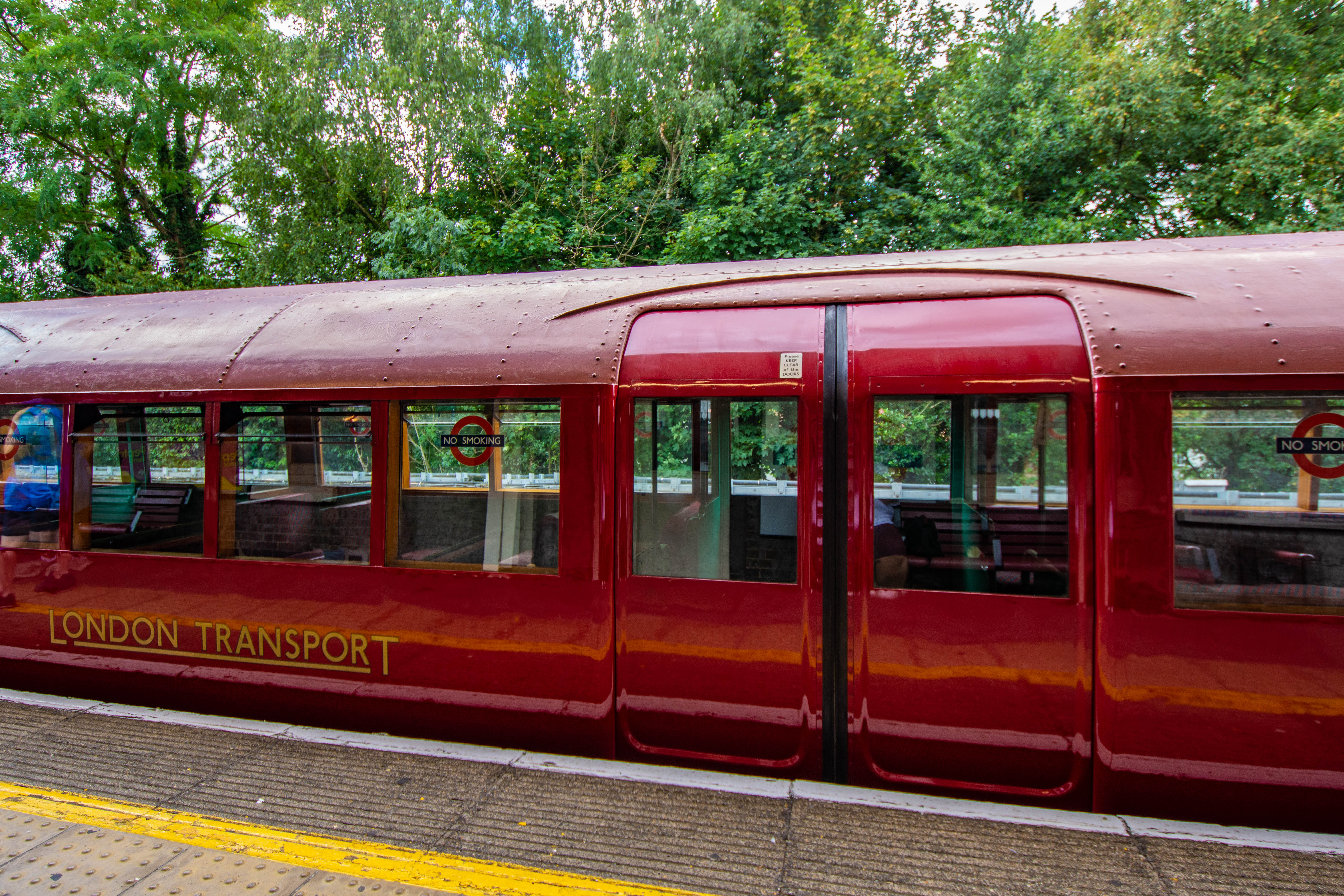
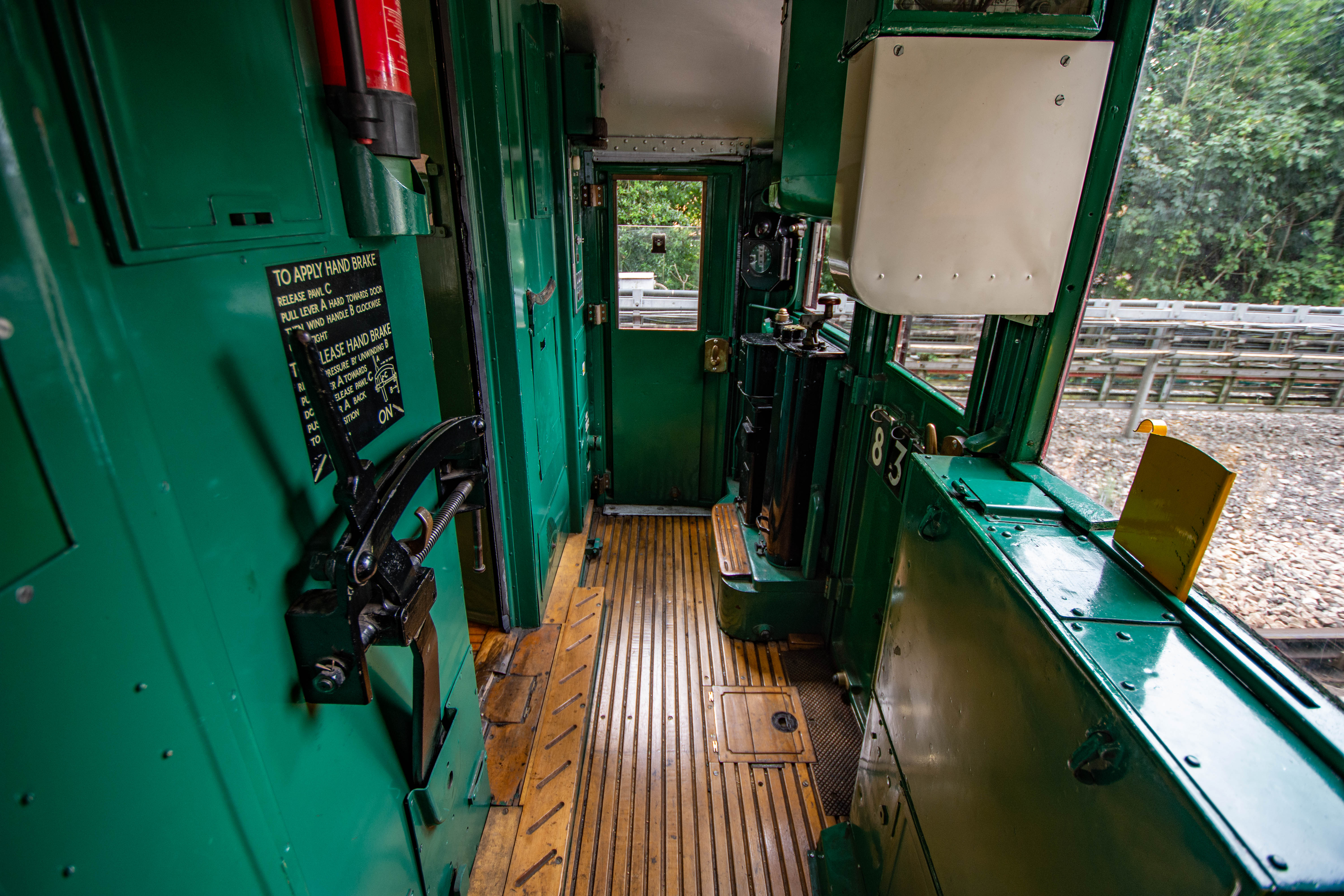
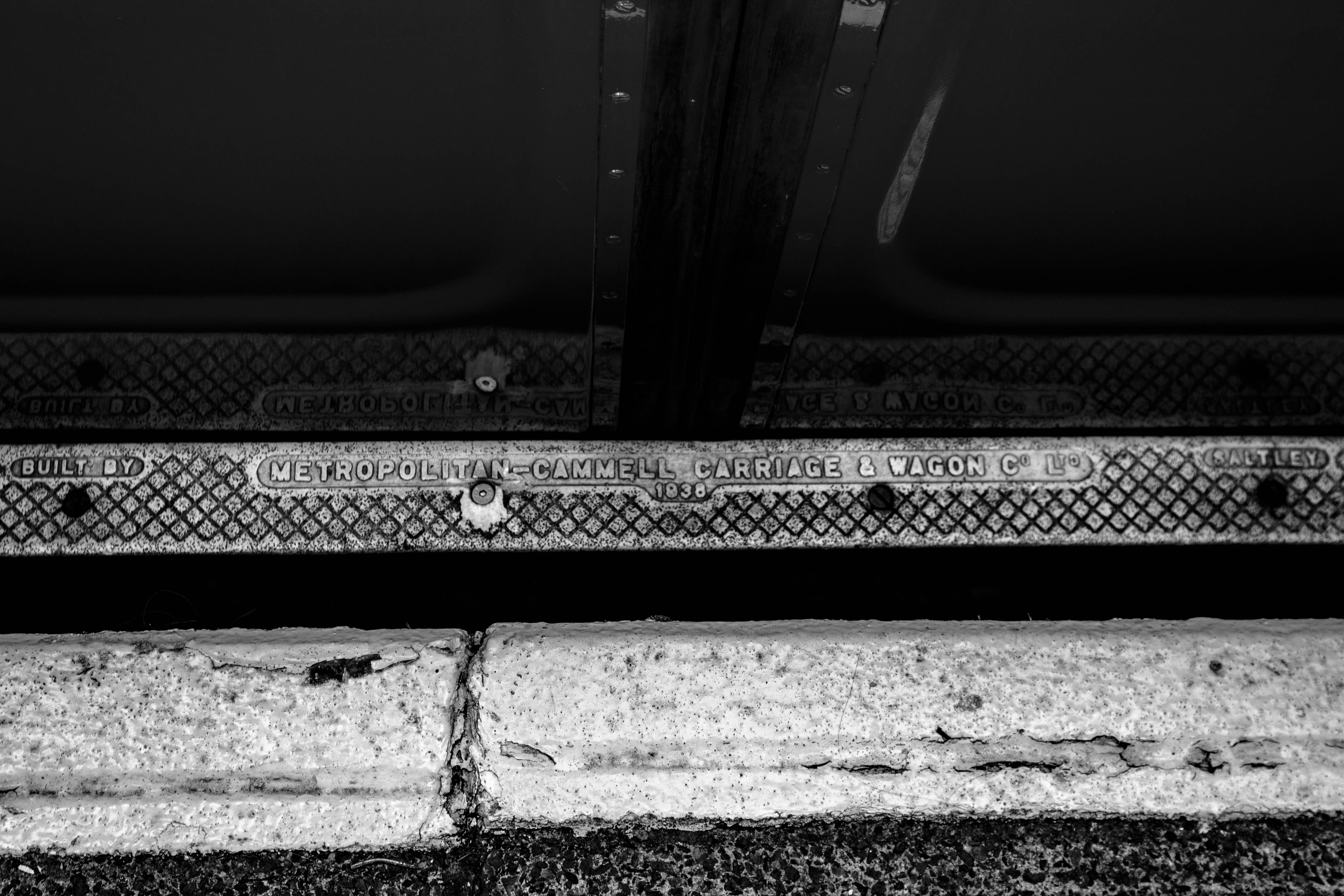
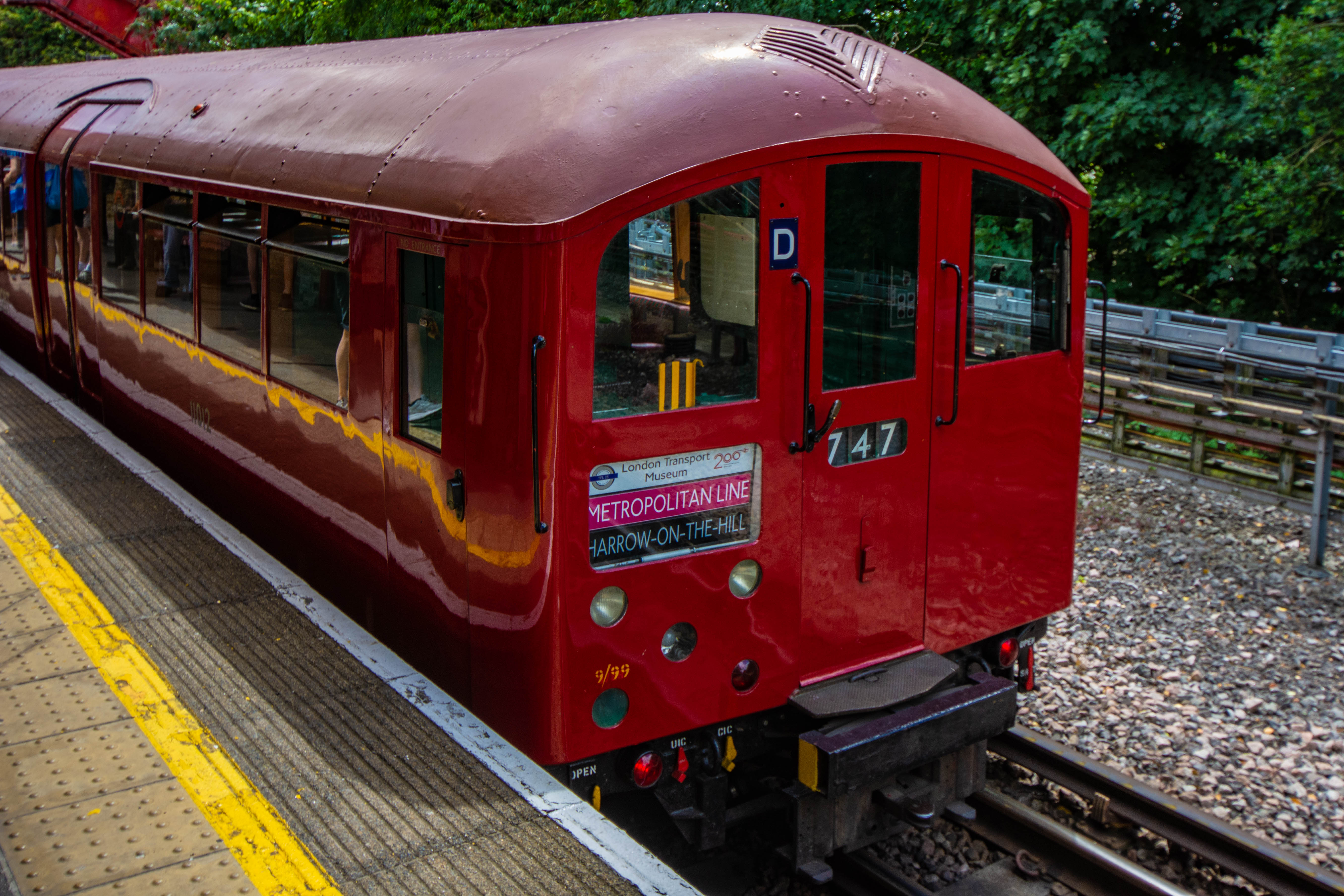
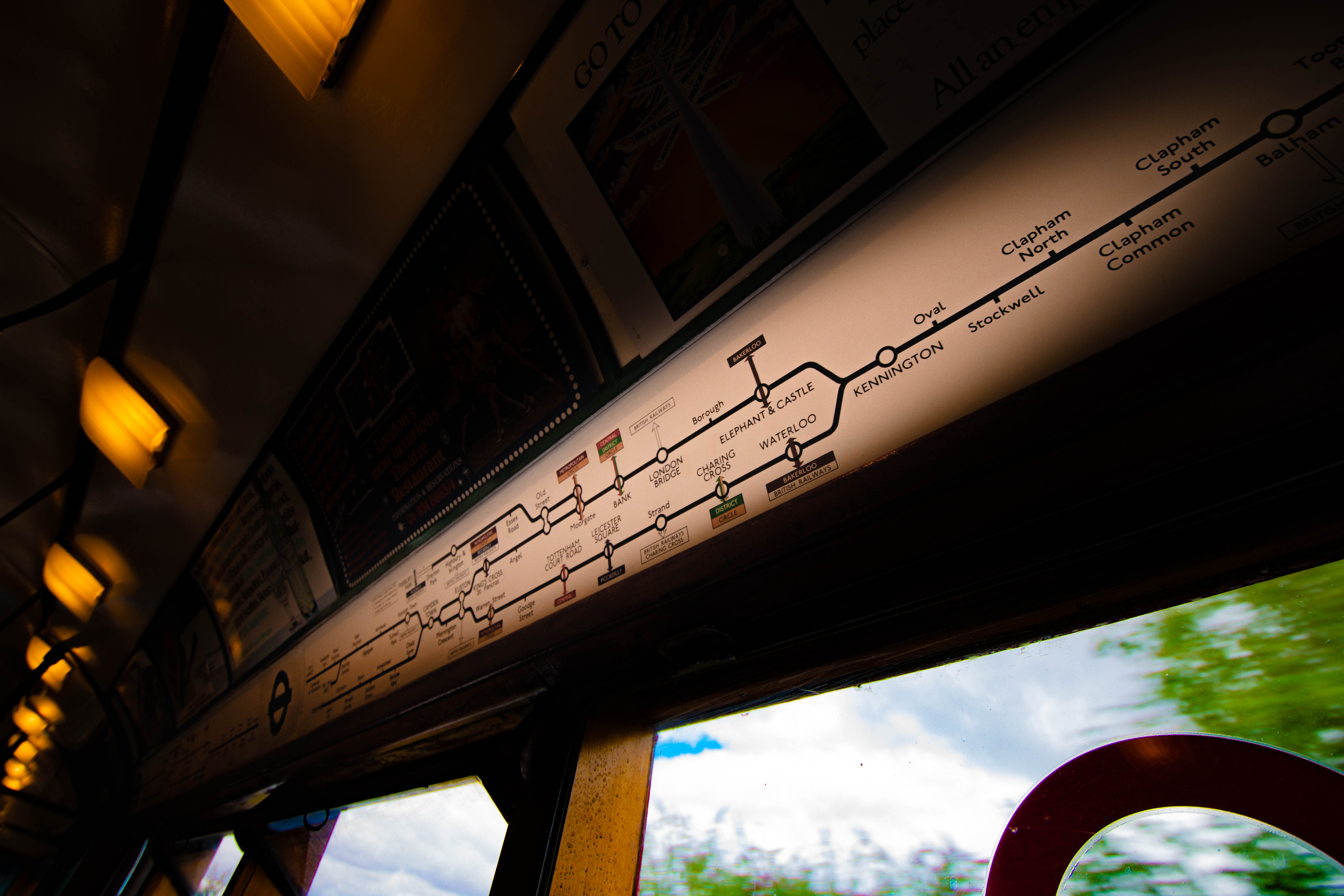
As soon as you step through the temperamental doors in the carriage you are immediately transported in time. The wonderful wooden floors, the individual overhead lights and of course, my favourite feature on this train, the weird, springy dangly knobs! There is an abundance of charm in this units interior compared with the rather clinical interiors of modern day stock on the network.
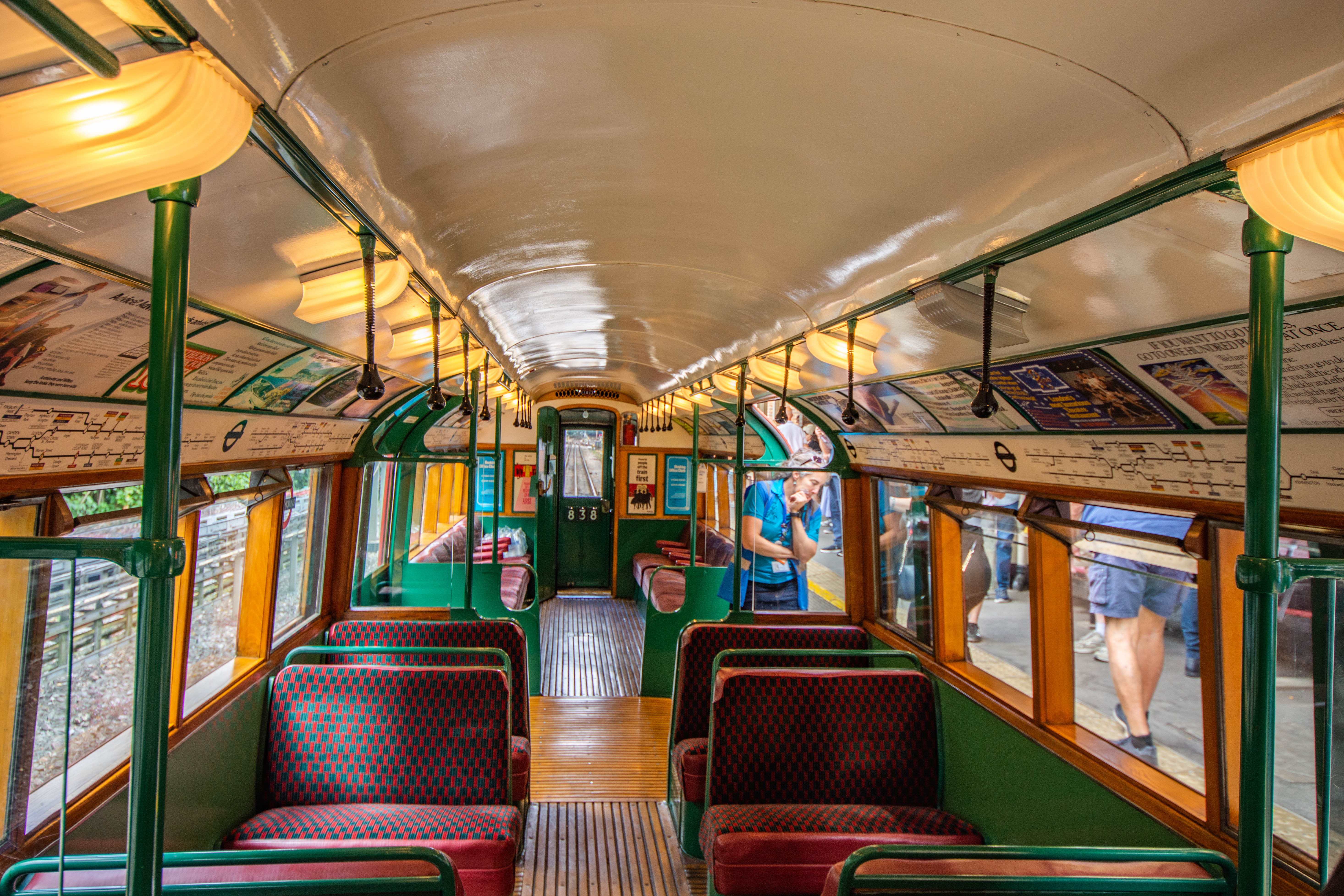
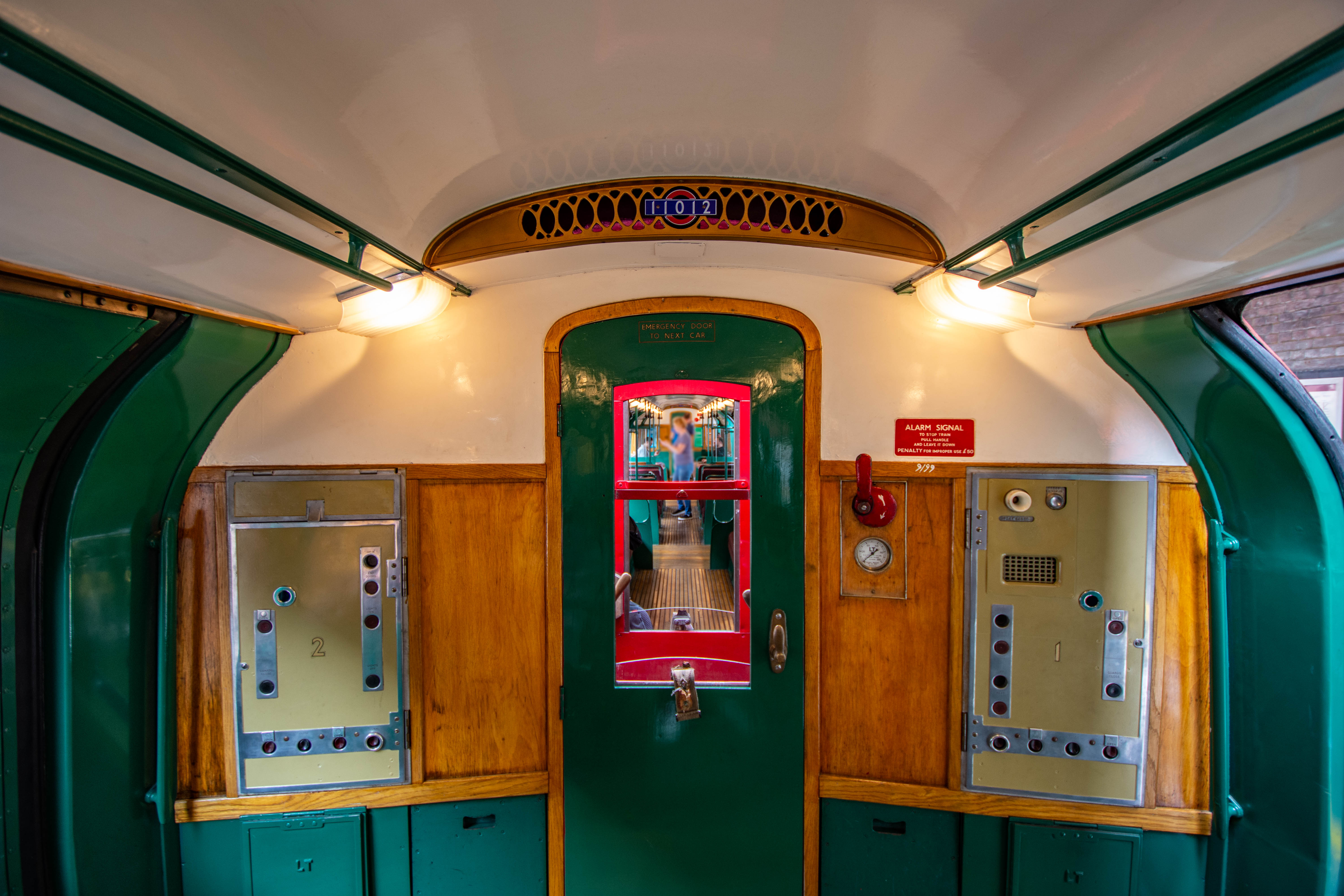
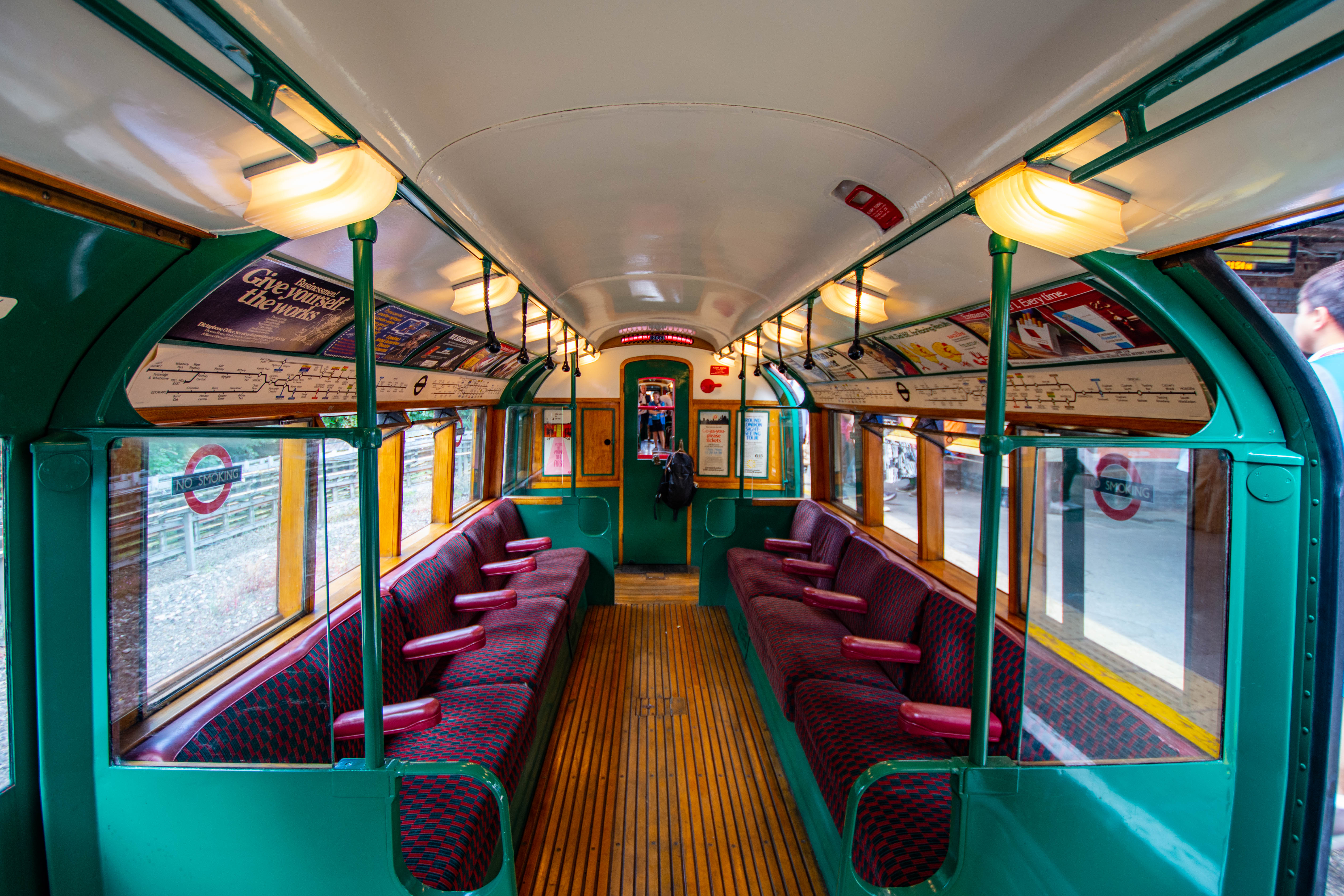
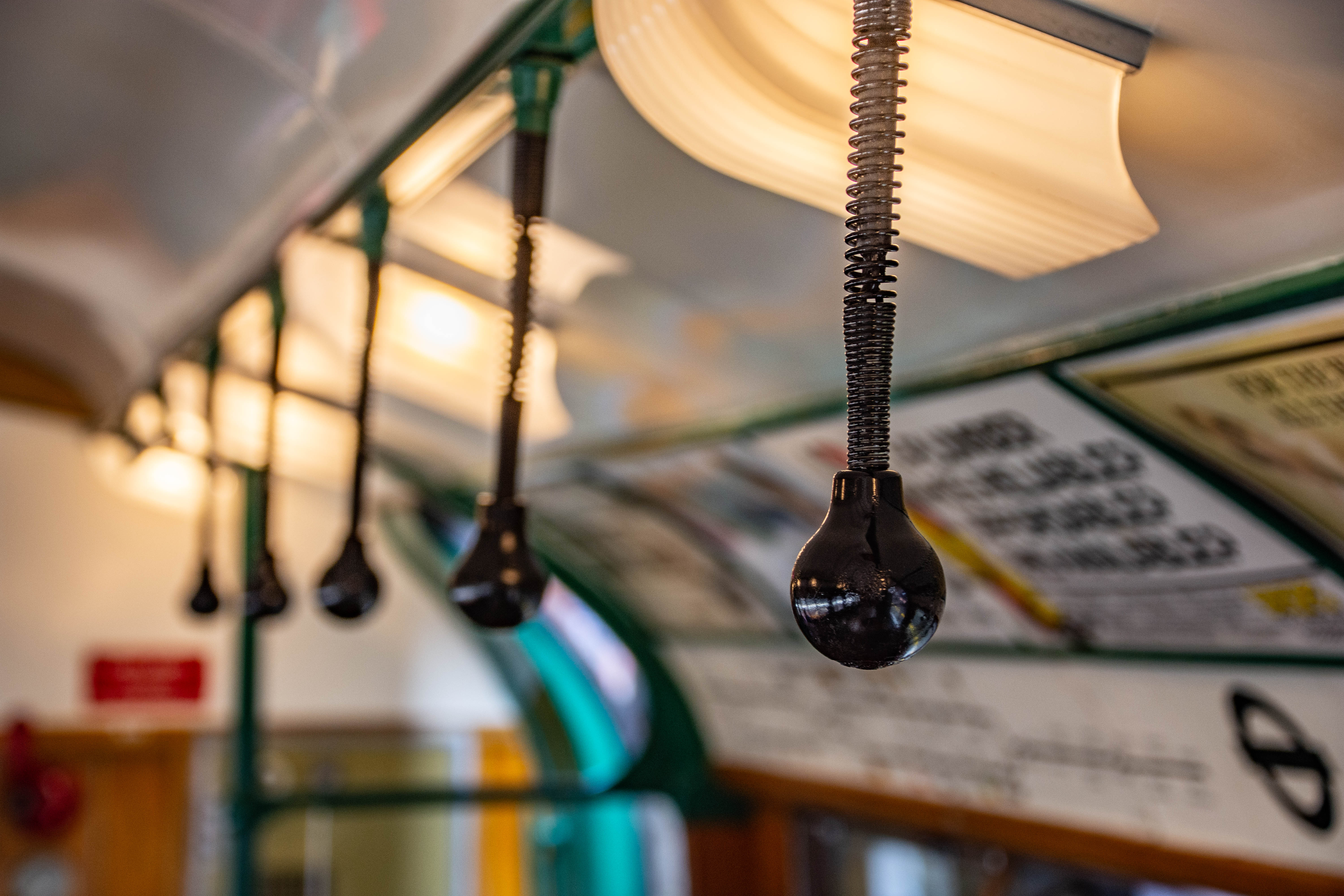
Our train departs, and it is a packed service. Listen to that scream from the traction motors though!
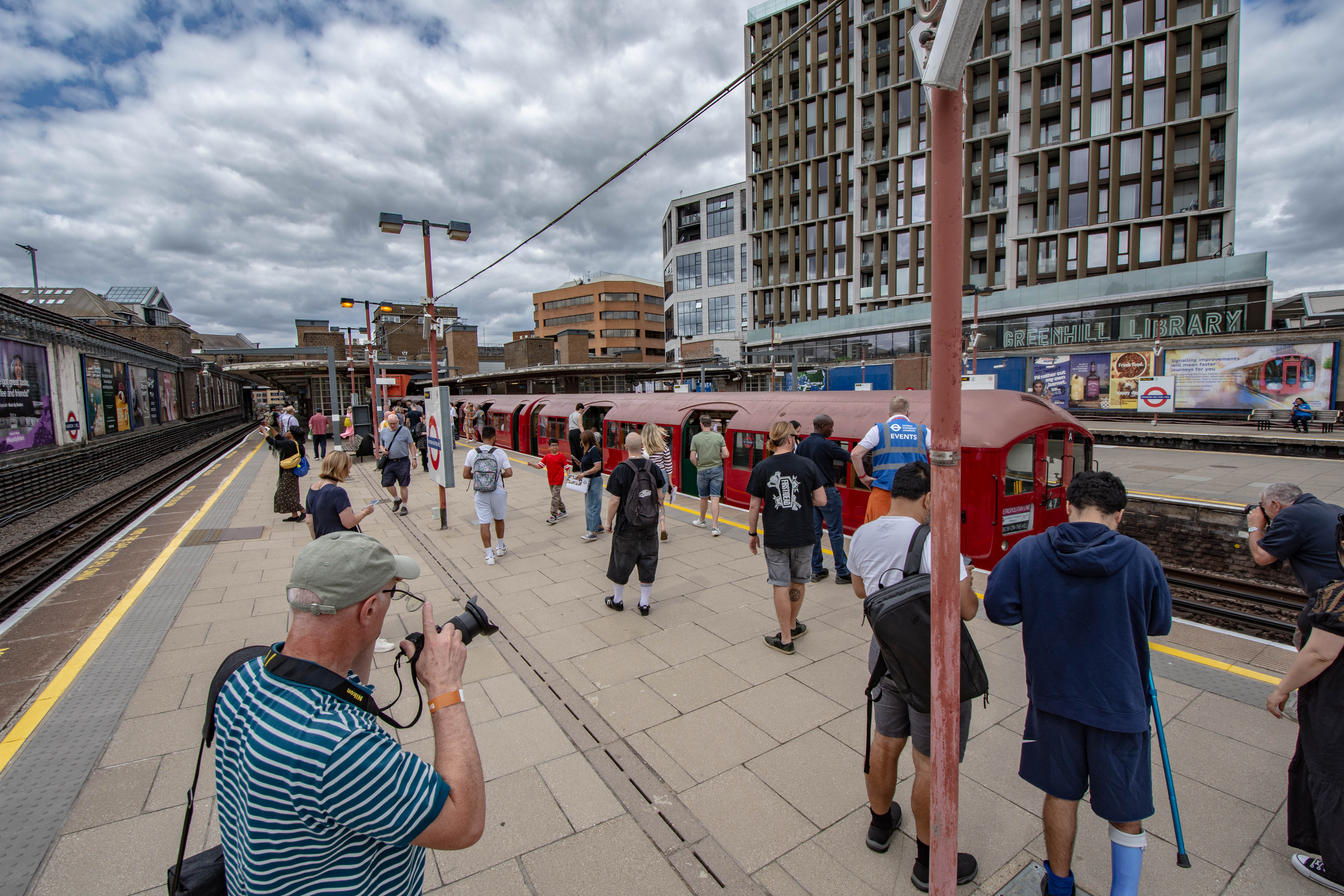
As the service arrives at Harrow-on-the-Hill, everyone disembarks the train and floods our dedicated platform for the day. As you can see, it’s a swarm of train nerds and enthusiasts.
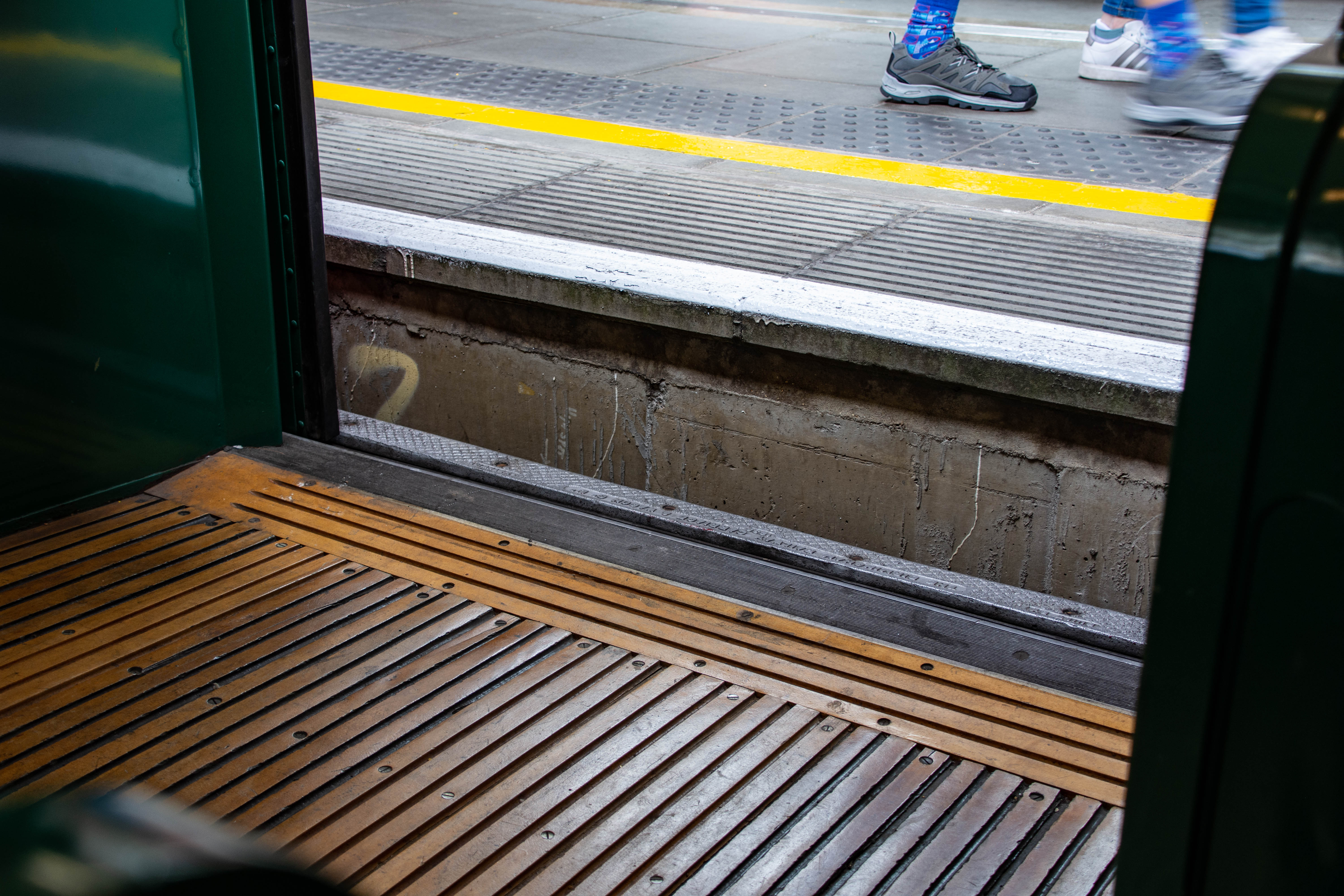
One thing that I am struck by on the train is the height, or rather how low it sits on the tracks. It is quite low compared with the modern day equivalents which is evident when trying to disembark from the train. Just look at the height difference from the train floor up to the platform.
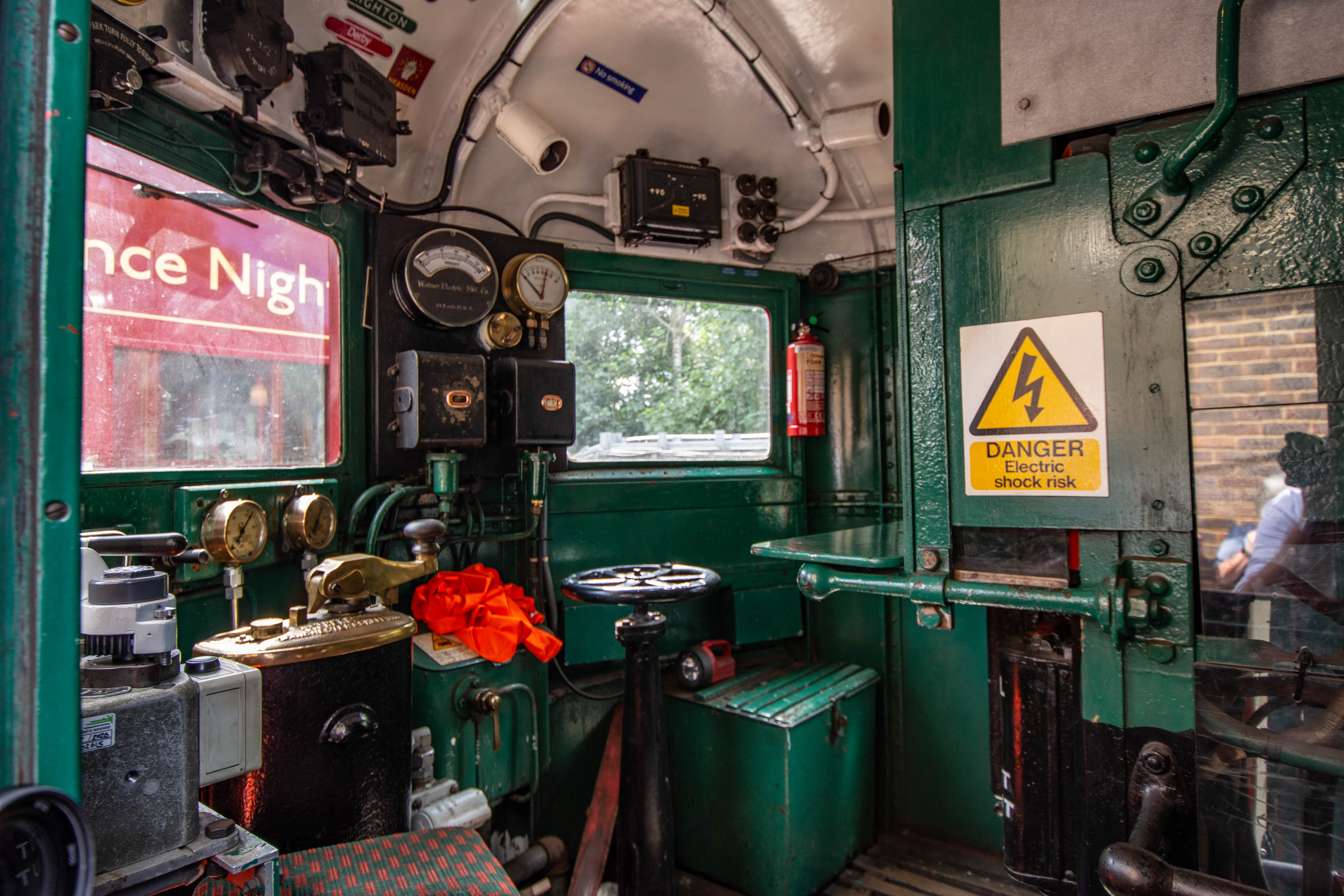
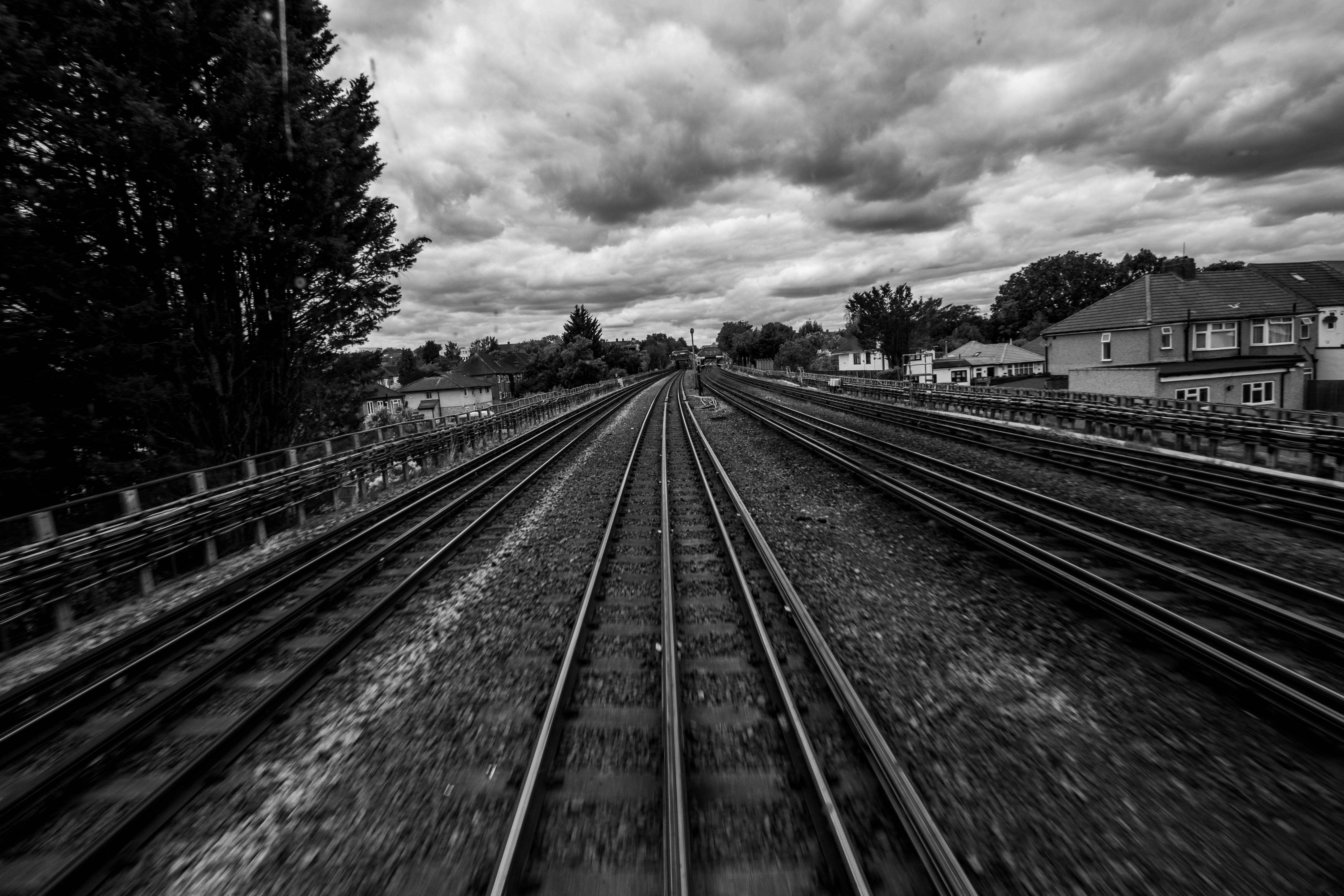
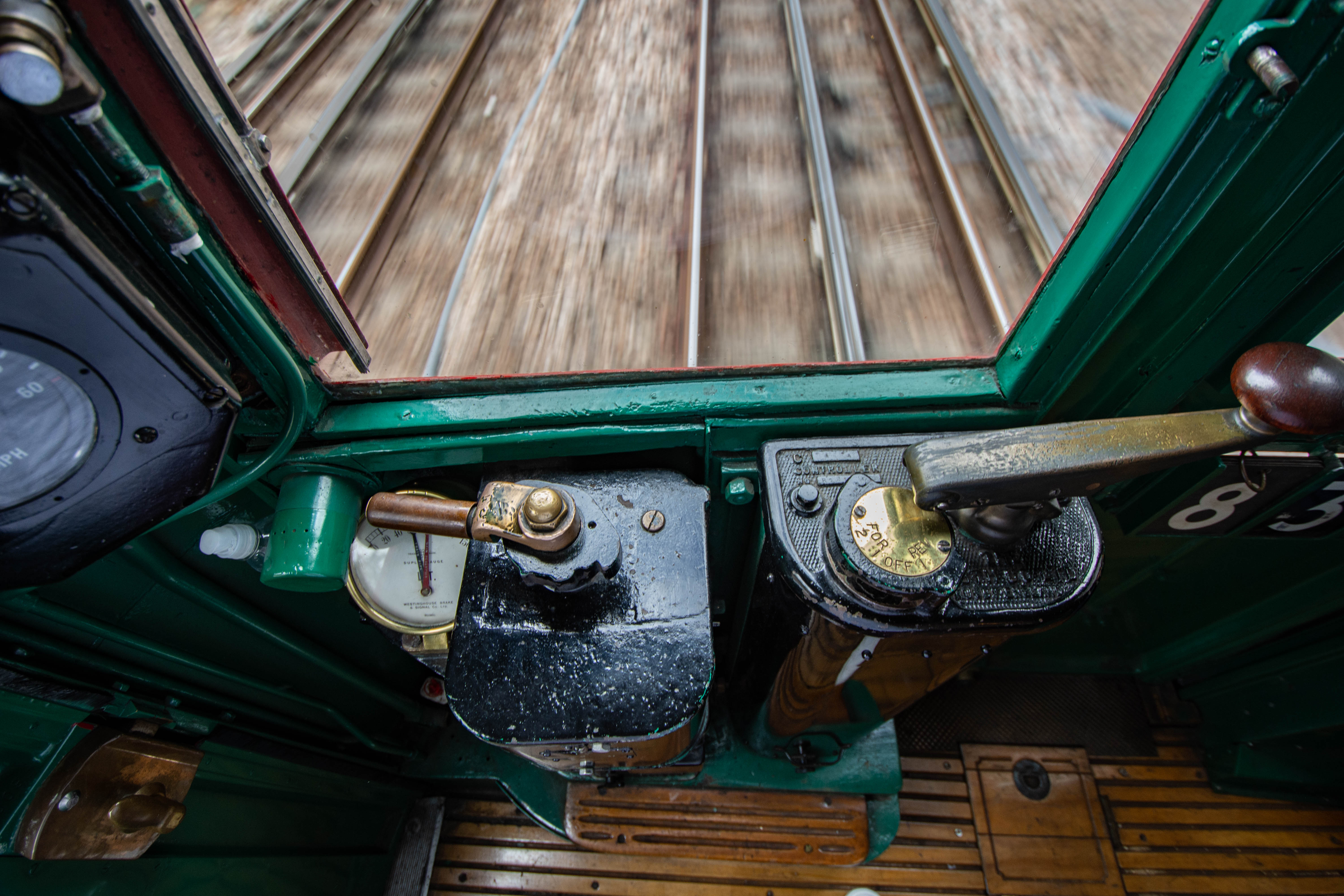
On the return journey back to Amersham, we are in for a treat as the rear cabin door is left open for passengers to hop in and get a view of the track which is only normally seen by drivers. When you consider the controls in the cabin here and compare with the steam equivalent, you can see why picking up the skill of driving was so much quicker. Not to diminish anyone’s job, but there are quite literally just a few levers to make the train go backwards and forwards and only a few read out dials to reports on speed, pressure etc. Nothing compared to the complexity of a pannier tank for example.
We arrive back at Amersham and I enjoy watching the service set off again with the next group of passengers. I thoroughly enjoyed the day and it was a privilege to have the chance to travel in not one but two rare forms of motive power on this section of the network. These events only come up once or twice a year so I highly recommend that you jump at the opportunity when they do.