It’s a blazing hot day in July and as part of a wider trip to Northumberland, we find ourselves at the Tanfield Railway. The Tanfield Railway is a special one as it is the worlds oldest railway and can trace its history right the way back to 1725. This is a whole century before the famous Stockton and Darlington Railway so of course it predates the birth of the locomotive as we know them but the history is fascinating. The line was built to transport coal from the collieries in the area down to the River Tyne but the wagons were not hauled by locomotives originally.
- 1725 – 1837: At the beginning of its life, this was a horse-drawn wooden wagon-way to transport coal from North Durham collieries to the River Tyne at Redheugh. The rails were wooden, typically topped with a layer of beech wood. Coal pits were spread out along and just beyond the length of the line, and the wagon-way served all of them. The coal pit location was not linear to the line, and were actually spread out in a radial fashion. As a result, the service lines to those pits formed a sort of arterial network and there is a great image in the book ‘The First Railways’ by Derek Hayes on page 21 which illustrates this.
- 1837 – 1840: Conversion of the railway to standard gauge steel rails began in 1837. Horses were replaced on the steeper gradients of the line (such as the Causey inclines) with a stationary steam engine which operated cable winding equipment to haul the wagons. Horses were still used during this time on the level sections of the line.
- 1881 – 1960: The North Eastern Railway modernised the line, replacing the horses and stationary engines with steam locomotives to continually haul loads along the line. This continued until the 1960s when the last collieries closed in the area. Following this closure, the line served no purpose and carried few passengers. The closure of those collieries ultimately led to the closure of the railway in 1964.
Sunniside
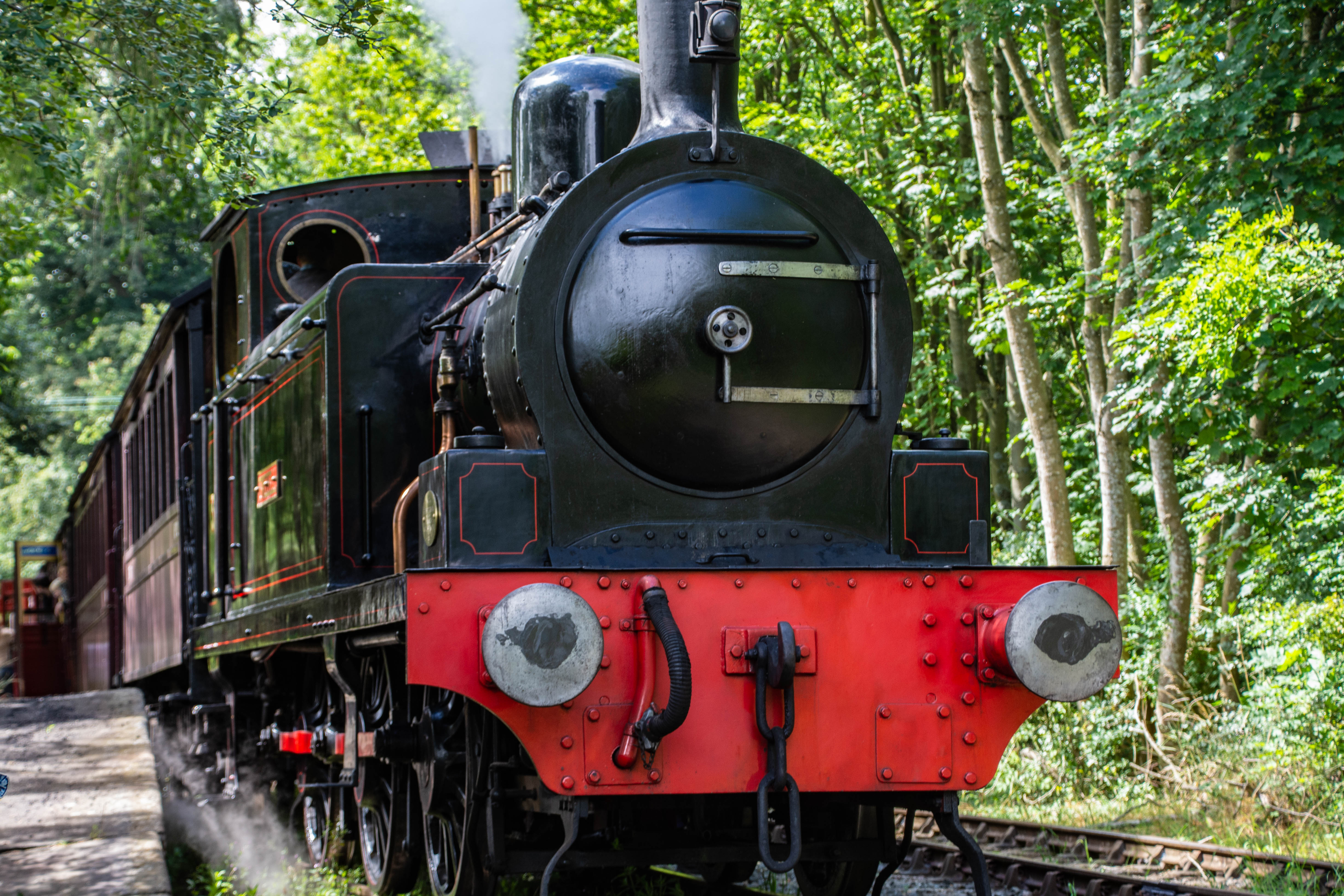
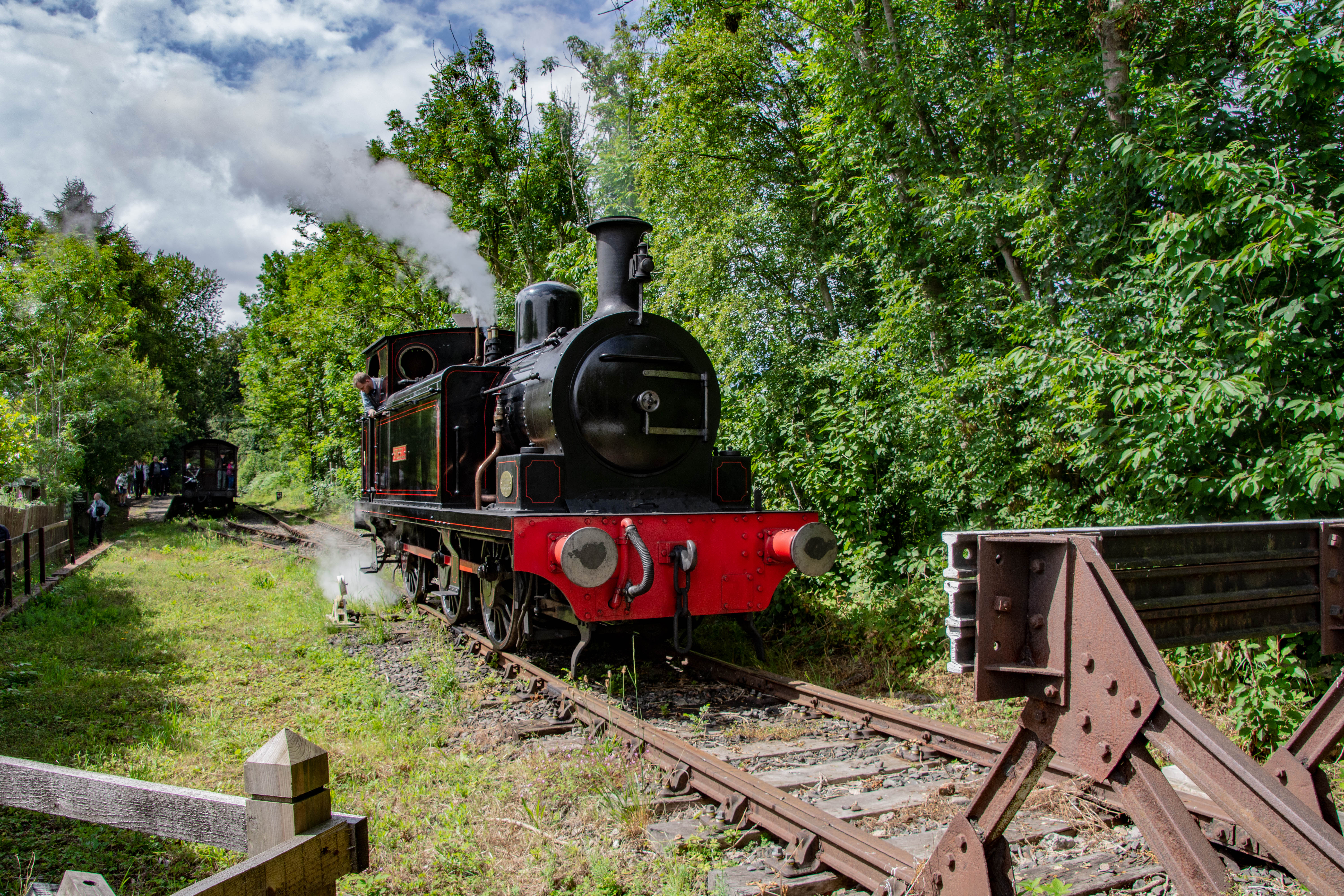
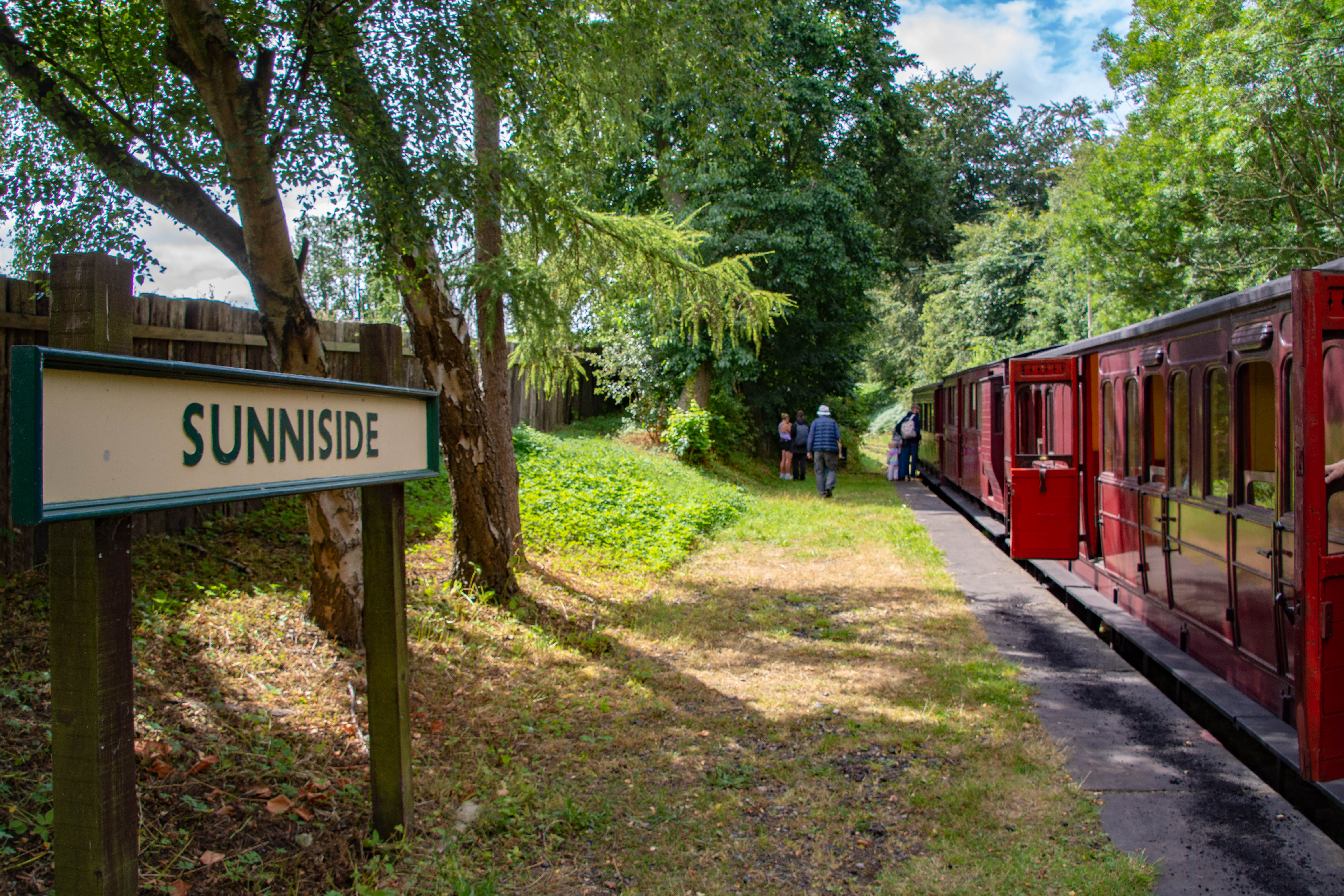
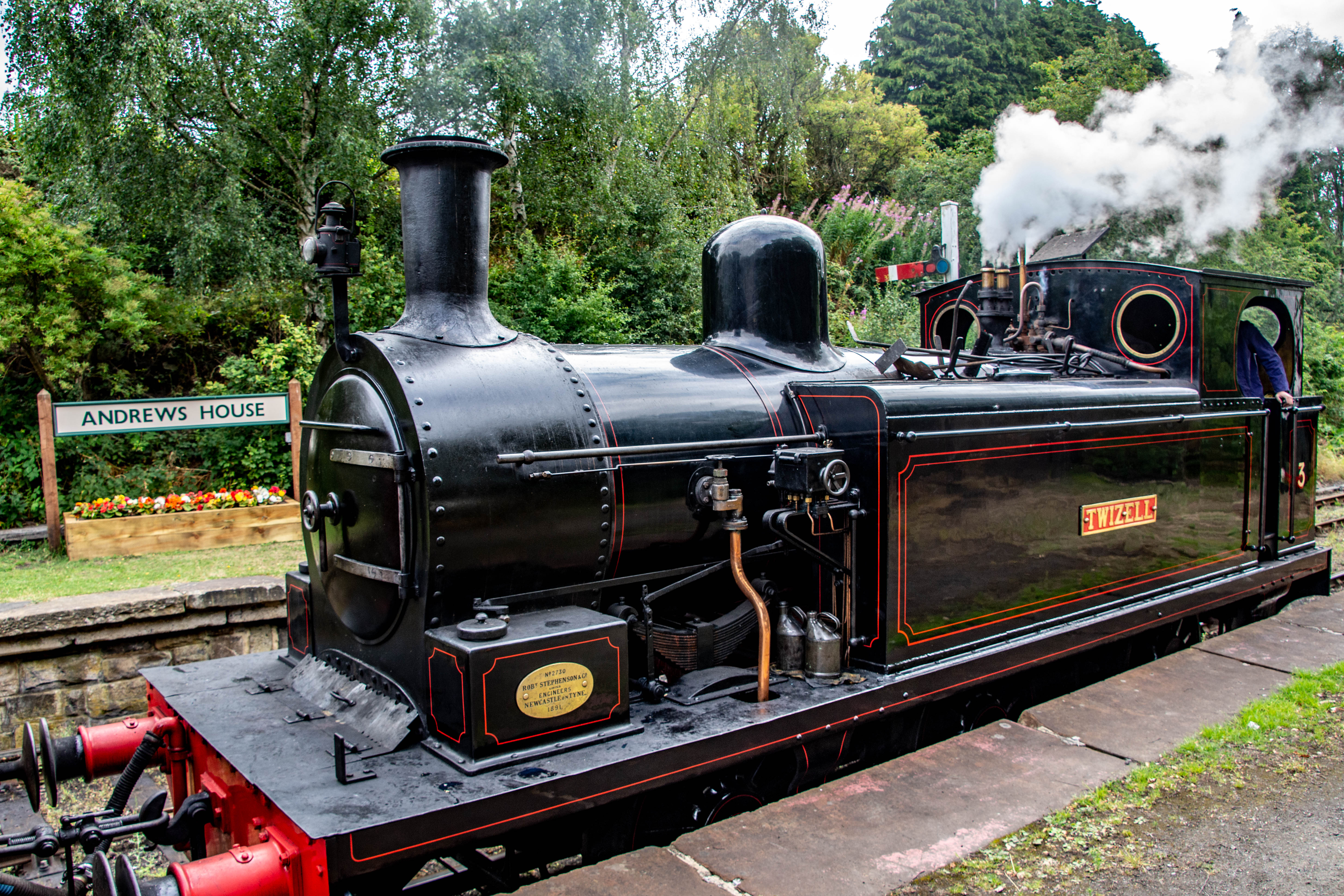
Sunniside is the northern terminus of the railway. There is very little at Sunniside apart from a run-around loop for the locomotives. There are no station buildings and a very simple grass-topped platform. The platform drops down to ground level in order to allow pedestrian access across the road which runs perpendicular to the railway behind the buffers. This offers excellent views of the locomotive as it runs around, which today is 0-6-0T 2730 ‘Twizell‘. Originally built in 1891 for use on the Beamish Railway, she came to the railway following withdrawal from use in 1972, meaning she never actually hauled any freight or passenger services prior to this date at Tanfield. The carriages used today are an interesting mix. Some of these are authentic Victorian and Edwardian coaches but some are custom open-balcony carriages which have been built on the chassis of former GWR vans and feature open-air balconies that give passengers views along the line. It’s not long before the train is on its way again, heading south.
Marley Hill
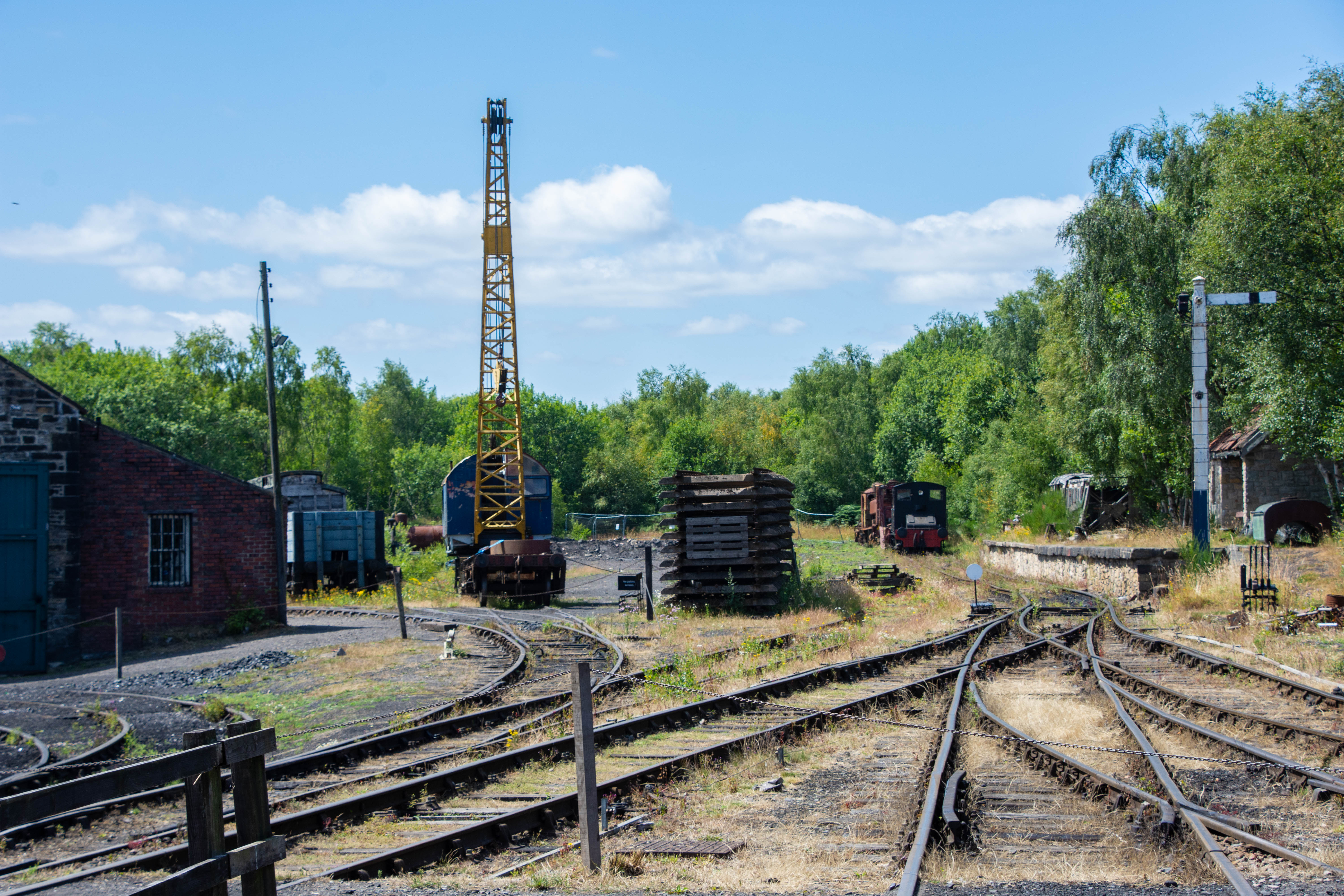
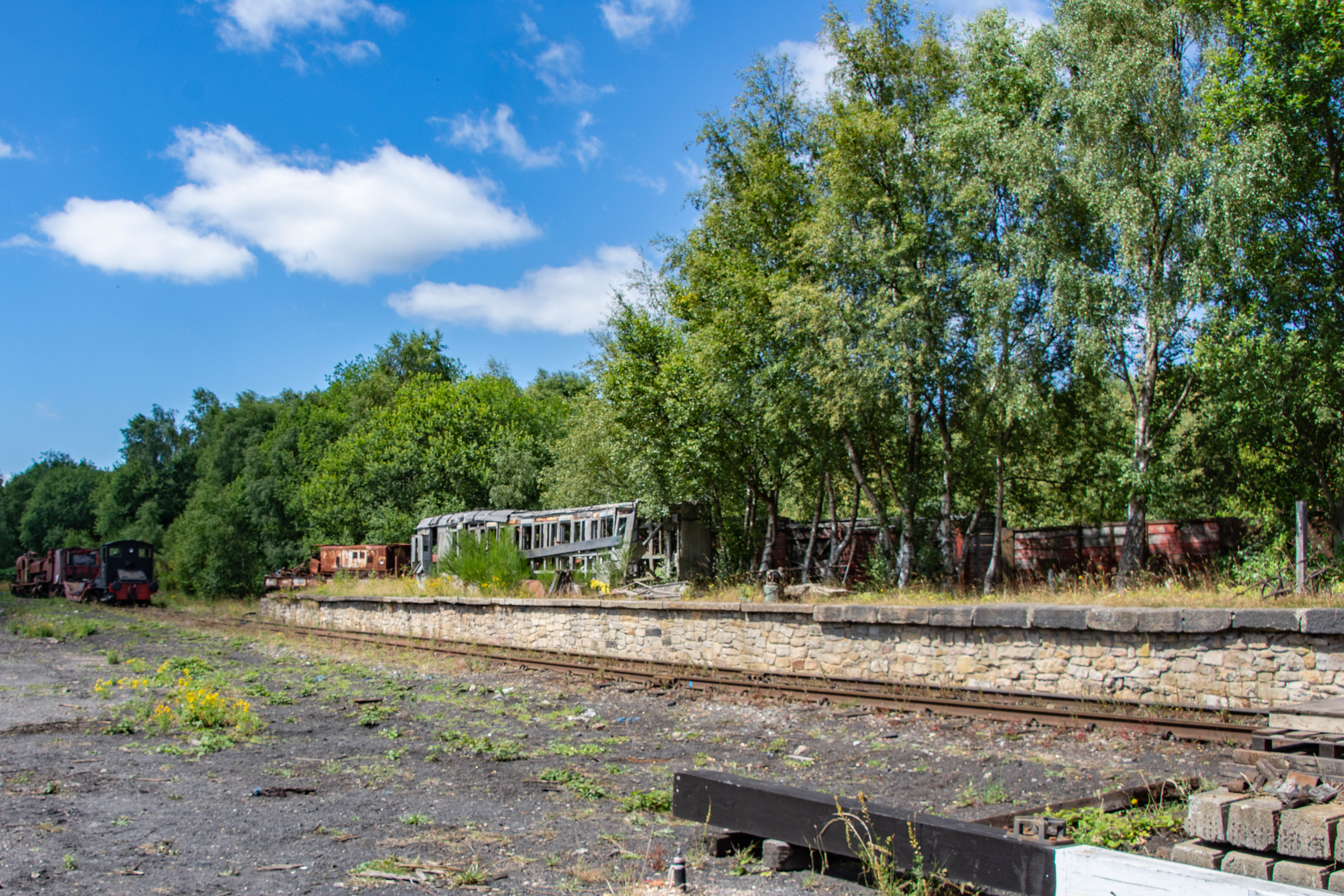
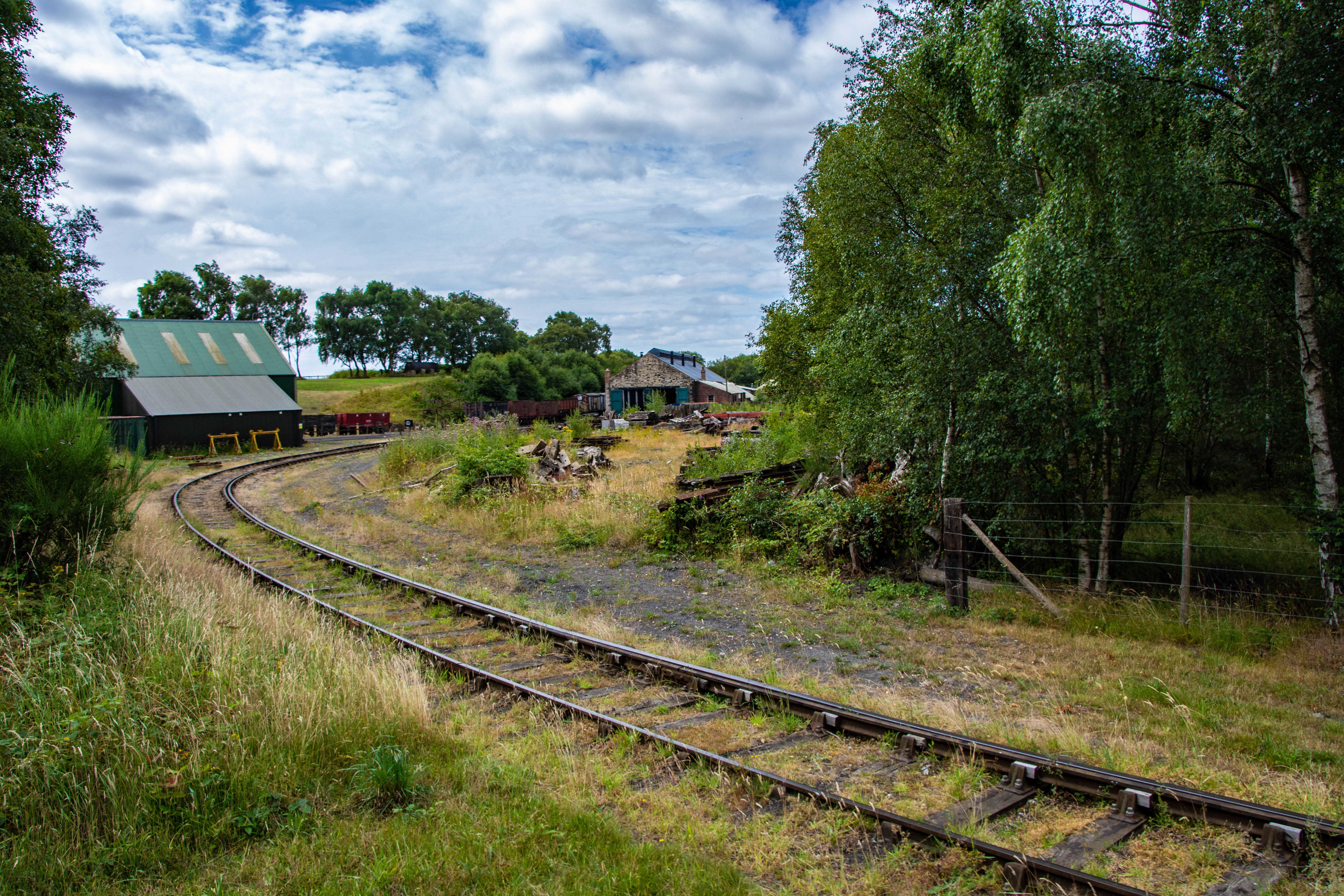
Marley Hill is the main HQ of the railway today and houses the locomotive and carriage sheds. There is no station here at Marley Hill and throughout its industrial life it has operated purely as a depot. When volunteers began passengers operations again, a simple platform named Marley Hill Station was constructed around 1977. This served as the initial northern terminus for early passenger shuttle trains. After Andrews House station was built in 1987-89, this took over as the main passenger stop for visiting the site. The original Marley Hill platform was then later retired for passenger use but it still survives to this day and can be seen when walking around the yard. Below you can see images of the platform at Marley Hill and the line which connects it to main line which would go to Sunniside.
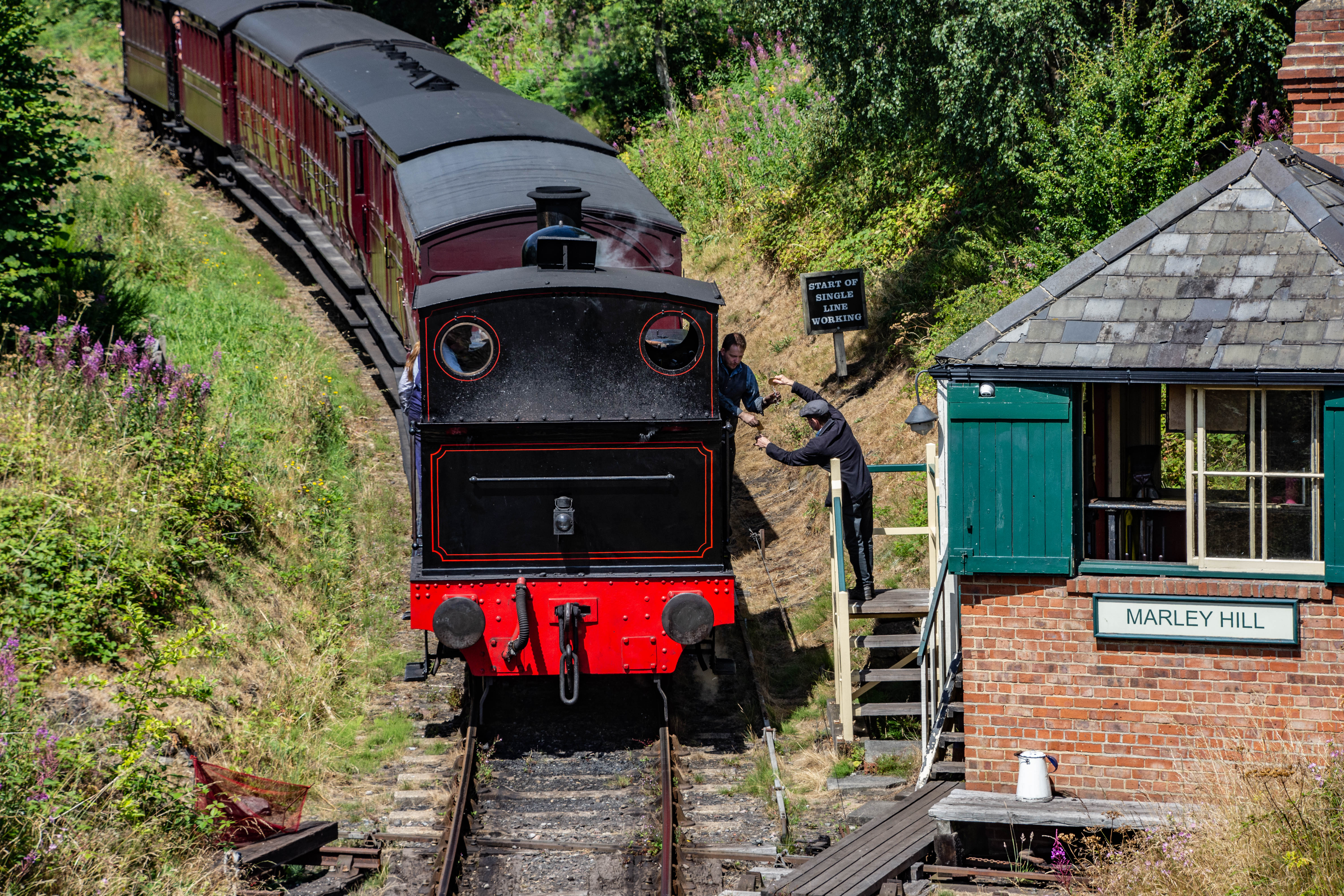
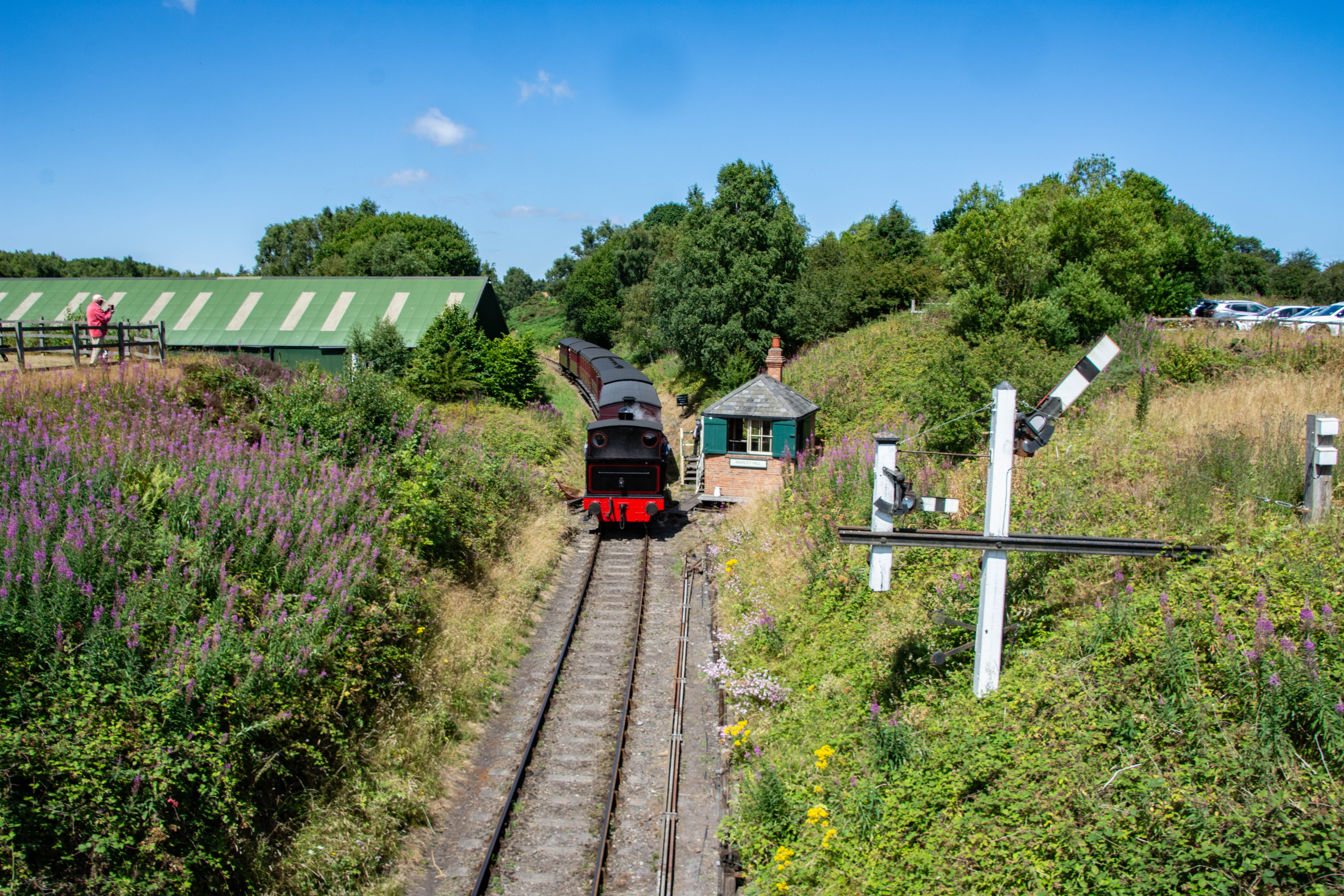
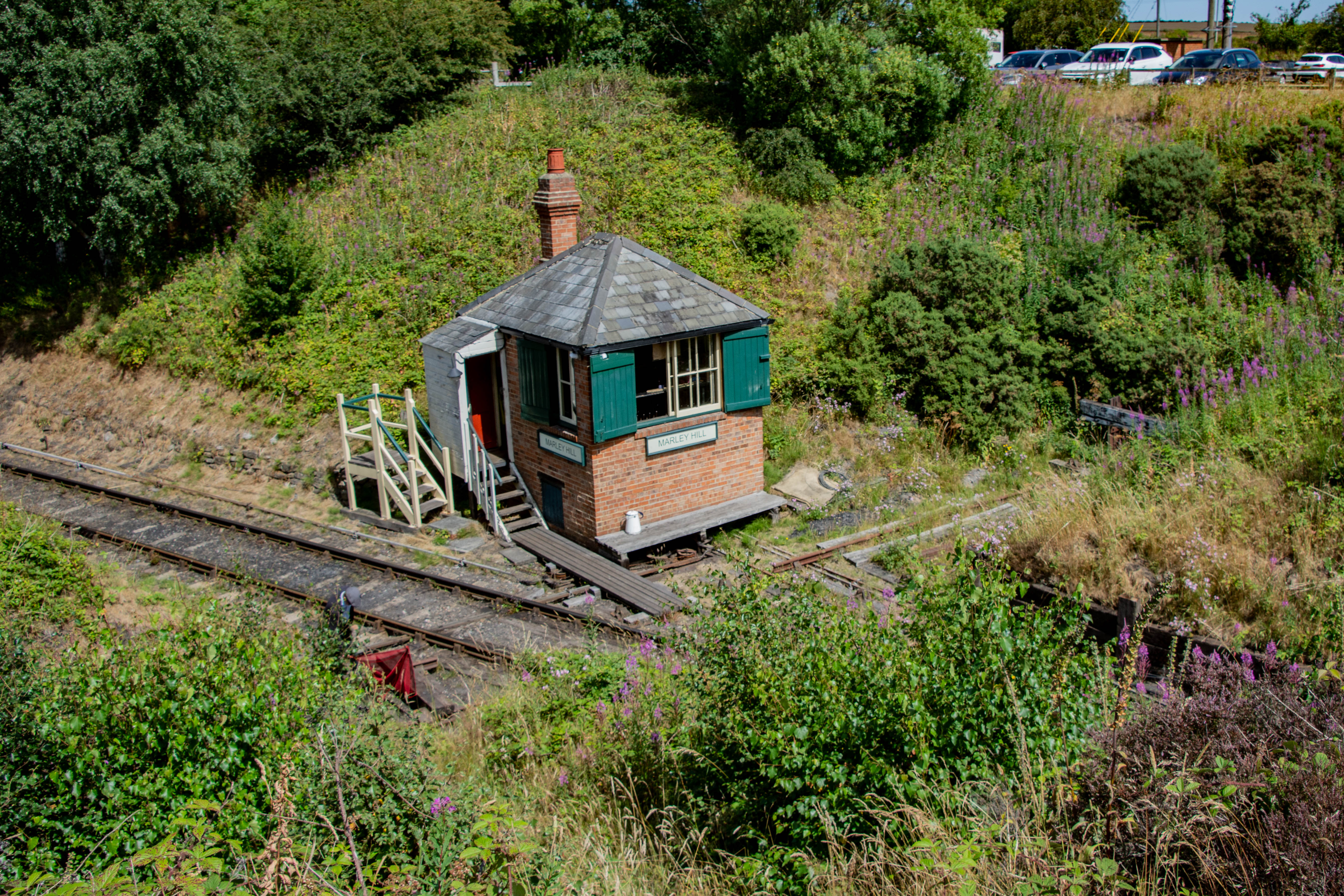
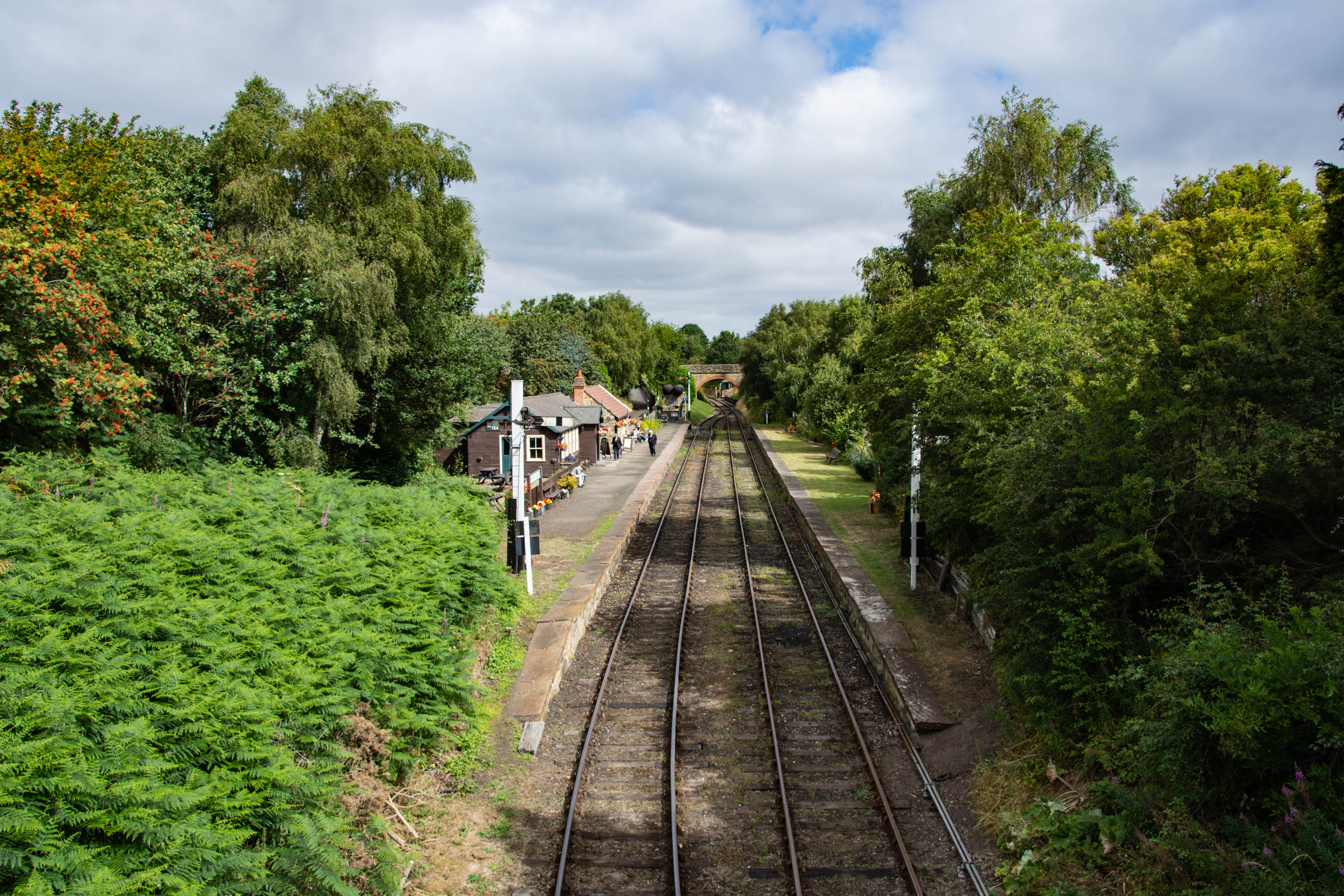
Marley Hill was also a strategic crossing point where the east-west Bowes Railway route met the north-south Tanfield Wagon-way branch. Movements were controlled by Marley Signal Box which has been restored on its original foundations. Today we can see an exchange of line tokens as just beyond the footbridge where these images are taken from, Andrews House station is situated. We can also see where the Bowes Railway bisected the Tanfield Railway which be clearly observed from the images below. There is a cross over point but the rails run for almost no distance at all until they are cut altogether. It’s great to see that the original junction is still preserved, even if the Bowes Railway is long since gone.
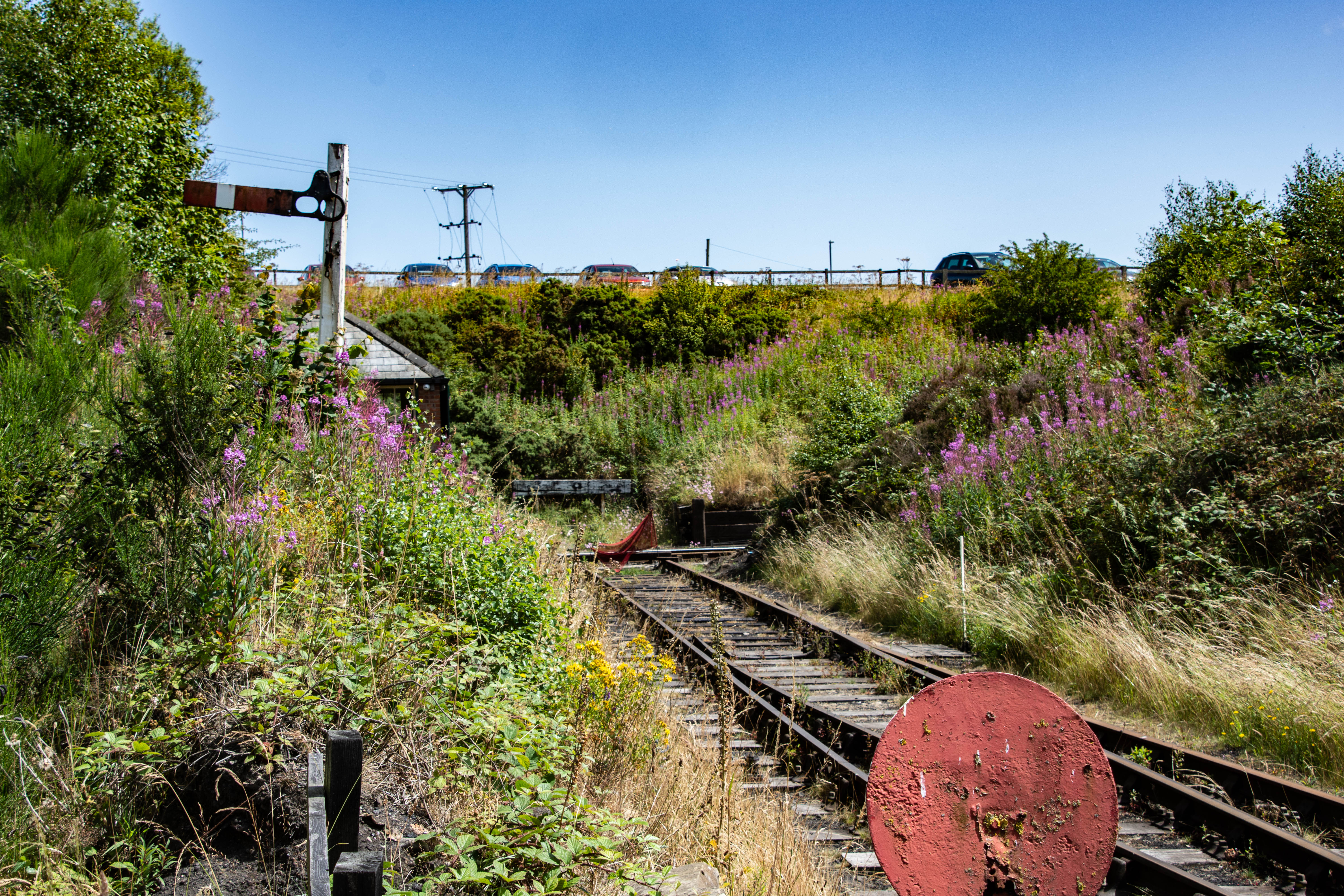
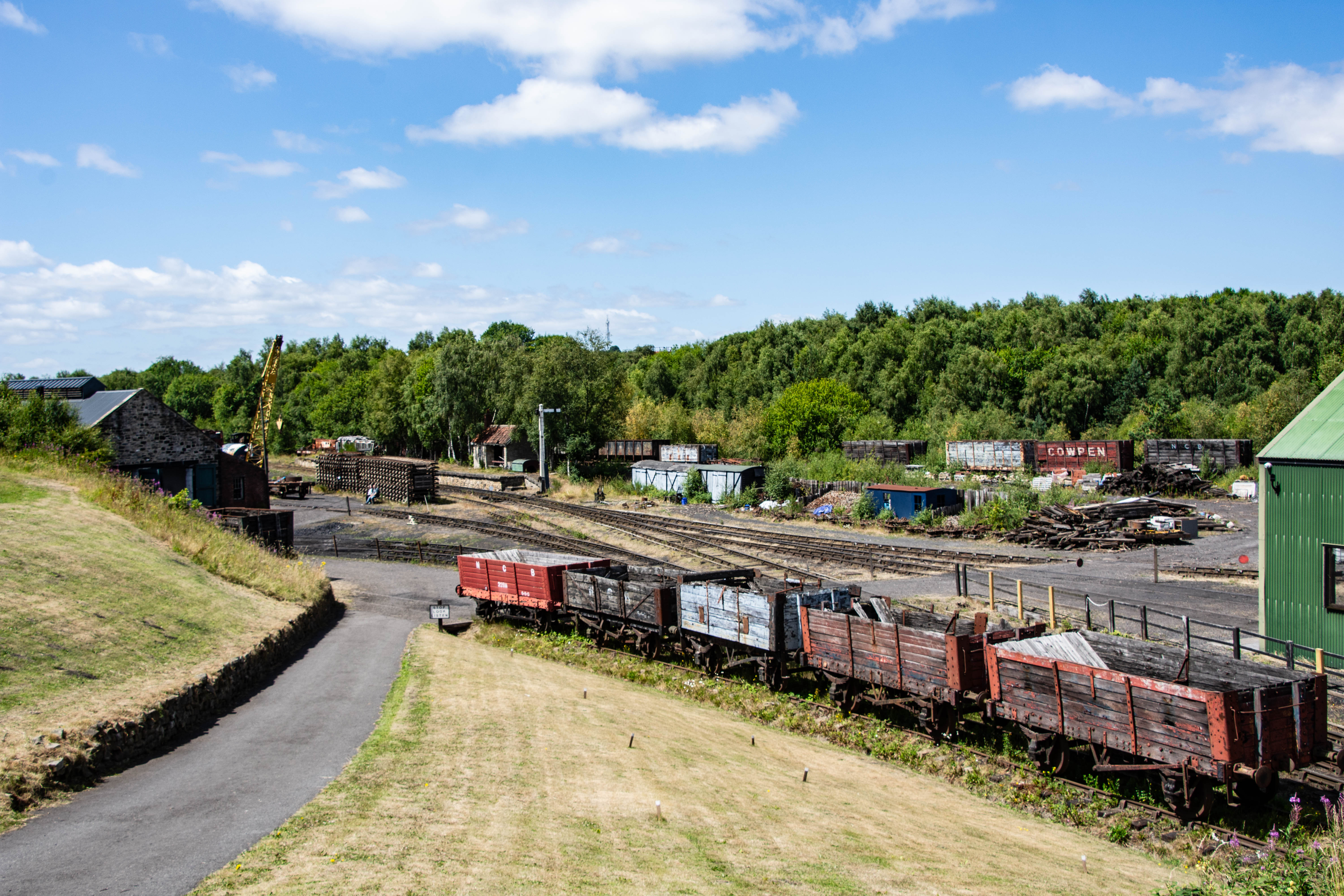
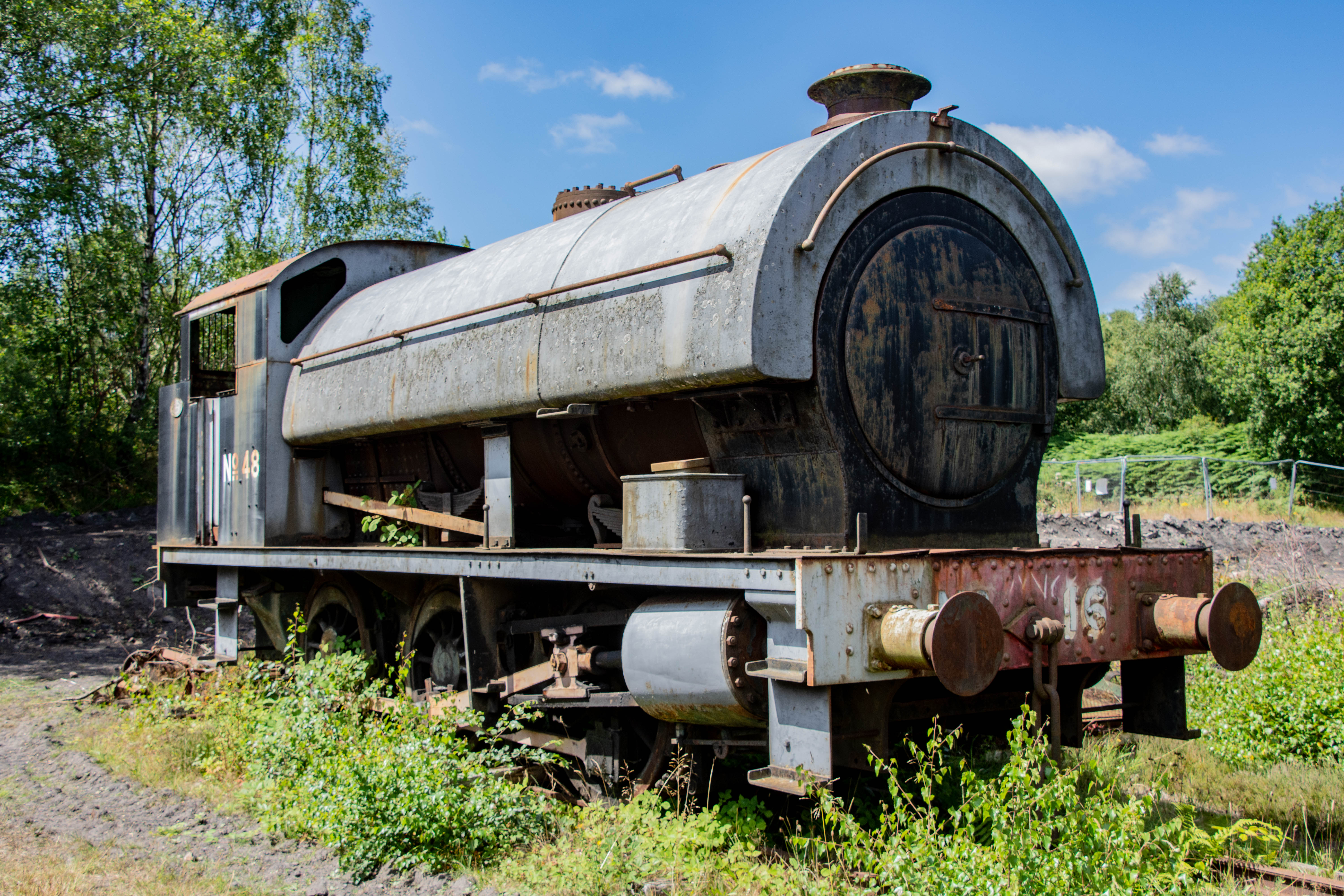
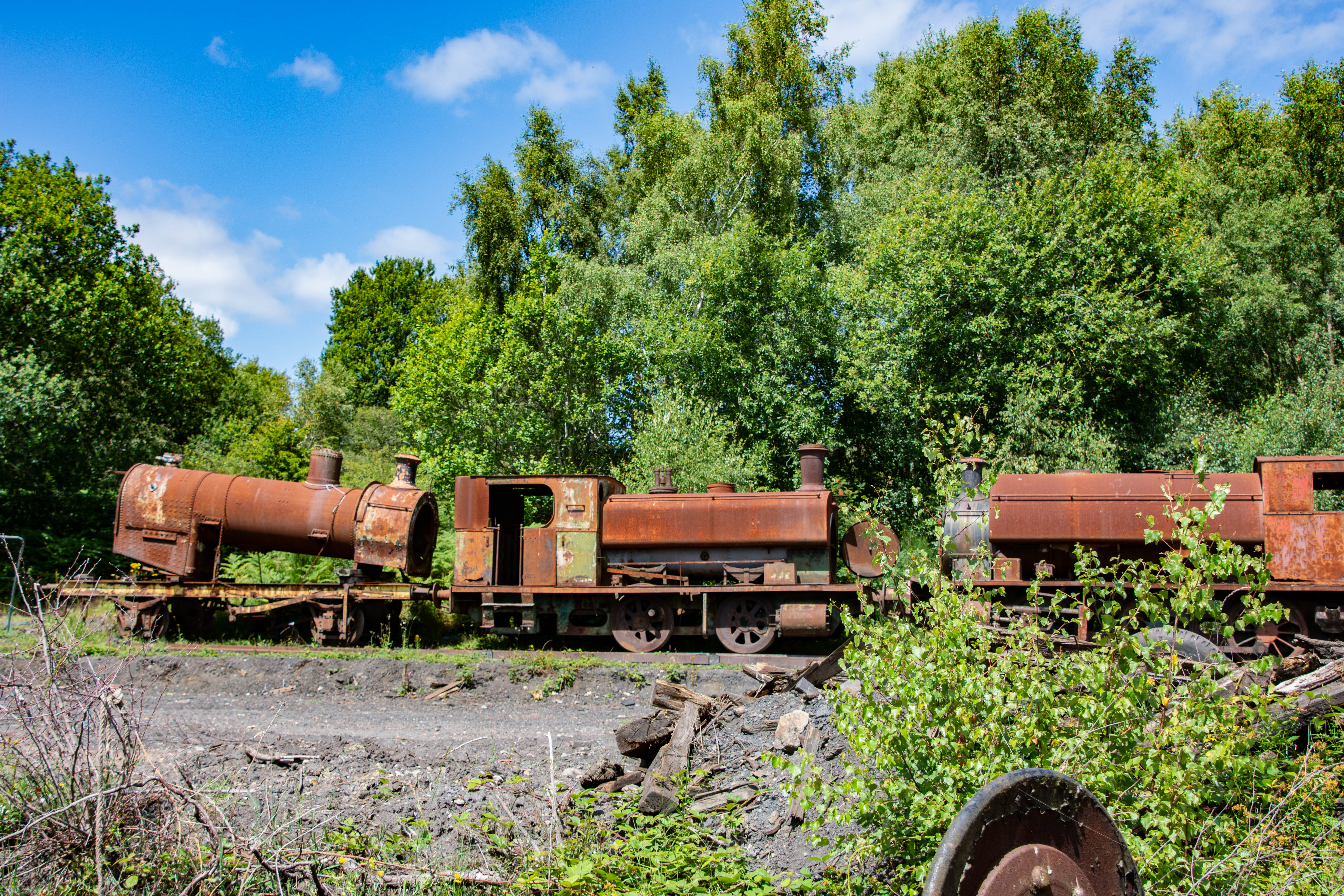
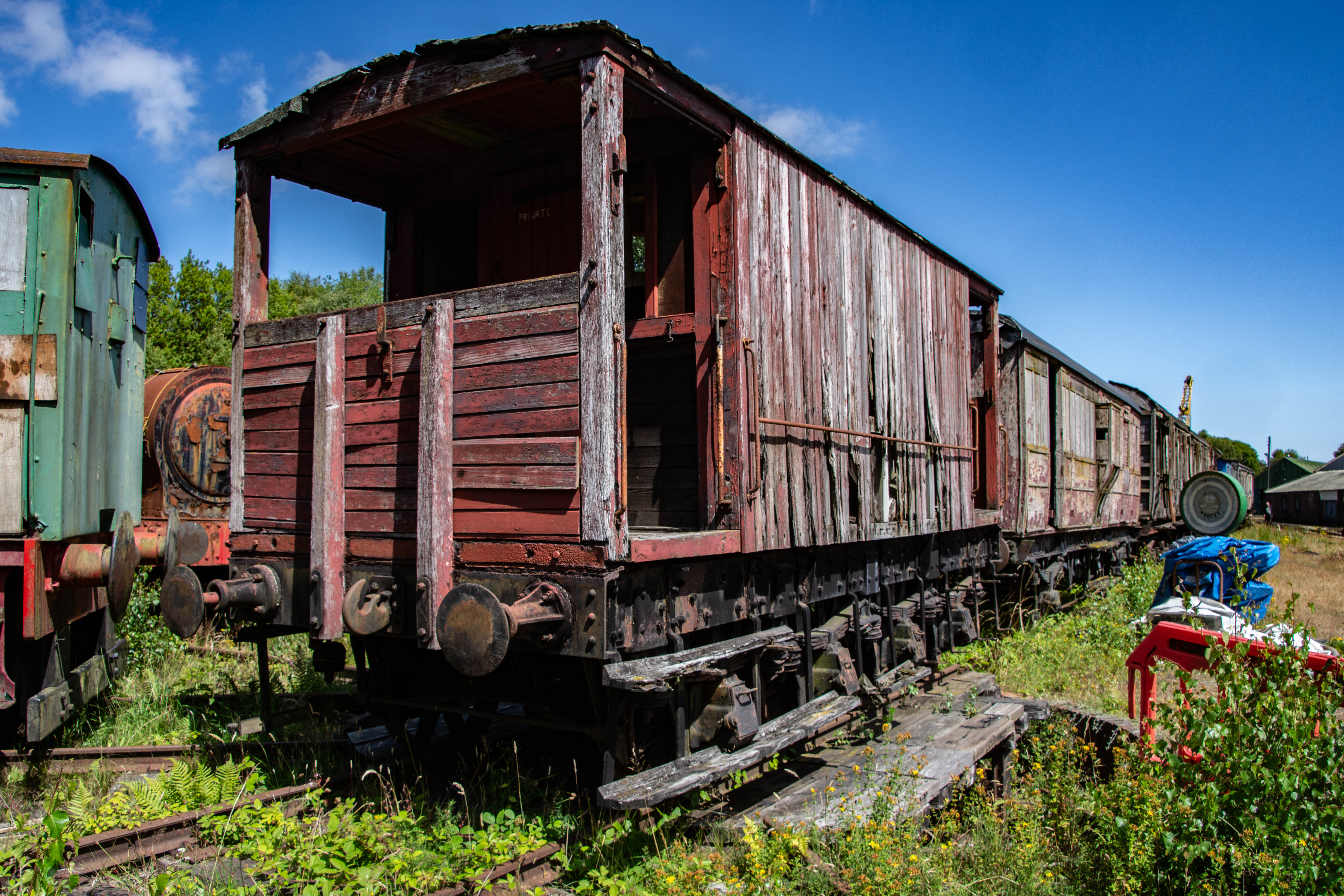
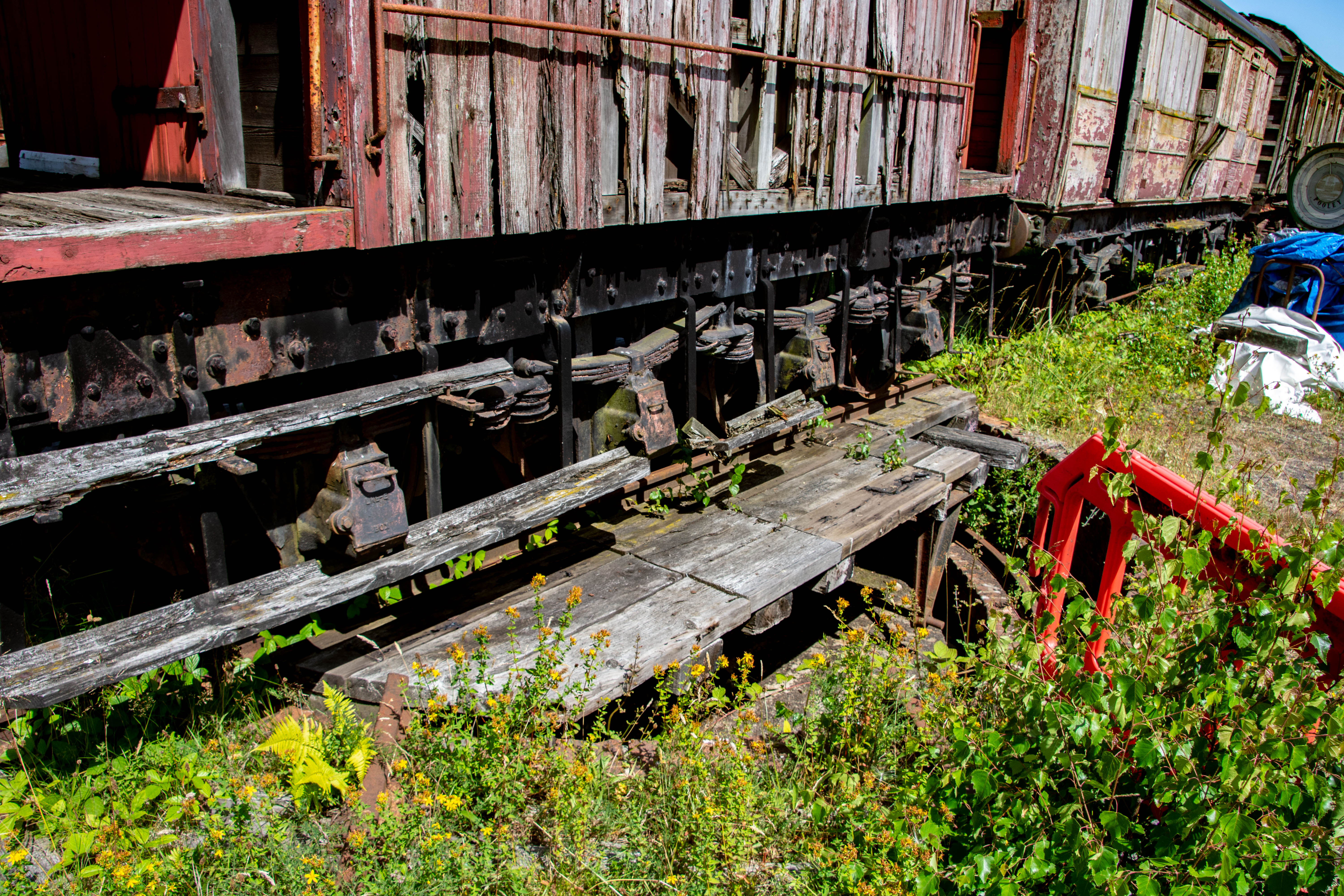
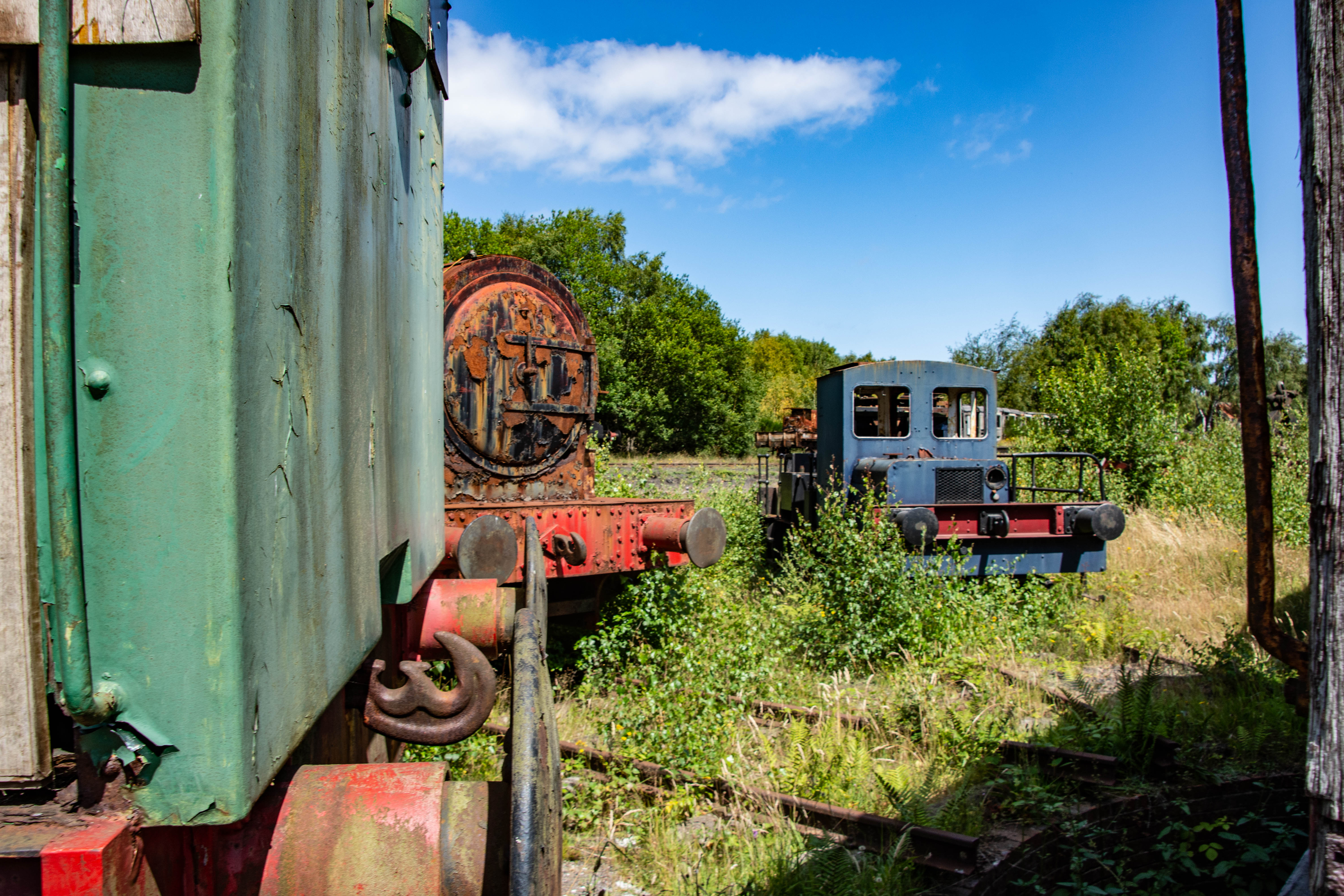
Taking a walk around the yard at Marley Hill and it dawns upon me how much I underestimated the size of it. It keeps on opening up around each building corner but what also surprised me was the sheer amount of rolling stock and locomotives waiting in the wings waiting to be restored. The collection is very much a representative picture of industrial heritage of the North East over the years. I was not expecting to see some actual old wooden coal wagons which would have been used in the early days of the line here and possibly some of those which were horse-drawn on wooden rails. The chances of these being original are incredibly slim and are most likely a replica.
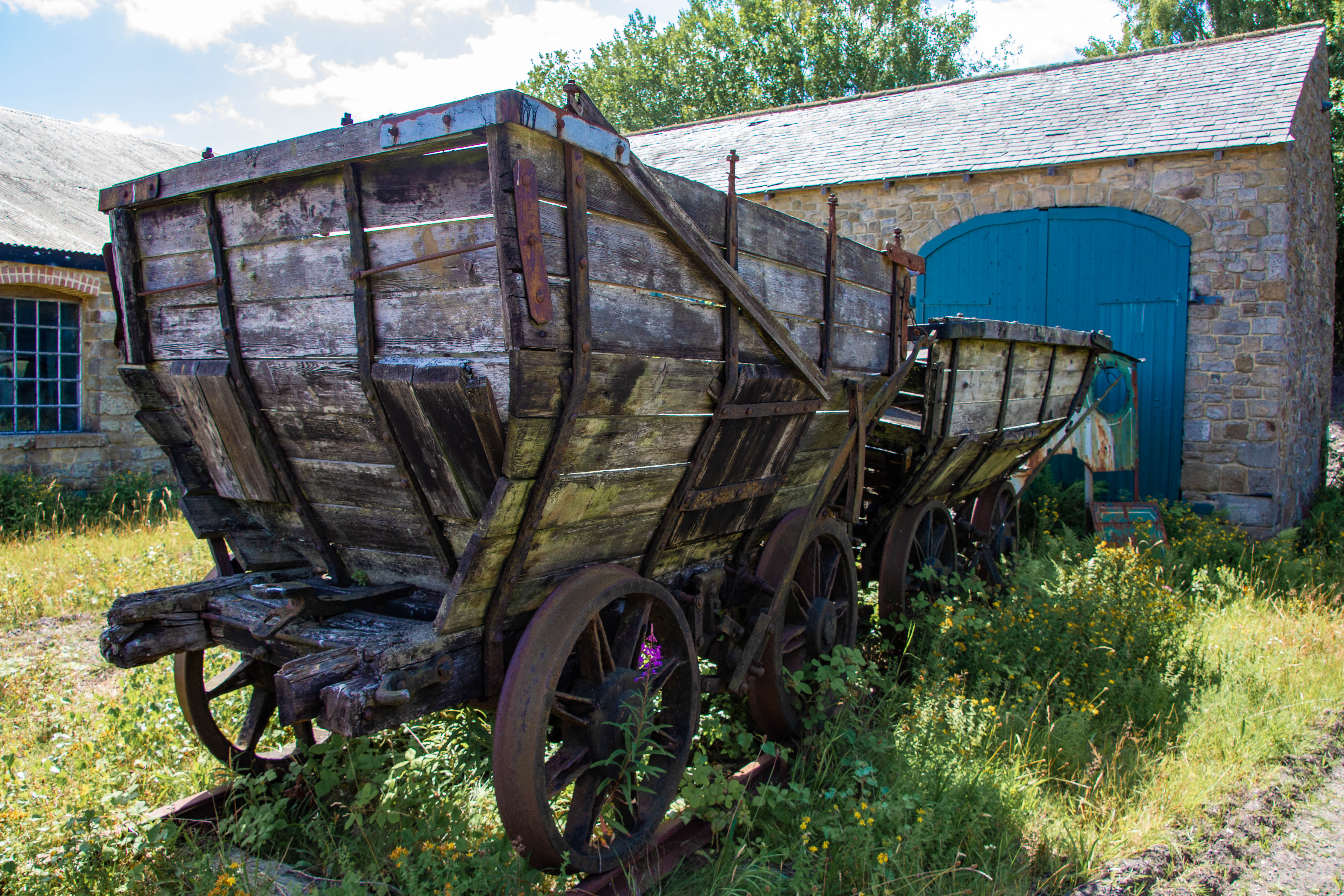
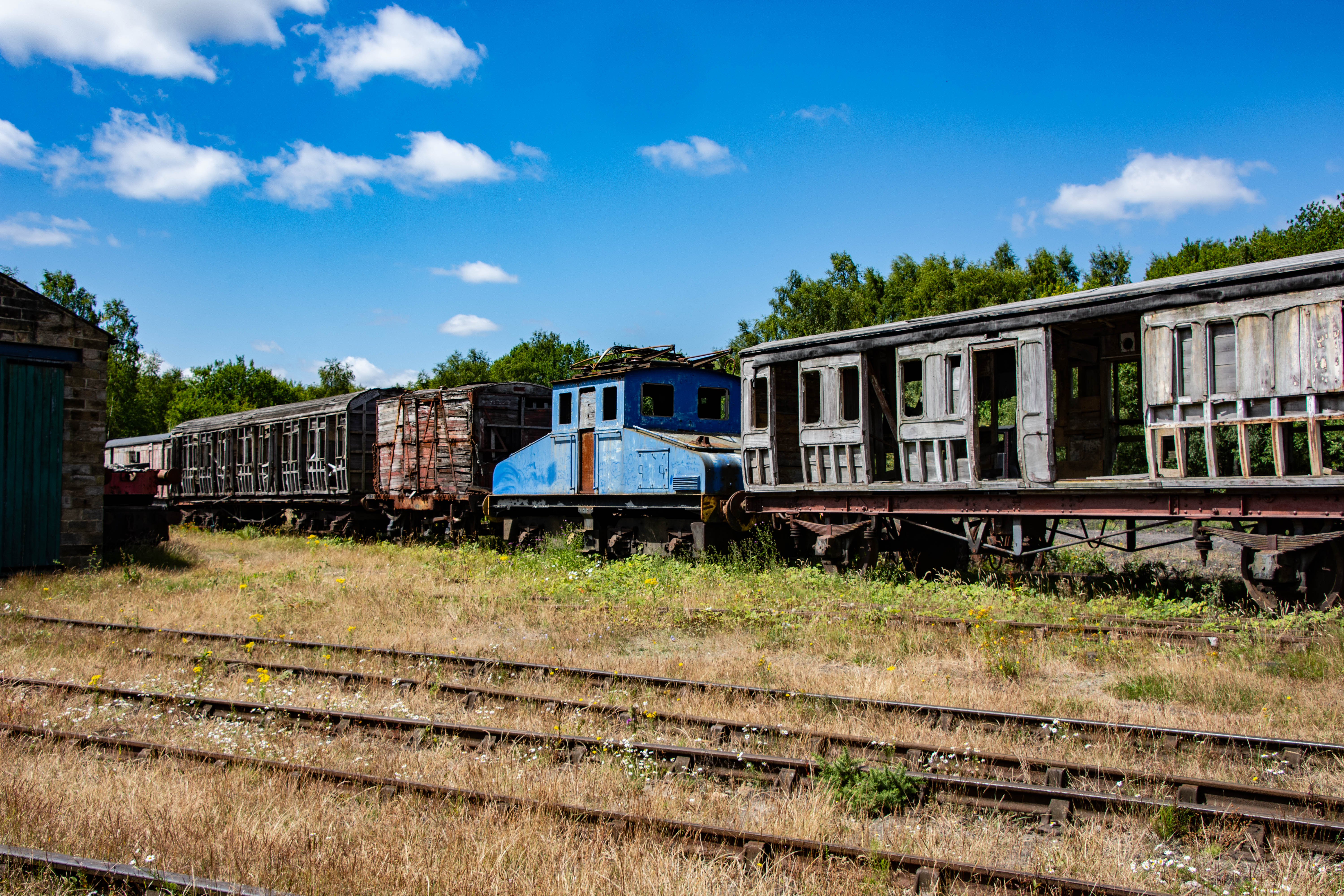
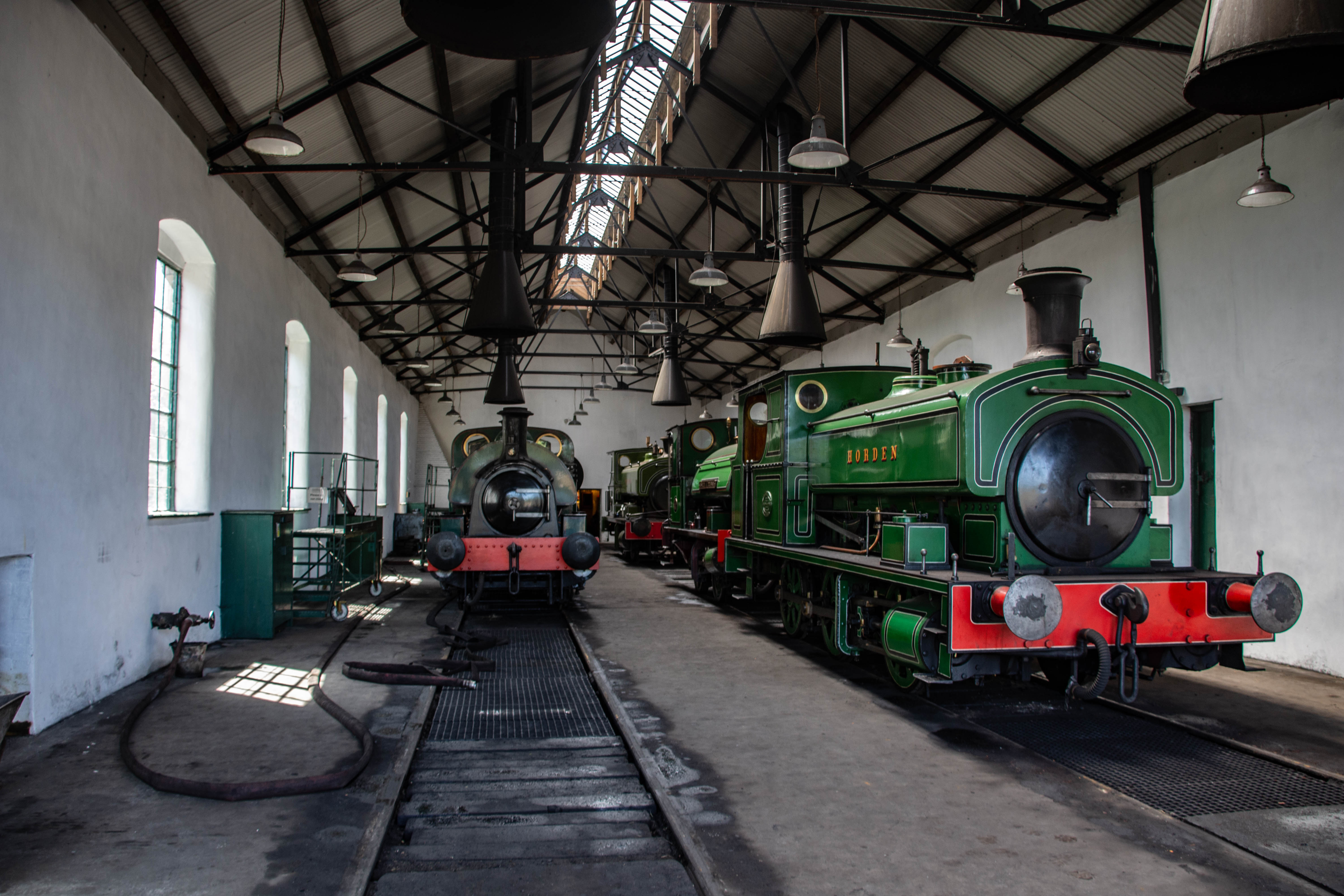
Hidden among the overgrown weeds, you may just miss it if you looked from a distance but up close to this guards van but there is a very small wooden turntable which has seen much better days. Given that there are tracks which surround the turntable in all directions and each one of those tracks has a locomotive or carriage on it, I can only assume that despite its appearance, this manually operated turntable may actually still be usable. It’s anyone’s guess when it was last tried though.
Andrews House
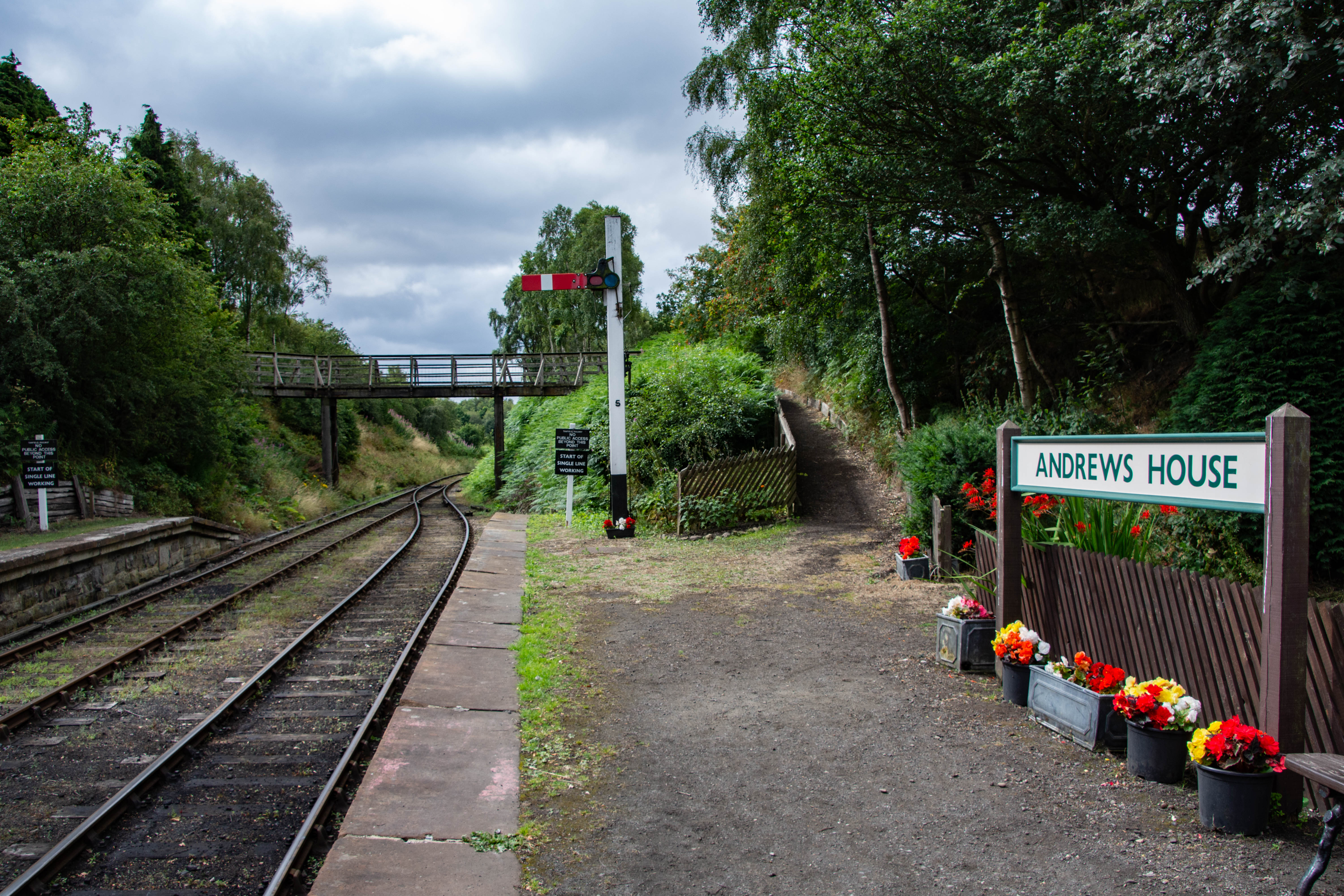
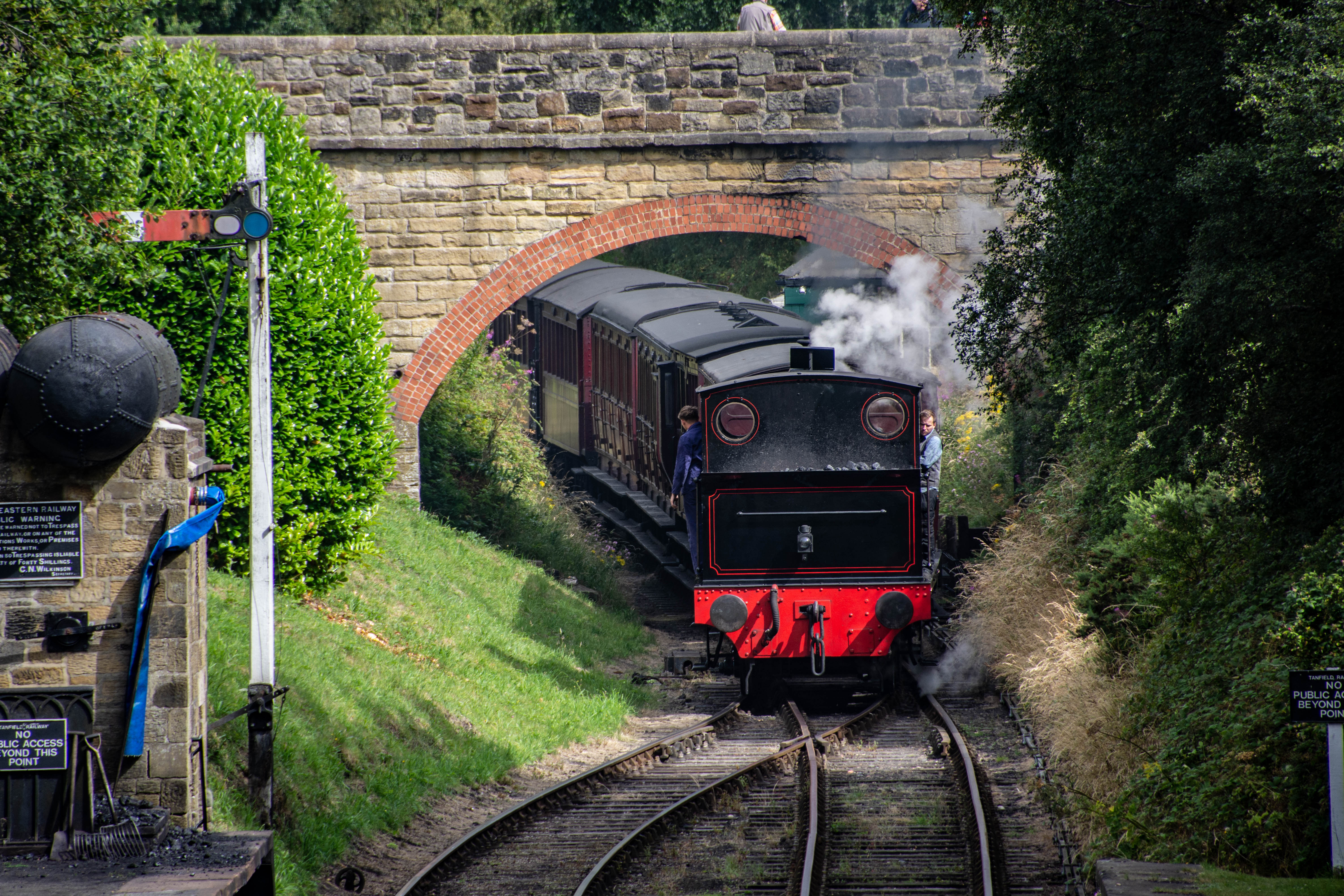
Just beyond Marley Hill is the main passenger station of the line, Andrews House. This was built between 1987 and 1989. Prior to preservation, this station never existed as the railway was built to almost executively haul coal; there just simply wasn’t a need. In the years of preservation though, that requirement changes and a need arises for a dedicated central station in order to handle passengers, ticketing and train operations. The station has been deliberately constructed to replicate what a typical early 20th century North Eastern railway station would have felt like, utilising traditional stone, a water tower and period enamel signage. This station is a baby on the national stage when it comes to these sorts of railways, but I think we can all agree that the volunteers have done a fantastic job in capturing the spirit and essence of the era.
Causey Arch
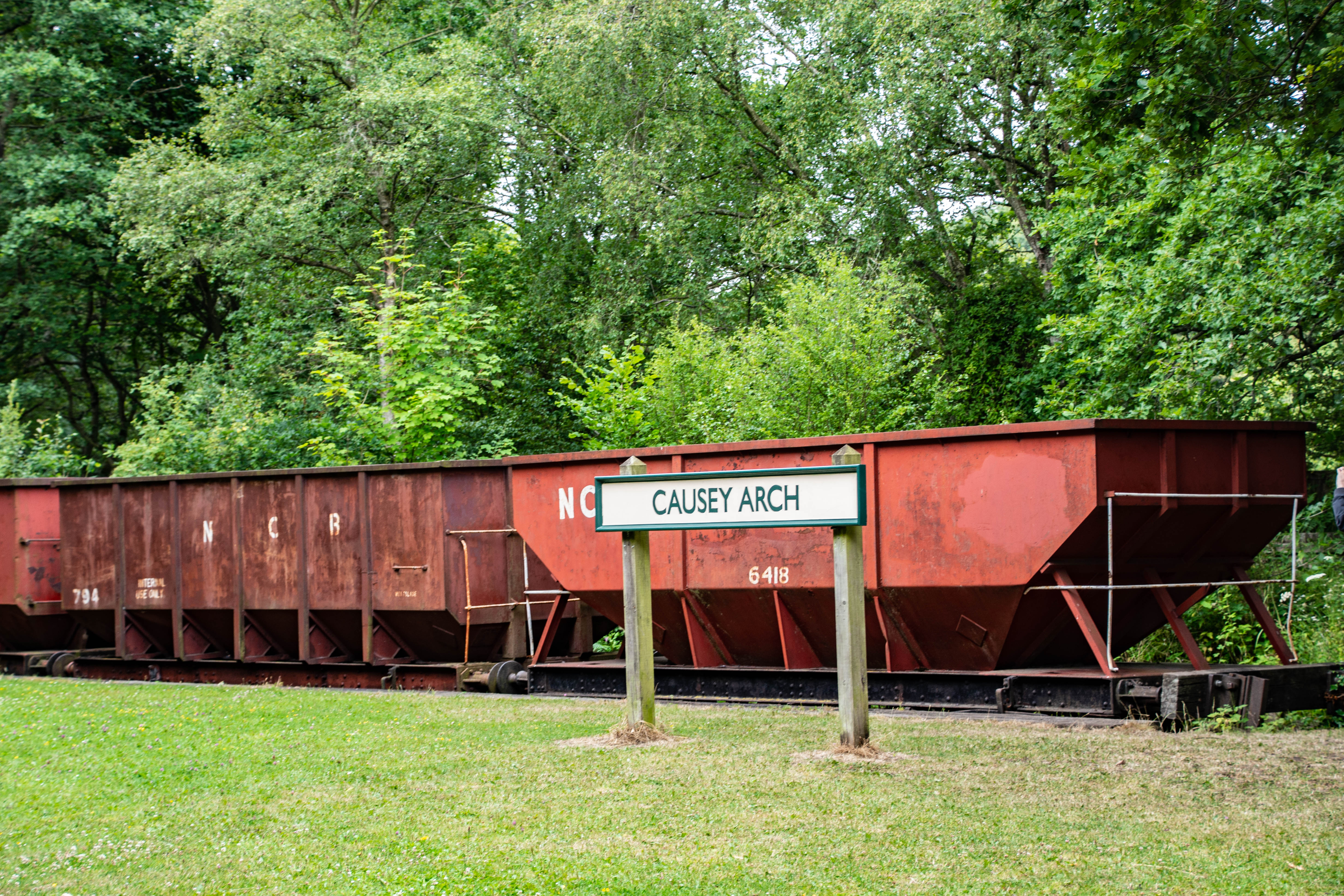
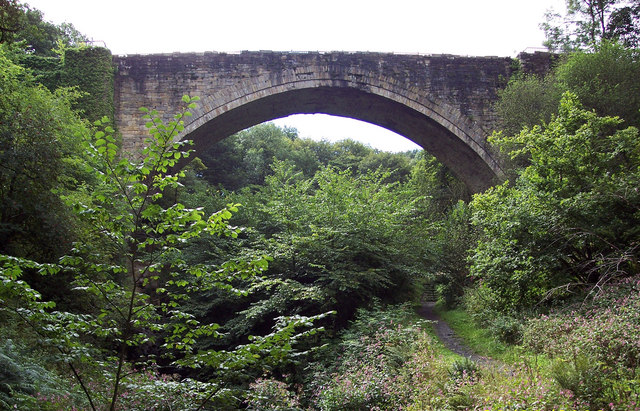
Causey Arch Station is a simple halt along the line but it is named so as it is located just 50 yards from the Causey Arch, which is recognised as the world’s oldest surviving single-arch railway bridge. Once upon a time in the days of the wooden wagonway, the double line would have traversed this arch which spans the Causey Burn that runs beneath it, however use of the arch declined in 1739 when the Tanfield Colliery was destroyed by fire. By the late 18th century, the track was diverted onto a massive earth embankment constructed nearby across the valley, which the current day line runs along. Regrettably I didn’t disembark here to see the arch but I have attached a picture below available from Wikimedia Commons. Credit to Trish Steel for the original picture. The original wagonway from the arch survives today as a walkable path and will lead you down to East Tanfield station.
Bobgins Crossing
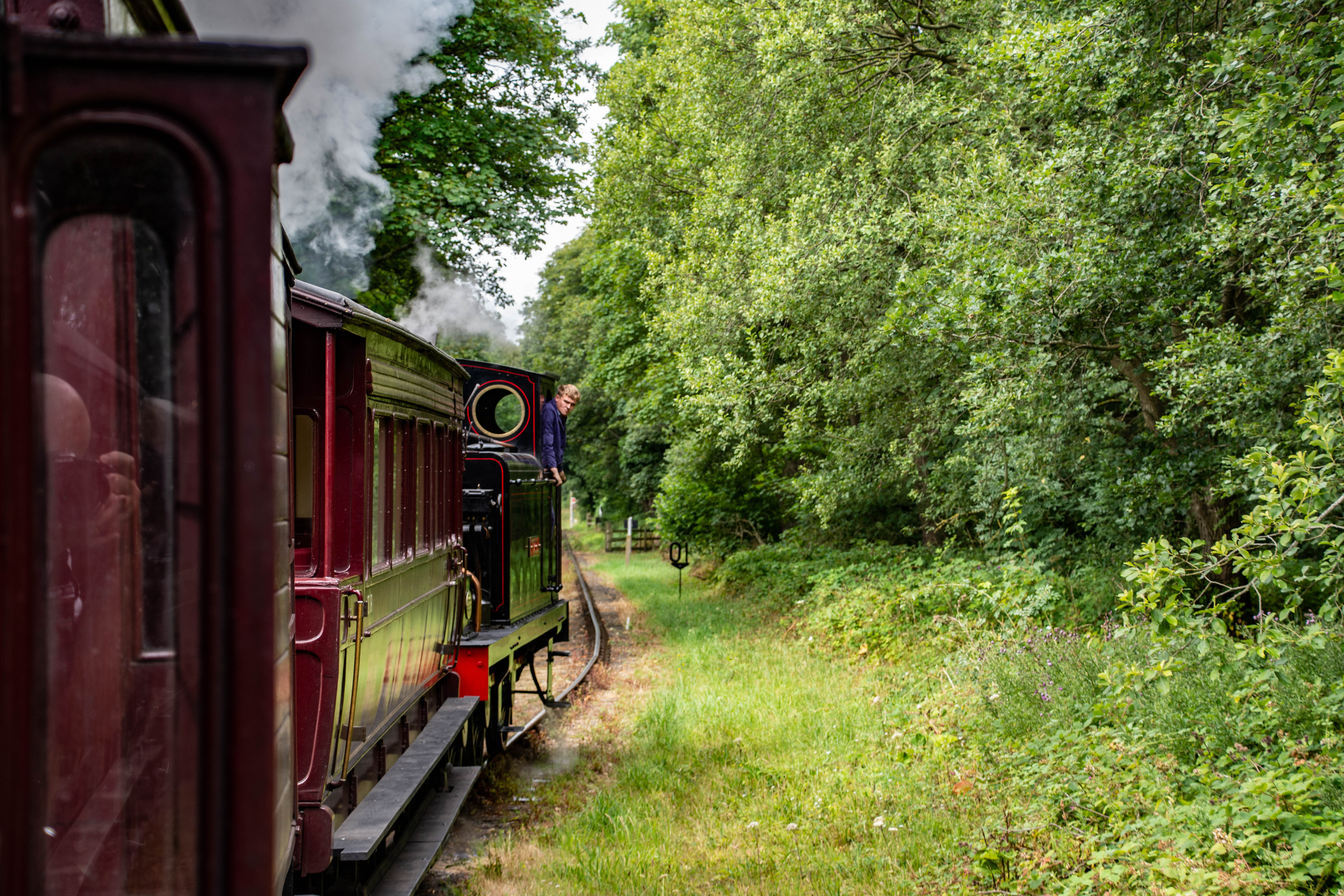
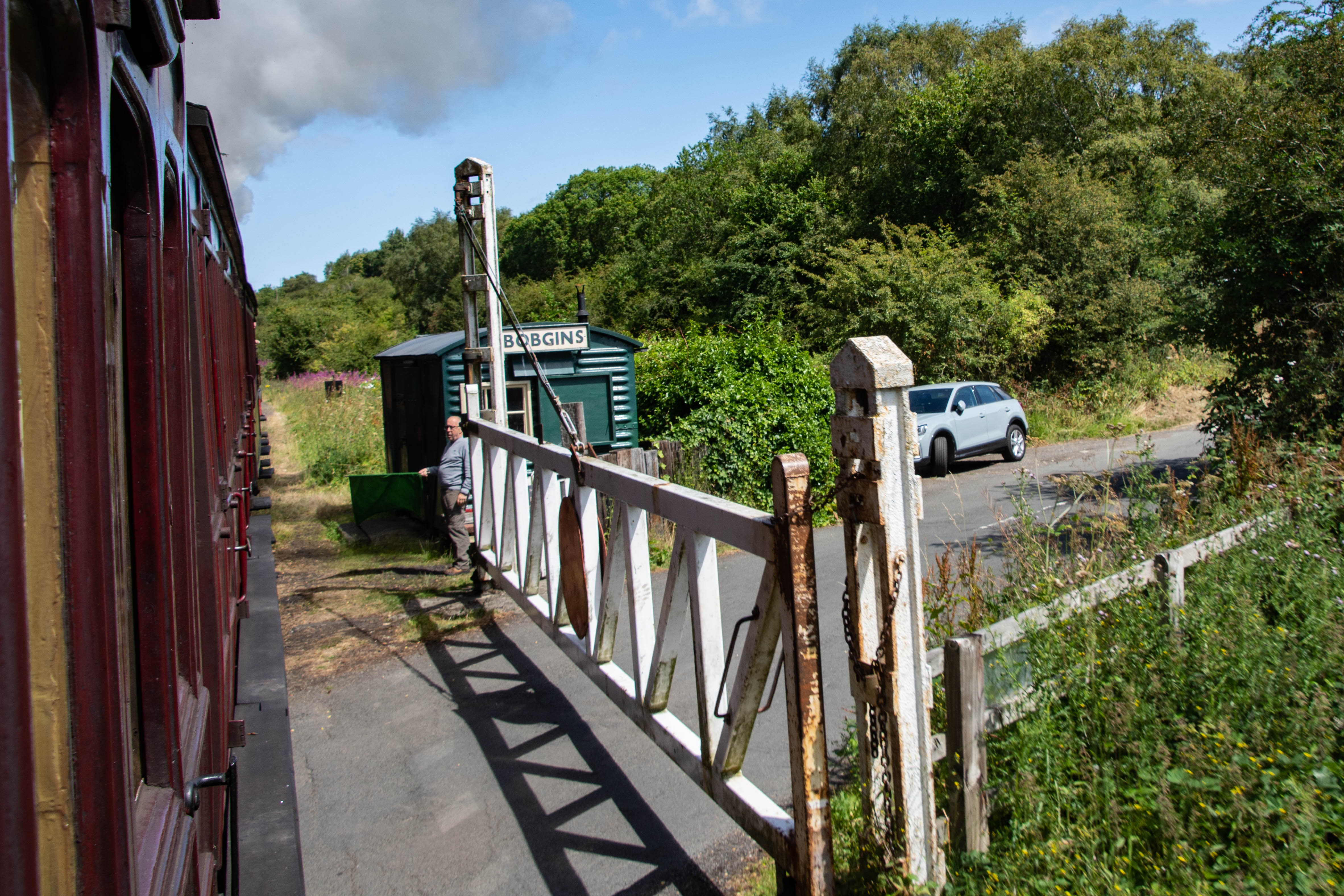
Bobgins Level Crossing sits between Causey Arch Halt and East Tanfield station. The site originally housed a water-driven coal pumping mill. The term bobgin or bobbing engine was a local term for a beam engine used to pump water out of flooded mine shafts. In this case, it drained some of the seams of the nearby collieries into the Causey Burn. The crossing today sits at the foot of the East Tanfield Bank which is a heavy gradient leading towards East Tanfield and you can really hear the engines work as they tackle this.
East Tanfield
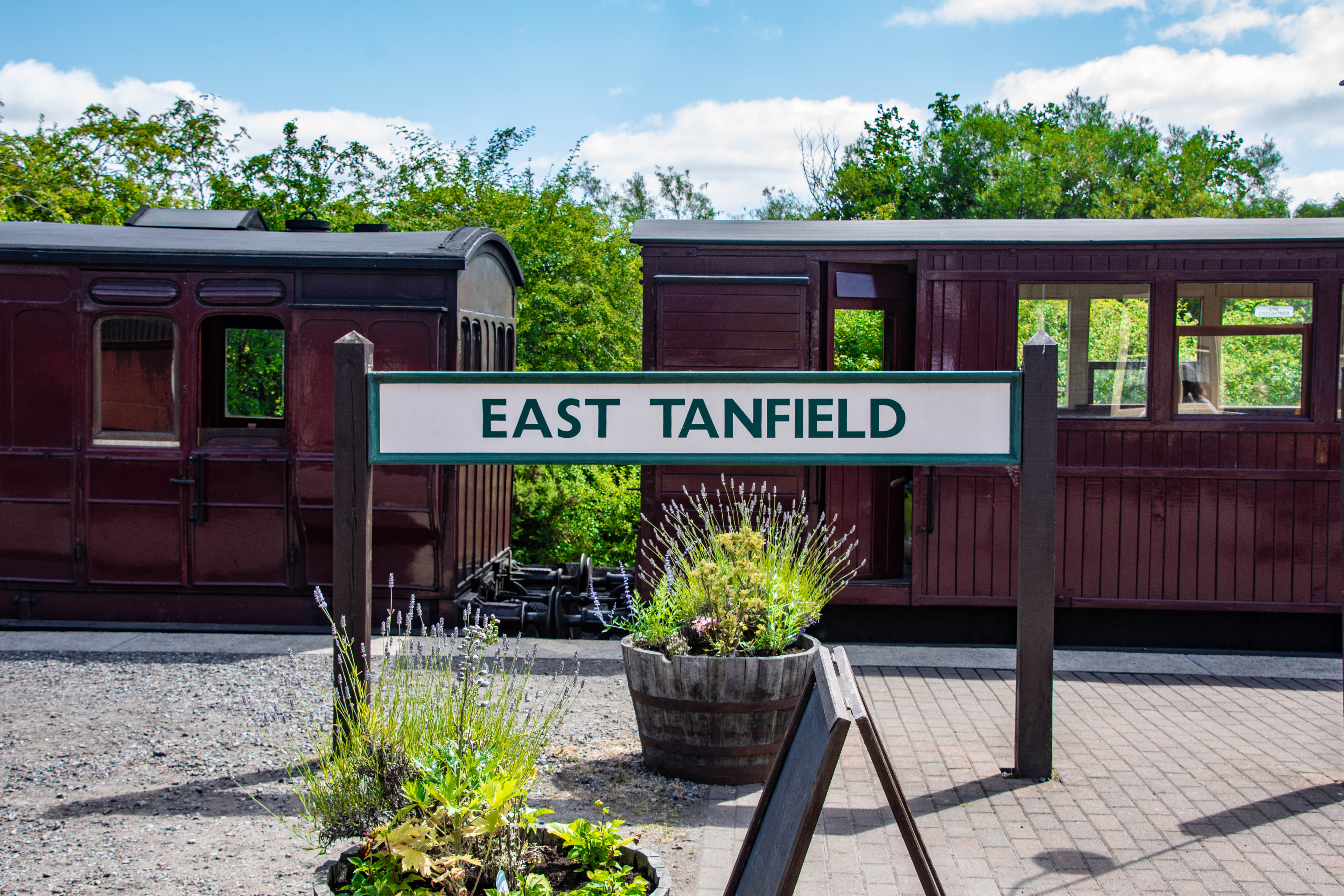
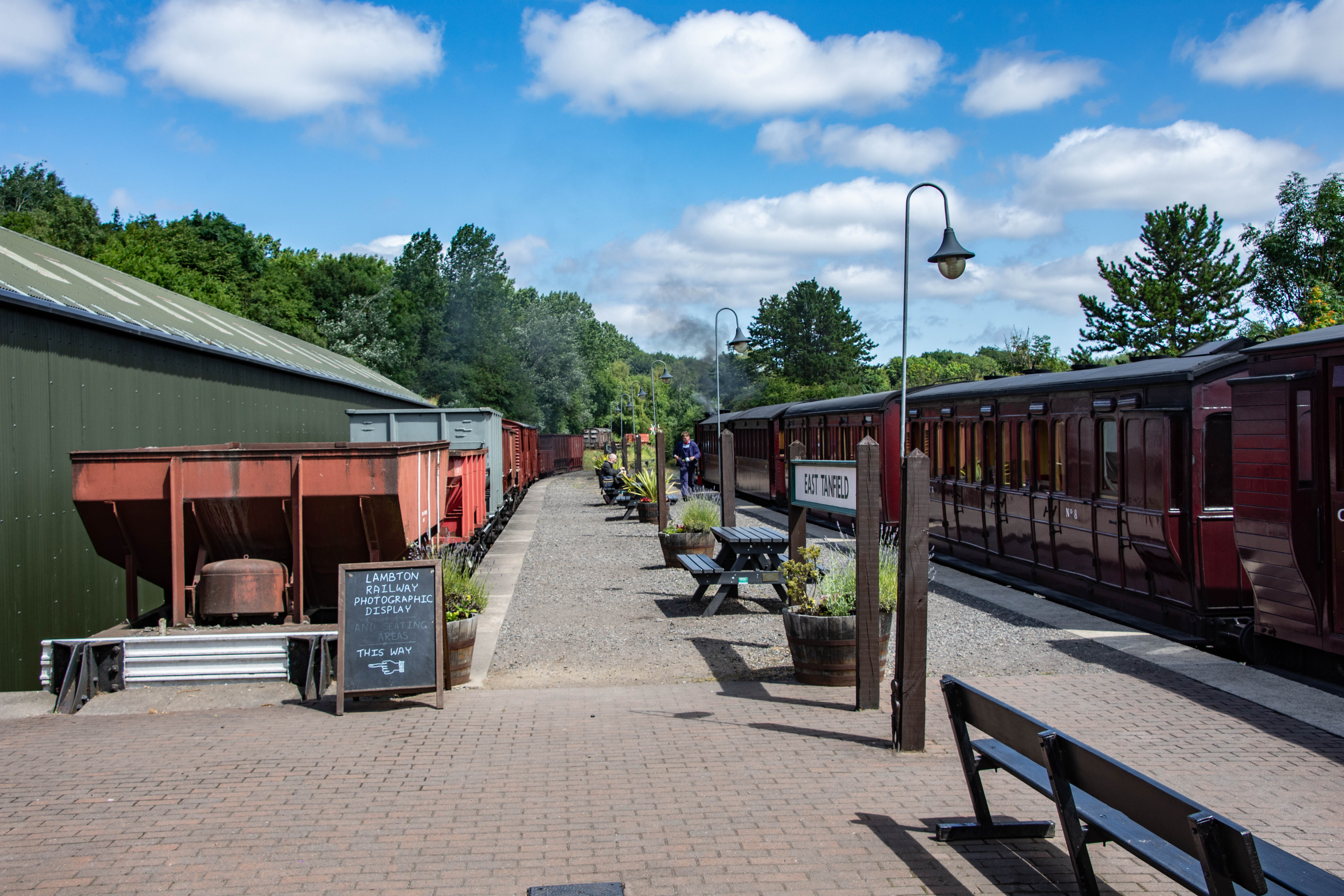
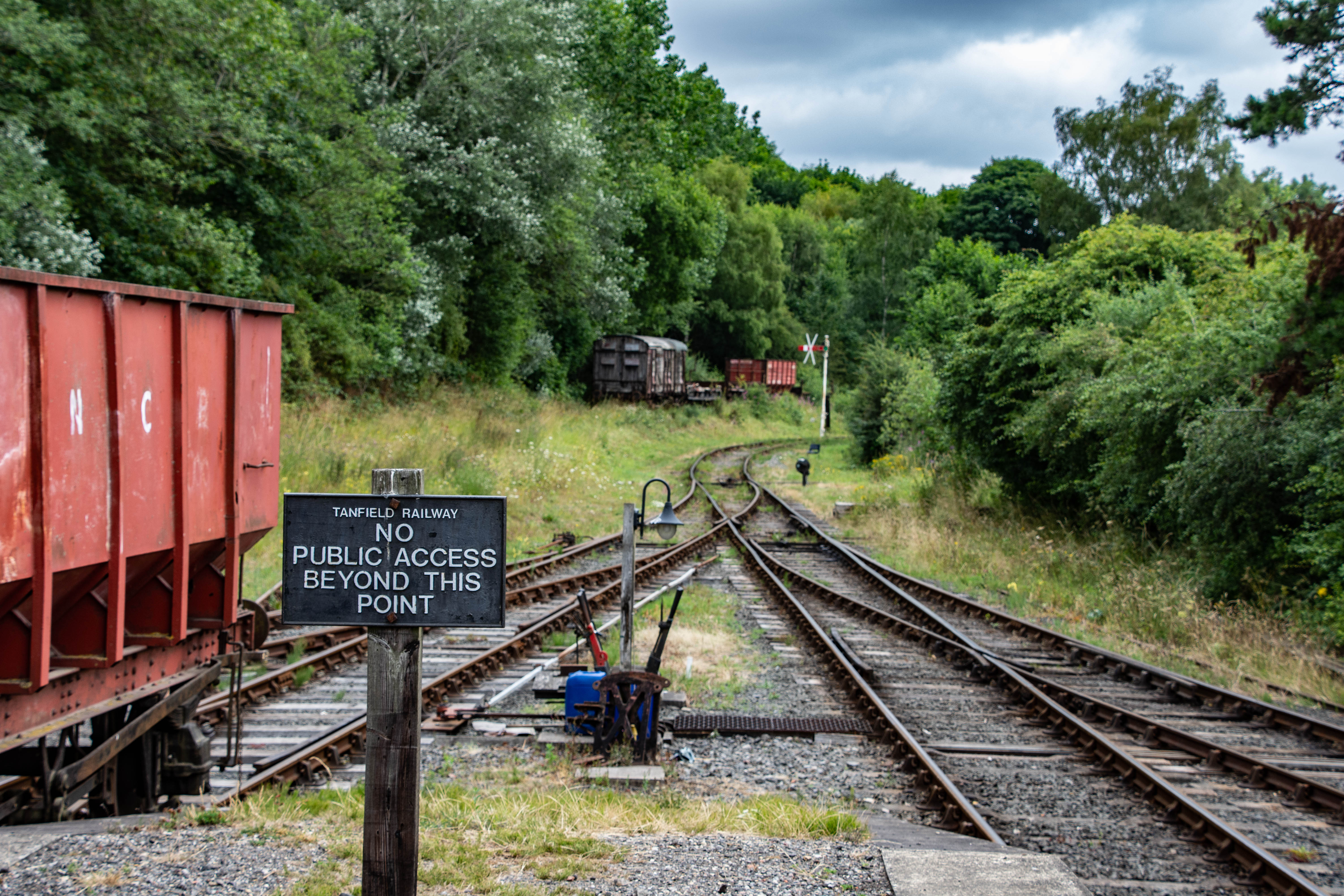
Finally reaching the southern terminus, we arrive at East Tanfield. There are a few sidings here along with more locomotive sheds which hold various industrial locos and wagons. It is a pretty and well maintained station but much like Andrews House, the station buildings and platform were not built until 1997. When the original wagonway opened in 1725, the railway did not span down this far. It wasn’t until 1839 that the line was extended from Causey to serve the East Tanfield Colliery. When this colliery closed in 1964, the National Coal Board abandoned the route and lifted the track. It wasn’t until 1992 that the preservationists rebuilt the line southwards from Marley Hill, with the first preserved steam train reaching East Tanfield in October 1992.