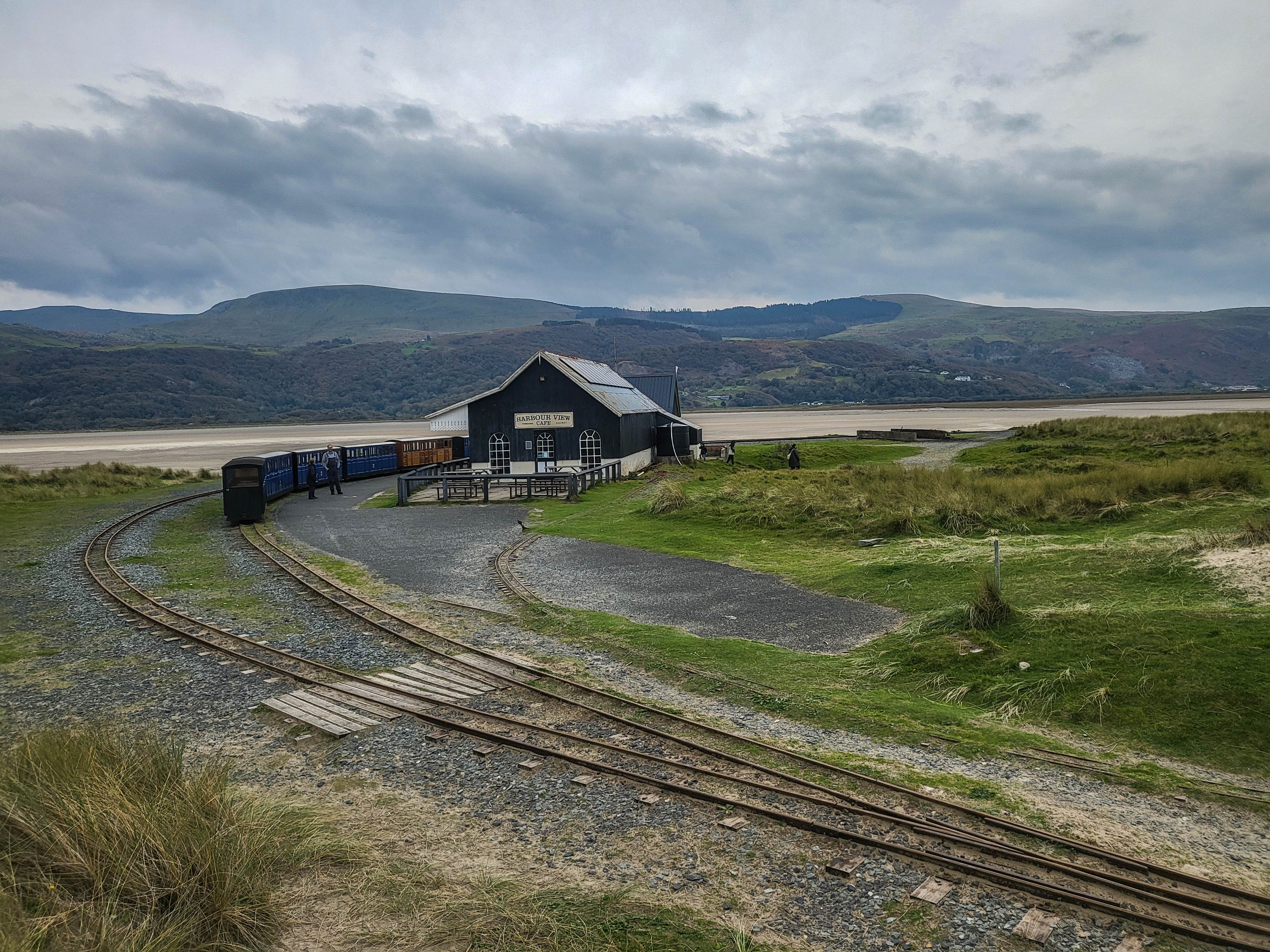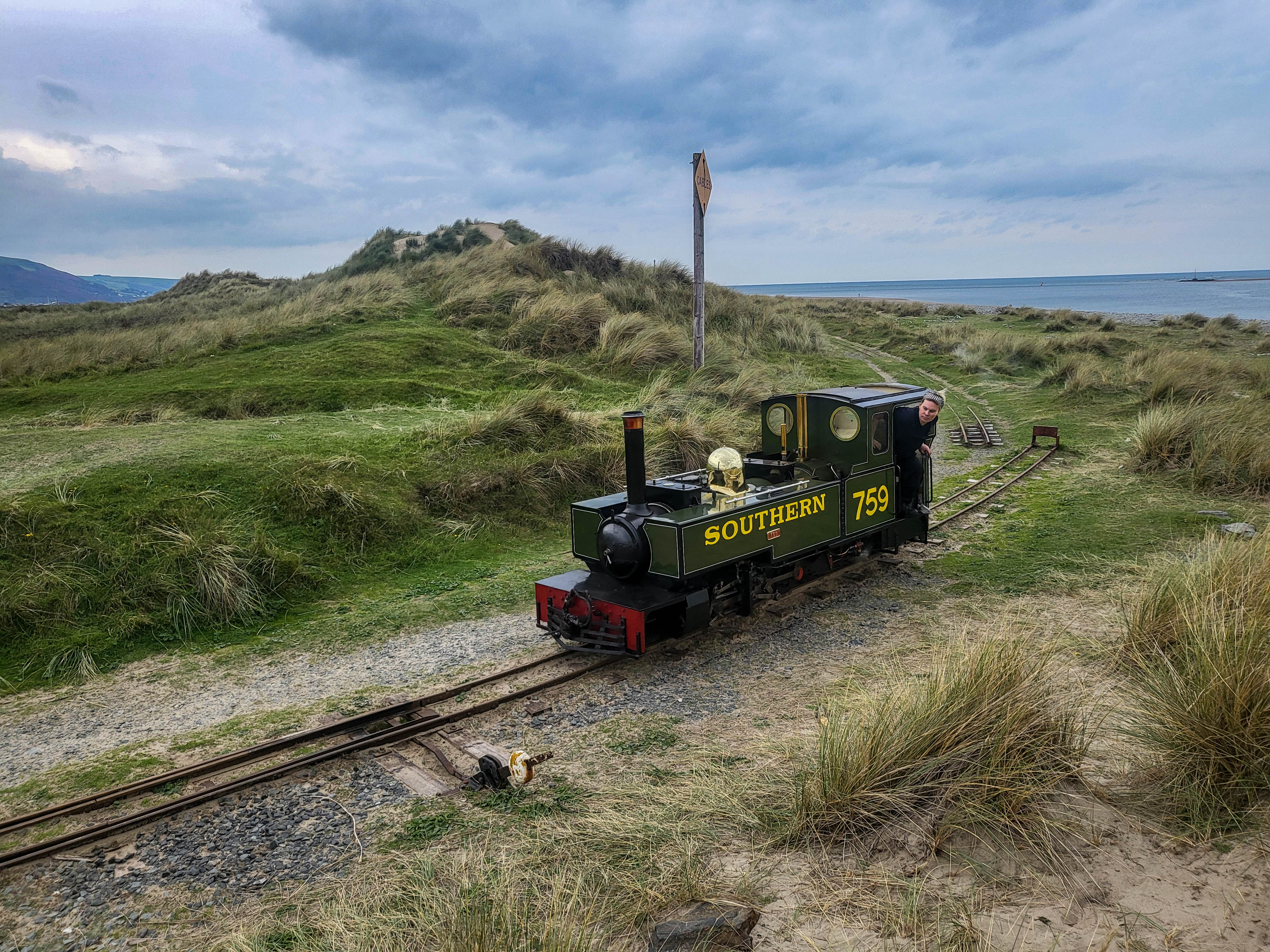
Today we’re off to the The Fairbourne and Barmouth steam railway. Fairbourne is a small Welsh seaside village situated on the west coast of Wales and has steadily been growing since 1895. The village is served by the mainline station of Fairbourne on the Cambrian Coast railway (opened in 1865) which is where most passengers will alight today to transfer onto the narrow gauge.
The first line to link Fairbourne with the Barmouth ferry was a two foot gauge horse-drawn tramway. The purpose of the line was simply to transport building materials that arrived via the Cambrian Railway to a series of private housing developments under construction in the area. By the turn of the 20th century, the railway diversified and started to carry passengers up until the outbreak of World War One. Throughout it’s life up until WW1, it was exclusively horse worked. It wasn’t until 1916 that ownership of the railway passed to Narrow Gauge Railways Limited, whose mission was to promote and construct 15″ gauge steam hauled railways. The Fairbourne line was seen as a perfect candidate for conversion.
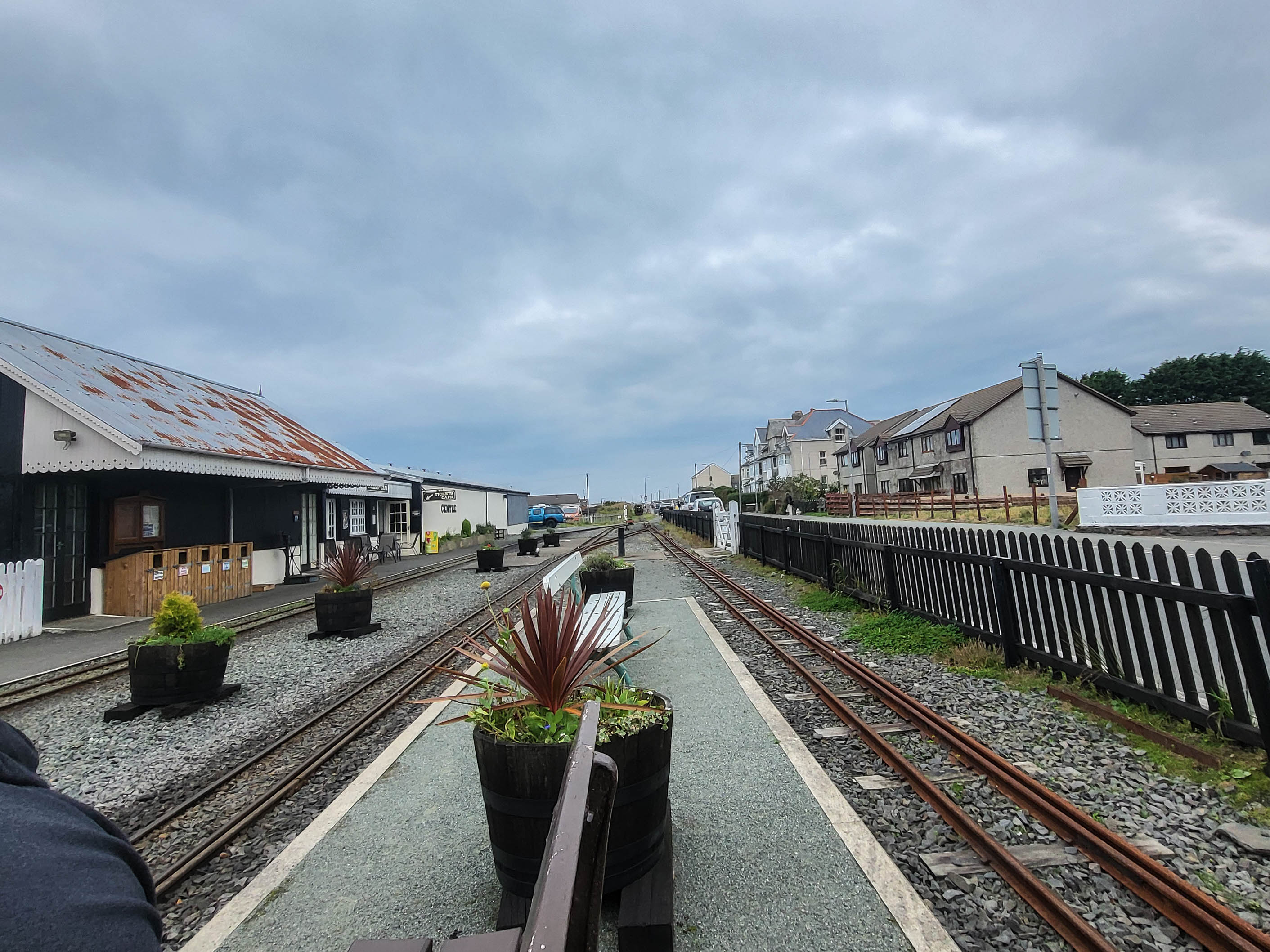
Following a series of ownership changes, a number of unsuitable locomotive purchases and the outbreak of yet another world war, the future looked bleak for the railway as the effects of military training exercises and harsh weather conditions on the Penrhyn peninsular took their toll, but new owners spent 20 years making improvements to the railway such as developing the Fairbourne terminus complex and installing colour light signalling. The terminus continued to develop under further owners and you can see the result of that today below.
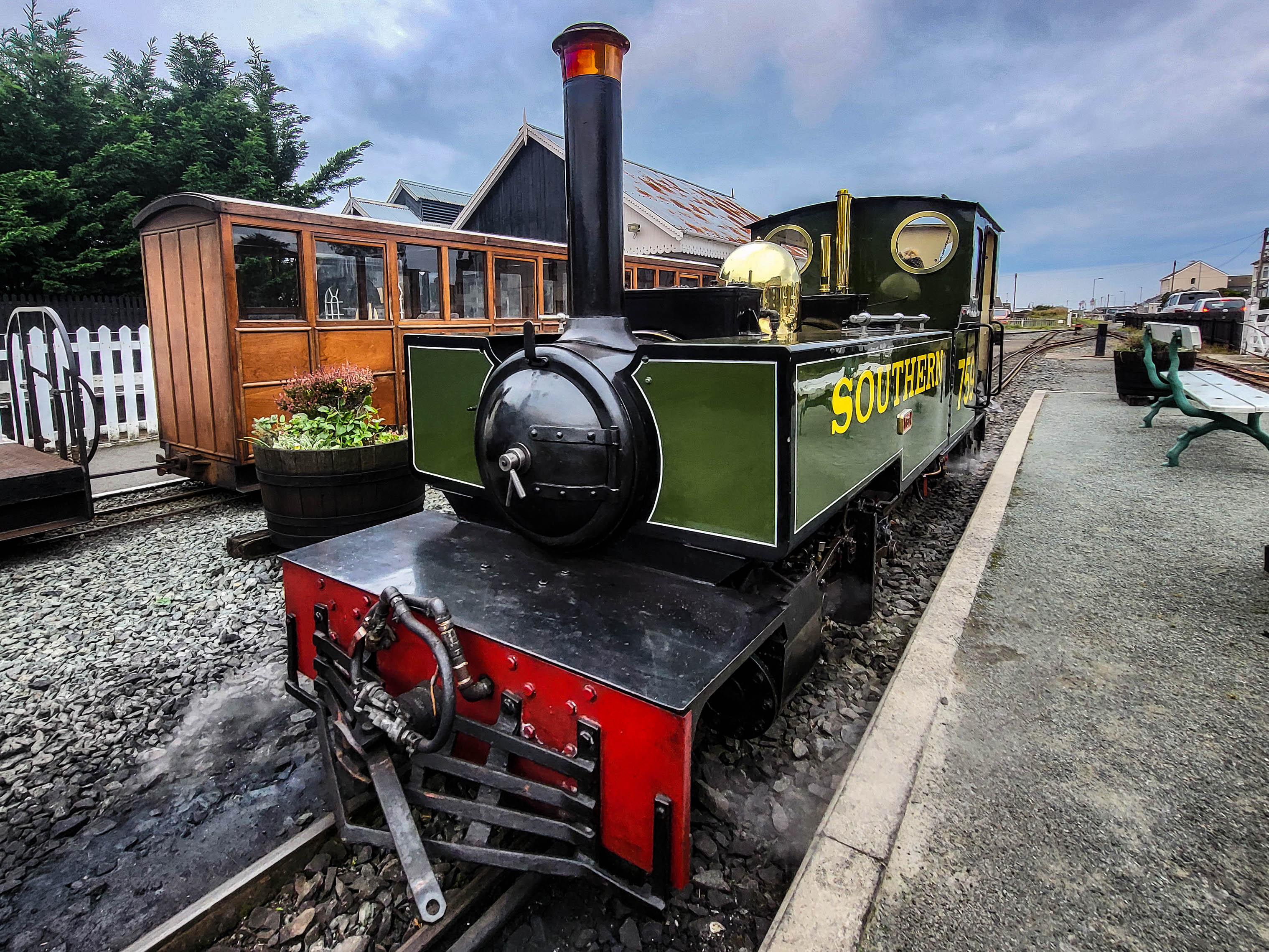
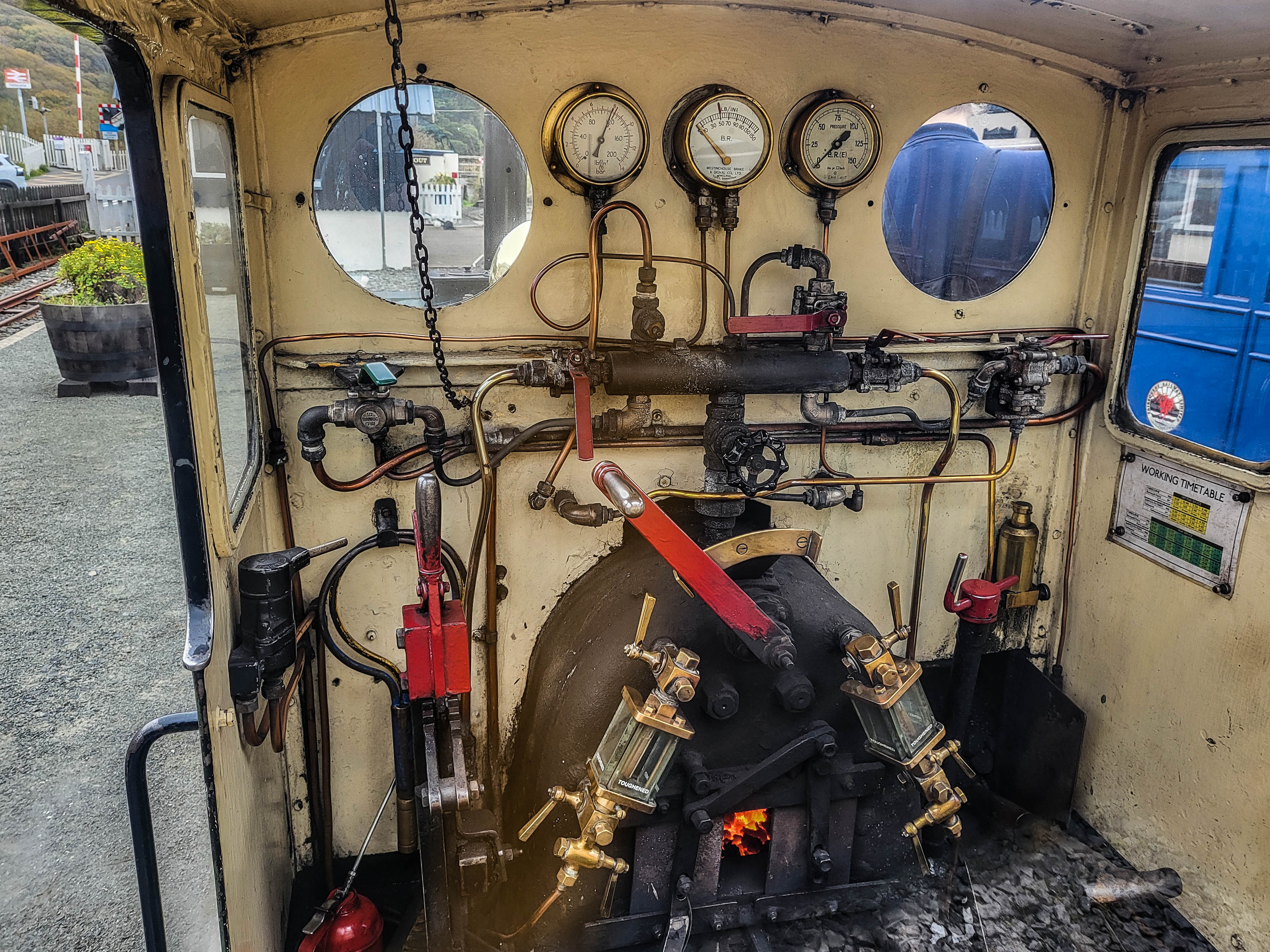

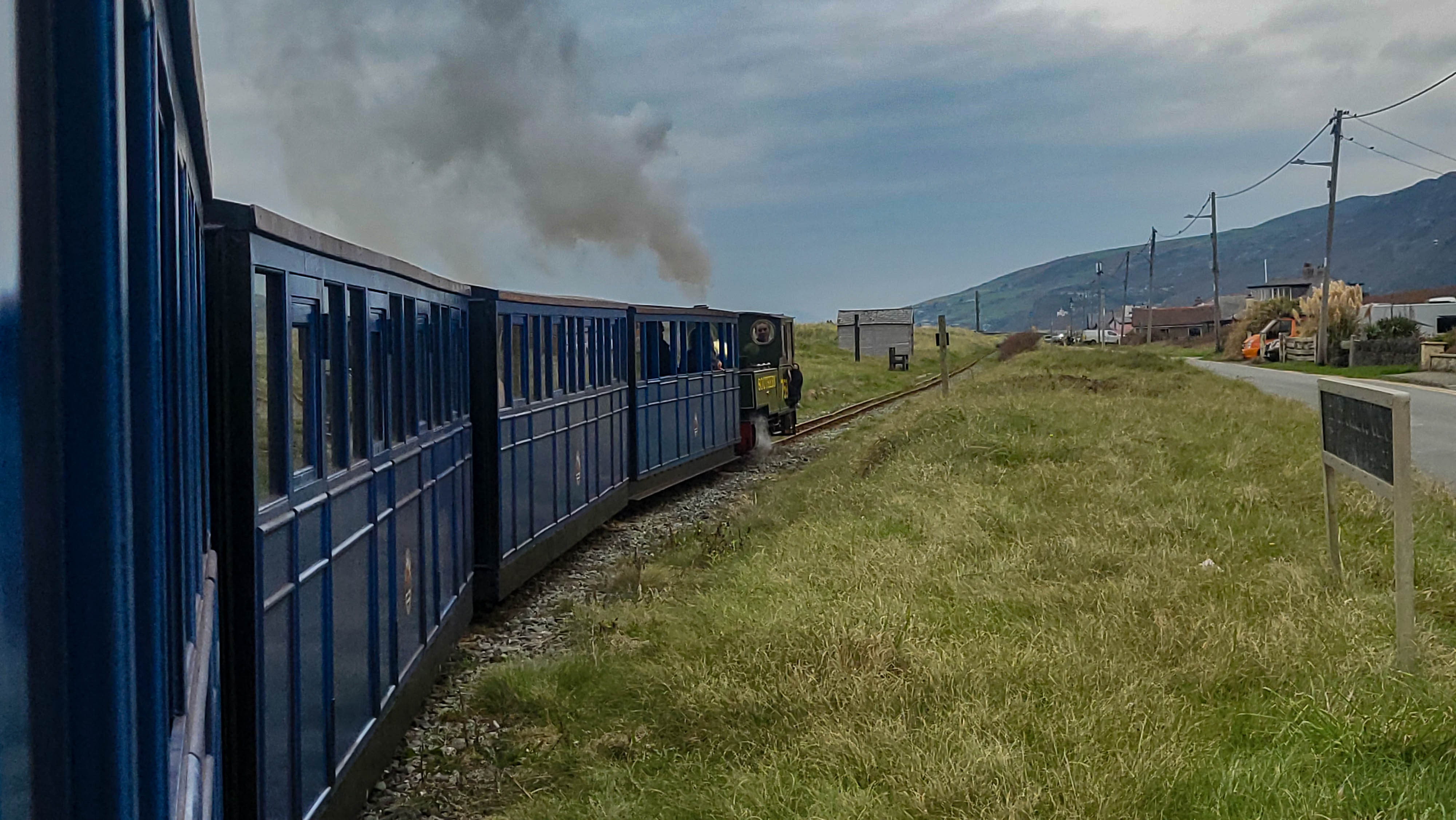
Today’s train is hauled by 759 ‘Yeo’, built in 1978. The design of the loco is inspired by the Manning Wardle locomotives used by the Lynton and Barnstaple Railway in Devon who we’ve visited before. It’s a very sedate journey and the line hugs the coast all the way up to Penrhyn Point which is where you can catch the connecting small ferries over to Barmouth. It’s a cool but clear day and we’re sheltered from the wind in the closed carriages, although in summer months, a mixture of open and closed carriages can be used. In the distance below in the left photograph, you can see Barmouth viaduct which is still in use by the mainline today to connect Barmouth with Fairbourne.

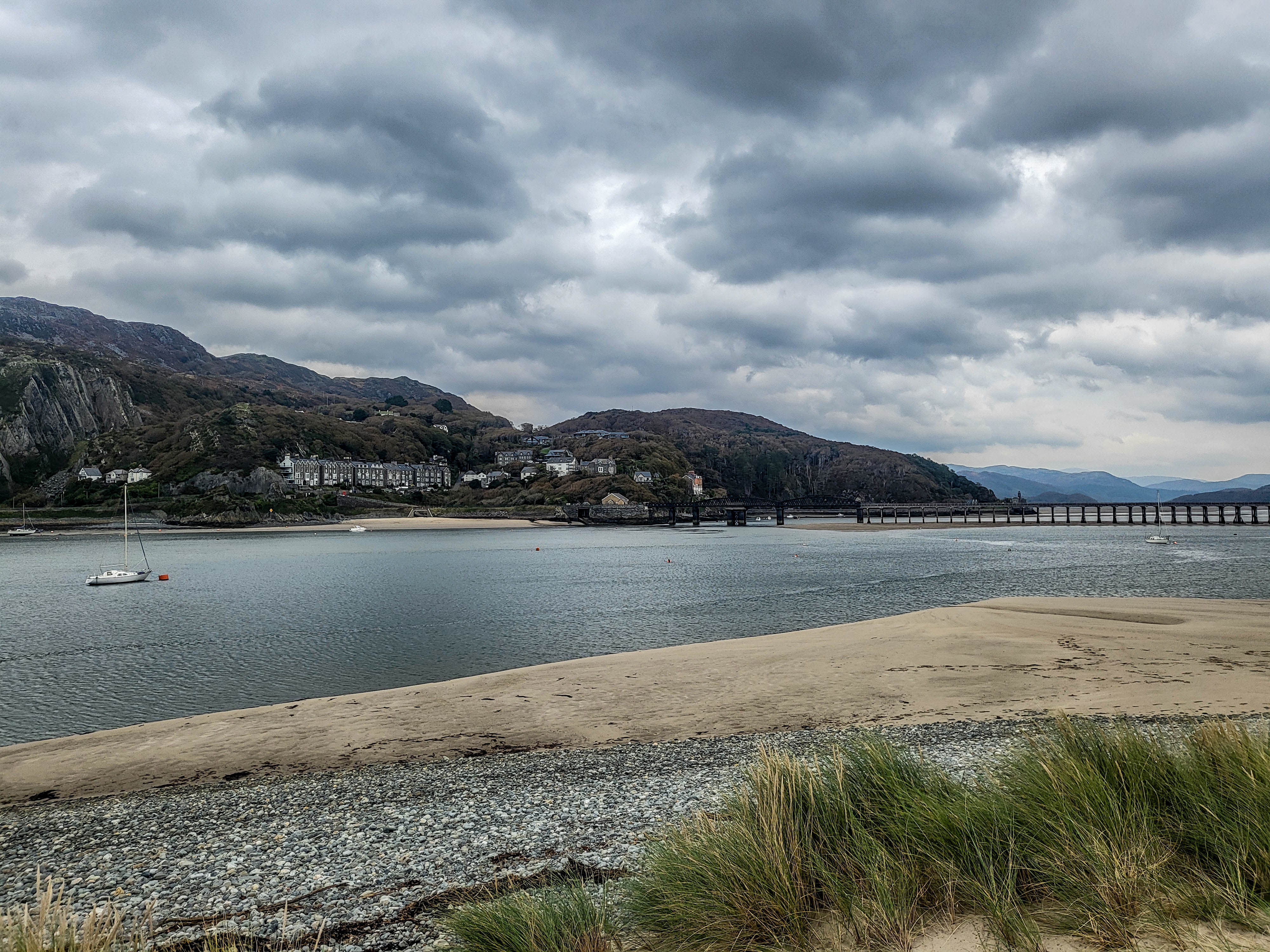
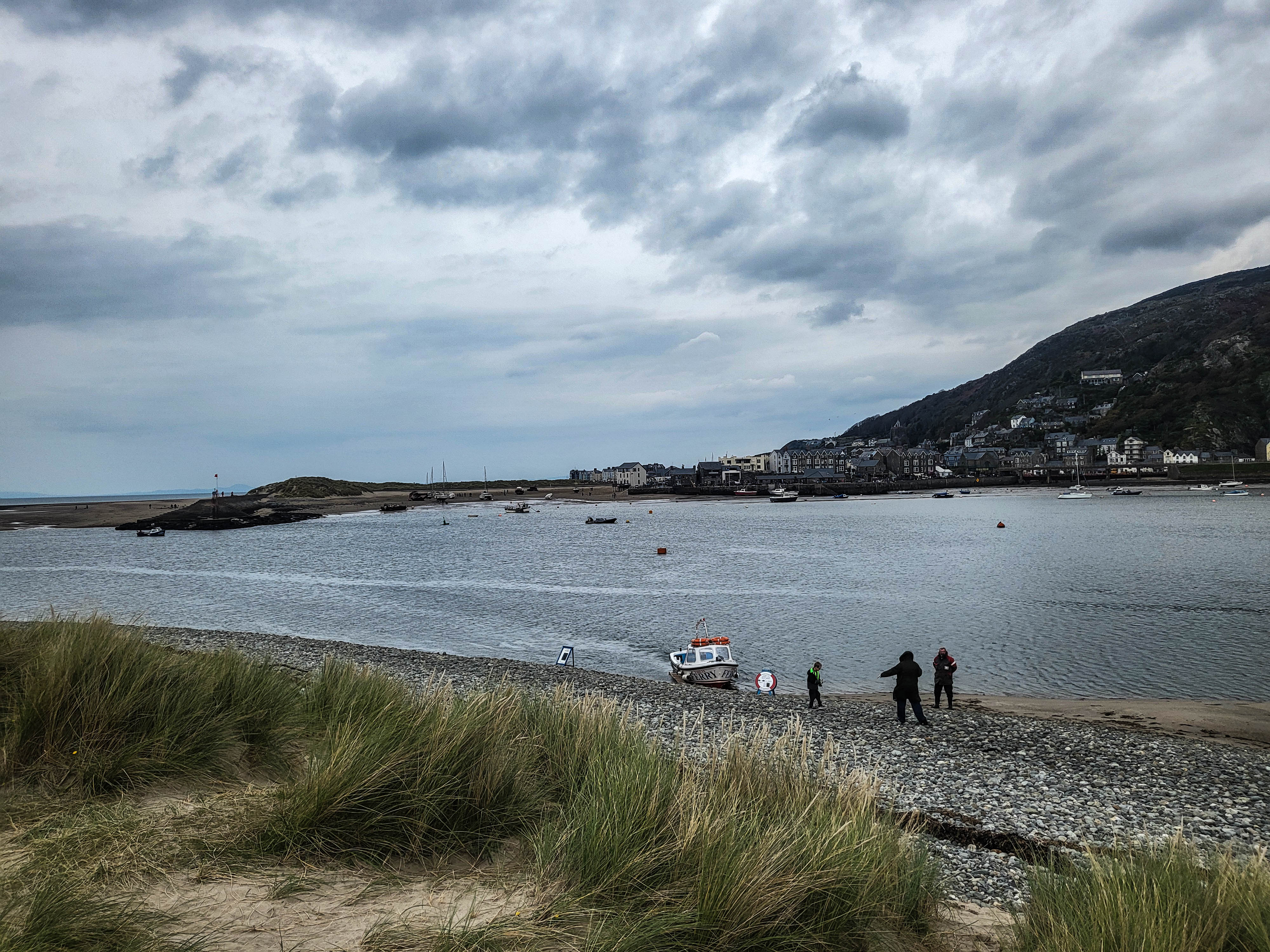
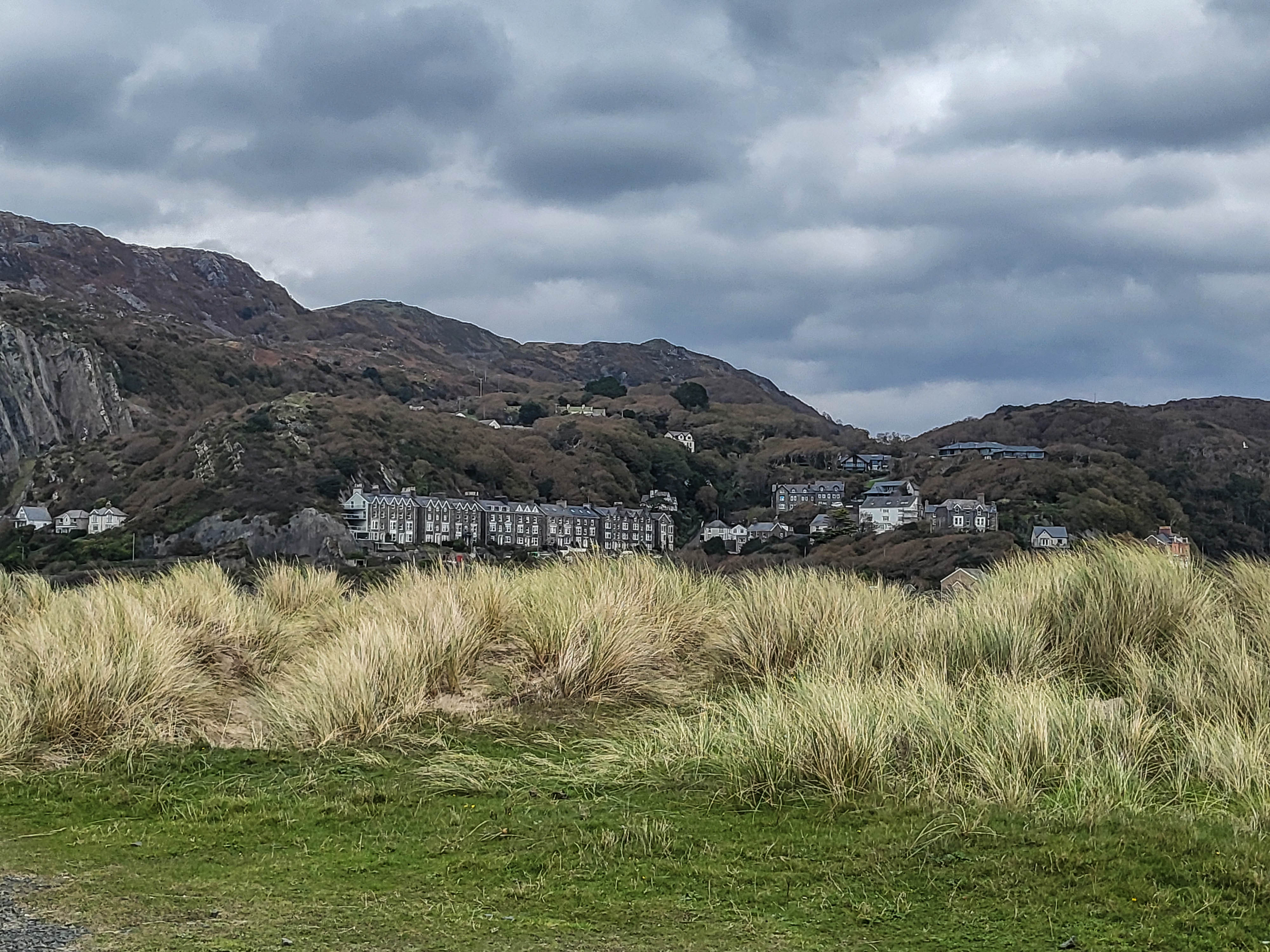
The famous Barmouth viaduct was not built until 1867, so in the interim two year gap from the opening of the mainline station, passengers wishing to travel into Barmouth itself had to alight at Fairbourne where they would be pulled by a horse-drawn bus down to the ferry terminal. The phrase ‘ferry terminal’ is a bit of a misnomer today as a more accurate reflection would be ‘man with a dingy’. Yes, the middle picture below shows the ‘ferry terminal’ today with Barmouth visible on the opposite side of the Mawddach Estuary.
The railway terminal at Penrhyn Point which is connects with the ferry terminal was originally designed as a balloon loop, allowing a continuous circuit without stopping back to Fairbourne. This was built as part of the 1976 extension but up until 2004, had lain out of regular use for many years. Given the extensive work needed to get the ballon loop operational again a decision was made to instead install a passing loop to run trains around and leave the sea-facing side of the loop disused. You can see in the images below that nature has well and truly reclaimed this side of the loop and it is now completely unusable, with the tracks being flanked by sand dunes on either side which eventually engulf the track.
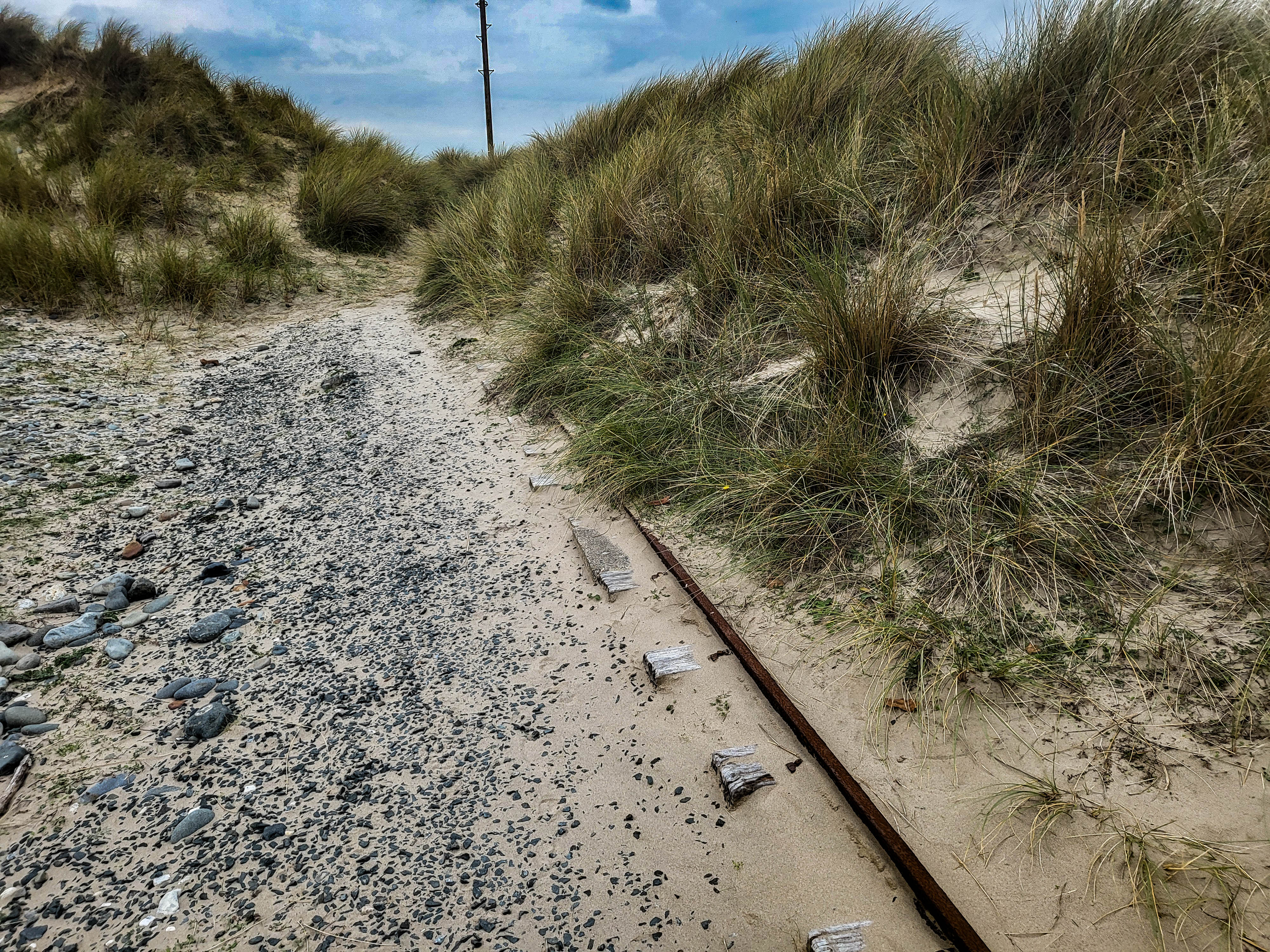
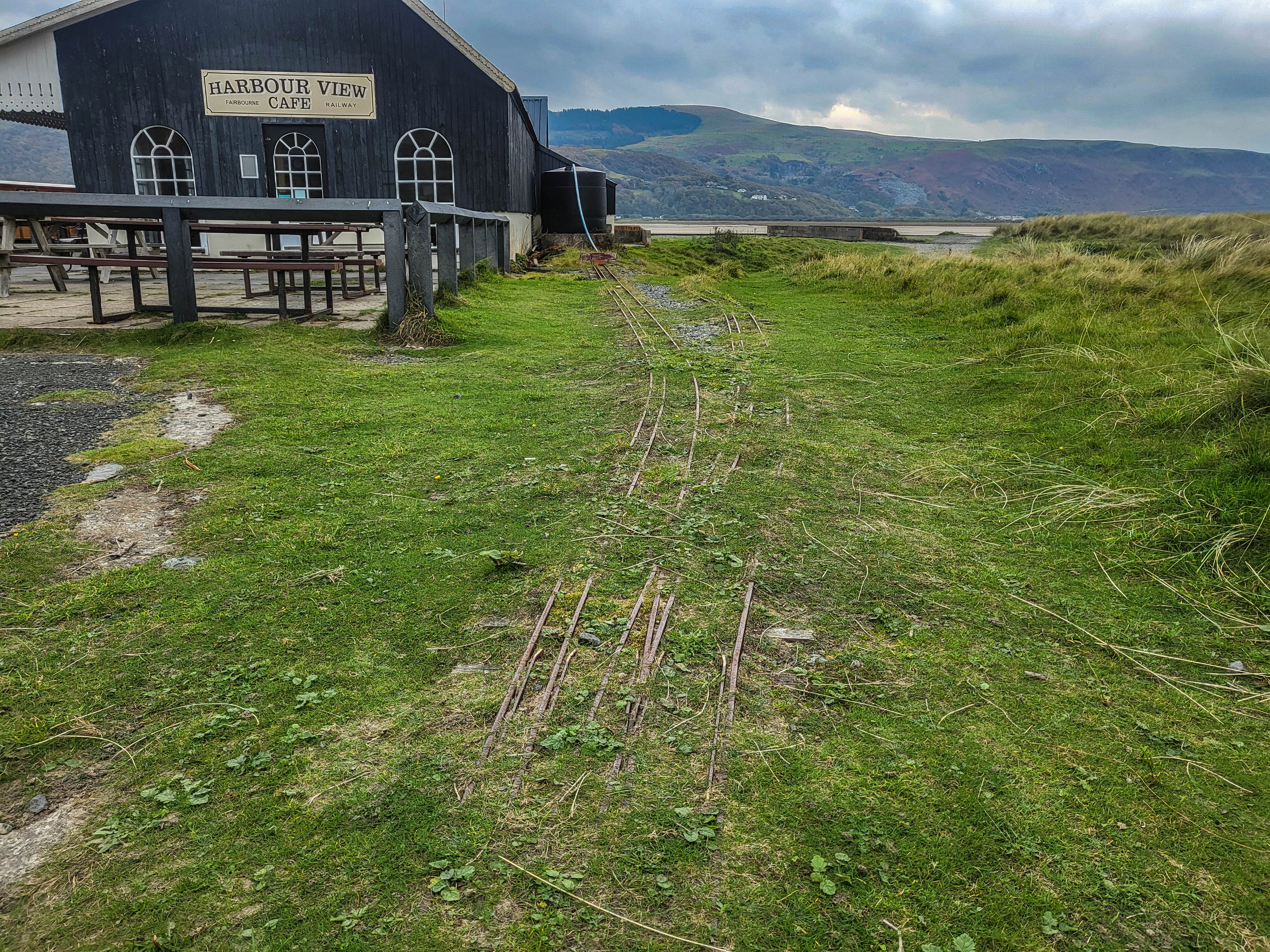
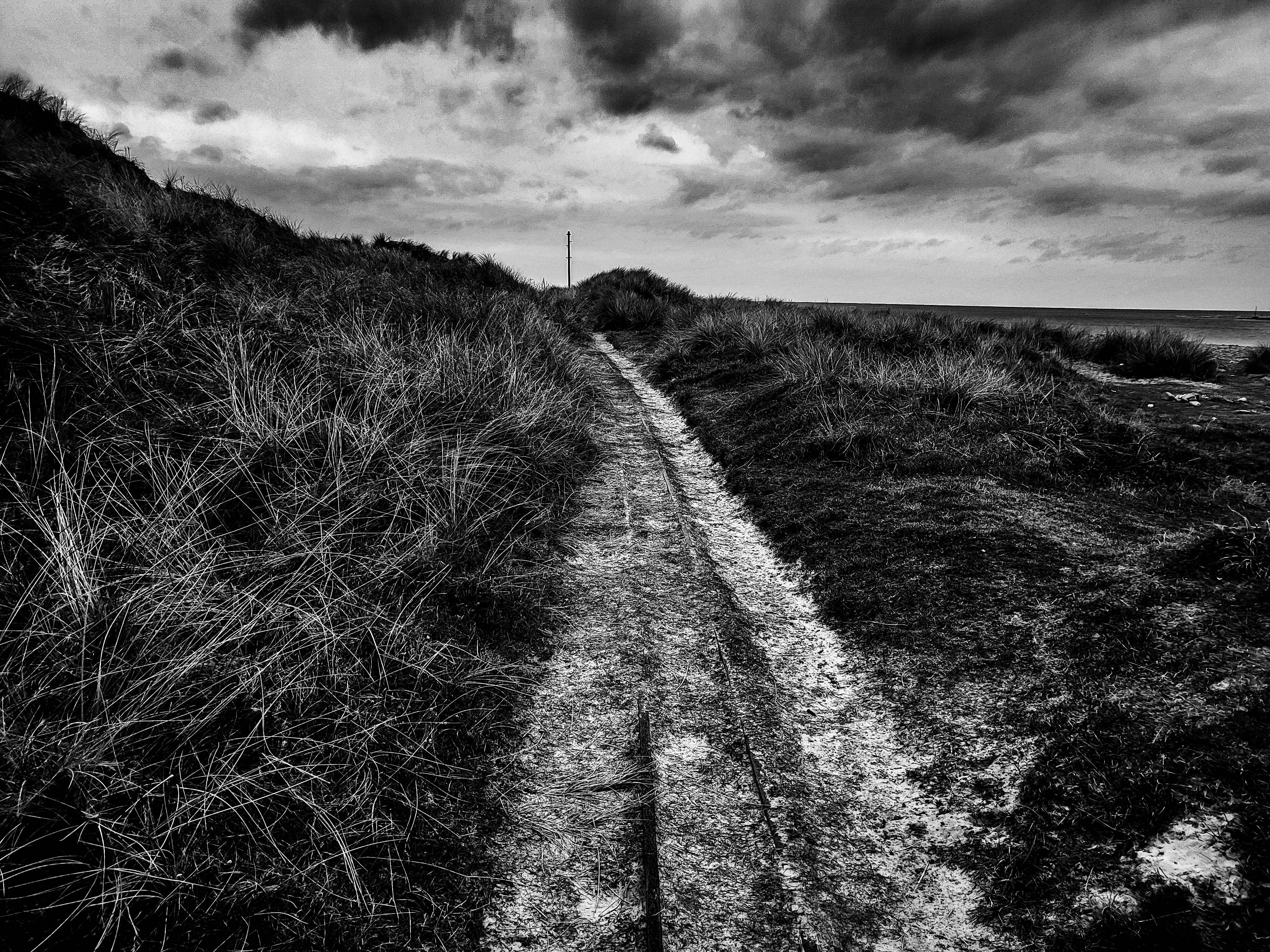
The land-side of the loop remains in good working order and very much in use today but there is still some evidence of where the former tracks used to be on the land side as well if you look closely as the photograph below of Penrhyn Point terminus. When man made objects are left unattended, nature always reminds us that she plays a long game and claims them for herself eventually. This sort of reclamation is one of my favourite things to photograph as it’s a perfect juxtaposition between the man-made and the natural world. I will leave you with images of the terminus at Penrhyn Point as it stands today. You can see in the image below on the right where new track has been laid and the balloon loop severed on the sea-facing side.