Chesil is an area within Winchester and between 1885 and 1961, Chesil railway station served the area on the now closed Didcot, Newbury and Southampton Railway (DNSR). For the first six years after opening the railway, this was actually the terminus of the line, until it was later extended to link with Southampton via the Southern Railway line.
The station was originally called Winchester Cheesehill but following a temporary closure in 1942, it reopened in 1943 as Winchester Chesil to avoid any confusion with the other main station in Winchester at the time. The line itself never carried massive volumes of passengers and declining traffic led to its closure in stages between 1960 to 1964, with the station closing in March 1960. Curiously, it reopened on Saturdays only in the following two summers, between 18 June – 10 September 1960 and for the final time between 17 June – 9 September 1961. You may be forgiven for thinking this line was another victim of the Beeching cuts of the same decade however it’s a common misconception and the line was naturally wound up by the then owning Great Western Railway due to the passenger volumes.
Very little of this line remains to this day in Winchester however one major landmark does remain and that is the Chesil tunnel which sits at the north end of where the station used to be. The track bed itself has long since gone but the tunnel is now owned by Winchester council who periodically allow organised tours of the area and tunnels. We find ourselves on one of these tours today.
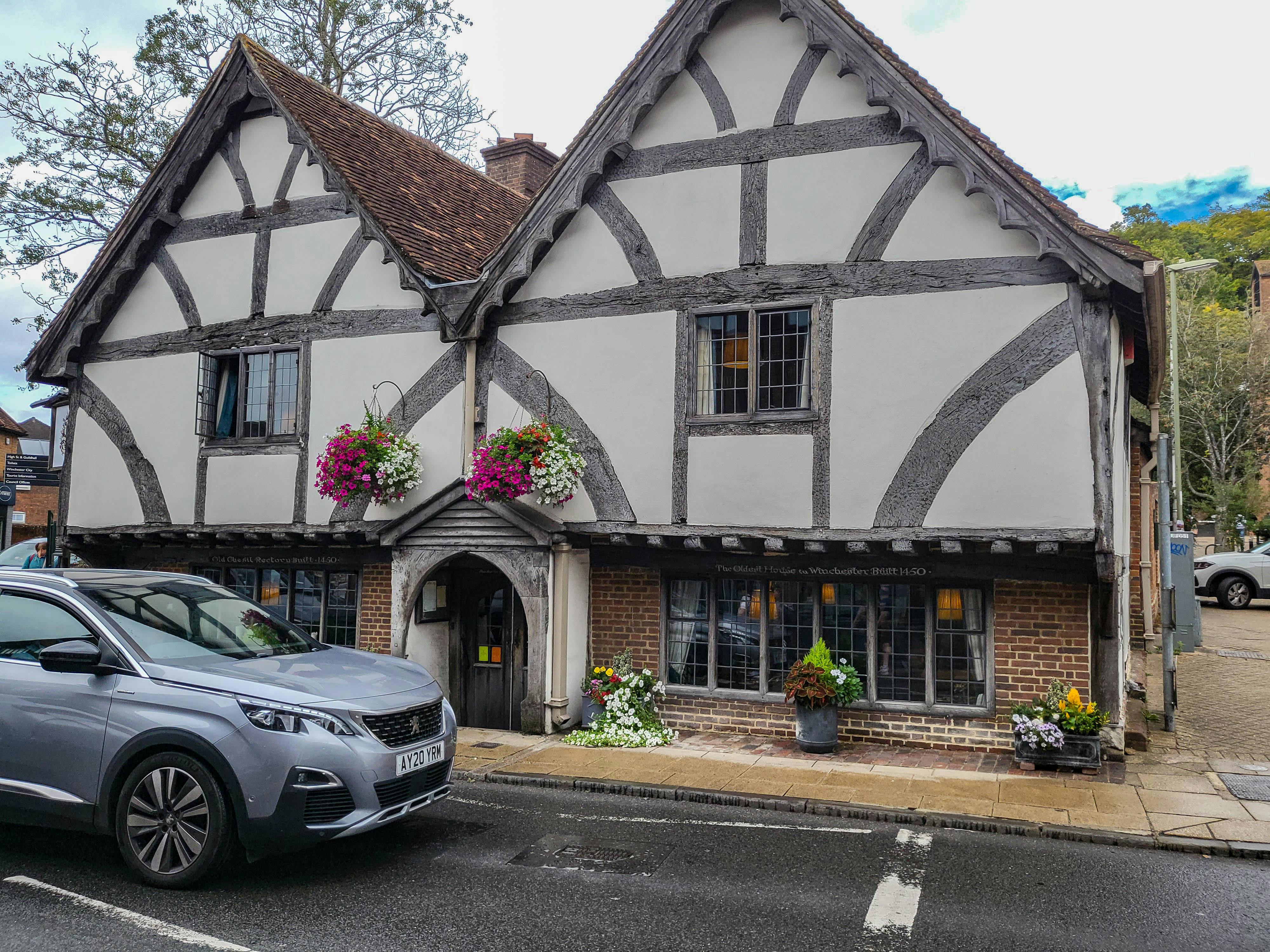
Our tour starts on a road which used to lead up to the station itself. At the corner here is the Old Chesil Rectory, which was built in 1450. This Grade II listed building is the oldest house in Winchester and much of the front is still original apart from the windows.
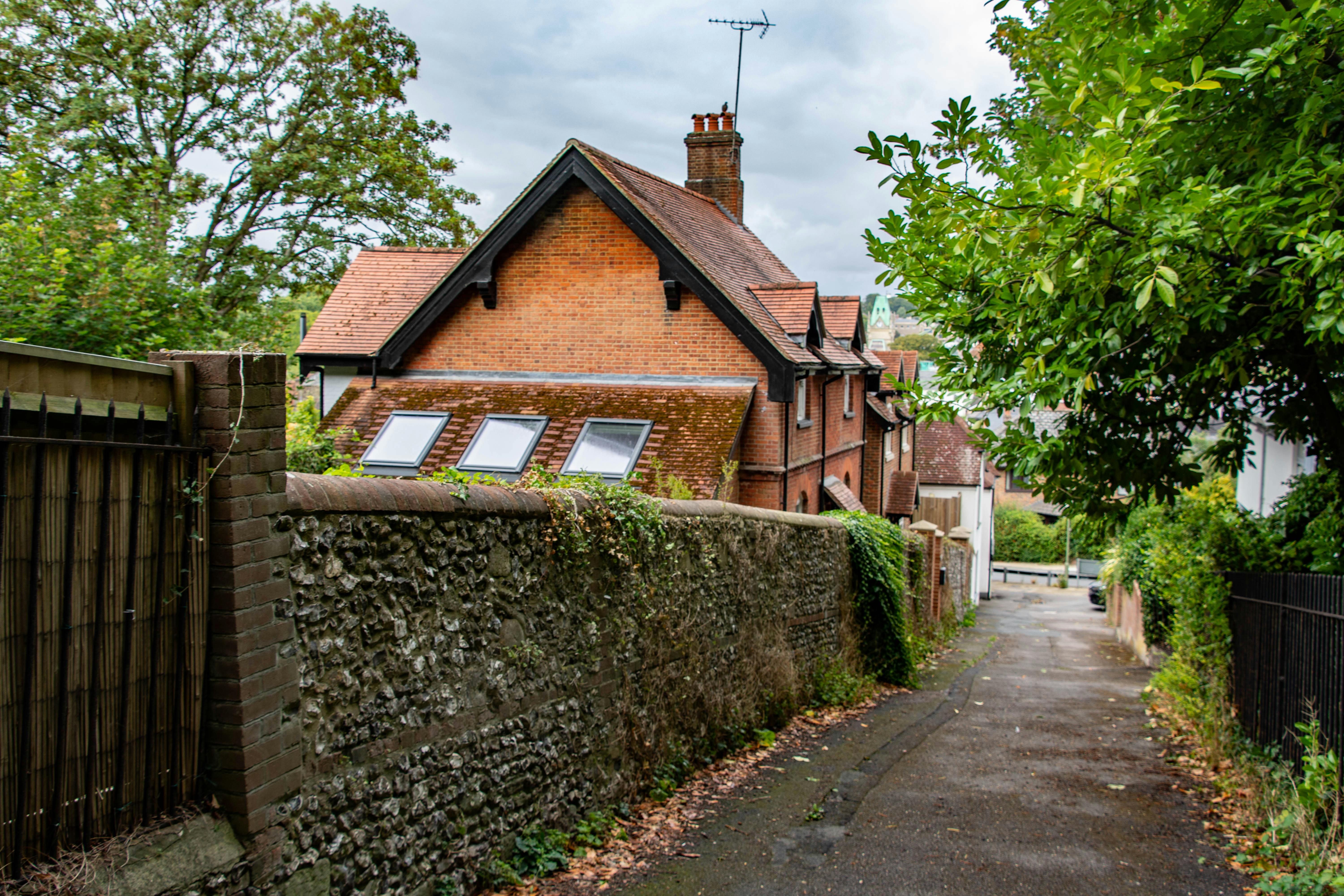
The tour continues round onto Bridge Street which takes us up an incline onto St Giles Hill. Below the path we are walking is the Chesil tunnel and on the other side of the bricked wall below, you would have been able to see directly onto the platforms of the station since the station was built immediately before the tunnel mouth. The building which you can see in the image below is actually the old station masters house. Today it is known as Prospect House and has been under threat of demolition to make way for the construction of new houses however these plans currently remain in limbo after being rejected by Winchester council.
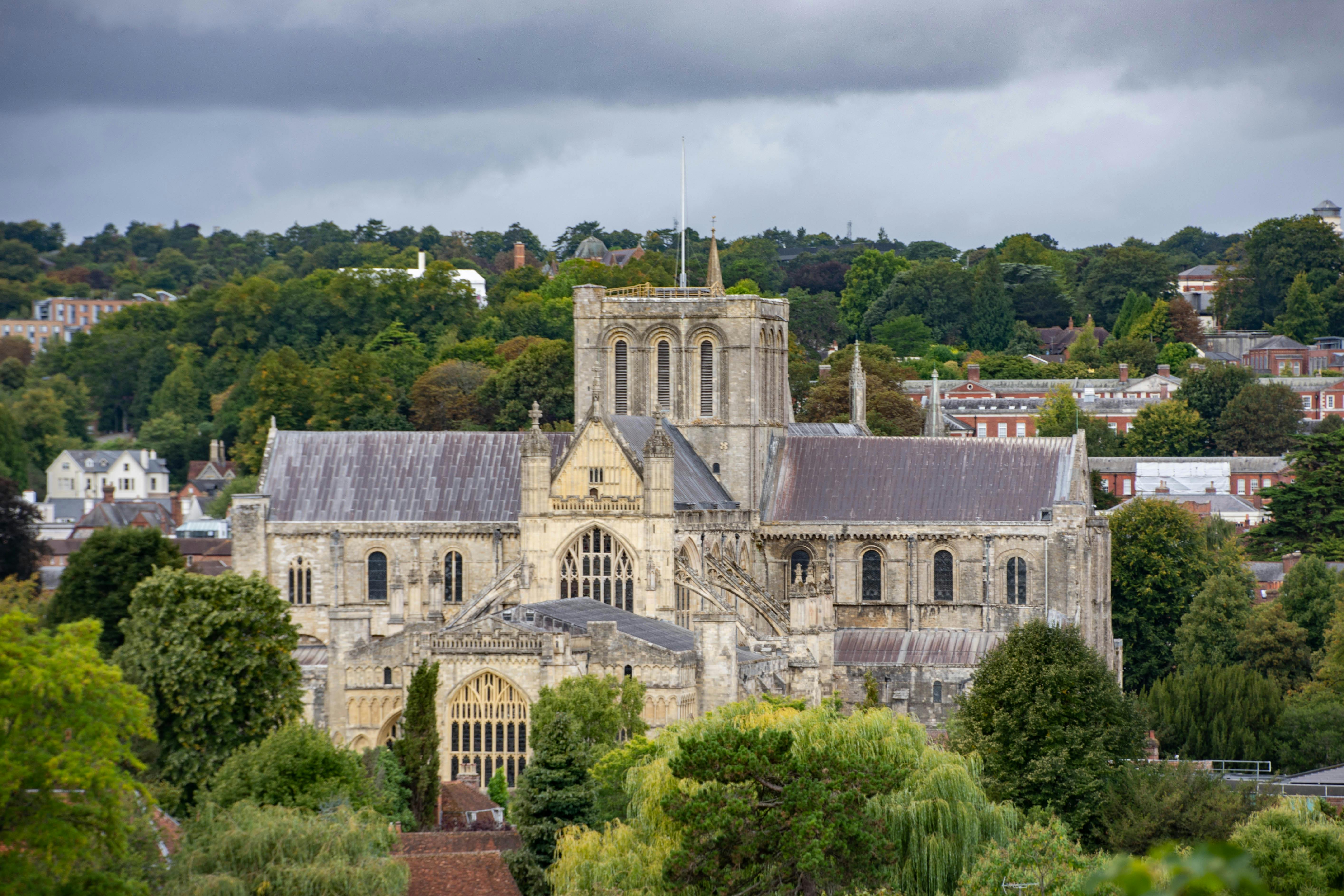
At the top of the hill it is not possible to see into the cutting below where the railway would have been as it has been reclaimed by natured and littered with trees and foliage but what you can see is an impressive view of Winchester Cathedral in the distance.
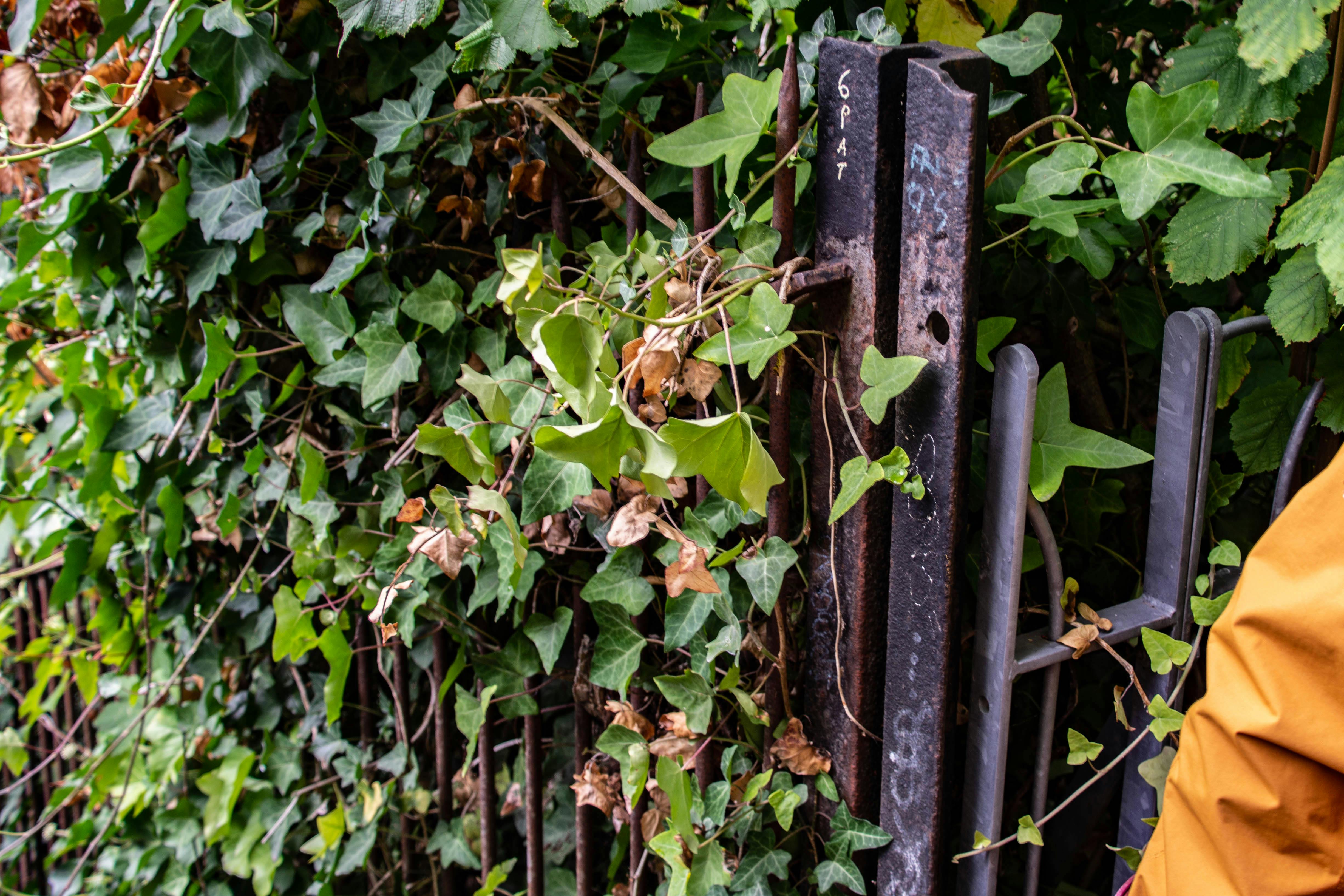
Following the post-grouping of the railways in 1923, the DNSR came under the ownership of the Great Western Railway (GWR). GWR is known for building much of its original system of railways in broad gauge, which is 7ft and a quarter inch, vs the now standardised ‘standard’ gauge of 4ft 8.5 inches. The DNSR was never built in broad gauge however an interesting relic of that time exists in an unlikely form. There are various fences which have been erected around the top of the hill to prevent people and other items accidentally stepping down into the void. It was common practice in the 19th and early 20th centuries for railway companies to reuse redundant rails for a variety of applications such as boundary fencing, retaining walls and even as supports in goods yards. Since there was a huge surplus of broad gauge track left lying around following the standardisation of GWR to standard gauge, these old rails were re-purposed as vertical fence posts and the fences here are a perfect example of that. They are hidden today by bushes and are easily missed but it’s an important feature of the era.
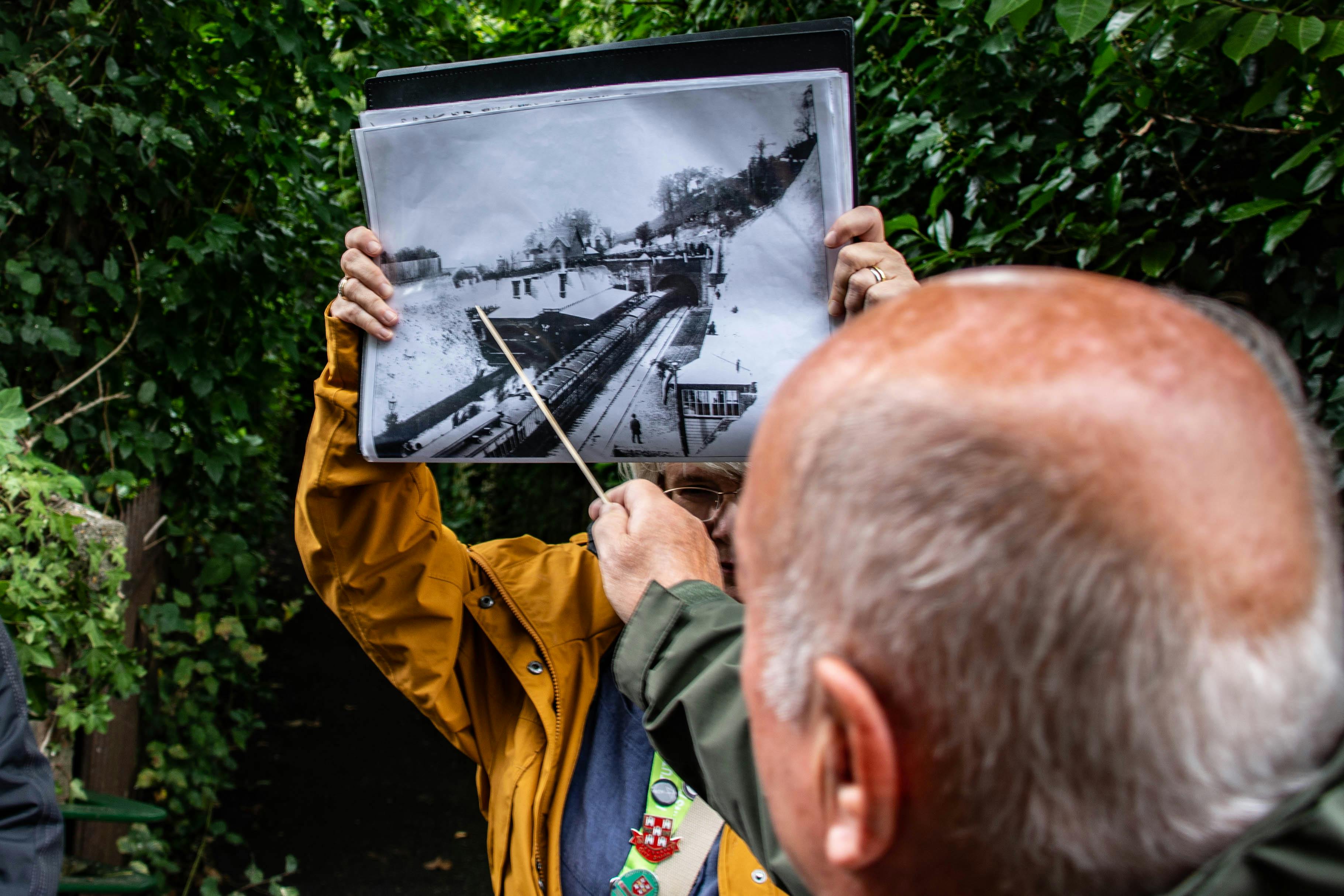
Heading back down the hill to the where the south of the station would have been, our guides are showing us some historical images of what the station would have looked like before. In the image below, you can see the old station masters house in the distance and where this sat in proximity to the tunnel mouth at the north end of the station. Notice how the station sits immediately before the tunnel.
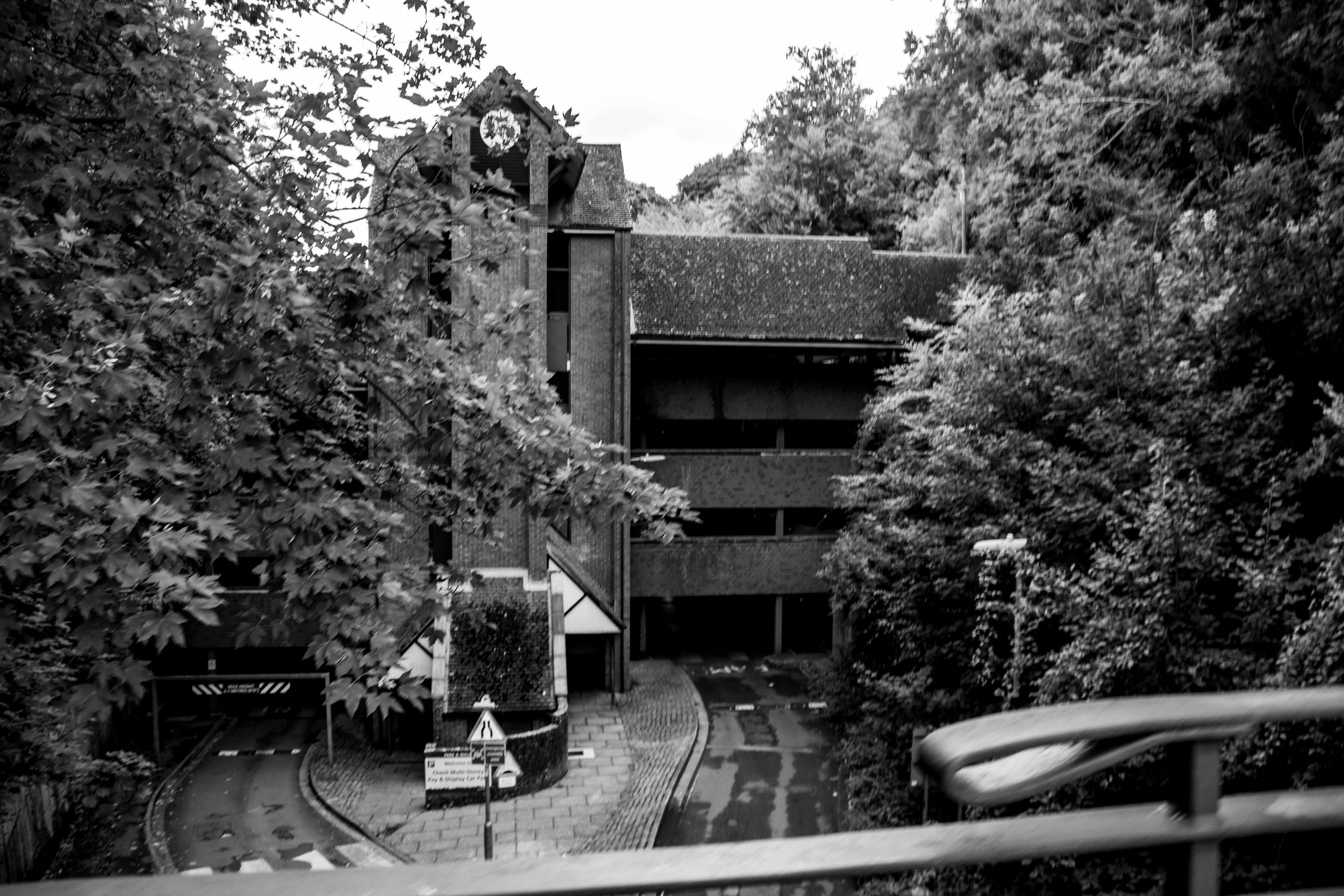
The site of the station is now occupied by a large multi-storey carpark as viewed from the old passenger footbridge which still exists to this day at the south end of the station. I find this view intriguing as even though it’s far removed from the train station, the design of the in and out roads to the car park look strangely like point work in railway tracks. Clever architecture and design or complete serendipity, you decide.
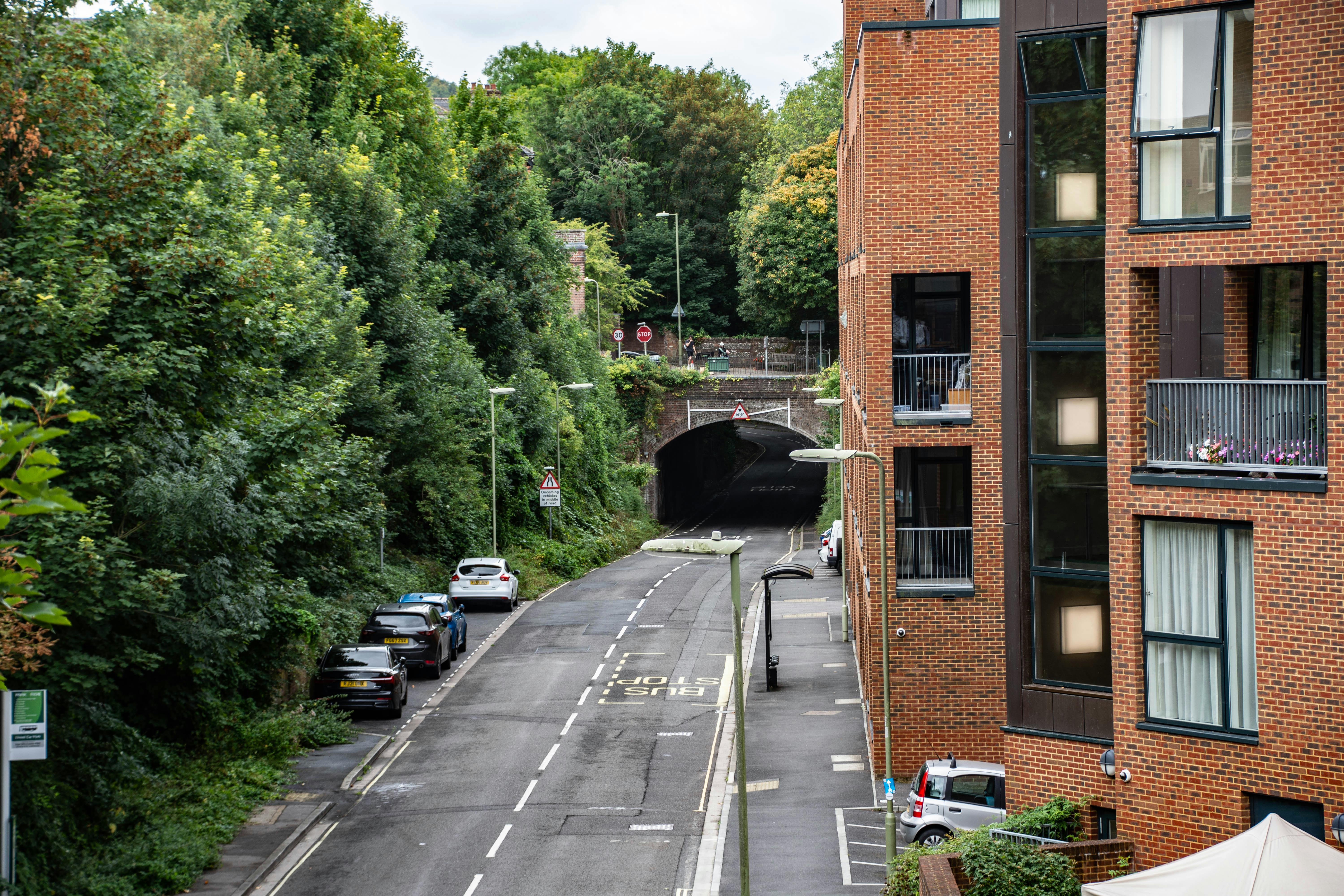
Looking in the opposite direction from the bridge, you can clearly see how the track would have made its way out of the station and onwards towards the road bridge.
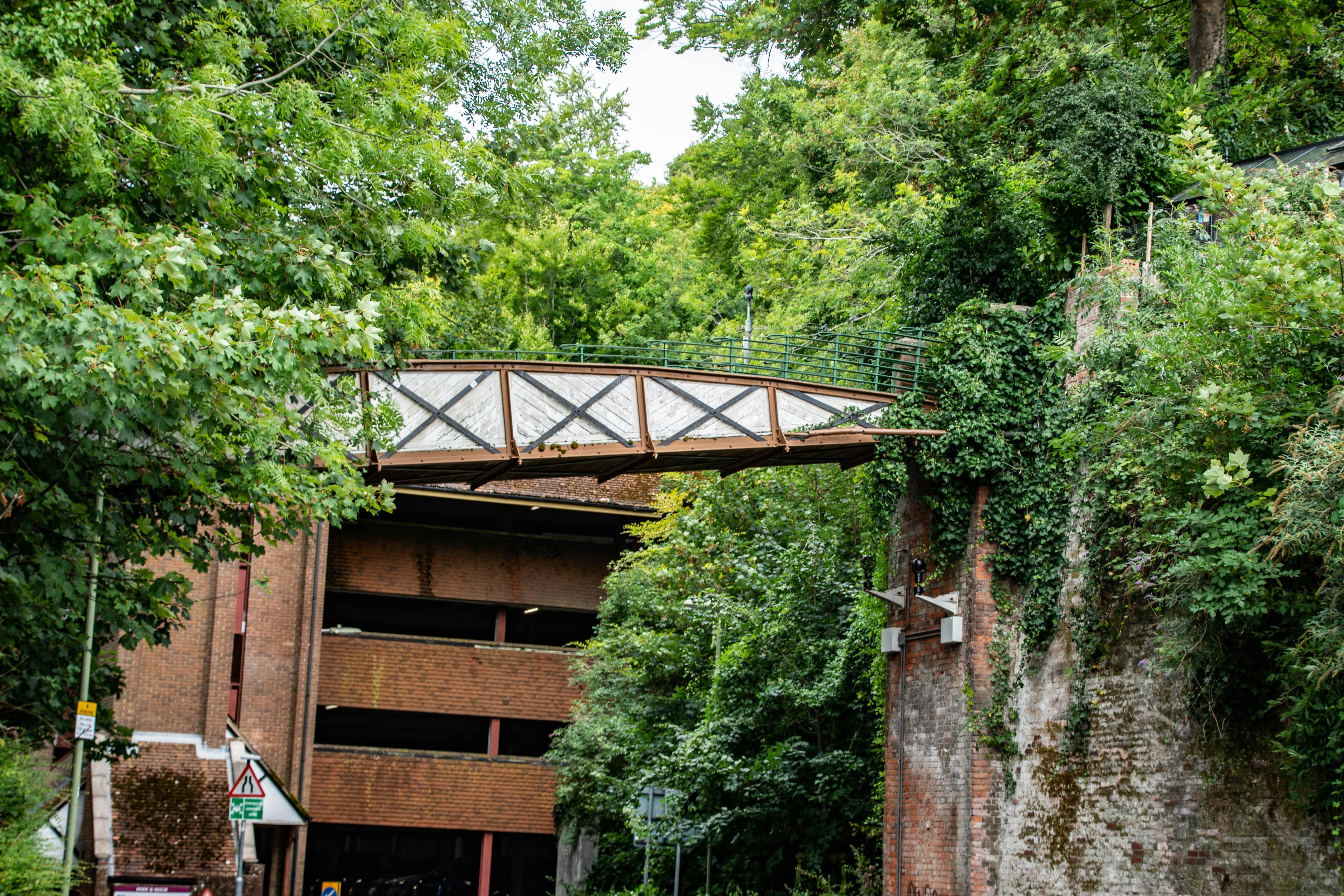
On the ground the footbridge can be seen in its full glory. You’ll notice that the bridge has been painted in the traditional GWR colours of brown and cream/white helps to preserve its link to the past.
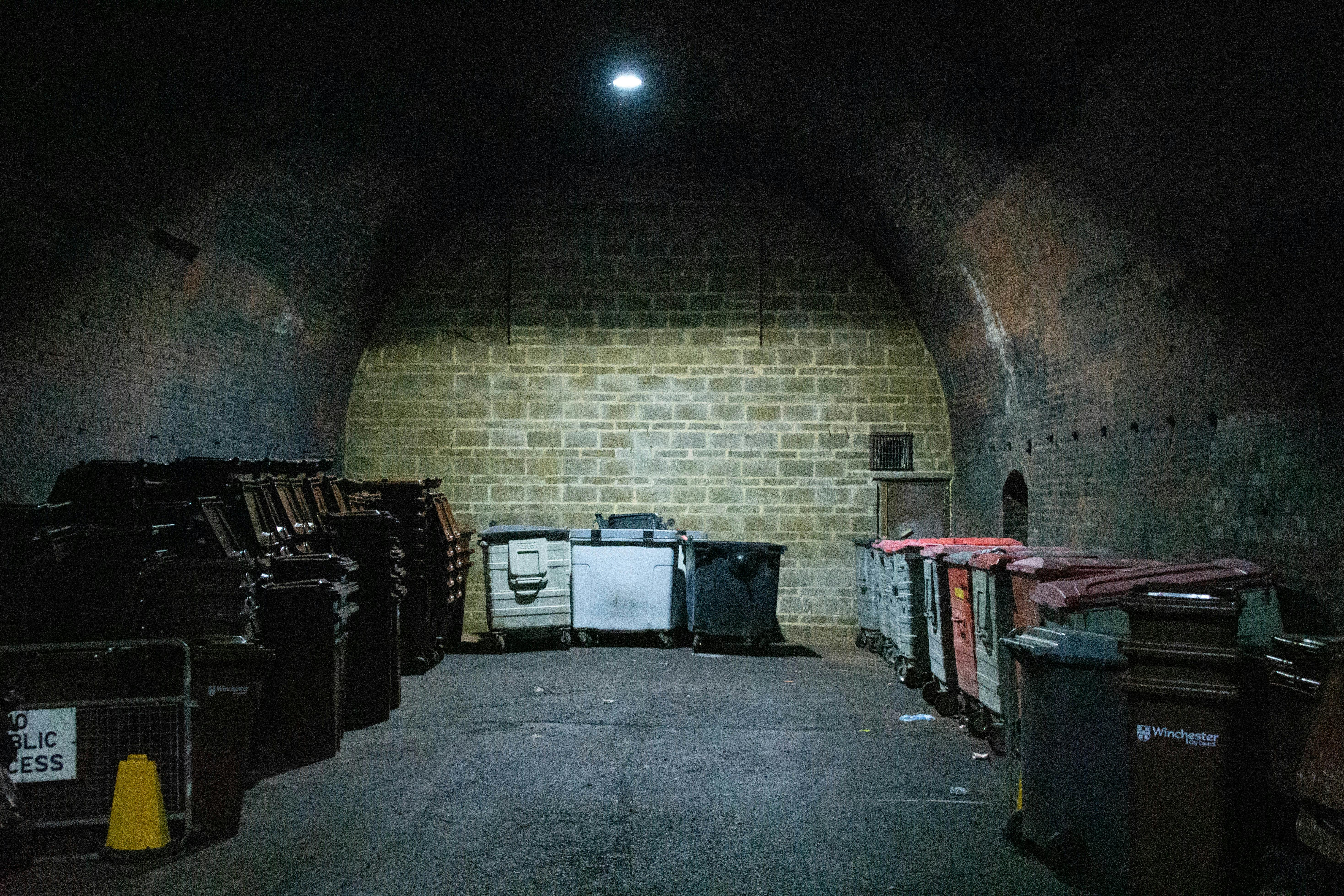
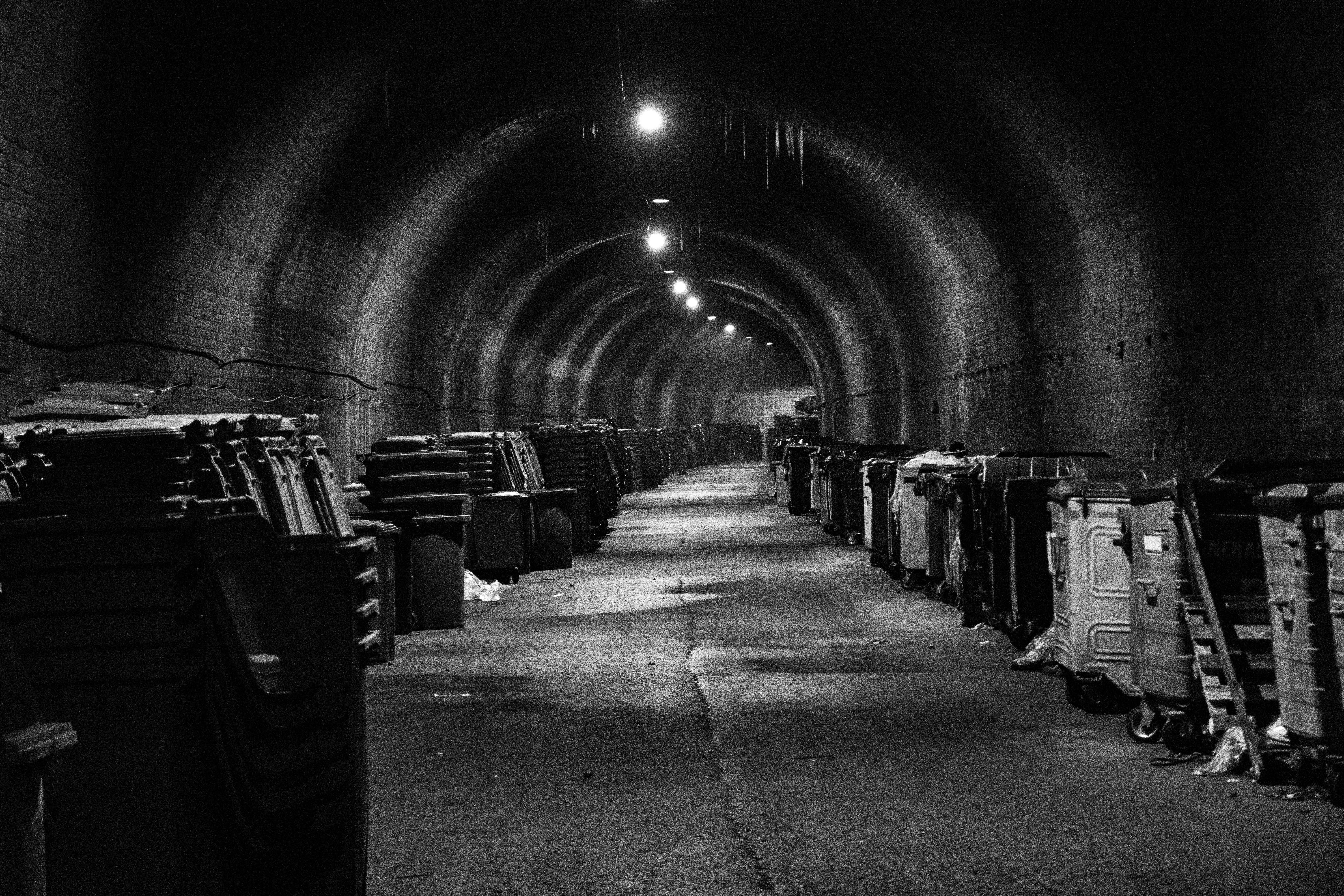
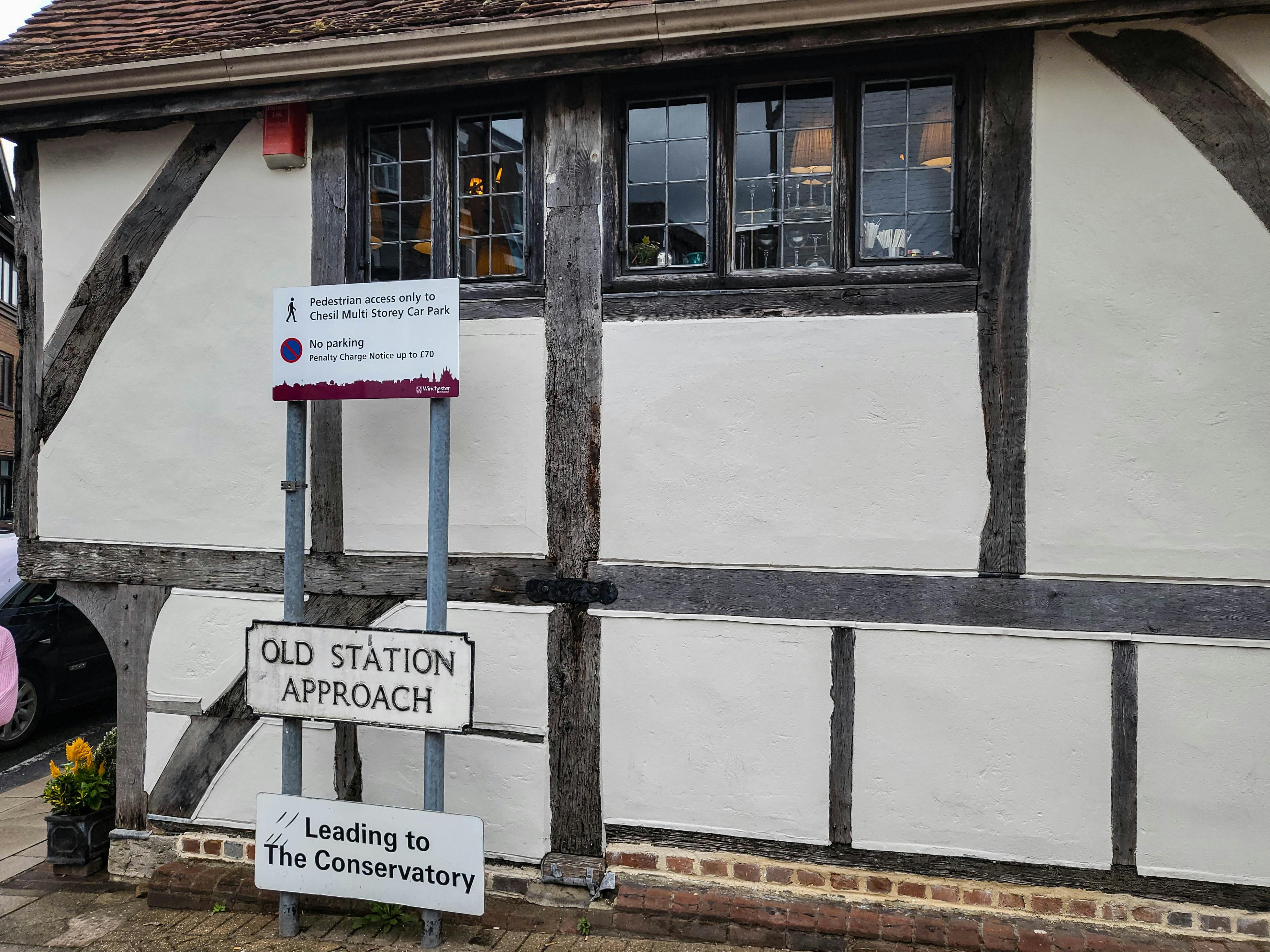
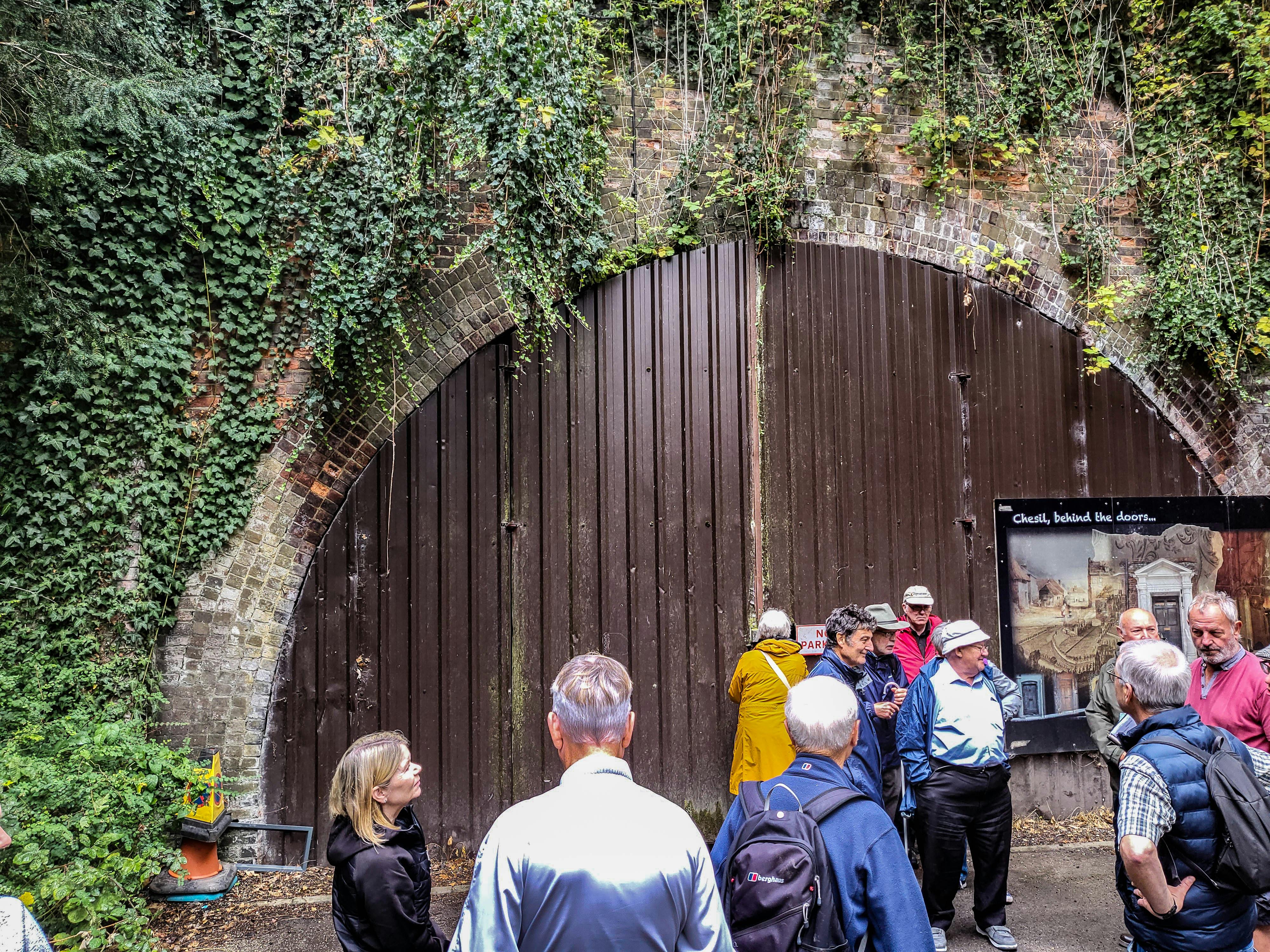
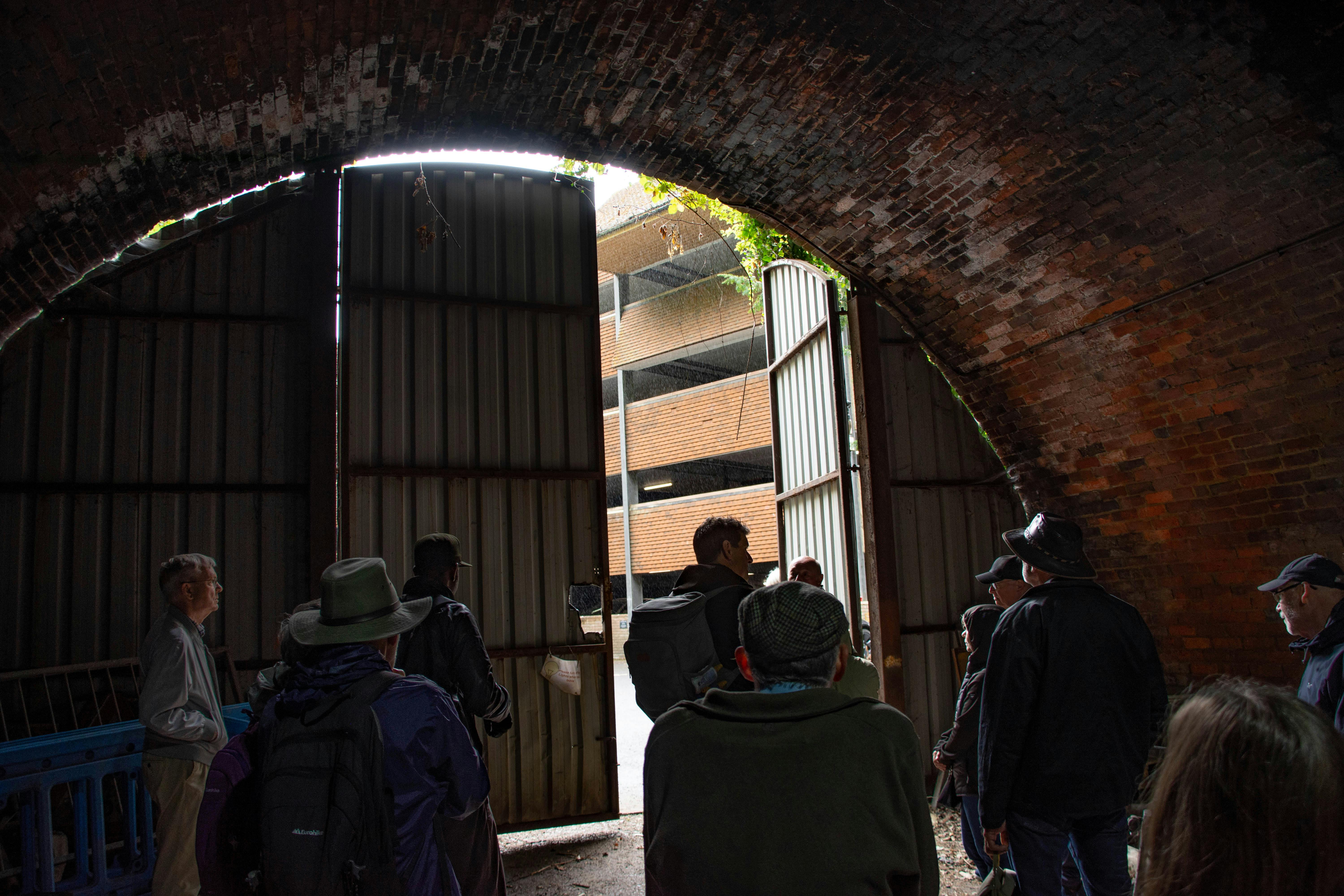
We now circle back to rectory and walk up Old Station Approach. This brings us to the mouth of the Chesil tunnel. The tunnel is today owned by Winchester Council and currently used as a wheely bin store. Access to the tunnel is strictly accompanied by the official tour guides only and large corrugated metal doors barricade the entry.
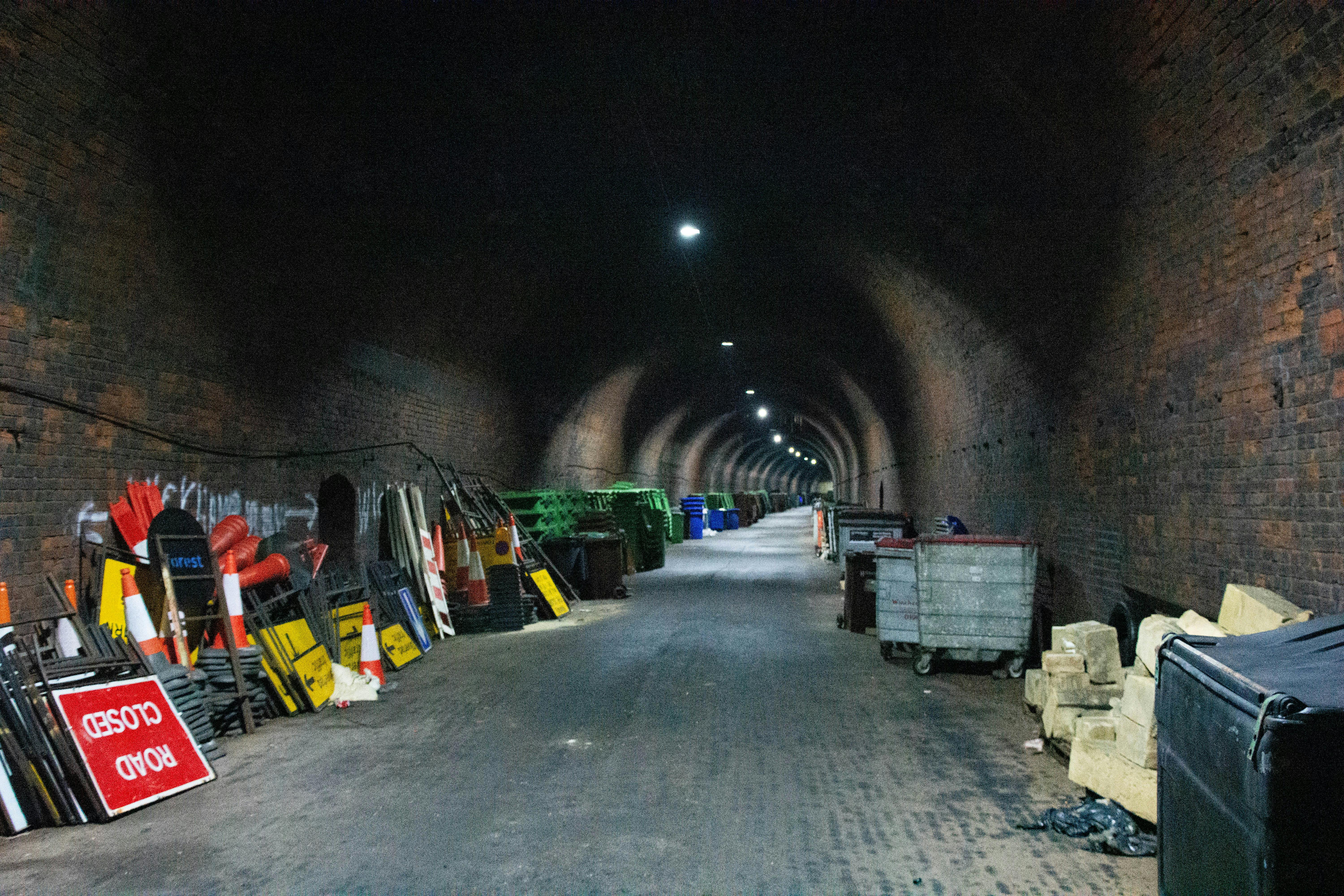
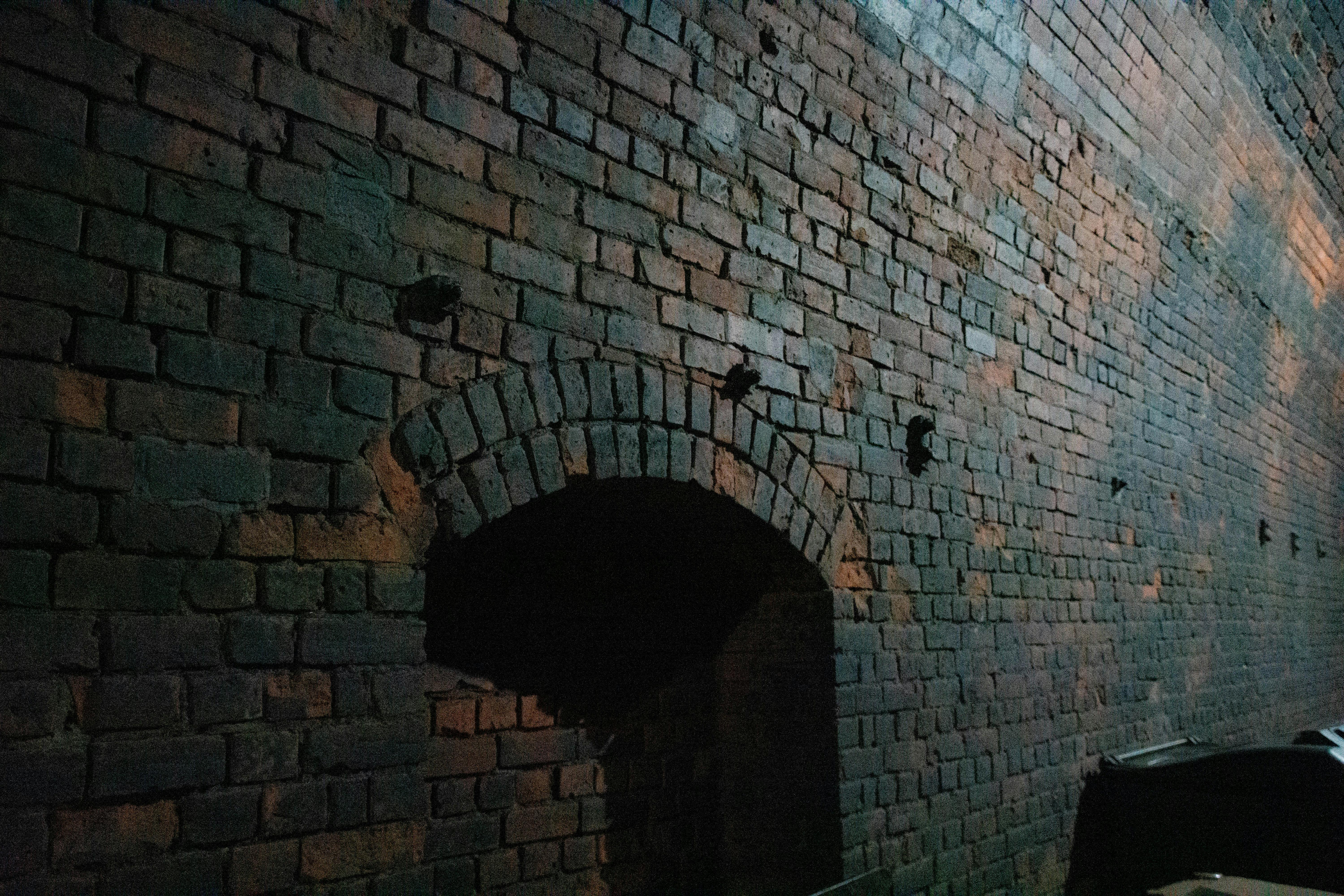
It’s moments of this sort of exploration that I enjoy the most. The ability to still experience a piece of the past that remains very much hidden, almost secret from the general populous. The lighting in the tunnel is very dim and there’s an earthy smell in the air of damp bricks mixed with cool air which I just adore. The tunnel itself is just over 400 meters in length and is adorned on both sides by recycling bins. The council have been careful however to not cover up important features such as the refuge niches in the tunnel walls. These are built into the tunnel at regular intervals and would allow railwaymen who were working in the tunnel to get into a position of safety if there was a train approaching in the tunnel. This tunnel would have been a double track tunnel, so space in the cess (the space between the railway edge and the tunnel wall) would have been very tight.
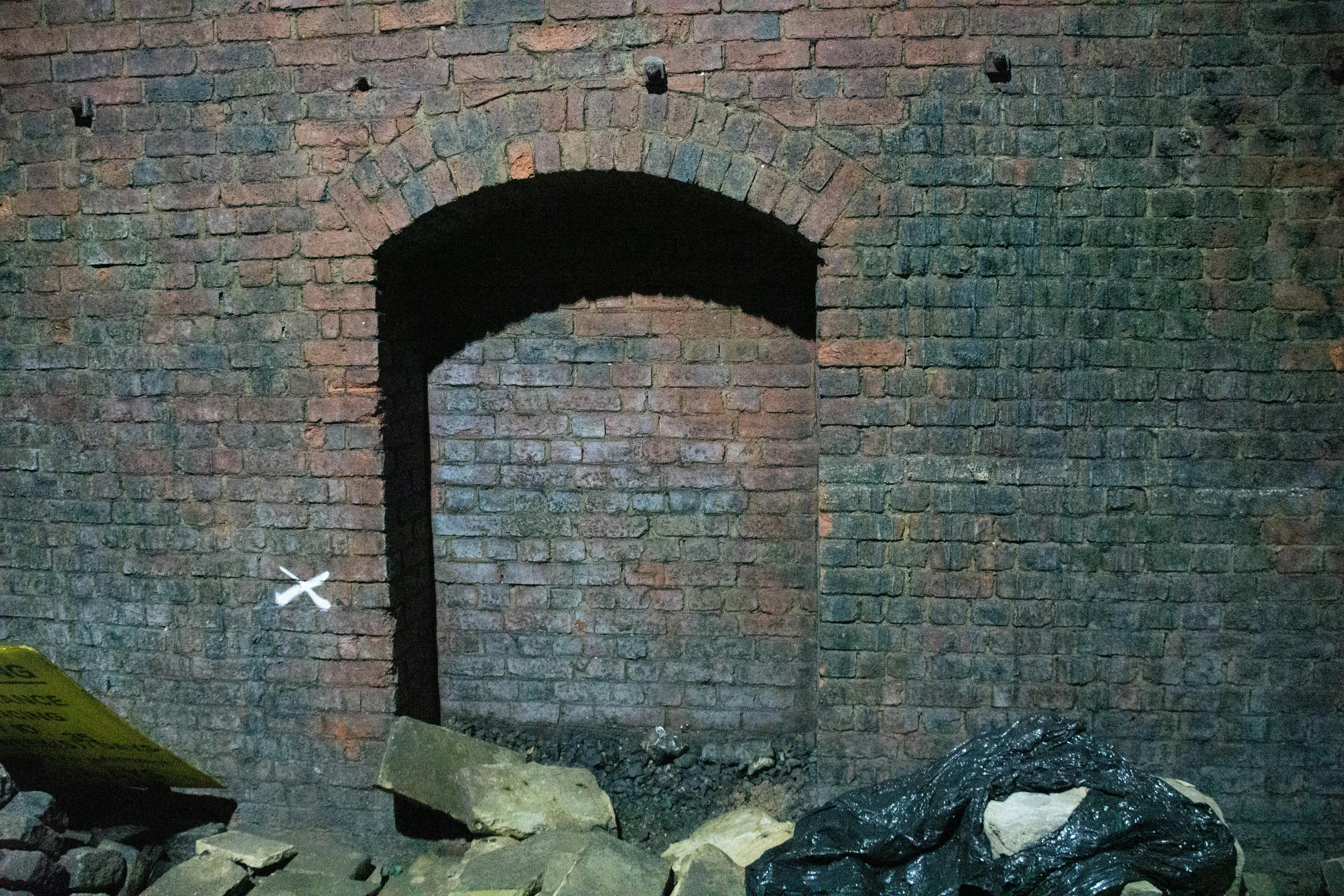
Above the refuge niches you can also still see some of the metal brackets which would have carried telegraph cables throughout the tunnel.
At the end of the tunnel is nothing more than a bricked wall now (and what looks like the residence of the bin lords themselves). On the other side of this is a shooting club of all things. There is currently an enquiry for them to take over more of the tunnel so it is possible that the length of walkable tunnel on this tour is going to shrink in the future.