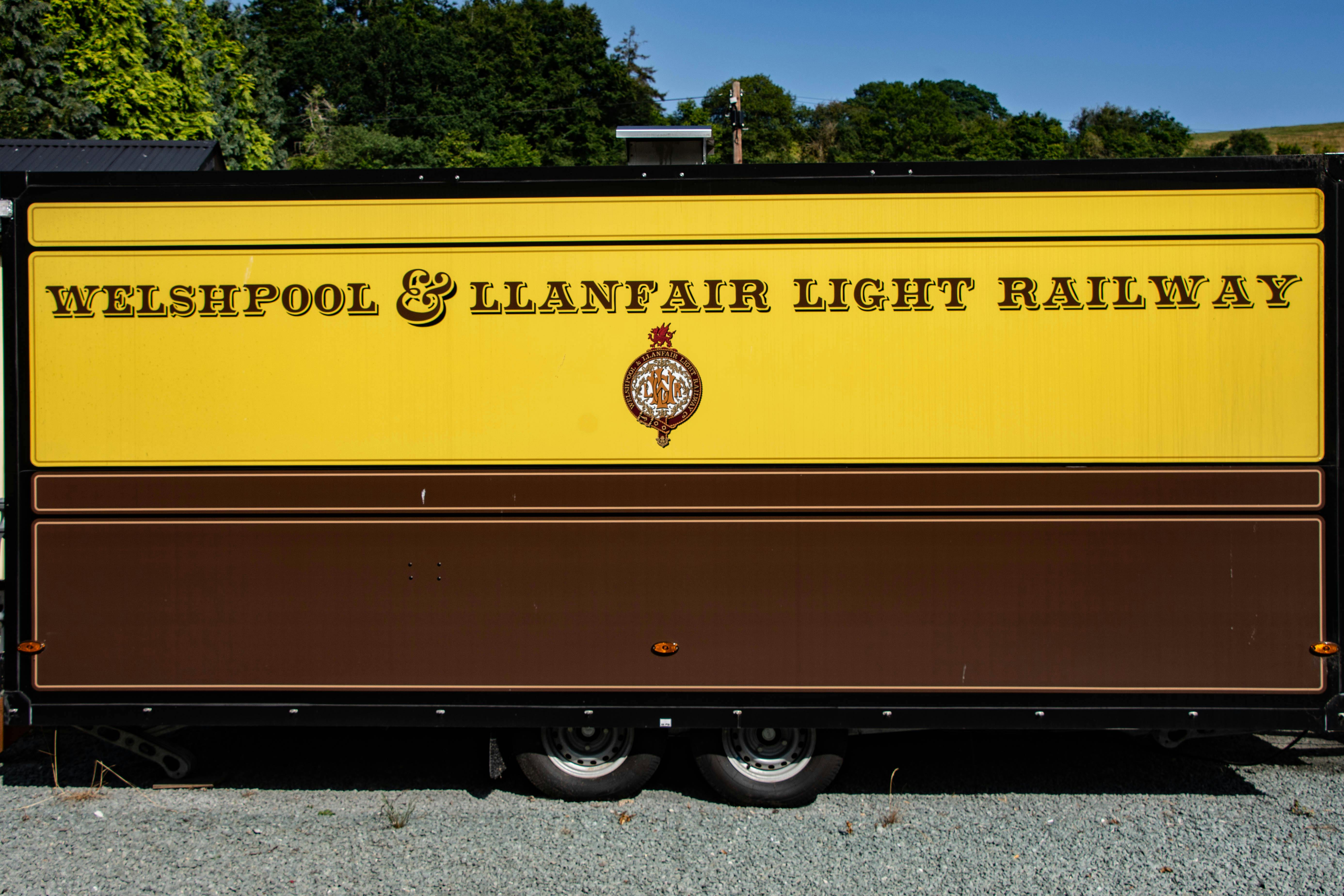
We’re back in Wales for the second time this year, exploring the Welshpool and Llanfair Light Railway. Todays service was intended to be steam hauled but due to earlier lineside fires, there’s an instruction from the local fire station to only use diesel trains. It has been incredibly dry and hot recently which is great for the sun lovers but not so much for the arid Welsh countryside and its steam locomotives thundering along. You’ll see an example of why those two do not mix well later on so keep your eyes peeled.
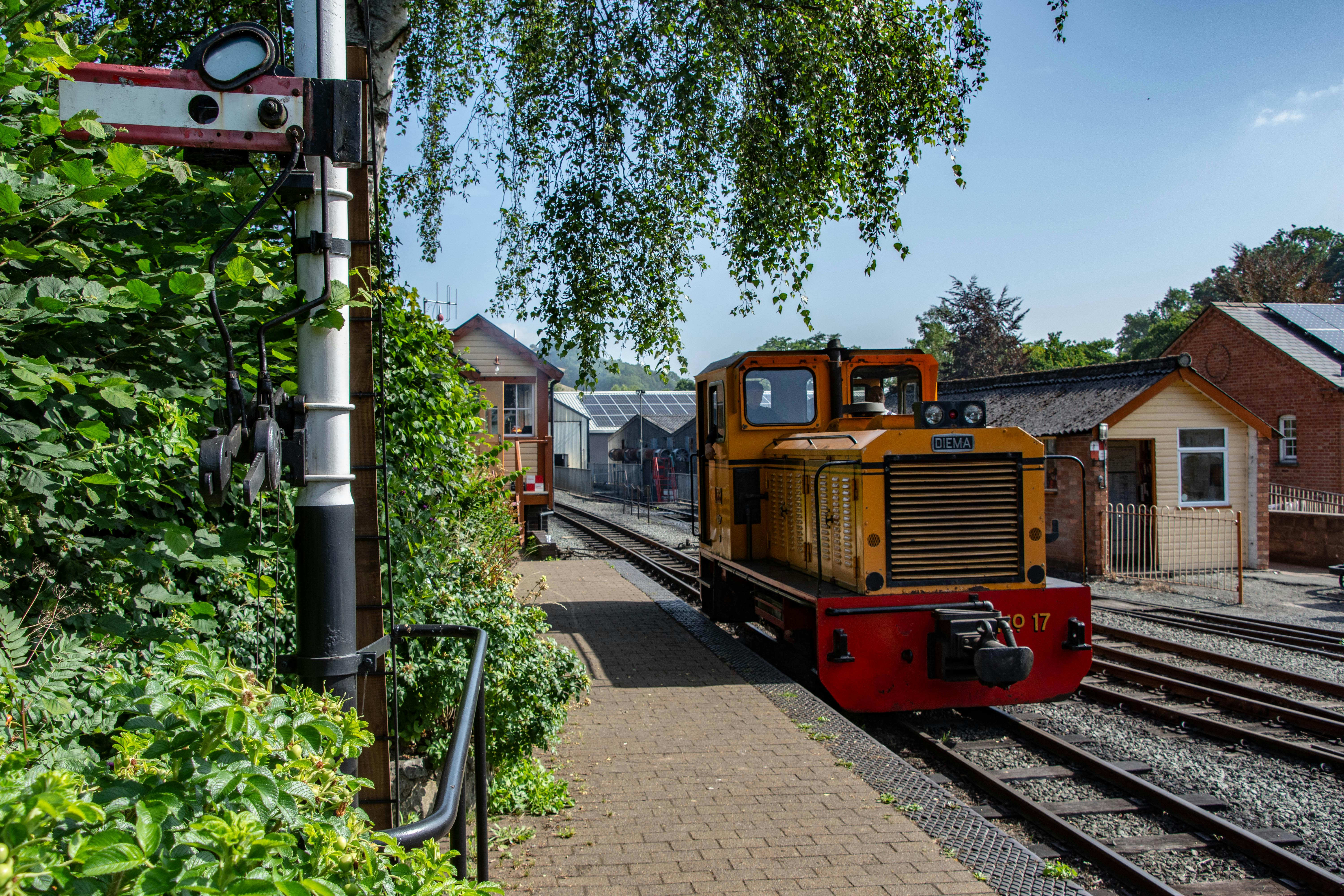
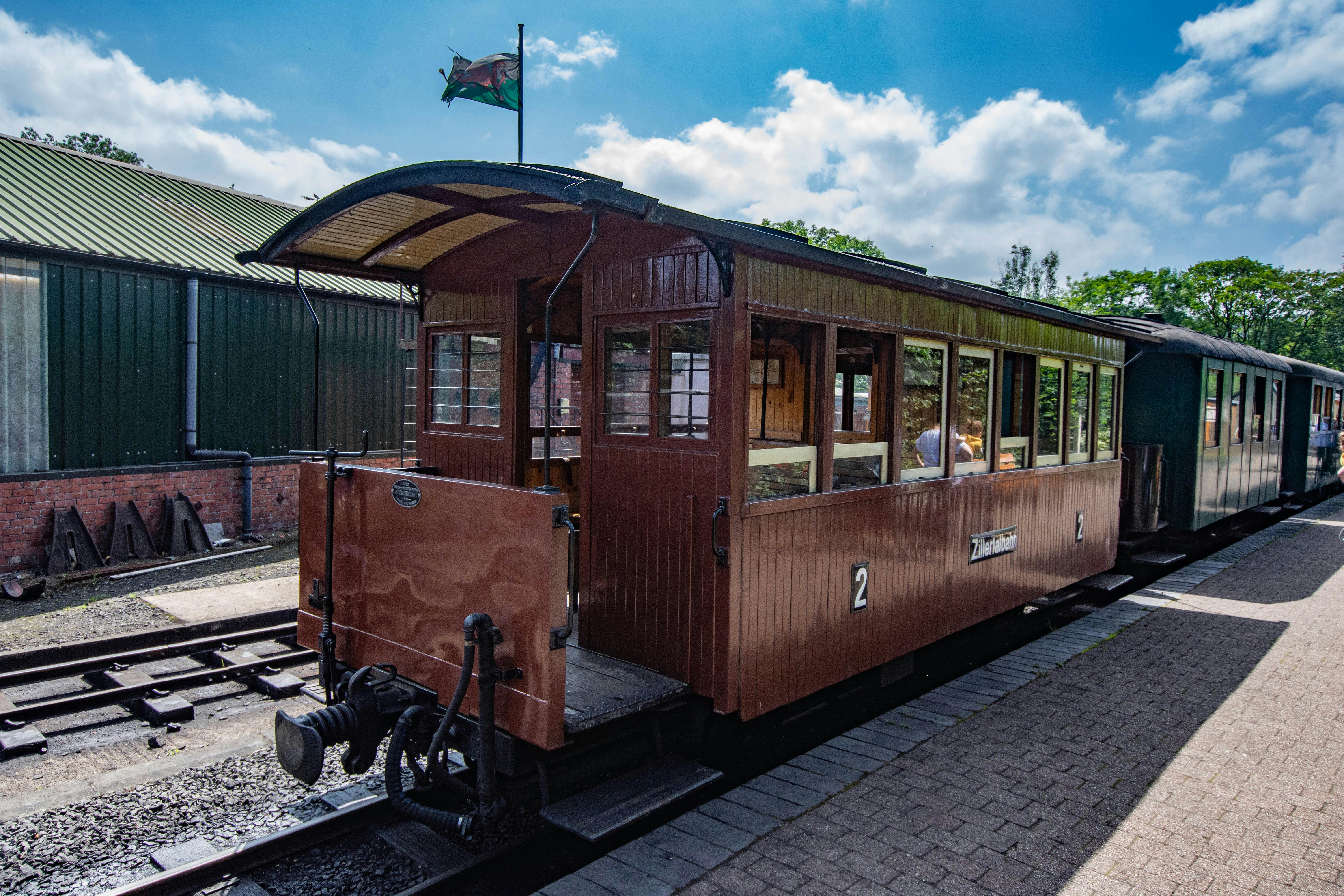
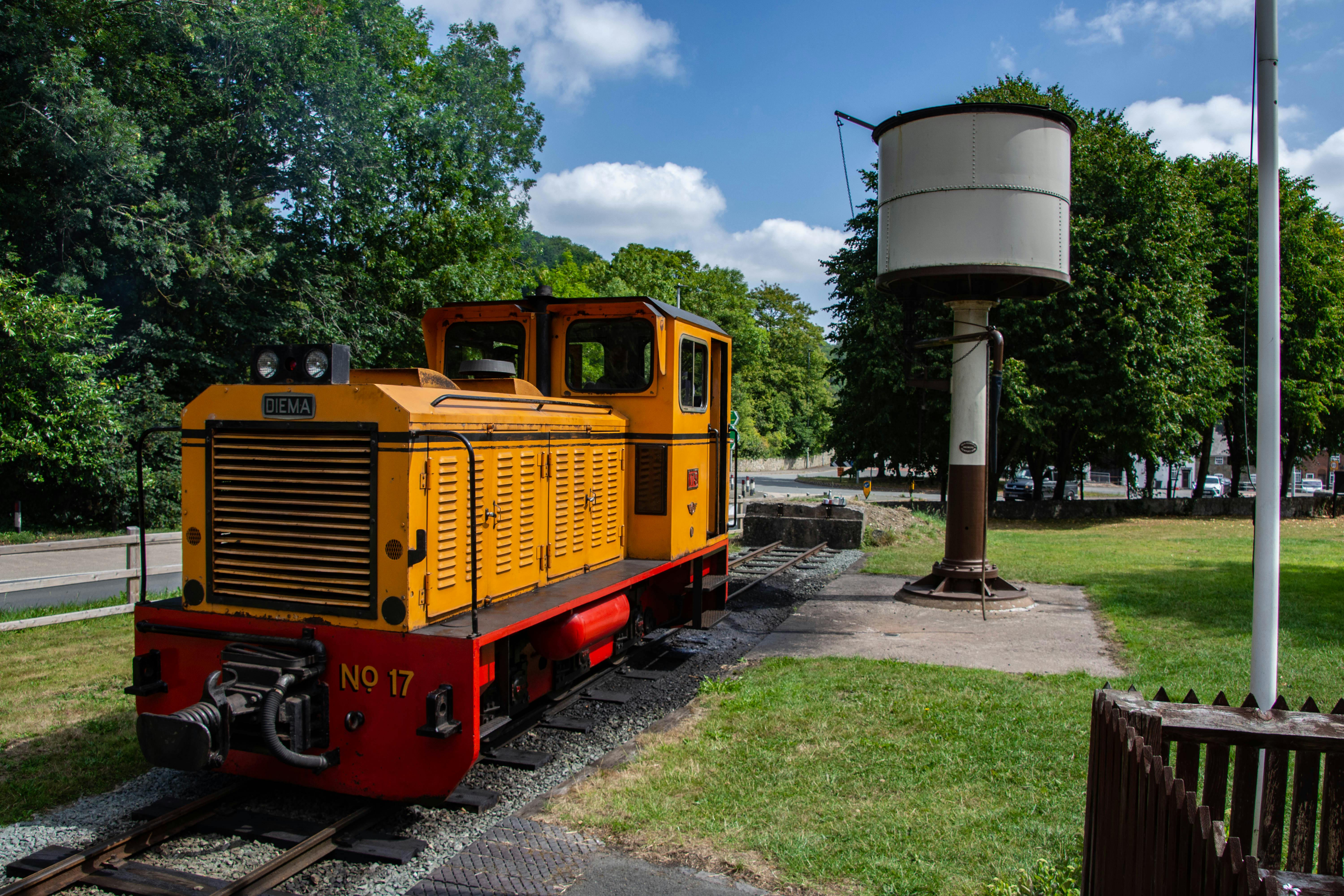
Our journey today starts from Llanfair Caereinion station. We’re hauled today by a Diema No. 175 0-6-0 diesel. Originally built at the Diephulzer Works near Bremen, Germany, for the Taiwan Sugar Corporation around 1979. Following an increase of cheaper imports of sugar from Indonesia into Taiwan, she become surplus to requirements and came to the Welshpool and Llanfair Railway in 2004 after a successful purchase. Following the original closure and suspension of passenger services on this line back in 1931, there are no original passenger carriages from the original railway which still exist. It is widely believed that the three original stock carriages built in 1903, were taken to the GWR Swindon Works when passengers services first ceased around 1931 to be scrapped. What we have today is a collection of Austrian carriages which were donated to the railway in 1968 following the friendly relations the railway had with the Zillertalbahnn.
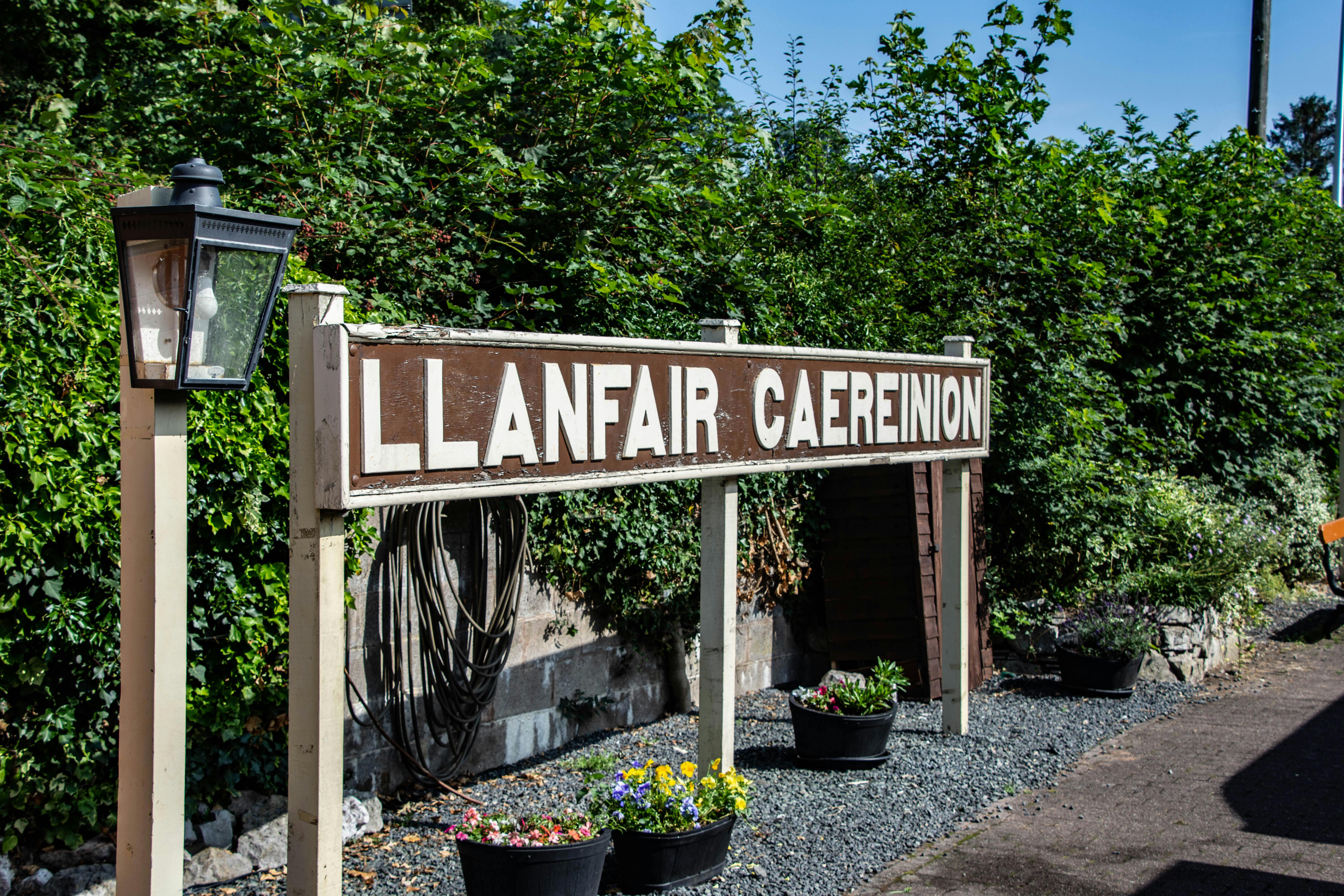
Llanfair Caereinion
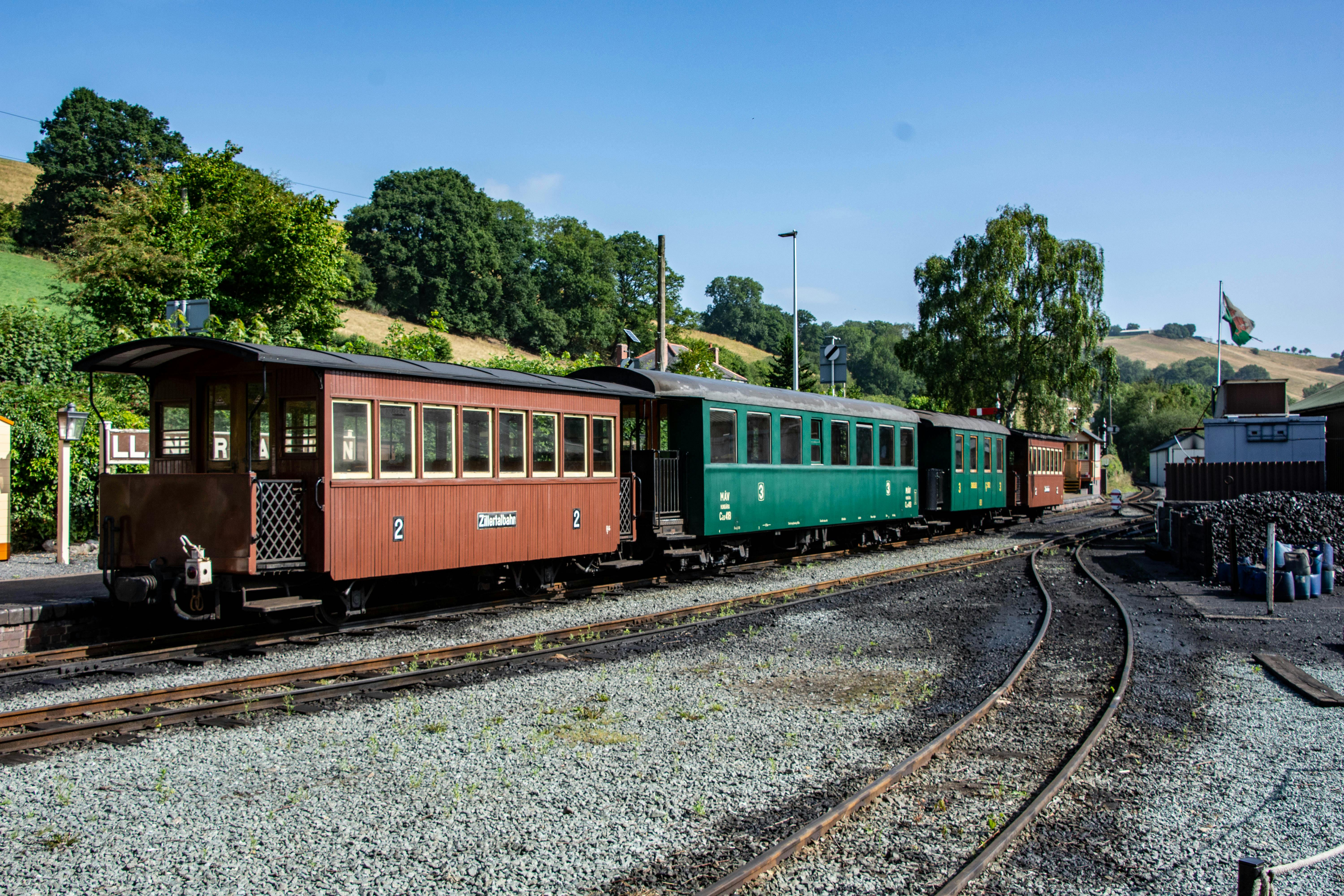
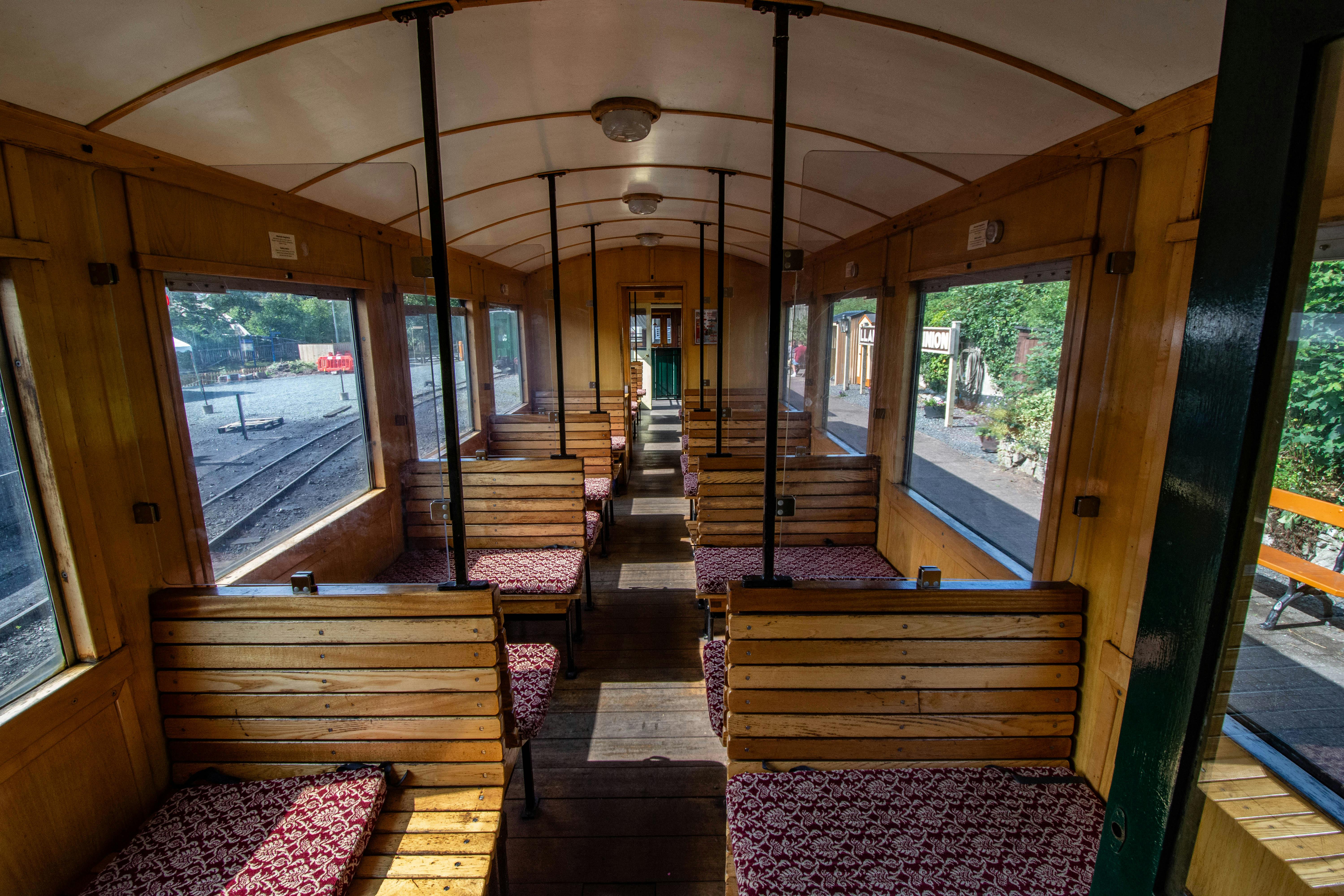
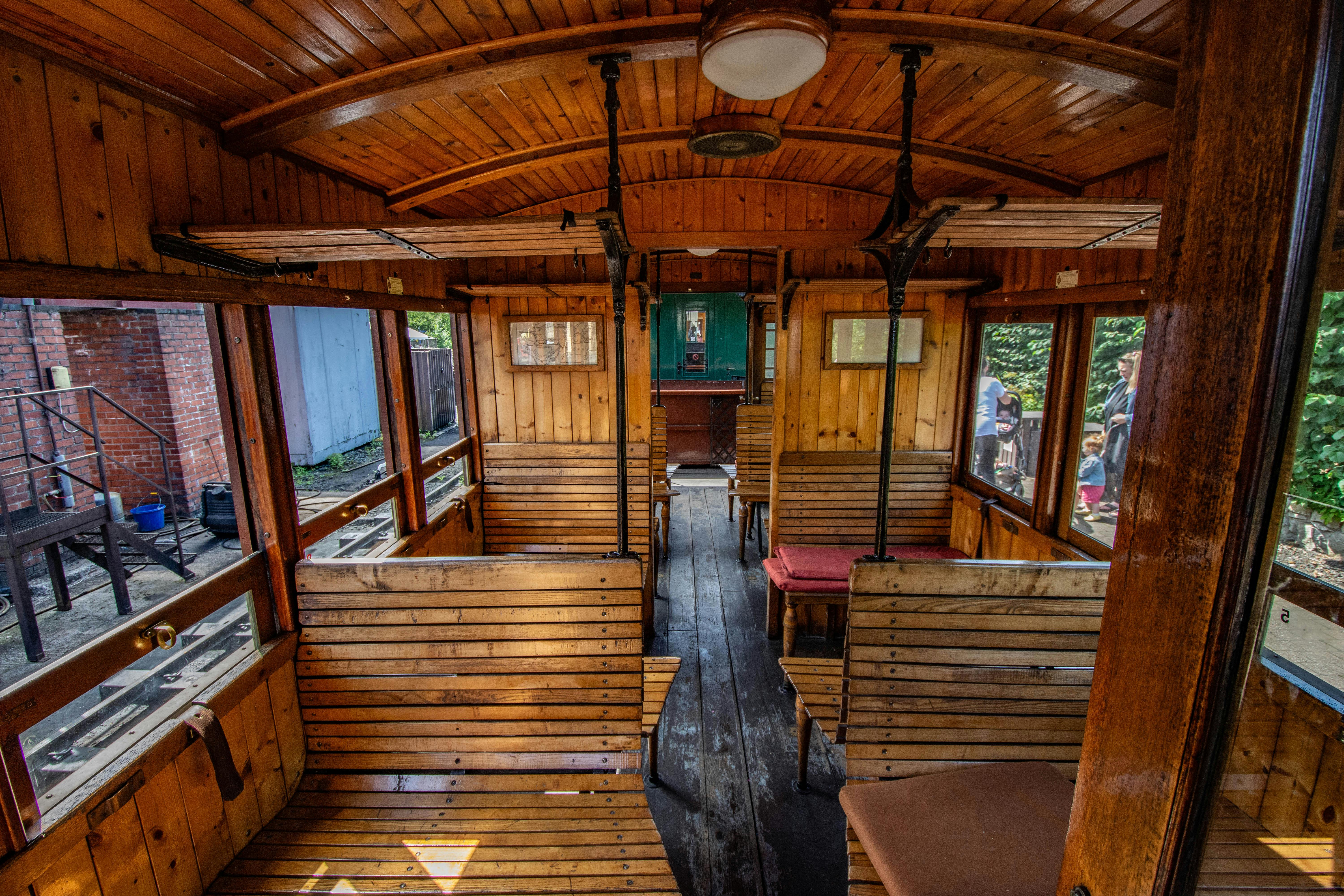
You can see some images of the interior of the carriages below. These carriages are not typical of what you would find on traditional narrow gauge railways of the same period. Most noticeably, they all have a balcony at either end which allows passengers to stand and admire the surrounding views. Interestingly though, the large windows are all possible to lower (something I didn’t realise until the service was on it’s way back from Welshpool). On top of this, they were all built with wooden seats without cushions at the time. This is not uncommon and there are plenty of examples of third class coaches of the same period which did this. Cushions were added by the railway at a later date by the railway to improve the ride comfort.
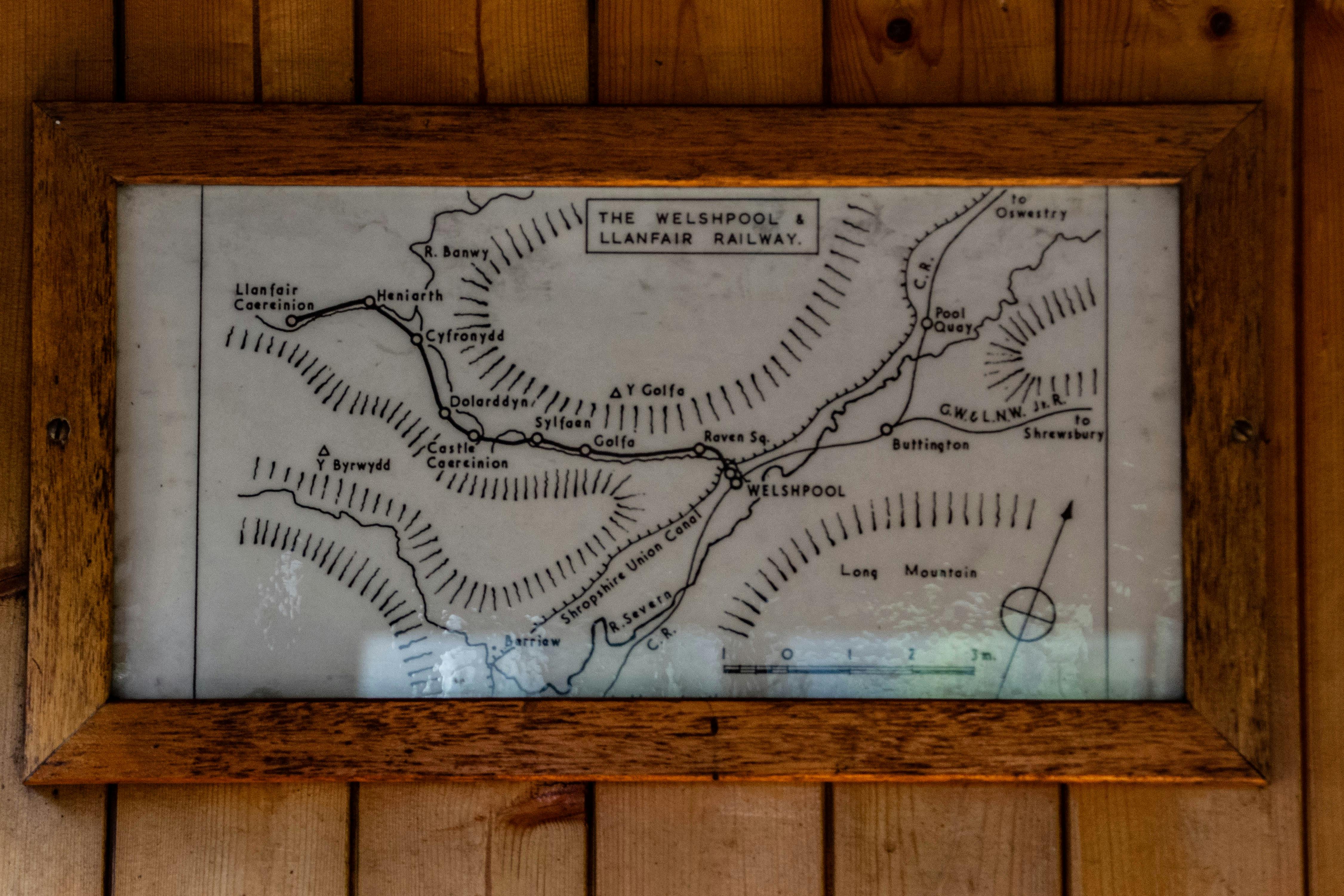
The service departs and there are a number of intermediate stations along the way to Welshpool which we will showcase below. Speaking with one of the volunteers, in the summer months, some of these are quite popular with ramblers and are normally just request stops, but today, the service goes straight through them all without stopping.
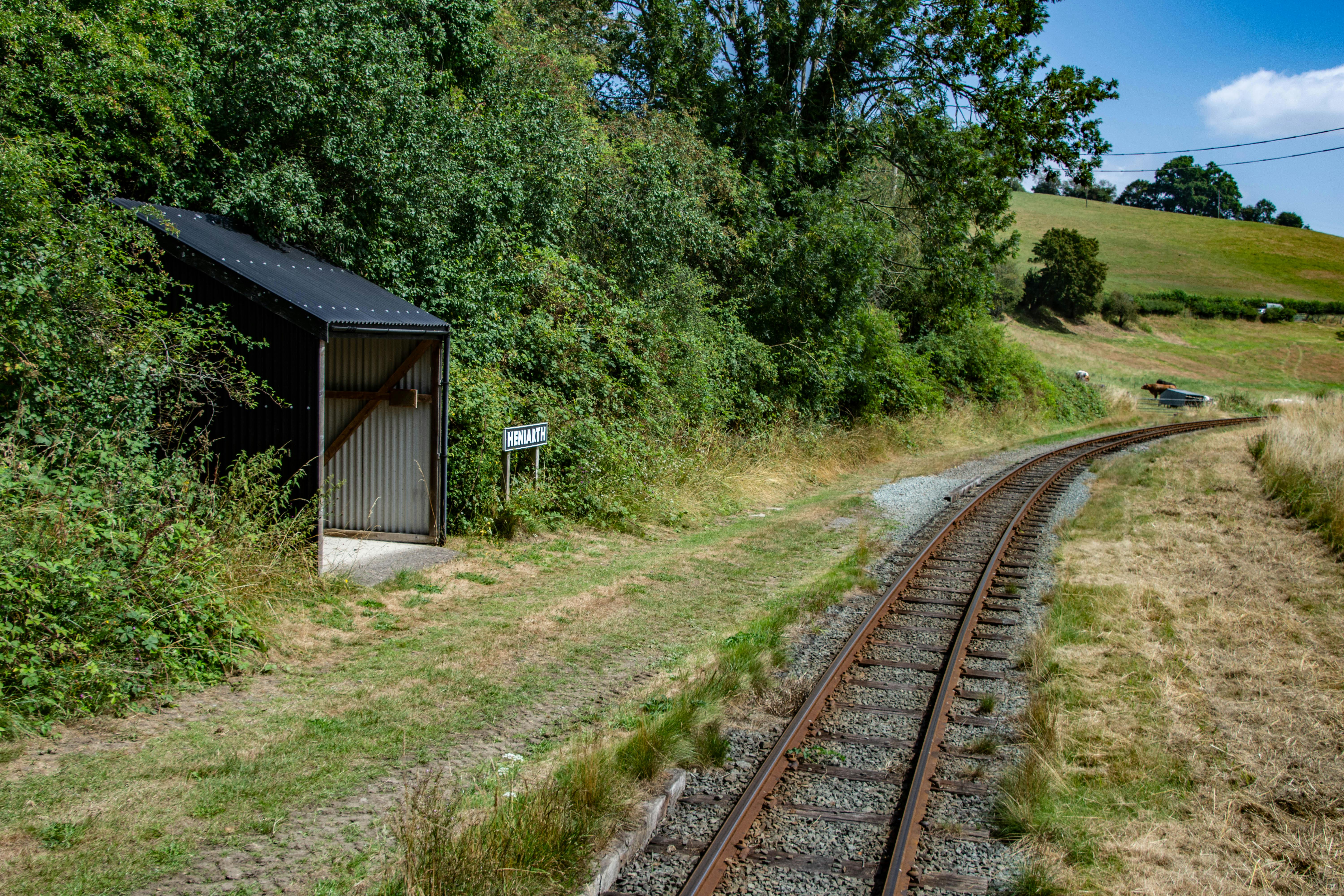
Heniarth
Originally opened as Heniarth Gate, it was renamed to Heniarth in 1913. Today it is nothing more than a grass platform halt with only a very simple metal waiting shelter. There used to be a passing loop here for timber and farm traffic and is situated close to the grade II listed Heniarth Mill which would have also enjoyed the use of this station, however there is very little here now as you can see.
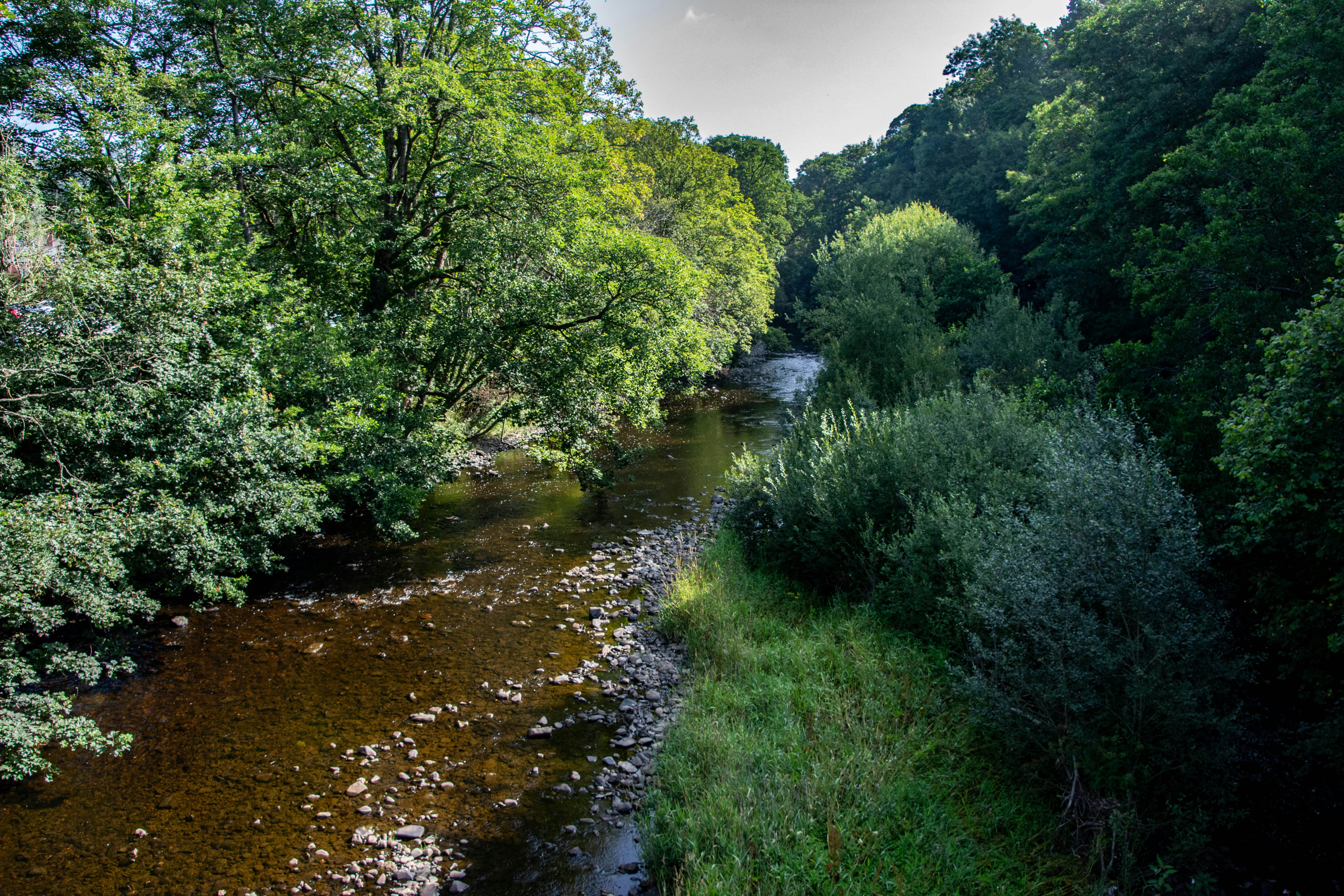
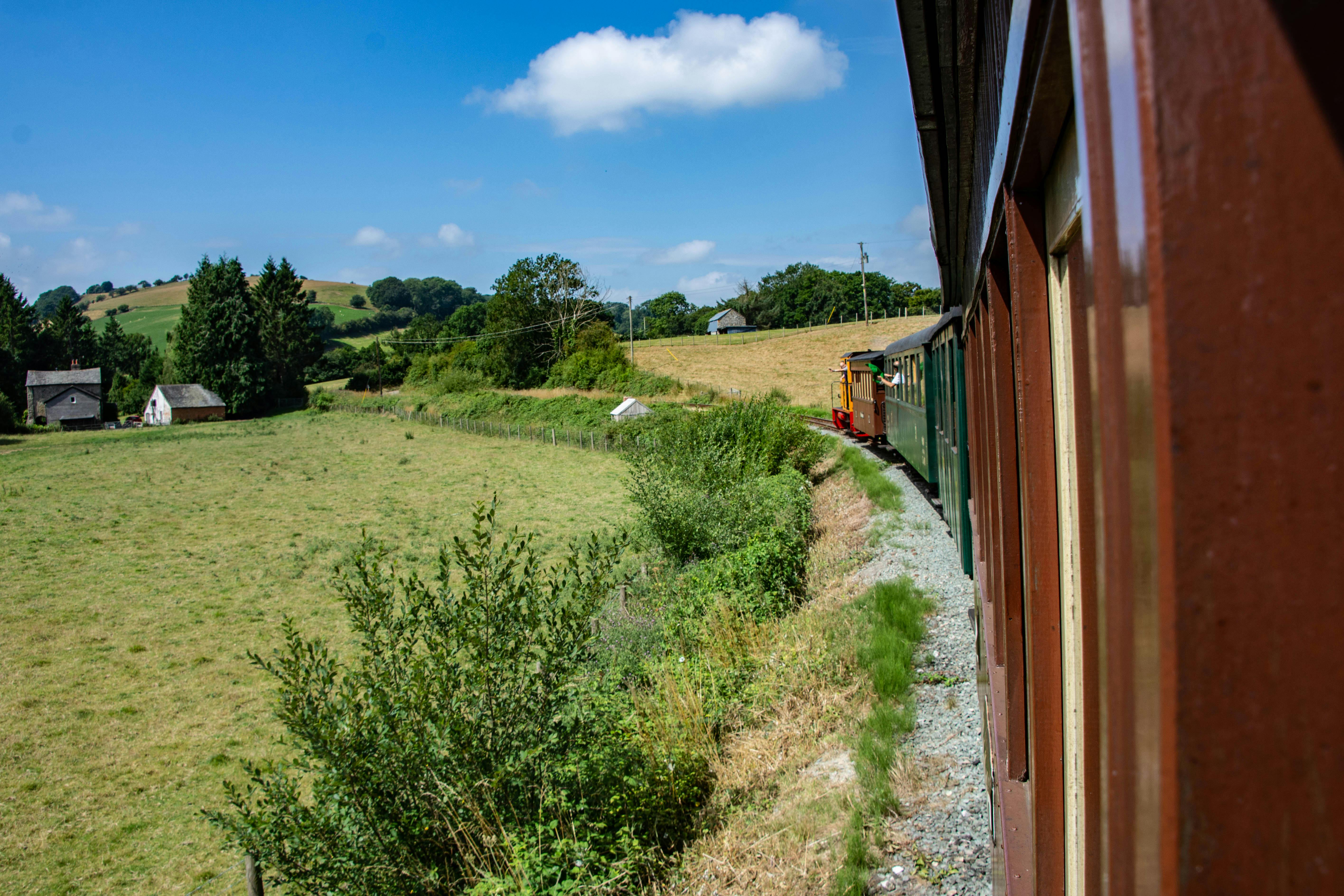
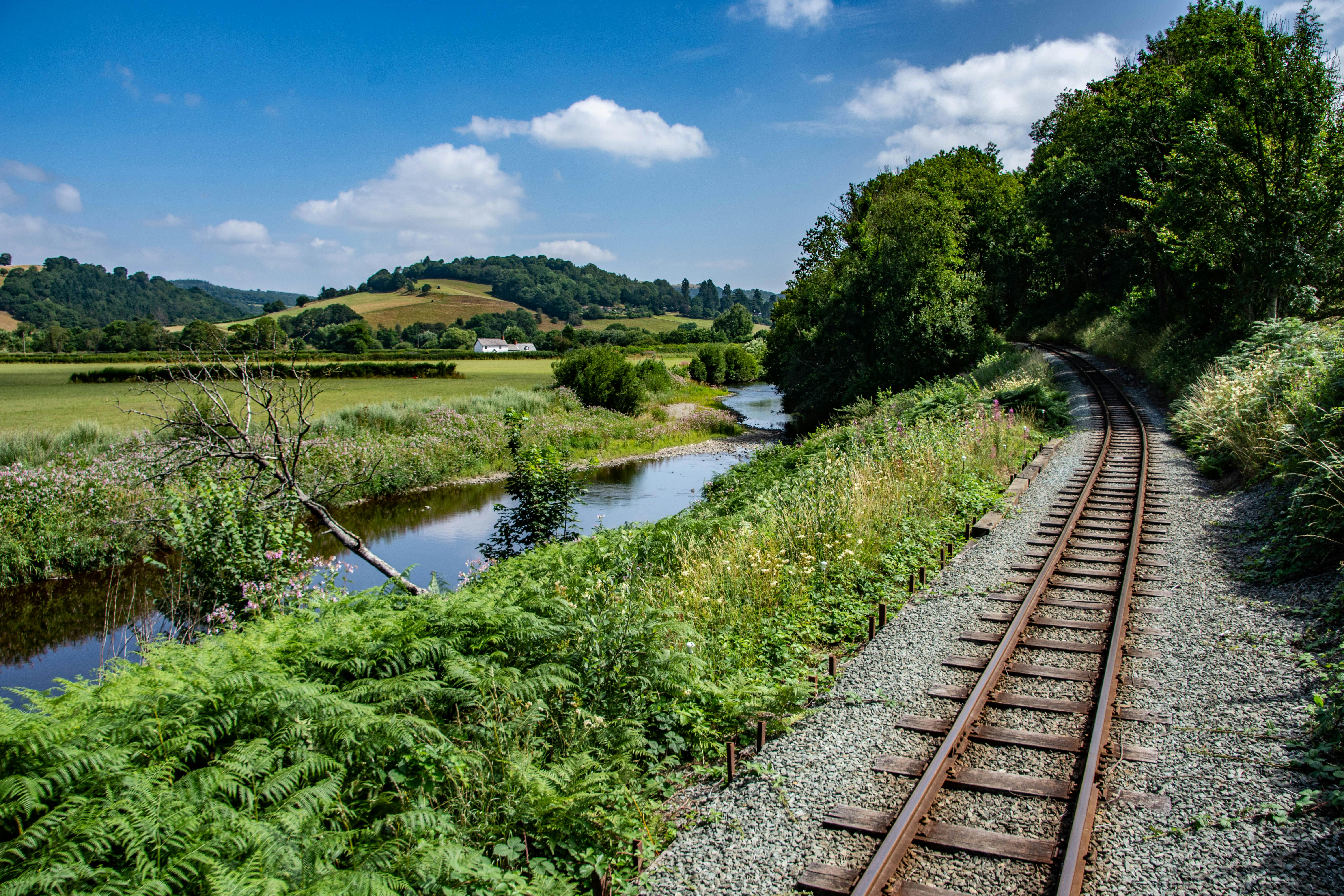
Shortly after Heniarth station, the line crosses the River Banwy and we get some good views of the train as it navigates the curve just before the viaduct.
Cyfronydd
Cyfronydd is a simple island platform station where the first passing loop appears on the line. There is also a siding here which can be seen on the far left hand side of the image below. This currently has just a few wagons stored there for now.
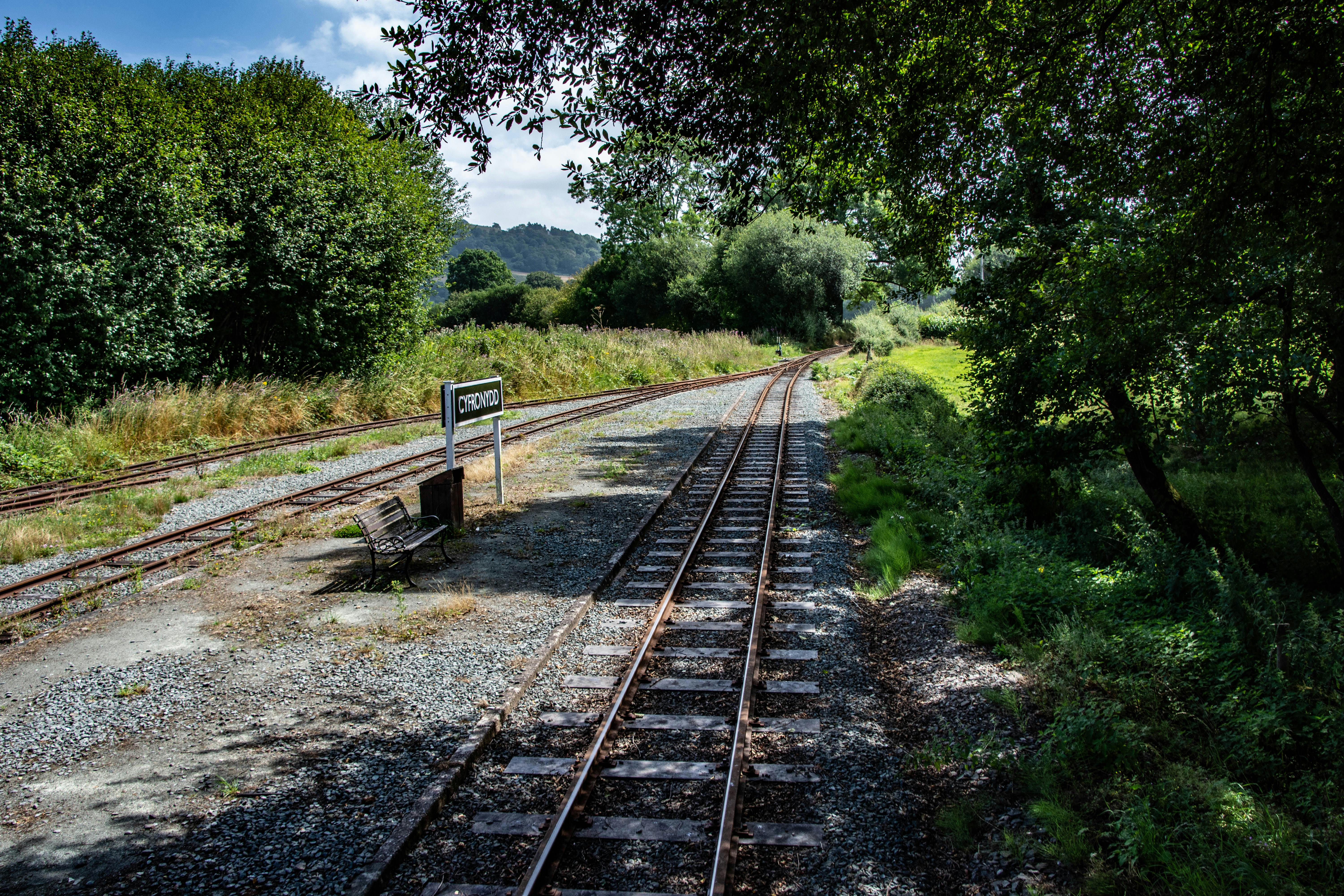
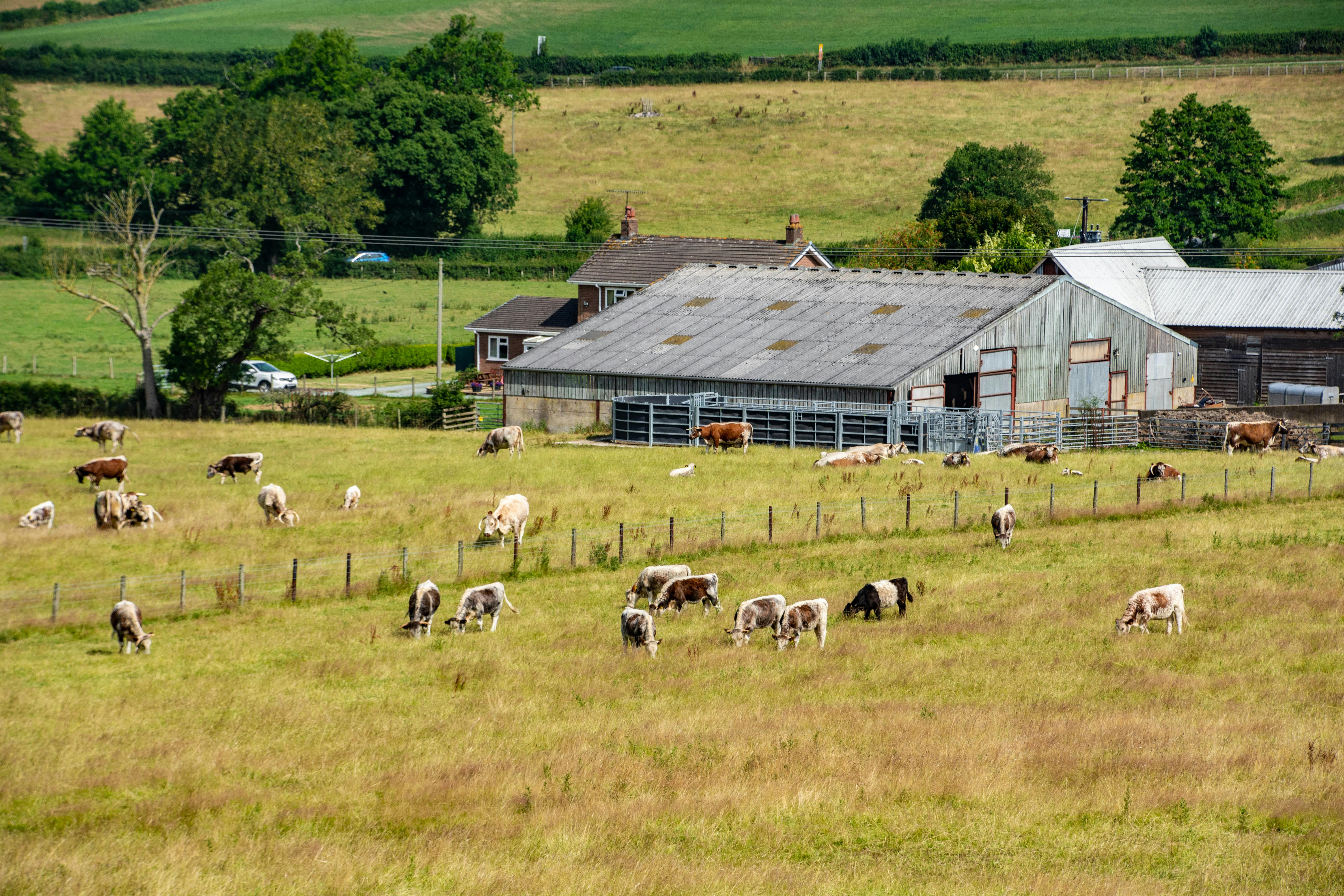
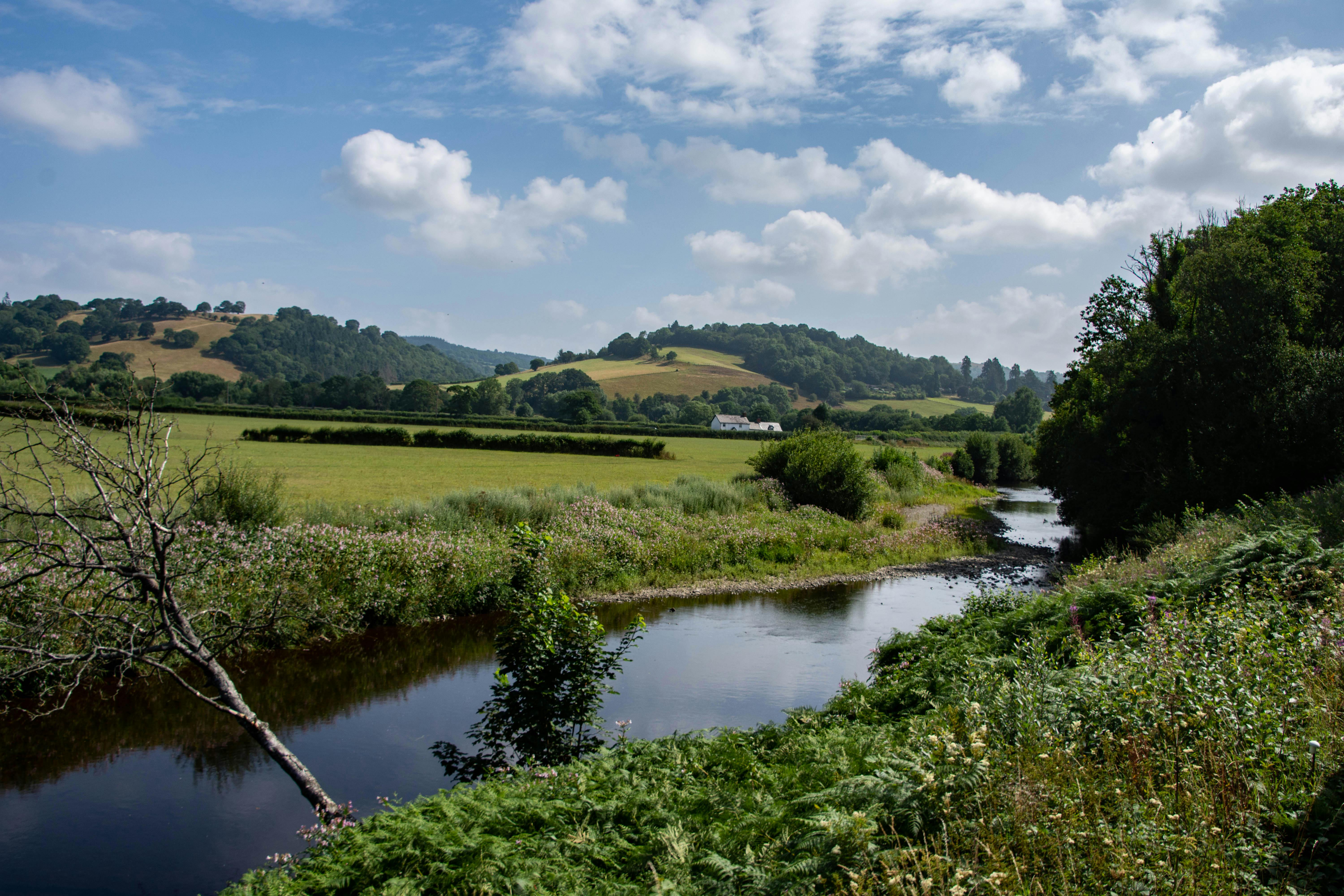
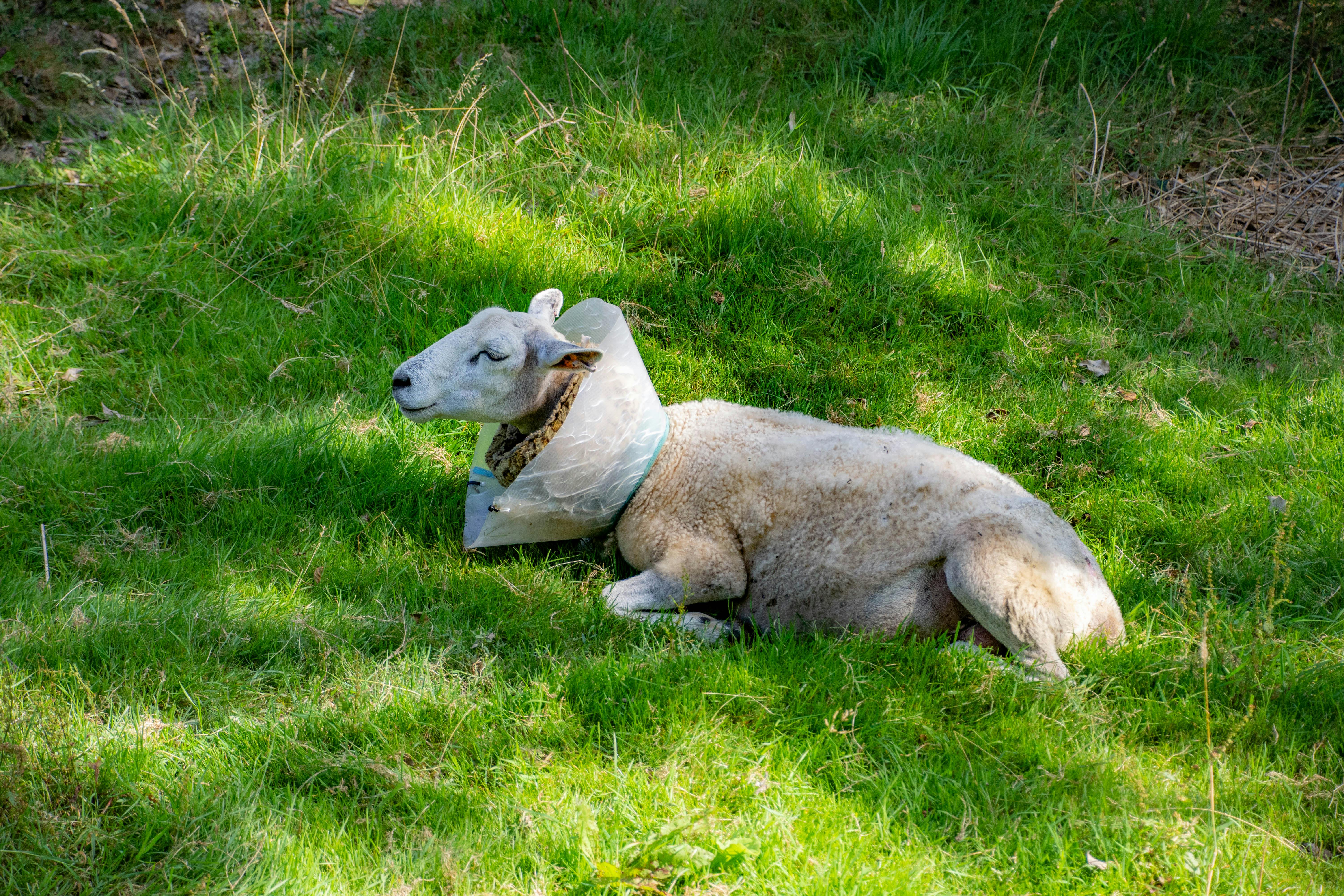
The views along the track here are stunning and you can get a sense of why this line was originally needed. There are countless farms which we pass along our route and back in 1862, a railway was proposed to answer demands from the agricultural community to allow produce from farms to be taken to nearby market towns by rail. The railway would connect with the mainline at Welshpool to allow the transfer of goods to travel further afield. Eventually in 1897, planning permission was granted for a narrow gauge line to Welshpool from Llanfair Caereinion. This was one of the first communities to benefit from the Light Railways Act of 1896, which aimed to promote rail building in rural, poorer areas by cutting cuts and not requiring an expensive act of parliament to allow construction to commence. Light railways can often traverse sharper curves and steeper inclines than their mainline counterpart, which was an ideal solution for this terrain.
The railway had a cashflow problem throughout its lifetime though. It struggled to repay its loan payments in 1908, but between 1914 and 1918, there was a surge of business due to the first world war, particularly in timber traffic, but this all fell away again in the 1920s. The introduction of bus services on improved and more efficient roads cemented the decline of the railway and reduced passenger footfall dramatically. In 1931, the last passenger train ran, and the passenger carriages taken to Swindon Works to be scrapped. The line closed to all traffic in 1956 but efforts were already well underway to preserve the railway. The Welshpool and Llanfair Light Railway Preservation Company Limited was formed in 1960 and leased the line from it’s then owner British Railways at the end of 1962, reopening as a heritage railway in 1963 but only running services half its length between Llanfair and Castle Caereinion.
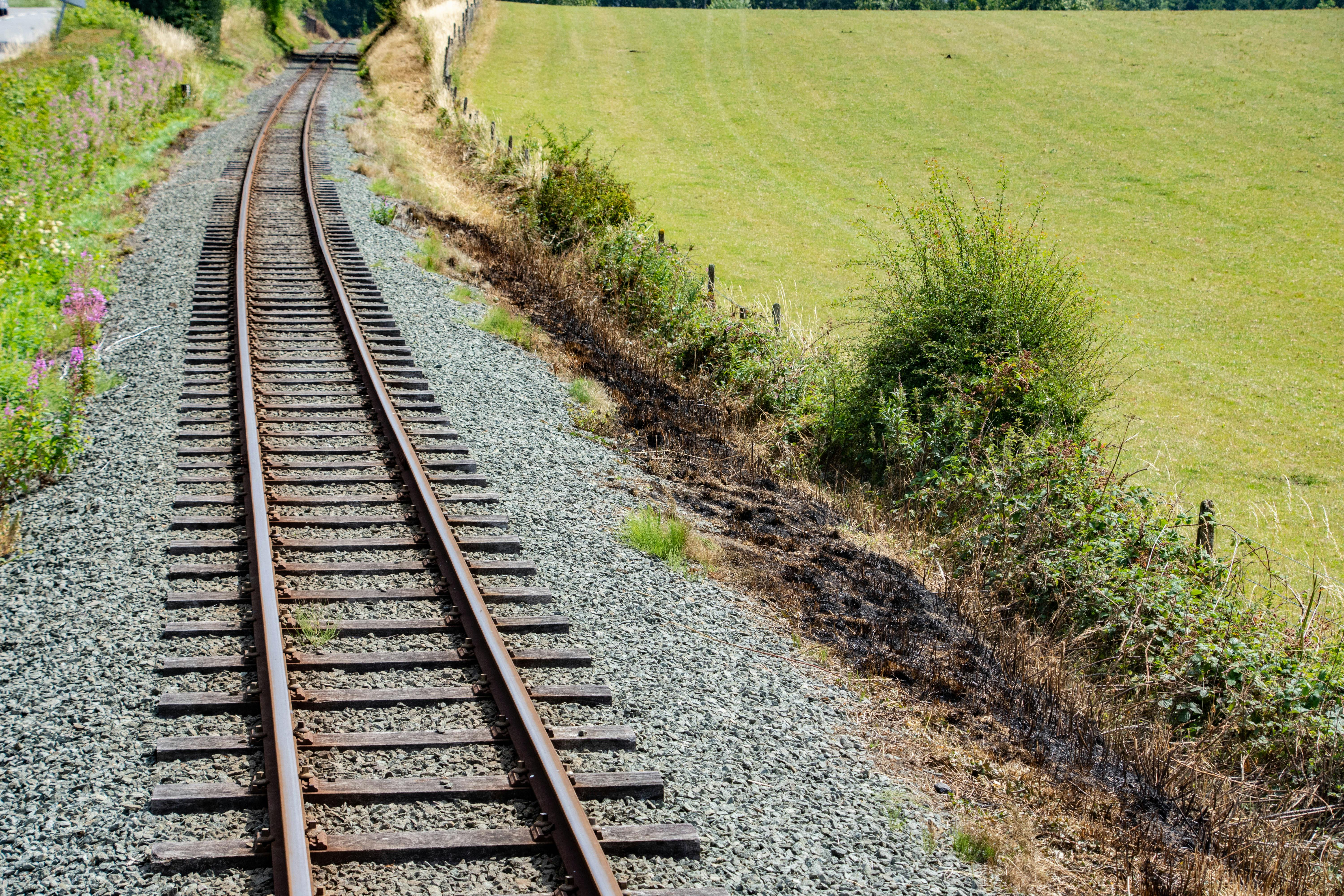
Between Cyfronydd and Castle Caereinion, the line climbs up a steep gradient (1 in 24, rising to 1 in 32). These gradients make an engine work hard, particularly a steam engine and it’s between this section where there was a bit of a lineside incident with a steam locomotive the day before. You can see in the picture below some of the results, but a lineside fire broke out on both sides of the railway along a length of the railway due to the hot ash being jettisoned from the panting engine. Although the fire crews got this one under control, it came with a very stern warning to only run diesel engines during this hot dry spell.
Castle Caereinion
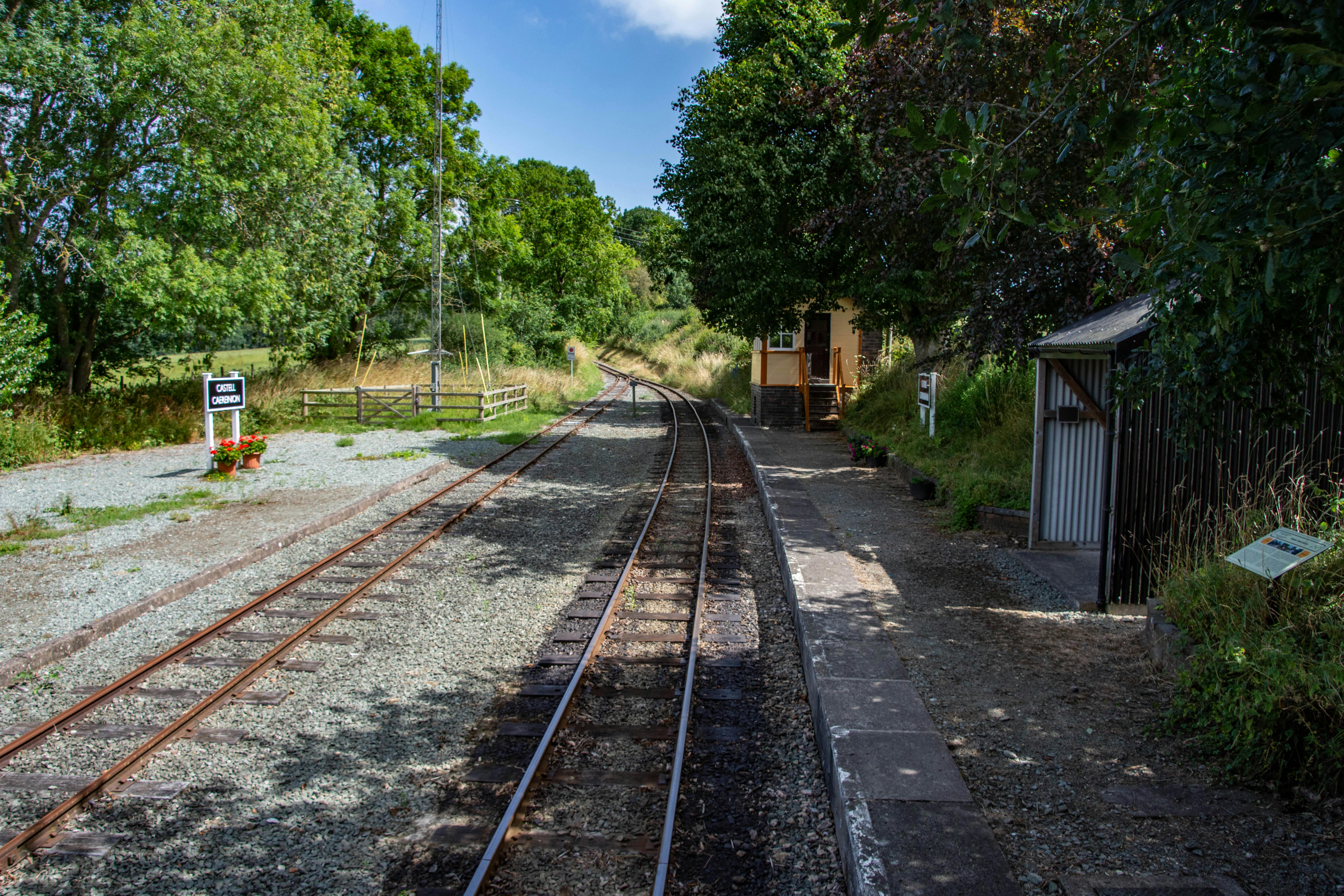
Castle Caereinion is the next station along the route and like some of the others, it has a waiting shelter, a passing loop but also a signal box situated at the north end of the station towards the Welshpool direction.
Sylfaen Halt
Sylfaen is very close to the summit of the line. After this point, it’s all downhill to Welshpool. The line runs in parallel after this point for some distance with the A458. The station was originally opened as Sylfaen Farm Siding in 1904, but then later renamed to Sylfaen Halt in 1913.
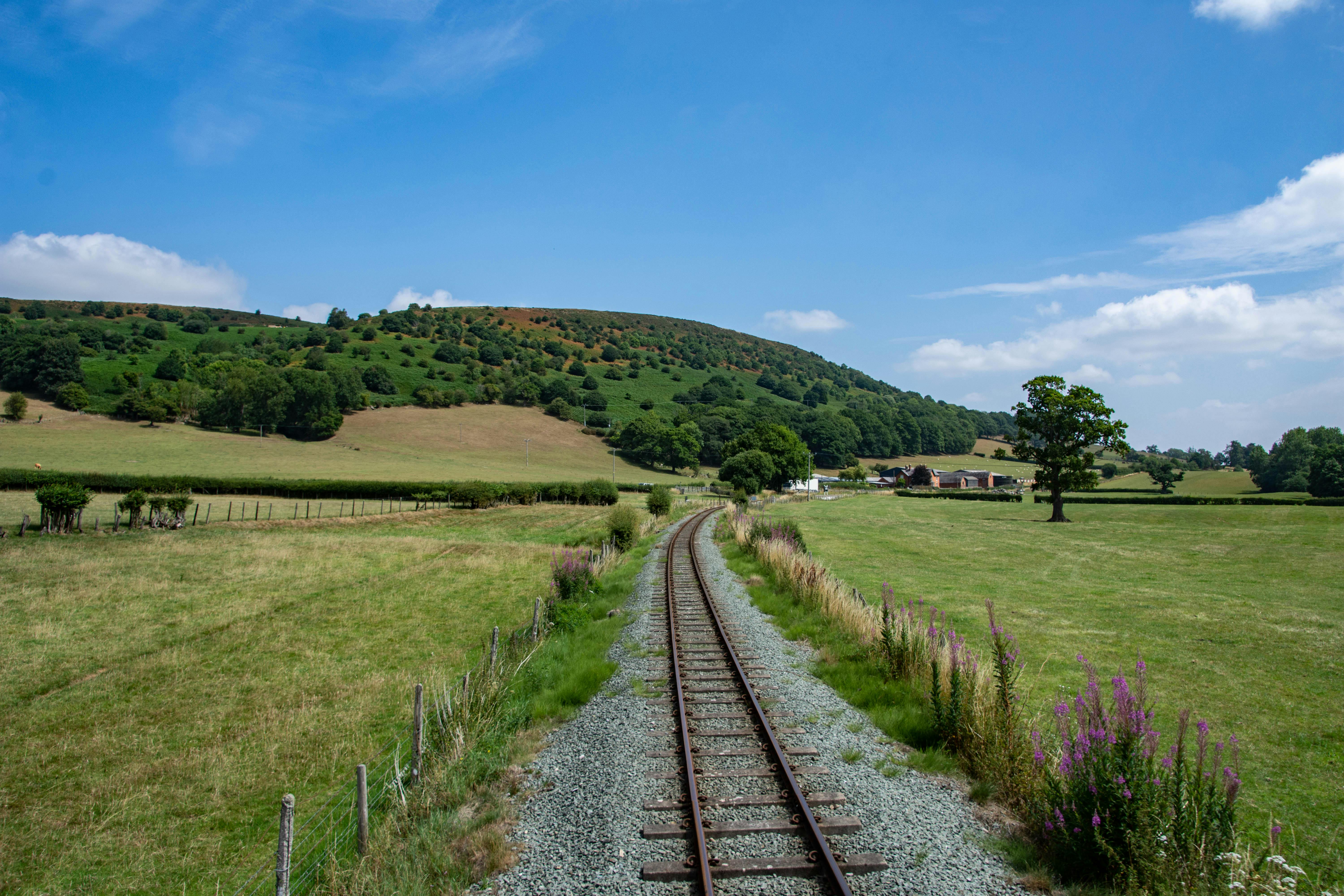
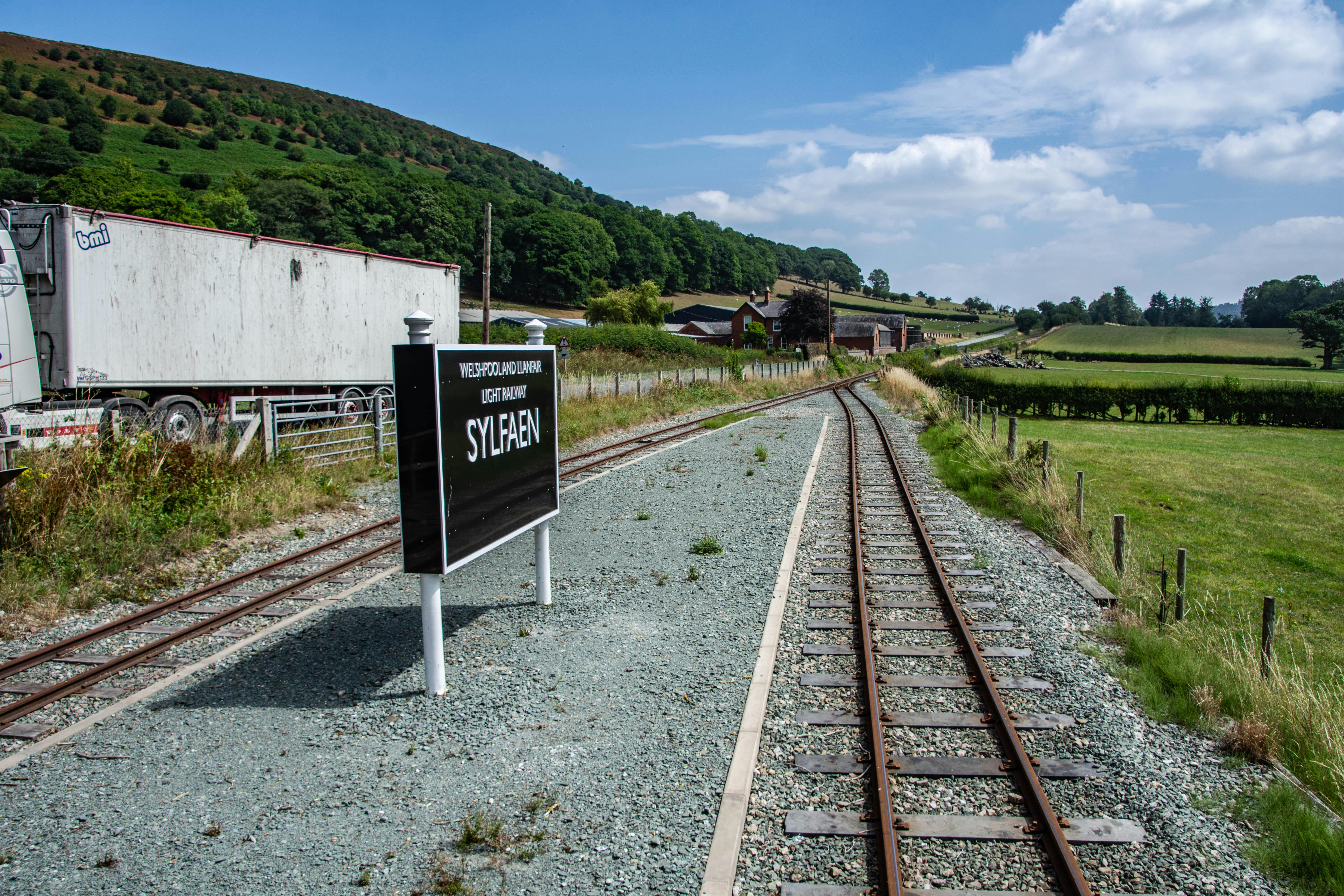
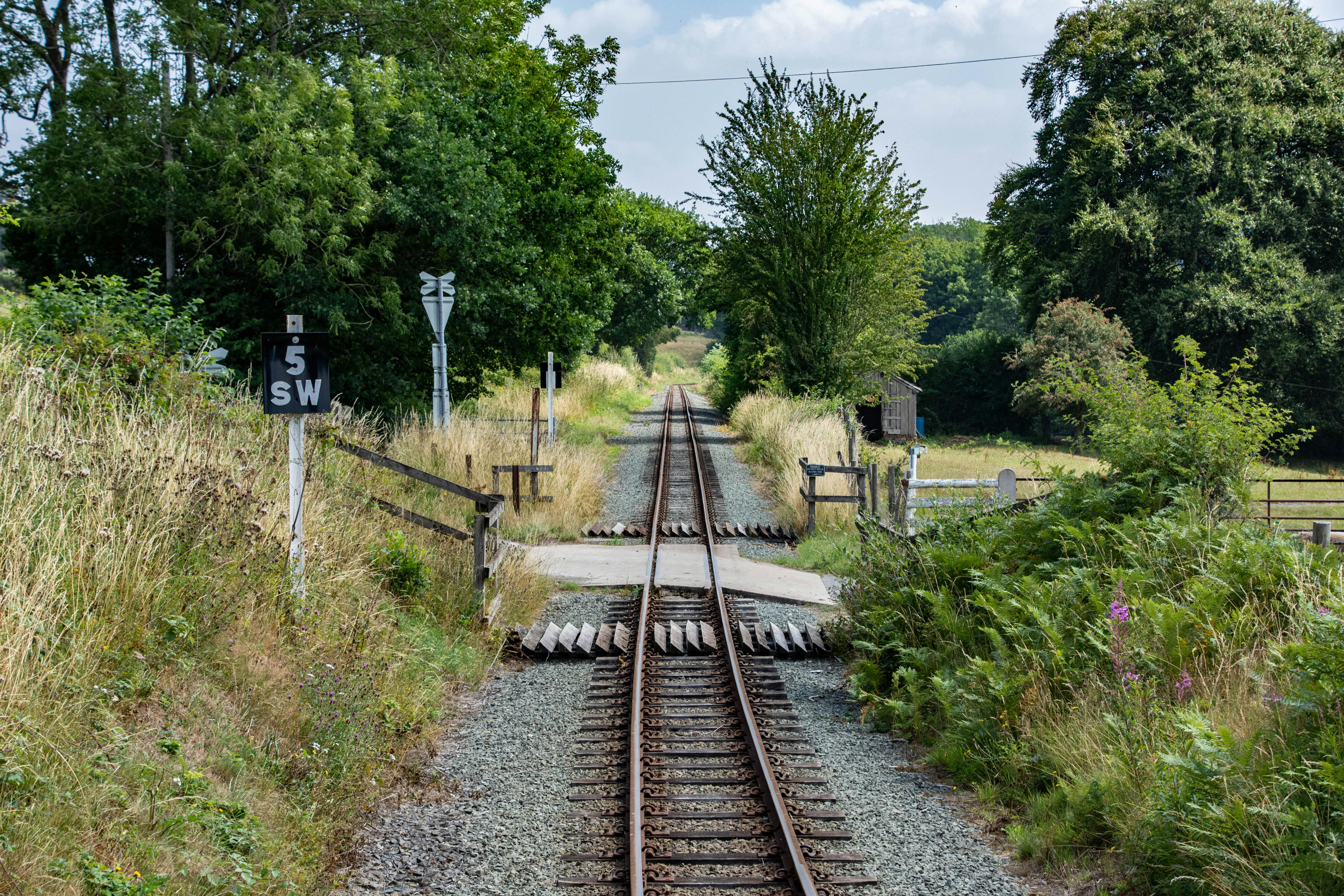
Between here and Welshpool, there are a number of unmanned crossings. In some cases, the train will stop before the crossing and a guard will jump off the train and wave the train across if it is clear. This is not the case for all the crossings though, only those which traverse roads more commonly used by cars, rather than those designed for agricultural vehicles. There have been a number of incidents sadly involving the railway and cars, most recently in 2018.
Welshpool Raven Square
In 1972, the line was purchased outright from British Railways and thus spurred members to completing the restoration of track to Welshpool from Castle Caereinion. Rather than running the line back to the mainline station of Welshpool, a brand new station was erected at Raven Square on the western edge of the town. This is the terminus of the line today.
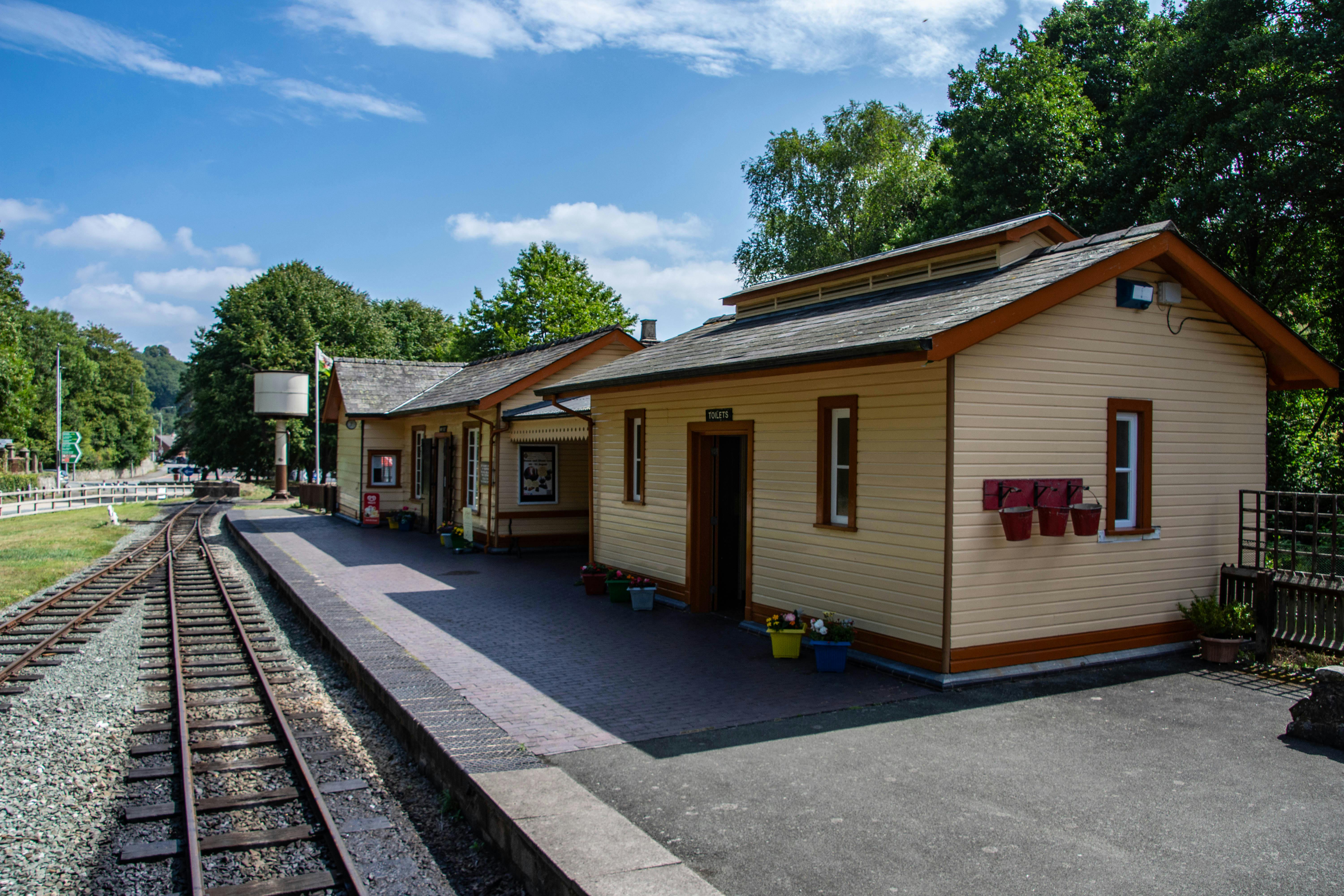
As part of the new station building project, a water tower was obtained from Pwllheli station which was built over 100 years ago and installed at the station. Steam engines still use this to today to take on water.
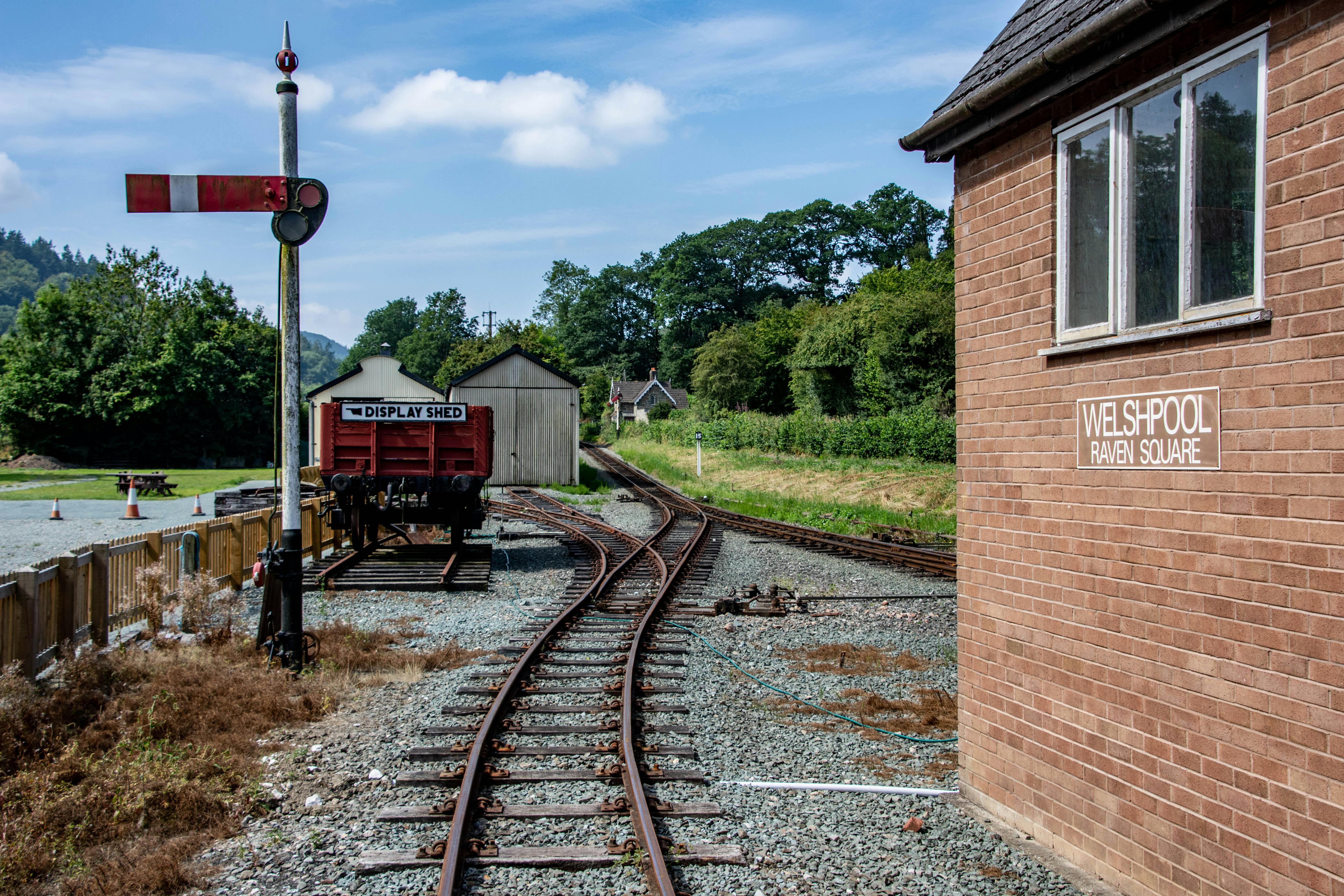
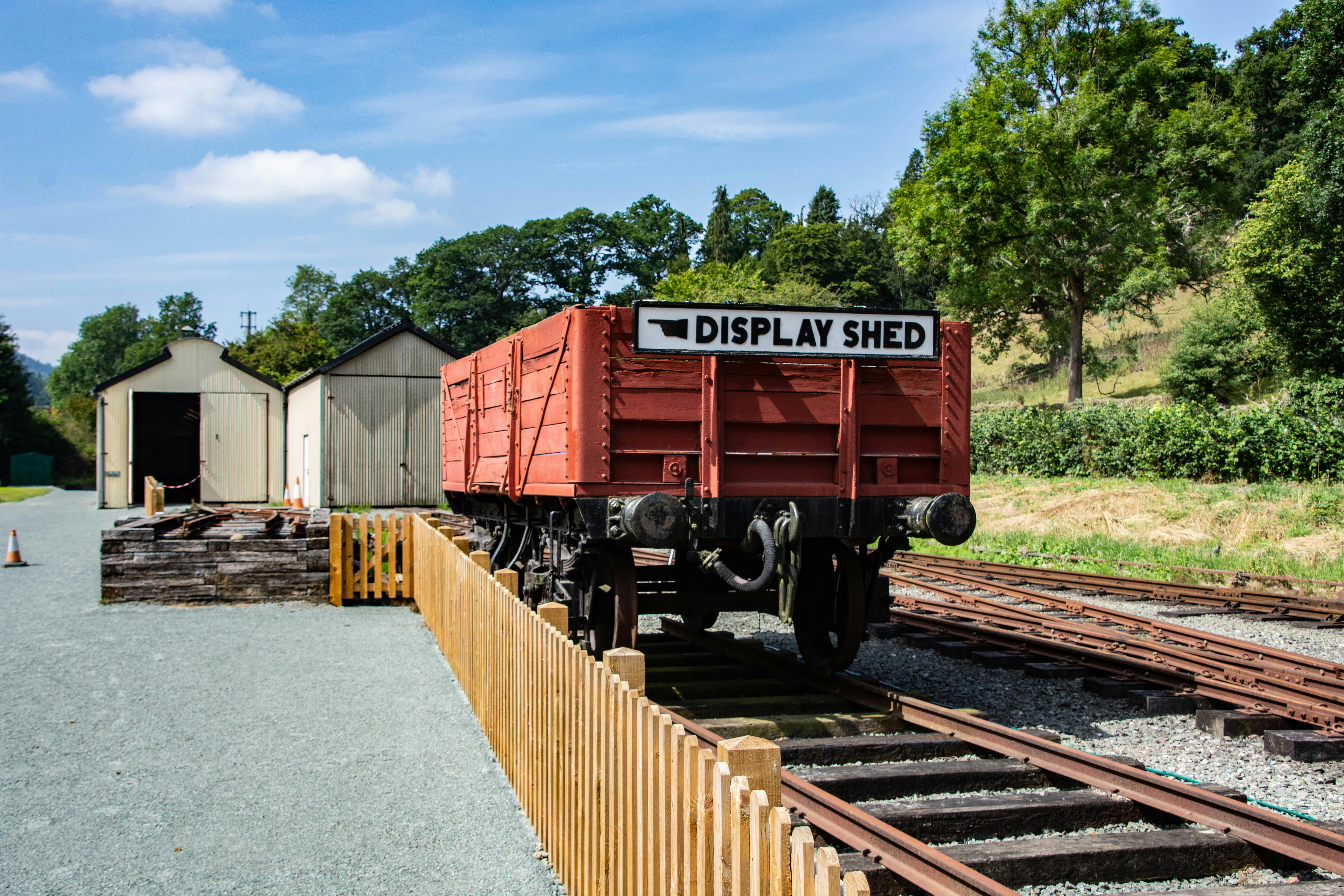
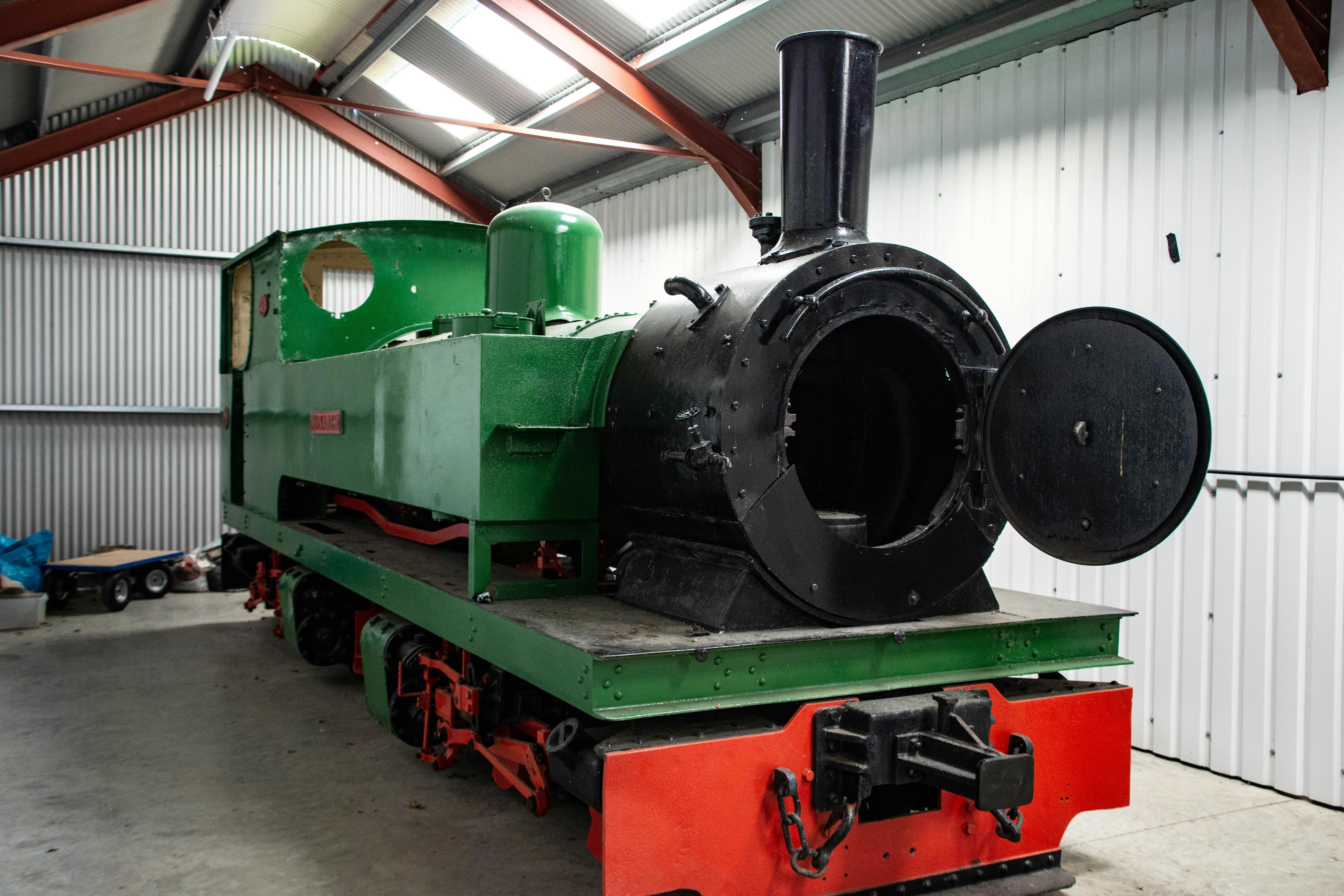
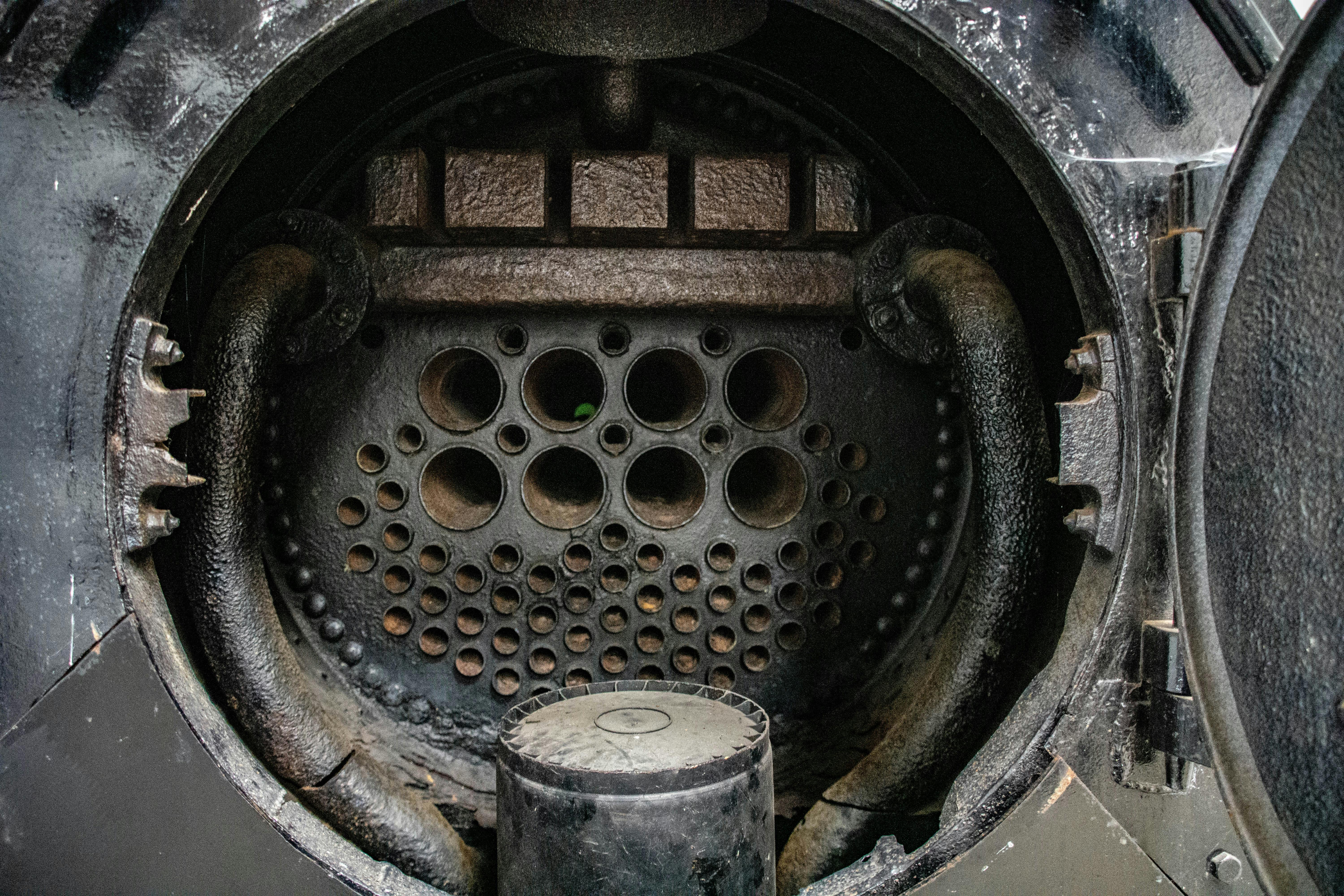
At the station there is also a display shed which houses a few static exhibits such as wagons which would have been used to transport a variety of goods around. As well as these, tucked at the very end of the shed is No.6 ‘Monarch’. This was built in 1953 and was the last steam narrow gauge locomotive to be constructed for industrial service in Britain. She spent most of her working life at the Bowaters paper mill system in Sittingbourne and arrived here at the railway in 1966 after being withdrawn. The engine ran some services in the following years but due to the complexities of the engine, it proved challenging to run on the sharply changing gradients of the Welshpool and Llanfair Railway. In 1992, Monarch was deemed surplus to requirements and sold to the Ffestiniogg Railway who had the intention to rebuild it and use it on the Welsh Highland Railway. This never happened, and in 2002, the engine was returned in a dismantled condition to the Welshpool and Llanfair Railway. She has since been cosmetically restored and is now a static display in the shed at Welshpool.
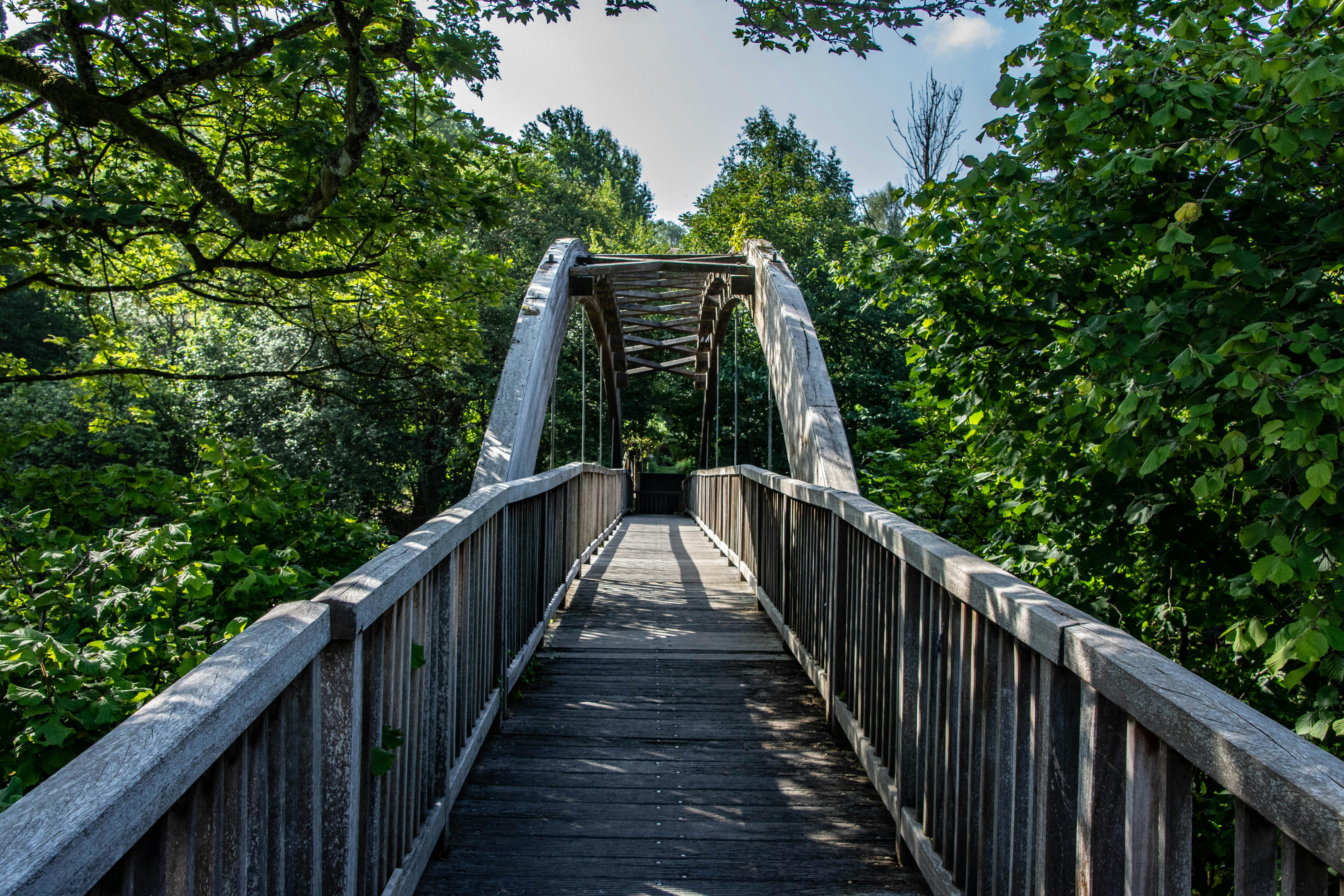
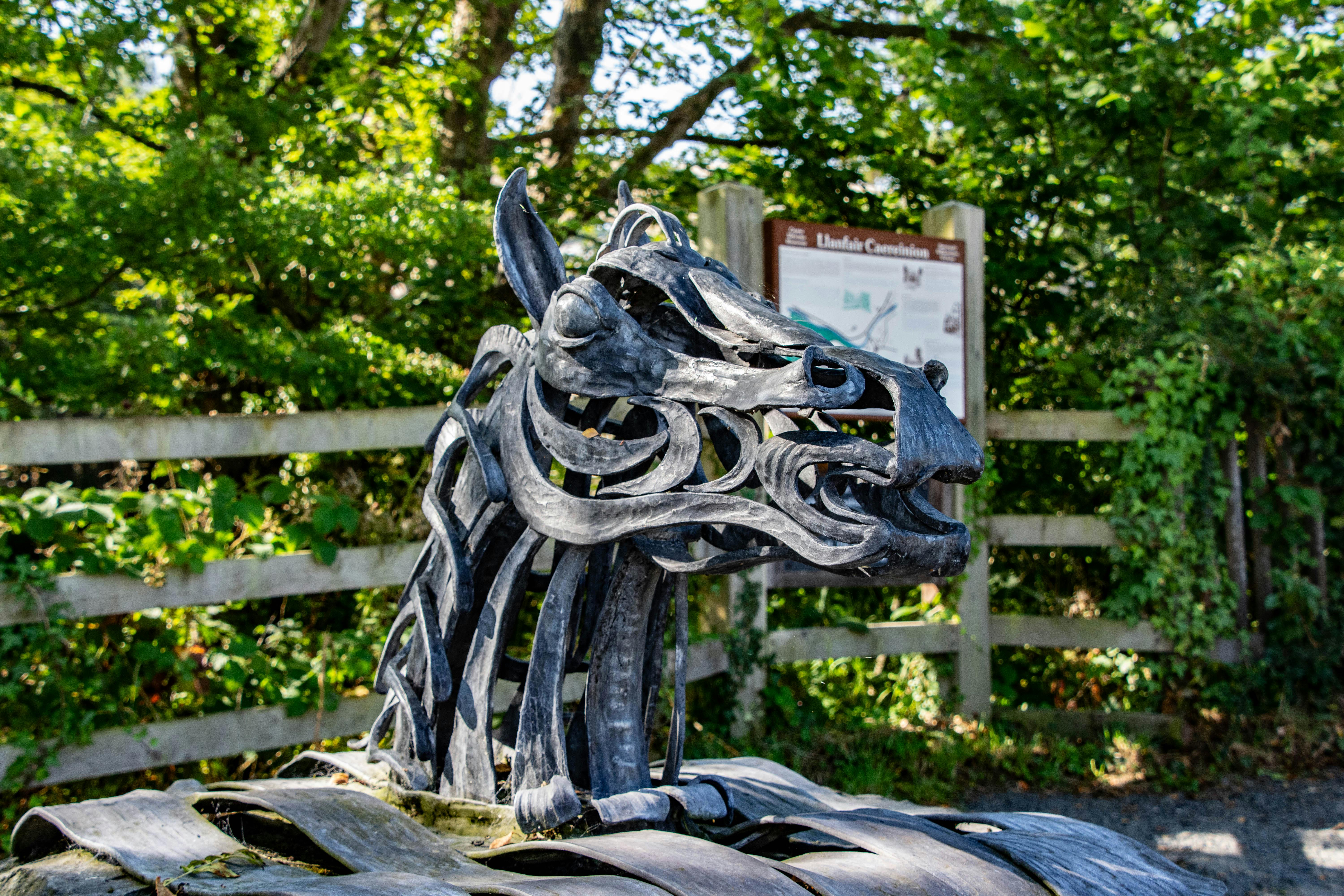
After catching the service back to Llanfair Caereinion, I took a walk around the local area and came across a lovely wooden bridge that has been built to cross the River Banwy and leads down into the town of Llanfair Caereinion. It was opened by the then Prince of Wales, now King Charles III on 13th December 1990. Situated just before the bridge is a sculpture known as ‘The Solider and the Whirlpool’ and depicts a horses head poking out of water. It commemorates Private Victor M. Jones who lost his life attempting to save a farmer and his horses from the River Banwy during a flood and has now become a part of the local history. Flooding in the area is not uncommon and features throughout various periods of the railways history, closing certain sections of the line and requiring rebuilds of bridges due to damage from flooding. It’s wonderful to see this small 8 mile railway now flourishing.