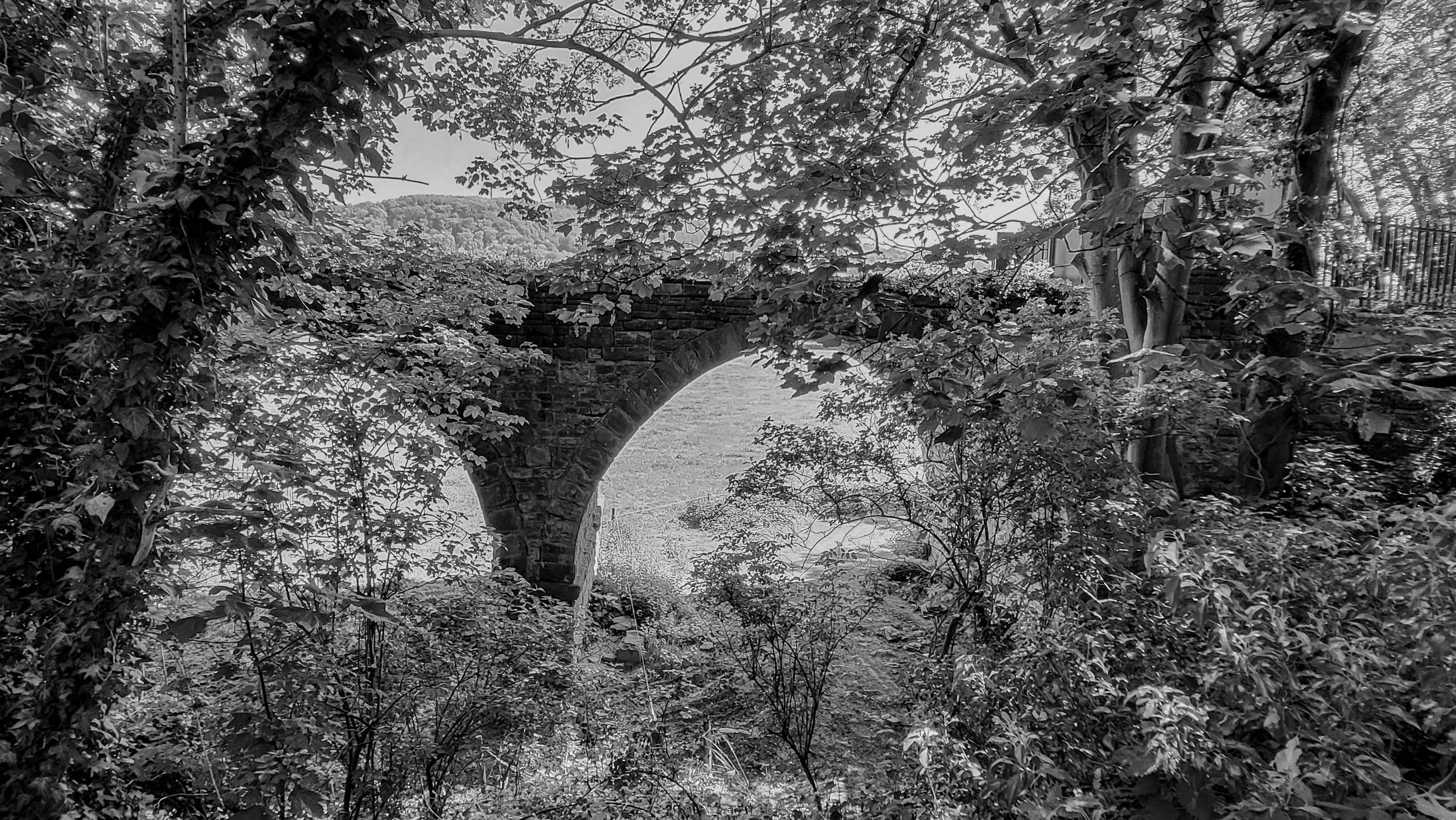
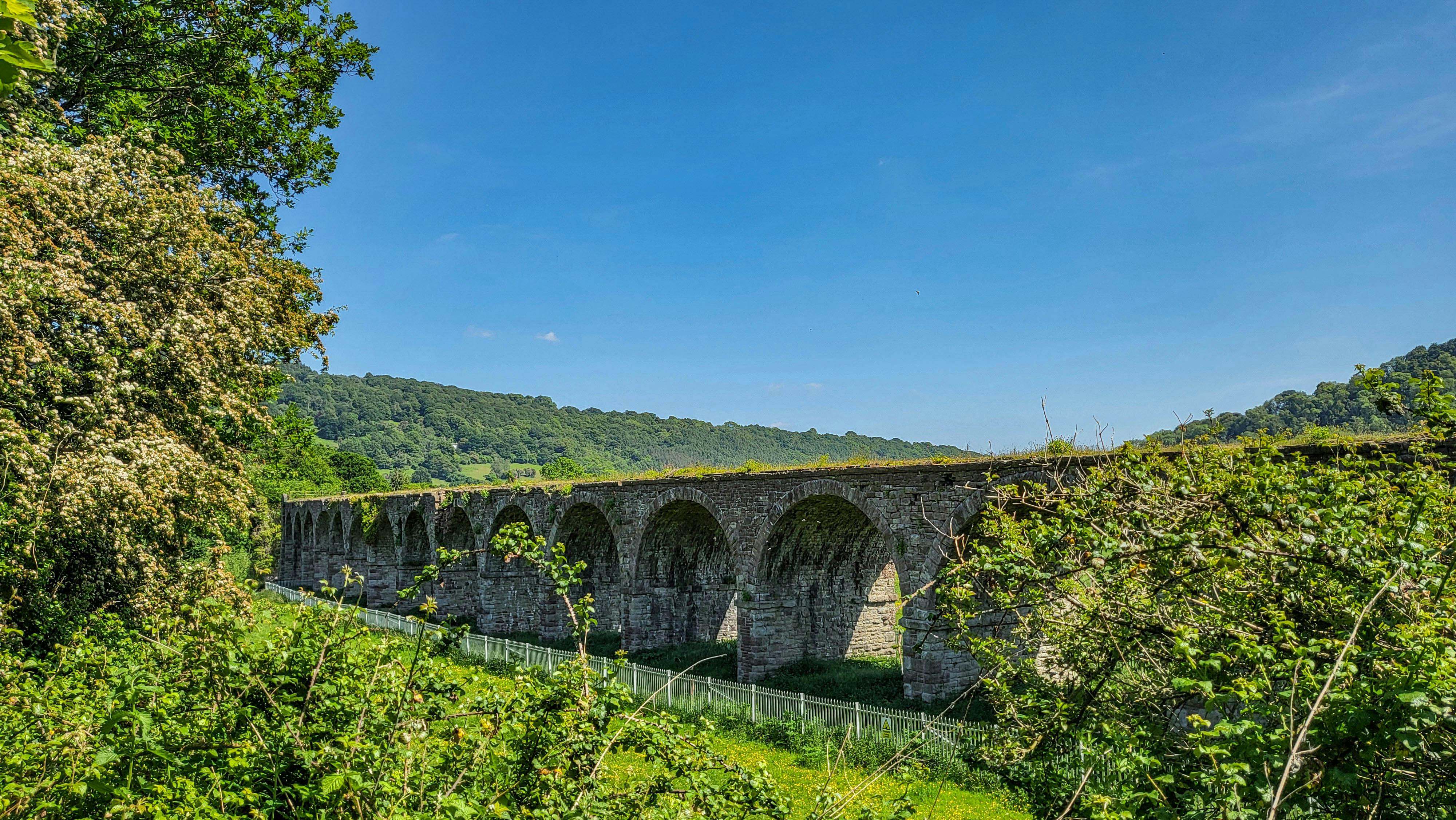
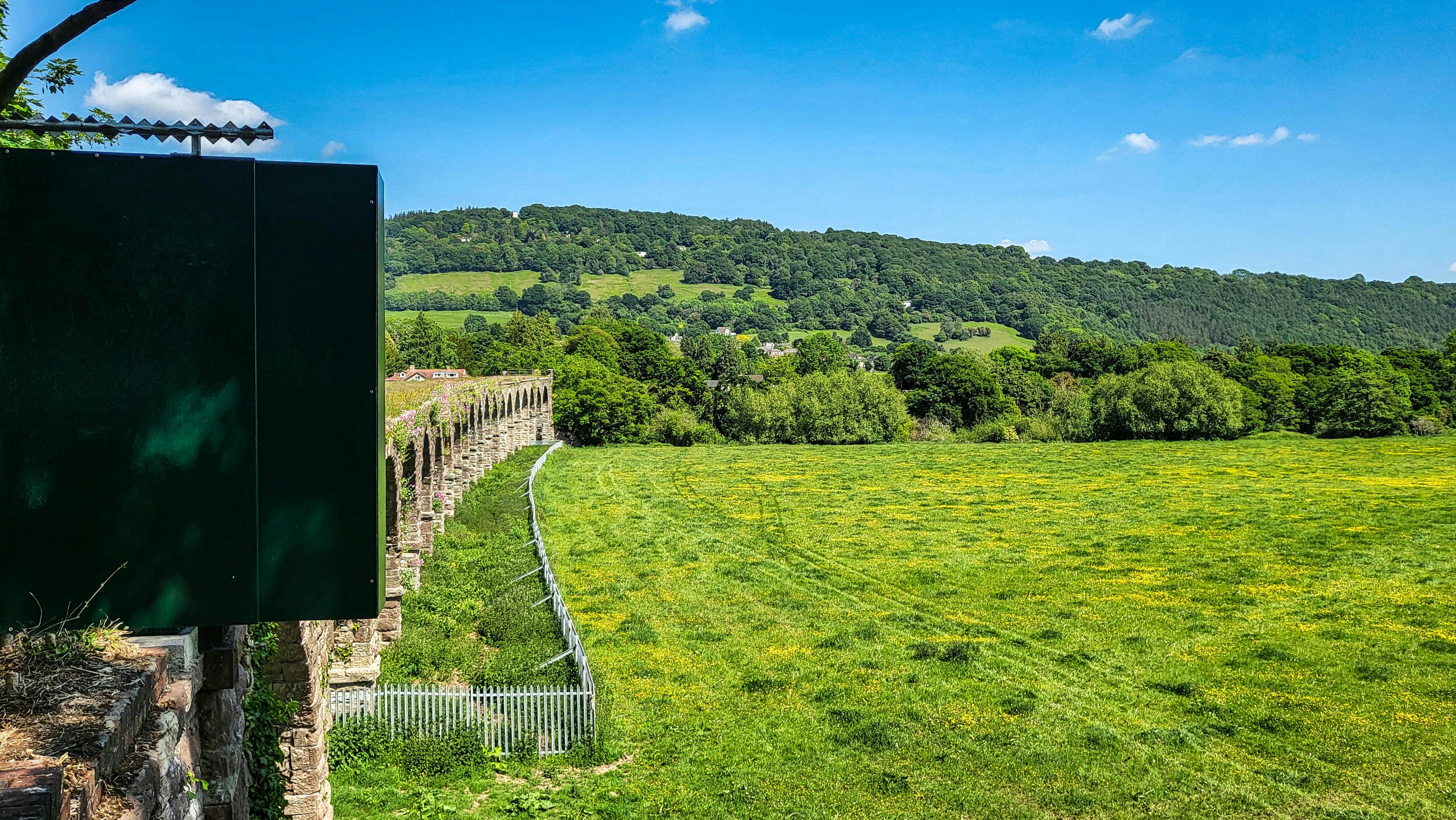
We are in Monmouth today and on the trail of the Coleford, Monmouth, Usk & Pontypool Railway which was opened in 1857 and saw its passenger services withdrawn in 1955. Like many of the railways which were closed around that period, nature has reclaimed much of the land but there are still clues to the railways existence, not least of all the 20 arch, red sandstone viaduct.
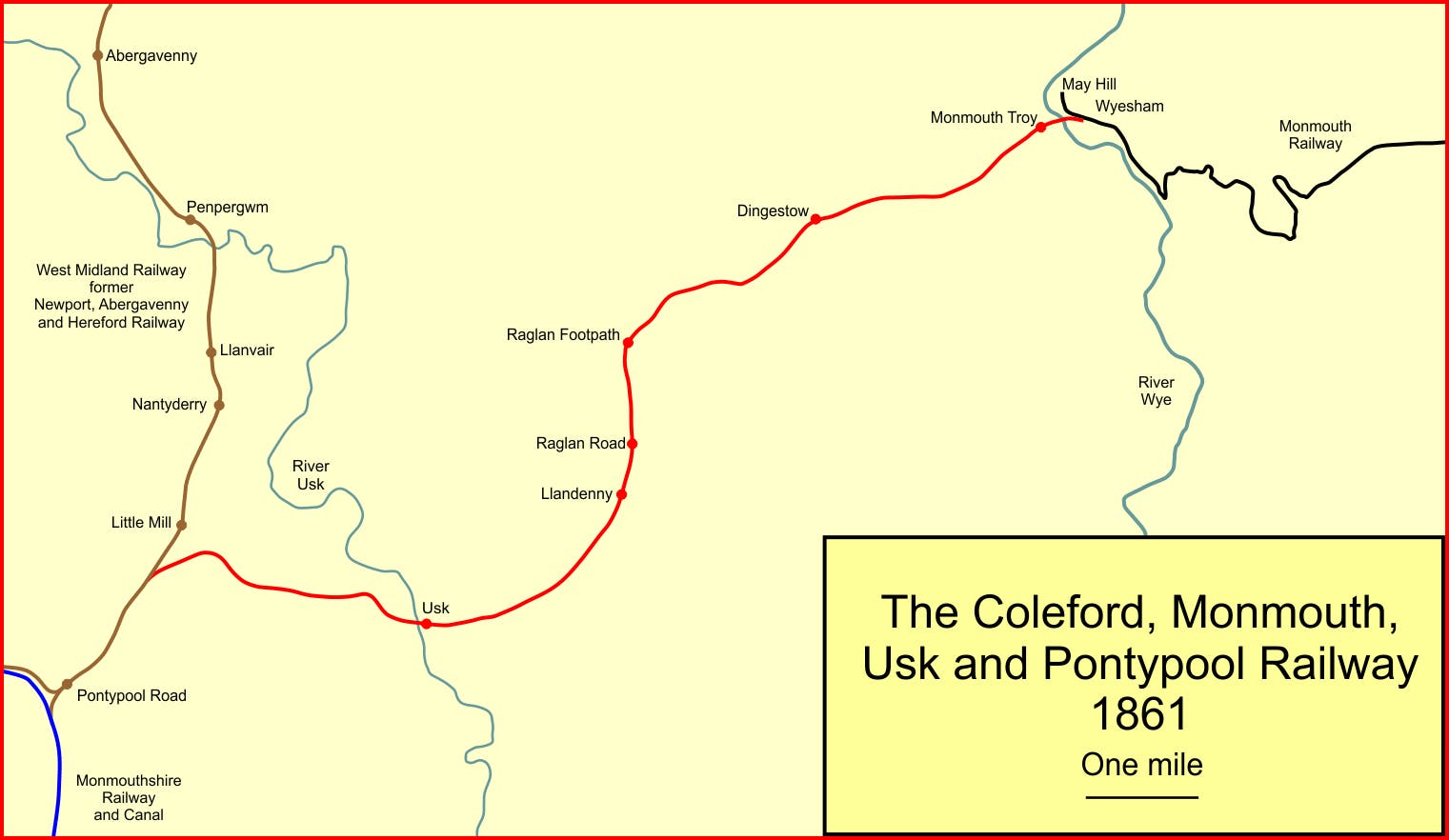
The railway was a single-track line, originally running from Pontypool to Monmouth Troy. This was extended in 1861 to Wyesham Halt on the east side of the viaduct but did not extend to Coleford as the GWR and West Midland Railway did not pursue the extension. It wasn’t untii 1876 when the Wye Valley Railway completed its line from Chepstow and south Wales that the viaduct saw regular use. In 1883, the Coleford Railway was constructed from Wyesham Junction to Coleford but this was short lived and closed in 1916 due to being uneconomical. This was in a time remember where each line was owned by different companies as these two graphics outline. Each line in a different colour represents a different train operating company.

The viaduct was originally planned to be constructed in wood, but due to floods in 1852, engineers changed tack and continued the construction in stone. It took 10 months to build and the stone parts of the viaduct are all that exist today. There was also a steel lattice girder section which spanned over the River Wye however this has since been removed and the viaduct comes to an abrupt termination west of the river.
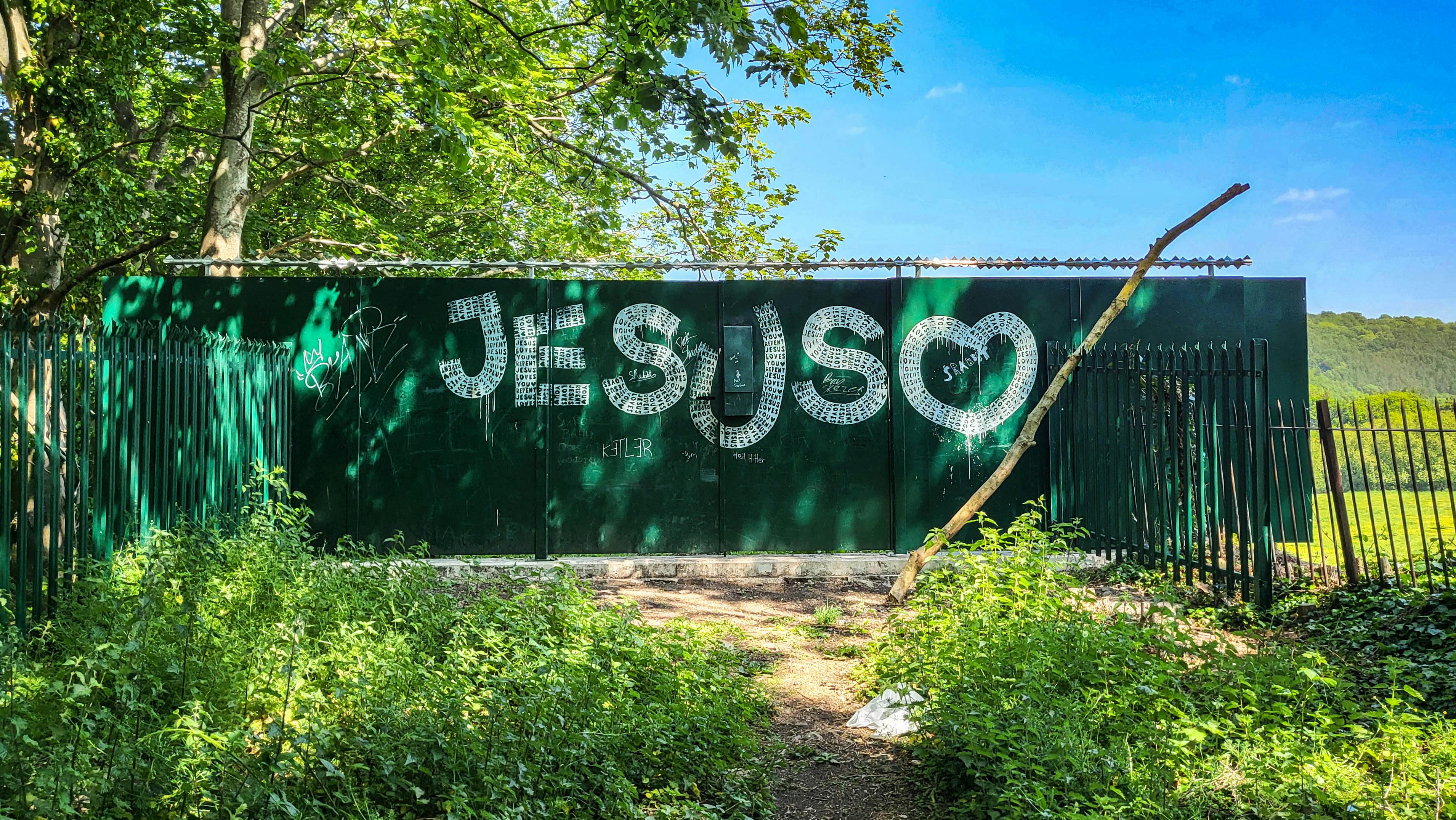
Access to the viaduct itself is blocked both above and below. A steel gate has been heavily graffitied and blocks the path of anyone hoping to get on top of the structure although I’m sure the very determined could give it a good run for its money.
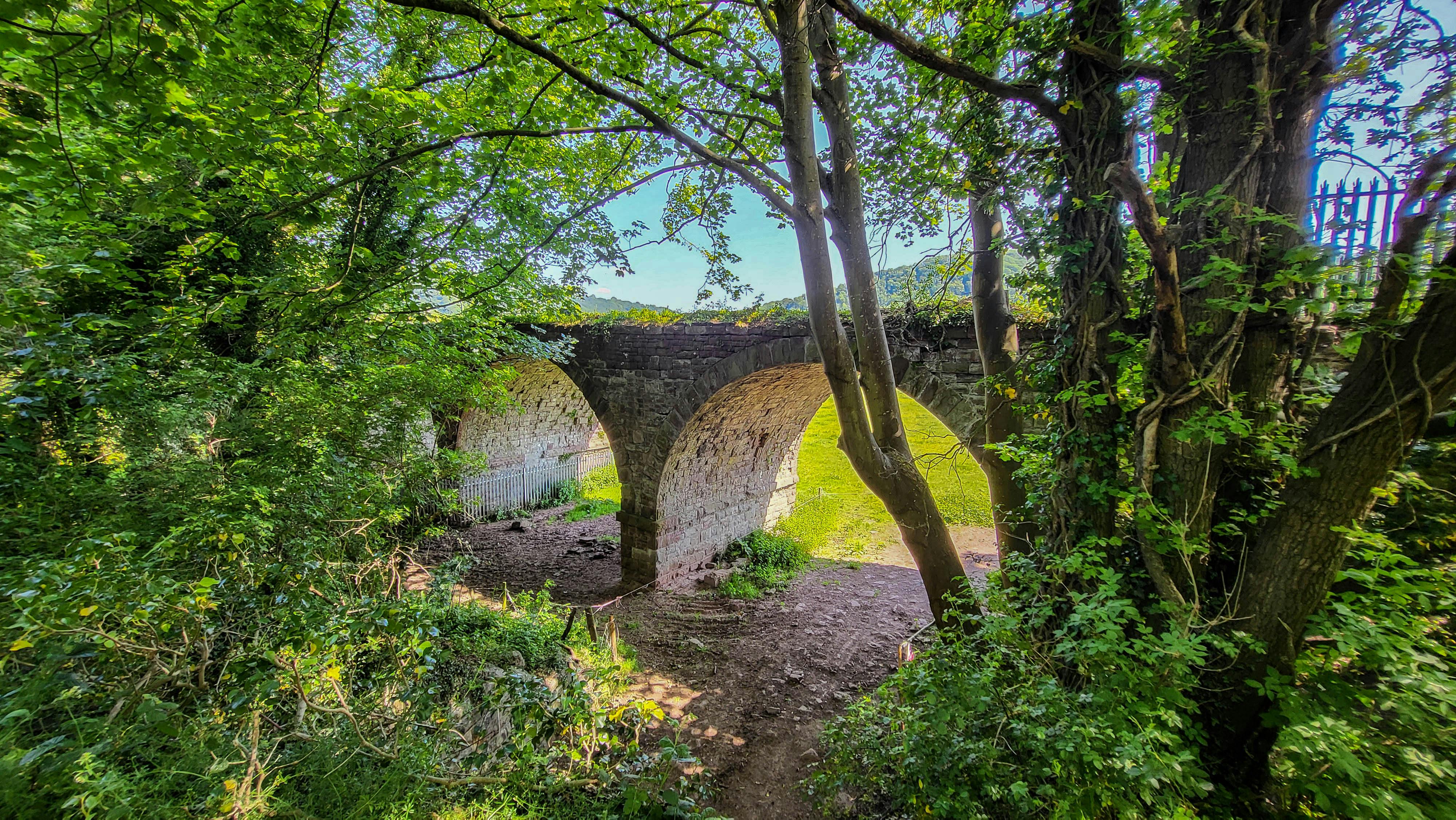
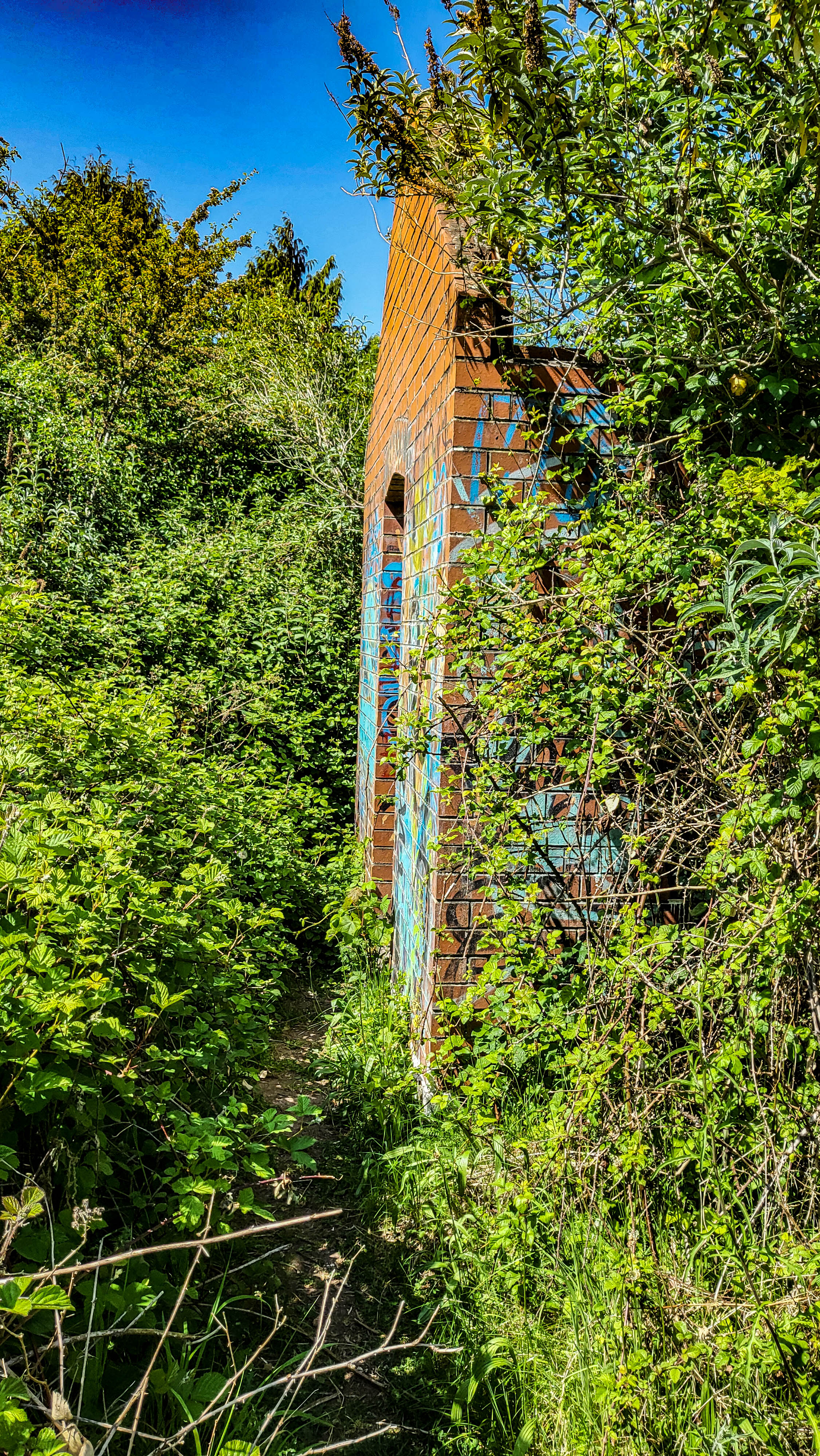
The walk up to the viaduct is through canopyed woodland and is a pleasant reprieve from the intense summer sun. If you keep your eyes open along the trail though, you can see further railway clues and other buildings which would have served a purpose on the line before closure. One of these is a roofless, red brick building with what looks like an obvious fireplace at the far end. This could have possibly been a railway residence or more likely a waiting room of some sort.


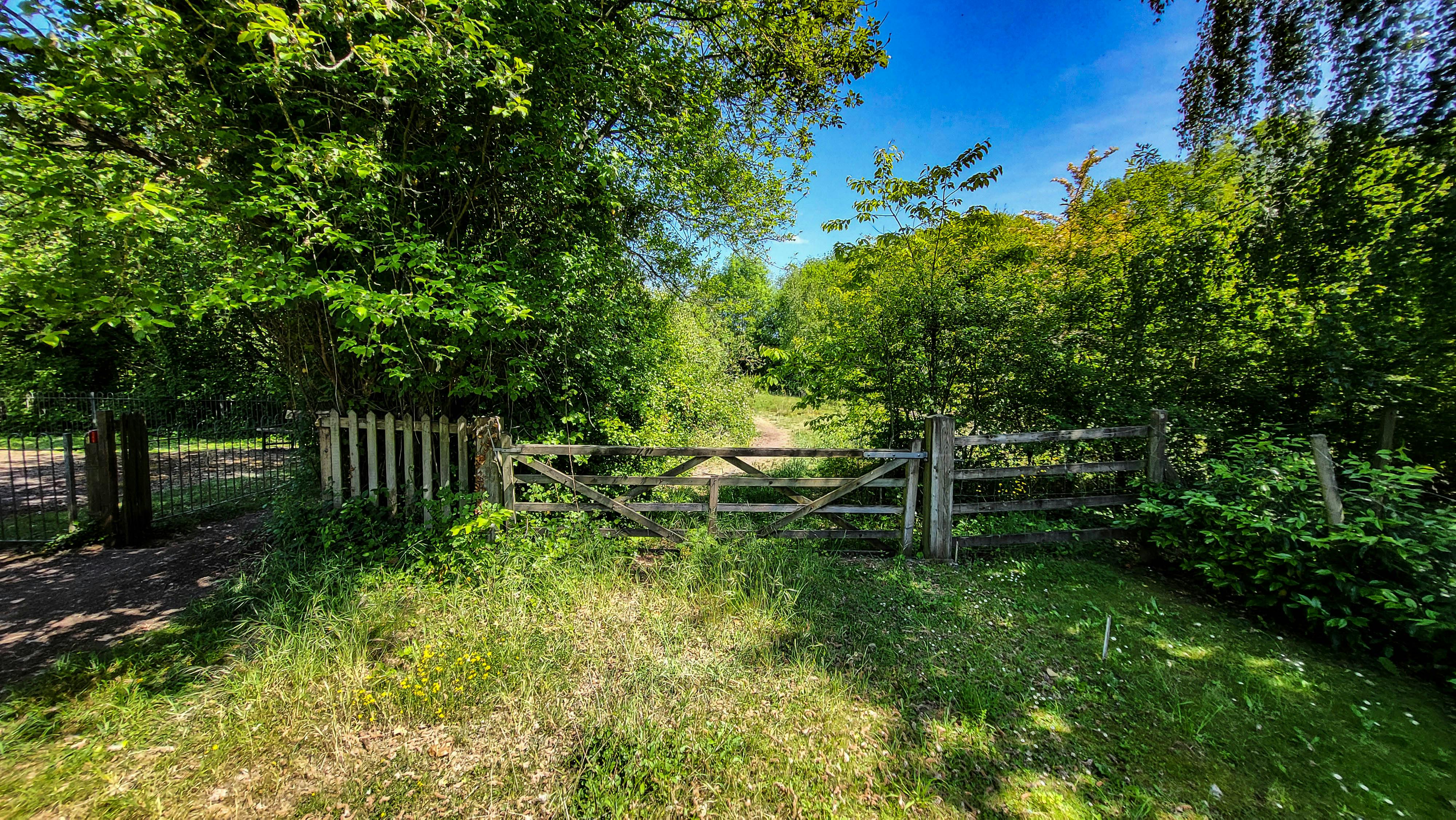
The trail ends, as many of these old railway trails do these days, in a modern day housing estate.
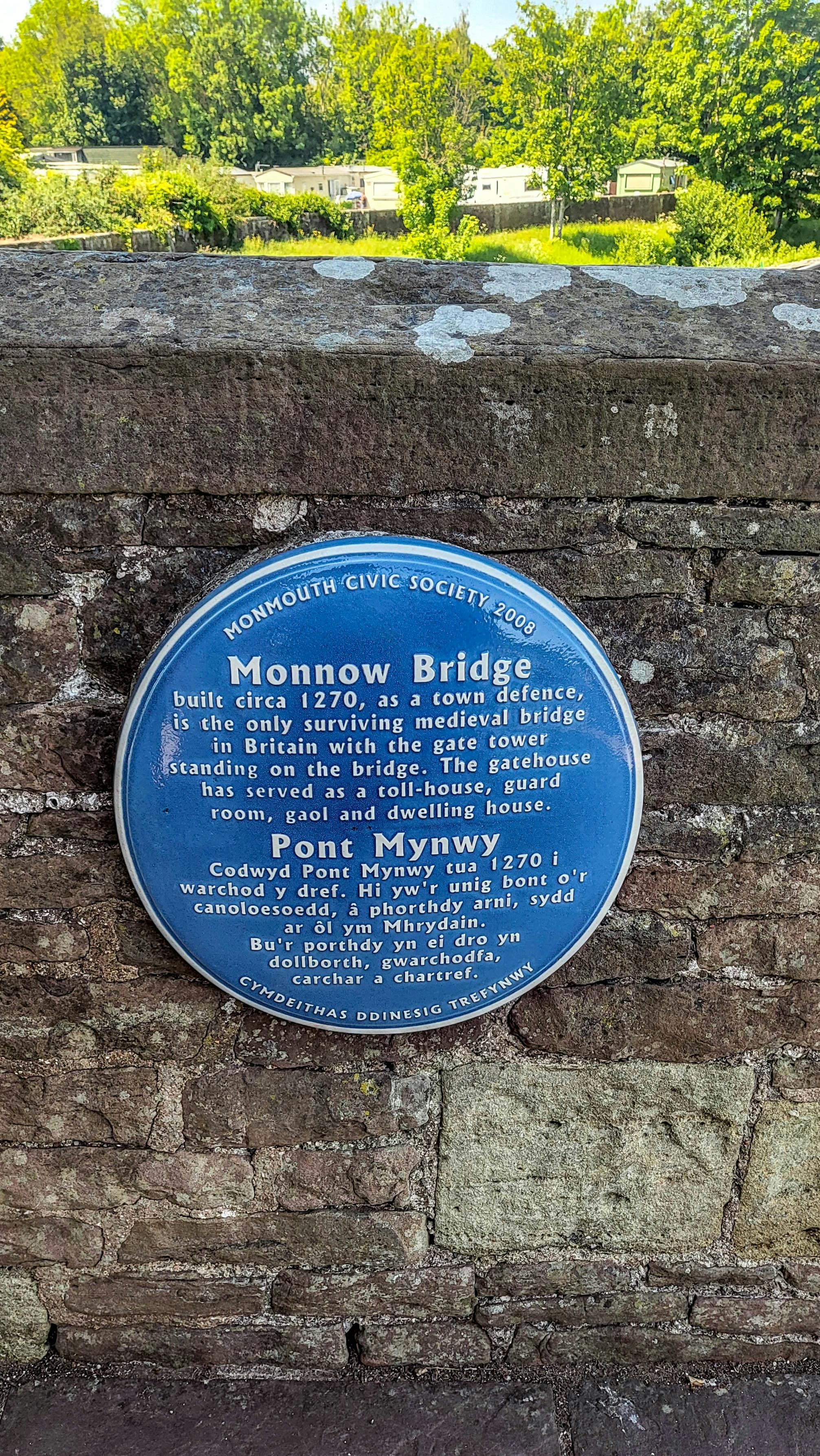
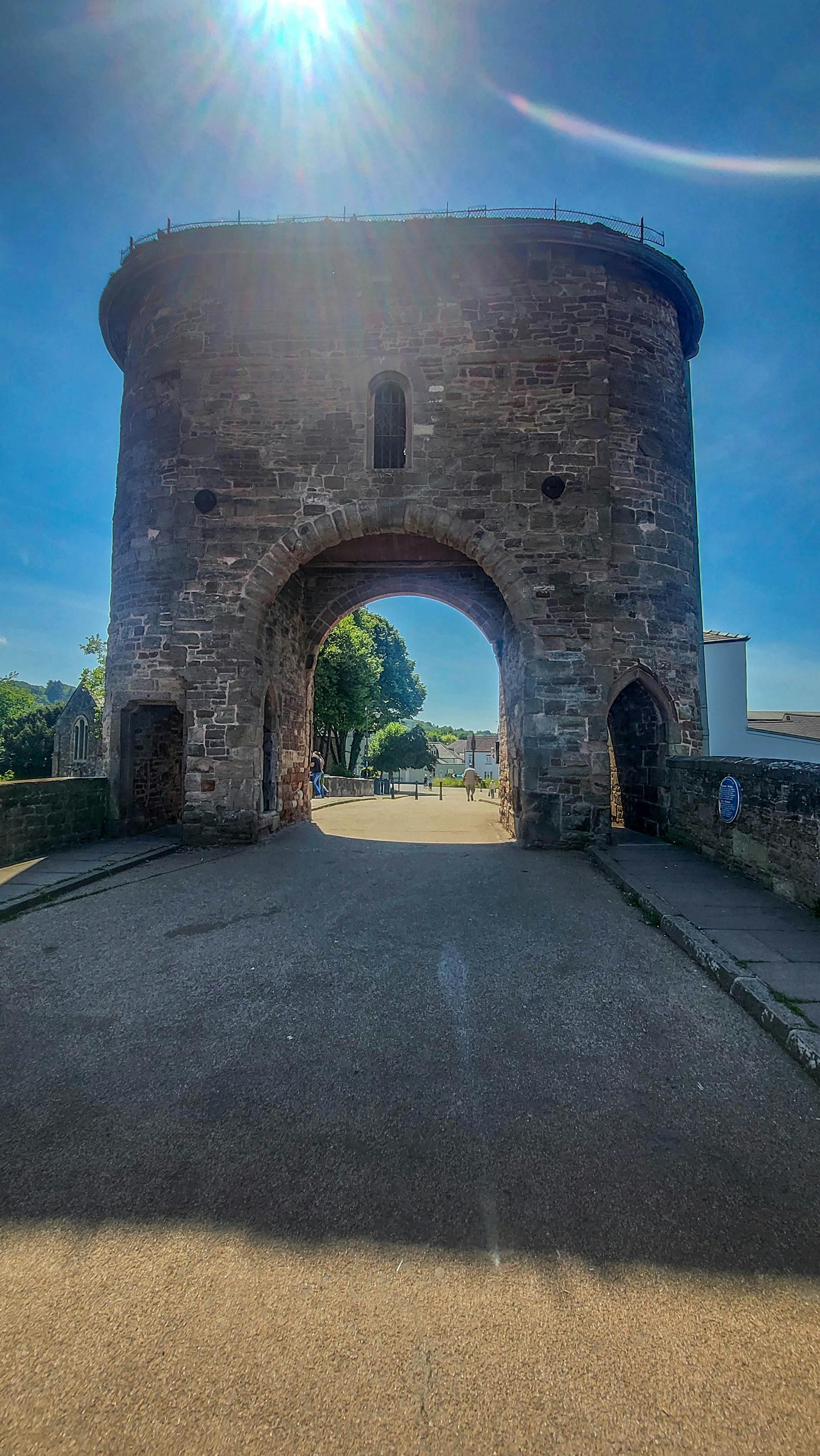
Before we know it, we are back in Monmouth. Monmouth is proudly home of the only surviving medieval bridge in Britain with the gate tower still on the bridge, built around 1270. The gatehouse had various functions, from toll-house, guard room and a dwelling. The sunlight showcases it wonderfully today.
References
[1] – System map of the Coleford, Monmouth, Usk and Pontypool Railway – By Afterbrunel – Own work, CC BY-SA 4.0, https://commons.wikimedia.org/w/index.php?curid=58952091
[2] – By Afterbrunel – Own work, CC BY-SA 4.0, https://commons.wikimedia.org/w/index.php?curid=58908429