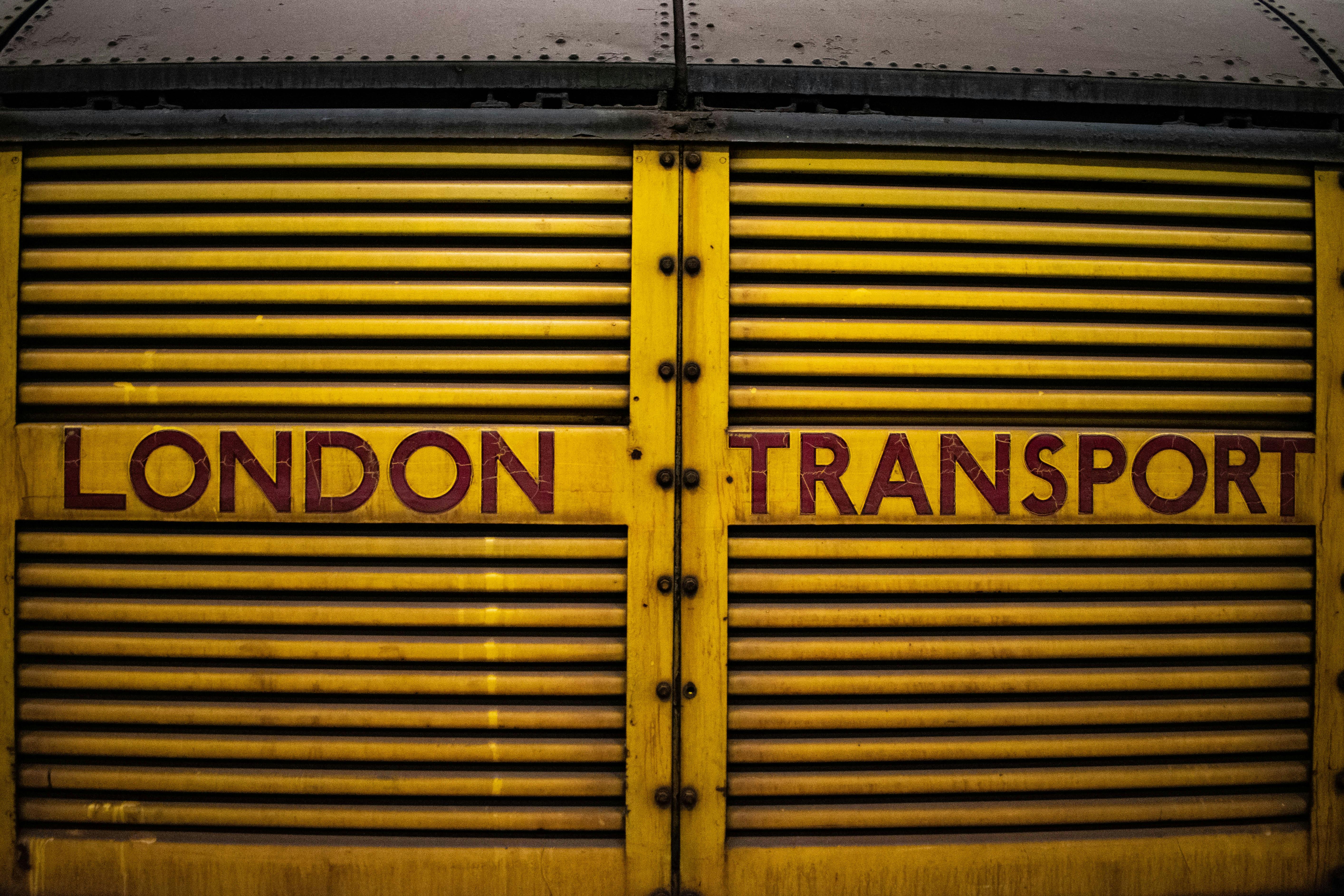
Welcome to 2025 and this years first trip. Today we’re over in West London at the London Transport Museum Depot. The Depot is a working collection store with over 500,000 objects in the collection from signalling equipment and signs to trams, trolley buses and locomotives as well as everything in-between. The Depot is separate to the main London Transport Museum in Covent Garden and is only open on a few special open days each year.
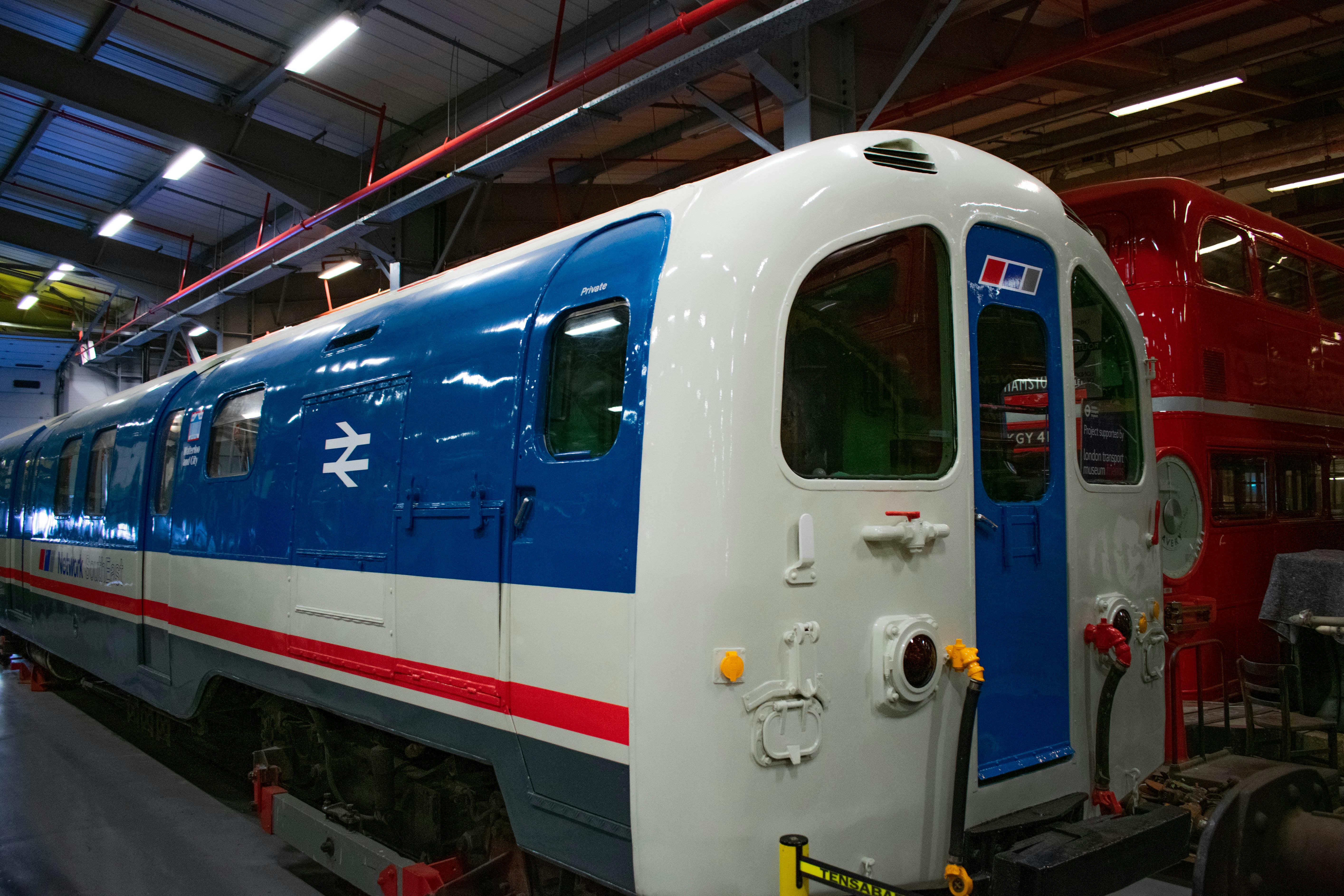
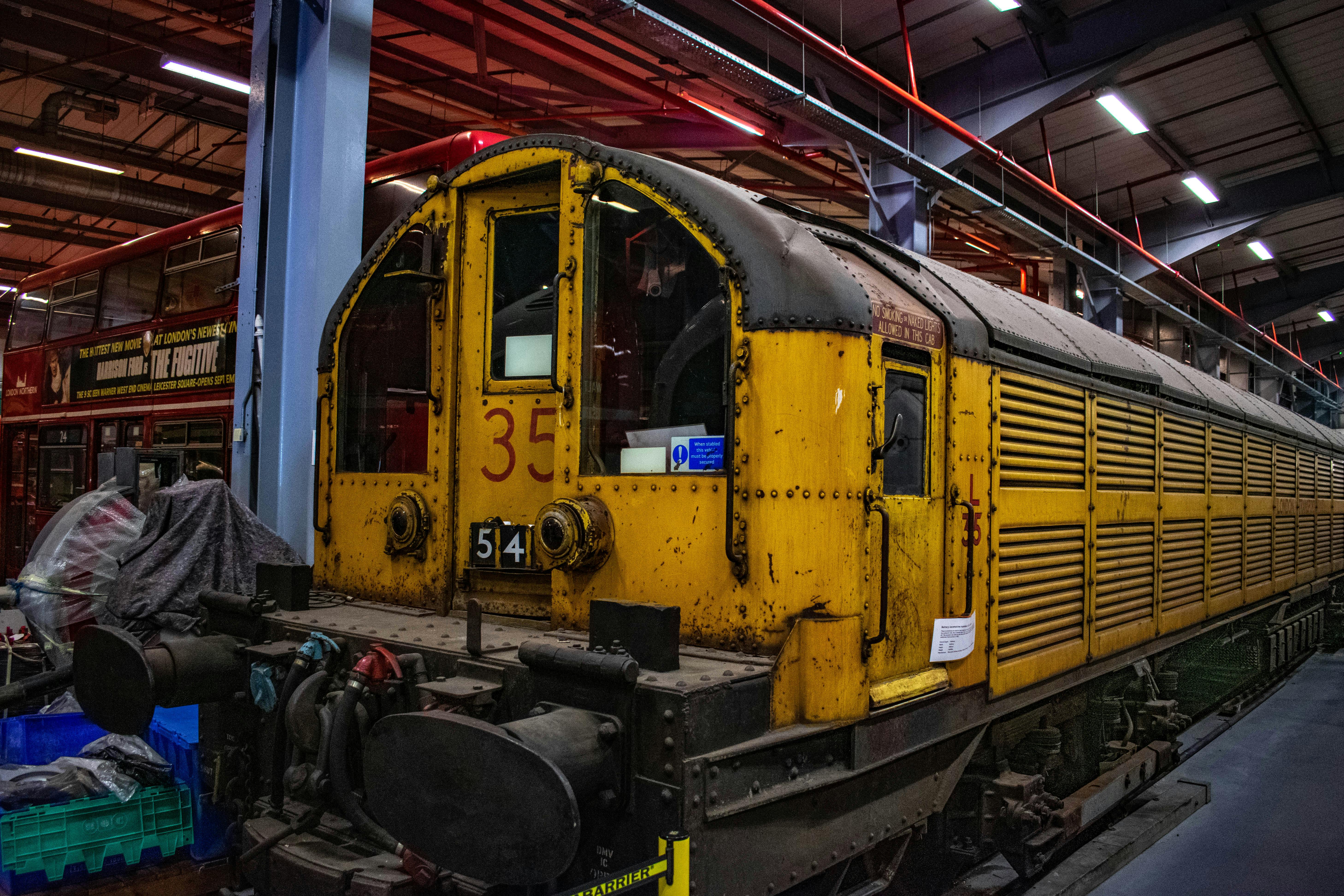
Despite the rich history of artifacts here, you can get up close and even onboard some of the older exhibits which are wonderfully looked after by the curators. Sitting front and center of the warehouse is the collection of tube vehicles over the years. From passenger units to shunters, it’s all here. Below on the far left shows a 1927 Standard Stock tube car which operated on the Piccadilly and Central lines until early the 1960s. Middle is a BR class 487 EMU built in 1940 for use on the Waterloo and City line. These units are quite unique on the network as they were only fitted with red lights at both ends instead of the more usual white. These units spent their entire working life entirely in tunnels underground as the W&CL did not integrate at all with the rest of the network. Finally on the far right is L35; a battery-electric locomotive which was used for hauling engineer’s trains on the network and can operate when the electric rail is switched off.
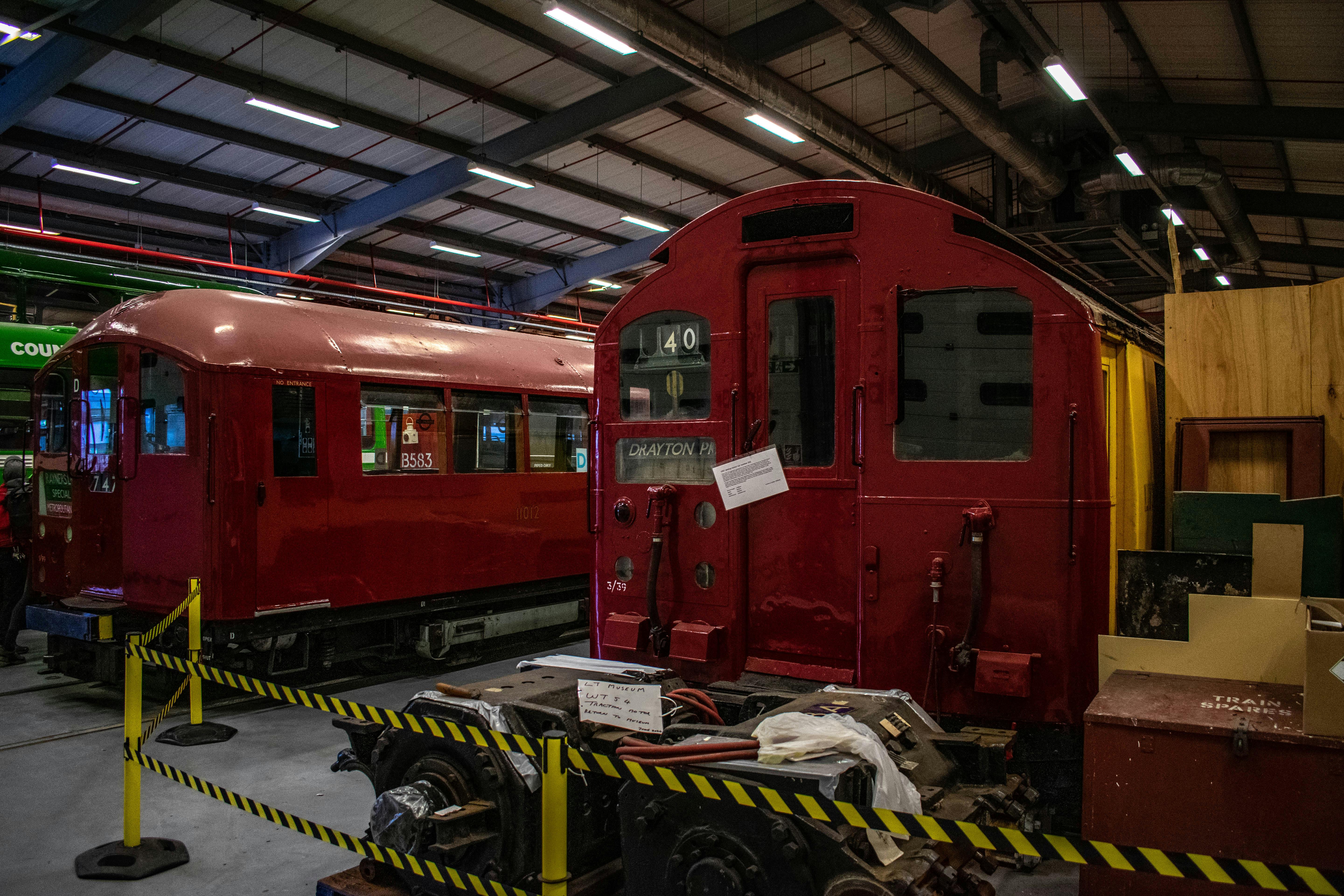
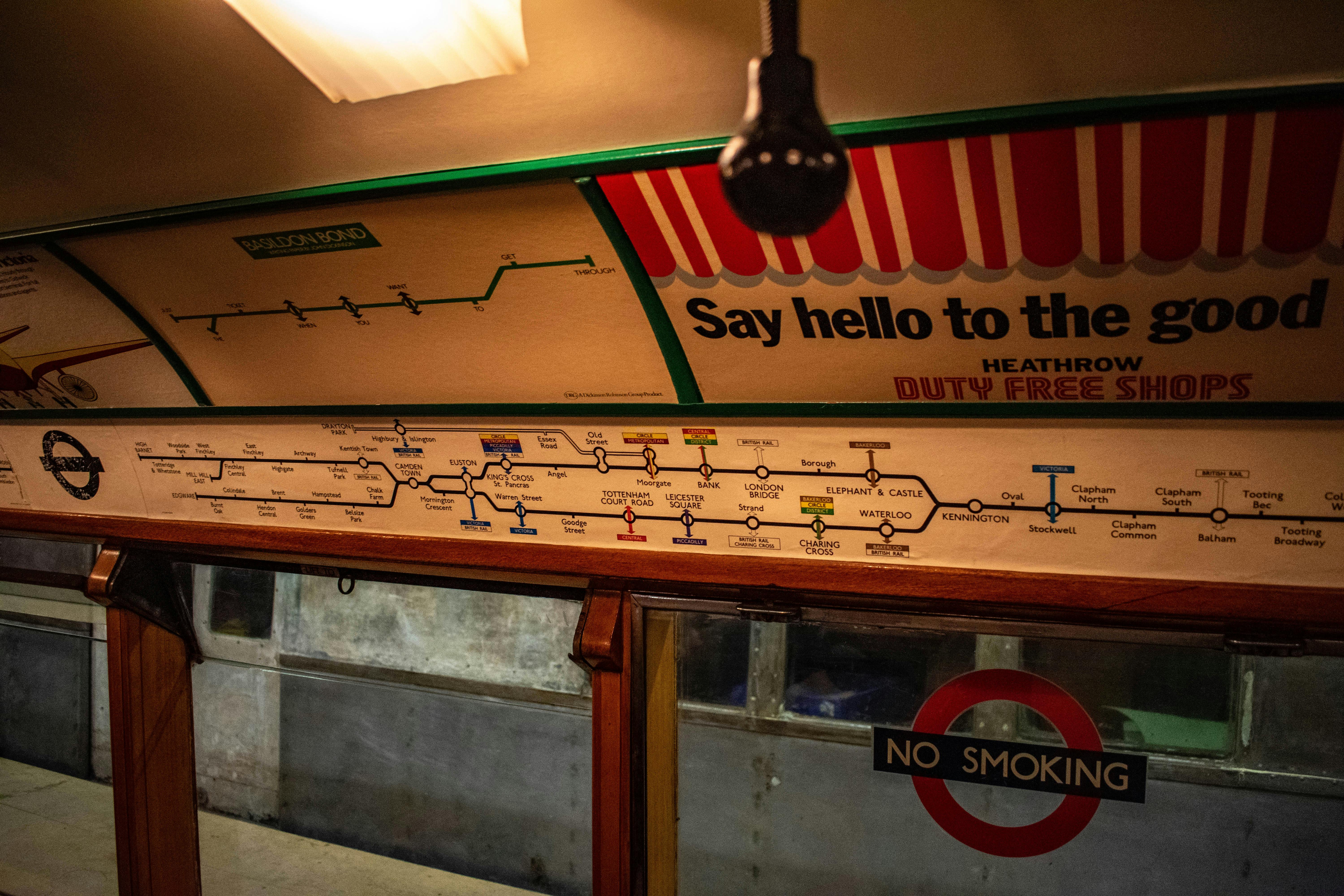
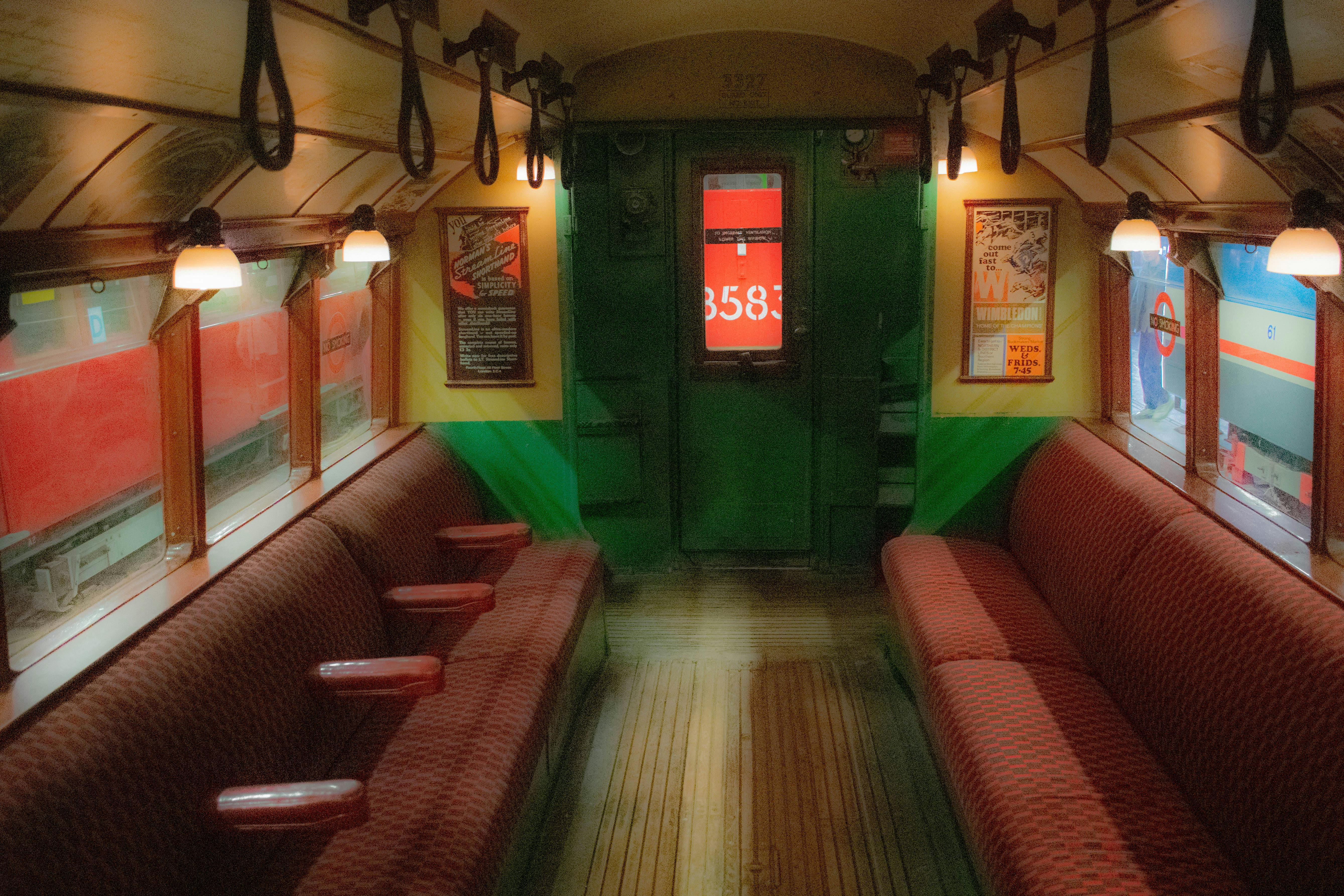
Moving round the hall we come across a classic 1938 tube stock driving unit and there is the chance to step aboard. Crossing the threshold you are immediately transported and it’s a pure shot of 20th century travel nostalgia. In my opinion, tube trains towards the end of the 20th century and into this millennium have taken on a more clinical feel. I appreciate that as London has grown, capacity requirements for a modern tube train has needed to keep up, but we’ve lost a sense of style and dare I say comfort also. When was the last time you saw a tube train with a wooden floor and downlighters?
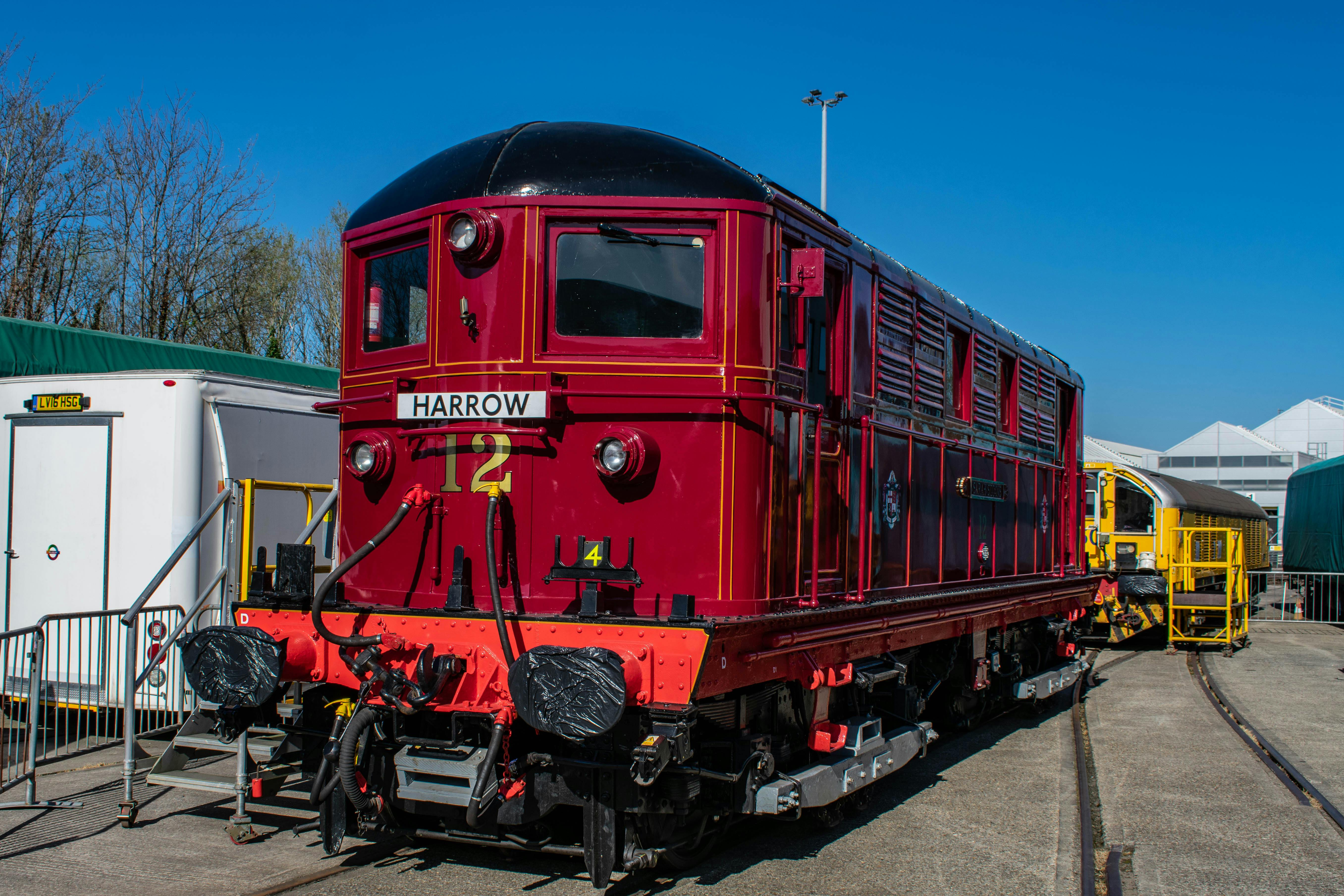
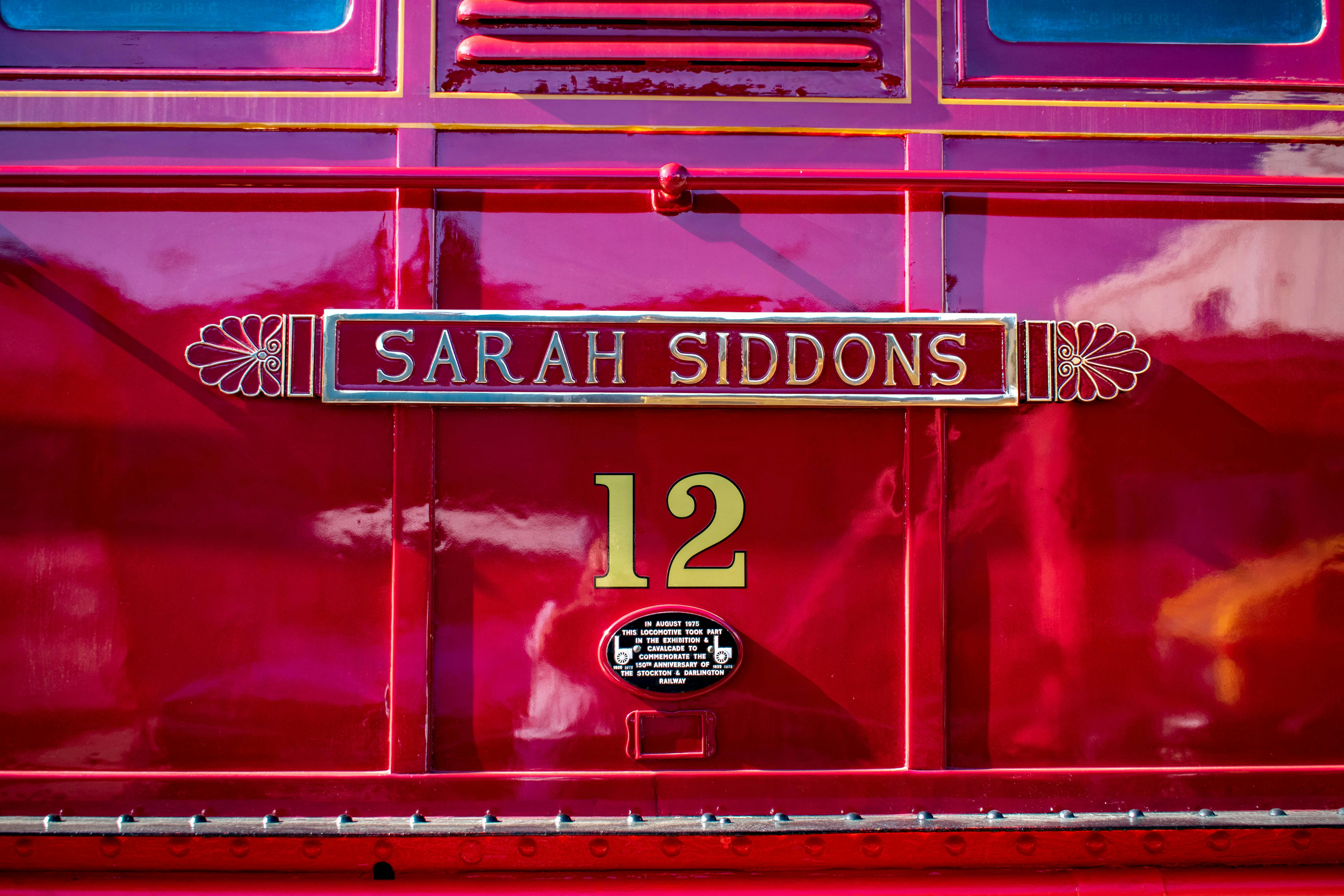
Stepping outside the depot for a moment, there are more exhibits. One of these is ‘Sarah Siddons’; A 1923 locomotive for the Metropolitan Railway. She was retired from passenger services in 1961 and has overgone various overhauls and restorations in the years which followed in order to return her to the same 1923 livery colour and appearance since various modifications were made over the years. Nowadays she’s been out hauling special trains, most notably those which celebrate the various underground lines 150th anniversaries in recent years. She looks fabulous in the maroon livery under the sunlight and hopefully will continue to run for many years to come.
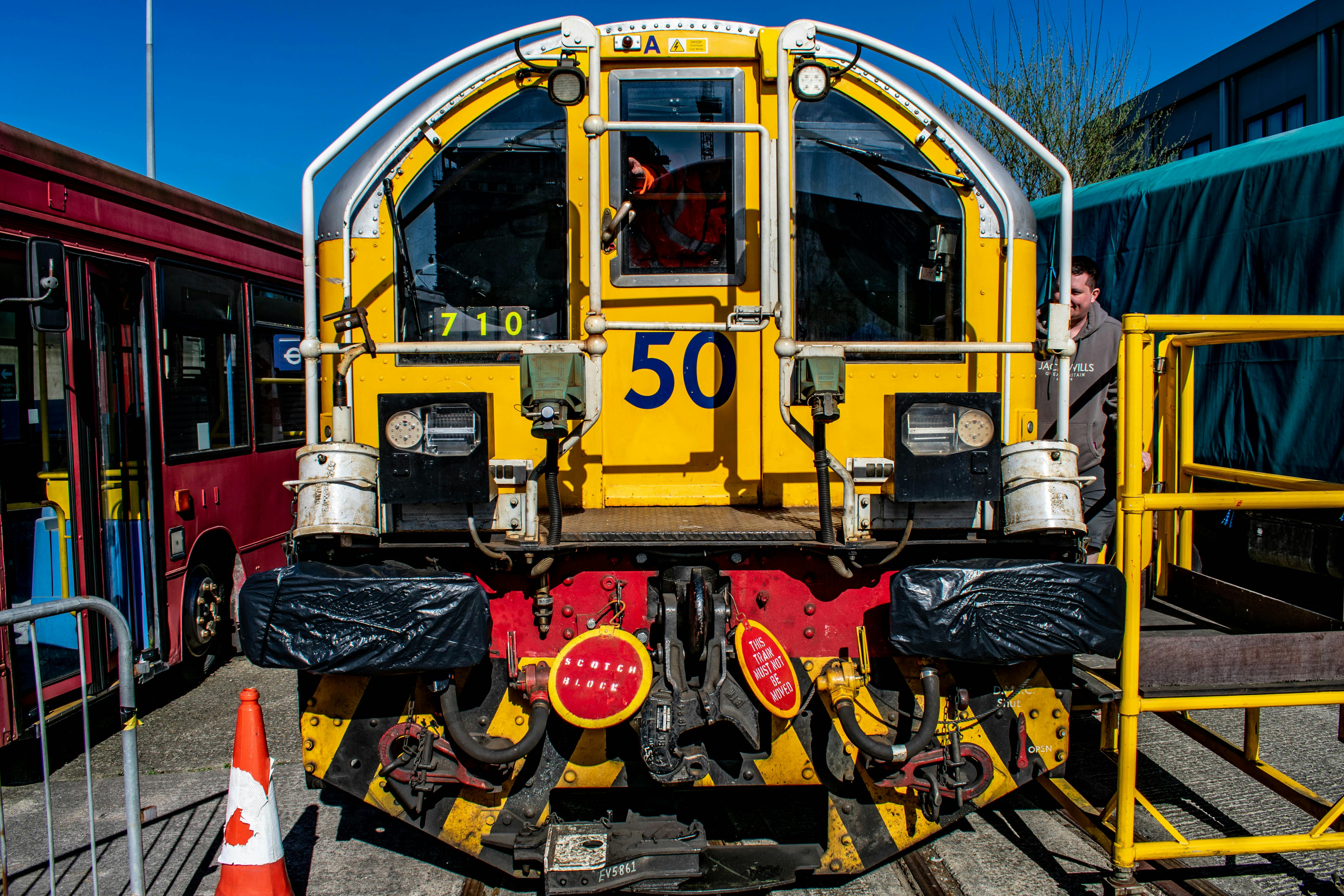
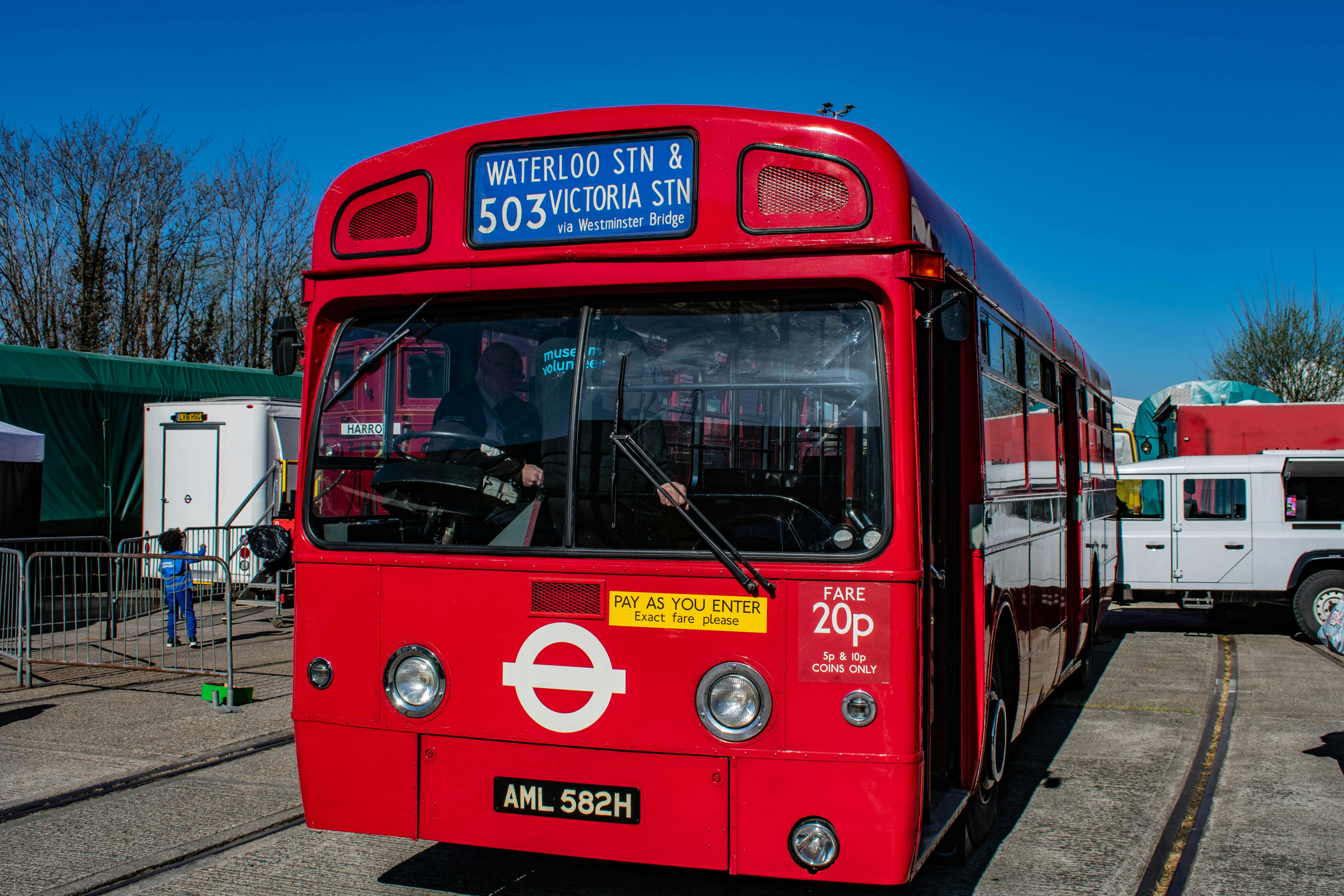
Various other exhibits are found out in the yard as well, such as another example of a battery locomotive L50 as well as some buses. Pictured below is an AEC Merlin MBA582. London Transport and London Country Bus Services operated the largest fleet of AEC Swifts/Merlins with around 1500 delivered between 1966 and 1972. How times have changed and moved on from when fares used to be just 20p!
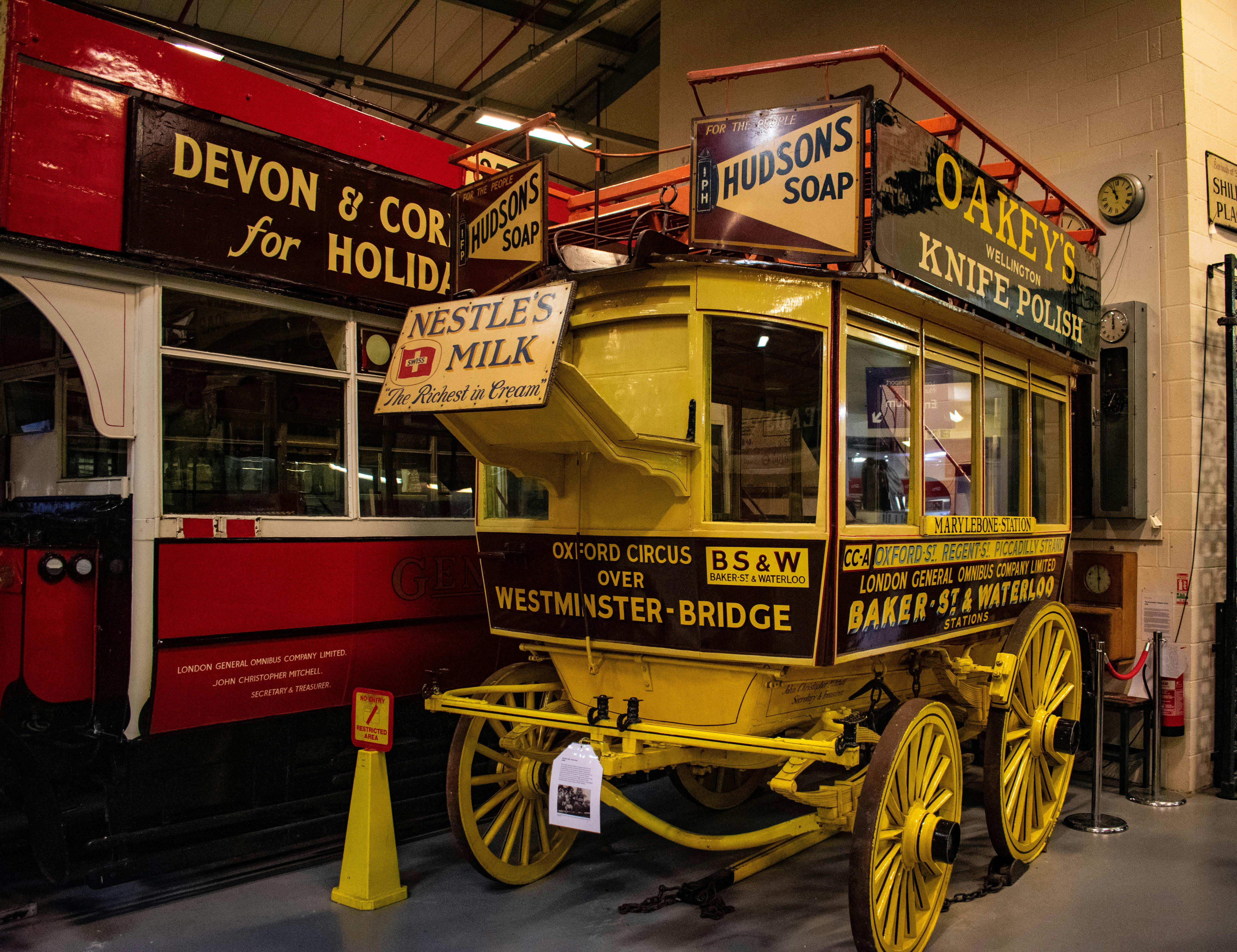
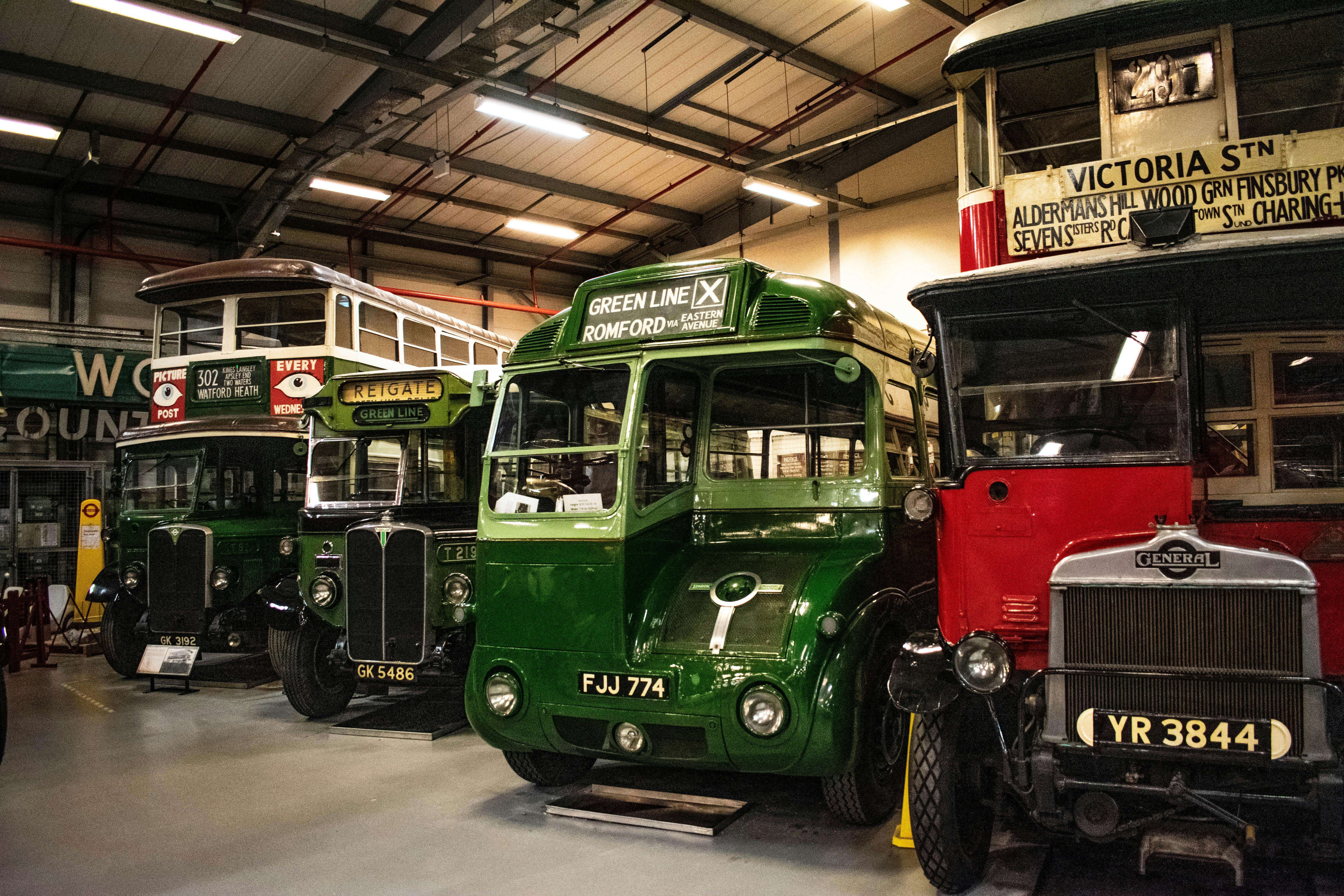
Speaking of buses, there’s a much larger collection of road-going vehicles back inside the main depot. These range from trams, trolley buses and various different buses over the years. Before motors were put into buses, there were horse buses. An example of this is shown below which had a max capacity of 26 passengers and required two horses to pull. Every one of these buses on a particular route was painted the same colour, but this was a time before bus numbers was a thing, so passengers had to identify their bus by its colour. In an otherwise monochromatic world, you’re hardly likely to miss this vision of sunshine coming around the corner.
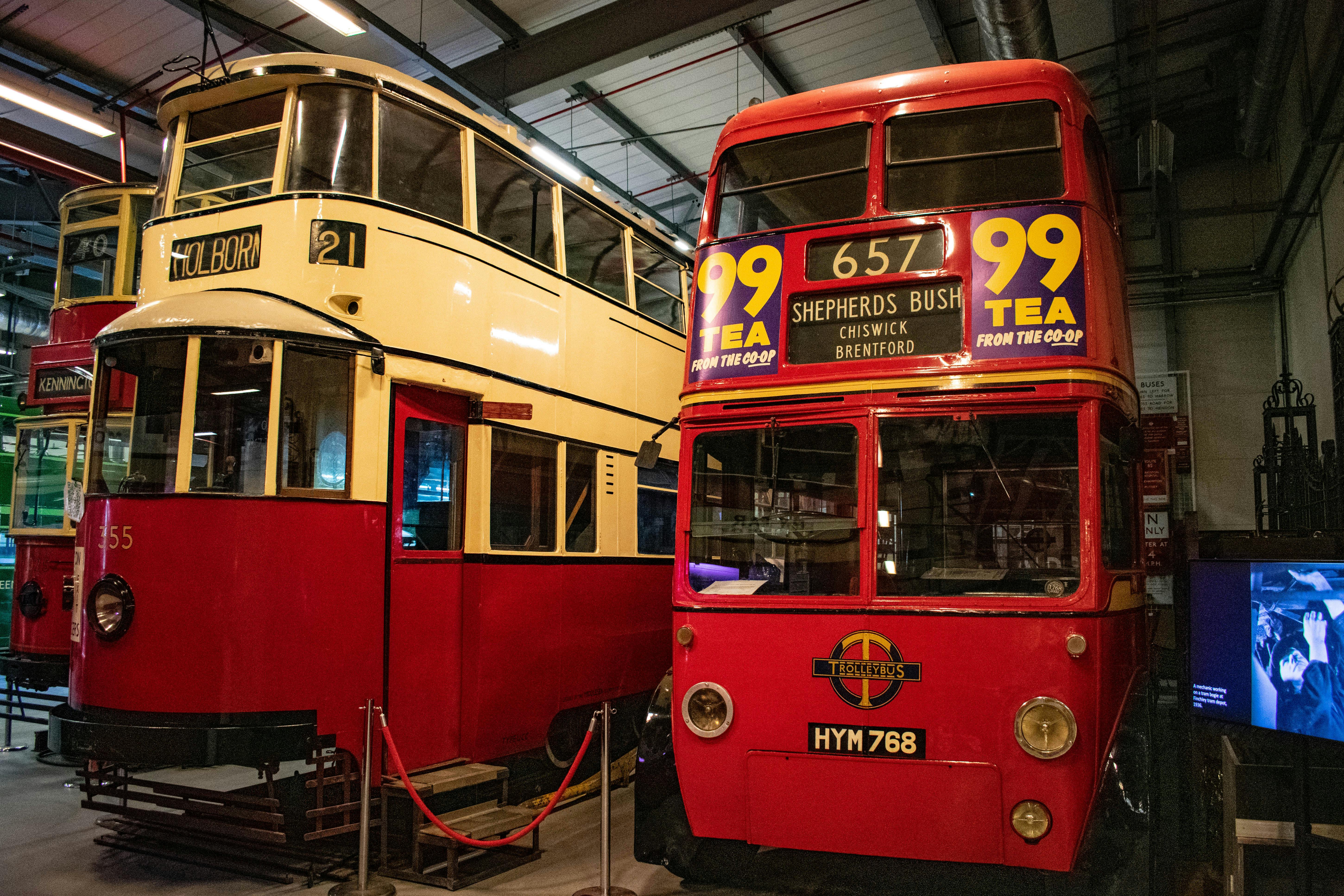
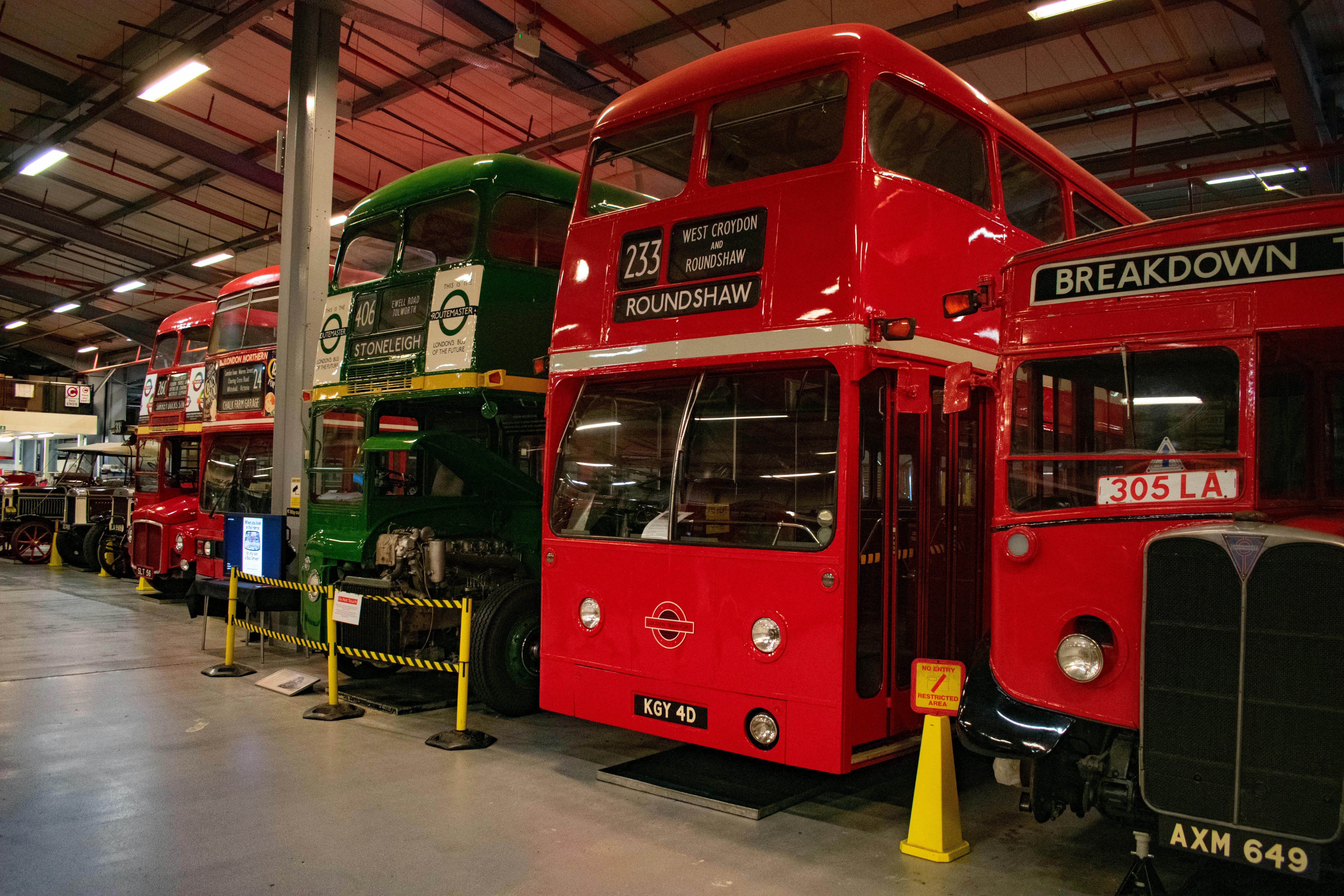
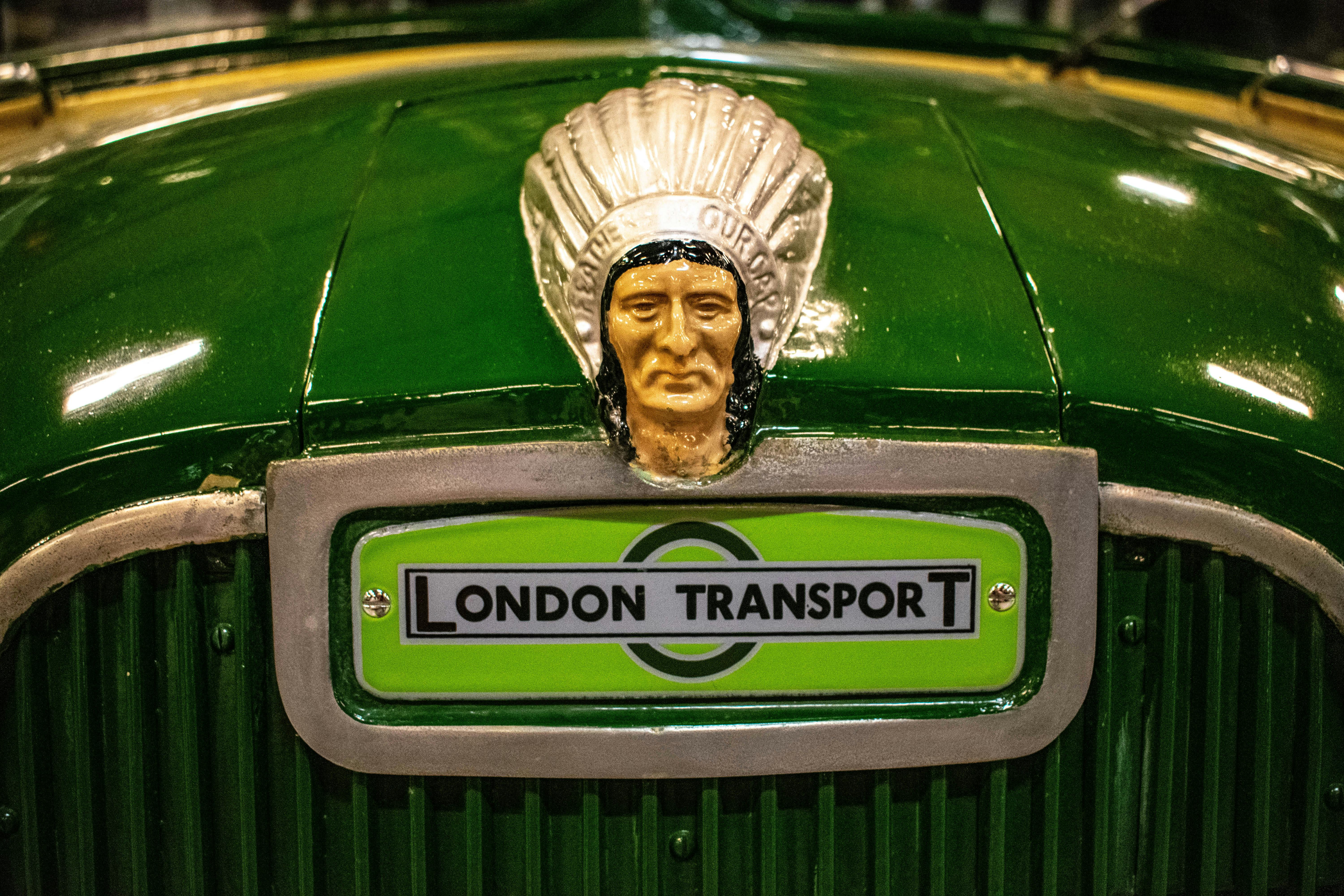
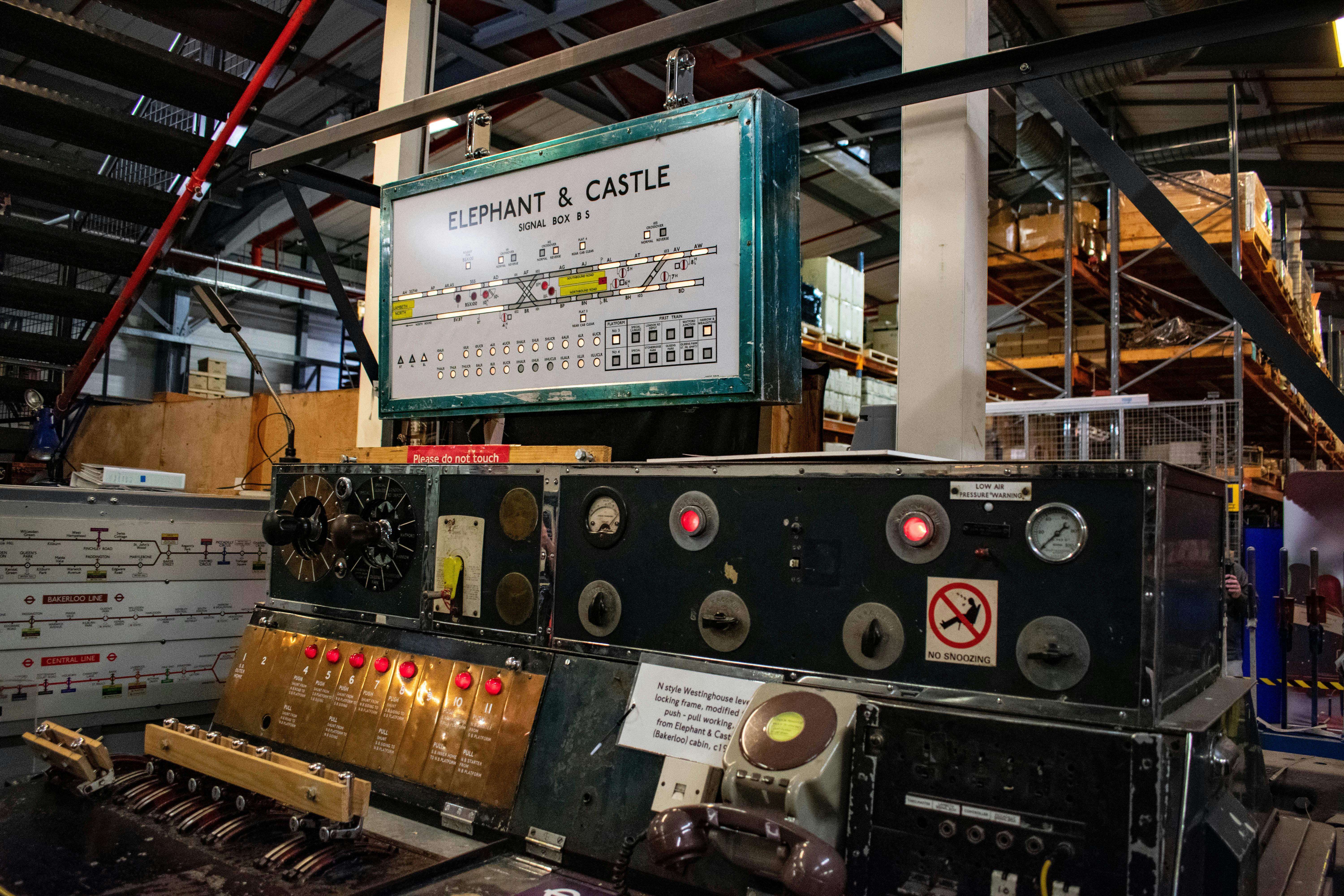
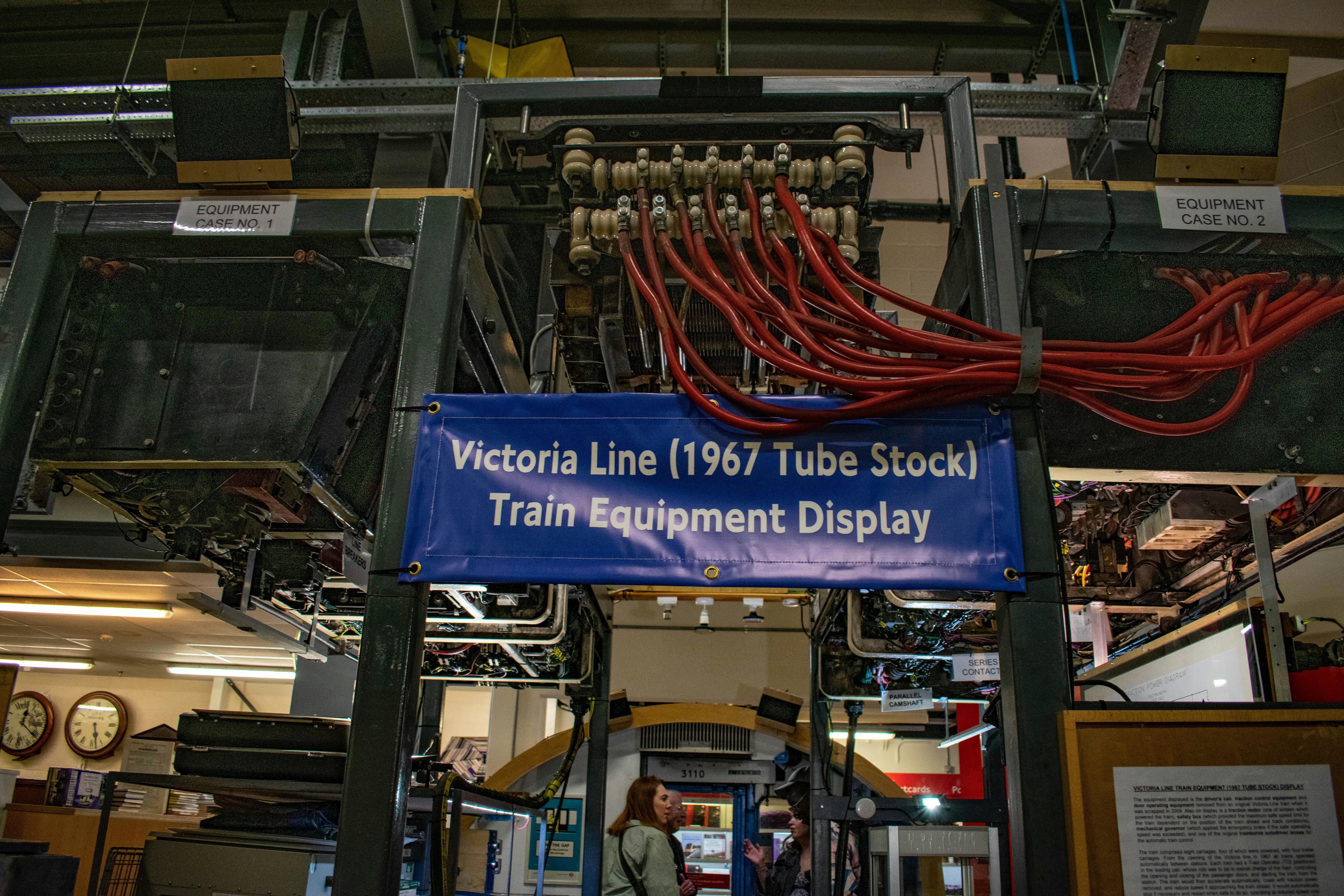
The warehouse doesn’t just contain vehicles of road and rail. It also has plenty of other artifacts such as signalling equipment and there is a very interesting simulator which shows the inner workings of 1967 tube stock. The entire thing is rigged up to live buttons in a cab and it’s fascinating to watch. I won’t claim to understand a thing as to what is happening but i’m sure there are some electrical engineers out there who could educate me.
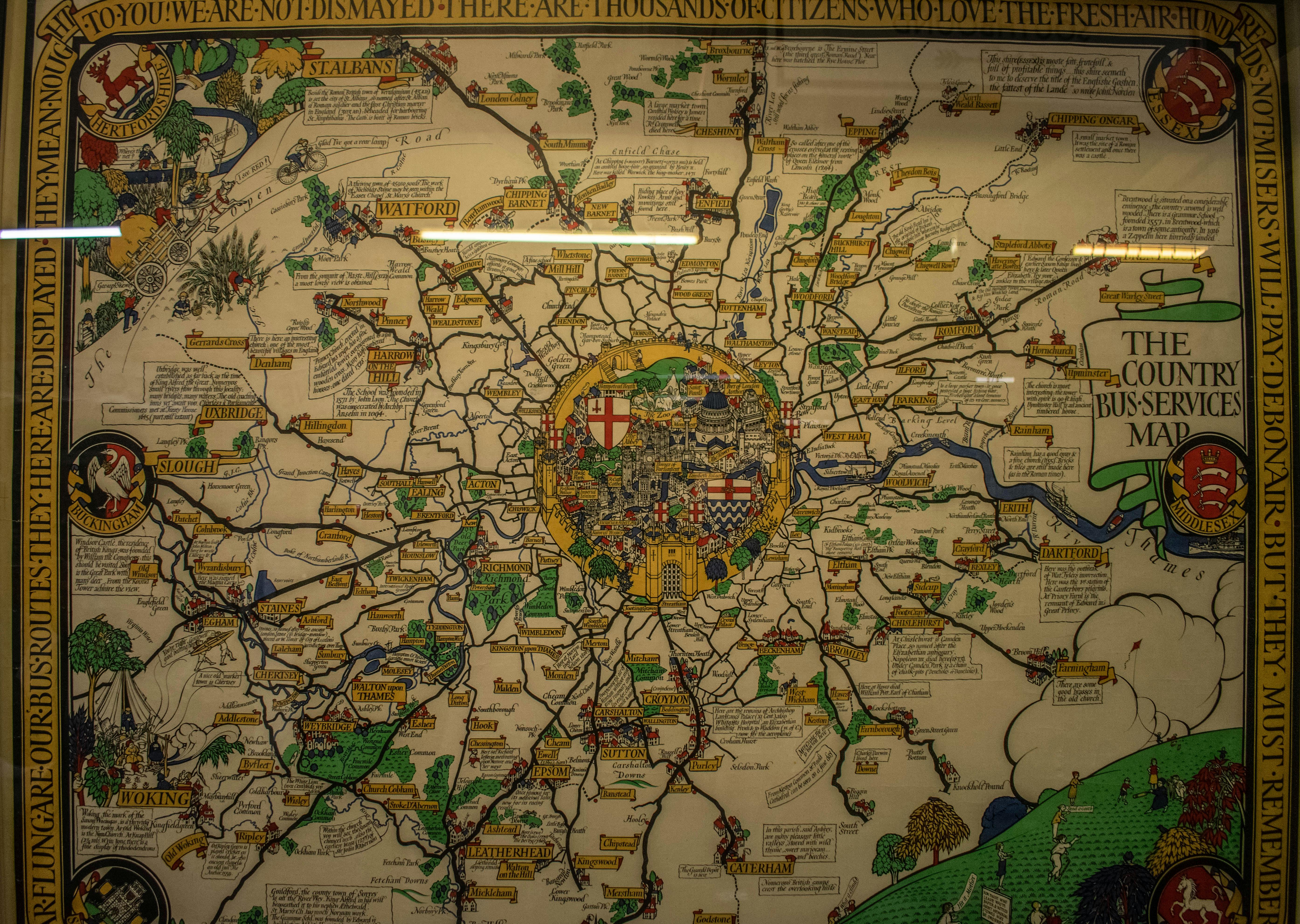
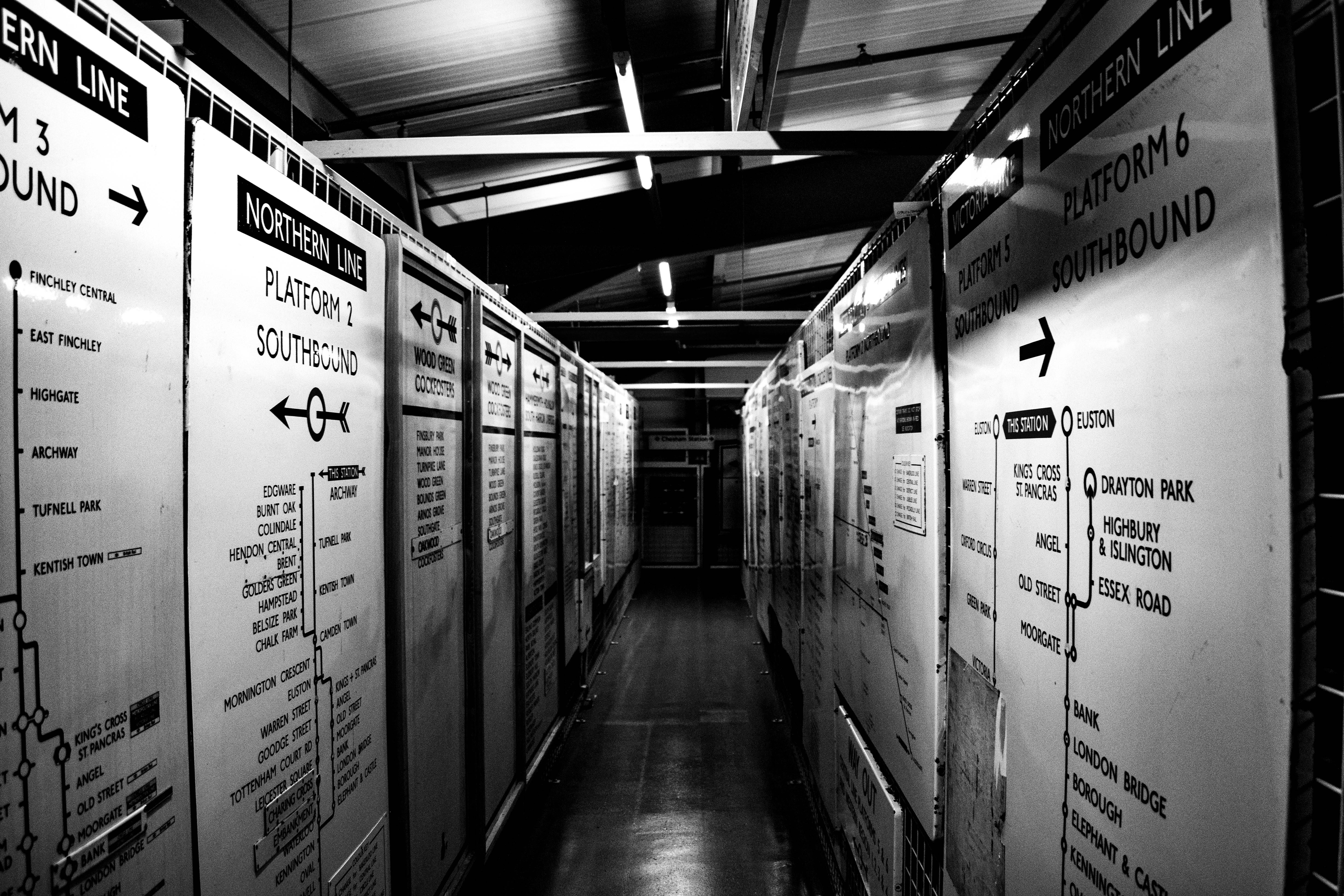
Moving finally up to the balcony area of the warehouse, this is where all of the roundels, signs and maps for the transport network over the years is kept. It’s vast and interesting to see how design has evolved over the years. Take the below map for example, showing bus services around London from 1928. Some real thought went into it. You can argue it’s perhaps not the most efficient map to work out how to get from A to B like our modern day tube map, but it was surely a great tourist aid back then as each destination has little facts written against it on the map along with recommended places to see. All in all, a great day out and if you are a lover of London transport in particular, this place is a MUST visit.