At the very far end of Epping tube station car park, you will find the Epping Signalling Museum. Unless you were passing by on the tube train or had heard about them previously, it’s highly unlikely you would find them. The museum consists of their L11 locomotive, collection of underground artifacts and the main attraction, the Epping signal cabin. This is the ONLY signal cabin on the entire tube network which is in preservation and open to the public.
The site itself sits directly adjacent to the live Central line and trains trundle past frequently. It is due to this that no visitors are allowed to wander around the site by themselves and must be accompanied by a volunteer at all times. I turned up early and was the only person there so I was fortunate to have a private guided tour around the entire site. When you walk through the gate, you are greeted by the museums only locomotive, L11.
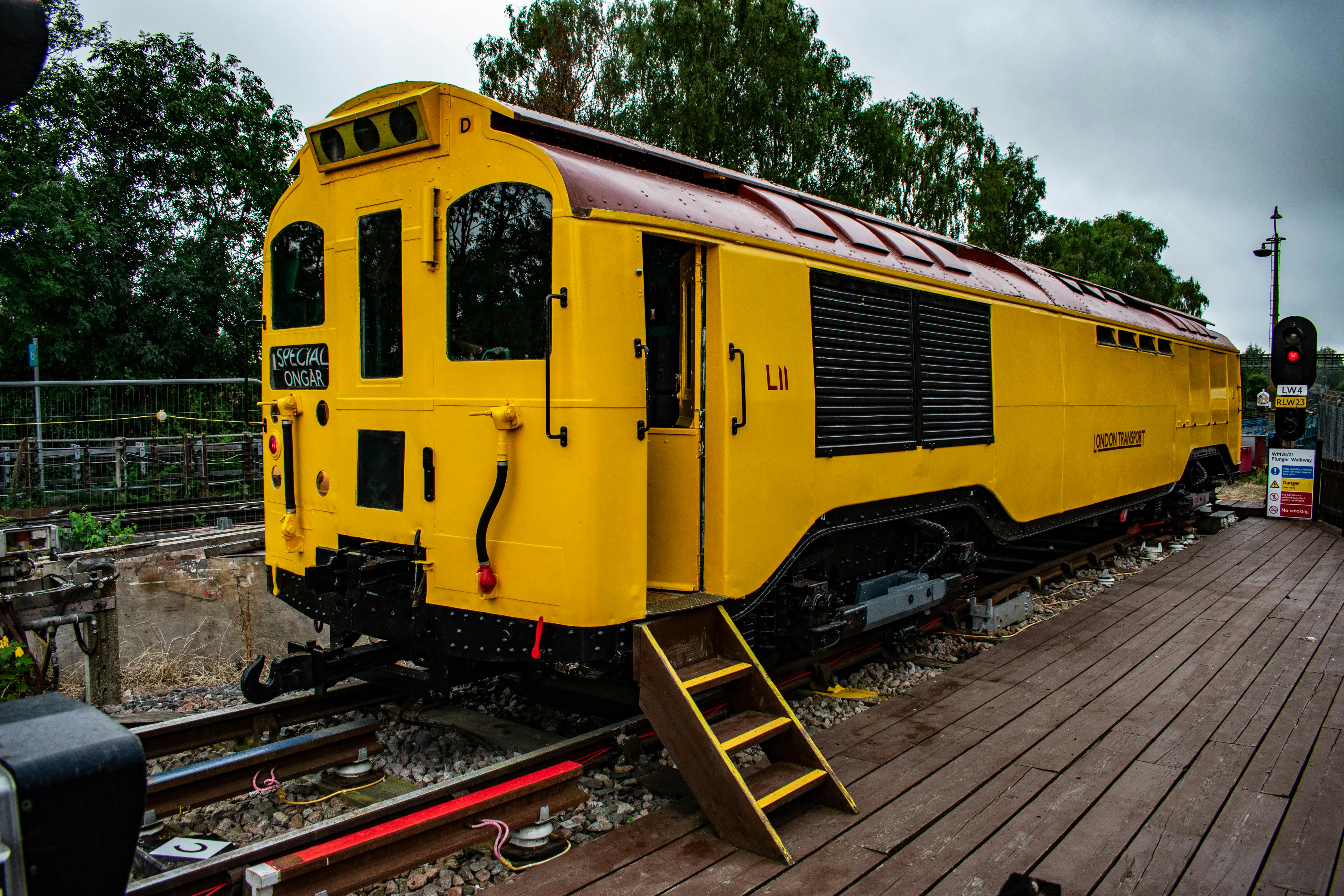
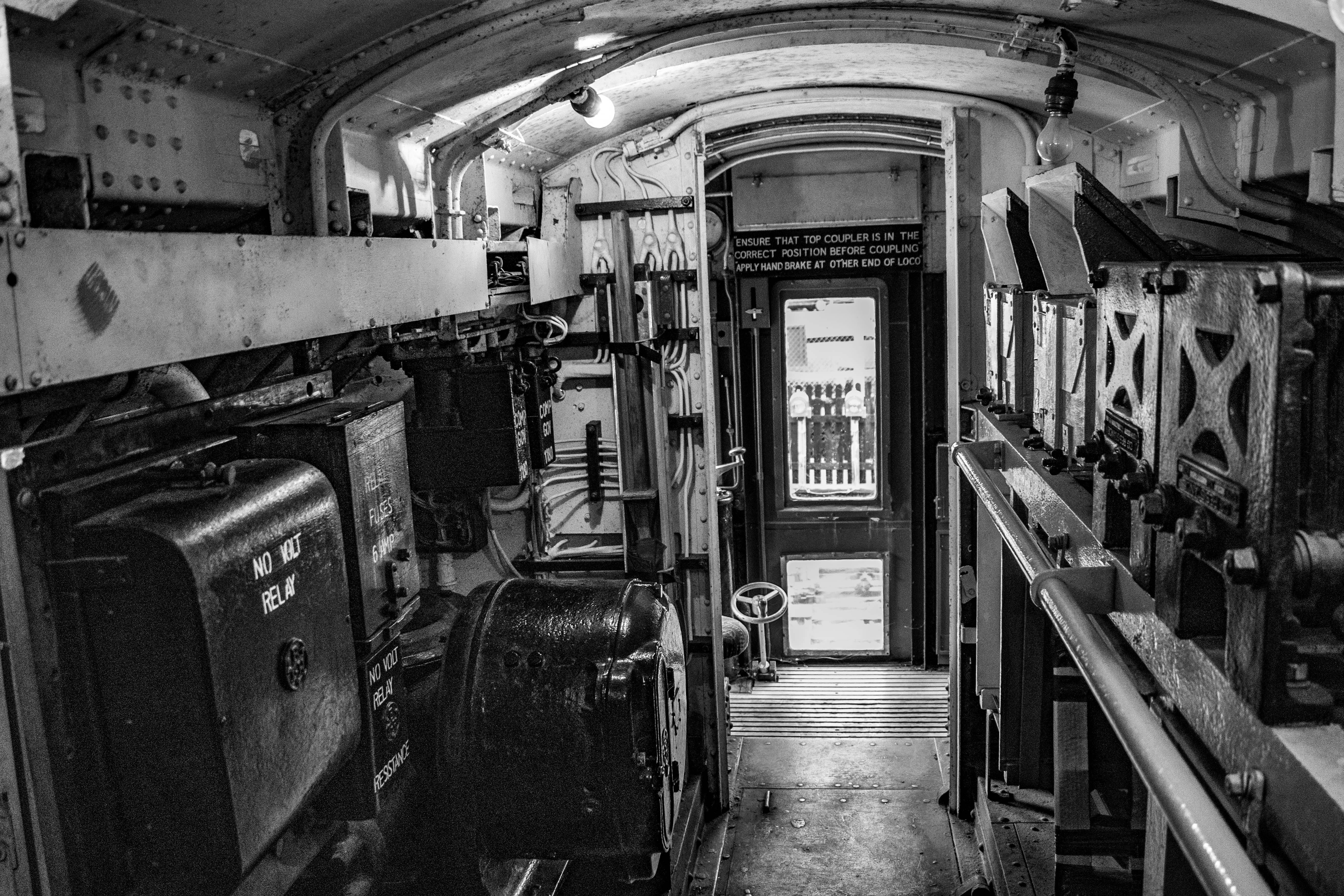
The locomotive is quite unique in that is possibly the only cut-and-shut locomotive that existed on the network. It’s actually two halves of two former Piccadilly Line motor cars (Units 3080 and 3109) which have been joined together. These motor units were Standard Stock, meaning that they were built between 1923 andd 1934. At the end of their service in 1964, these two cars were retained to create L11. The purpose of this locomotive was to perform shunting duties at the London Underground’s Acton works. All passenger compartments have been ripped out and only the bare basics remain as you can see below.
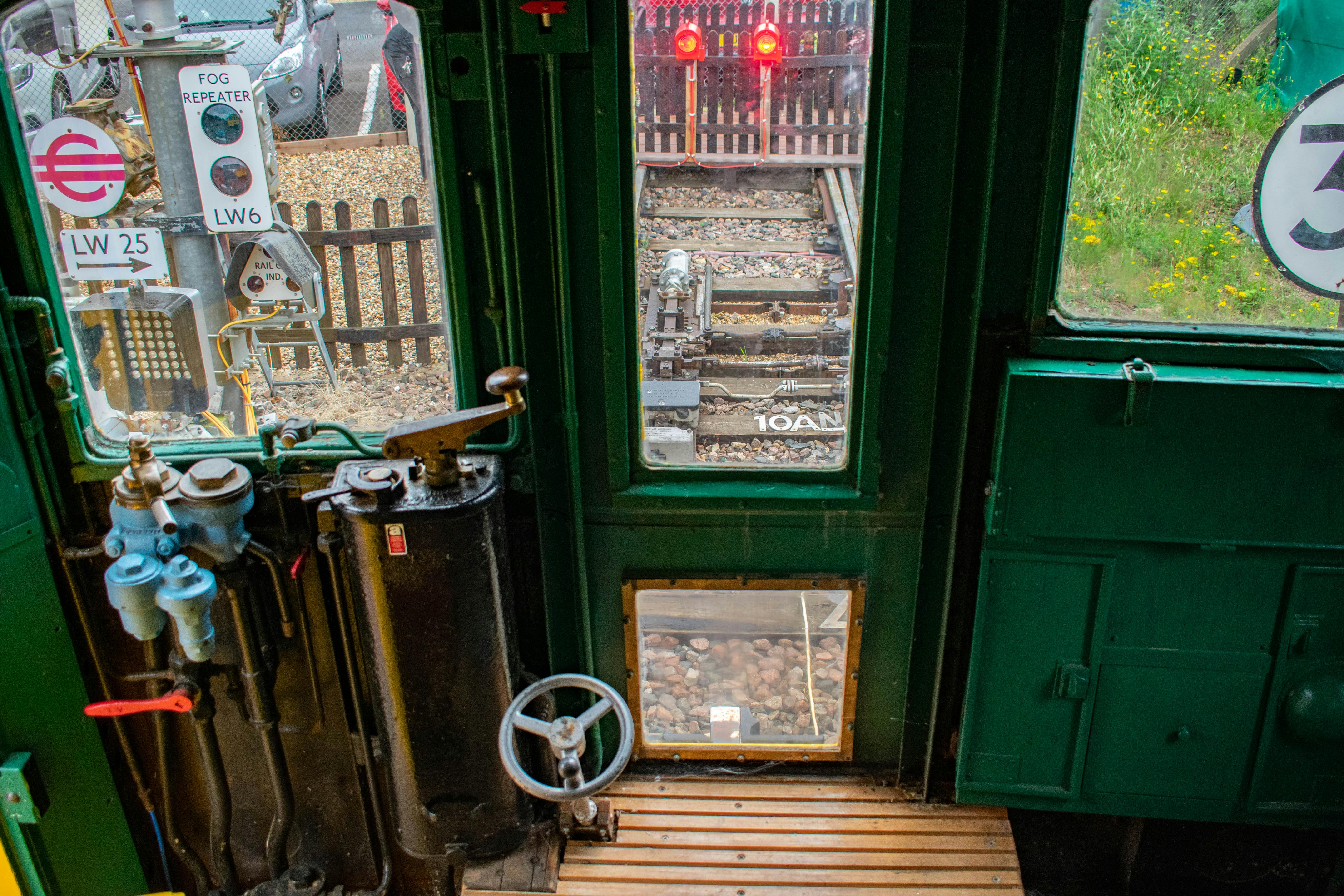
Sitting outside the locomotive is a selection of various signals, signs, lamps, indicators and a working point with locking. Each and every one of these signals is demonstrated by the volunteer and I found it very interesting to learn about when each would have been used.
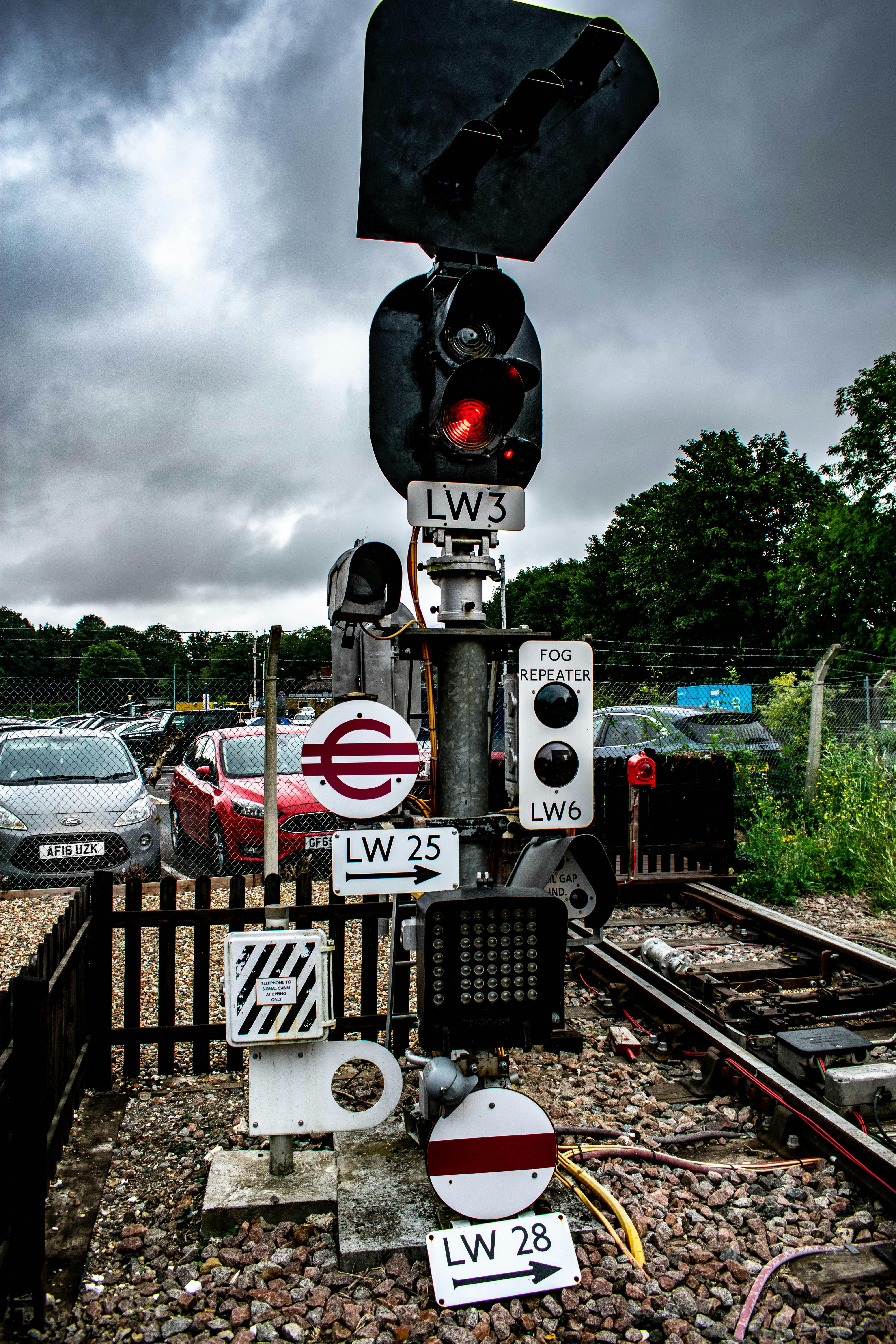
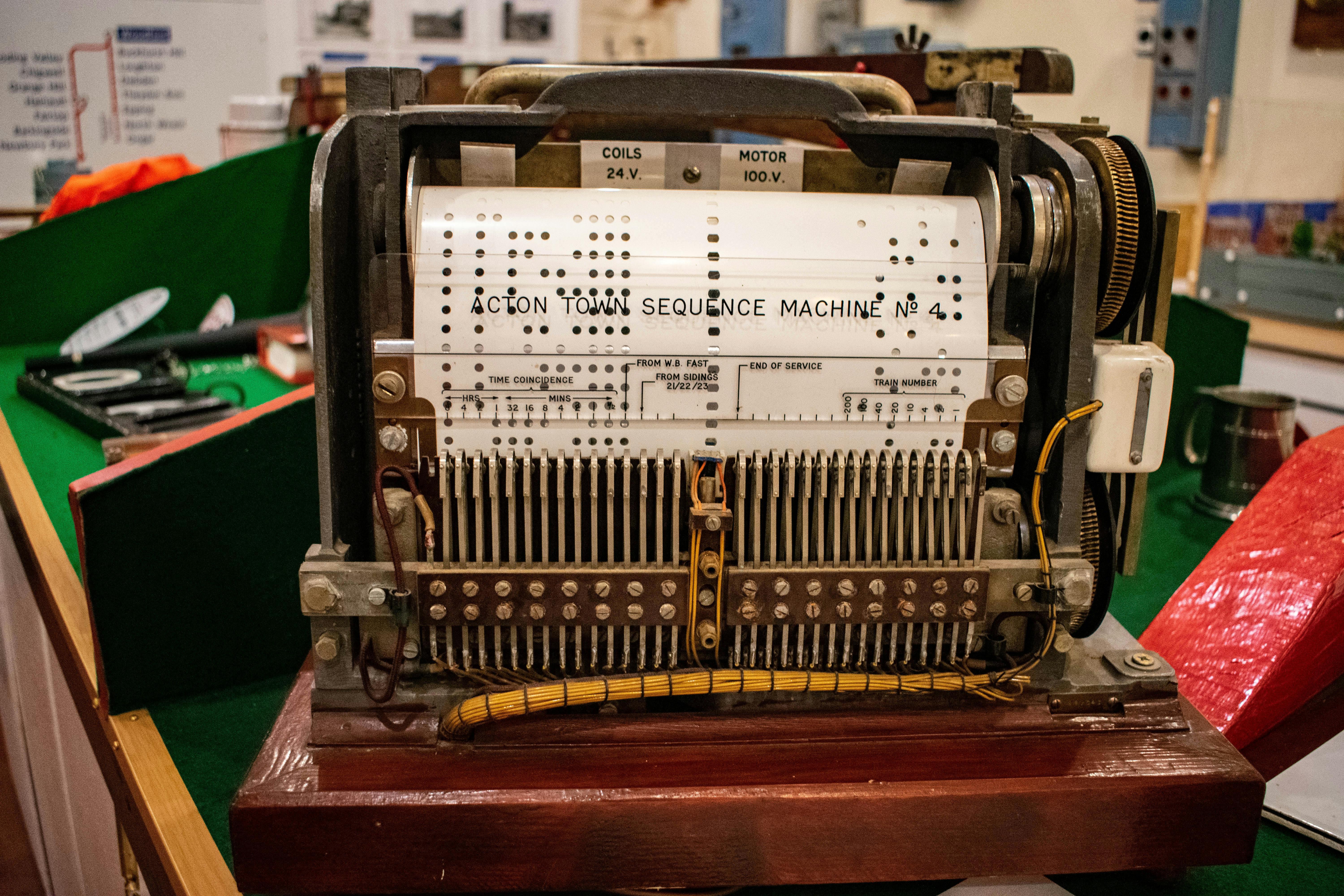
Moving into the ground floor of the signal cabin, there is a display of various Underground artifacts from across the years including signals, signs, sequencing machines and of course, relays for the main control cabin above. The relays are huge but are designed in such a way that a faulty one can easily be ‘hot-swapped’ with a new one with a simple connector plug. Also on display was the Acton Town sequence machine. This was when the railway was moving into automated signalling in relation to a timetabled service. The paper which is loaded has a series of punched holes which are picked up by contacts at the bottom of the machine. Based upon the combination of holes which are punched, this will execute a sequence of signals to change. It’s very similar in principle to old fairground organs which read music from similar punched paper and automatically played.
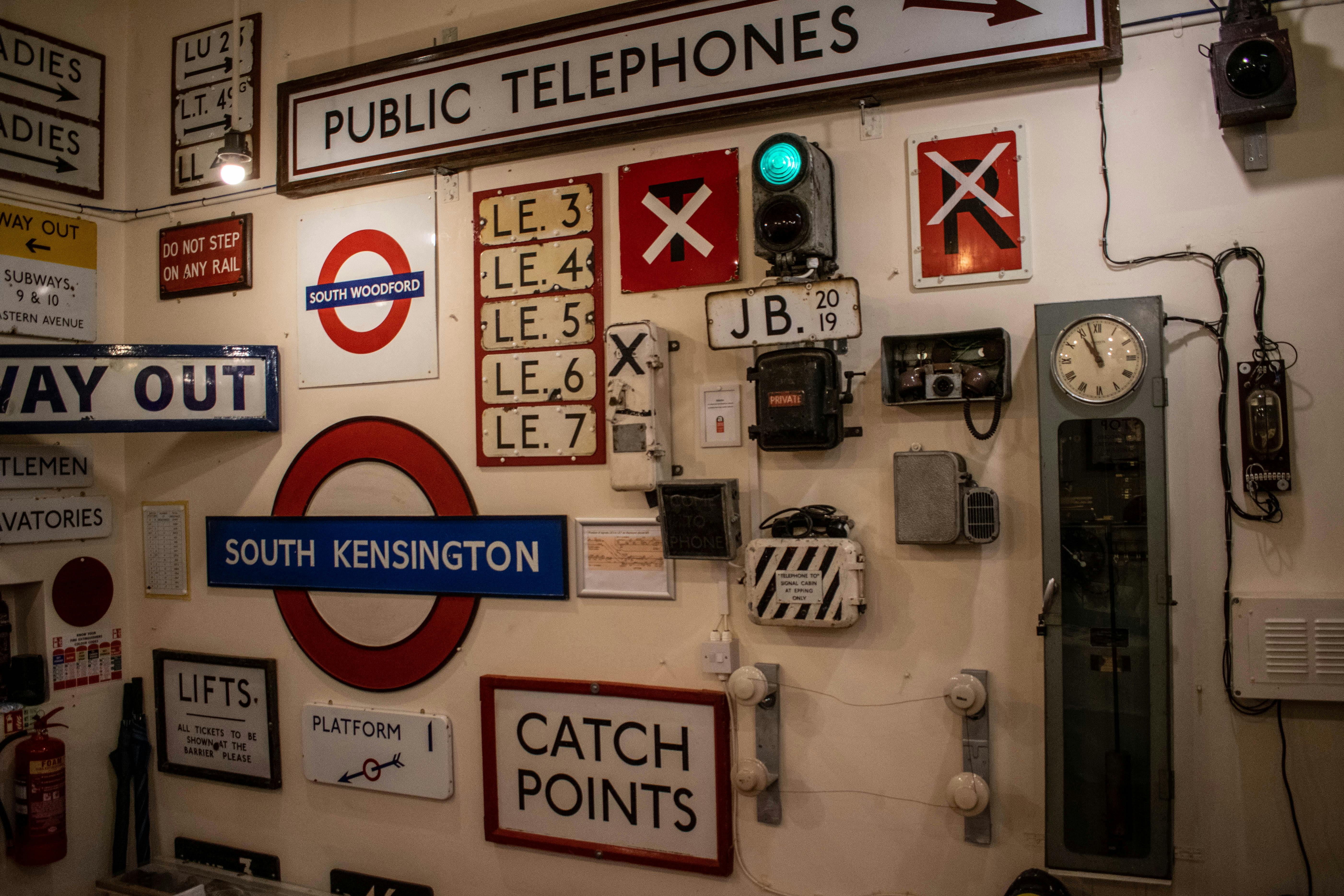
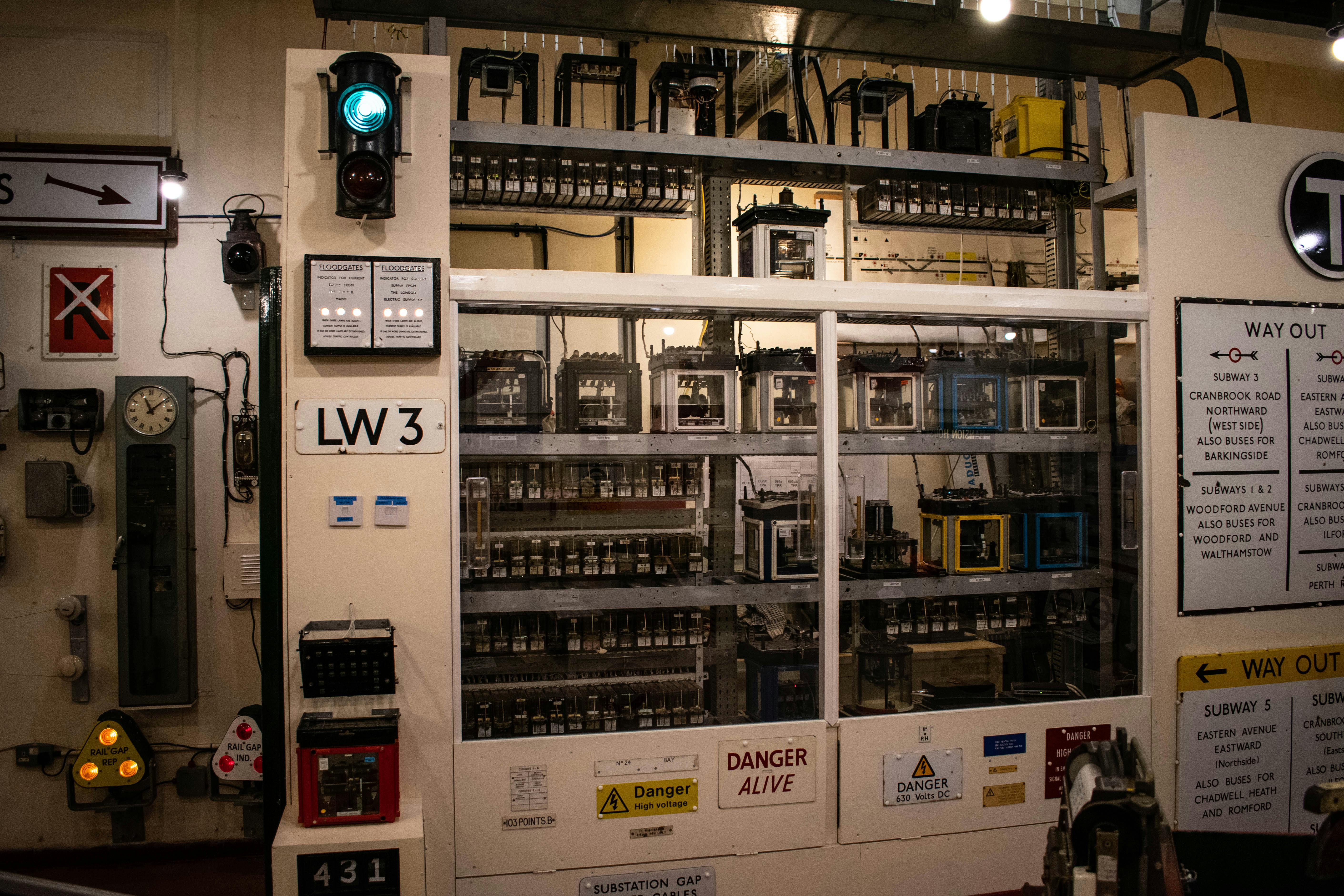
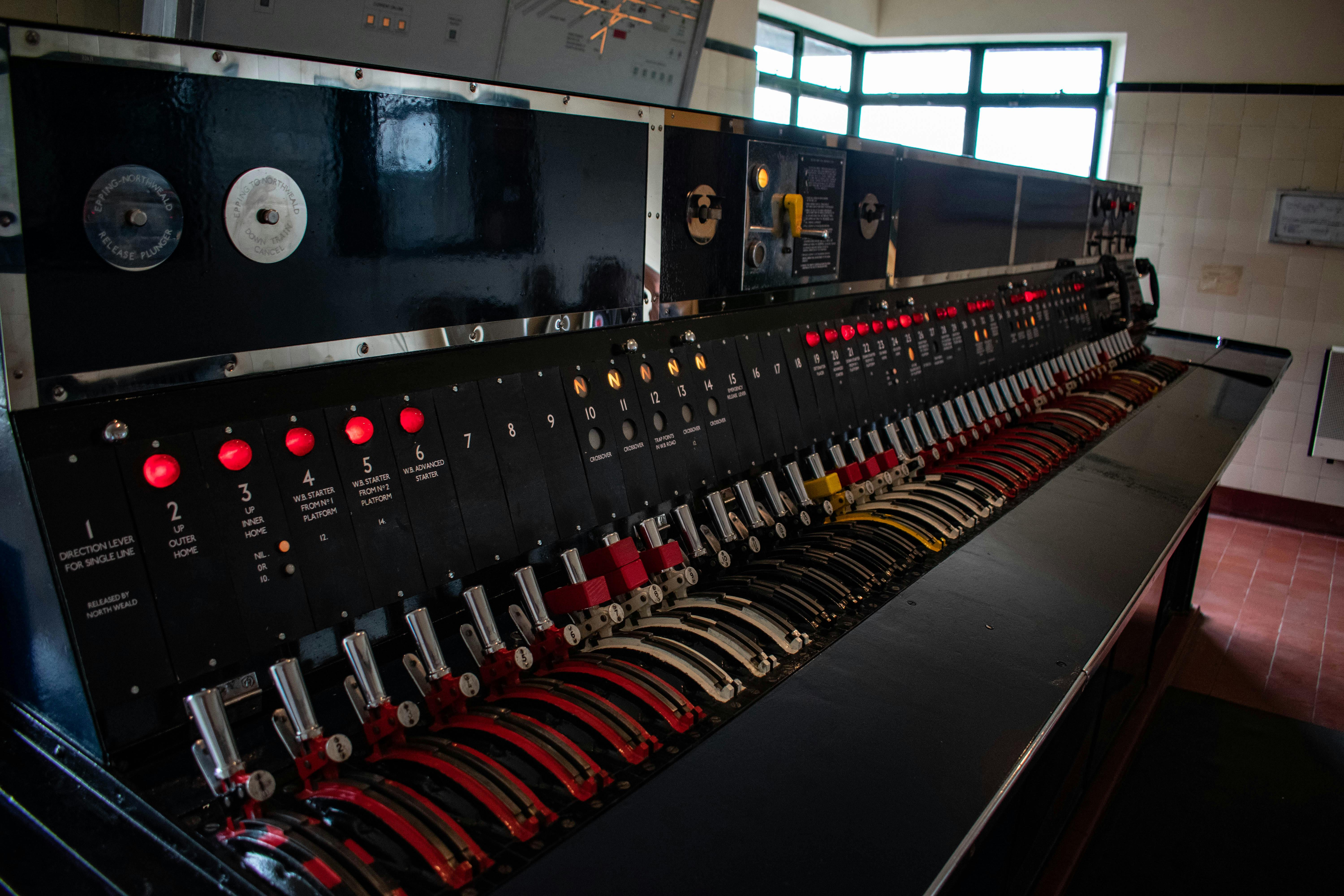
The star attraction is above this floor which is the preserved signal cabin controls. With the exception of the computer simulation which now represents trains coming and going, everything is as it was when the cabin was in active service. The volunteers take time to explain the controls and diagrams. It’s then over to you to actually pull some levers to try and successfully navigate trains through the section.
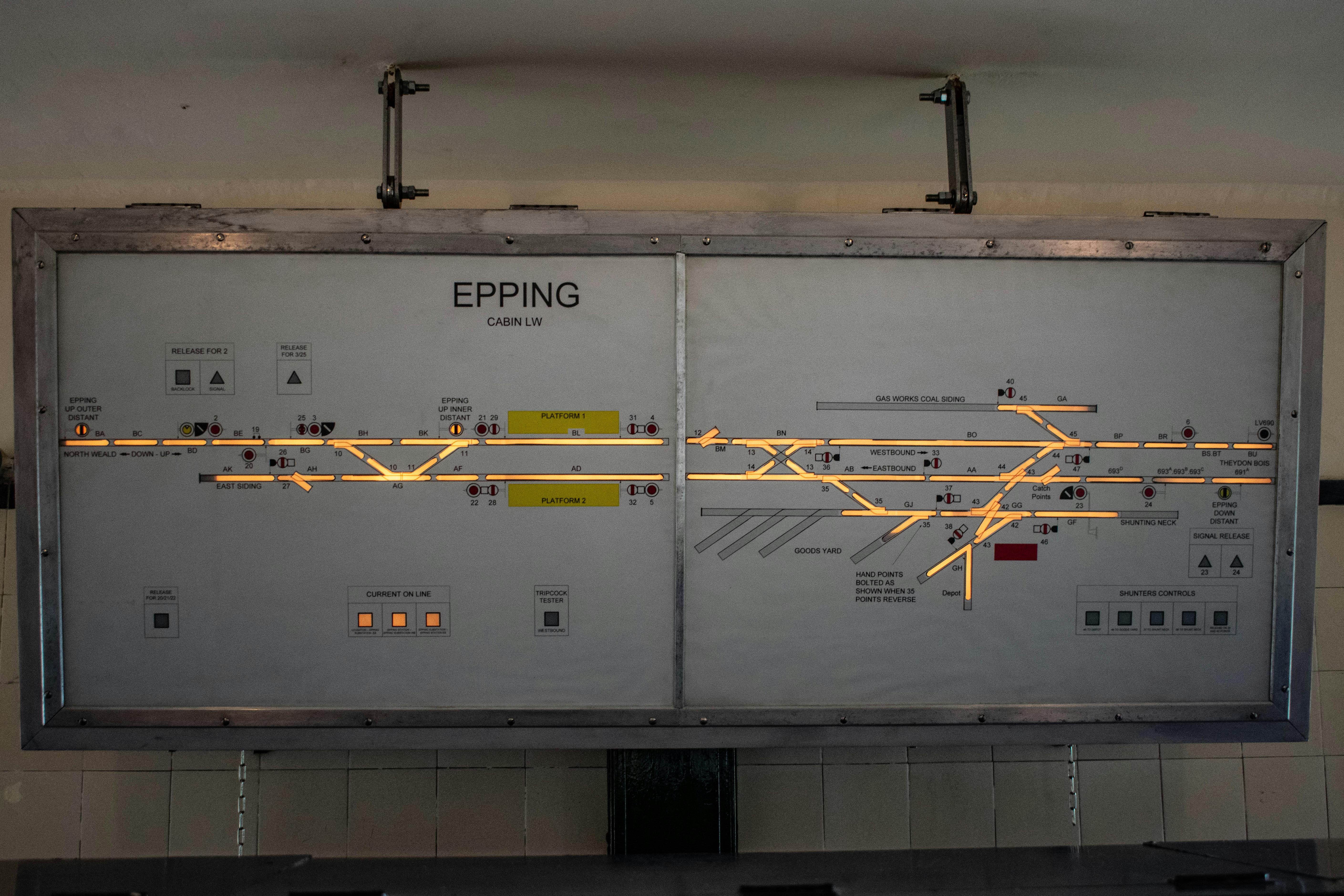
Typical signal diagrams in these cabins on the Underground light up individual sections to represent where a train is at any given time. In the picture below, they are all lit up as the simulator has not yet started.
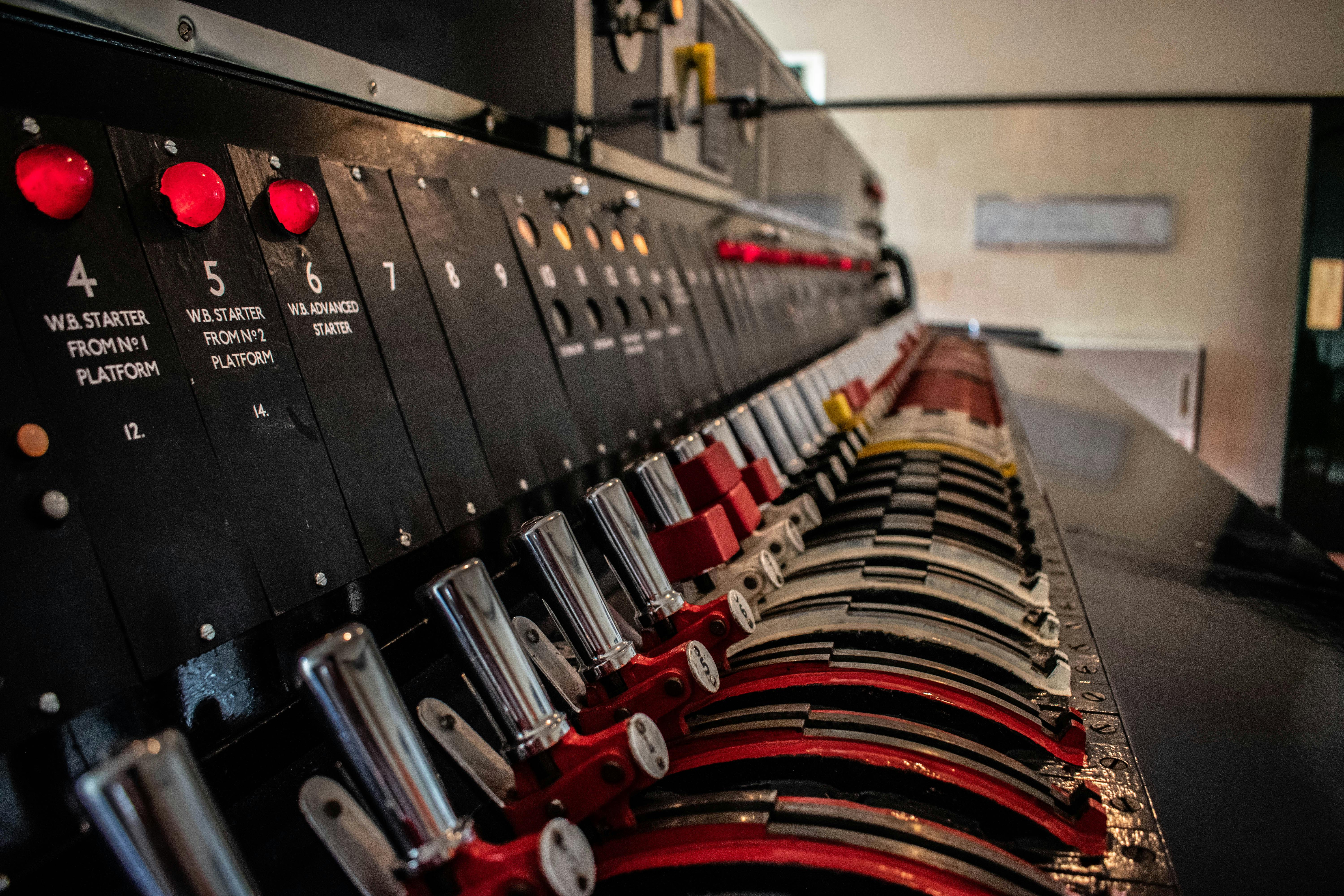
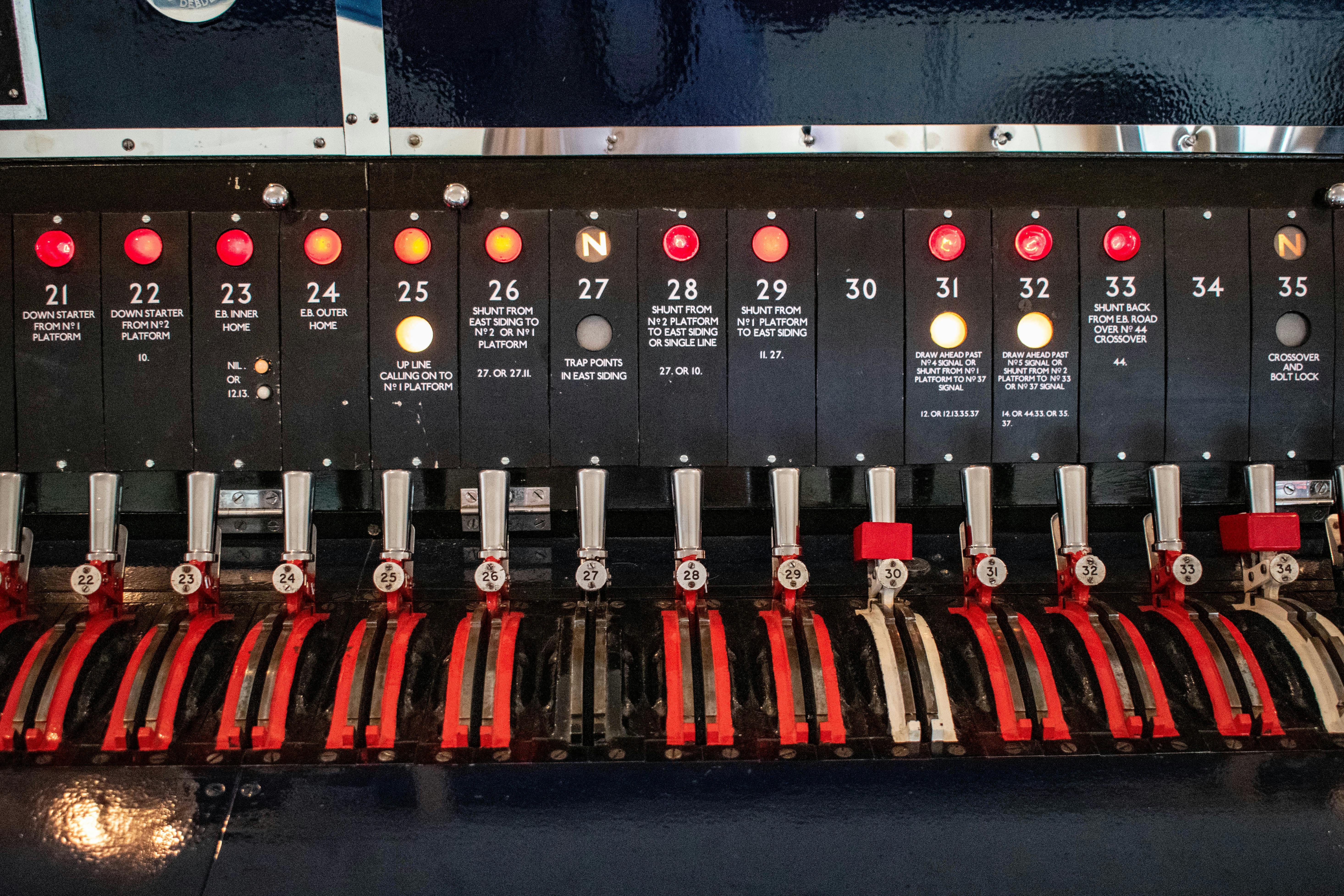
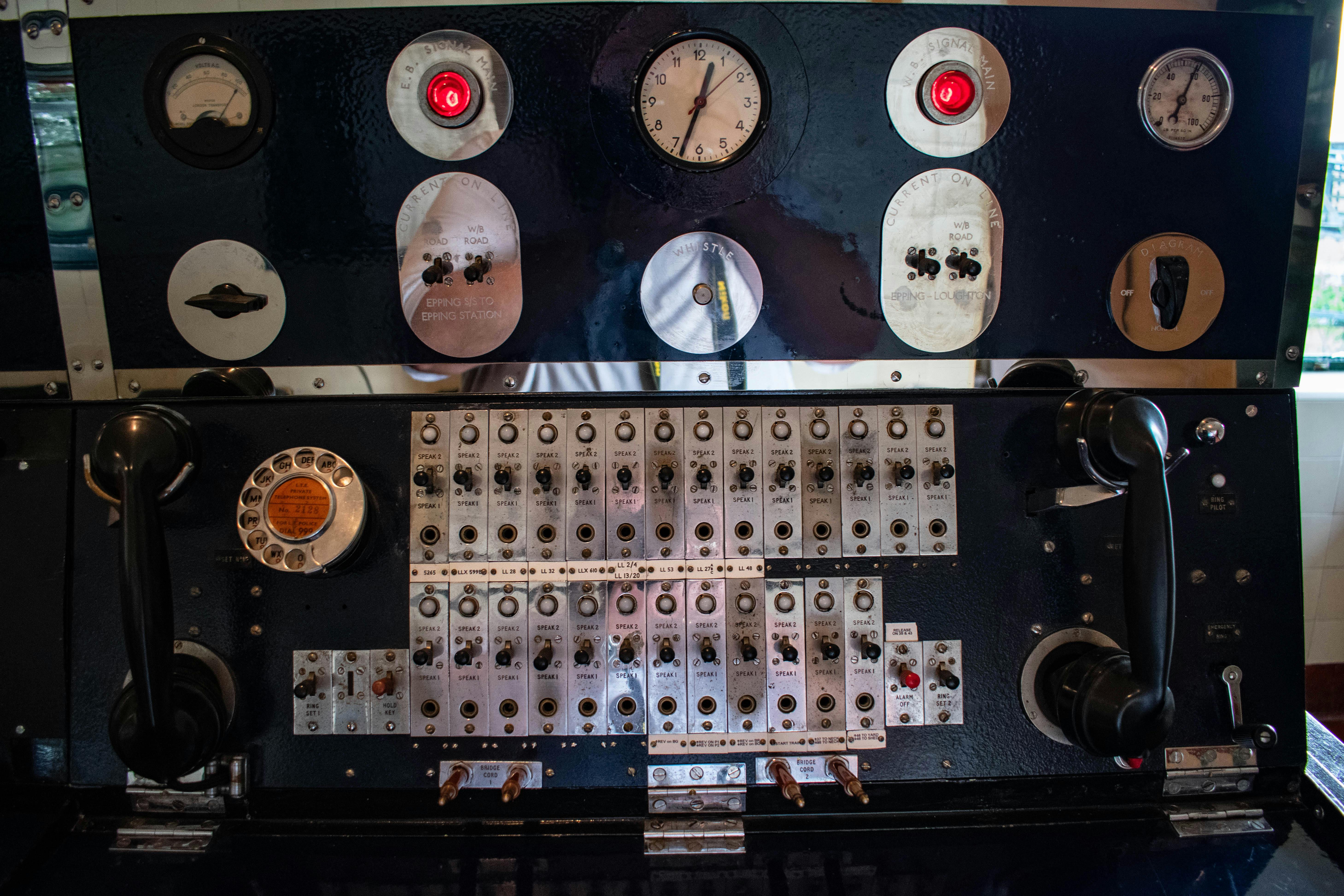
Just like a typical national rail signal box, there are levers for points, signals, detonators etc. The biggest contrast however is how compact the layout feels. There is no heavy heaving on the levers, everything is electronic so pulling the levers requires very little effort. As well as levers, there are indicators above each one which lets you know the state of the object at any one time. At the far end of the panel is some old telephone equipment which would have been used to communicate to other signal cabins along the line or even to the train driver himself. The explanation of how they communicated to the drivers was very interesting. The signaller would illuminate a ‘Go to Phone’ sign to which the driver would have to stop the train (perhaps at a station). The driver would then take a phone receiver which was kept in the train cabin and hook this onto a wire which ran the length of the section. With this simple connection, a conversation could be had with the signaller.
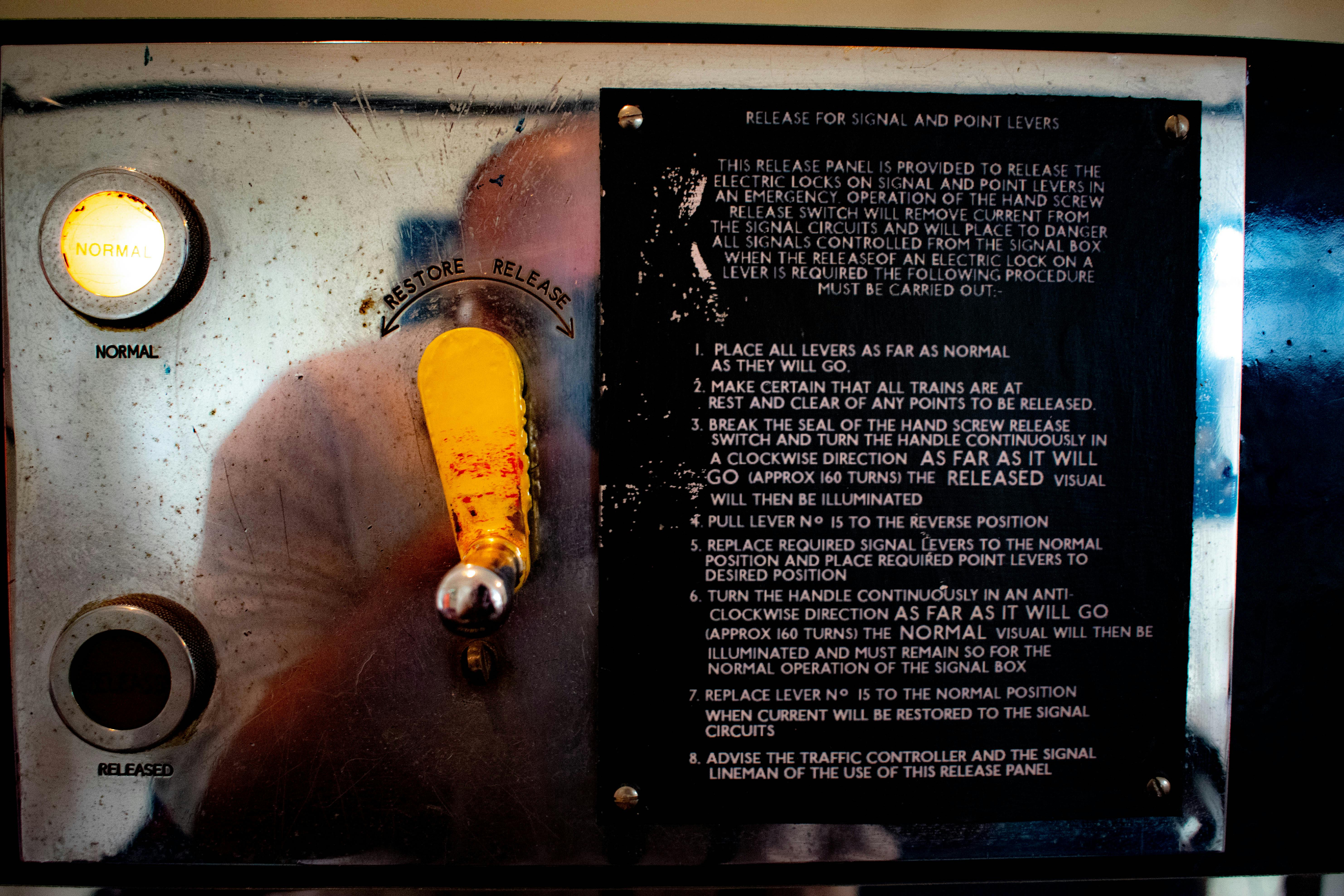
Given that everything in the panel is electronically locked in place, you would think that the computer would be infallible and mistakes couldn’t be made. Well, interestingly, from time to time, it did happen and the control panel would be locked and in need of a reset. This was mostly down to human error. In order to do this, a special lever existed in order to release all of the electronic locks, to allow a signaller to return all signals, points and other levers to the ‘normal’ position. In order to do this, the handle below needed to be turned about 160 times in the release direction, and then back another 160 times to restore the circuits. Whenever this action was used (which thankfully wasn’t a lot), the action was recorded on an electronic display on a special relay. I was told that normally following this were some very stern words by management and possible retraining.