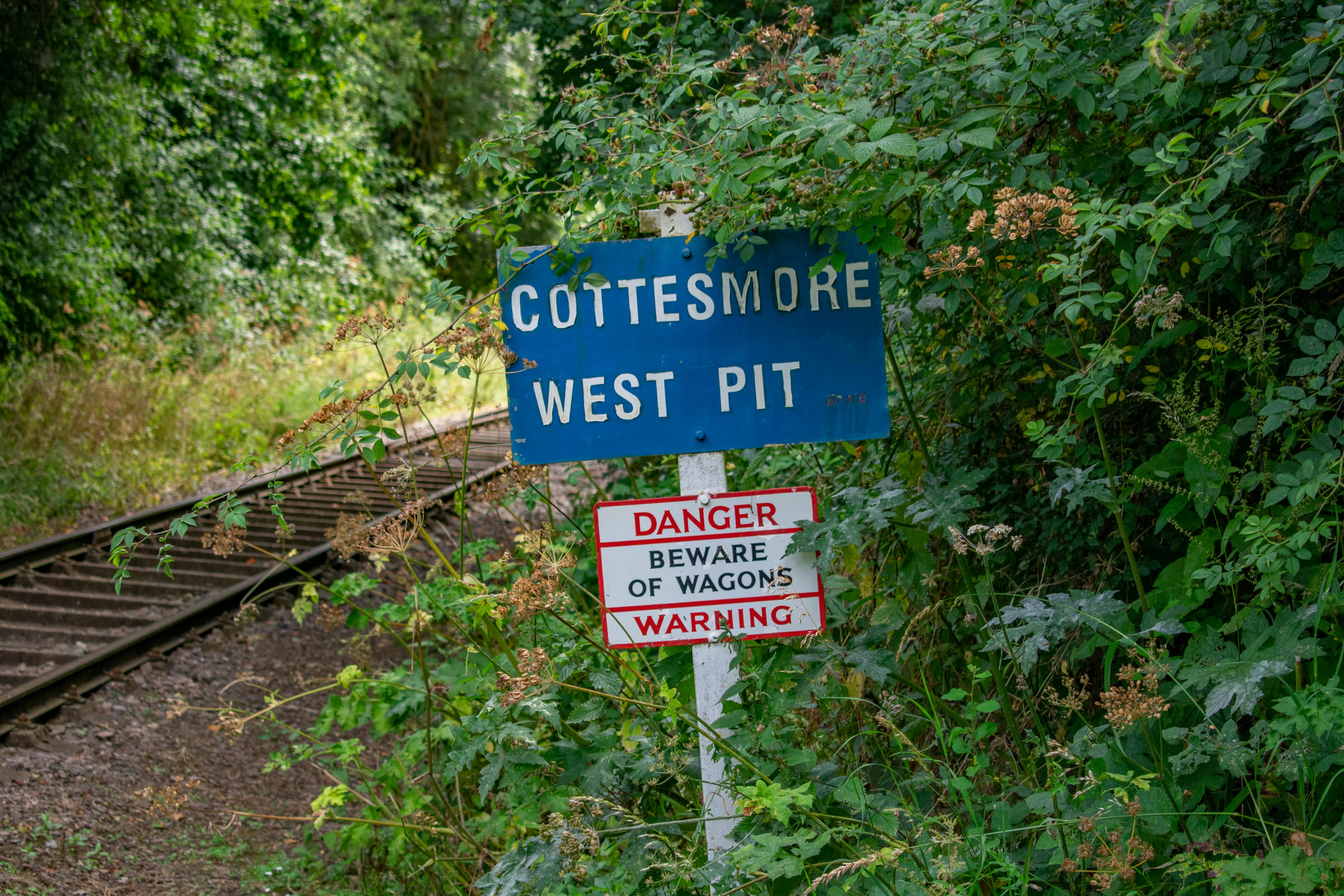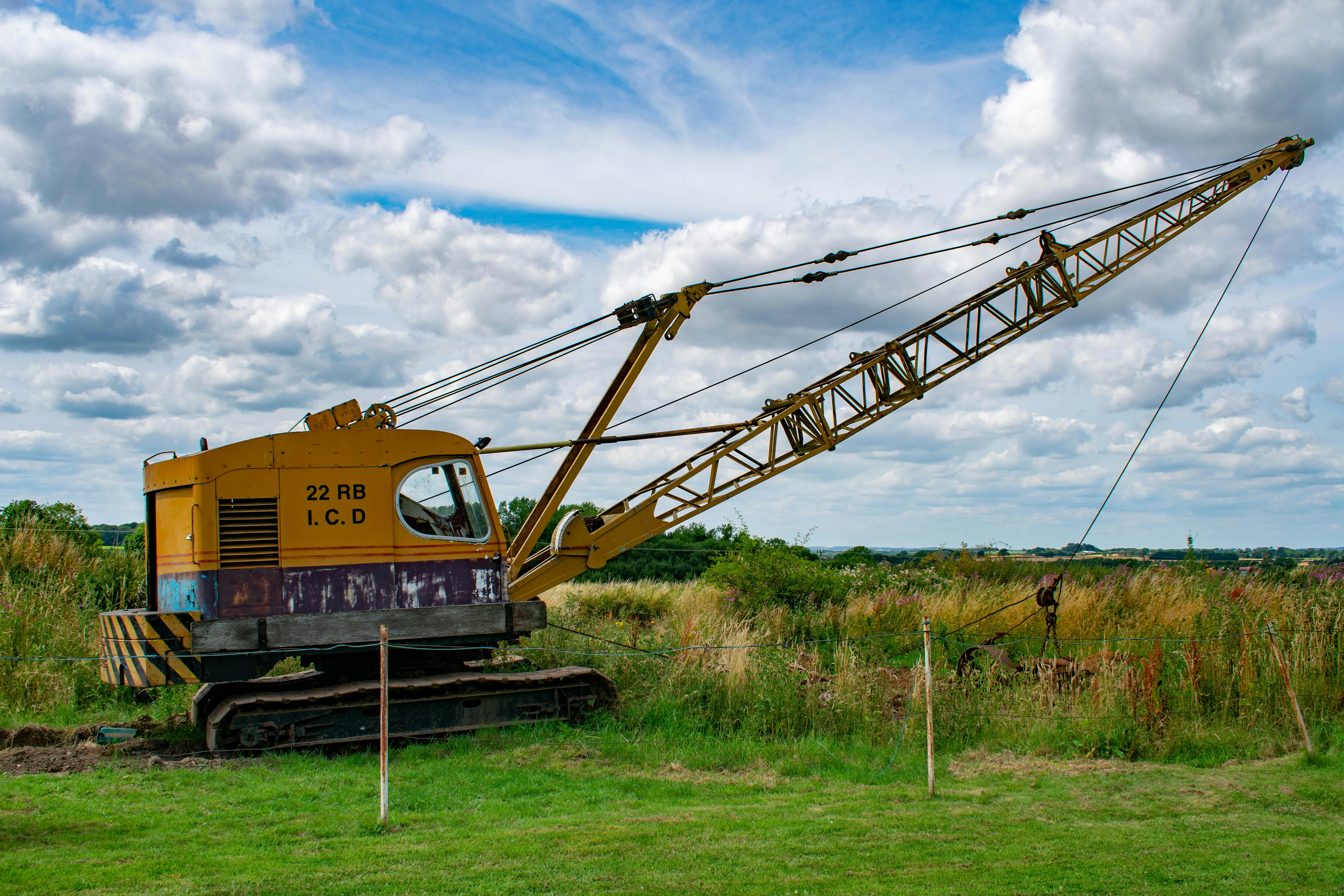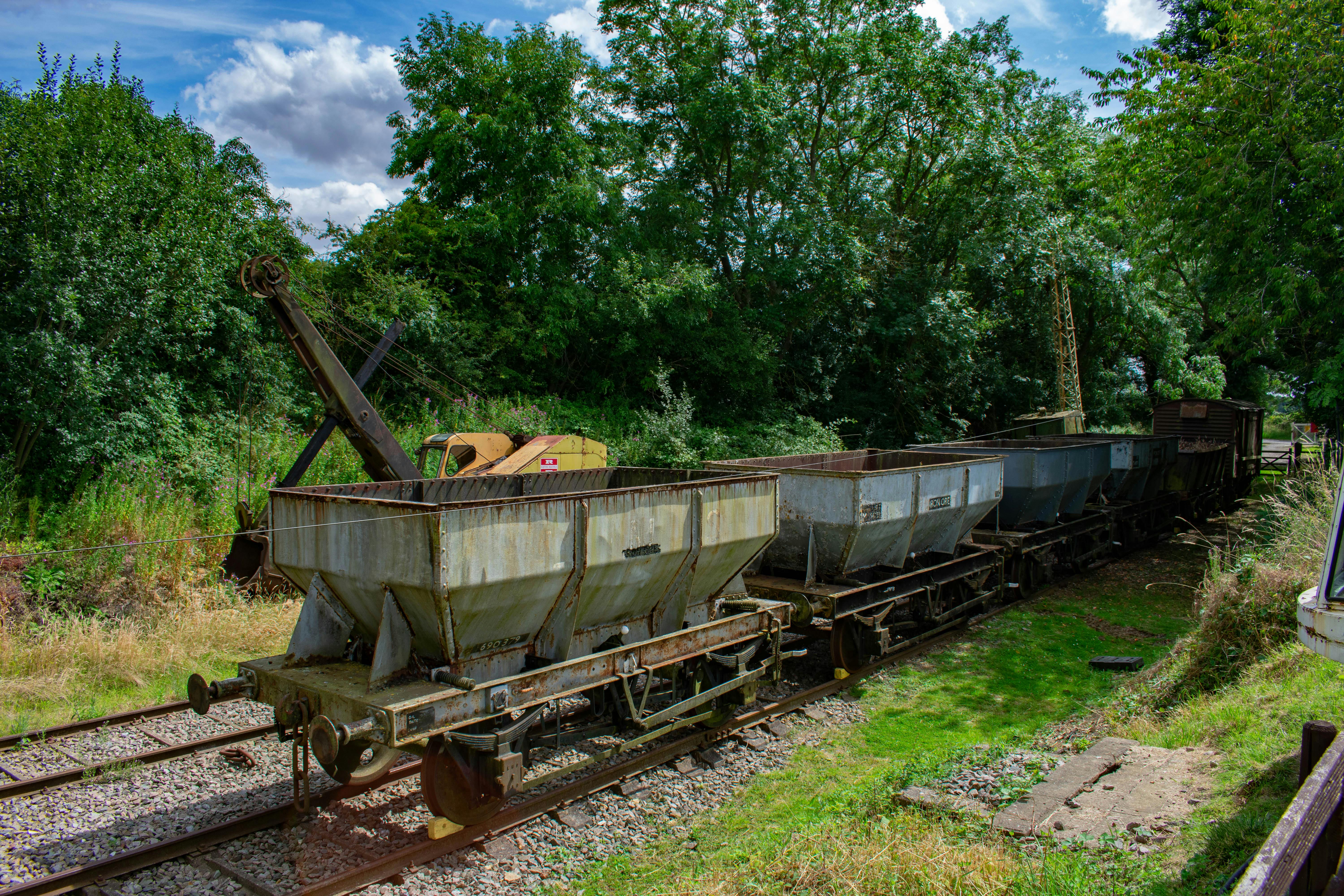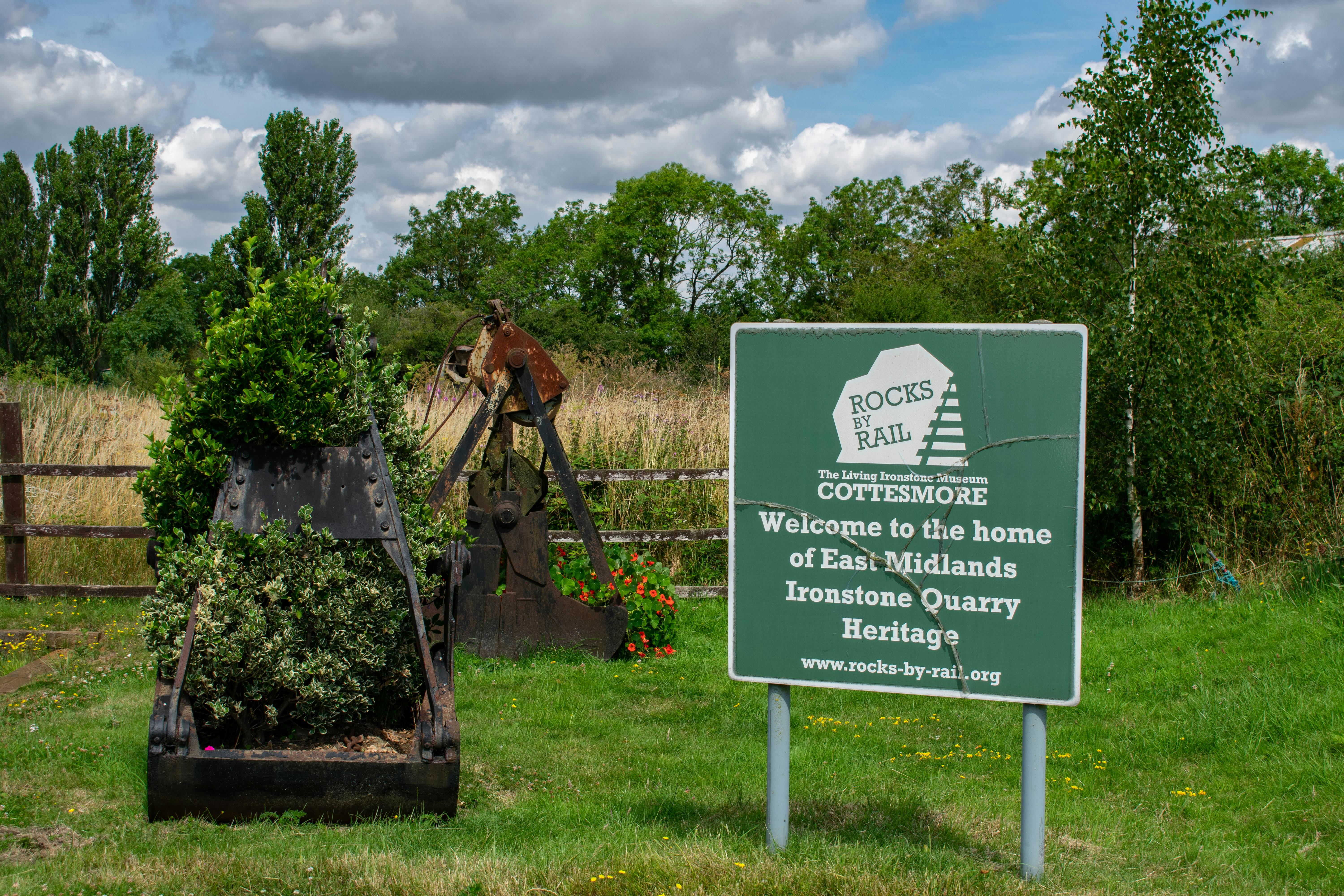
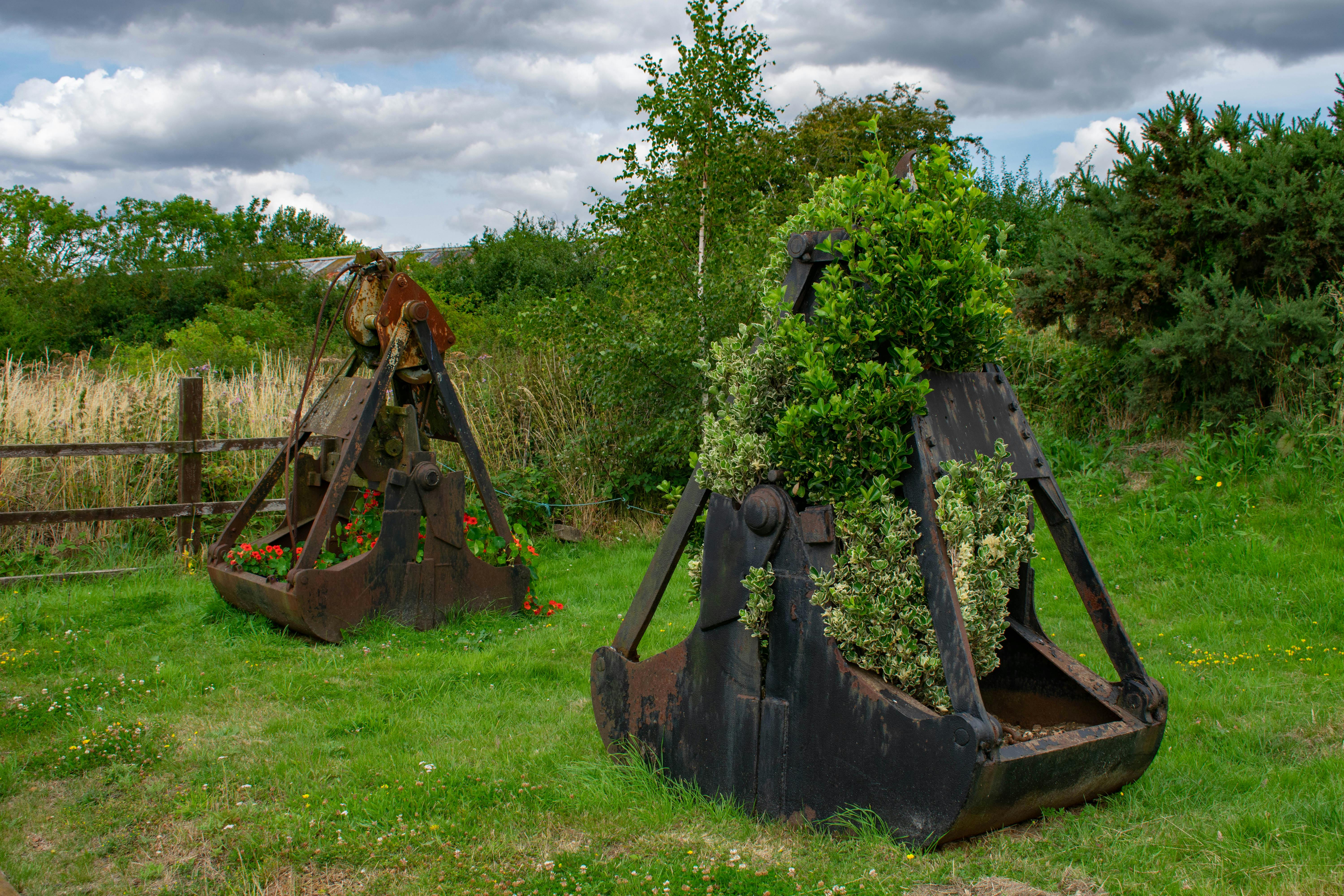
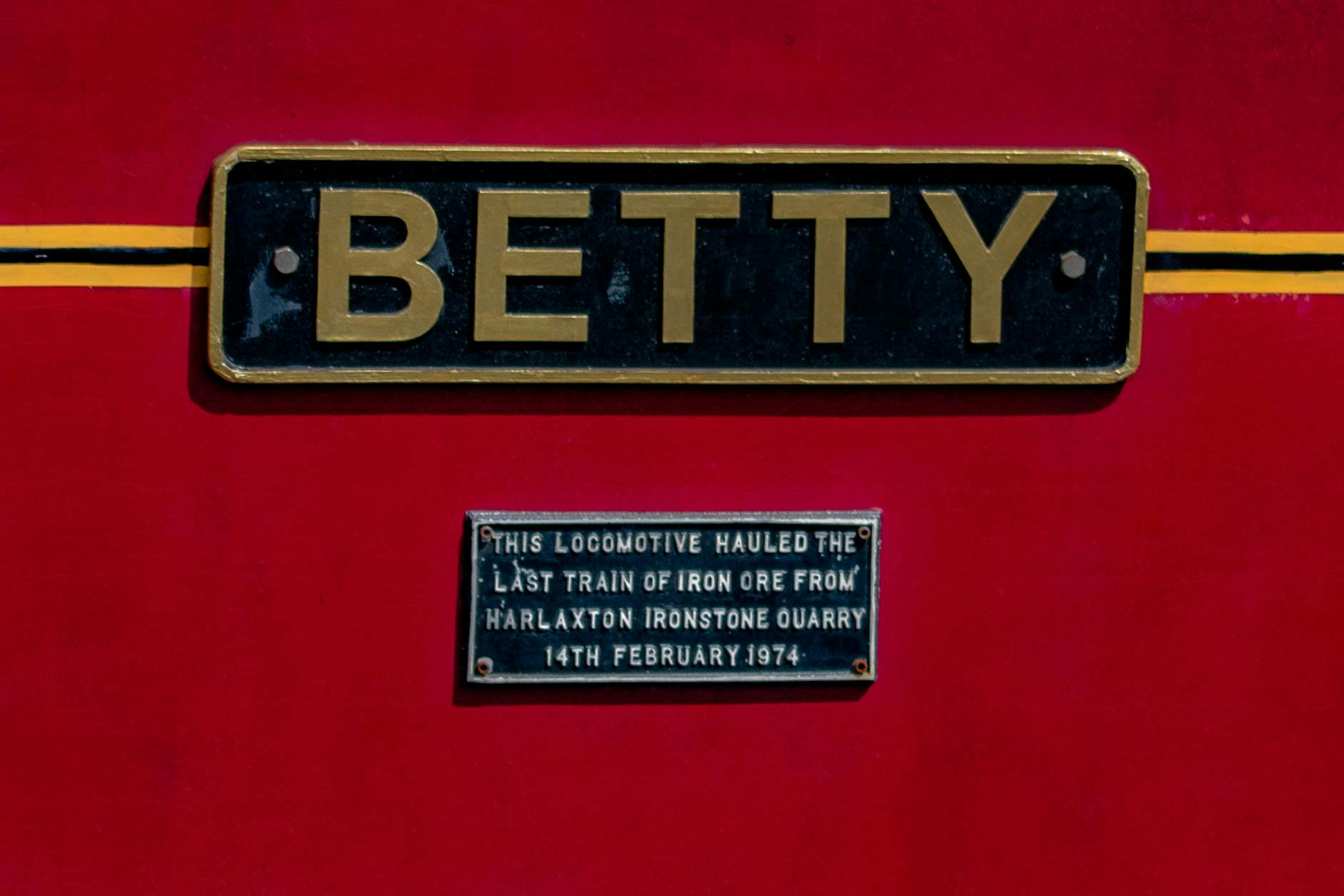
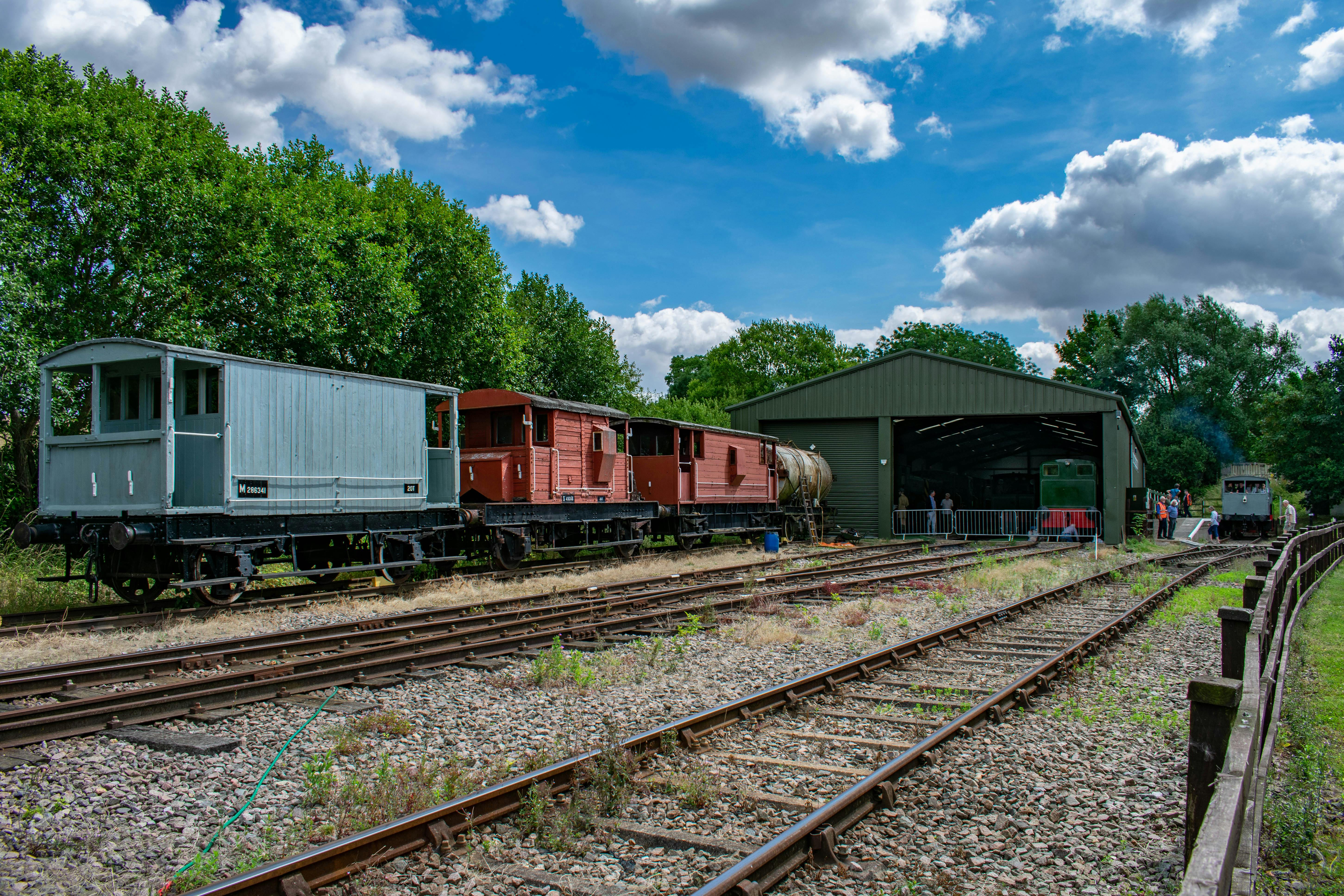
Rocks by Rail is a living museum in the East Midlands. It has the only comprehensive collection of locomotives and rolling stock related to standard gauge quarry railways in the UK. The site today sits on a reclaimed quarry and runs demonstrations of past quarrying practices and methods on certain days of the year. On these days, their locomotives run along with a series of tipper wagons which are filled up by the cranes at one end of the line. Today, the cranes are not in operation but rides are being given up and down the line in a brake van hauled by an 0-6-0 Sentinel; an engine which was typically found at the ironstone quarry back in the day. At the entrance to the site, you can see various excavator buckets which have been saved and reused as planters which is a nice touch.
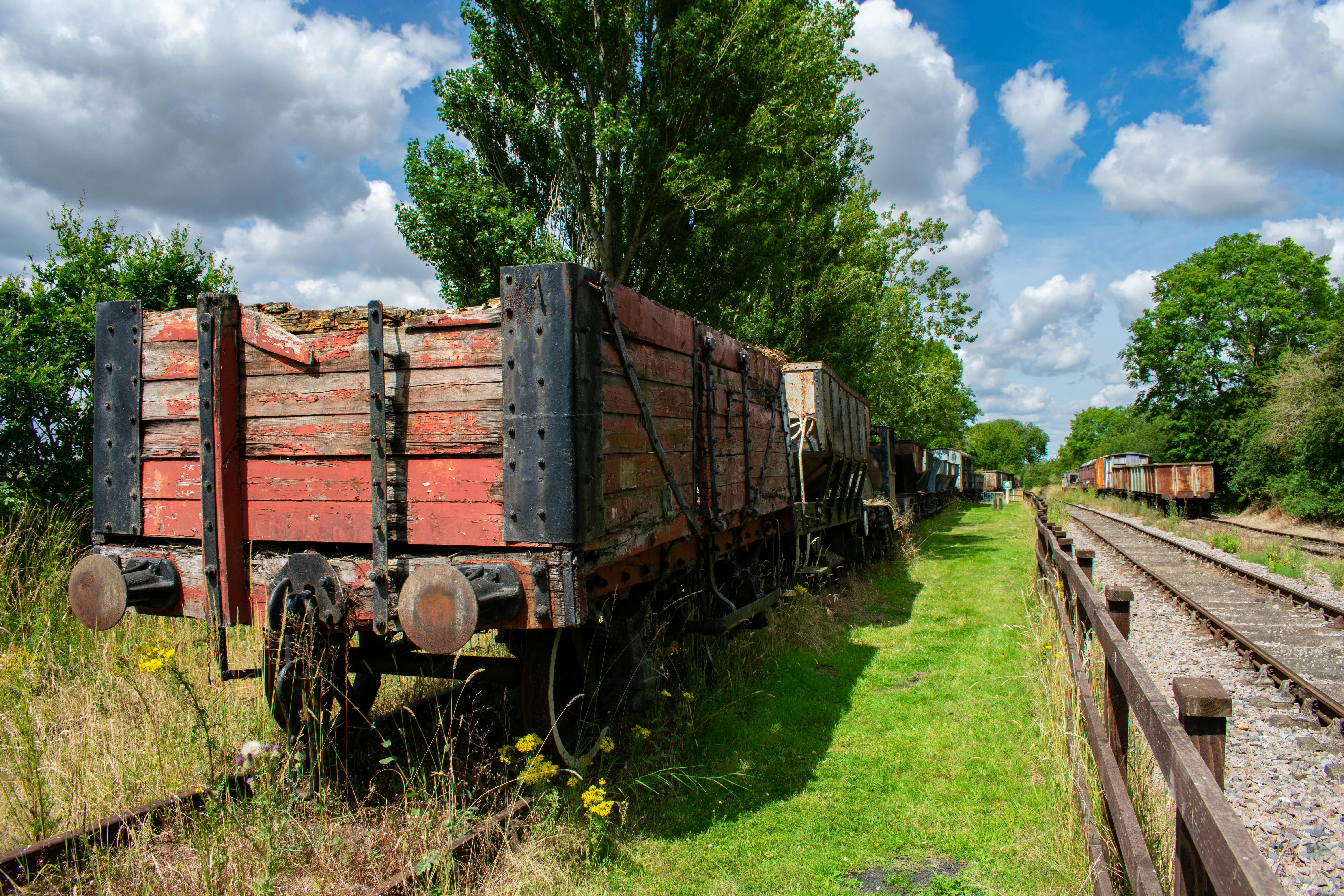
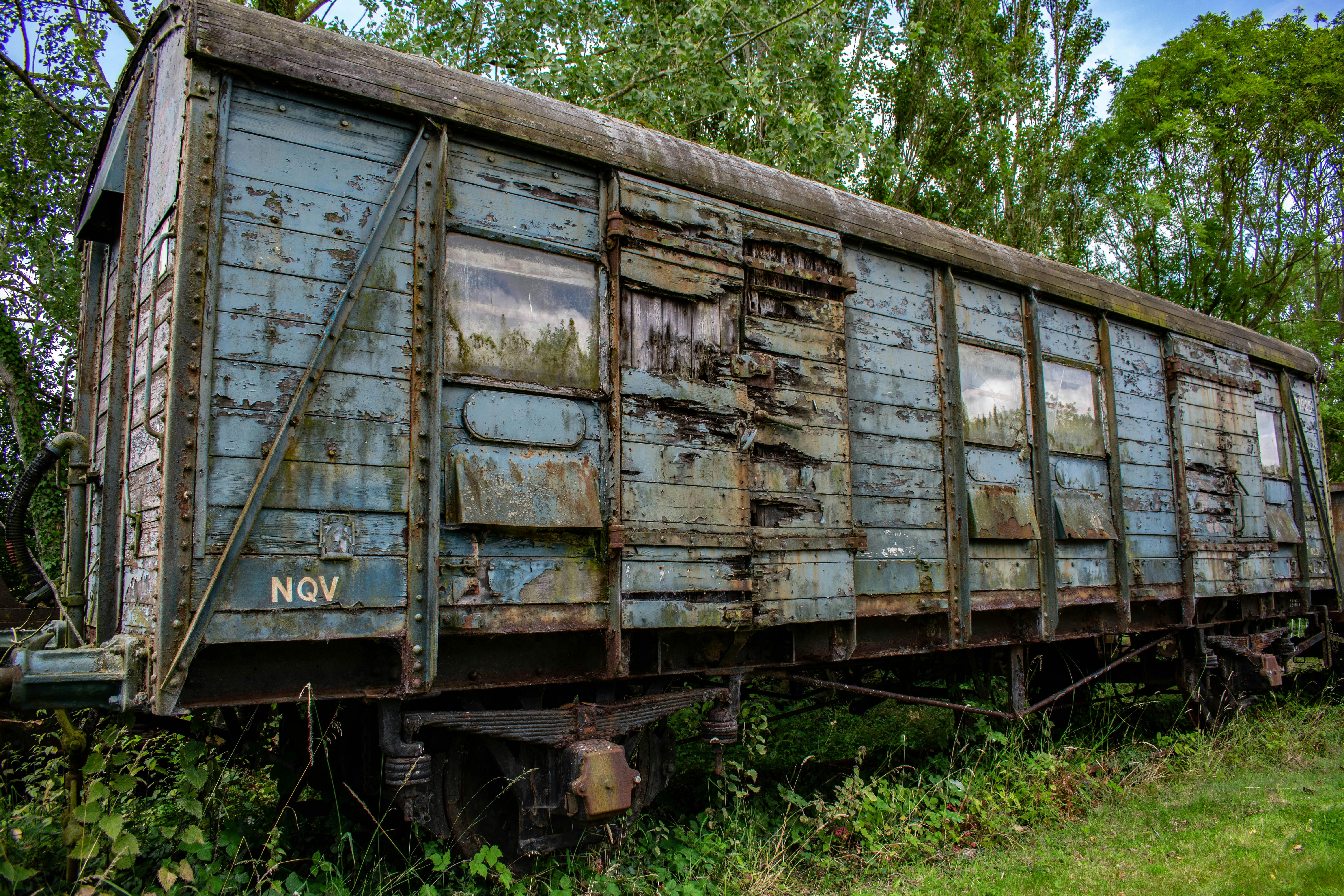
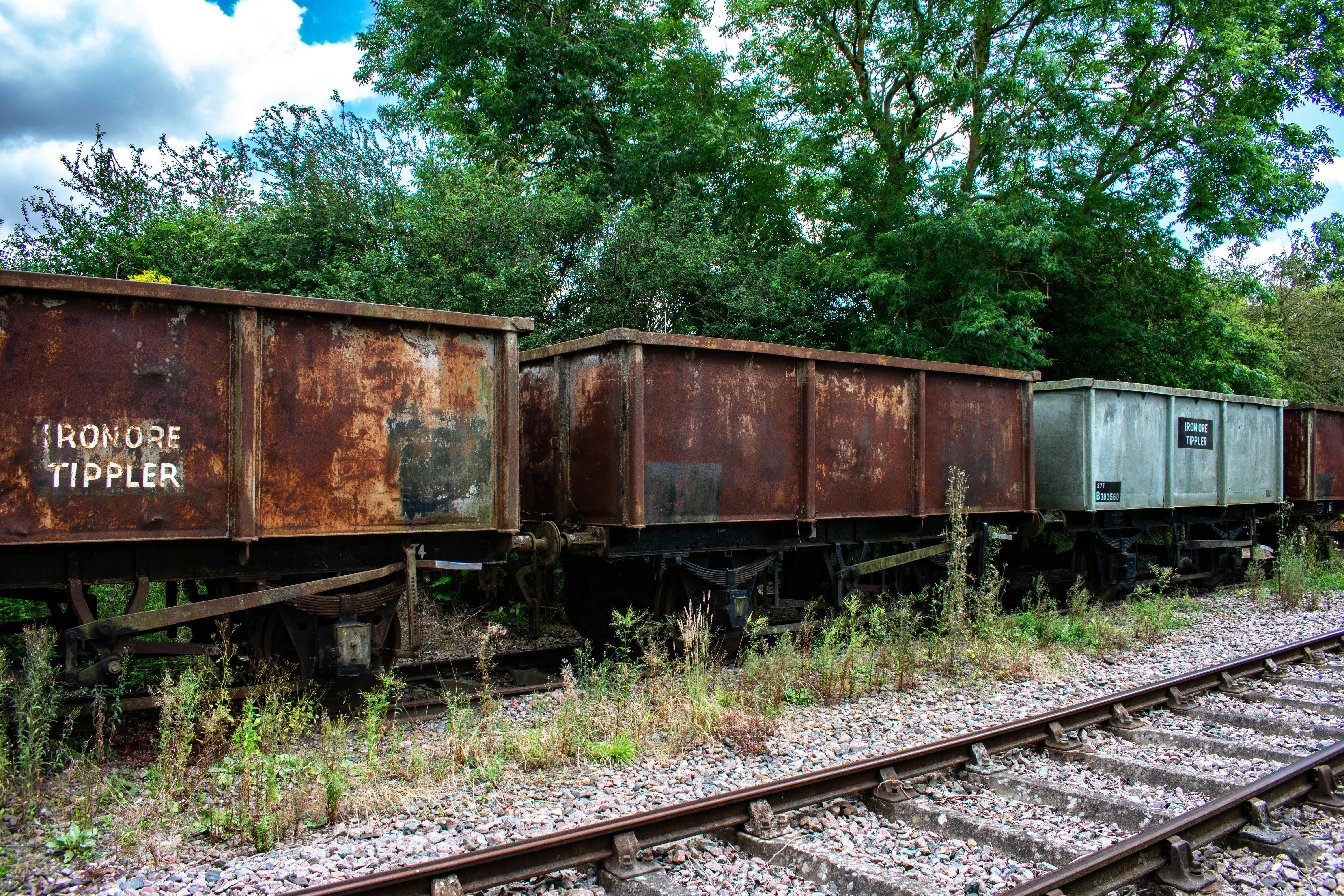
Before I take a train ride, there is a nature walk which runs parallel to the train tracks and takes you past lots of rolling stock, the majority of which is run down and in need of restoration. Sadly, some has been the victim of vandalism over the years which makes restoration harder, but despite this, the walk is lovely and lots to get up close to. It’s a wonderful summers day as well which always helps.
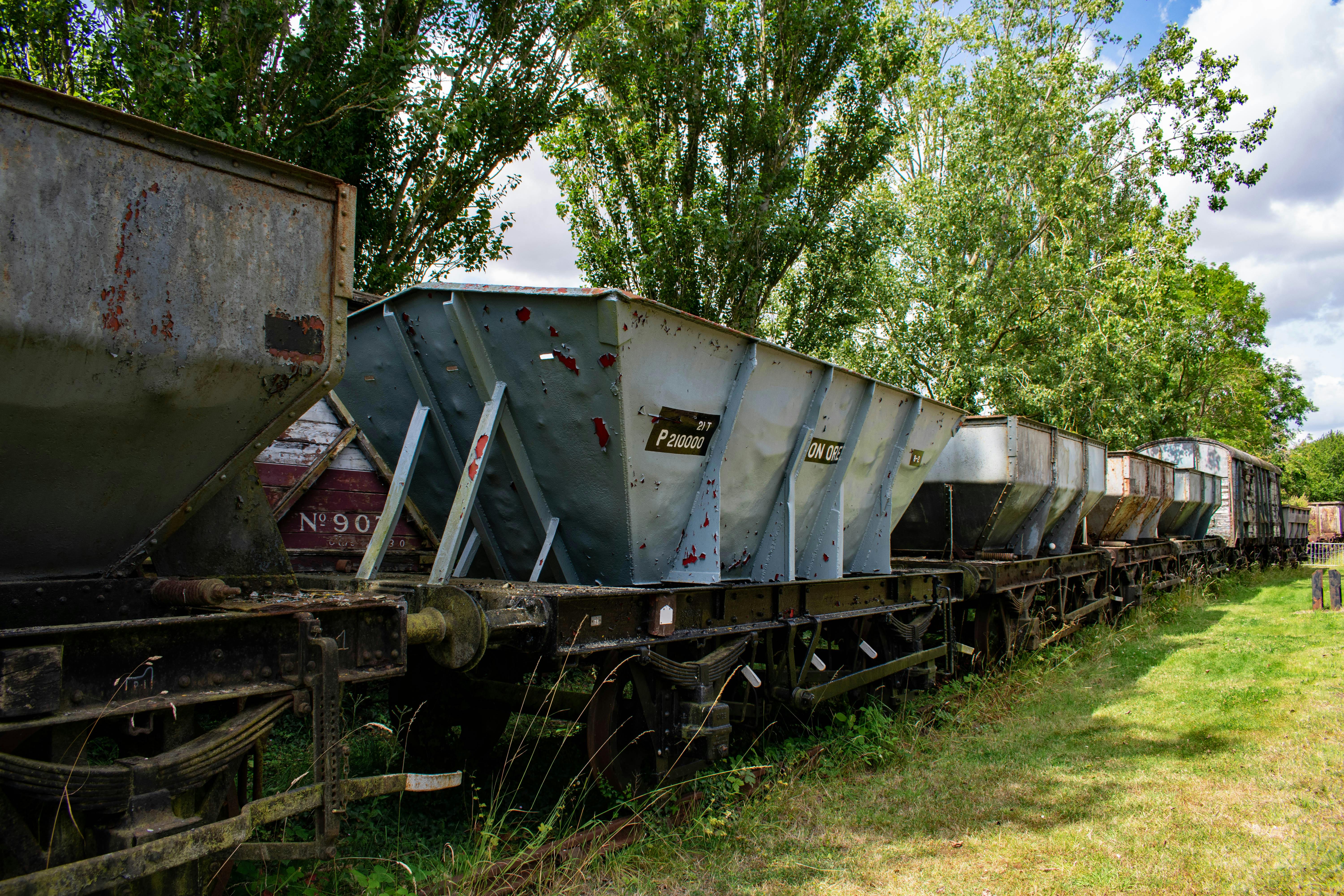
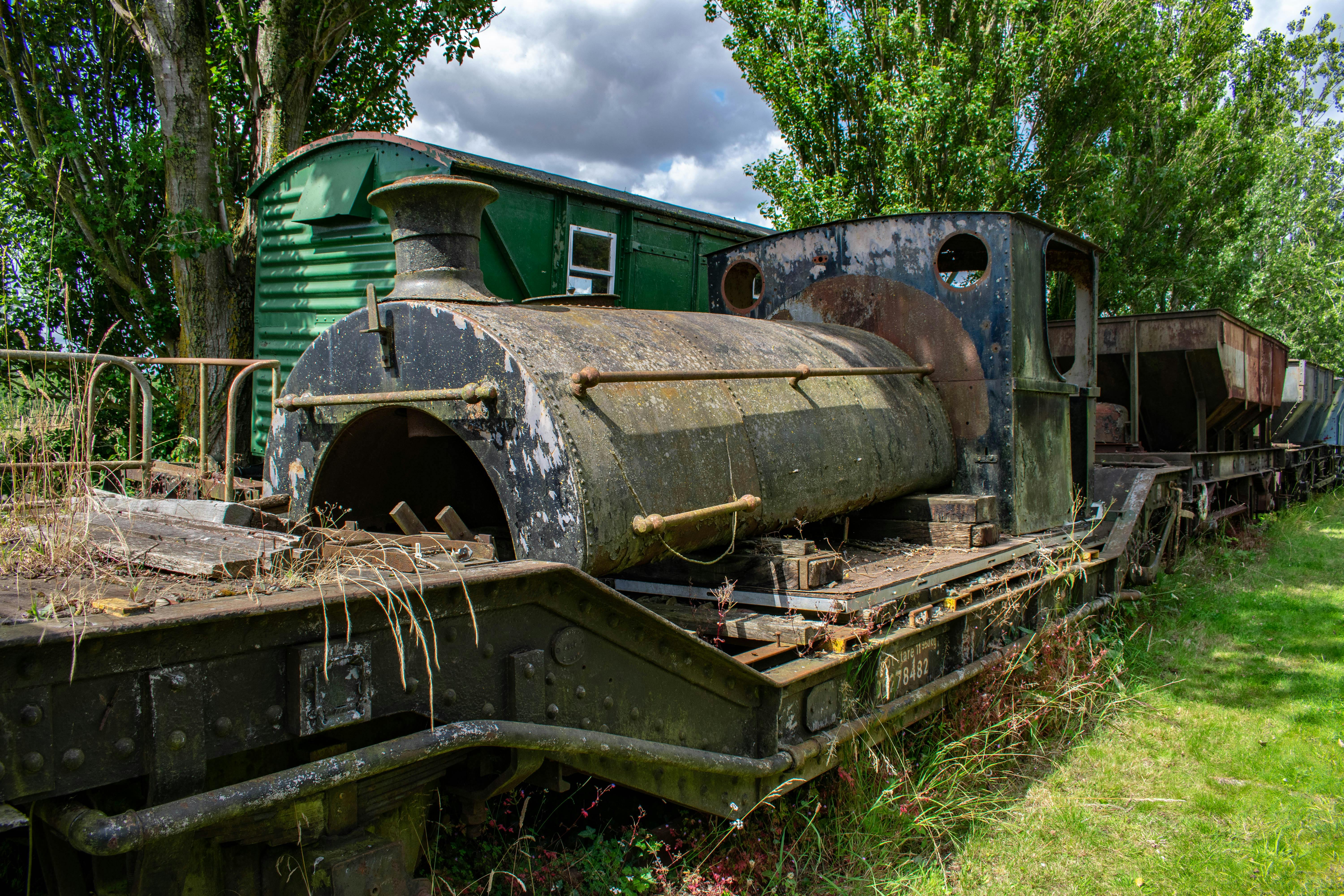
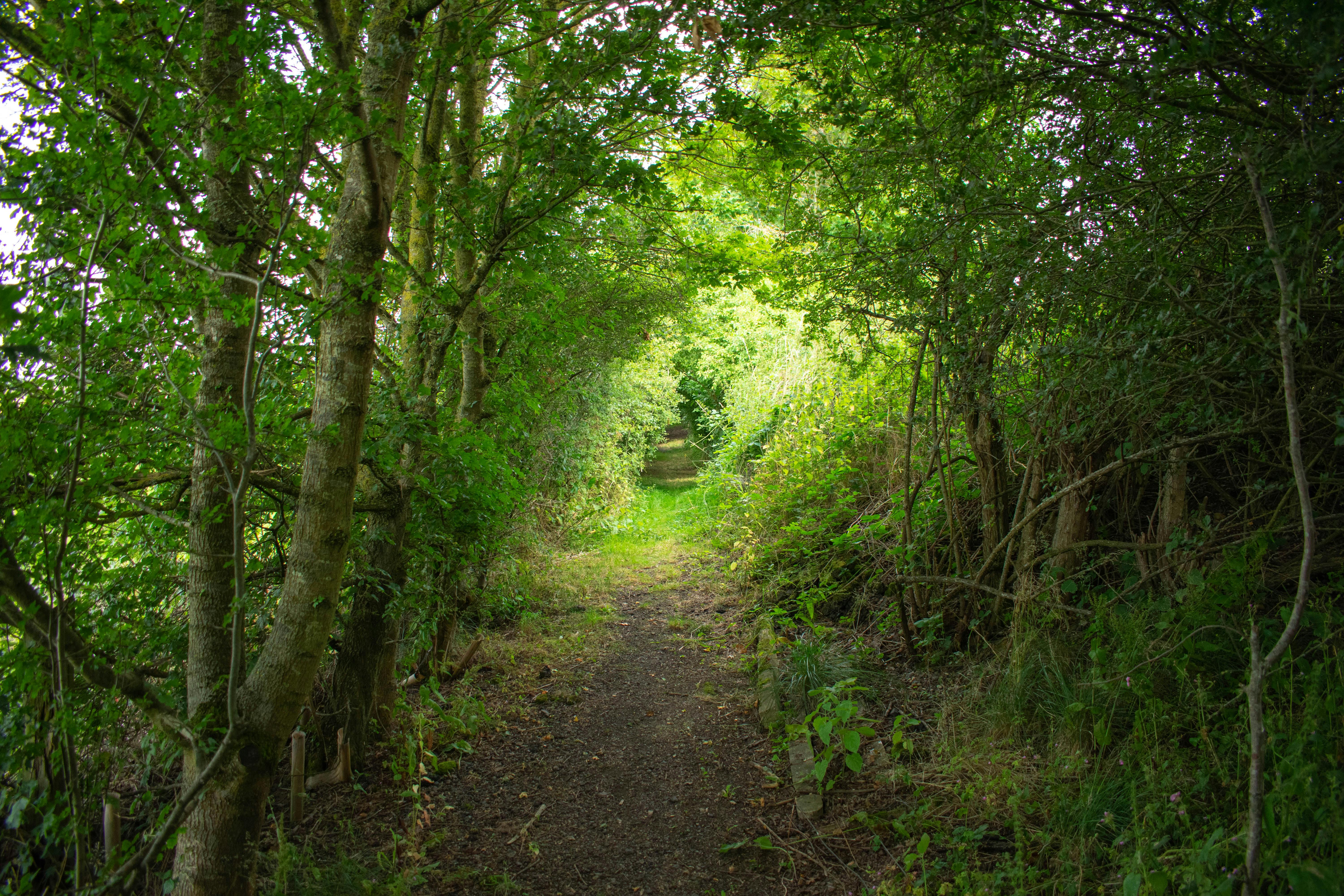

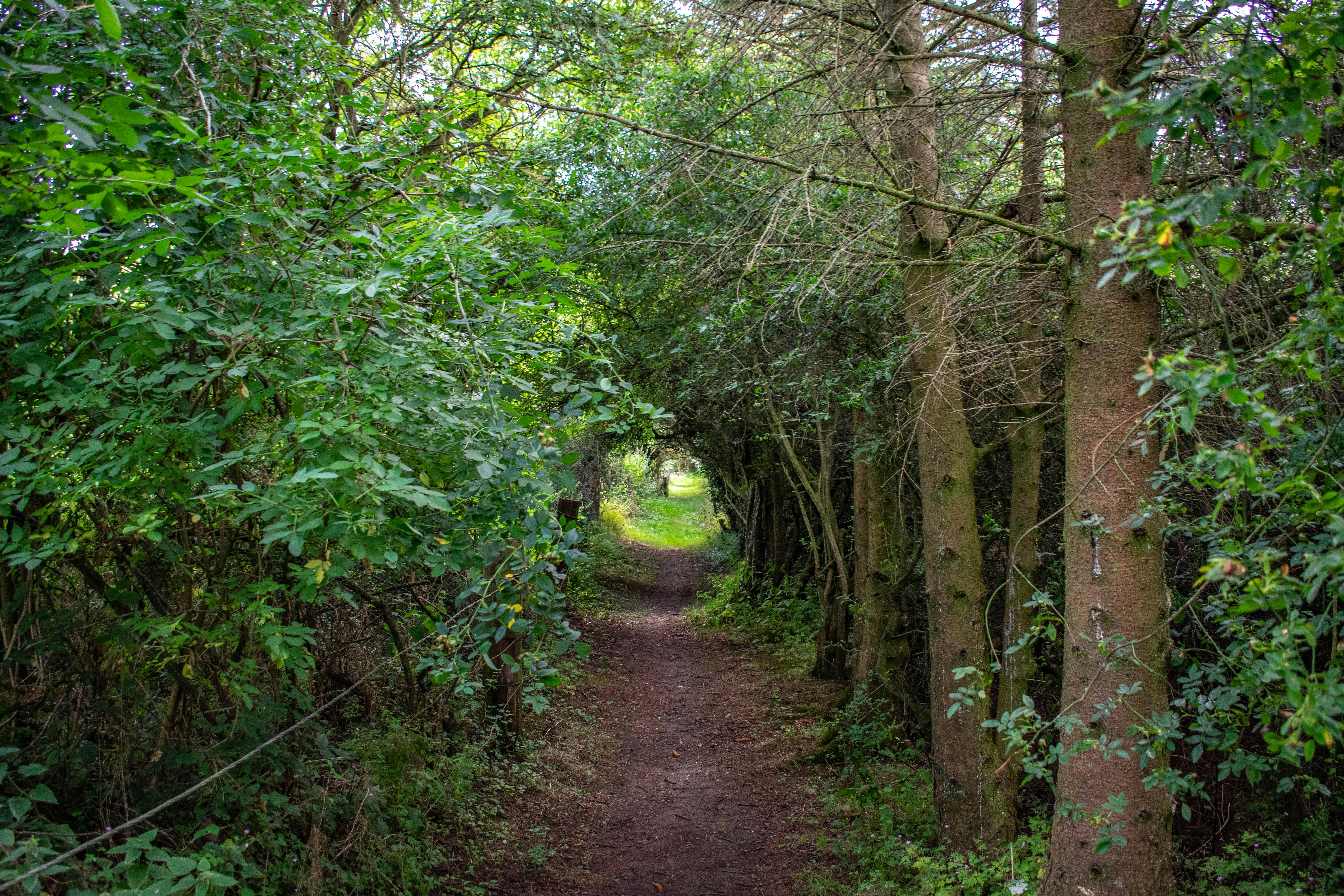
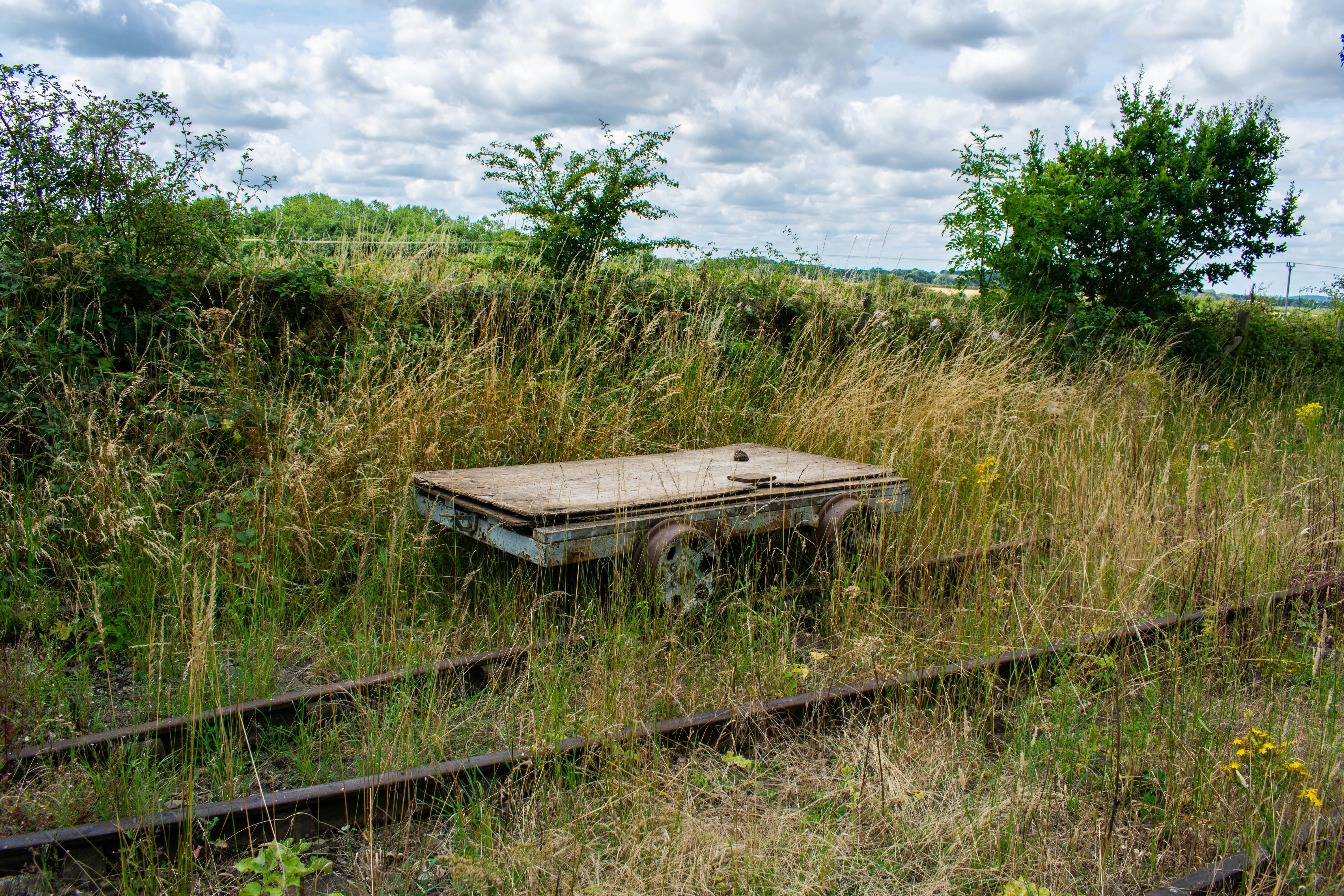
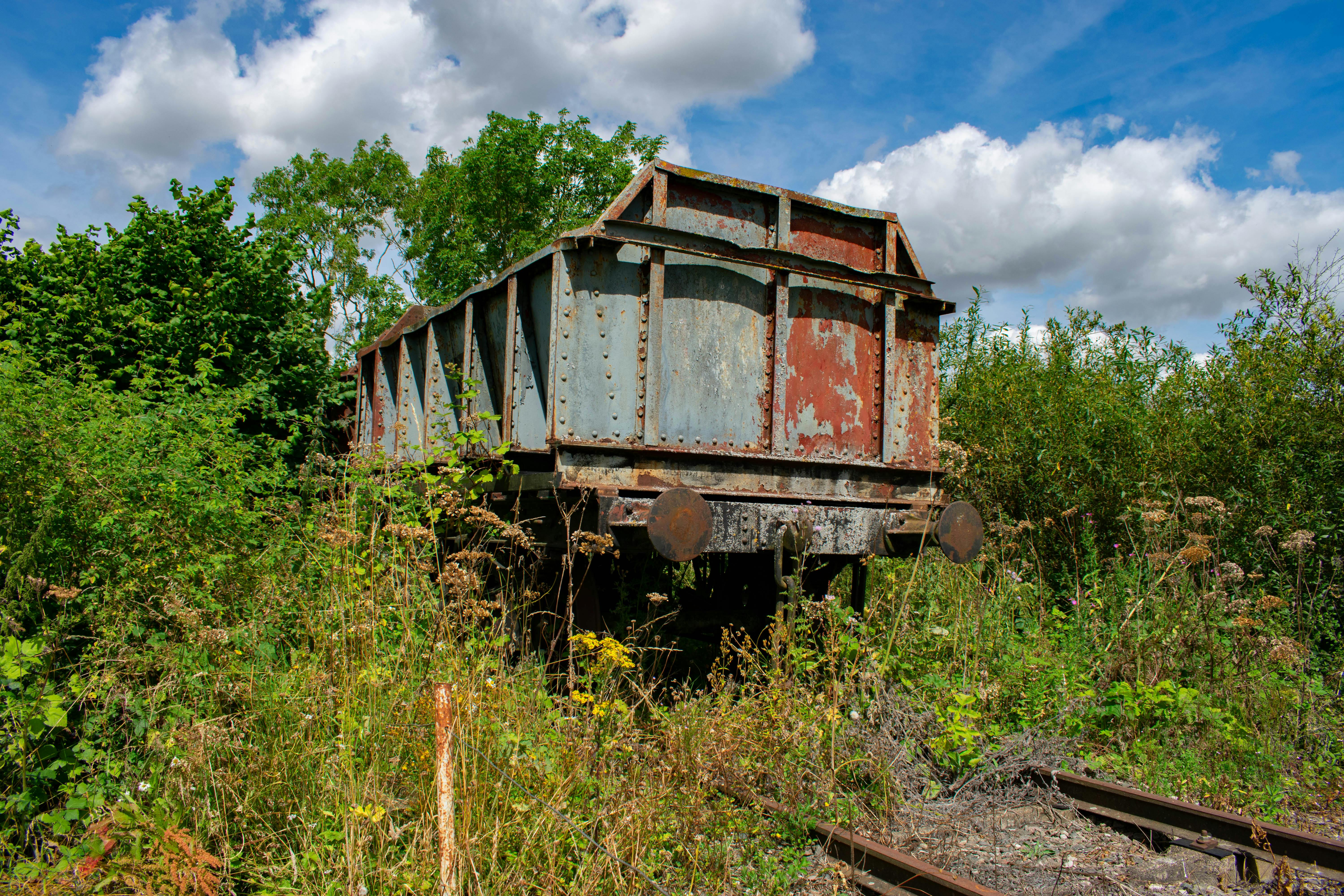
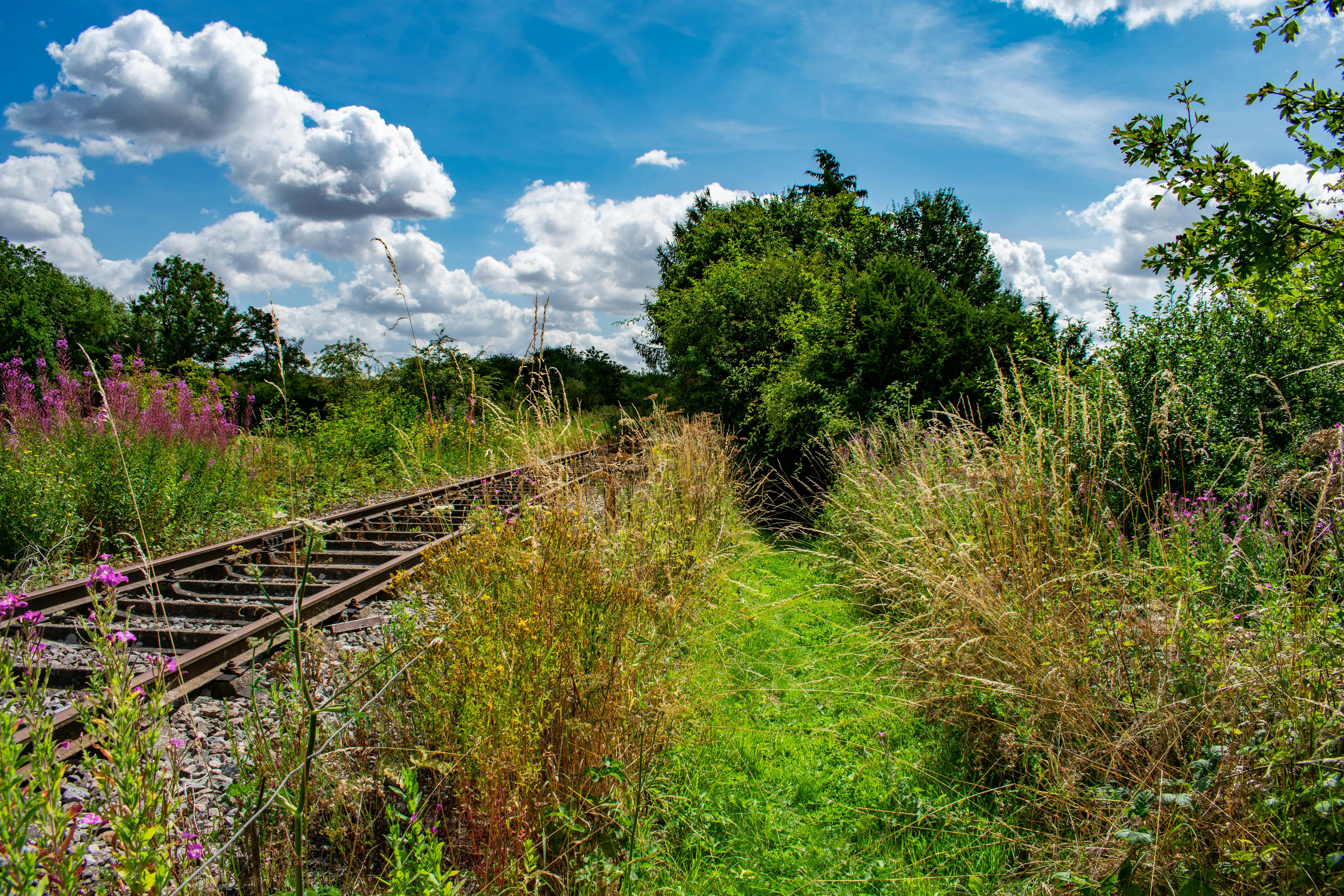
The nature trail comes to a rather abrupt end which is also the end of the line for the train service. A wagon is stored here to signify this and the below is the view at the end of the line.
Starting my walk back, the Sentinel is crawling up the line giving one of the first rides of the day (without the brake van here).
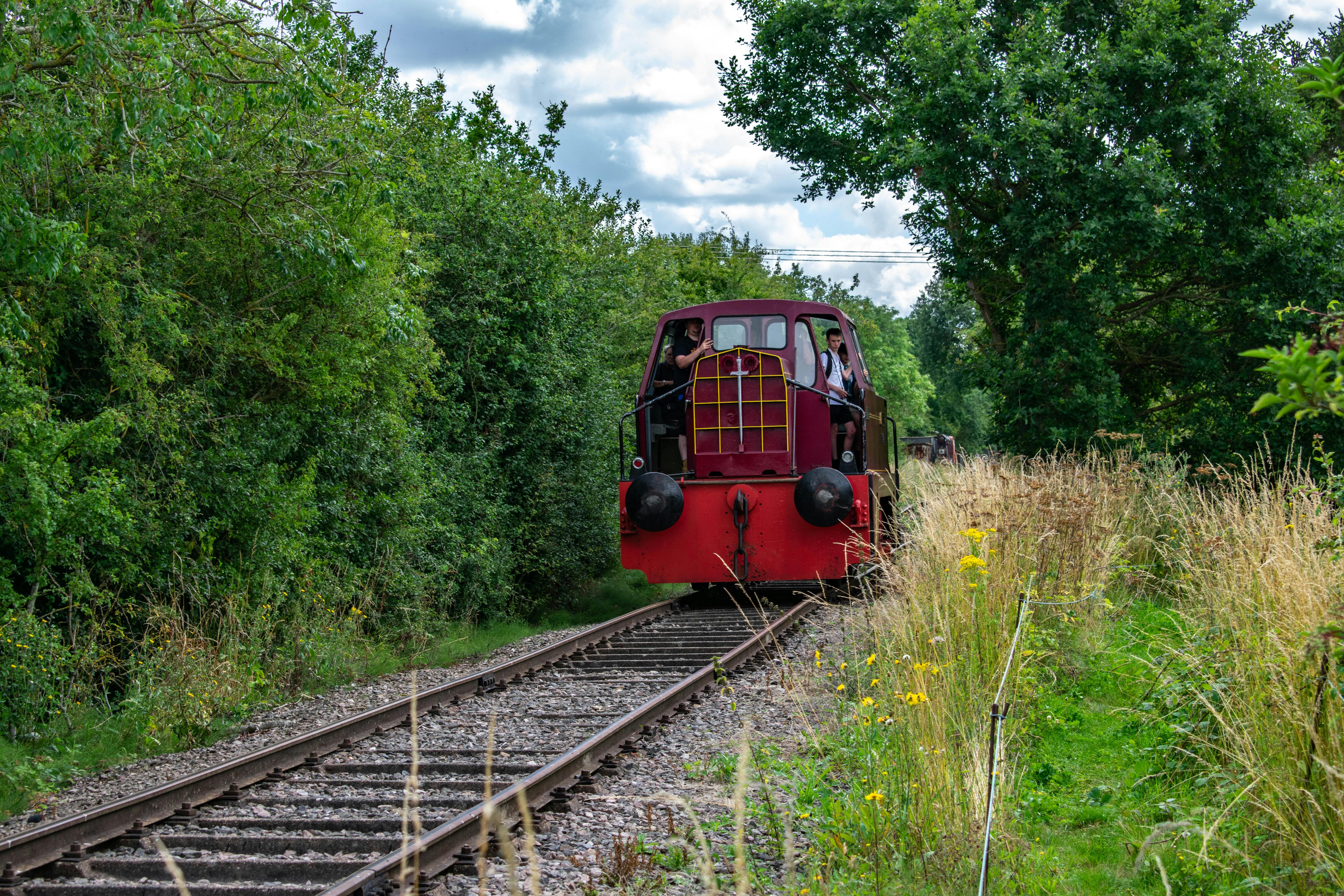
Almost as soon as it passes me, it starts it’s return journey back to the main station.
Back at the main station, I hopped on the next departing train. There were plenty of items to take in as we trundled up the track but the view was perhaps the standout feature.

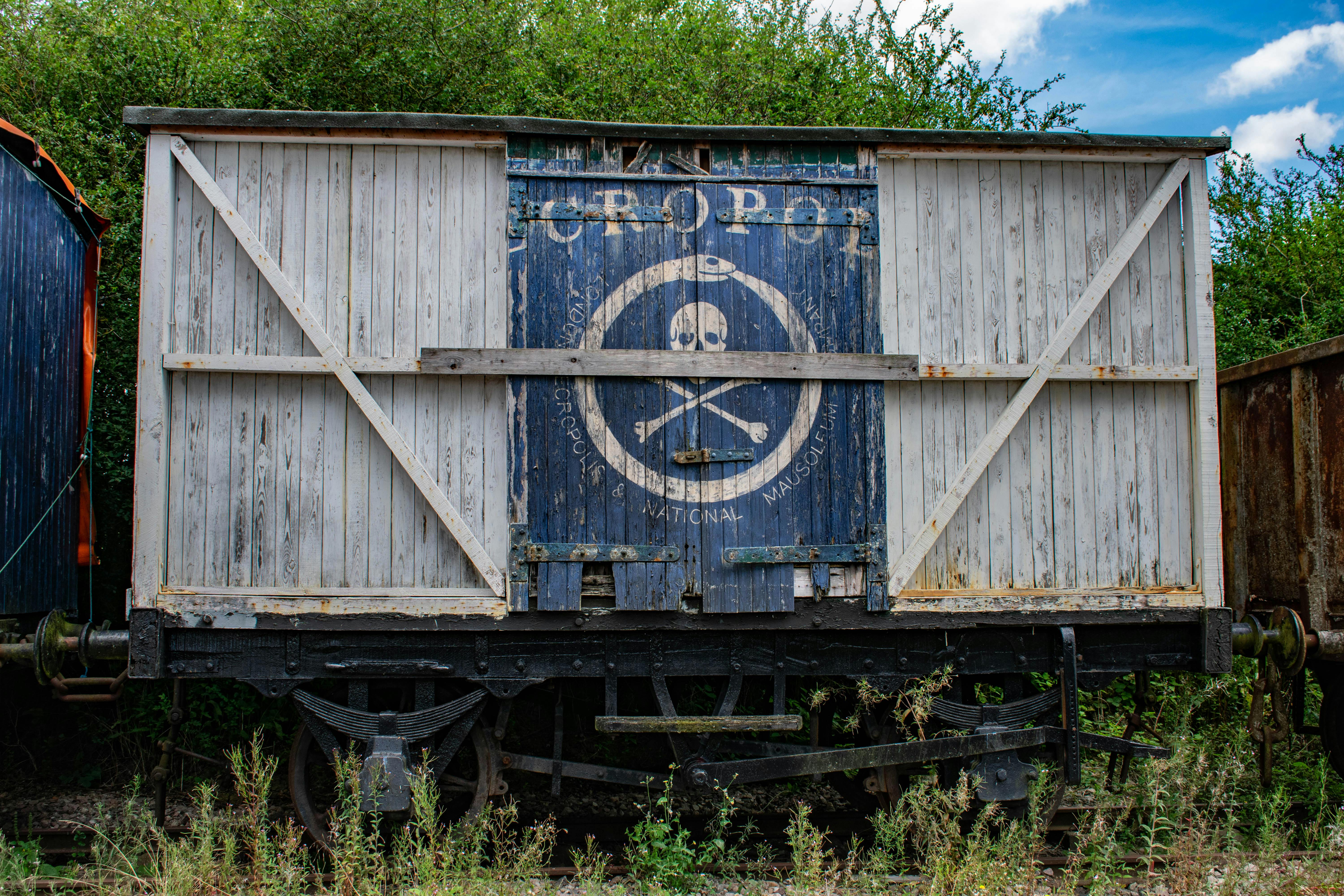
Something curious I noticed was the following box car which was parked up. This looks like it was a wagon from the London Necropolis & National Mausoleum Company. These wagons were usually part of private trains which were run by the London & South Western Railway to carry coffins and mourners to cemeteries linked to the railway. The mains ones being Brookwood Cemetery in Surrey and Woking Cemetery and Crematorium. The service was a direct response to the crisis caused by the closure of London’s graveyards in 1851. It’s amazing to find things like this, especially where you least expect it.
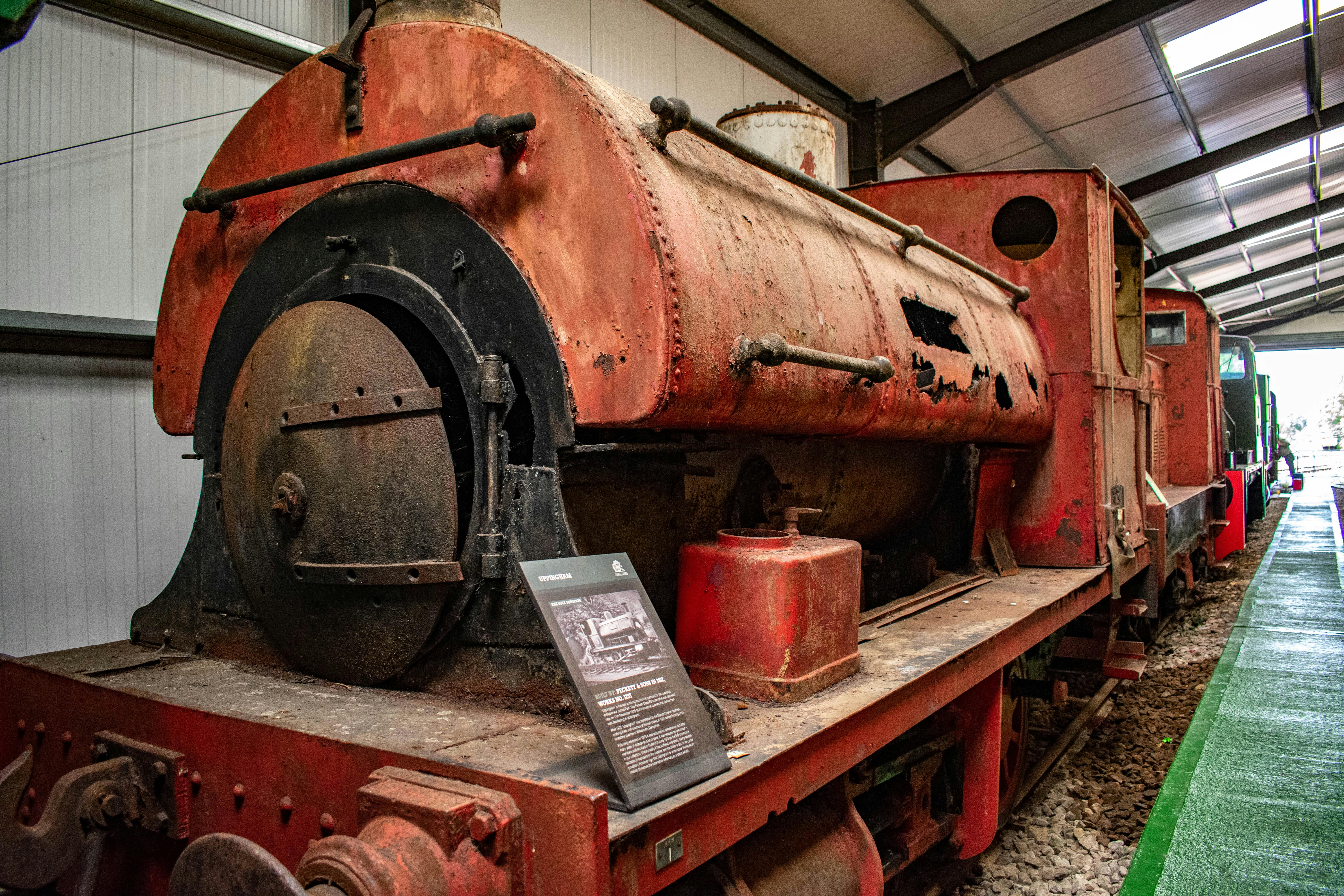
After returning to the main station, I checked out the locomotive shed. A lot of the locomotives in this shed used to work at quarries and have all been acquired over time by the museum. As with any collection, the locomotives are all in various stages of repair, with some almost ready for service and others like ‘Uppingham’ (left) in the same condition as when the engine was recovered and given to the museum.
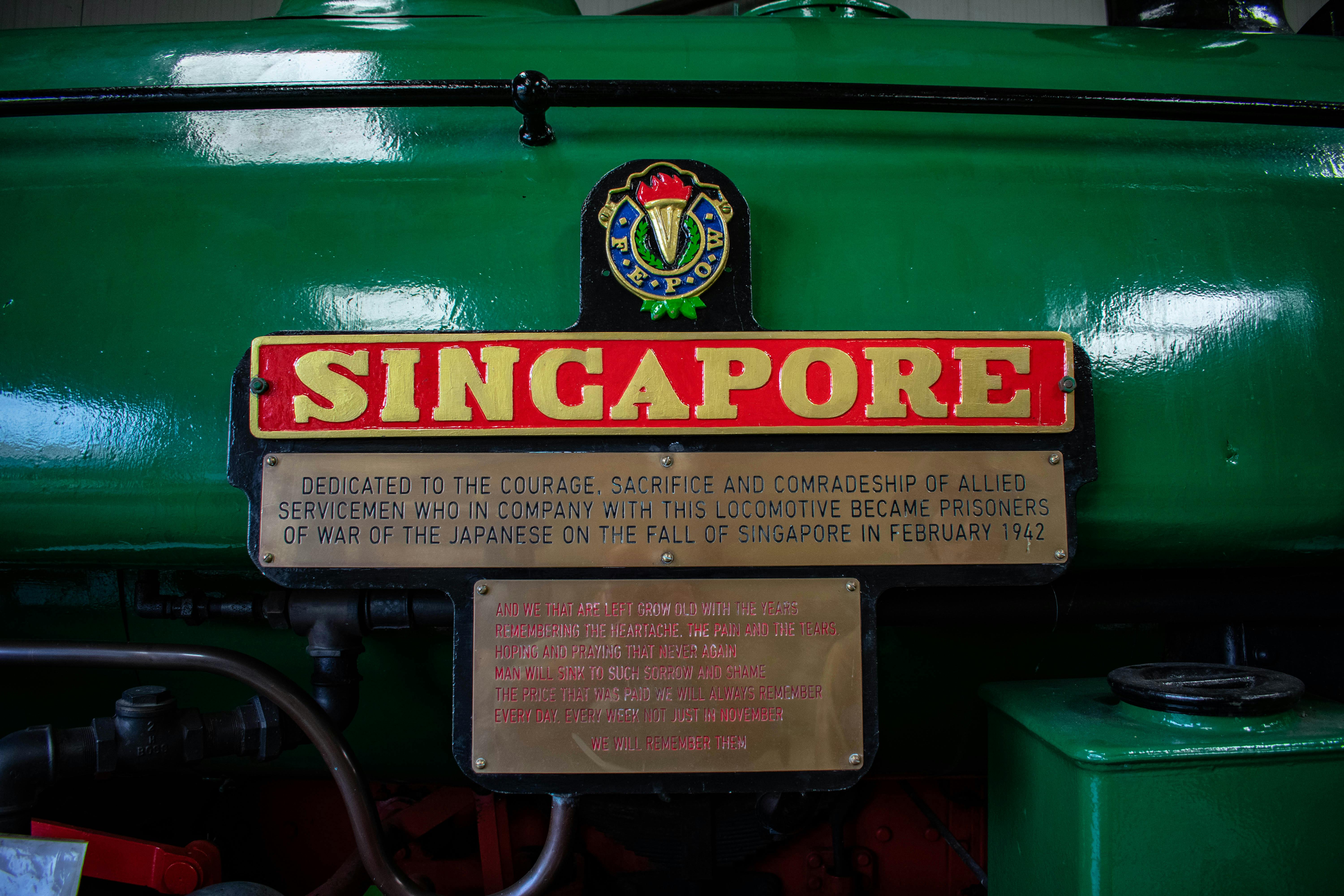
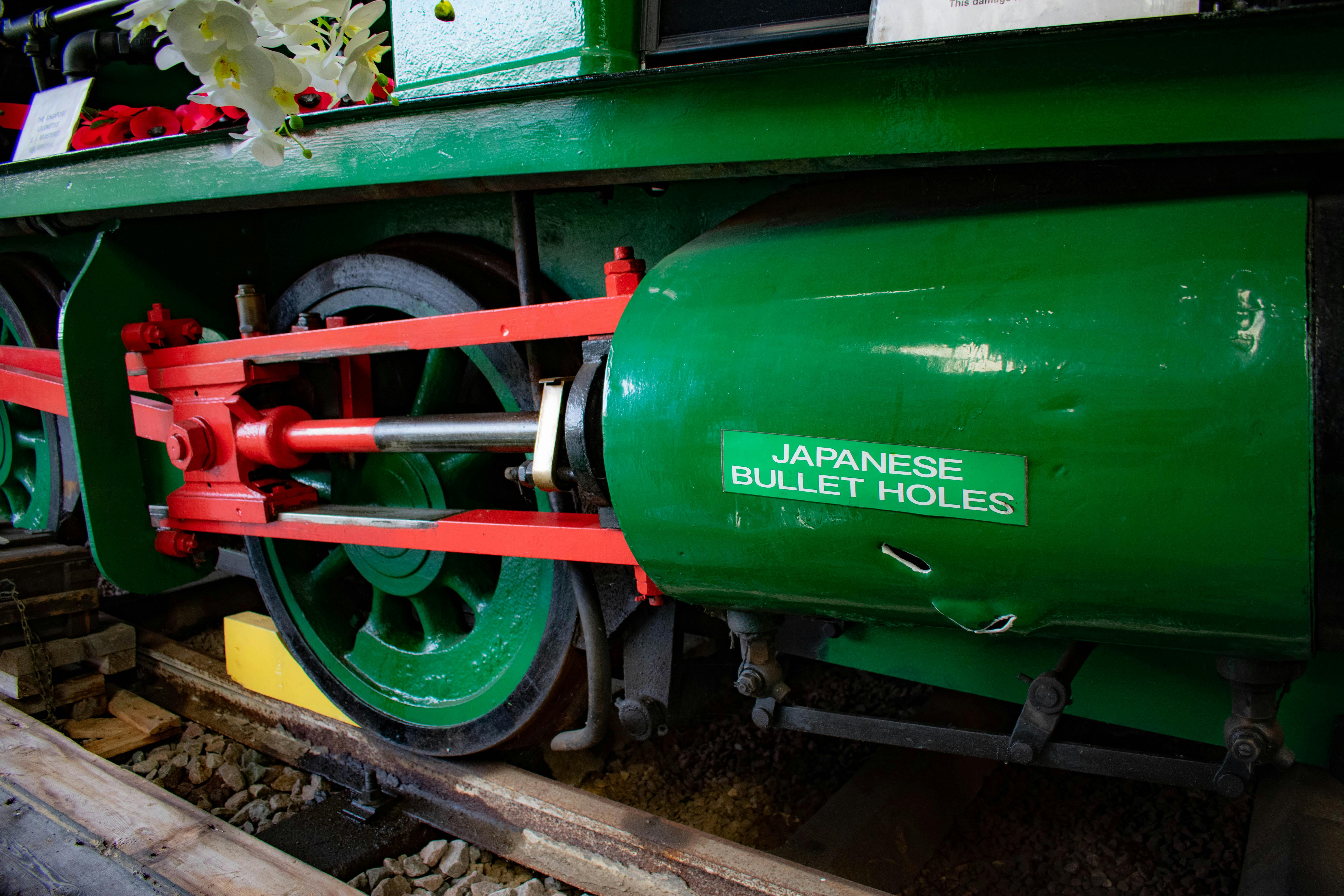
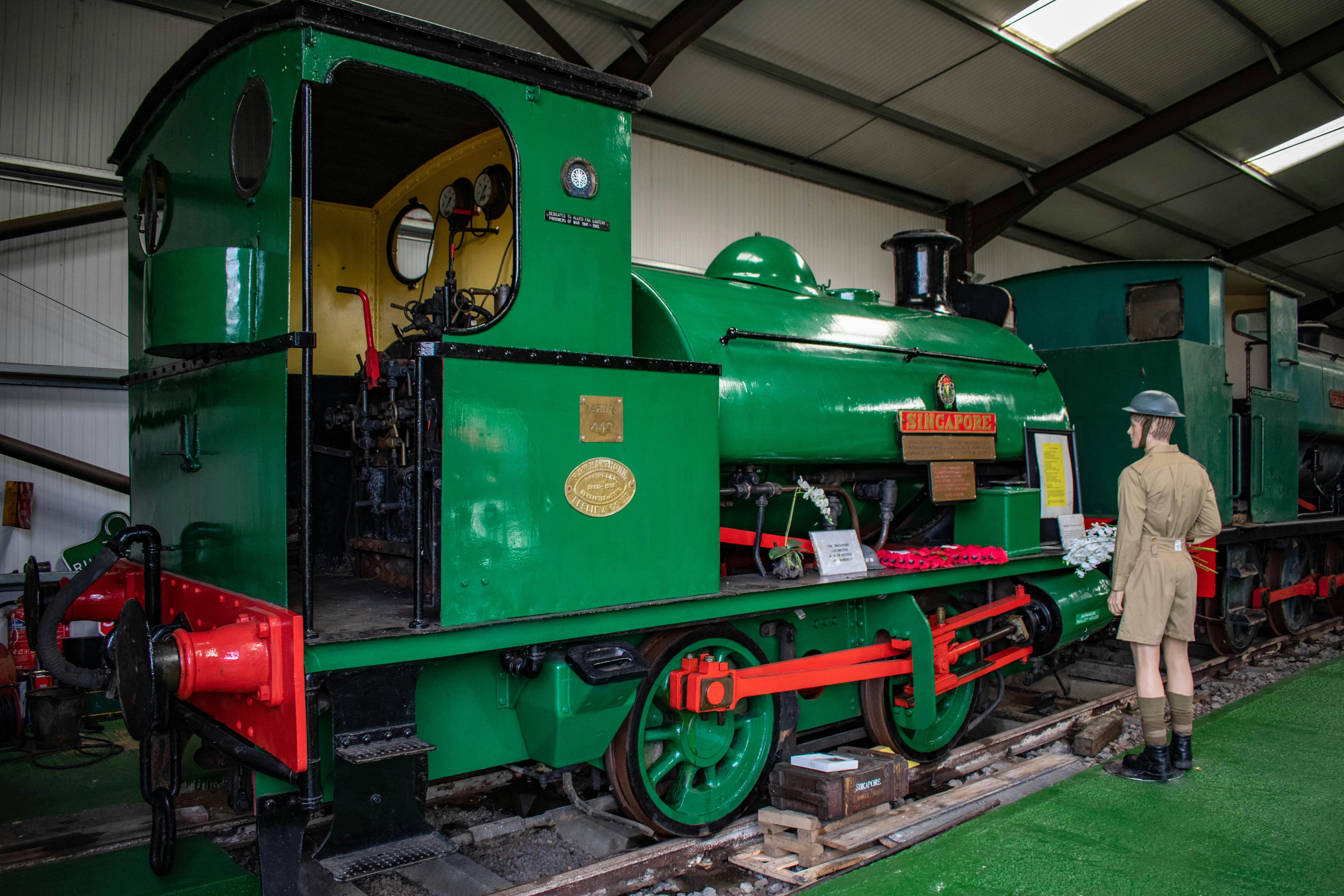
In the shed as well we can find the locomotive ‘Singapore’. This locomotive was stationed in Singapore for use by the Royal Navy but was captured by the Japanese in 1942. Wartime damage can be seen in the cylinder casing. The engine was repatriated to the UK in 1953, and eventually retired in 1972 into preservation. This engine is a registered war memorial for Far Eastern Prisoners of War 1941-1945.
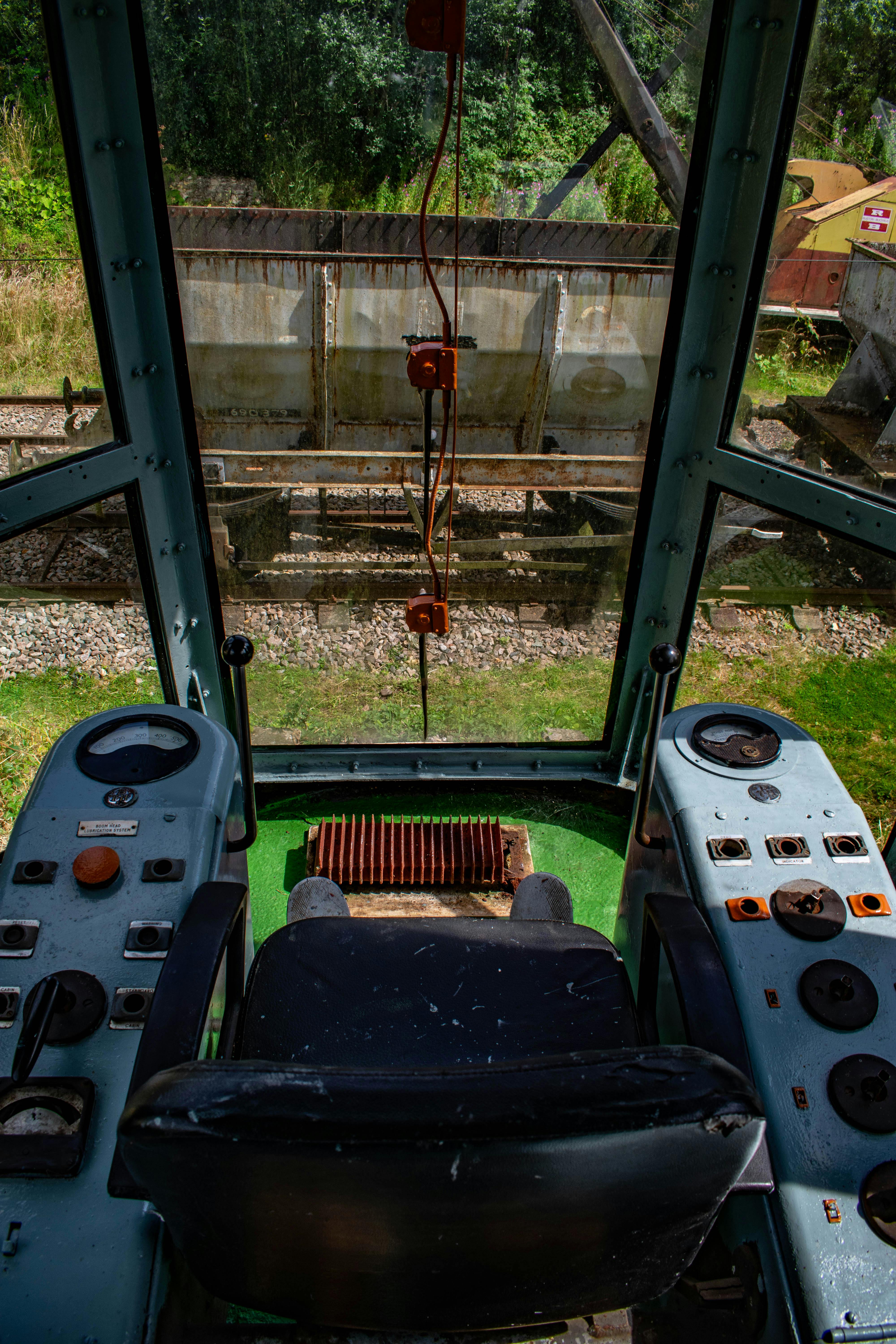
After taking a look inside the shed, I head up to the quarry section of the site where excavators still stand today and give demonstrations on specific days. This was once home to one of the worlds largest quarry draggers in 1957; Sundew. Part of the cab for Sundew is preserved and you can still access this today and sit in the cab seat. Sundew was a titan, measuring 112 meters in length and 52 meters in height. It was used to dig up the limestone rock overlying the ironstone, dumping the contents of its 20 cubic yard bucket into the adjacent area of the quarry. Sundew had a clever walking mechanism which allowed it to move from site to site. Due to the capacity of this machine, it completed a 13 mile journey in 1974 in just eight weeks!