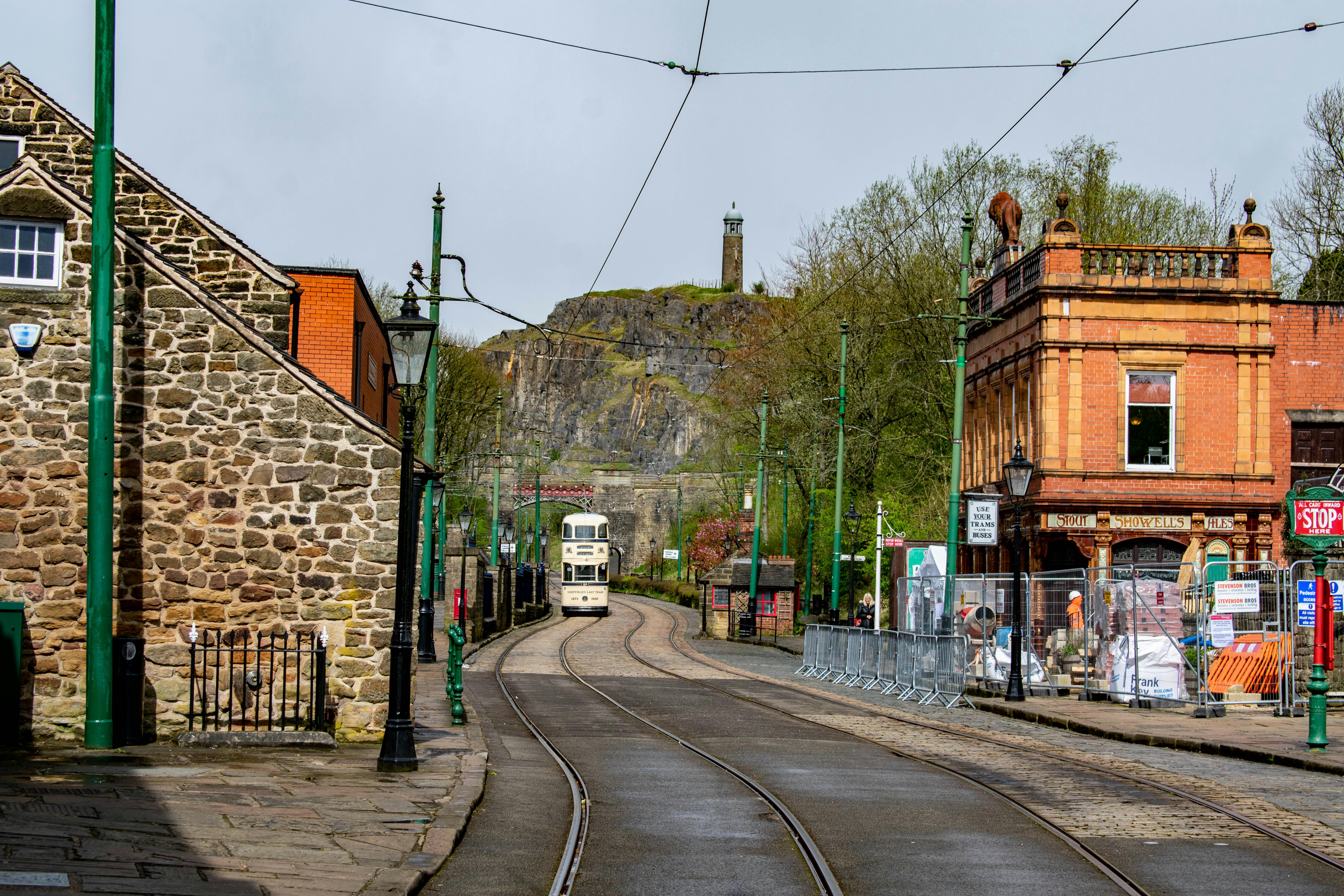
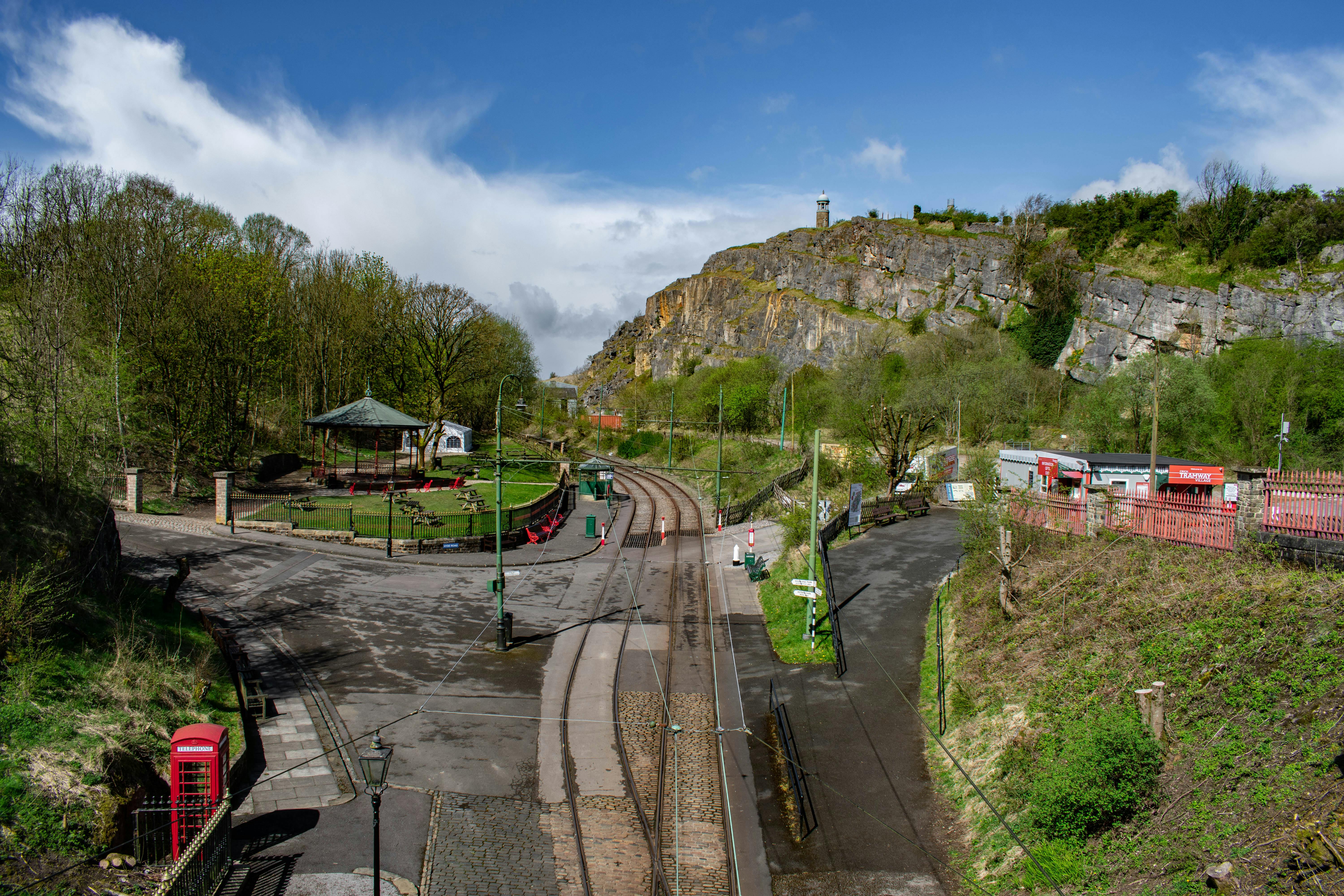
It’s a rather wet day in the Midlands and I find myself at Crich Tramway Village; the home of the National Tramway Museum. In 1959, the site looked very different as it was a typical disused quarry with spoil heaps, derelict buildings and loads of scrap metal. Since then the site has been rejuvenated with the initial purpose of storing and preserving as many redundant tramcars as possible. As the site and visitor numbers grew, the collection was designated as being of national importance and the site became an accredited museum. The collection continues to grow to this day with many tramcars being restored and the site continuing to expand with its period artifacts and buildings. If you have any interest in tram cars, this is the place to come.
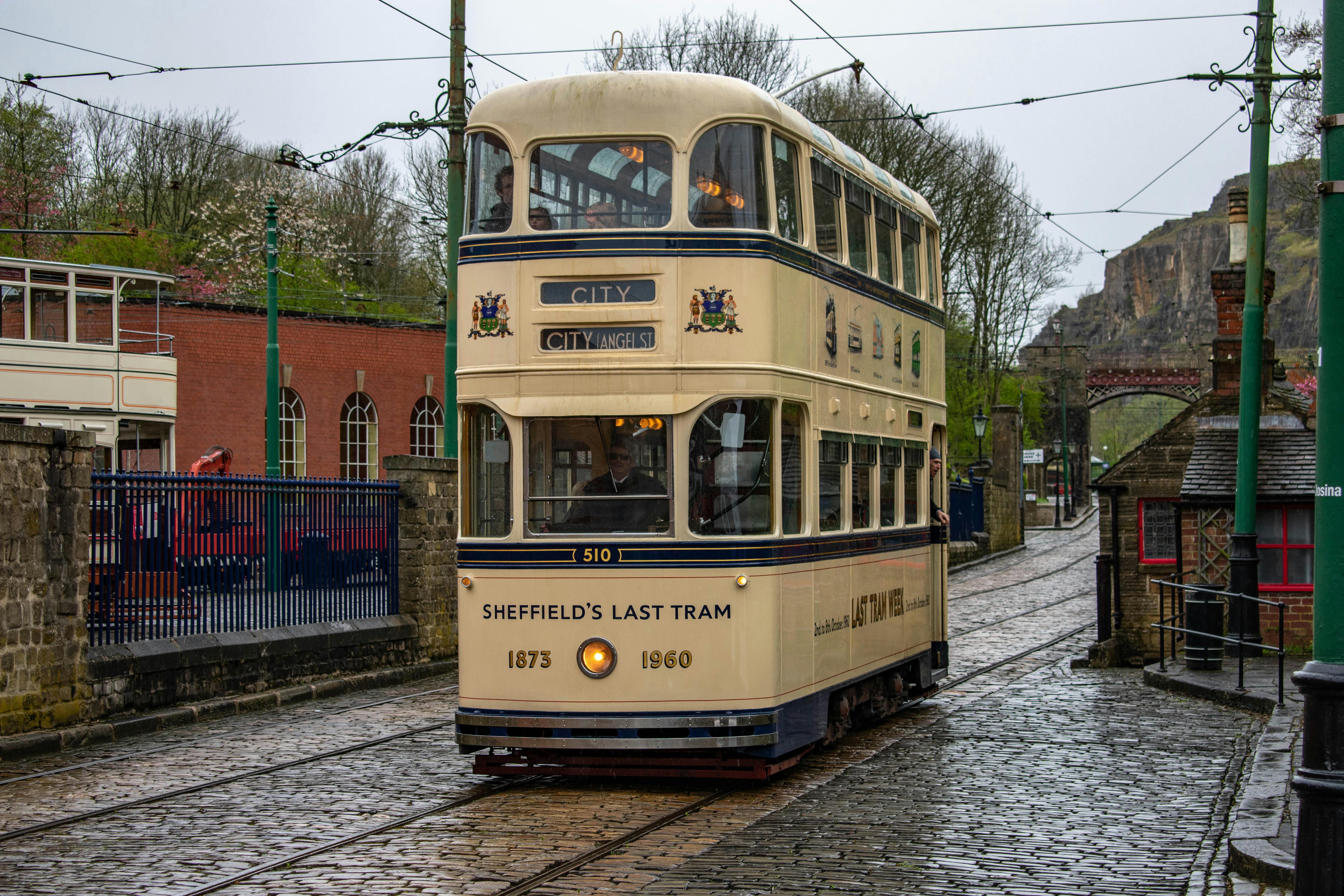
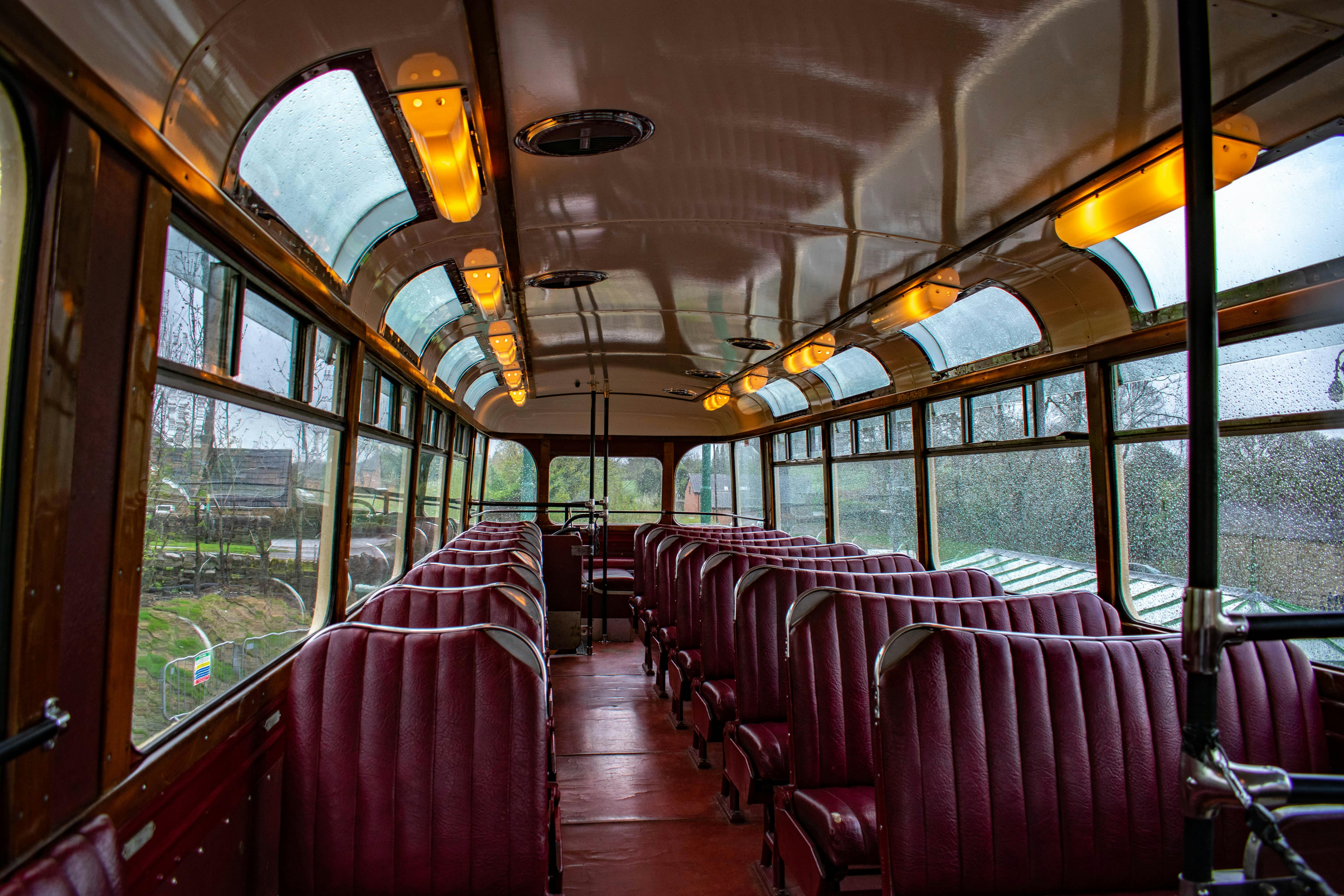
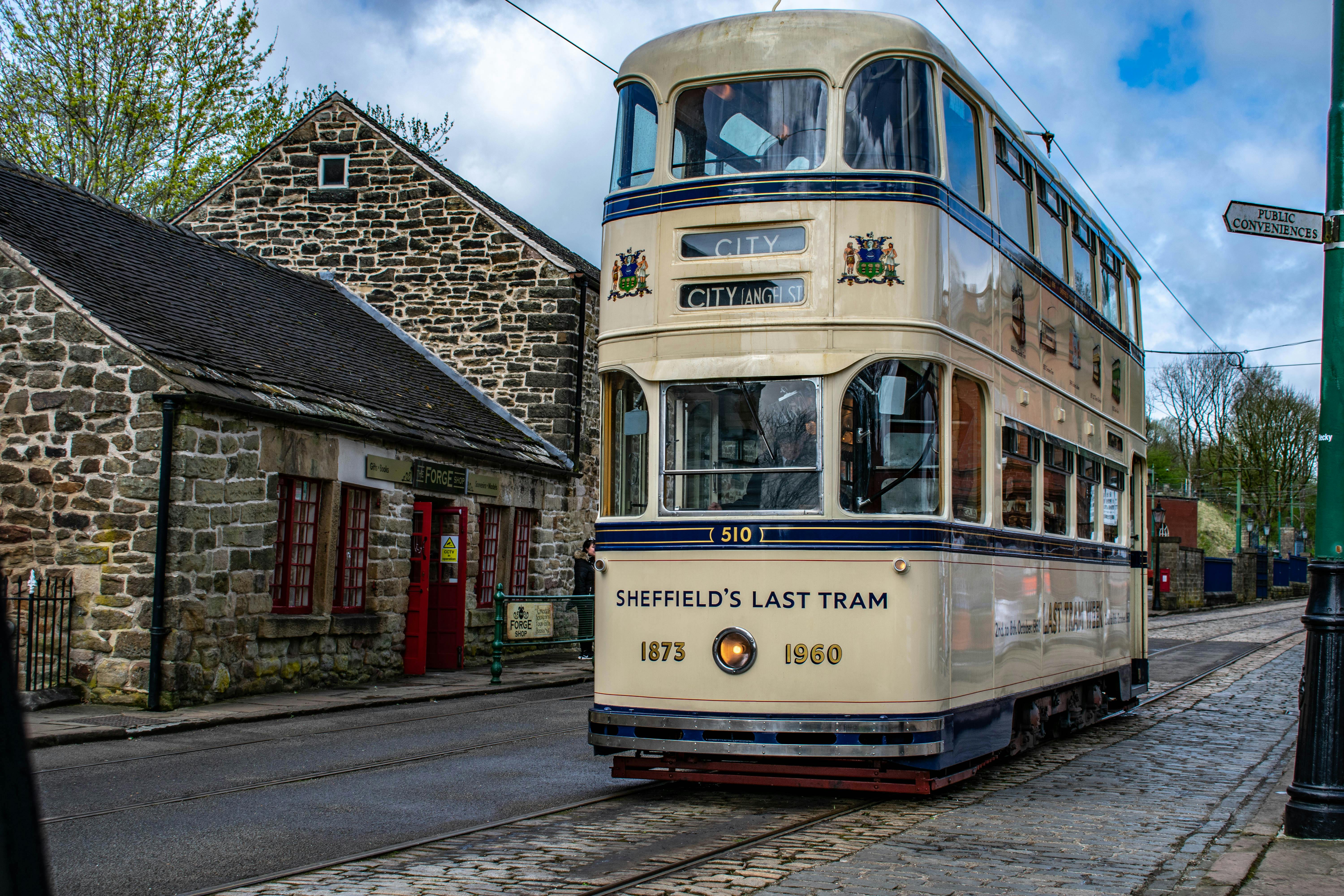
The weather is incredible sketchy today, starting off with a downpour but as you will see, it brightens up a little bit later. There are two different tram cars running today due to the weather and as you will see from the pictures, it’s a VERY quiet day for visitors. My first tram of the day was the Sheffield 510. The tram is in excellent condition, and that may partly be due to its relatively short working life, which was from 1950 until the closure of the Sheffield tramway system in 1960. It was decorated for Sheffield Last Tram week (2nd – 8th October 1960) before being donated to the tramway museum. The interior of this tram is gorgeous and the burgundy leather seats are a beautiful match with the ivory exterior. The seats and ride were very comfy as well.
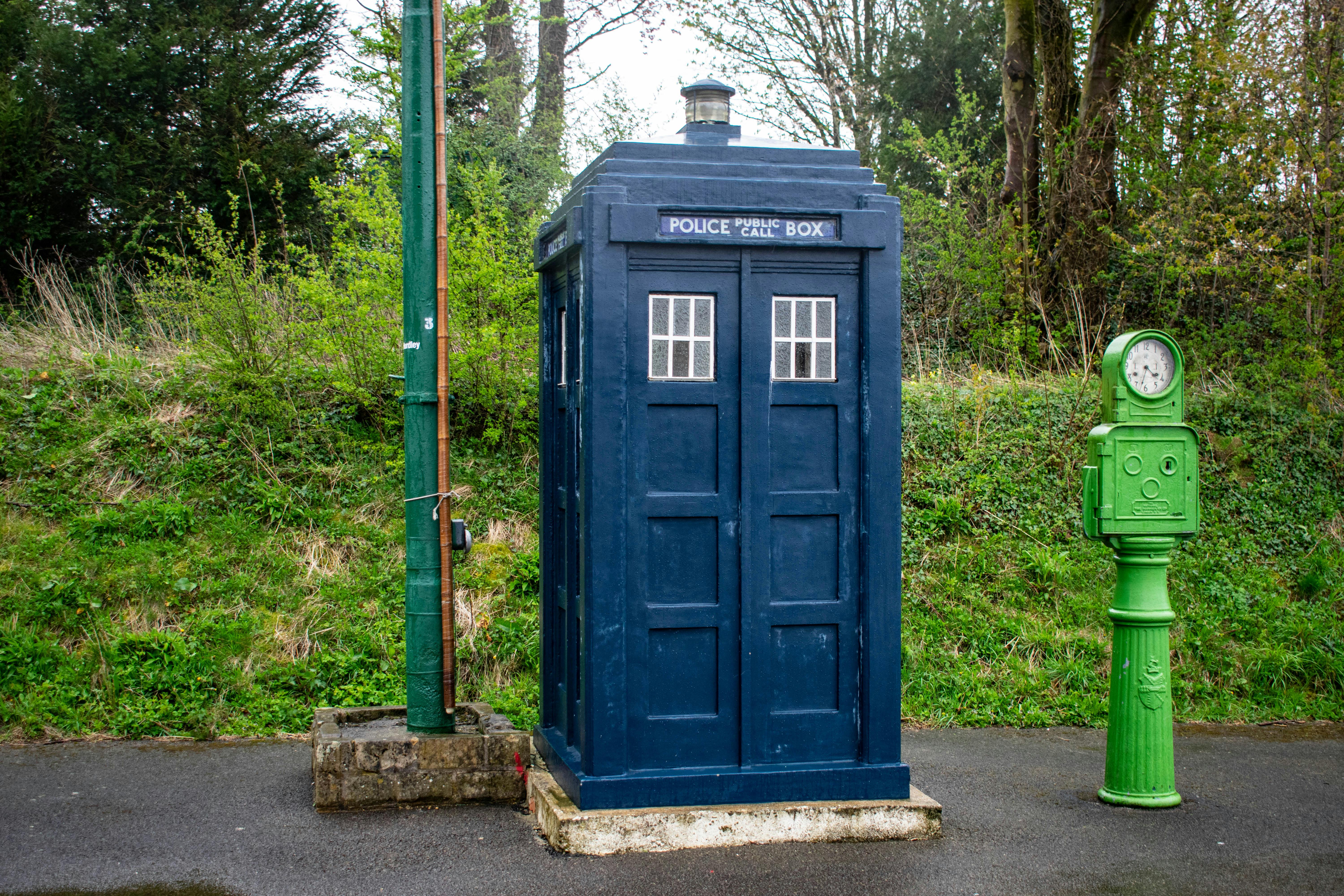
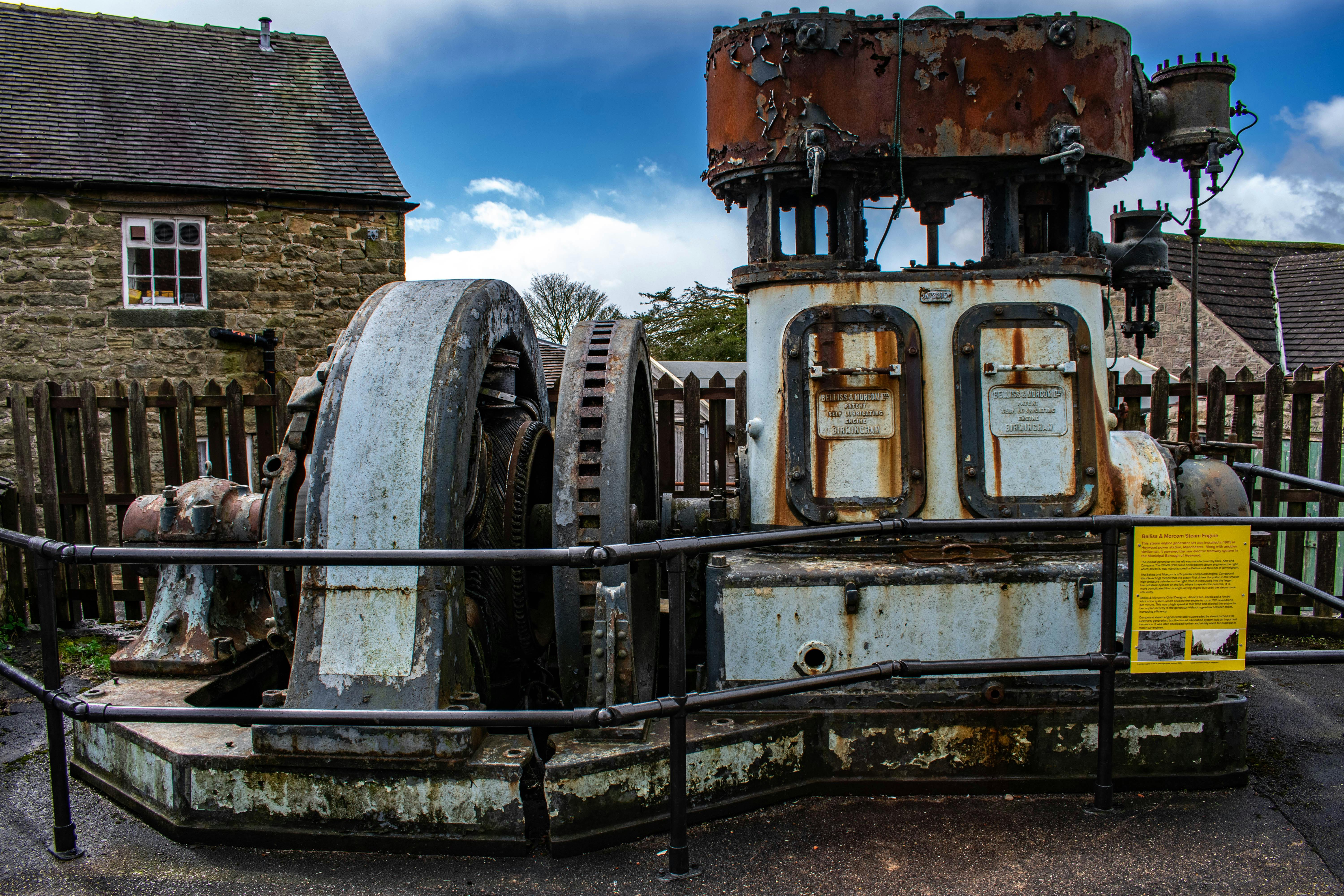
All trams start from the tram shelter at Town End and there is plenty to explore there such as the original Police Box (Or is it a TARDIS?) as well as various other artifacts from across the decades such as the Bellis & Morcom Steam Engine generator which powered the electric tramway system in the Borough of Heywood in 1905. Adjacent to this is the art building, showcasing tram art throughout the years as well as interesting displays on tramway systems throughout the country over the years. This was particularly interesting as I discovered tram systems in places which I would never have guessed existed.
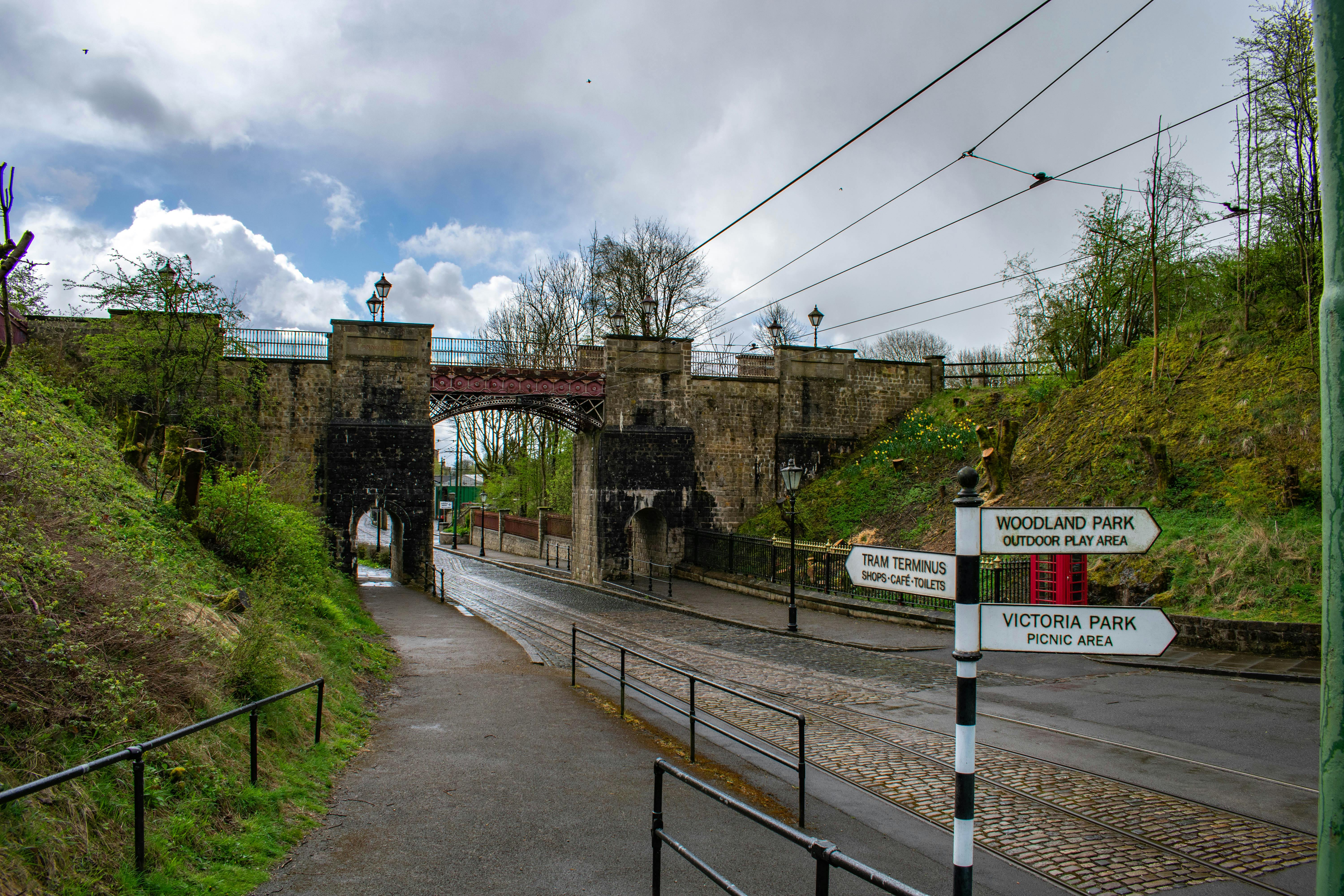
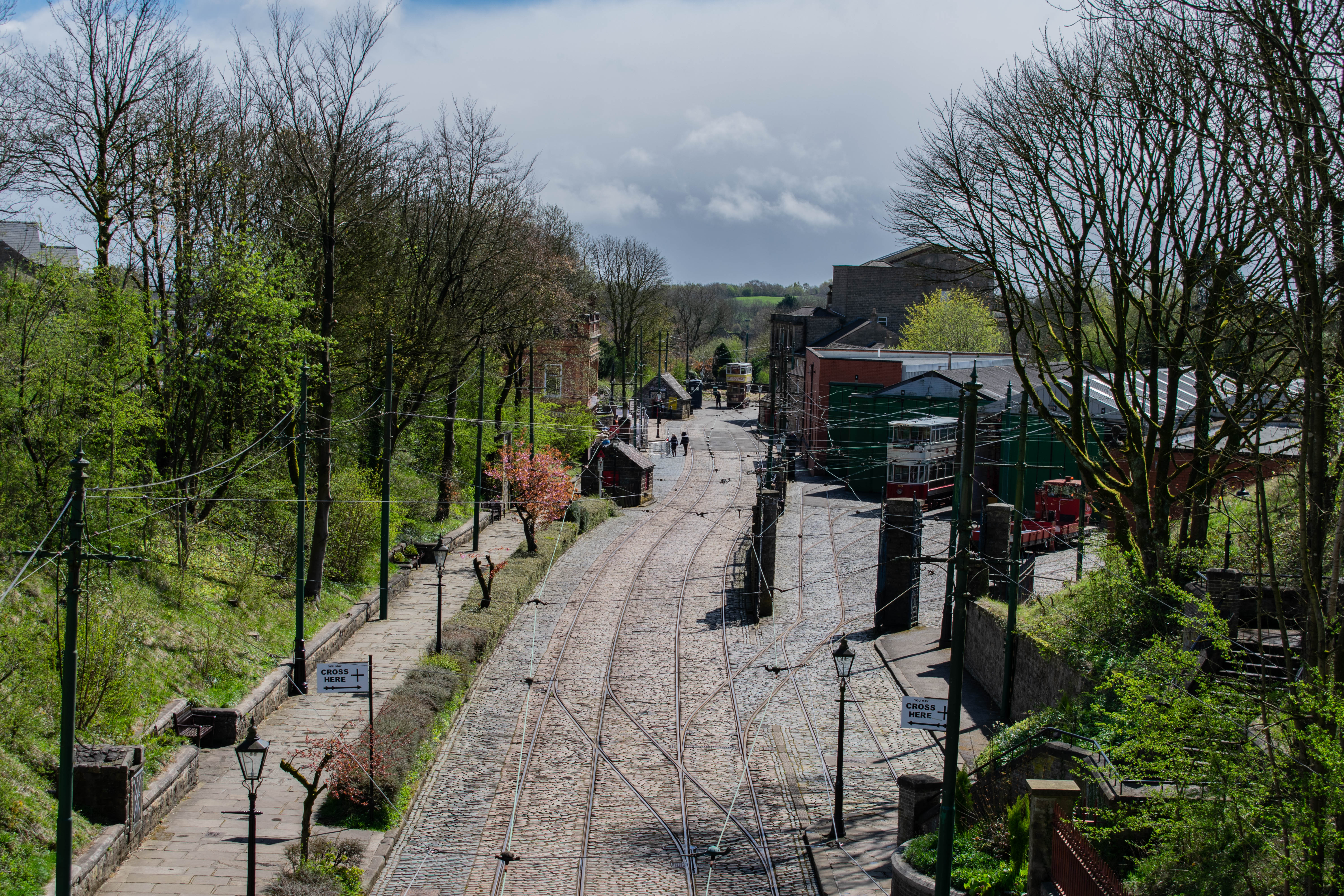
Trams travel up the line under the cast-iron Bowes-Lyon bridge. This dates from 1844 and came from Stagenhoe Park which was a stately home in Hertfordshire and takes its name from the Bowes-Lyon family who owned another home nearby.
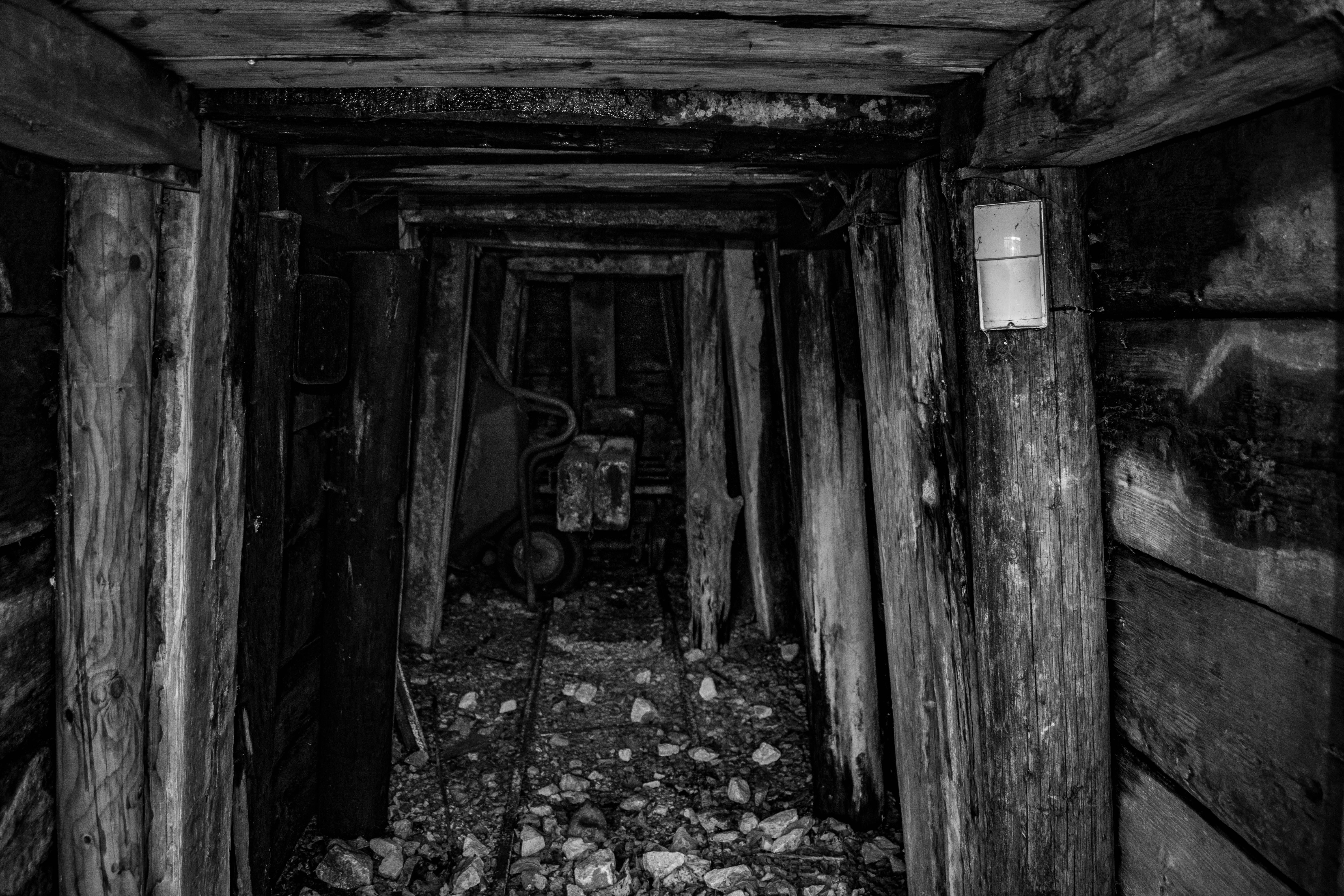
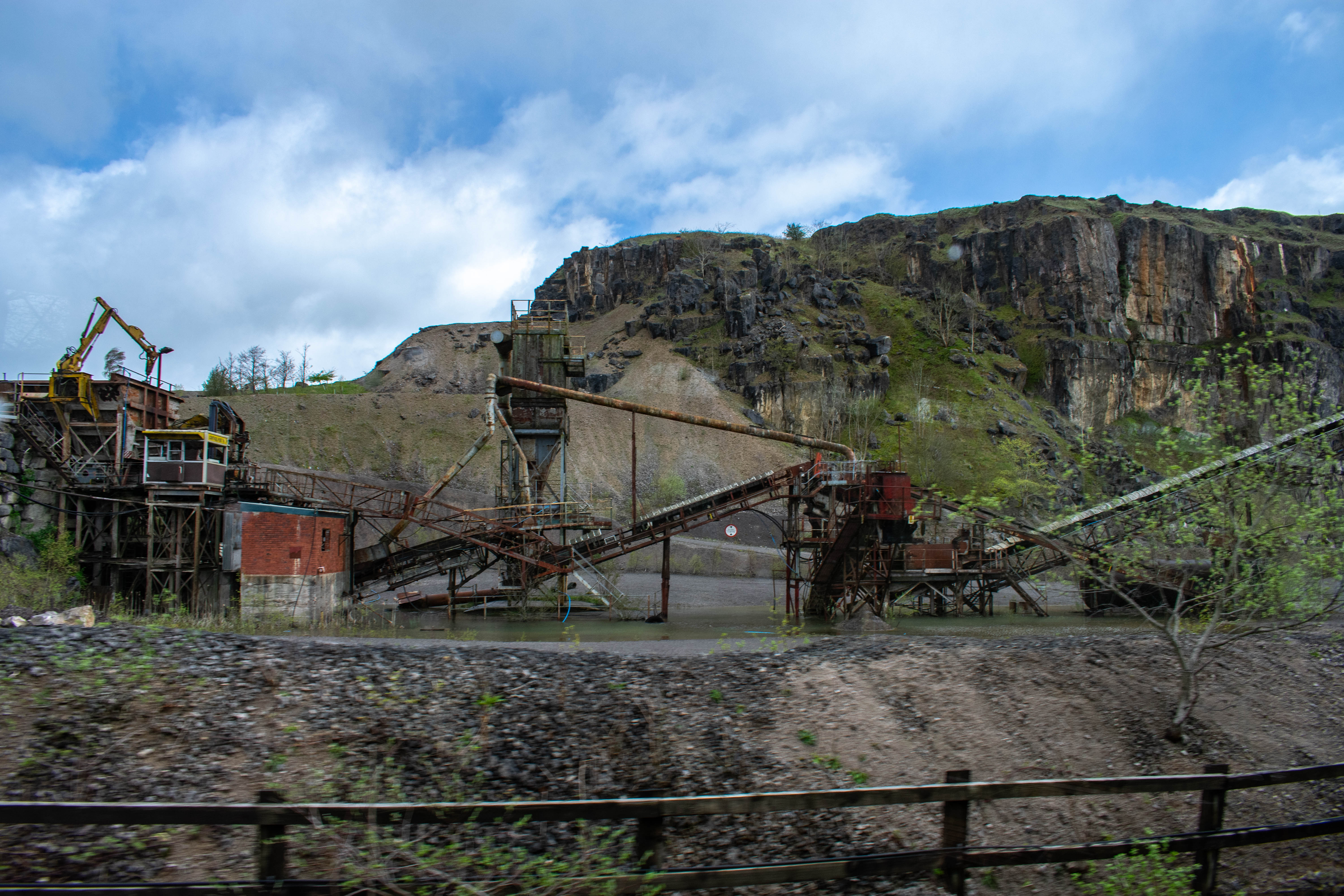
Heading up the line, the tram pulls into Wakebridge and the Glory Mine. I decided to alight here to get a closer look at some of the mine shafts and old quarry equipment which has been left to nature these days as seen below.
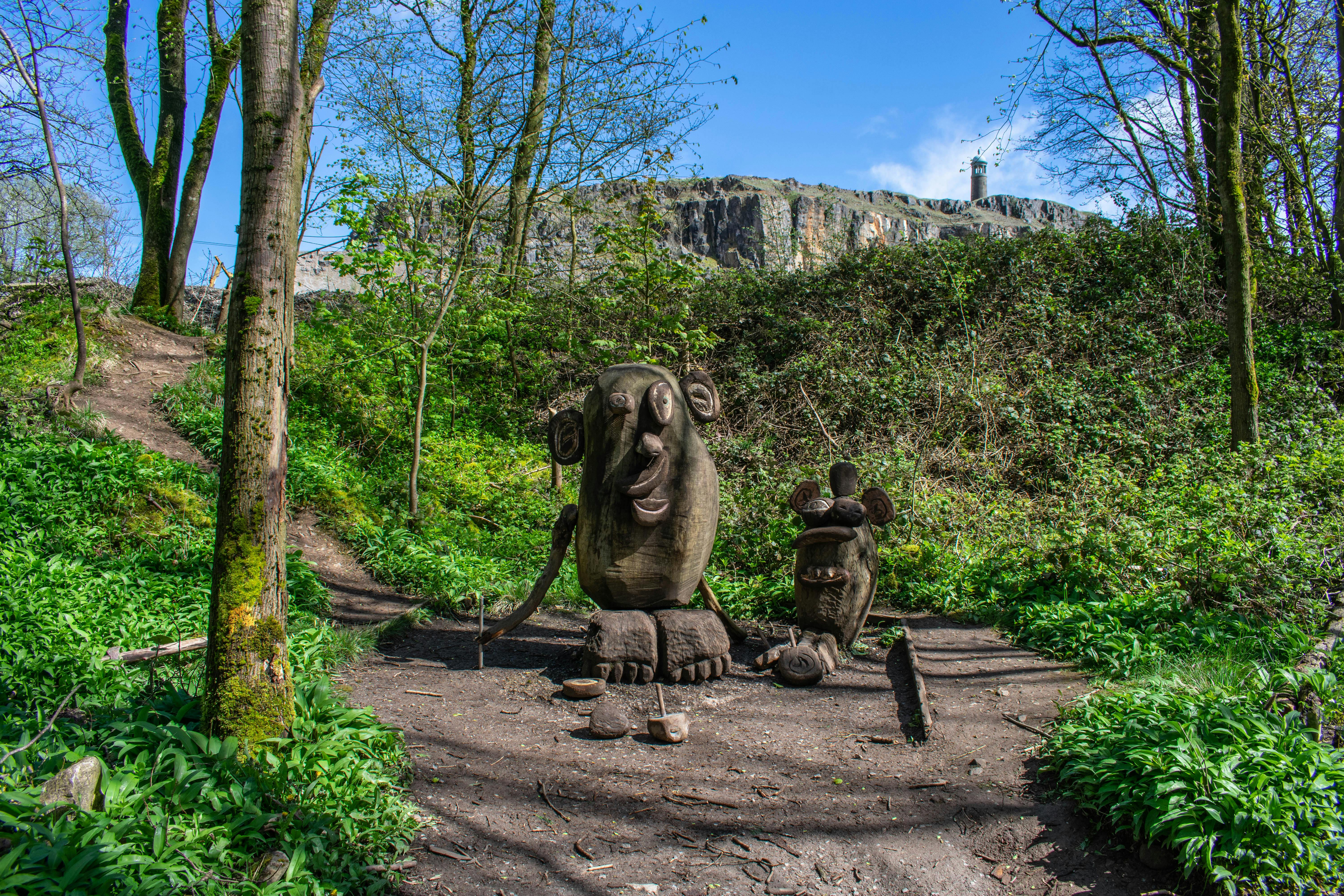
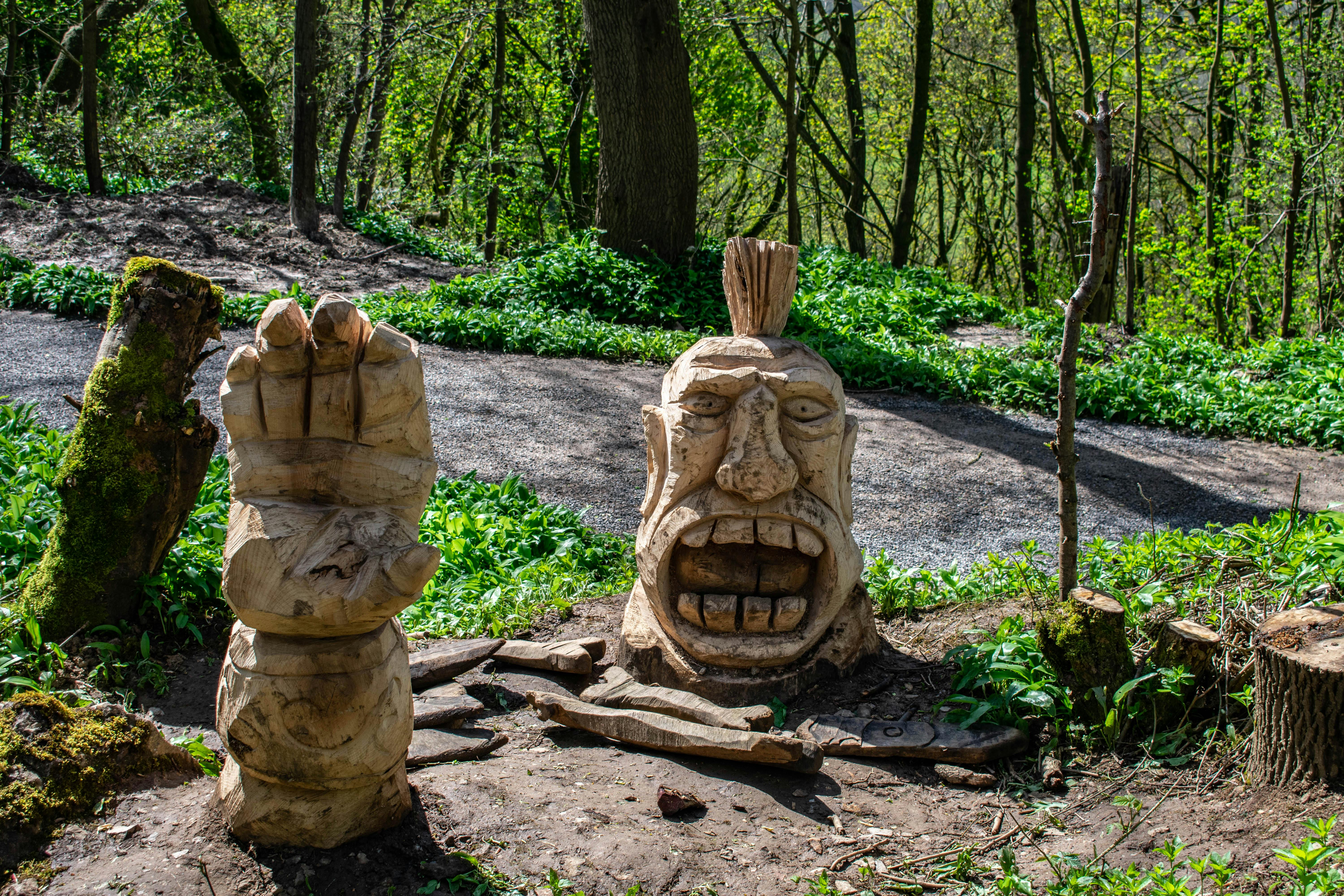
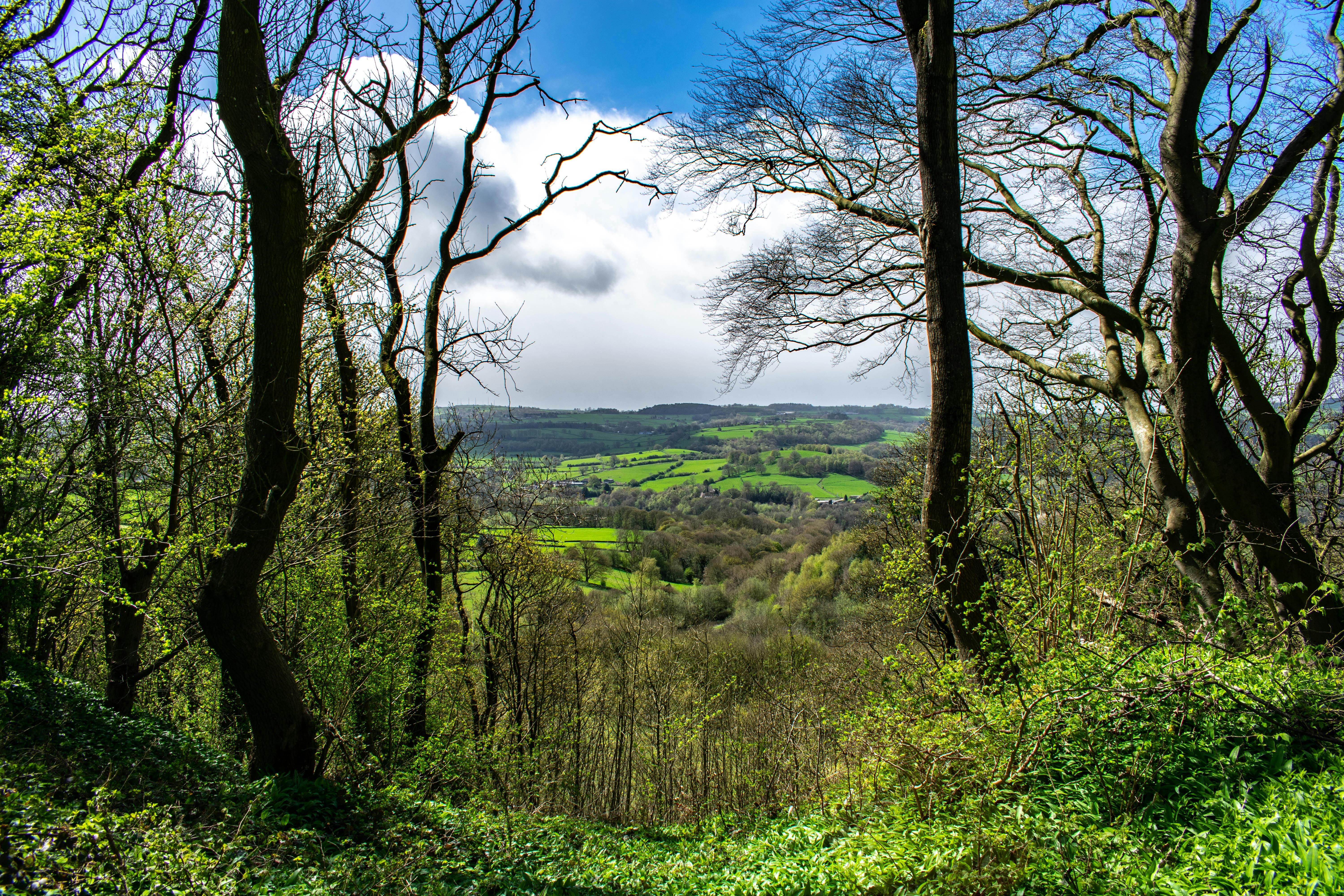
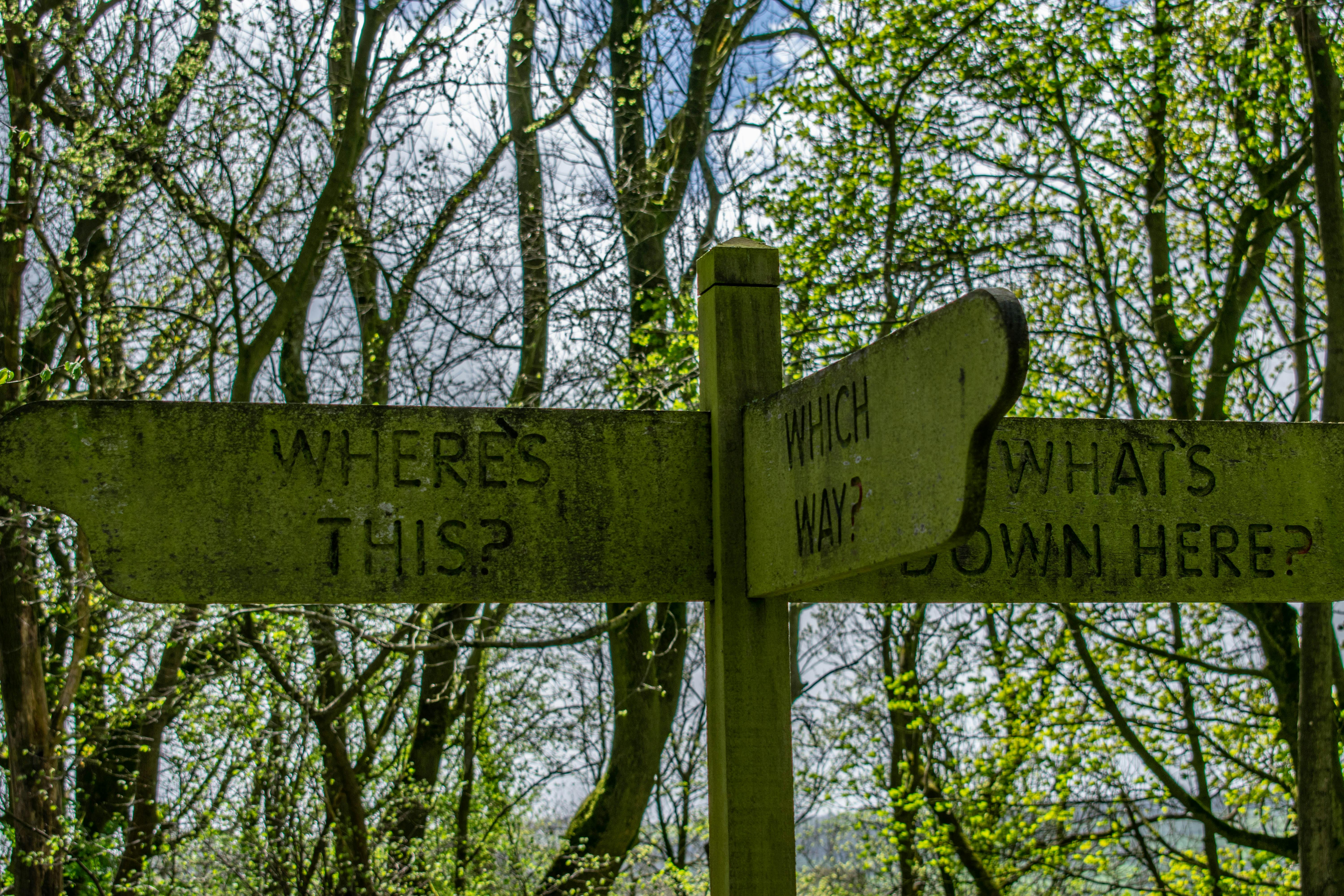
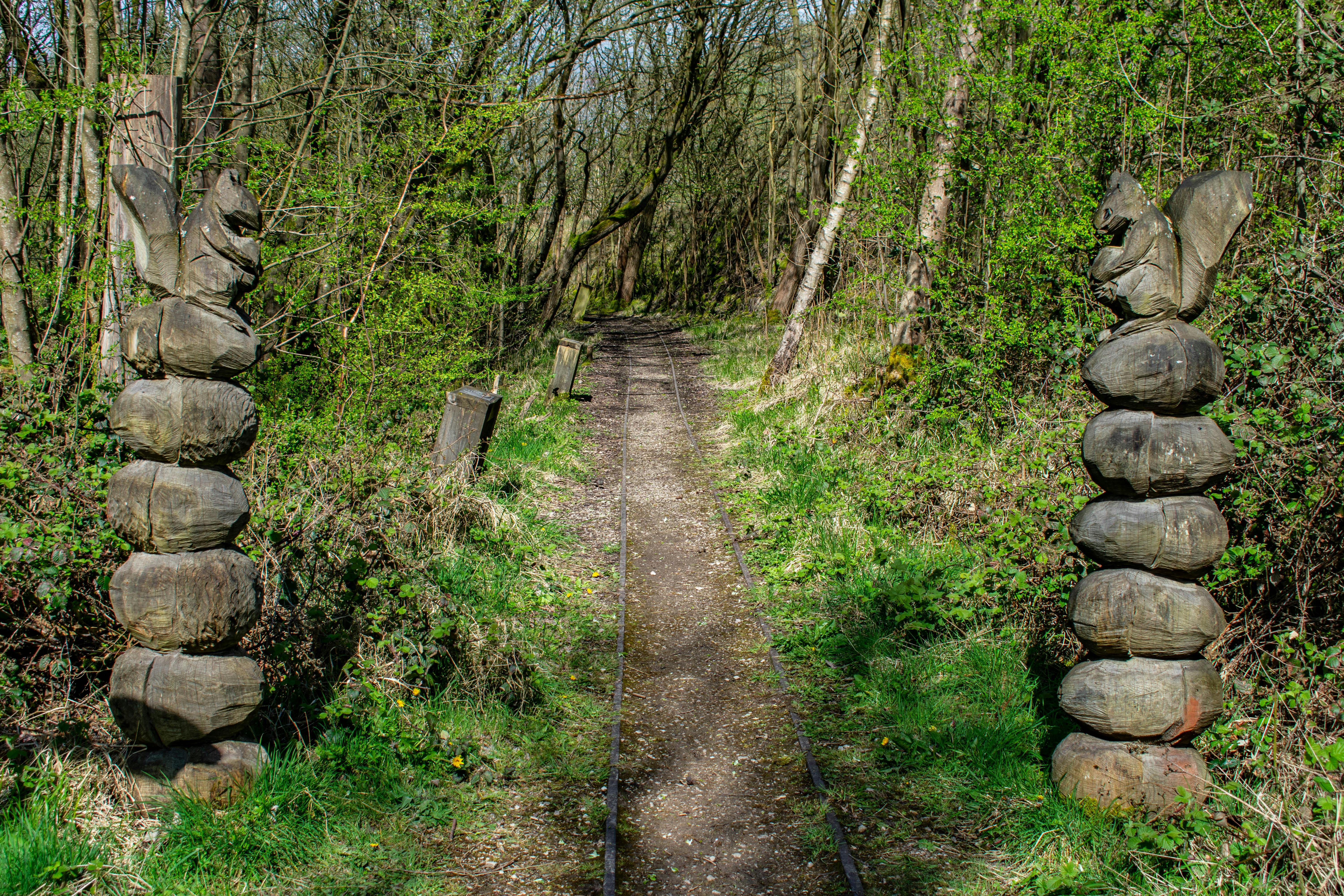
From the same stop, there is a lovely woodland walk and sculpture trail which you can follow all the way back to the Bowes-Lyon bridge. The weather had cleared up a bit by this point and it was an incredibly peaceful walk, with pieces of unique woodland carvings and art adorning the trail. You will also notice in the bottom right hand picture, there are still tracks which remain in the ground which would have led from the mine shaft we saw above.
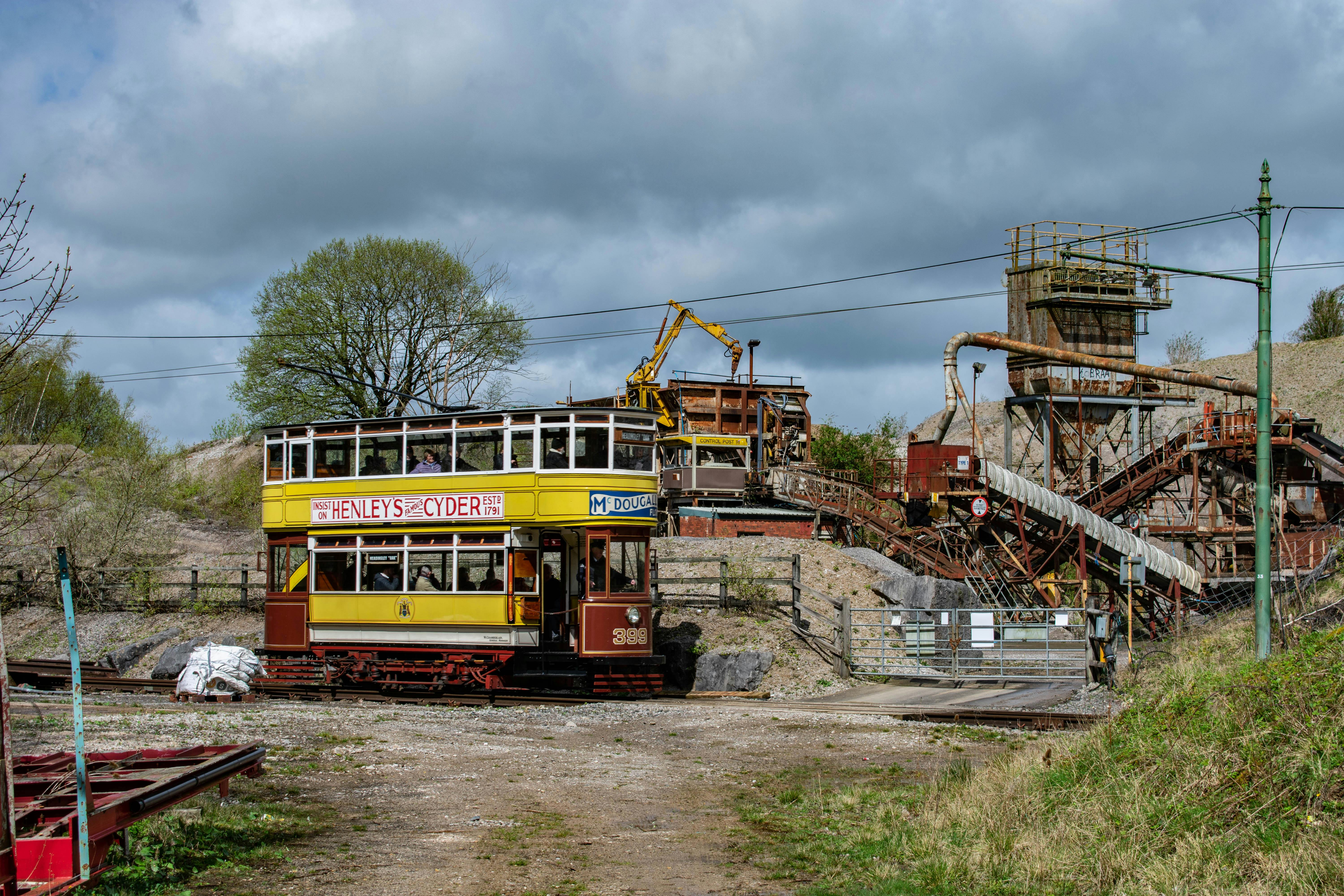
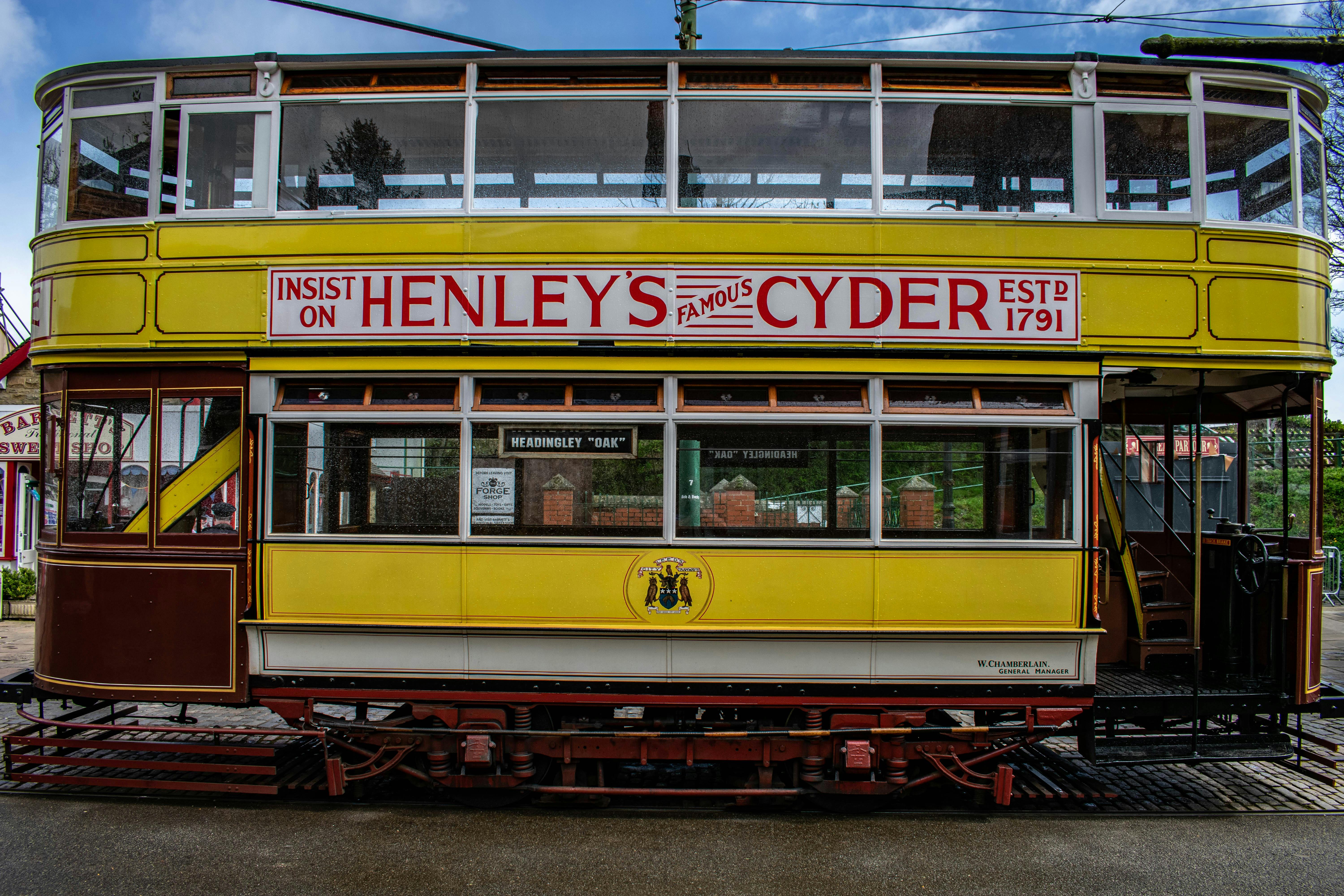
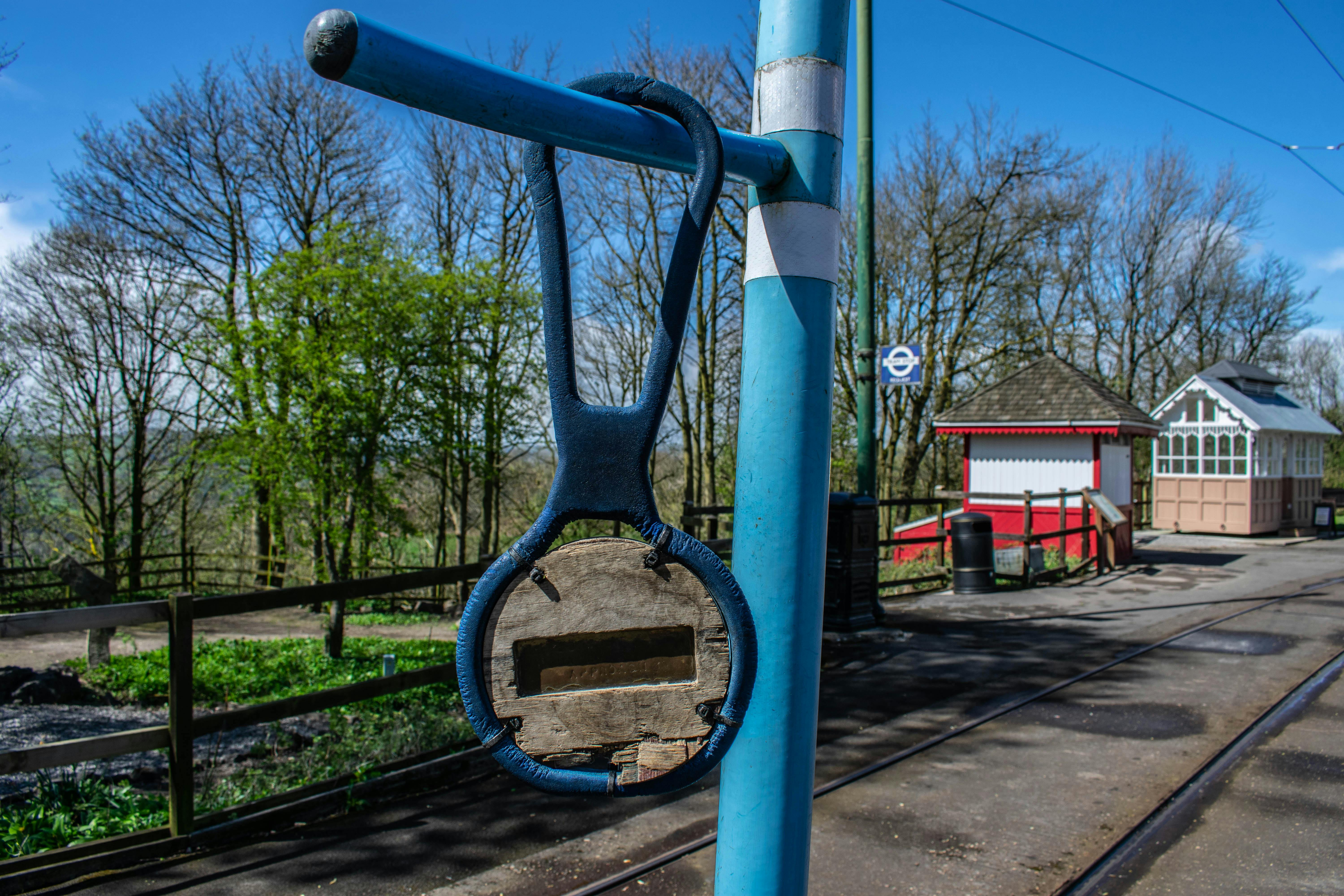
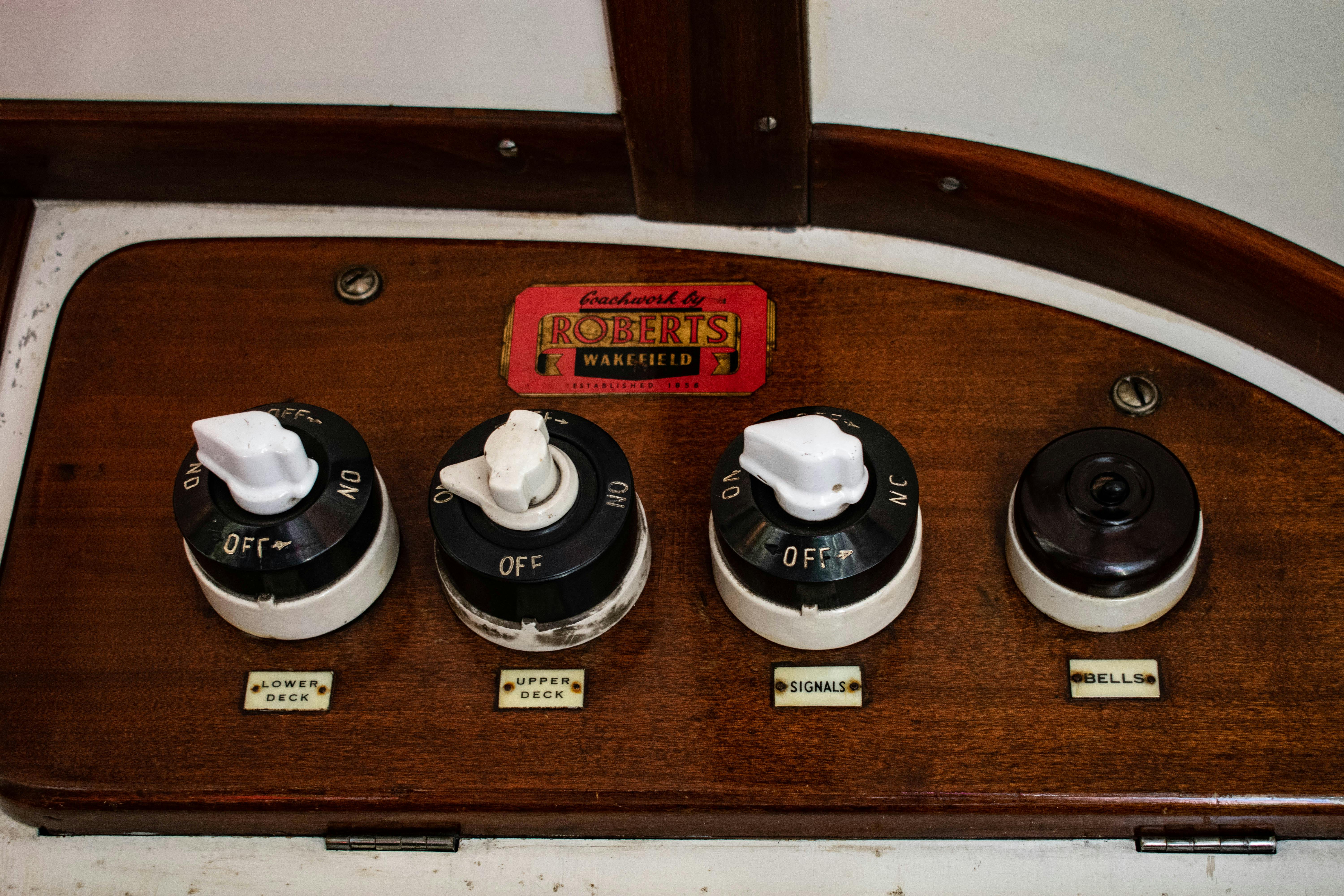
After walking the length of the line, I decide to hop on another tram for a return journey. This time it is the Leeds City Transport No. 399 tram. The interior is quite different to the Sheffield tram as there are no padded seats, but the wooden seats are nicely varnished and polished. Much like heritage railways, a token system is used to allow trams to occupy certain blocks on the system. One of these tokens is shown below hanging at the quarry end.
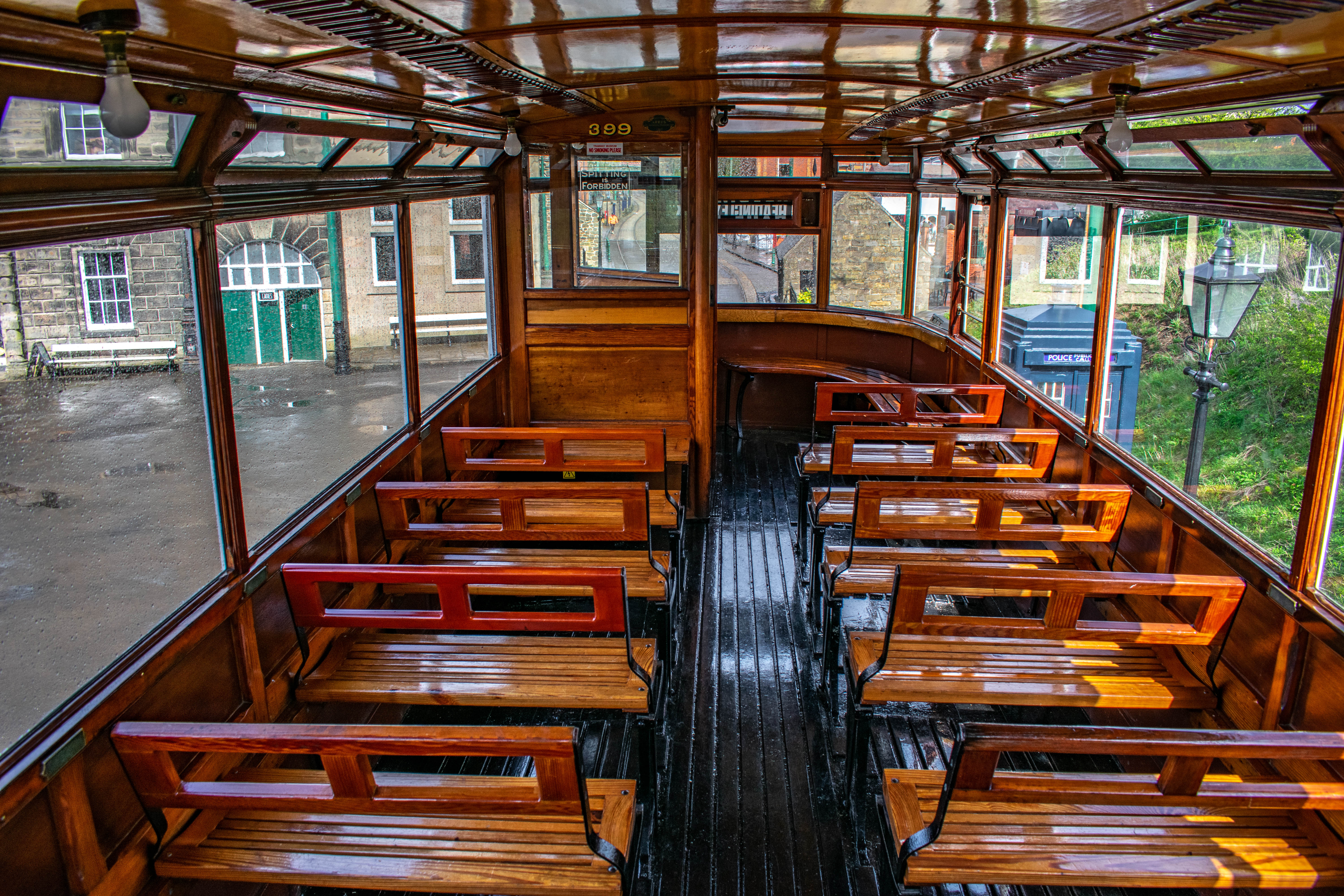
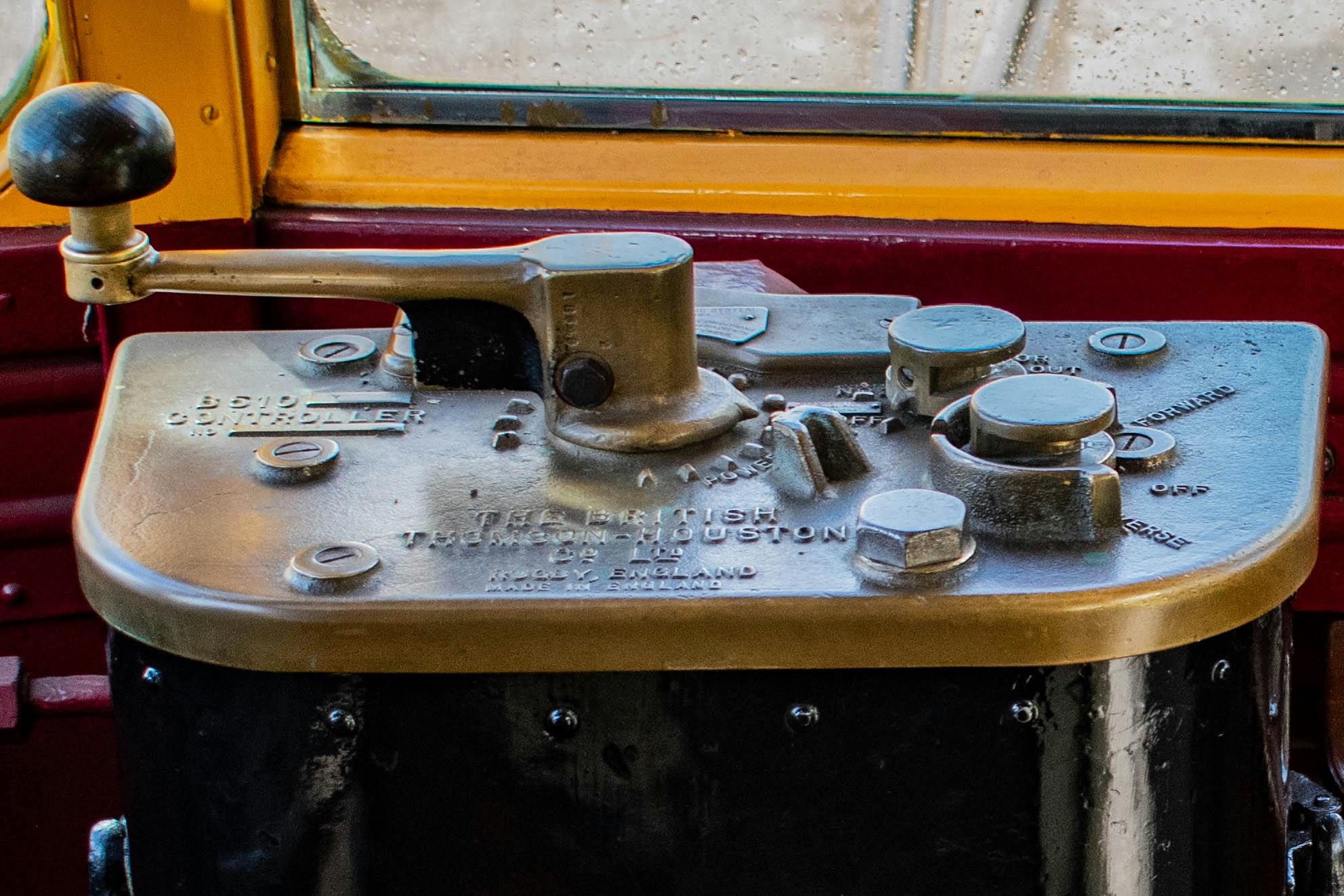
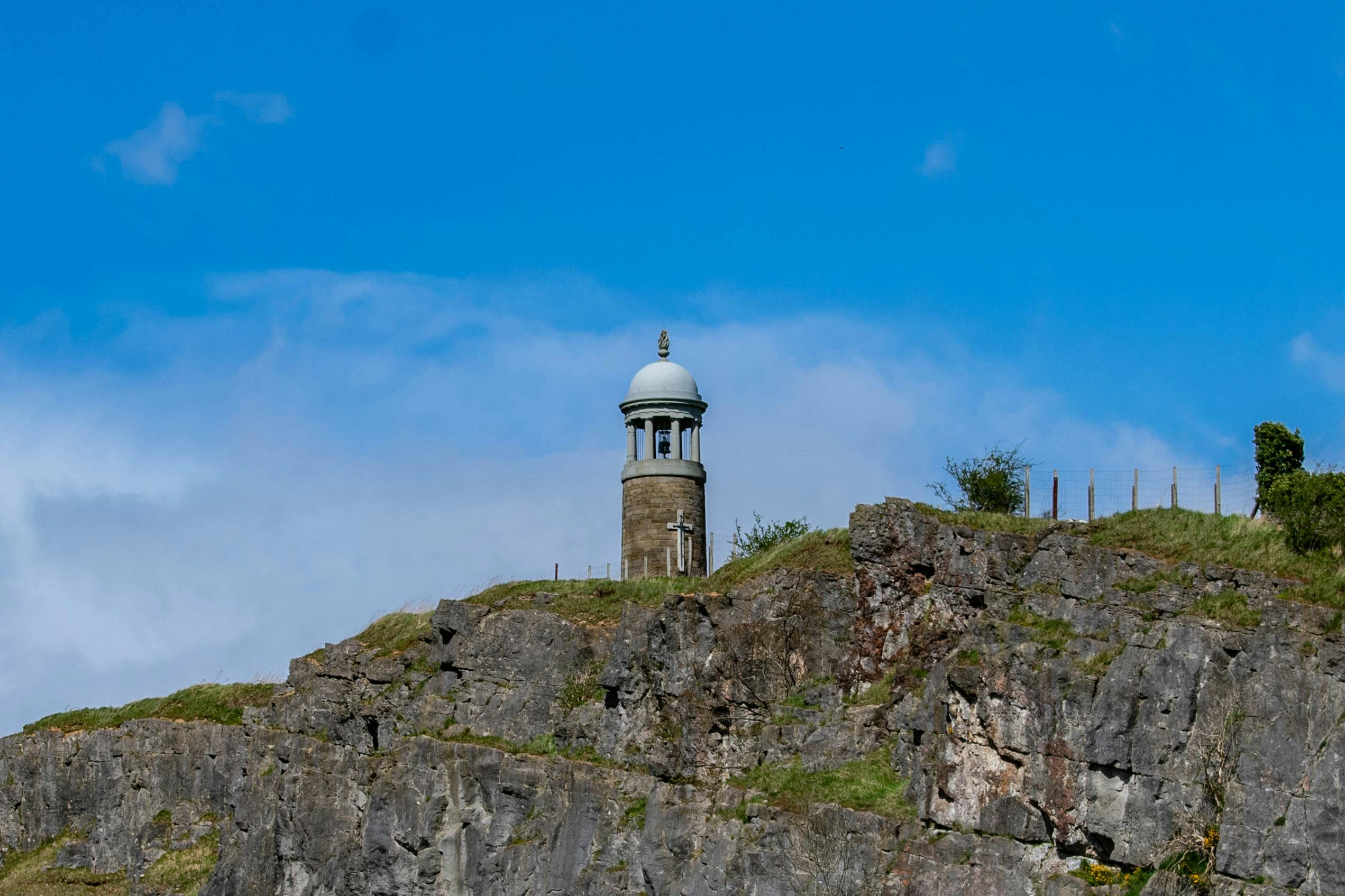
Inside the tram I’m able to get some good views of the controls which make the tram move. As well as this, the weather is much improved and the Sherwood Foresters Regiment Memorial (Crich Stand) can be seen clearly up on the hill side. It is possible to hike to this memorial however the Glory Mine terminus was closed for alighting today due to maintenance work.
In the main yard, another tram is getting ready to move, but this time only to the storage shed. This is the Blackpool Corporation No. 40 tram and was operational from 1926 to 1963 on it’s original tramway.
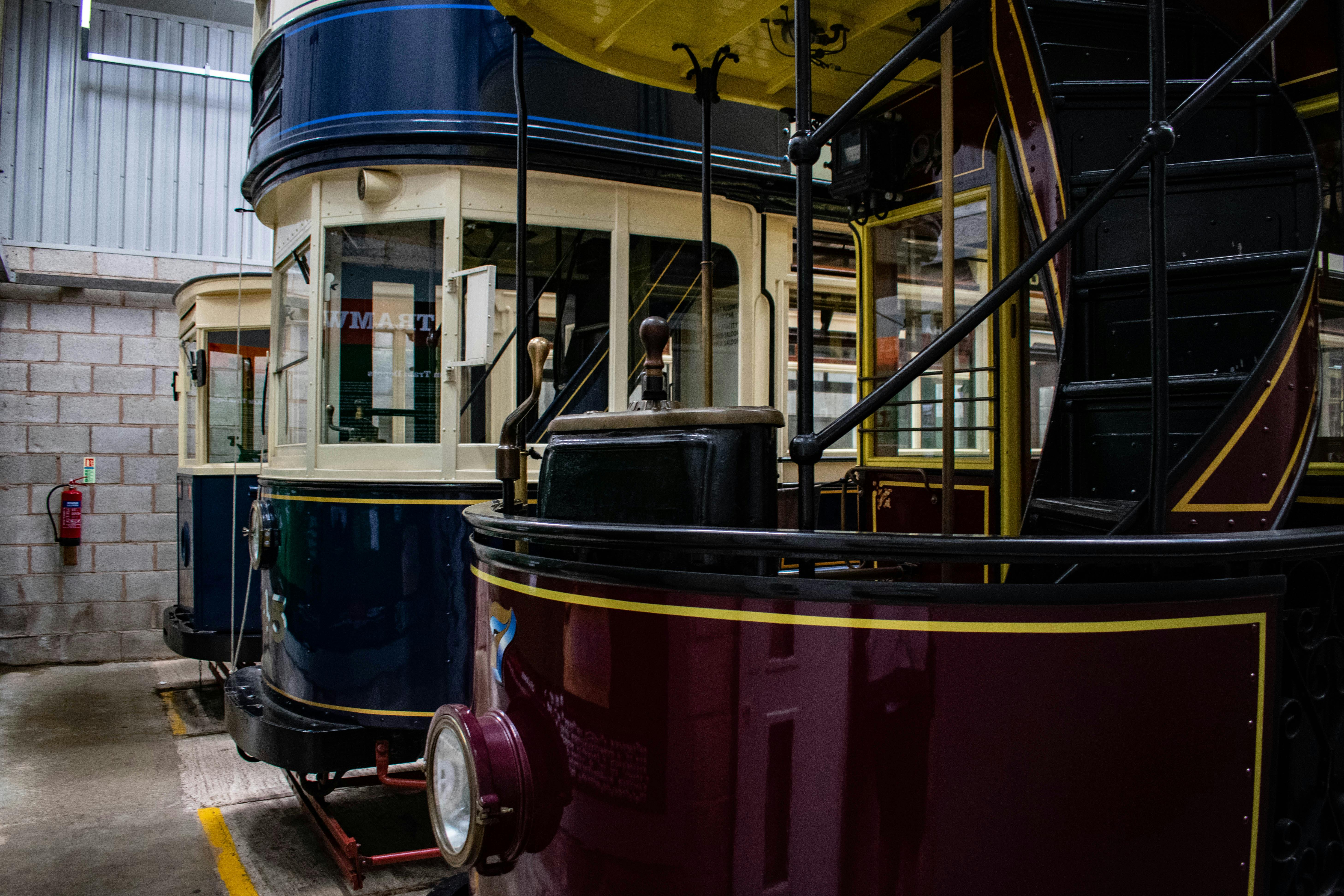
After having my fill of the outdoors, it’s time to move indoors. I think I forgot that this was actually a museum with a national collection and when I walked into one of the buildings, I think I let out a gasp as I was astounded by the sheer size of the collection. It would be impossible to describe everything here but there is something from every decade from late 1800’s up to around 1980. I’ll let the pictures and video below do the talking for me.
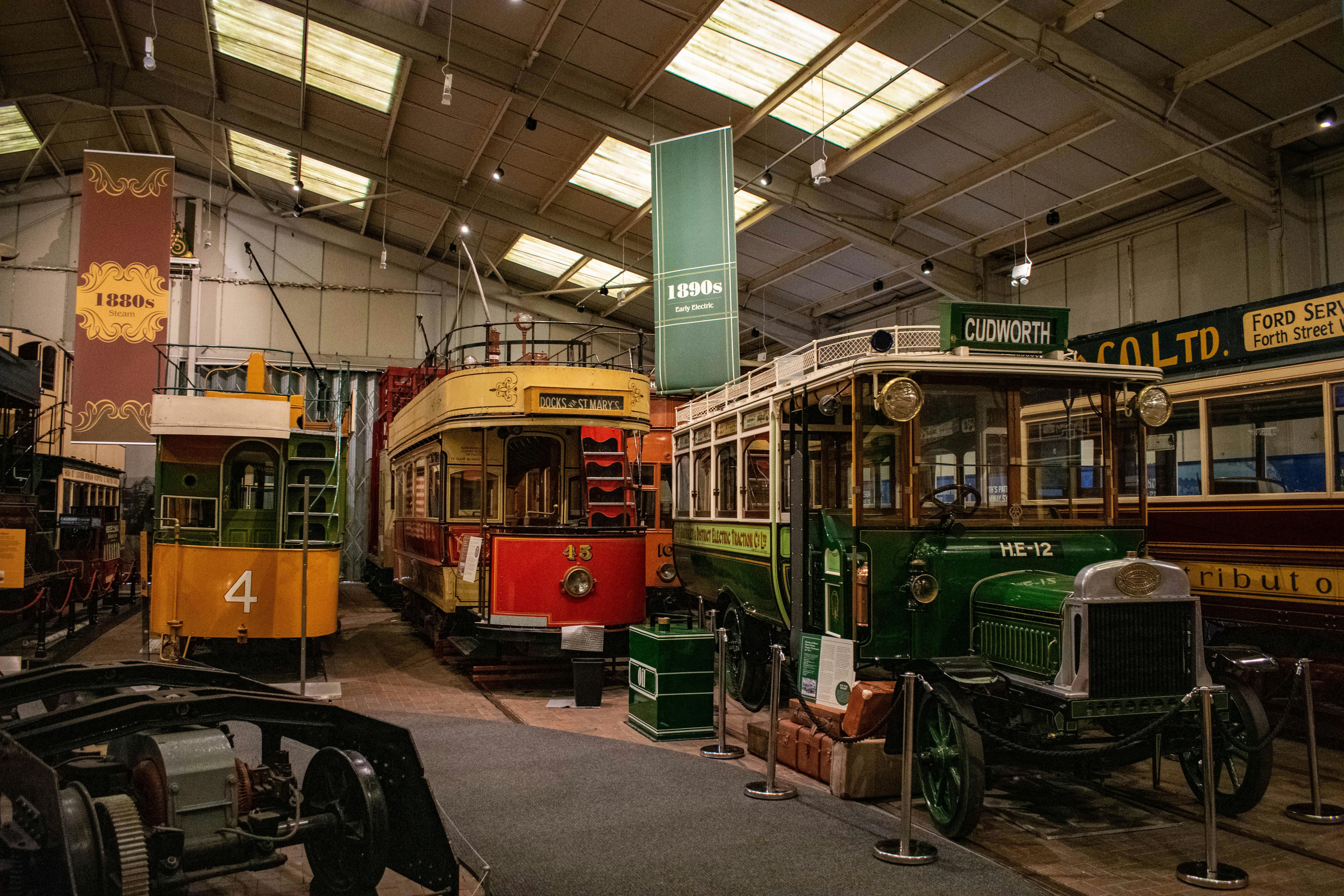
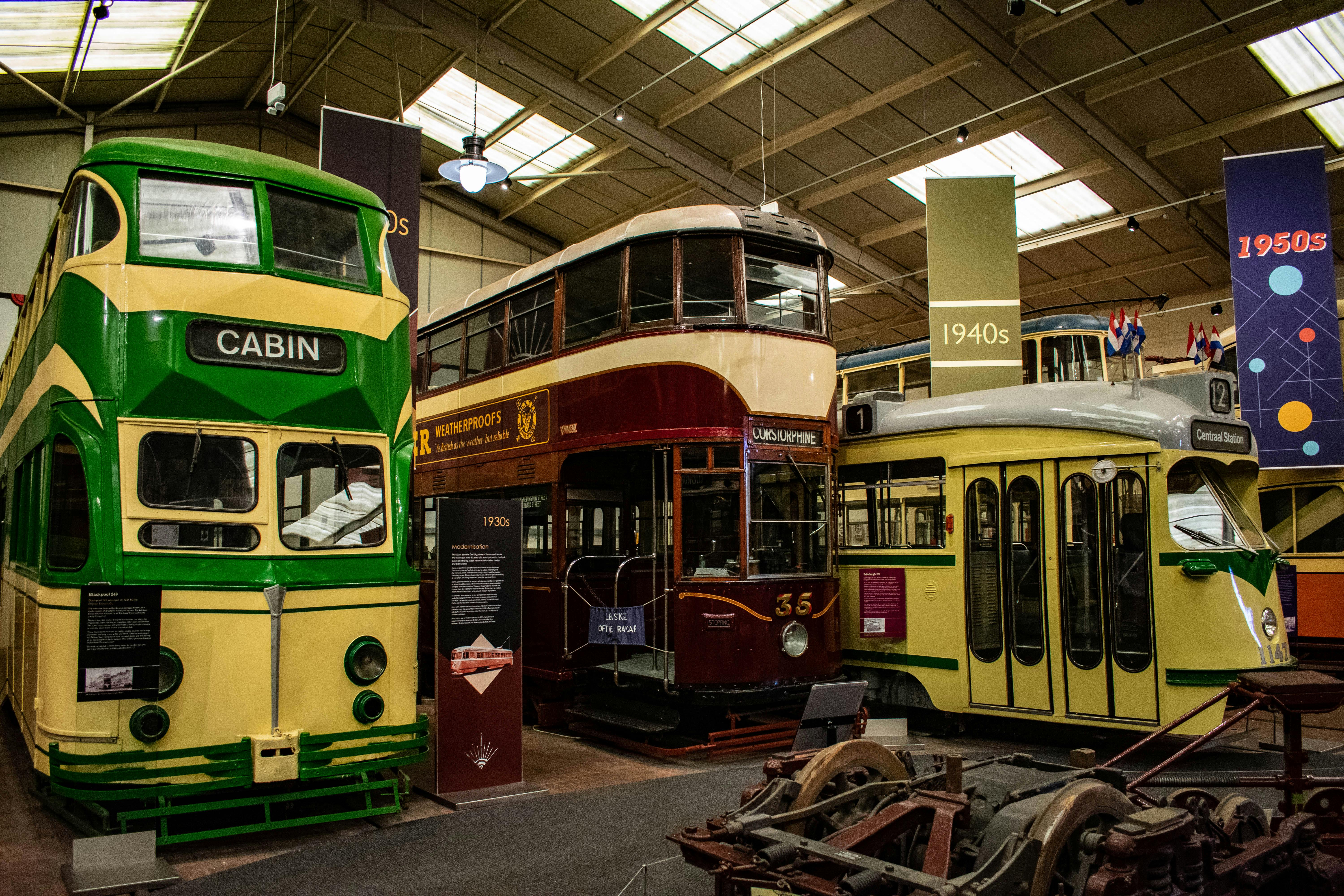
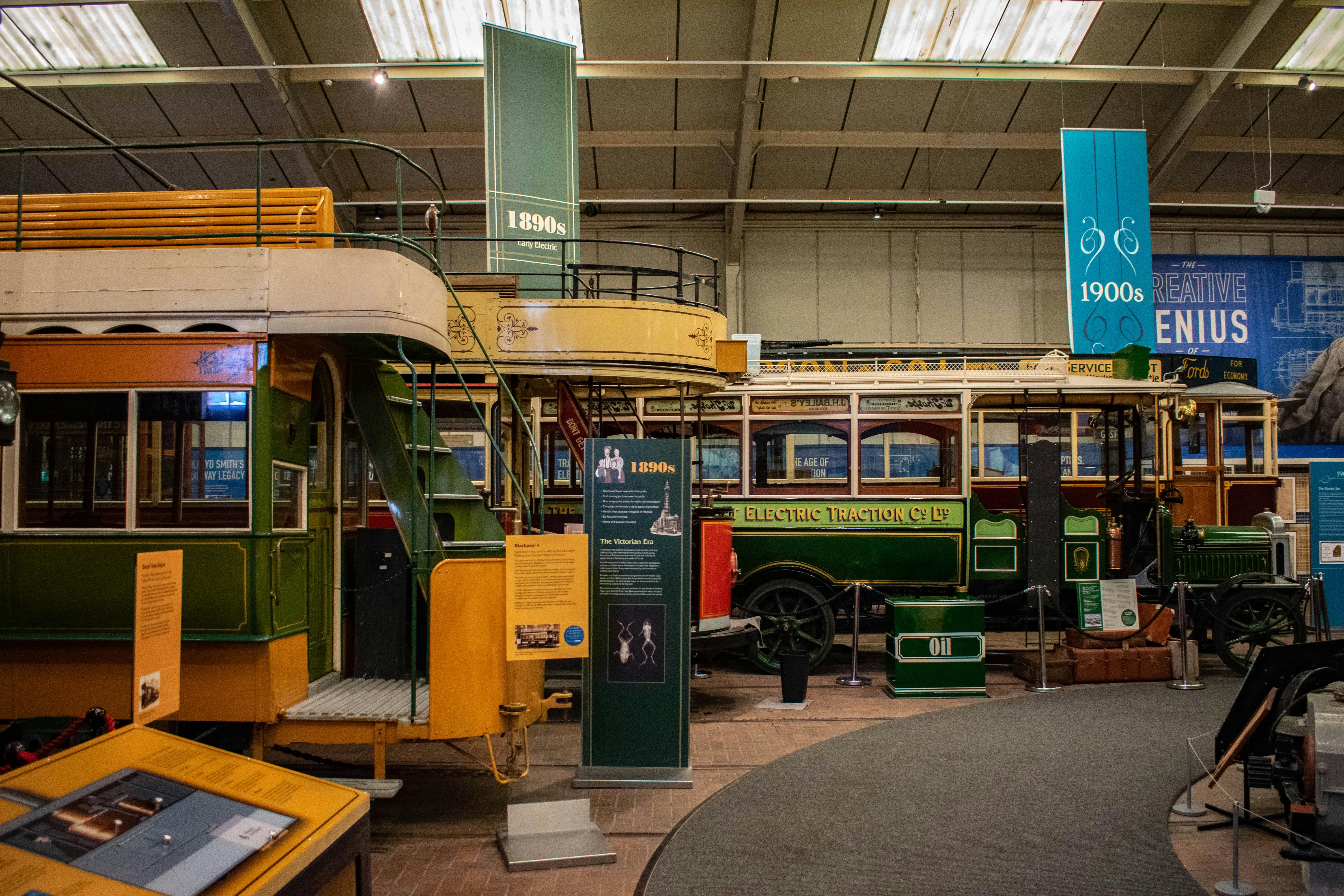
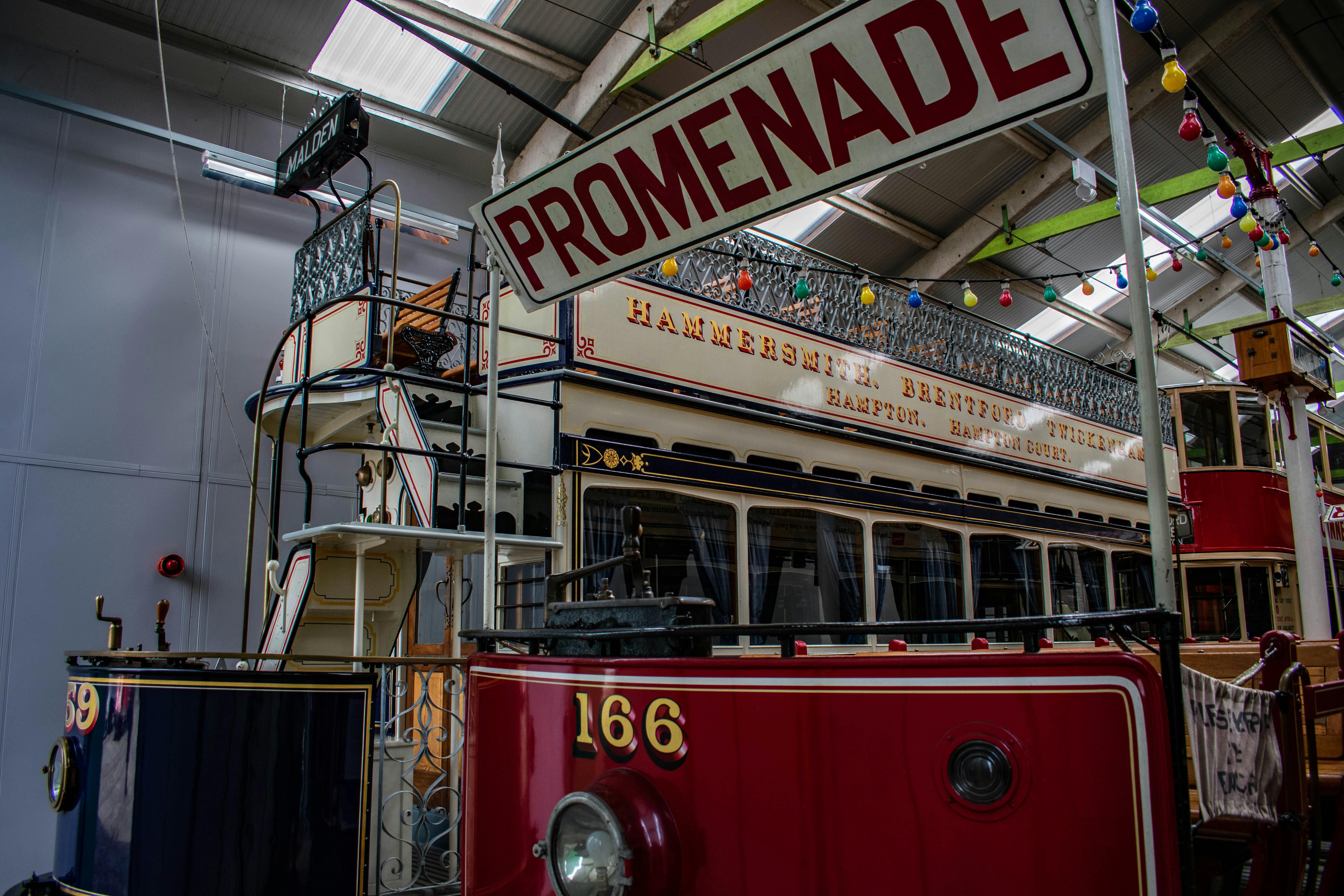
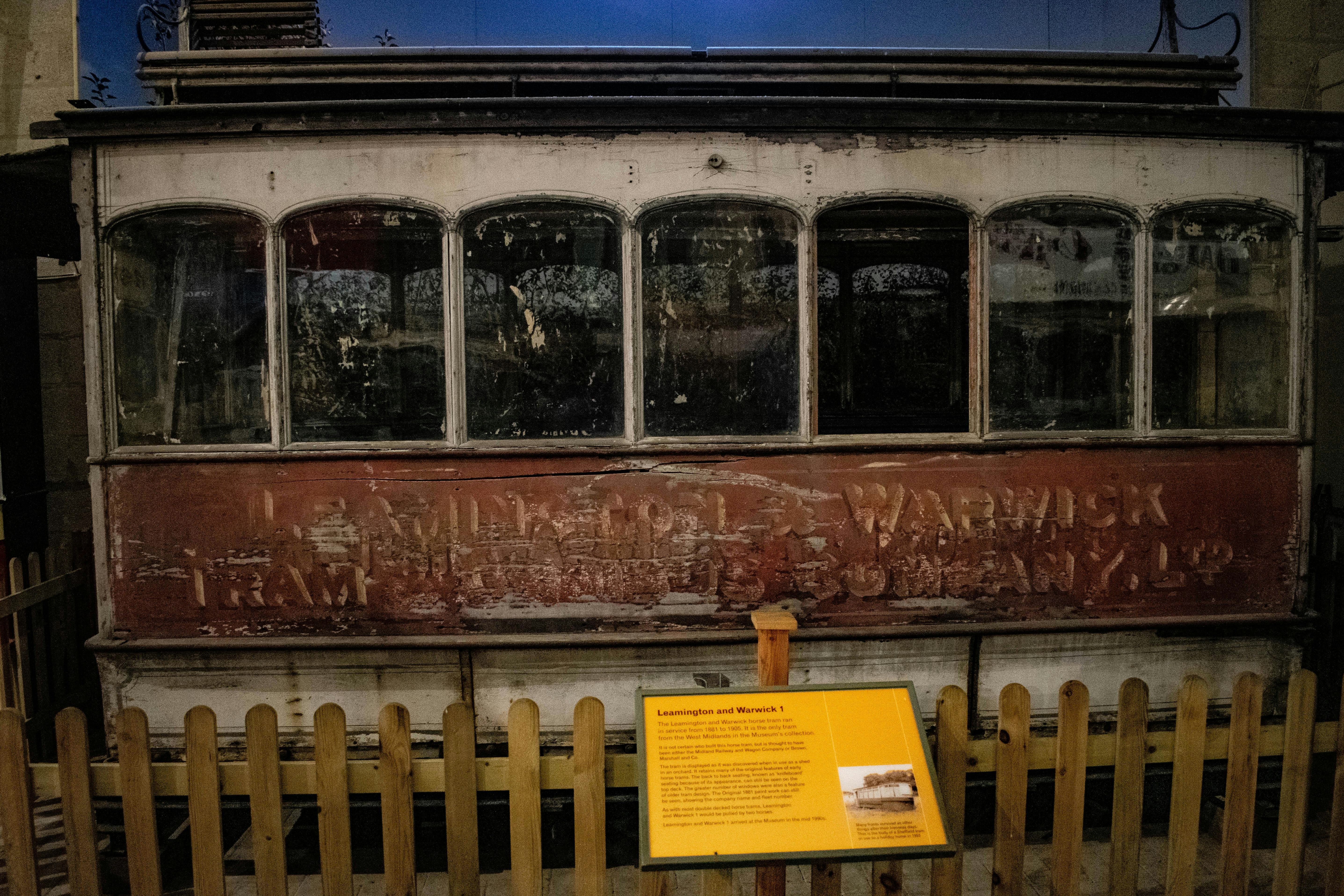
Perhaps the oldest thing in the collection is the Leamington and Warwick horse tram which was in service from 1881 to 1905 and is the only tram from the West Midlands in the collection. The tram is displayed as it was discovered and retains many of its original features. The tram is far to fragile to touch and it is unlikely it will ever be restored fully, but it’s nice to see something as it was left all that time ago. All in all, I thoroughly enjoyed my visit and highly recommend it to others who have an interest in tramways and tramcars.