Given that the birthplace of the railways was in the North, it’s understandable why this is very much a train enthusiasts Mecca. The most significant museums of the railways are up there such as Head of Steam in Darlington, The National Railway Museum in York, and todays visit; Locomotion at Shildon. The museum today is situated on the site where the Stockton and Darlington railway used to run and houses part of the national collection of railway related vehicles and artifacts. This is incredibly significant as the S&DR was the worlds first public railway which was opened in 1825 with a train hauled by Locomotion No 1. This is my first time at Locomotion and it’s somewhere I’ve been wanting to come for a long time.
It would be impossible to showcase every single item housed inside the museum so I have picked out a few highlights but strongly encourage you to visit. I visited just before their new hall opened which has almost doubled the available collection on display so I already have a good reason to go back soon.
Icons of Railway History
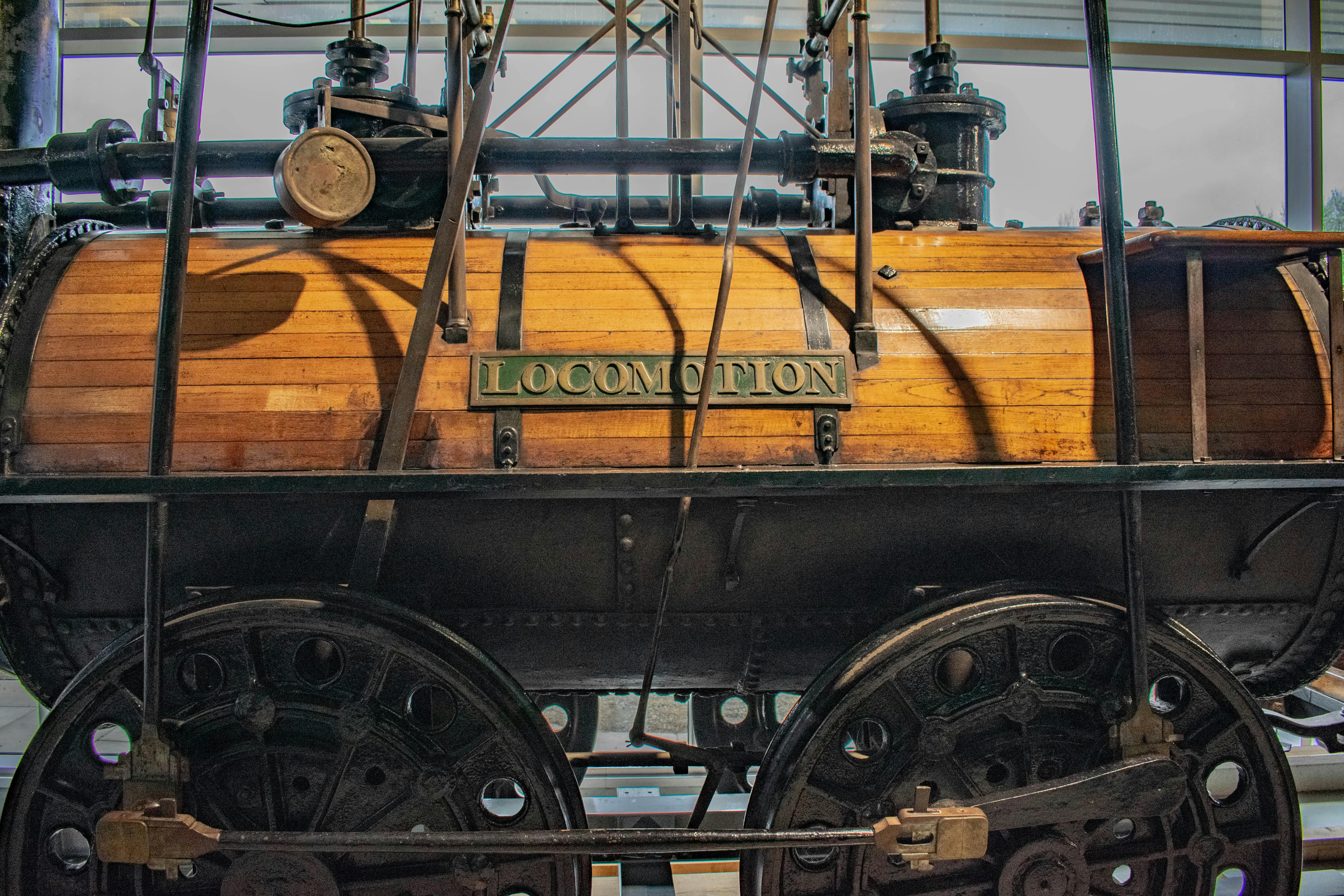
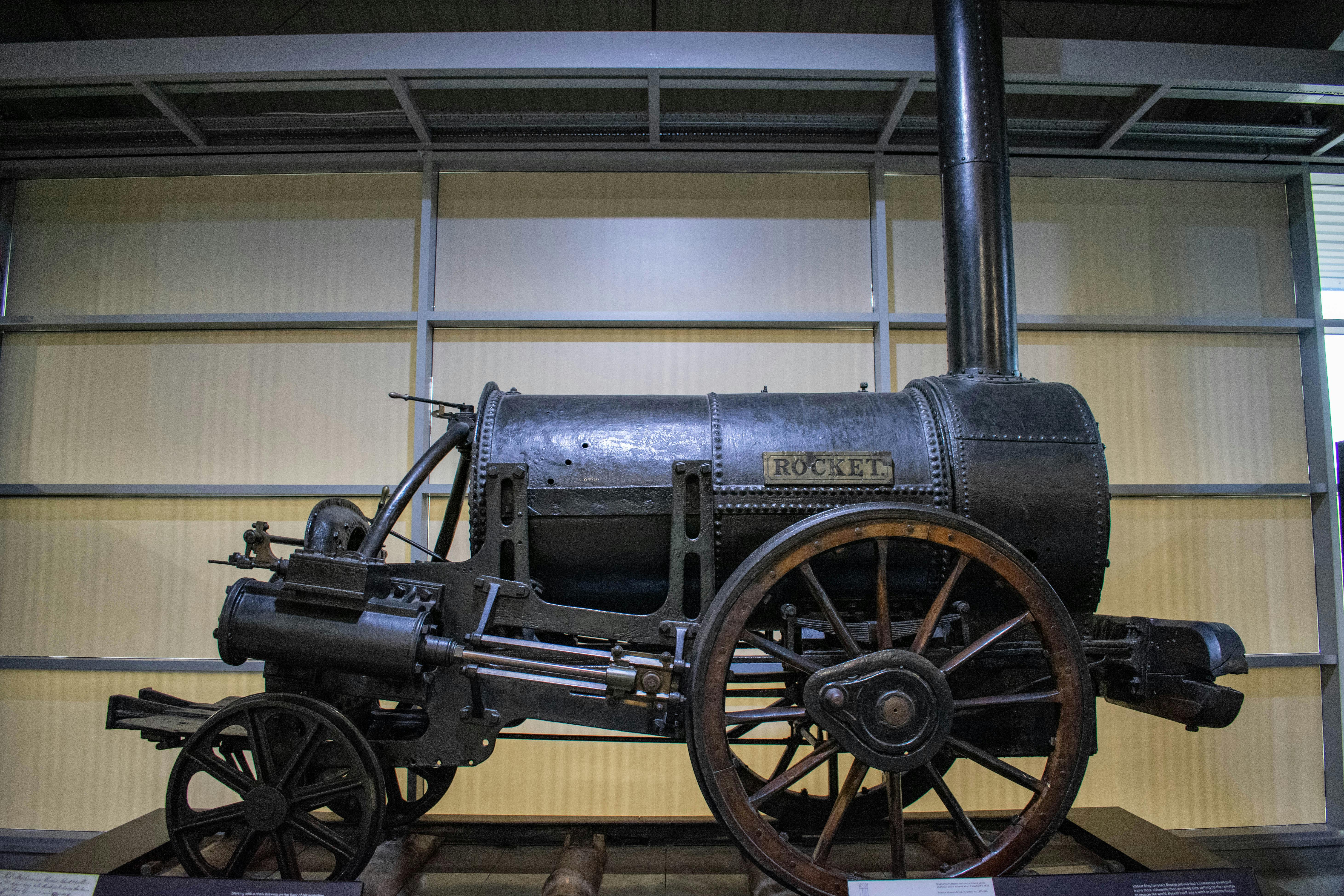
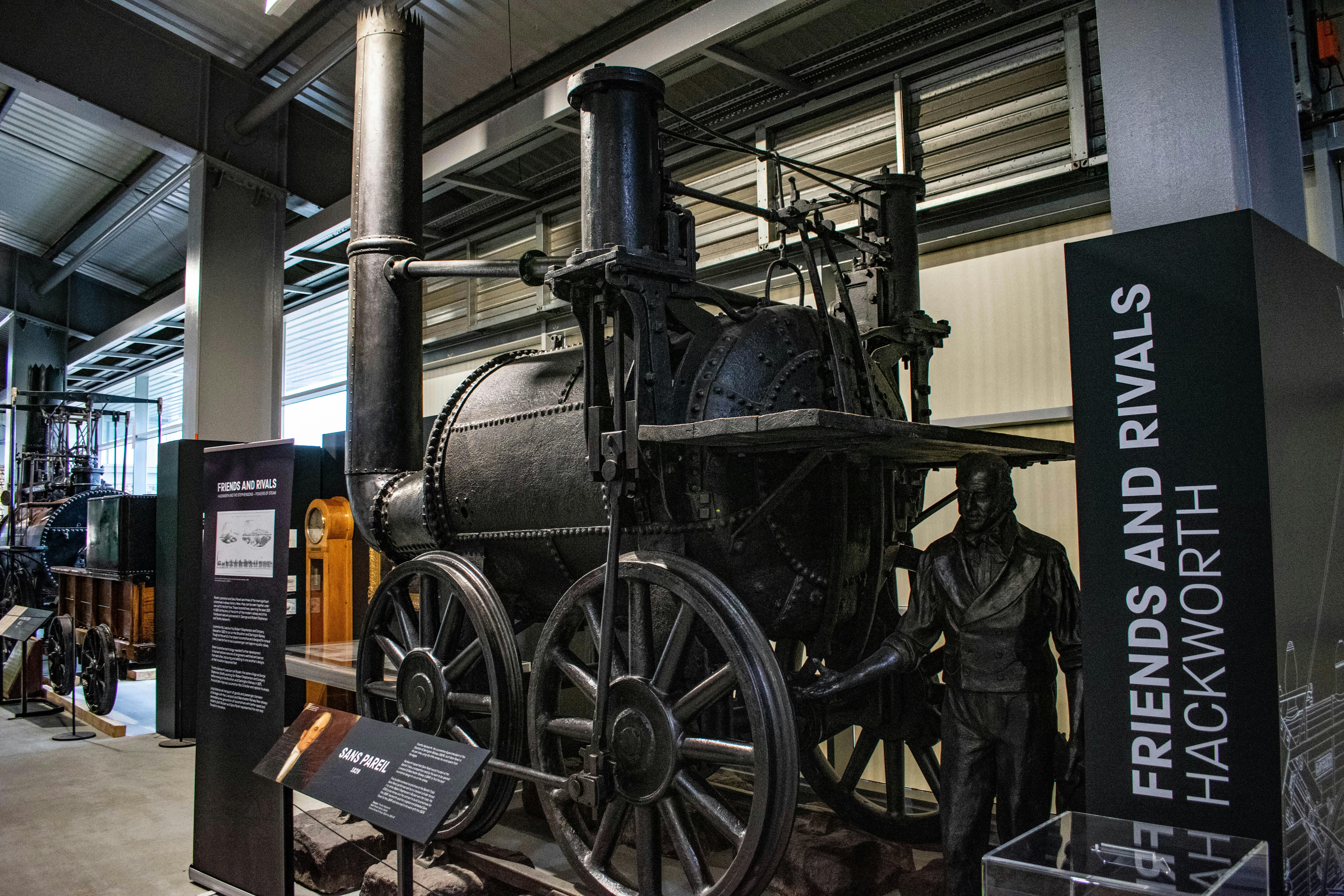
Locomotion, Rocket and Sans Pariel. Those names will be familiar to all railway enthusiasts but for the first time ever, all three of these trailblazers of locomotive travel are housed together at Locomotion. Why are these significant? As mentioned above, Locomotion Number 1 was the first locomotive ever to pull a passenger service not only on the S&DR, but in the world. This locomotive was built by George and Robert Stephenson in 1825 and very much was the blueprint from which all other locomotives came from. Rocket and Sans Pariel were 2 of 5 engines which took part in the Rainhill trails in 1829. These trials were significant in their time as the idea was to test an argument by George Stephenson that locomotives would have better motive power for the newly completed Liverpool and Manchester Railway over the proposed cable drawn carriages by static steam engines. Rocket was the only locomotive to finish the trial and as a result, The Stephensons were awarded the contract to build more locomotives for the Liverpool and Manchester Railway. Had Sans Pariel not broken down during the trial, history may have looked very different.
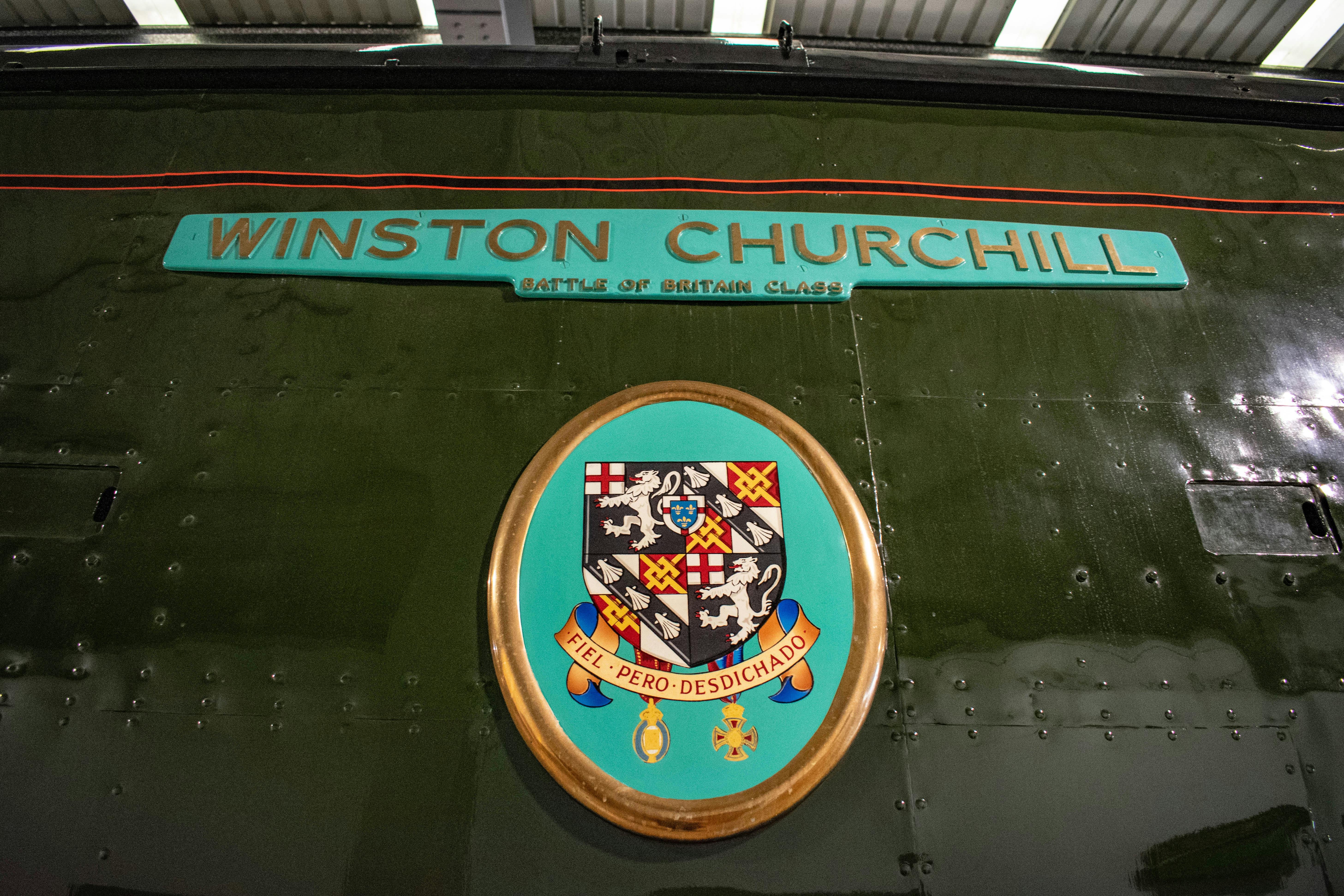
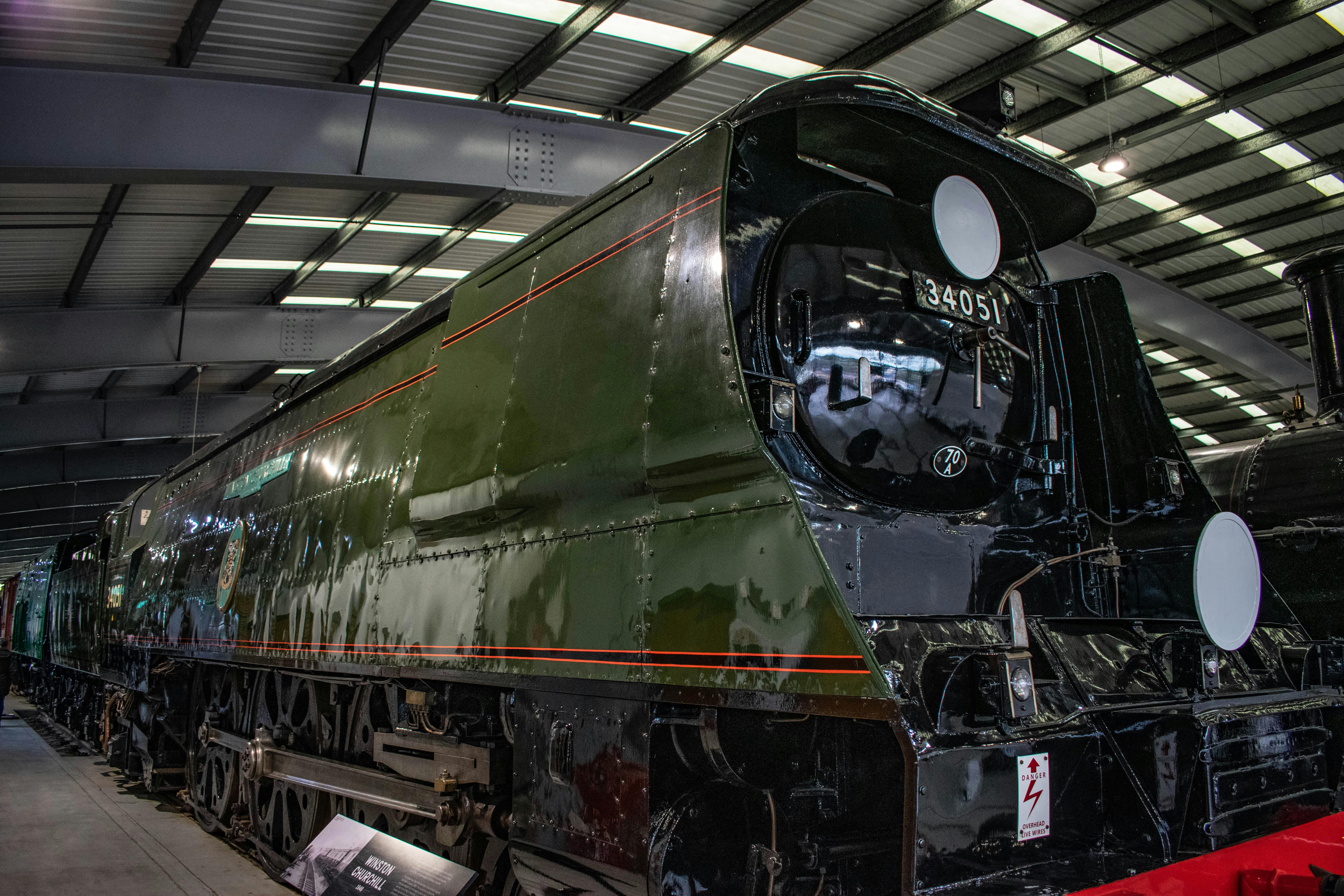
Winston Churchill
Winston Churchill is known by many around the world and arguably the most revered Prime Minister the United Kingdom has ever had. It should come as no surprise that when he died in 1965, he was honoured with his own funeral train. The Battle of Britain Class ‘Winston Churchill’ hauled his coffin to Handborough from London Waterloo, where he was transported to his final resting place in Oxford. Following the funeral, the locomotive was withdrawn from active service and earmarked for preservation. It eventually made its way to Locomotion and now forms part of the national collection.
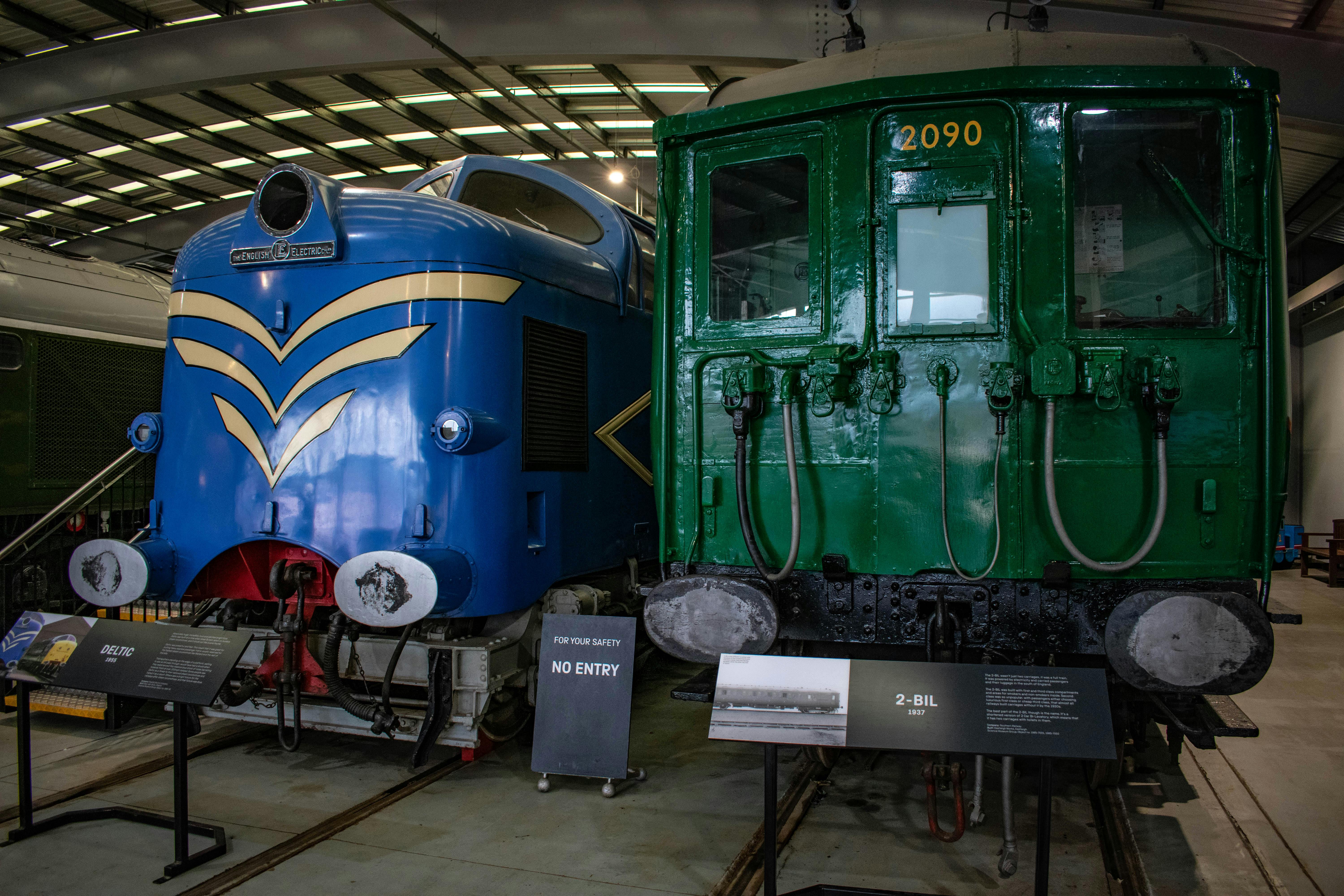
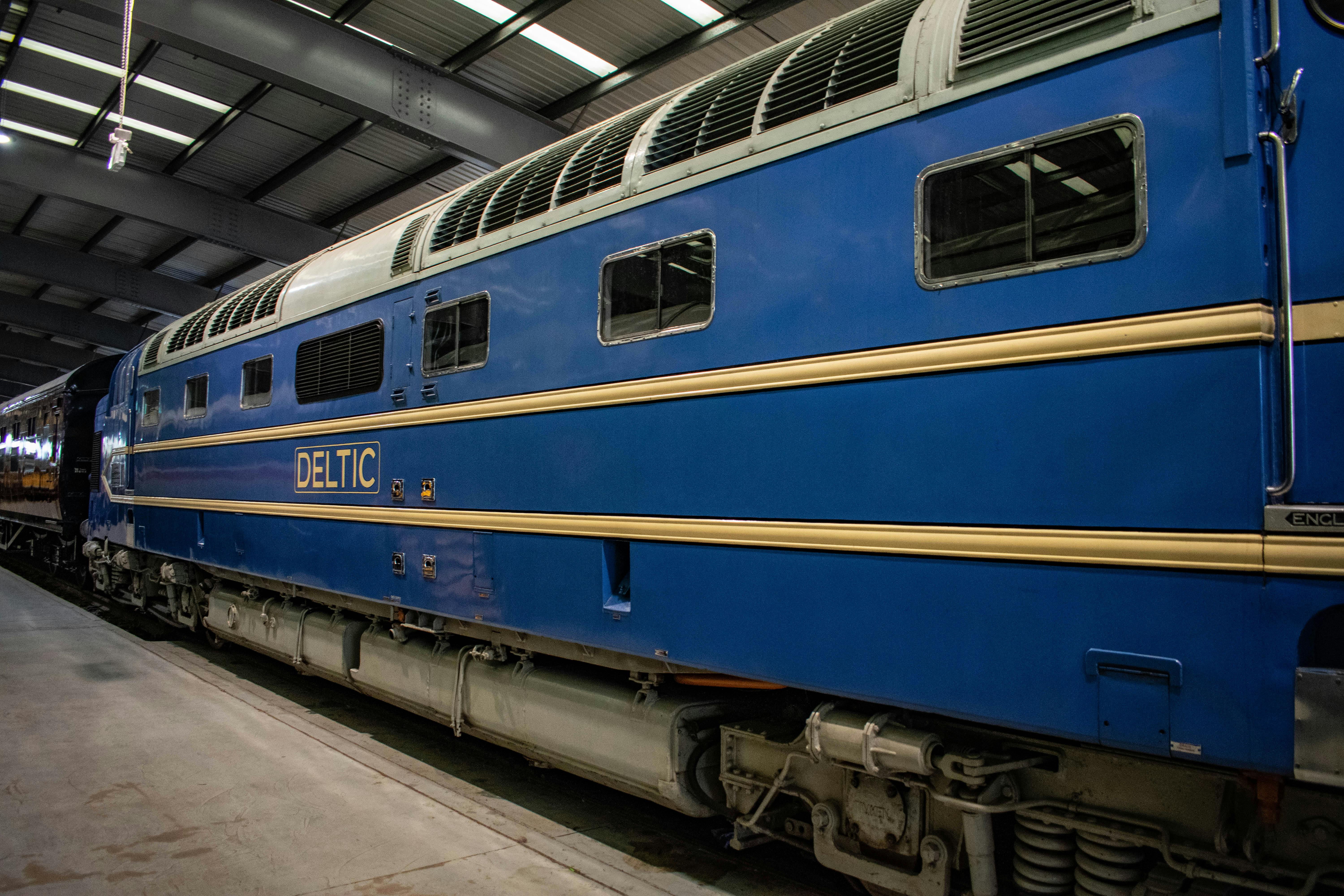
English Electric Class 55 ‘Deltic’
Class 55s or ‘Deltics’ as they are known are a rarity to see, even in preservation now. Luckily the Deltic Preservation Society exists to preserve the last few remaining Deltic’s but here at Locomotion, is the prototype Deltic. The idea behind the Deltic’s was that they could take on and replace steam locomotives on express trains such as the Flying Scotsman. Deltics offered the first services which consistently ran at 100mph. The sound of a Deltic is unlike any other locomotive and to say it is loud is an understatement. Next to the Deltic is an example of Southern Railways 2-BIL third-rail EMU and would typically have been found on the newly electrified lines between London and Eastbourne, Portsmouth and Reading.
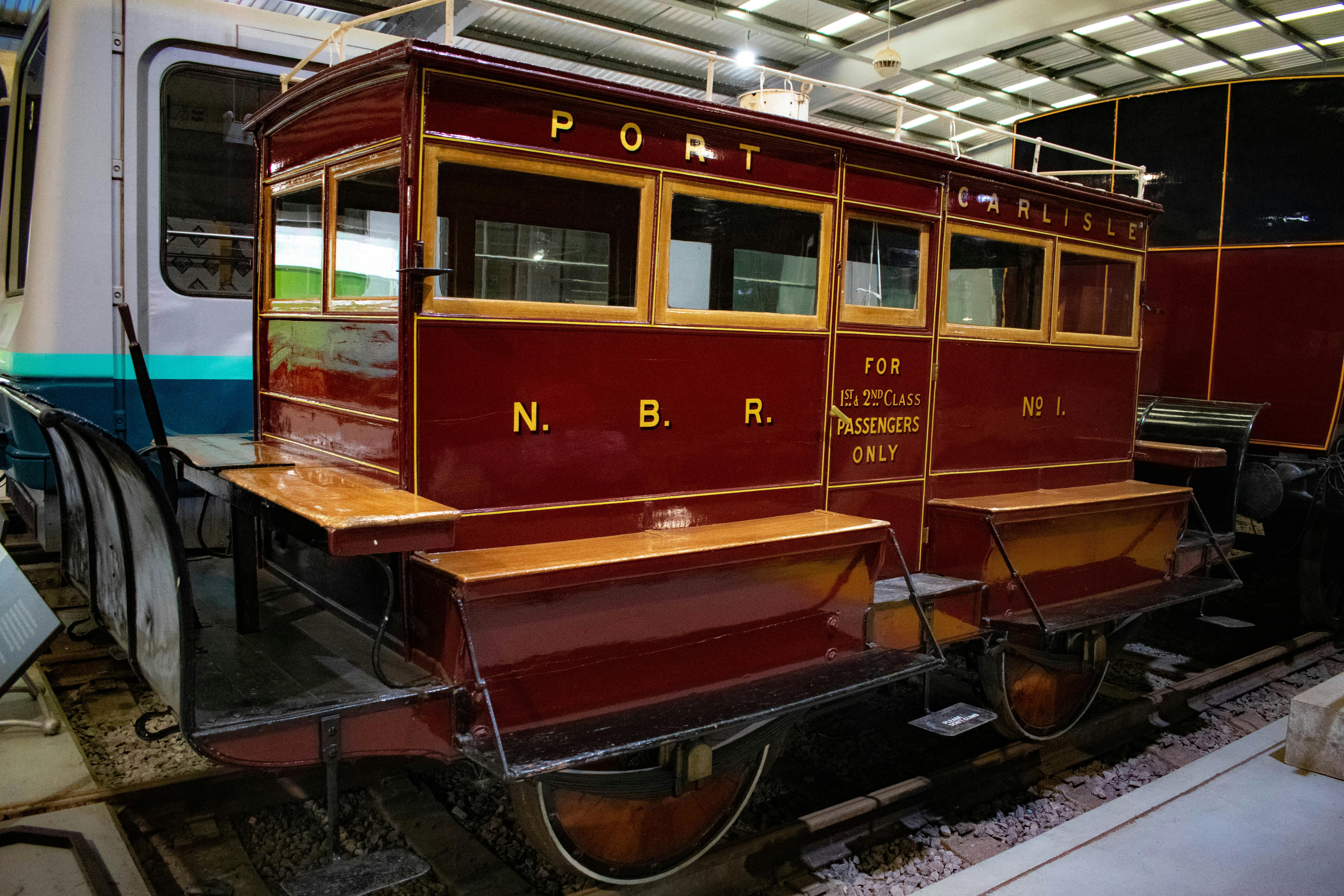
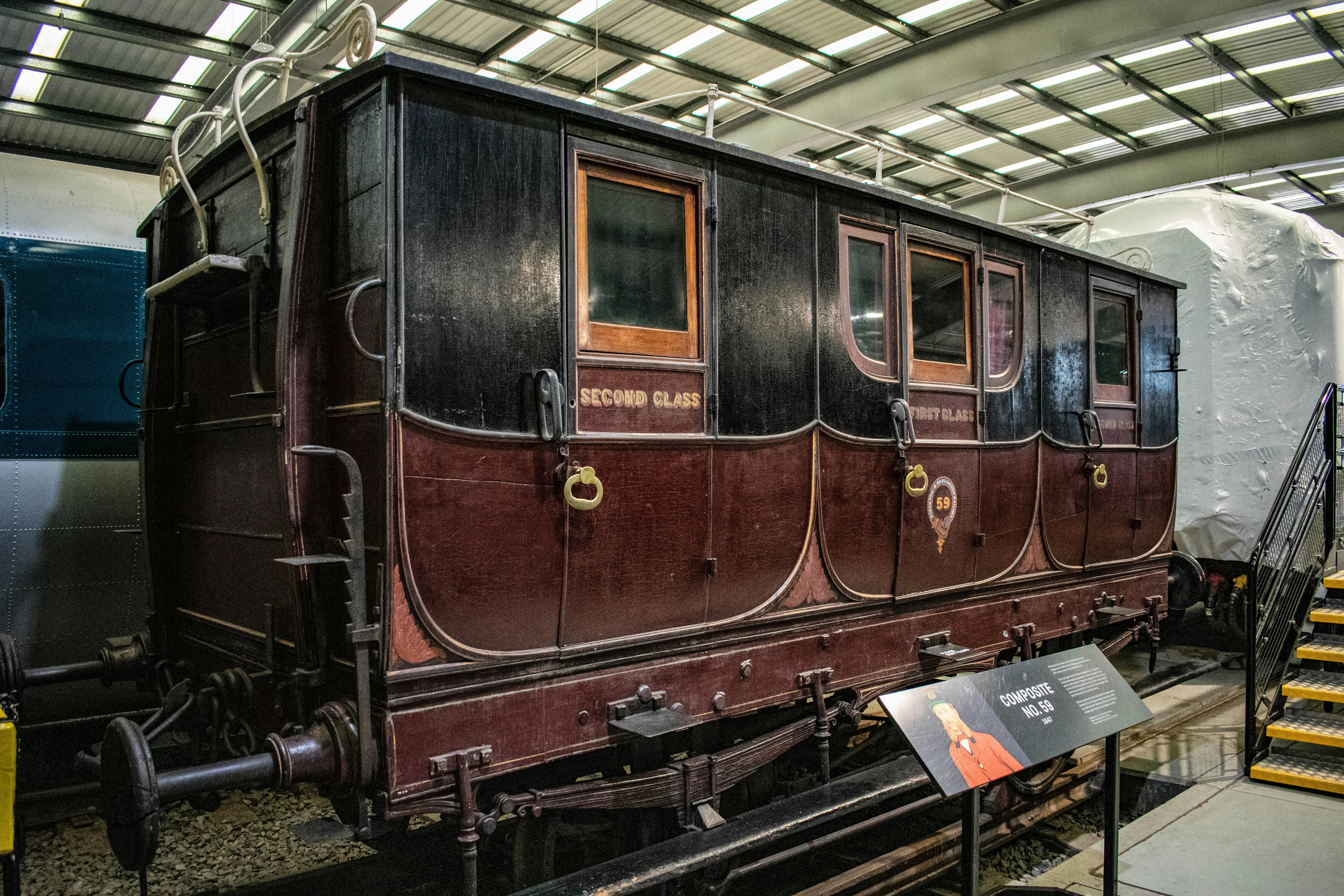
It’s not just locomotives you’ll find here. There is a large collection of wagons and carriages as well such as the North British Railway horse-drawn Dandy cart and composite carriage, No 59, from the Stockton and Darlington Railway. Speaking with volunteers, the composite carriage is incredibly fragile and the floor inside is shot to pieces. It was pointed out to me, there are three sections on this wagon, but if you look carefully, it’s essentially three stage coaches all bolted together. There is even a seat on the roof for someone to operate the footbrake if needed.
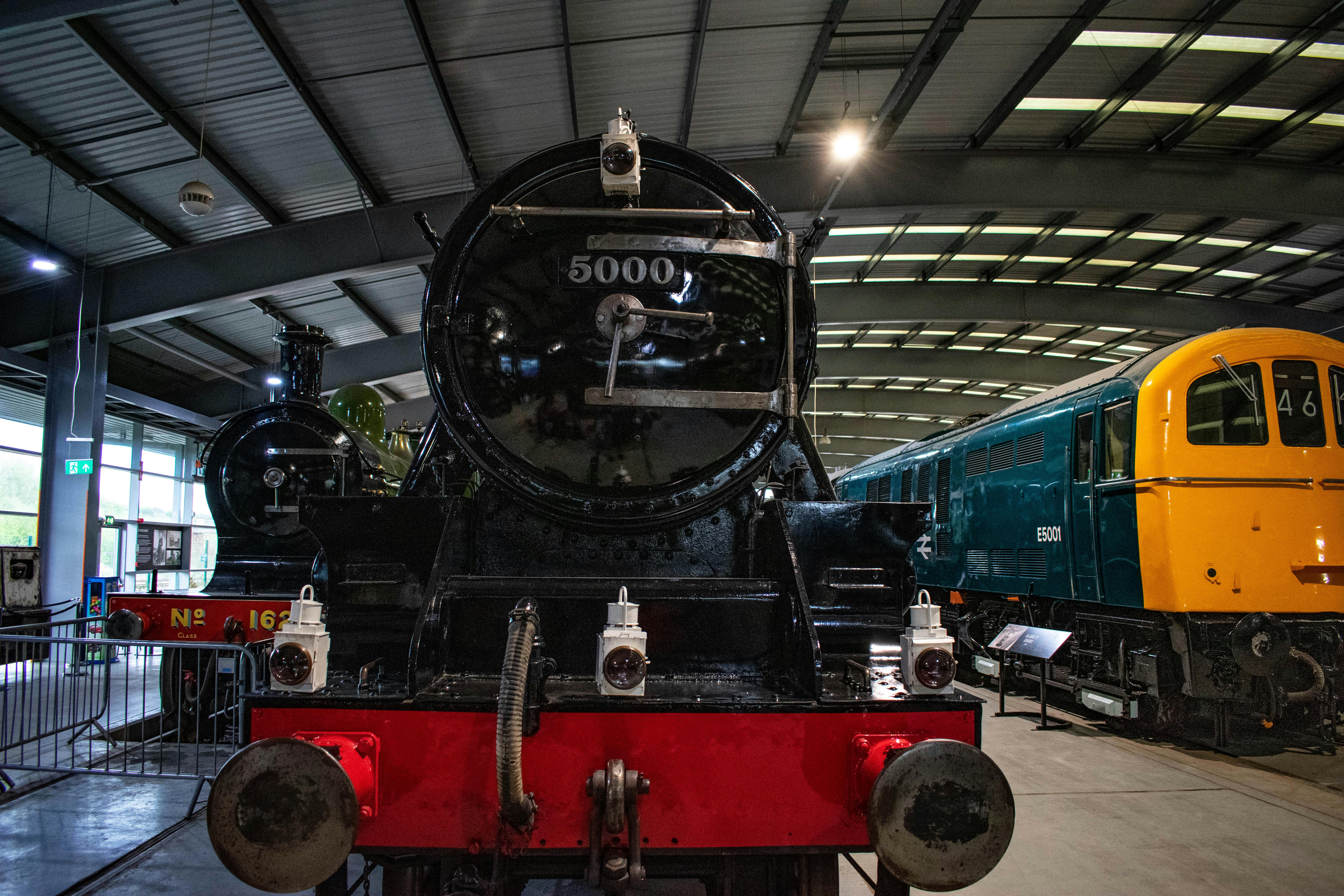
How often have you thought about lamp configurations on a train? I never have, nor did I realise there was a significance to them, but how wrong was I. The Stanier Class 5 (Or Black 5 as they are more commonly known) below has 4 lamps on its front (1 above the smoke box and 3 on the buffer beam). So what? Well in this formation, it’s an important indicator, as this denotes that this is the Royal Train as used by members of the Royal family. There are a number of lamp configurations a train may have, but this one is reserved purely for the Royal Train.
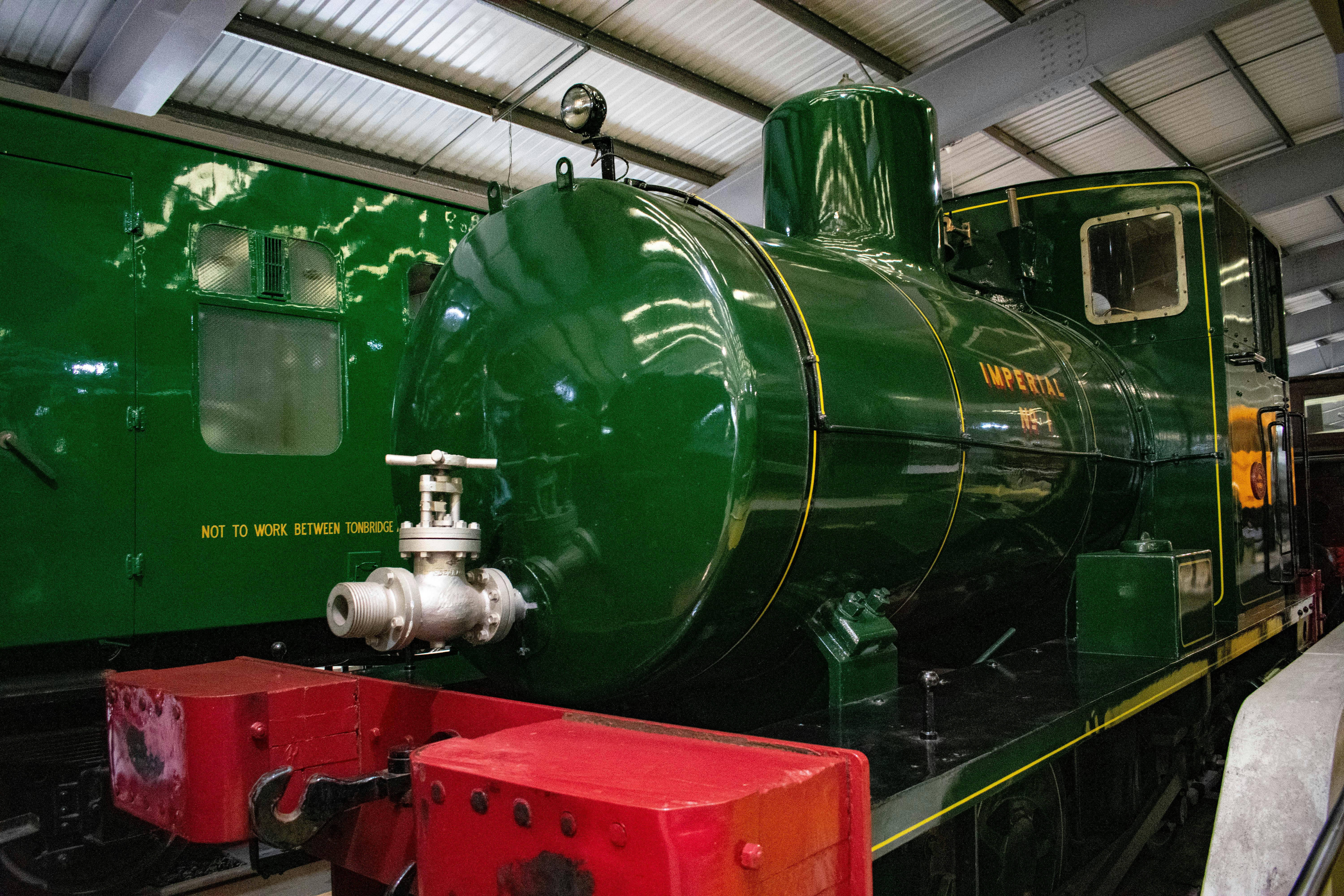
And finally, what’s strange about the train below? Imperial Number 1 is completely fireless. The fireless locomotive was designed for environments where the risk of cinders from the fire of a traditional engine could have caused real problems. Examples of this would be saw, timber and paper mills etc. Imperial No. 1 was built in 1956 and spent its working life at Imperial Paper Mills in Gravesend, Kent. The tank you see on this engine is not filled with water, but instead it is filled with compressed steam which is pumped in from a source via the huge valve on the front of the engine. This method of working means that the engine has a finite amount of time to operate before it needs to be re-fuelled. The engine was never intended to work over long distances and instead would generally be on shunting duties.